Para cualquier bricolajero o contratista pequeño, un solo cálculo erróneo en una piedra tradicional oferta puede borrar por completo el beneficio de los próximos tres proyectos. Los altos costes fijos de las sierras húmedas, mezcladoras y materiales pesados convierten la estimación en un riesgo constante. A menudo se ve obligado a elegir entre ganar la licitación y obtener un margen decente, sin margen para errores ni demoras inesperadas.
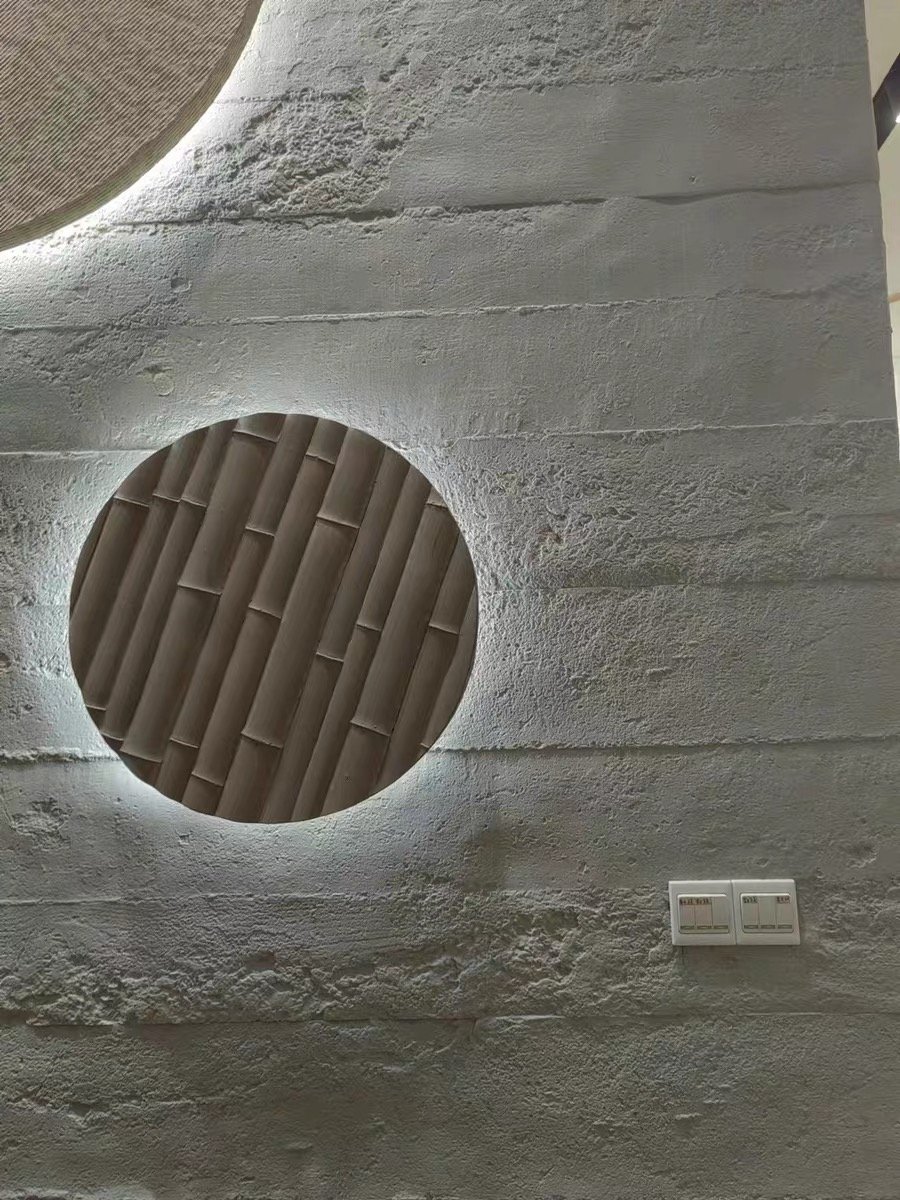
Esta guía ofrece un marco práctico de costes para utilizar piedra flexible y evitar esos desafíos. Desglosaremos cómo presupuestar y ofertar estos trabajos para ganar, destacando los costes fijos específicos que puede reducir de inmediato. También veremos cómo ofrecer a los clientes un aspecto premium a menor coste y explicaremos cómo la mayor velocidad de instalación le permite encajar más trabajos rentables en cada mes.

Estrategia “Ofertar para ganar”
En 2026, ganar licitaciones no se trata de presentar el mayor número de propuestas, sino de seleccionar de forma estratégica los proyectos donde sus datos demuestran que tiene una ventaja competitiva clara.
Priorice la calidad sobre la cantidad
El sector de la construcción ha superado la antigua estrategia de ofertar en todos los proyectos disponibles. Los contratistas inteligentes ahora centran sus recursos en trabajos que se adaptan a su experiencia específica. Este enfoque selectivo y basado en datos significa que usted deja de perder el tiempo en ofertas con baja probabilidad de éxito y comienza a concentrarse en los tipos de proyecto más rentables. Esto mejora directamente su tasa de éxito y la forma en que distribuye el esfuerzo de su equipo.
- Priorice las ofertas que se alinean con las capacidades y la experiencia centrales de su empresa.
- Utilice perspectivas basadas en datos para identificar los tipos de proyecto más rentables.
- Adopte un enfoque selectivo para mejorar su tasa de éxito y la asignación de recursos.
Aproveche la investigación previa a la licitación
Presentar una oferta sin una investigación profunda es una receta para el fracaso. Es necesario entender las prioridades del cliente, que a menudo van más allá del precio más bajo. Analice su historial de proyectos y determine qué valora realmente. Al mismo tiempo, evalúe a la competencia para posicionar su propuesta de manera efectiva. Involucrar a sus principales subcontratistas desde fases tempranas también le otorga una ventaja significativa en costos y planificación.
- Investigue el historial y las preferencias del propietario del proyecto.
- Analice el entorno competitivo para posicionar su oferta de manera efectiva.
- Participe con los subcontratistas desde etapas tempranas para obtener una ventaja competitiva.
Precifique por valor, no solo por costo
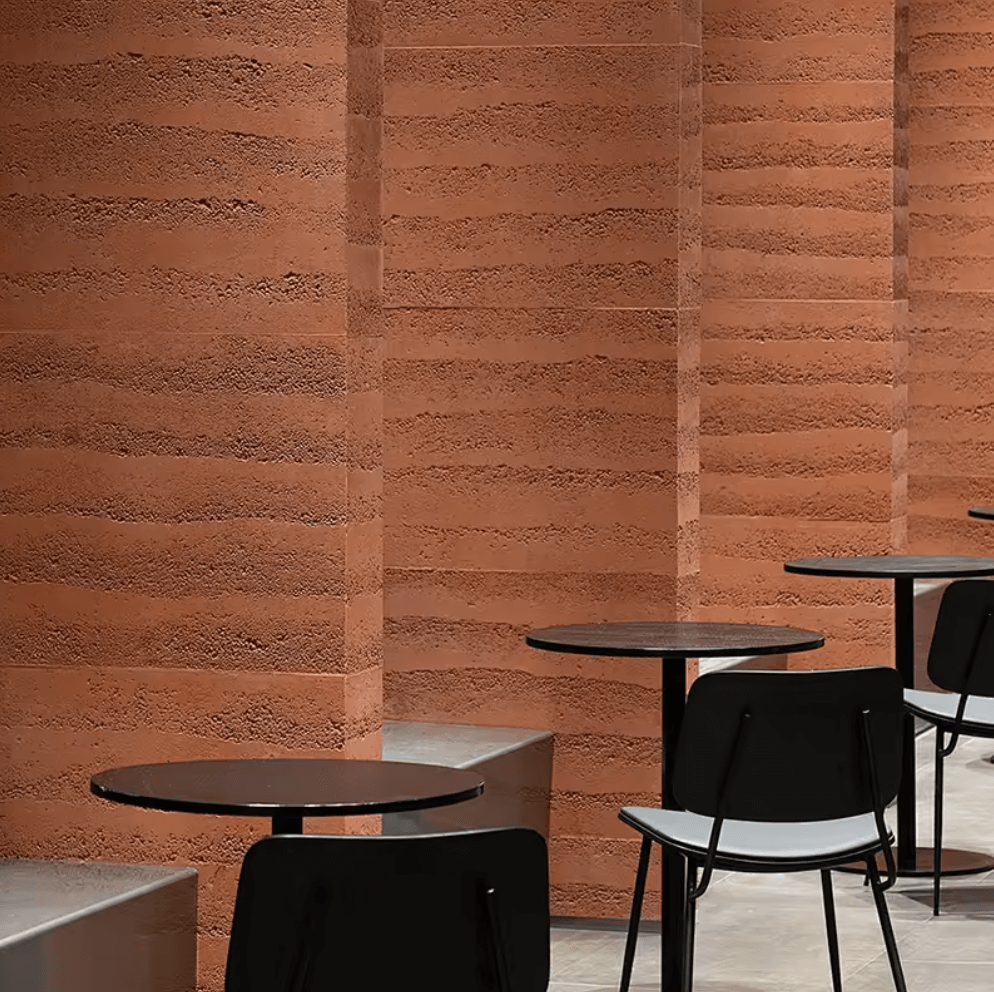
La oferta más baja no siempre gana, especialmente cuando puede comunicar claramente el valor que aporta. La licitación moderna se trata de demostrar cómo resuelve el problema del cliente mejor, no solo más barato. Esto implica destacar materiales premium y eficientes, como paneles de piedra flexible que reducen el tiempo de instalación, o mostrar una durabilidad a largo plazo. Desarrolle un “tema ganador” claro para cada oferta que explique por qué su solución ofrece un mejor retorno de la inversión a largo plazo, justificando así su precio.
- Desarrolle temas ganadores claros que articulen su propuesta de valor única.
- Desvíese de la minimización de costos pura hacia la fijación de precios basada en el valor.
- Muestre cómo su solución ofrece mejores resultados a largo plazo para el cliente.
Utilice plataformas de estimación precisas
Su oferta es tan sólida como su estimación. Confiar en cálculos manuales u hojas de cálculo desactualizadas introduce riesgo y erosiona los márgenes de beneficio. Las plataformas de estimación modernas e integradas son ahora la práctica estándar. Aseguran que usted contabilice con precisión todas las variables, desde el desperdicio de materiales y la eficiencia laboral hasta los costes ocultos. Una estimación precisa y transparente no solo protege sus beneficios, sino que también construye una confianza crítica con el cliente desde el primer día.
- Adopte software moderno de estimación para mejorar la precisión.
- Tenga en cuenta todas las variables, incluido el desperdicio de material, la eficiencia laboral y los gastos generales.
- Una estimación precisa genera confianza en el cliente y sienta las bases de una propuesta ganadora.
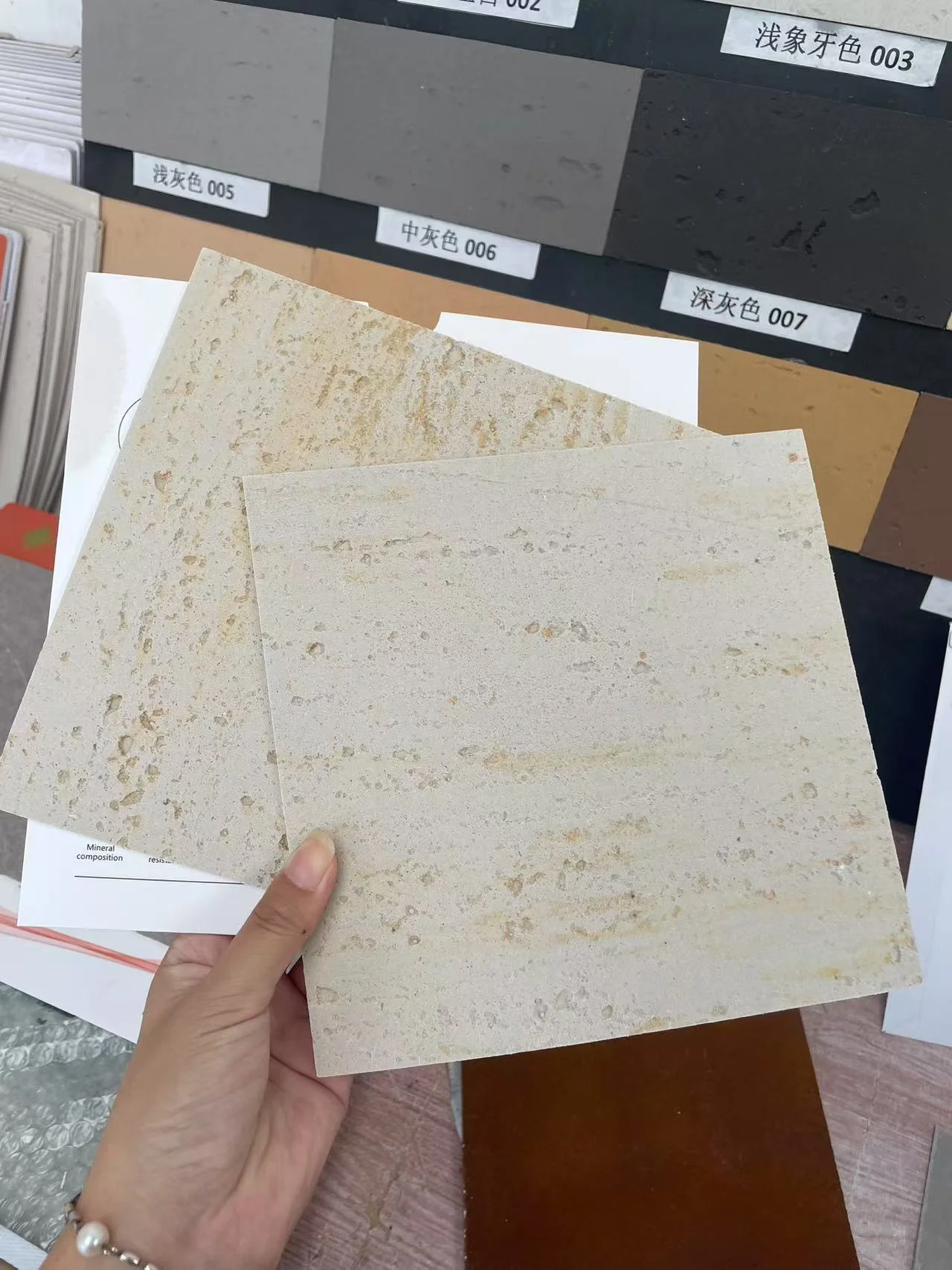
Estimación de trabajos con piedra flexible
Una oferta rentable va más allá del cálculo simple de metros cuadrados; requiere precios por complejidad —curvas, preparación del sustrato y logística del sitio— para proteger sus márgenes desde el primer día.
Factores clave para una oferta precisa
Una oferta exitosa comienza con una evaluación rigurosa en el sitio. Debe medir el área total de instalación, pero preste especial atención a formas complejas como columnas, arcos o paredes curvas, ya que estas aumentan la mano de obra y el desperdicio de material. Evalúe el estado del sustrato; una pared que necesita limpieza, reparación o nivelación agrega costos directos de mano de obra que no pueden ignorarse. Su estimación también debe considerar el panel de piedra flexible específico, el adhesivo y el sellador requeridos. Diferentes texturas o aplicaciones exteriores demandan materiales distintos. Finalmente, considere la logística del sitio. Una mala accesibilidad o la necesidad de andamios puede impactar significativamente las horas de mano de obra y el costo general del proyecto.
Cálculo de materiales, mano de obra y desperdicio
Proteger su margen de ganancia depende de cubrir con precisión todos los costos directos. Comience calculando el número total de paneles de piedra flexible requeridos para el trabajo, luego agregue un factor de desperdicio del 5-10 %. Este margen es crítico para contemplar los recortes, errores y daños en el transporte. A continuación, estime la cantidad de adhesivo y sellador necesario siguiendo las tasas de cobertura especificadas por el fabricante. Proyecte las horas totales de mano de obra dividiendo el trabajo en fases: preparación, instalación y limpieza. Su proyección debe basarse en la experiencia de su equipo y la complejidad medida del trabajo. Agrupar estos costos en una lista detallada crea una cotización transparente y defendible para su cliente.
| Componente de coste | Base de cálculo (ejemplo: proyecto de 20 m²) | Notas |
|---|---|---|
| Paneles de piedra flexibles | 20 m² ÷ 0,72 m²/panel = 28 paneles + 10 % de desperdicio (3 paneles) = 31 paneles en total. | Redondee siempre hacia arriba y agregue un margen de desperdicio. |
| Adhesivo y sellador | Según la tasa de cobertura del fabricante (p. ej., 5 m² por bote). 20 m² requieren 4 botes de adhesivo. | Los trabajos exteriores o en áreas húmedas pueden requerir una capa superior de sellador. |
| Mano de obra | Tiempo estimado: 0,5 h/m² para una pared sencilla. 20 m² × 0,5 h/m² = 10 horas. | Aumente las horas para cortes complejos, trabajos de preparación o accesos difíciles. |
| Gastos generales y beneficio | (Coste total de materiales + coste de mano de obra) × Margen % (por ejemplo, 25%). | Apuntar a un margen bruto del 18-30% en trabajos de revestimiento especial. |
Uso de software para estimaciones más rápidas
En 2026, la estimación manual es una desventaja competitiva. El software digital de toma de medidas en la nube automatiza las mediciones a partir de los planos del proyecto, generando listas precisas de materiales en una fracción del tiempo. Los datos del mercado indican que estas herramientas pueden reducir el tiempo de estimación en más de un 50%, lo que le permite presentar ofertas para más trabajos con mayor precisión. Las plataformas modernas pueden generar propuestas profesionales con su marca que se integran con sus sistemas de contabilidad o gestión de proyectos. Esto agiliza todo el flujo de trabajo, desde la oferta hasta la factura final. La capacidad de crear y ajustar ofertas desde un dispositivo móvil directamente en el lugar del trabajo le brinda una ventaja crítica de velocidad.
Chapa de piedra Source Premium, totalmente personalizable
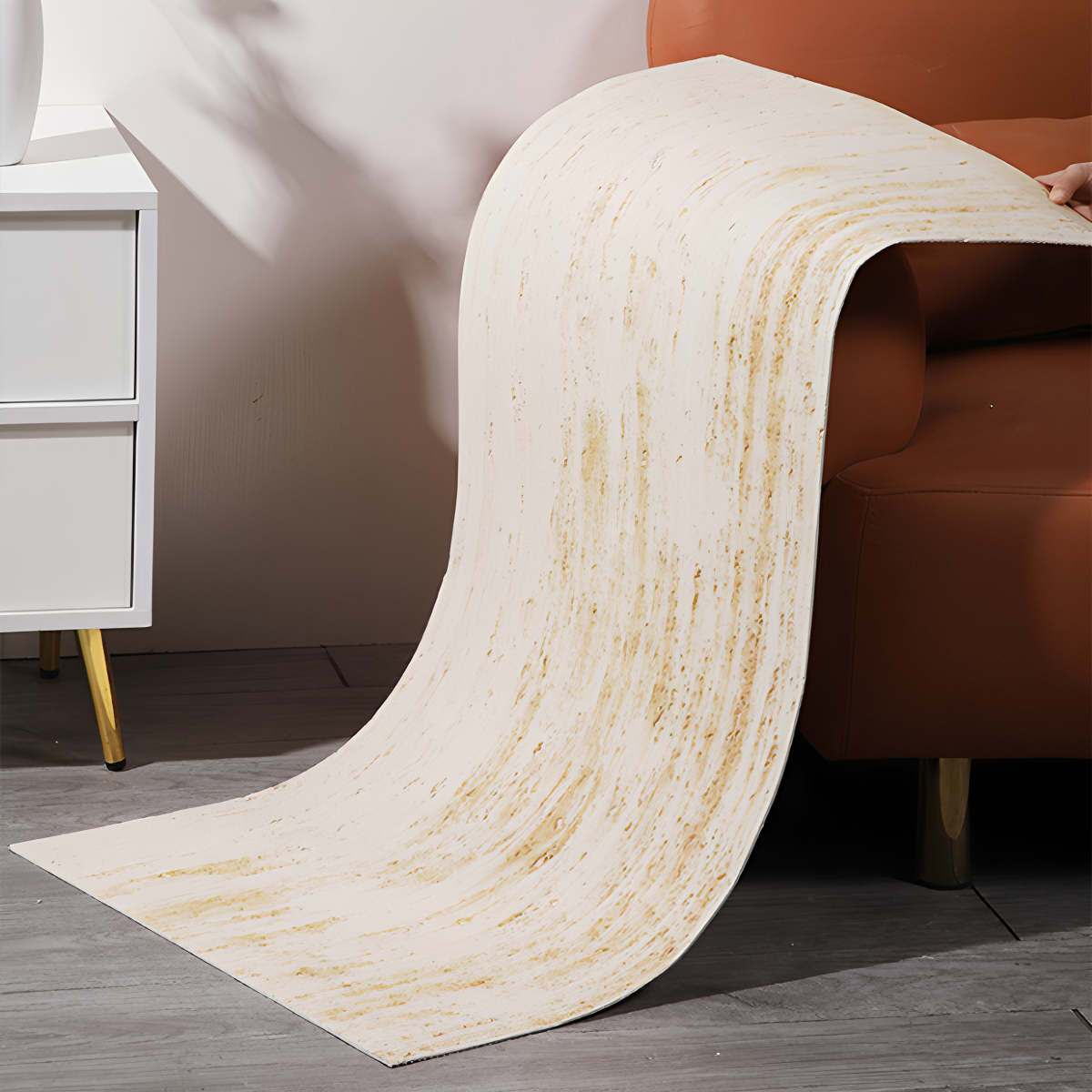
Reducción de gastos generales (sin sierra húmeda/mezcladora)
Eliminar las sierras húmedas y las mezcladoras de mortero no solo se trata de ahorrar en los costos iniciales de equipamiento; es una medida estratégica para reducir el tiempo de montaje, minimizar la mano de obra de limpieza y operar en silencio en espacios ocupados, lo que aumenta directamente la eficiencia en el sitio de trabajo.
Para los contratistas pequeños, la mayor pérdida de rentabilidad no siempre es el costo de los materiales, sino el gasto general y la mano de obra desperdiciada. El trabajo tradicional con piedra y azulejos requiere una inversión significativa en maquinaria pesada, sucia y ruidosa. Un sistema de piedra flexible elimina por completo estos requisitos. Al diseñar un proceso de instalación basado en herramientas manuales sencillas, puede operar de manera más eficiente, reducir el tiempo no facturável de montaje y limpieza, y aceptar trabajos en entornos donde el ruido y el polvo son inaceptables.
Cortadoras manuales para cortes simples y rectos
Las cortadoras manuales de azulejos son una alternativa rentable para realizar cortes limpios y rectos sin electricidad ni agua. Dado que el revestimiento de piedra flexible se puede marcar y romper o cortar con un cúter, una sierra húmeda de gran potencia resulta innecesaria para la mayoría de los cortes. Este enfoque es ideal para contratistas que trabajan en áreas con suministro eléctrico limitado o que necesitan operar en silencio.
- Reduce significativamente la inversión inicial en equipamiento en comparación con las sierras eléctricas.
- Opera sin ruido fuerte, ideal para trabajos en hogares u oficinas ocupadas.
- Genera polvo mínimo, lo que simplifica la limpieza y el control en el sitio de trabajo.
Amoladoras inalámbricas para curvas y detalles
Una amoladora angular inalámbrica ofrece la portabilidad y la precisión necesarias para formas personalizadas, cajas de tomacorriente y recortes detallados. Esta herramienta versátil resuelve trabajos complejos que una cortadora manual sencilla no puede manejar, sin necesidad de una máquina grande y fija. Es el complemento perfecto para adaptar los paneles de piedra flexible a las condiciones reales del sitio de trabajo, como colocar material alrededor de tuberías o crear características arquitectónicas únicas.
- Permite el corte a mano alzada de arcos y patrones únicos.
- El funcionamiento con batería ofrece total portabilidad para cualquier condición en el sitio de obra.
- Se adapta a diferentes materiales mediante el uso de hojas especializadas.
Beneficios de una instalación sin agua
Al evitar equipos que dependen del agua, optimiza todo el proceso de instalación. Un enfoque de “corte en seco” reduce el tiempo de preparación, minimiza el desorden y elimina la necesidad de gestionar el agua en el sitio. Esta ventaja operativa significa menos tiempo dedicado a tareas improductivas y más tiempo en trabajo que aporta valor, impactando directamente su capacidad para completar trabajos más rápido y con mayor rentabilidad.
- Montaje y desmontaje de trabajos más rápidos sin gestionar mangueras de agua o lodo.
- Ahorra en costos de mano de obra al reducir el tiempo necesario para la limpieza.
- Permite trabajos de instalación en ubicaciones con acceso limitado a fuentes de agua.
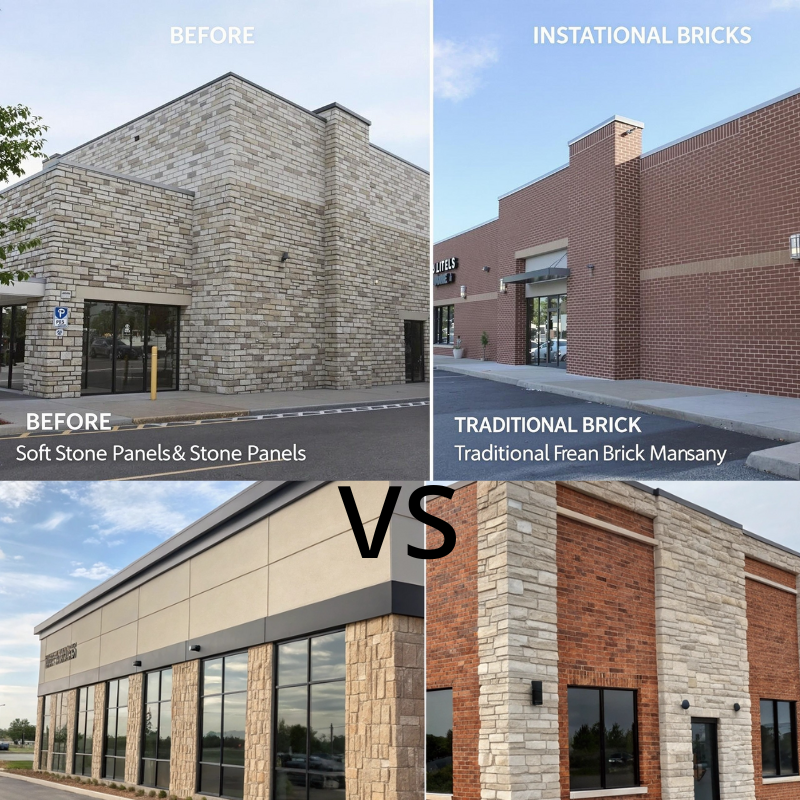
Venta adicional a los clientes: “Look premium, menor costo”
La venta adicional más efectiva desplaza la conversación del precio al valor, posicionando la piedra flexible no como una alternativa, sino como un material más inteligente y capaz que ofrece una estética premium con un costo total del proyecto menor.
Demostración de la propuesta de valor: piedra tradicional vs. piedra flexible
Enmarque la discusión en torno a un análisis directo de costo-beneficio. Muestre a los clientes cómo los paneles de piedra flexible proporcionan el aspecto auténtico y de alta gama de la piedra tradicional en losas, sin los costos asociados de materiales y logística. Esto presenta la mejora como una inversión de valor optimizado en lugar de un gasto adicional. La clave es demostrar que no están comprometiendo la calidad, sino solo la ineficiencia.
- Presente una comparación de costos lado a lado para la cantidad total de metros cuadrados del proyecto. Tenga en cuenta el costo del material, el envío y la mano de obra para resaltar el ahorro total.
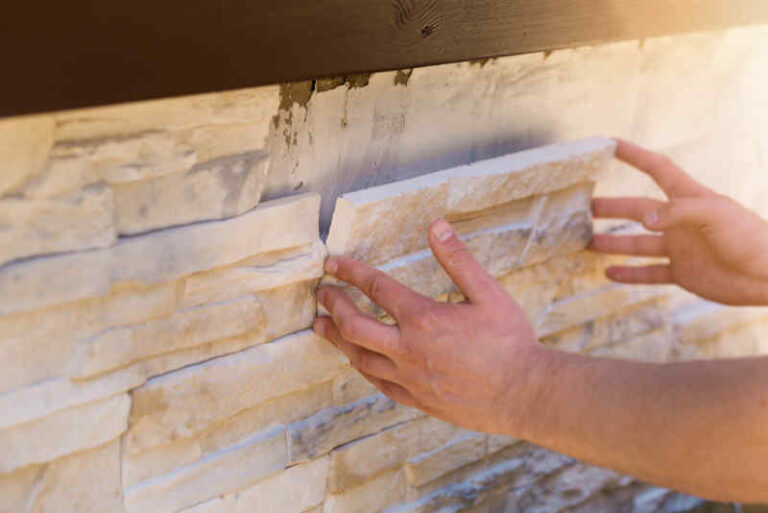
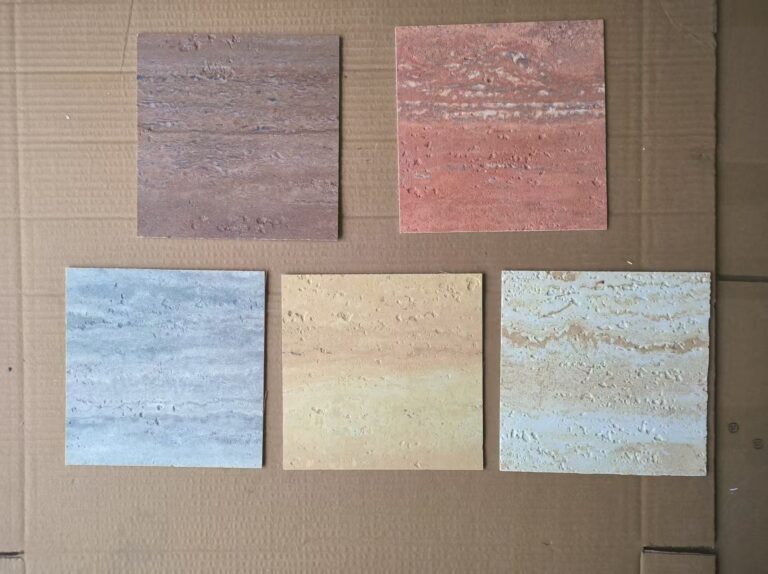
- Explique que los paneles están hechos de polvo de piedra natural fusionado con polímeros. No son de plástico ni vinilo, por lo que la apariencia y el tacto son auténticos.
- Destaque la dramática reducción en los costos de envío. Con solo 3.5-6.0 kg/m², el material pesa aproximadamente 1/6 parte de la piedra tradicional, lo que reduce significativamente los gastos de flete.
Destacando una instalación más rápida y menores costos de mano de obra
Los ahorros más significativos para el cliente suelen provenir de la reducción de la mano de obra. Debido a que la piedra flexible es ligera y fácil de manejar, la instalación es considerablemente más rápida y requiere un equipo más pequeño y menos especializado. Esto se traduce directamente en menos horas facturables y menor interrupción para el hogar o negocio del cliente, lo cual es un poderoso argumento de venta.
- Mencionar que la instalación no requiere maquinaria pesada, sierras húmedas ni equipos especializados de albañilería. Los paneles pueden cortarse en el sitio con un simple cúter, lo que resulta en un proceso sin polvo y de bajo ruido.
- Señalar que los paneles pueden aplicarse directamente sobre superficies existentes como azulejos antiguos o paneles de yeso. Esta “renovación sin demolición” elimina el alto costo y el desorden propios de la demolición y la preparación de superficies.
- Presentar la rapidez de instalación como un beneficio clave. Una finalización más rápida significa que el cliente podrá usar su nuevo espacio antes, una ventaja tangible tanto para proyectos residenciales como comerciales.
Ofreciendo diseños únicos en superficies curvas o complejas

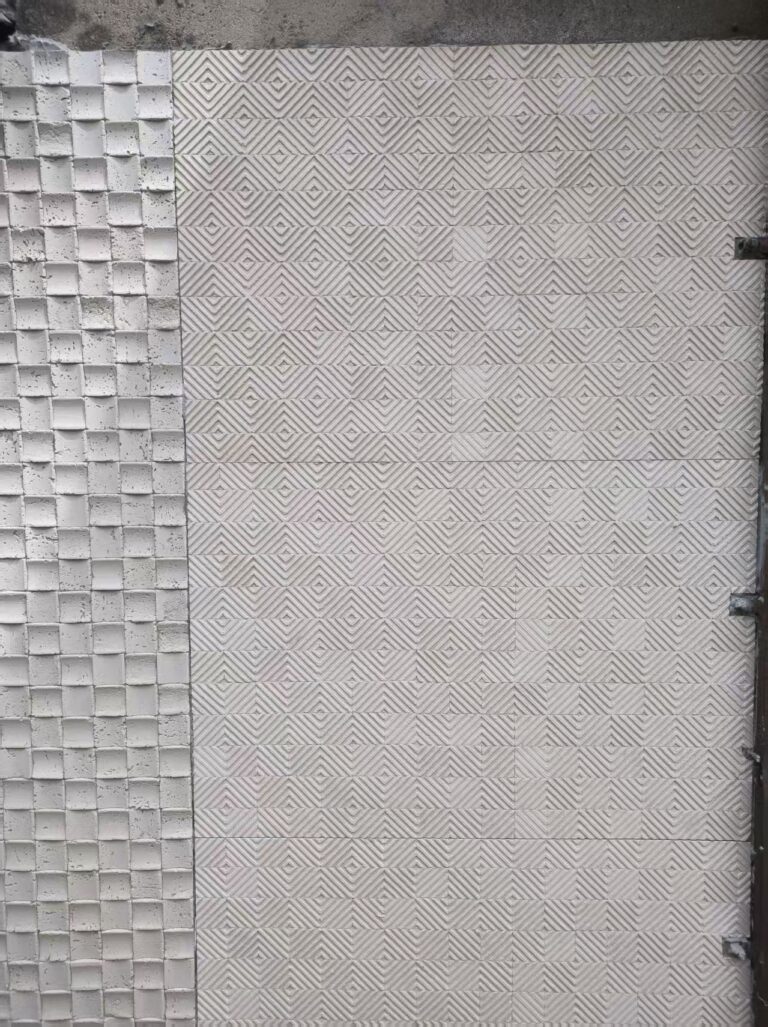
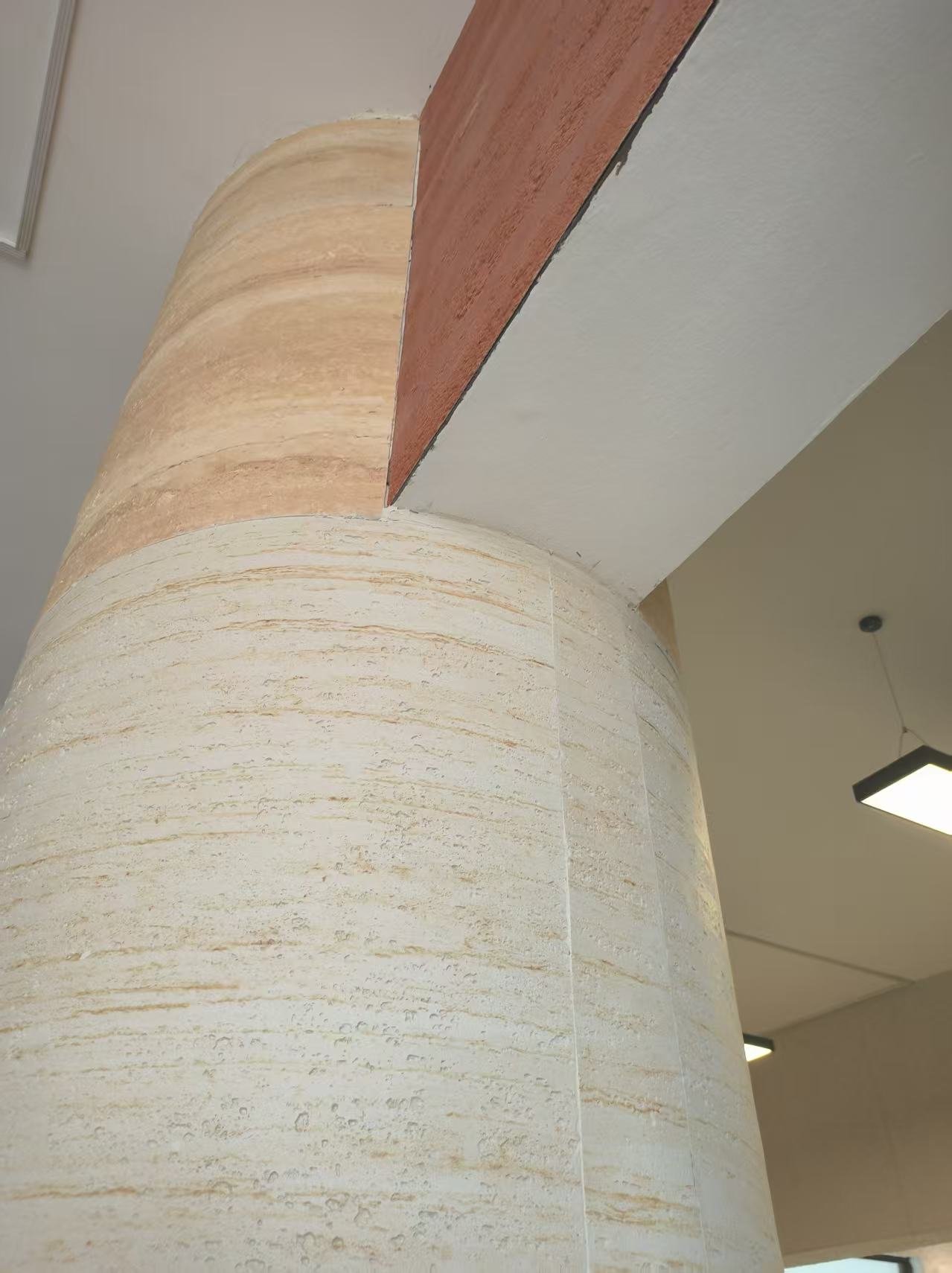
Utilizar la flexibilidad única del producto como una ventaja exclusiva de diseño que los materiales tradicionales no pueden igualar. Proponer aplicaciones que son imposibles o prohibitivamente costosas con piedra rígida, como recubrir columnas, crear paredes de acento sin costuras curvas, o revestir arcos complejos. Esto desplaza el enfoque de la comparación de costos hacia la consecución de un acabado personalizado y de alta gama que antes estaba fuera de alcance.
- Usar fotos del portafolio o crear maquetas digitales para ayudar al cliente a visualizar los paneles en elementos arquitectónicos curvos en su propio espacio.
- Explicar que esto logra un aspecto exclusivo y premium sin los costos extremos y los largos plazos de entrega asociados con bloques de piedra tallada a medida.
- Para clientes de alto valor, ofrecer personalización a nivel de proyecto utilizando tecnología de impresión 3D para prototipar rápidamente y coincidir con patrones o colores específicos para un acabado verdaderamente único.
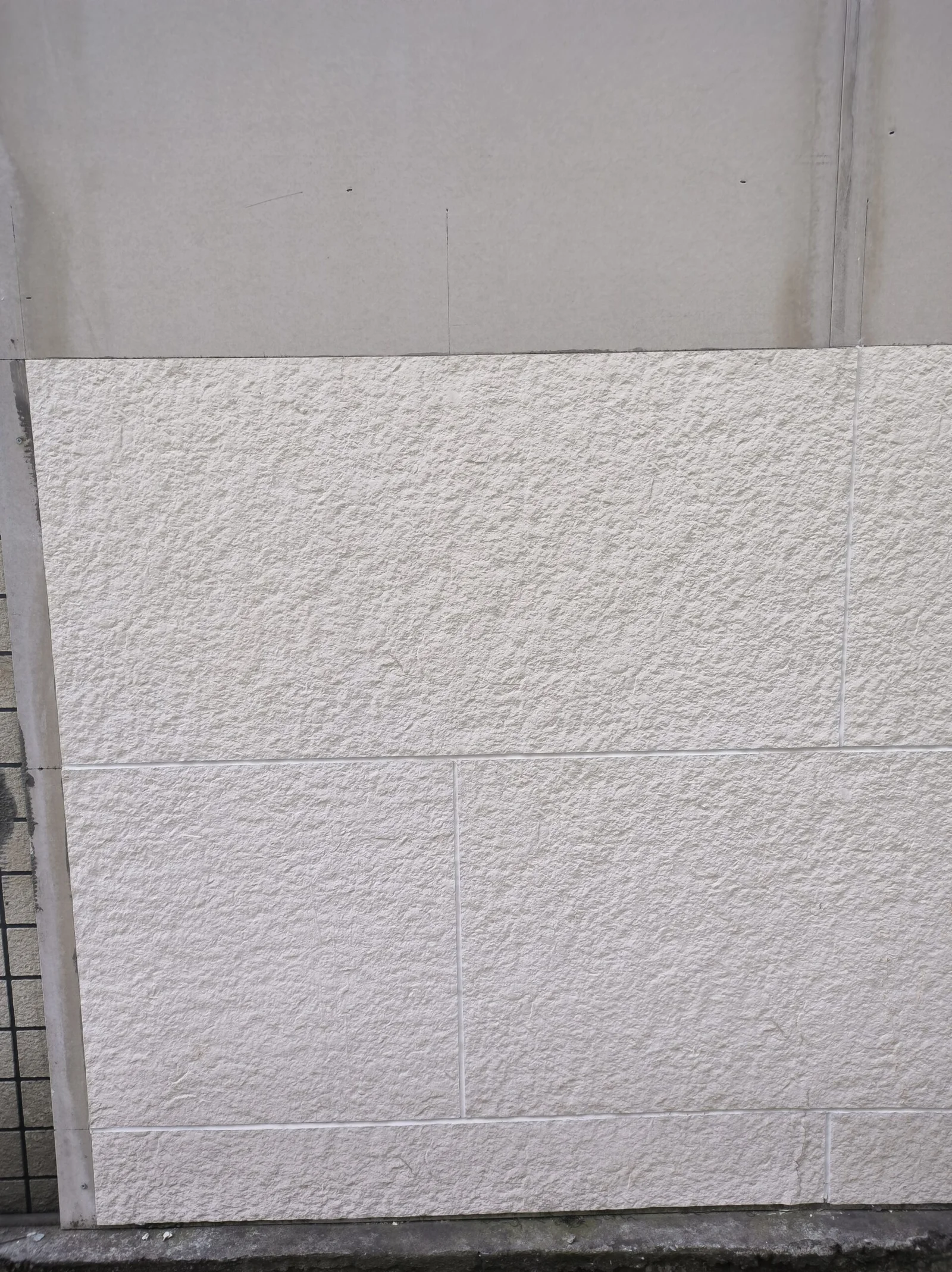
Velocidad = Más trabajos por mes
La productividad de la industria de la construcción ha apenas crecido en dos décadas porque hasta 70% del tiempo en obra se pierde en tareas no constructivas; adoptar materiales más rápidos convierte directamente ese tiempo desperdiciado en trabajos facturables.
Minimice el tiempo perdido en obra
Una parte significativa de cualquier proyecto de construcción se destina a trabajo no productivo, como el transporte de materiales, reprocesos y la resolución de malentendidos. Los materiales diseñados para la eficiencia eliminan sistemáticamente estos pérdidas de tiempo. Al elegir paneles ligeros soluciones de instalación sencilla, un equipo dedica más horas del día a la instalación real y menos tiempo a obstáculos logísticos.
- Los paneles JMS Decor son ligeros, lo que reduce drásticamente la mano de obra y el tiempo dedicado a mover y colocar materiales en la obra.
- El sencillo proceso de instalación con adhesivo minimiza los riesgos de mala comunicación o errores de secuencia entre los miembros del equipo.
- Los equipos finalizan los proyectos más rápido, lo que les permite iniciar el siguiente trabajo y aumenta el número total de proyectos completados cada mes.
Reduzca reprocesos en el proyecto
Los reprocesos son una fuente principal de pérdidas económicas y demoras en los plazos del proyecto. Panel de piedra flexibleSon mucho más tolerantes que los materiales rígidos tradicionales, lo que minimiza los errores que generan costosas réplicas. La capacidad de adaptarse a las superficies y la uniformidad del producto reducen los errores comunes de instalación.
- Los paneles pueden aplicarse sobre superficies curvas o irregulares con cortes mínimos, reduciendo el riesgo de errores de medición y corte.
- Los paneles manufacturados ofrecen una calidad constante, eliminando los defectos e impredecibles propios de las losas de piedra natural.
- Las guías de instalación sencillas aseguran que el equipo ejecute el trabajo correctamente a la primera, evitando visitas correctivas.
Adopte tecnología de construcción más rápida
![我的网站my website:“https://jmsdecor.com”,网站负责作者about author:Lily我的产品关键字keywords:“soft stone panel, soft stone wall panels, flexible stone veneer, flexible stone wall panels, flexible stone veneer sheets, piedra flexible, wpc panel,wpc fence, wpc deck”长尾关键词:Flexible Stone Indoor Outdoor Wall Panel Soft Stone 3d Texture Board mcm Decorative Background Board Printed TravertineNew Line Stone Factory's Flexible Exterior Veneer Sheet Modified Clay Soft Tiles for Interior Decorative Wall Artificial Stone
Luxury Flexible Waterproof Artificial Stone High Simulation For Villa Interior & Exterior For Wall Decorate
3D Travertine Soft Cladding Stone Panel White Ceramic Tile Stone Veneer Flexible** for Exterior and Interior Wall DecorativeBrick Alternative MCM Material Soft Porcelain for Outdoor Wall Soft Tiles Fireproof Waterproof Flexible Porcelain Tiles# 我的公司:www. jmsdecor.com 主要是以B2B,wholesale 出口。JMS Decor:创新墙板解决方案简报## 主要产品和解决方案JMS Decor专注于提供多样化、高品质的墙板解决方案,主要包括:1. 柔性石材板(Flexible Stone Panels):以合成树脂乳液、无机凝胶材料为粘接剂,以天然砂、石材粉碎颗粒为骨料,中间铺设玻璃纤维网格布作增强层,通过制坯、成型、喷涂、切割、陈华等工序制成的片状柔性饰面板,主要用于建筑物外墙外保温饰面工程及各种新旧建筑物外墙装饰装修工程。可以贴在各种墙面,比如水泥板 ,木基层,石膏墙板 ,适合室内外使用- Modified Clay Material, known as MCM stone or FLEXIBLE STONE, pure soft stoneRaw material :natural stone power , Process : Mold press mouldingcolor: optionalHave stone style panel , and brick styleStone panel standard size: normal size 1200*600mm, big board 1200*2900(3000) mmBrick size like 60*225MMTexture: popular style is travertine, have Rammed earth , line stone , natural stone like slate stone , art style, like wooden texture, rust ,marble , granite different pattern , accept customized 现在还有新款 translucent stone 透光石板,厚度2mm ,非常适合作为特色墙面,柜面 About sample:样品尺寸20*20cm, 基础款式的有现货可以直接寄样,运费到付。重量:0.3About products:产品长度一般是1米2, 最长2米9,如果长度有特殊,可以定制!宽度因为机器只能是最大1米2可以是小板 engineering small plate,也可以是大板big boards如何计算一个房间面积要使用多少数量的贴面比如8平方,计算公式:单个sheet : 1.2*0.6=0.72 m²8/ 0.72=11.11 个。加上损耗, 至少12片。Flexible stone 海关数据 HS code : 6810191000- **特点与优势**:- **轻量化**:易于搬运,降低运输成本,每平方米重量约为5-10公斤。- **可弯曲性**:理想适用于弧形表面、室内墙壁和外部覆层,尤其适合独特的建筑设计。- **耐用性**:经适当密封后,可用于室内外,耐候性强,能承受紫外线、雨水和温度变化。- **定制性**:可定制颜色和图案。- **成本效益**:与传统石材相比更具成本优势。Function: Waterproof, Wear-Resistant, Nonslip, Anti-Static,
advantage:
Lightweight,Flexible,Eco-Friendly
Water Absorption: < 0.5%Weight: 3-6 Kg/Sqm
surface finish: 3D/Matt/PolishedInstallation Method:
Directly Onto The Walltransport package : Wooden Pallet or Wooden BoxUsage: Commercial, Kitchen, School,hotel, shop, General Building. Interior and Exterior Architectural Finishes, solutions for luxury residential and commercial projects ,renovation projects, home renovation,residential remodeling产品安装方式推荐:The construction plan
Base Leveling treatment
Sealing primer
Row brick, partition, elastic line
The adhesive on the back of the product is fully coated or scraped into a comb
straighten and atten
using special hooking agent caulking
metope to clean up
glazing paint工厂生产能力
其中喷墨设备,3D打印,每小时出多少片
每小时70平方,一台喷墨打印机器一天至少700平方。
#样品
打样周期,现有的款式小样一般2-3天可以,私人订制,颜色调制7天。
我们开发部门每周更新花纹,款式,会定期给我们的客户提供新款推荐。
#大货周期 一般款式,15-20天,比如 20个20GP柜子大约一般是30-40天。产品在中国市场销售,在通过了中国的检测认证,包括材料成分,防火,以及耐久性,透水性测试前提下,得到各大建筑院,设计院的认可和推荐,供应给医院,学校,商业区店面装修,住宅,商场等。
产品在国际市场上能通过 美国ASTM E84 测试 class A
产品也能通过欧洲 CE 认证公司有自己的模具,上百种花纹颜色,常规款都有库存,长期供应给合作的批发商,
支持OEM, ODM, 可以提供图纸开模具私人定制
会根据客户所在区域的环境,潮湿,炎热,寒冷等进行调节匹配,也可根据客户要求对产品厚度进行调整,花纹,颜色,款式,尺寸,厚度都可以定制。MOQ, 支持小批量起订,常规款300平方,定制款500平方。
支持分销代理,但是需要先稳定合作一年。服务方面:给新客户 提供安装视频指导,样品支持,另外,我们现在已经开始生产特制的适合我们的flexible stone 的粘贴剂,和美封剂,更好的做到一条龙服务配合客户在工程中使用。
我们可以帮助客户采购需要的其他产品,为一些新进入市场的客户,帮助完成供应链的组合,施工技术参数,关注影响造价的信息
安装时间:一个房间 多少平方,需要工人,时间
2米6,高度 3米,1个小时安装1个小时,2米6,高度 3米,1个小时3d 打印比如想要大理石花纹的是喷墨,3d喷墨,抗uv,可用于户外墙面2. **木塑复合板(WPC Panels)**:wpc
木塑墙板。HS code : 3925900000Mainly supply for outdoor living space. Example : Decking, wall cladding , Fence, railing ,door WPC deck sheet size : 2900*138*23 MOQ 500 sheets have accessories middle clips for decking use.WPC Ceiling 2900*174*21mm MOQ 500 sheets , have L shape end cover for ceiling useWPC Panel standard size for outdoor wall cladding 2900*219*26 ,MOQ 200 sheetsHave different wood texture and color can choose, OEM support- **特点与优势**:- **环保**:采用环保材料。- **耐用且低维护**:适用于商业和住宅空间。- **卓越的隔热和风格**。- **安装简便**:使用标准粘合剂或紧固件即可安装,可节省人工成本。3. **定制墙面解决方案(Custom Wall Solutions)**:- **深度定制**:通过先进的3D打印技术,提供定制颜色、图案和尺寸的面板,以匹配品牌或项目需求。- **OEM专业能力**:可根据品牌愿景定制颜色、图案和样式。“客户通过品牌面板实现了高达30%的销售增长。”## 市场定位与地理覆盖JMS Decor的解决方案旨在满足全球不同市场的特定需求,包括当地建筑标准、气候需求和设计偏好:- **北美**:符合UL/ASTM标准,注重成本效益和耐用性(美国、加拿大、墨西哥)。- **欧洲**:CE认证,使用环保材料,注重可持续性(西班牙、丹麦、波兰等)。- **中东**:耐热、奢华设计,适用于高端项目(阿联酋、沙特阿拉伯、科威特)。- **亚太地区**:高性价比、可定制解决方案,适应多样气候(马来西亚、泰国、新加坡、印度尼西亚)。- **澳大利亚**:防潮、防紫外线涂层,适用于沿海环境。- **非洲**:耐用、经济实惠的材料,适用于极端气候(摩洛哥、毛里求斯等)。## JMS Decor的商业优势JMS Decor强调其在B2B合作中的核心竞争力:1. **优质材料**:“采购的材料以耐用性、美观性和可持续性为考量,缺陷率低于1%。”2. **OEM专业能力**:提供定制化服务,支持客户品牌愿景。3. **低起订量(Low MOQ)**:“柔性石材板的起订量仅为100平方米,并提供批量订单的阶梯折扣。” 强调60%的合作伙伴在一年内订单量翻倍。4. **严格的质量控制**:通过BSCI、ISO 9001和ISO14000认证,拥有三名专业的质检人员确保高标准。## 运营与服务- **15年以上经验支持**。- **快速交付**和**低起订量(MOQ)**。- **免费样品7天内交付**。- **报价流程**:通过在线表格或电子邮件联系,24小时内提供个性化报价。- **客户支持**:提供详细的安装指南和产品目录。## 行业洞察与趋势JMS Decor的博客内容展示了其对行业趋势和可持续发展的关注,文章主题包括:- 环保防火石材面板。- 石材面板的环境认证(LEED与可持续性)。- 回收材料的益处。- 环保石材面板的成本效益。- 室外软石面板的耐用性、安装与设计指南。- 如何将环保石材面板应用于可持续家居设计。## 总结JMS Decor定位于一家经验丰富的墙板制造商,为全球建筑师、承包商和批发商提供定制化、高品质的柔性石材板和WPC面板解决方案。其核心优势在于优质材料、灵活的定制服务、严格的质量控制和对可持续发展的承诺,旨在帮助客户在不同市场中取得成功。我的公司简介About my company:“**JMS Decor 墙板制造商分析**一家名为 JMS Decor 的中国墙板制造商,该公司专注于提供定制化的软石(Soft Stone)和 WPC(木塑复合材料)墙板解决方案,面向豪华内饰、商业空间和住宅项目。其核心竞争力在于OEM专业性、高质量原材料、严格的质量控制和定制化能力。**关键信息与要点:**- **产品范围:** 主要产品是软石墙板(flexible stone veneer)和WPC墙板。软石墙板可定制颜色、图案和纹理,轻便易于安装,适用于室内外;WPC墙板则强调其耐用性、环保性和高性能。- **核心竞争力****:**- **OEM****专业性:** 提供颜色、图案和风格的定制服务,满足品牌的需求。“Tailor colors, patterns, and styles to match your brand’s vision.”- **低起订量(Low** **MOQ****):** 批发软石瓷砖的起订量仅为100m2。“If you want to wholesale flexible stone tile , only start from 100m2.”- **可靠的生产能力:** 工厂通过ISO14000和ISO 9001认证,保证稳定的供应。“ISO 14000 & ISO 9001-certified factories ensuring consistent supply.”- **高质量原材料*:** 采用优质原材料,确保墙板的耐用性、质感和美观。“We source **premium-grade** **raw materials** to ensure the durability, texture, and aesthetic appeal of our **soft stone** and **WPC panels**.”- **严格的质量控制:** 每个环节都经过严格的质量检查,保证工艺、耐久性和符合国际标准。“Every panel undergoes **rigorous quality checks** at each stage of production…ensuring **flawless craftsmanship, durability, and compliance with international standards**.”- **安全专业的包装:** 采用出口标准的保护性包装,确保产品在运输过程中的安全。“We use **protective, export-standard packaging** to safeguard our products during transit.”- **目标市场:** 面向北美、欧洲、英国和亚洲的国际品牌,为其提供高品质的装饰材料解决方案。- **应用场景:** 产品广泛应用于室内墙壁、特色面板、豪华零售空间和住宅装饰。“Our products are widely used in **interior walls, feature panels, luxury retail spaces, and residential decor**.”- **客户评价:** 客户评价积极,强调JMS Decor的创新性、定制化能力、对细节的关注和对国际标准的遵守。- **行业洞察与趋势:** 提供博客,分享设计灵感、材料创新和市场洞察,如零售空间改造案例、环保材料在室内设计中的应用以及2024家居装饰趋势。- **联系方式:** factory address: Wuxi city, Jiangsu province , China. WhatsApp: +86 15857432993, email :hello@jmsdecor.com**关键引言:**- “Transform Spaces with Custom Wall Panels – Your Trusted Wall Panel Manufacturer”(用定制墙板改变空间 - 您值得信赖的墙板制造商)- “Elevate Your Brand with Premium Decorative Solutions Today!”(今天就用优质装饰解决方案提升您的品牌!)- “[JMS Decor is] a trusted partner for international brands across North America, Europe, the UK, and Asia.”([JMS Decor是]北美、欧洲、英国和亚洲国际品牌值得信赖的合作伙伴。)**结论:**JMS Decor是一家专注于定制化墙板解决方案的中国制造商,通过提供OEM服务、高质量产品和严格的质量控制,致力于服务国际市场。其产品应用于多种场景,并受到客户好评。该公司积极关注行业趋势,并通过博客等方式分享洞察,展现了其在装饰材料领域的专业性和前瞻性。 该公司似乎着重强调产品的环保型和定制型。”我的目标市场基本是全球,北美,欧洲,澳洲,南美,中东,亚洲都有市场,🇦🇺 澳大利亚🇳🇿 新西兰🇸🇬 新加坡🇮🇪 爱尔兰🇬🇧 英国🇺🇸 美国🇨🇦 加拿大🇦🇪 阿联酋🇸🇦 沙特🇶🇦 卡塔尔🇵🇭 菲律宾🇲🇾 马来西亚🇻🇳 越南🇹🇭 泰国🇮🇩 印尼🇩🇪 德国🇫🇷 法国🇮🇹 意大利🇪🇸 西班牙🇨🇾 塞浦路斯🇱🇻 拉脱维亚🇱🇹 立陶宛🇵🇱 波兰🇪🇬 埃及🇿🇦 南非🇲🇽 墨西哥🇨🇴 哥伦比亚🇨🇱 智利🇵🇪 秘鲁🇷🇺 俄罗斯🇧🇾 白俄罗斯还有还会收到格鲁吉亚,匈牙利。西班牙,斯洛文尼亚,黎巴嫩,埃及,斐济等海岛国家。#我的目标客户,用户对象##Flexible stone 的1. Target Customer Profile: Large-Scale Construction and Real Estate Developers • Industry: Real Estate Development, Commercial and Residential Construction. • Company Size: Large-scale developers and construction firms with projects spanning multiple residential complexes, commercial buildings (e.g., hotels, shopping malls, office buildings), and public infrastructure. • Geographical Location: Major metropolitan areas and regions experiencing rapid construction growth in the US, Europe (e.g., Germany, UK, France), Middle East (e.g., UAE, Saudi Arabia), Australia, and Southeast Asia. • Annual Revenue: Companies with annual revenue exceeding $50 million, indicating the financial capacity for large-volume procurement. • Buying Behavior: These firms are typically involved in large, multi-year projects and require consistent, high-volume supply. They prioritize cost-effectiveness, durability, and ease of installation to meet project deadlines and budget constraints. • Supply Chain Complexity: They have complex supply chains managed by dedicated procurement teams. They are looking for reliable suppliers who can handle bulk logistics and provide consistent product quality over long periods. • Sustainability and Quality Focus: Developers are increasingly focused on green building certifications (e.g., LEED, BREEAM) and are interested in materials that are lightweight, use less energy in production, and have a lower carbon footprint. Your flexible stone products, being lighter than traditional stone, fit this profile. • Decision-Making Process: The primary decision-makers are procurement managers, project managers, and lead architects. Their criteria are based on a balance of cost per square meter, delivery timelines, product durability, and aesthetic appeal.2. Target Customer Profile: Architectural and Interior Design Firms • Industry: Architecture, Interior Design, and Landscape Architecture. • Company Size: Medium to large-sized firms that handle projects for high-end residential, hospitality, retail, and corporate clients. • Geographical Location: Global, but with a strong focus on design hubs like New York, London, Paris, Dubai, Milan, and Tokyo. • Annual Revenue: Varies, but they work on projects with budgets that allow for premium or specialized materials. • Buying Behavior: They are not the end-buyer but are the key influencers and specifiers of materials. They are looking for innovative, aesthetically pleasing, and versatile materials that can bring their design visions to life. They will place orders through contractors or directly with suppliers for their clients' projects. • Supply Chain Complexity: Their procurement is project-based. They need suppliers who can provide samples, technical specifications, and support for their design and material selection process. • Sustainability and Quality Focus: Architects are highly concerned with material quality, certifications, and aesthetic versatility. Your flexible stone products, with their natural look and lightweight properties, are highly appealing for both interior and exterior applications. • Decision-Making Process: Lead architects, senior designers, and principals are the key decision-makers. Their criteria are design flexibility, unique textures and colors, technical performance (e.g., fire ratings, water resistance), and cost-effectiveness for the client.3. Target Customer Profile: Building Material Wholesalers and Distributors • Industry: Building Materials Distribution, Home Improvement Supply, and Specialty Cladding Wholesaling. • Company Size: Mid-sized to large wholesale and distribution companies with extensive networks of retail stores, contractors, and builders. • Geographical Location: Regions with high construction activity. This is a global market, with key players in North America, Europe, and Australia, as well as emerging markets in Latin America and Africa. • Annual Revenue: Annual revenue upwards of $10 million, with established logistics and storage capabilities. • Buying Behavior: They purchase in large bulk quantities to maintain inventory for their customer base. They are looking for products that have a strong market demand, high-profit margins, and reliable supply. • Supply Chain Complexity: They have sophisticated logistics systems and require suppliers who can handle container-based shipments, provide consistent quality, and offer competitive pricing. They are the gateway to thousands of smaller contractors and homeowners. • Sustainability and Quality Focus: They need products that meet regional building codes and quality standards (e.g., ASTM standards in the US, CE marking in Europe). They are interested in products that are easy to store and transport. • Decision-Making Process: Product managers, purchasing agents, and senior executives are the key decision-makers. Their criteria are profit margins, market demand, product certifications, reliability of the supplier, and the ability to offer a complete range of colors and textures.4. Target Customer Profile: Home Improvement Retail Chains • Industry: DIY (Do-It-Yourself) and Home Improvement Retail. • Company Size: Large, multinational retail chains (e.g., Home Depot, Lowe's, B&Q, Obi). • Geographical Location: Countries with a strong culture of home renovation and a large DIY market, primarily in North America and Europe. • Annual Revenue: Billions of dollars. They are the largest buyers of consumer building products. • Buying Behavior: They purchase in massive volumes for distribution across hundreds or thousands of stores. They are looking for products that are easy for consumers to install, have attractive packaging, and a strong brand story. • Supply Chain Complexity: Their supply chains are extremely complex and require suppliers to meet stringent quality control, packaging, and delivery schedule requirements. They often work with third-party logistics providers. • Sustainability and Quality Focus: They are interested in products that have a competitive price point, are safe for consumer use, and have good marketing materials. Your flexible stone products are ideal for DIY projects due to their lightweight nature and ease of cutting. • Decision-Making Process: Category managers and buyers are the key decision-makers. Their criteria are price point, sell-through rate, packaging design, marketing support from the supplier, and brand recognition.5. Target Customer Profile: Modular and Prefabricated Building Manufacturers • Industry: Prefabricated and Modular Construction. • Company Size: Companies specializing in factory-built homes, commercial units, and modular components. • Geographical Location: Global, with a strong presence in the US, Canada, Australia, and European countries like Sweden and Germany. • Annual Revenue: Varies widely, from a few million to hundreds of millions, depending on the scale of their operations. • Buying Behavior: They require a steady supply of lightweight, durable, and easily installable materials for their factory production lines. They value products that reduce on-site construction time and labor costs. • Supply Chain Complexity: They have a just-in-time (JIT) or scheduled delivery model. They need suppliers who can guarantee consistent supply and quality to avoid production line shutdowns. • Sustainability and Quality Focus: Prefabrication is inherently a more sustainable method of construction, and they are interested in materials that complement this ethos. The lightweight nature of your product reduces transportation costs and carbon emissions. • Decision-Making Process: Procurement and production managers are the key decision-makers. Their criteria are material cost, ease of integration into their manufacturing process, durability, and weight.TARGET CUSTOMER PROFILES1. Importers & Distributors of Building Materials • Industry: Building materials, construction supply • Company Size: Medium to large (10–500 employees) • Annual Revenue: $5M–$100M • Geographic Markets: North America, Europe, Middle East, Southeast Asia, Australia • Buying Behavior: Purchase in container quantities, look for innovative or lightweight wall cladding solutions, prefer direct-from-factory sourcing • Key Indicators: ◦ Import licenses and logistics capability ◦ Strong warehouse and supply network ◦ Participation in building trade shows (e.g., Big 5 Dubai, IBS USA) • Decision-Makers: Product manager, purchasing director, general manager2. Wholesalers of Wall Panels, Tiles, and Surface Materials • Industry: Wholesale construction materials, hardware • Company Size: Medium to large • Annual Revenue: $2M–$50M • Geography: USA, Canada, Germany, UAE, Vietnam, UK, Poland • Buying Behavior: Look for high-margin decorative alternatives to stone, tiles; prefer lighter materials for easier shipping/installation • Key Indicators: ◦ Carry a wide catalog of panels and cladding ◦ Supply local retailers and contractors • Decision-Makers: Category buyer, operations manager, procurement lead3. Retail Brands (Private Label / OEM Buyers) • Industry: Home improvement, DIY, building materials • Examples: B&Q, Leroy Merlin, Mr. DIY, Menards, Wickes • Company Size: Large, retail chains or mid-size eCommerce platforms • Revenue: $10M–$1B+ • Geography: EU, UK, USA, Australia • Buying Behavior: ◦ Seek OEM/customization ◦ Require certifications (e.g. fire rating, environmental compliance) ◦ Prefer sustainable or lightweight building solutions • Key Indicators: ◦ White-label product lines ◦ Strict QC and delivery timelines • Decision-Makers: Product development manager, OEM buyer, sourcing manager4. Interior & Exterior Design Companies / Architectural Firms • Industry: Architecture, interior design, renovation • Company Size: Small to mid-size studios (5–100 staff) • Annual Revenue: $1M–$20M • Geography: USA, Canada, UAE, Saudi Arabia, UK, Germany, Singapore • Buying Behavior: ◦ Specify materials for commercial/residential projects ◦ Value design variety (e.g., travertine, marble, bamboo patterns) ◦ Order moderate volumes per project • Key Indicators: ◦ Frequent sourcing of surface materials ◦ Serve hospitality, commercial, luxury residential projects • Decision-Makers: Senior designer, procurement manager, project manager5. Construction Contractors / Project Developers • Industry: Real estate development, general construction • Company Size: Medium to large • Annual Revenue: $5M–$500M • Geography: Middle East, Southeast Asia, Latin America, Africa • Buying Behavior: ◦ Purchase in large volume for housing projects, malls, hotels ◦ Favor easy-to-install and cost-effective cladding options • Key Indicators: ◦ Ongoing commercial and residential developments ◦ Work with international suppliers • Decision-Makers: Procurement director, construction manager, project engineer6. E-Commerce B2B Platforms & Online Building Material Sellers • Industry: Online trade and wholesale • Examples: Alibaba buyers, ManoMano, BuildDirect, Global Sources • Company Size: Small to medium (startups to platform-based sellers) • Geography: Global • Buying Behavior: ◦ Source trendy, lightweight, low-shipping-cost materials ◦ Need high-resolution photos, SEO product content • Key Indicators: ◦ Sell to SMEs and individuals online ◦ Use dropshipping or warehouse models • Decision-Makers: Online merchandiser, platform managerAdditional Criteria & TrendsIndicatorRelevanceSustainability FocusFlexible stone is often lighter and more eco-friendly – ideal for markets with green building regulations (EU, US, UK, AU)CertificationsLook for buyers requiring ISO, CE, SGS, fire resistance, VOC reportsDesign FlexibilityIdeal for customers needing custom colors, patterns, and brandingSupply Chain ComplexityLarger distributors or OEM clients with international sourcing teamsMarket TrendsDemand rising for lightweight, easy-to-install, stone-look panels in remodeling & prefab construction Buyer Persona Examples 1 Michael (USA) – Procurement Director, Decorative Panels Distributor ◦ Orders 3–5 containers monthly ◦ Prioritizes cost, design trend, and delivery reliability 2 Fatima (UAE) – Head of Sourcing, Fit-Out Company for Hotels & Malls ◦ Uses soft stone in large-scale commercial projects ◦ Needs custom pattern matching and fire-rated certification 3 Tomáš (Czech Republic) – Brand Owner, Boutique Wall Panel Brand ◦ Small batches but frequent orders ◦ Needs full OEM and exclusive design patterns画像名称核心特征 (Who)购买痛点/钩子 (The Hook)1. 店铺装修商(Shopfitter)专门给商场、奢侈品店、连锁店做装修的公司。“省人工 + 夜间施工”商场只准晚上干活,软瓷无噪音、无粉尘,贴完第二天能开业。2. A-Pro 设计师(Design & Build)带采购权的高端设计公司。不光画图,还负责落地实施。“落地性 + 特色墙”寻找能实现曲线、包柱、独特纹理的材料,且自己能掌控采购。3. 酒店资产管理方(Hotel Asset Owner)拥有并运营多家品牌酒店的集团,手握翻新预算 (CAPEX)。“不停业翻新” (Zero Downtime)极其厌恶噪音和关门装修。需要一天装完一间房。4. 涂料/微水泥商(Coating/Render)卖艺术漆、微水泥、外墙涂料的专业经销商。“不开裂的微水泥”微水泥施工难、易开裂。软瓷是完美的成品替代方案(特洛伊木马策略)。画像名称核心特征 (Who)购买痛点/钩子 (The Hook)5. 社区开发商(Community Developer)开发封闭式社区 (Gated Community)、联排别墅的中型开发商。“每户成本 + 卖相”不关心单价,关心每套房子加多少钱能看起来更高档(好卖)。6. 综合建材分销商(One-Stop Distributor)当地的建材超市或大型贸易商,服务底层 Builder。“物流优势 + 扩充品类”岛国运费贵,软瓷轻便;且作为新品补充现有产品线。7. 模块化/预制建筑(Modular/Prefab)在工厂造好房子运到现场的建筑商。“运输防裂 + 轻量化”传统石头运输震动会裂,软瓷有柔性,怎么运都不裂。画像名称适用地区购买痛点/钩子 (The Hook)8. 海岛/度假村建设(Coastal/Island)马尔代夫、加勒比、塞浦路斯、东南亚海岛。“抗盐雾腐蚀 + 易上岛”金属会锈,真石太重。软瓷是海边最佳方案。9. 极寒/冻融区建筑(Freeze-Thaw)俄罗斯、加拿大、北欧。“抗冻融 (No Cracking)”解决硬质材料在 -40°C 崩裂的问题。10. 旧楼外墙翻新(Facade Retrofit)英国、西欧(老红砖房)。“直接覆盖 (Overlay)”不需要敲掉旧砖,直接在上面贴,配合 EWI 保温系统。11. 细木工/家具厂(Joinery)全球(主要在高端定制市场)。“家具贴皮 (Skinning)”把木柜子做出石材的质感,但重量还是木头。画像名称核心特征 (Who)购买痛点/钩子 (The Hook)12. 传统石材/瓷砖进口商(Stone/Tile Importer)只做大理石大板、岩板、瓷砖的专业进口商/批发商。“解决大板痛点”真石材/岩板运输破碎率高、搬运难、上楼难。软瓷是**“不碎的岩板”**。13. PVC/WPC 墙板商(PVC/Vinyl Distributor)卖塑木、PVC扣板、墙纸的中低端材料商。“去塑料感 (Premium Upgrade)”PVC 看起来廉价(塑料感强)。软瓷能给他们提供**“真石材的质感”**,帮他们做高端溢价。店铺装修商 (Shopfitter)店铺装修商 (Shopfitter)T1 子类: 酒店资产管理与翻新商 (Hotel Asset Managers & Renovation)](https://jmsdecor.com/wp-content/uploads/2025/01/未命名的设计-13.png)
Dado que la productividad en la construcción ha crecido menos de un 11 % anual durante los últimos 20 años, la adopción de tecnología es la vía más fiable para que un contratista obtenga una ventaja competitiva. Materiales modernos como la piedra flexible abordan directamente este estancamiento al acelerar el proceso constructivo, permitiendo a los contratistas escalar sus operaciones sin incrementar su plantilla.
- Acabar una pared con piedra flexible es sustancialmente más rápido que construirla con albañilería tradicional de piedra y mortero.
- Una entrega más rápida de cada proyecto se traduce directamente en un mayor número de trabajos rentables y finalizados cada mes.
- Menos tiempo invertido en cada instalación reduce sus costo laboral por proyecto y mejora los márgenes de beneficio generales.
Dónde comprar cantidades pequeñas
La obtención de materiales para trabajos de menor escala ha evolucionado más allá del retail generalista; los contratistas ahora aprovechan proveedores especializados y canales directos de fábrica para obtener mejores precios, acceso más rápido y productos de nicho de mayor calidad.
Mercados en línea y plataformas
Para mayor comodidad y amplia selección, las plataformas en línea son una fuente principal para adquirir suministros de mejora del hogar en menores cantidades. Estos canales brindan a los contratistas acceso a materiales que podrían no estar disponibles localmente. Grandes minoristas como Amazon y Wayfair ofrecen una amplia gama de materiales, mientras que los mercados de segunda mano pueden ser una buena opción para encontrar artículos únicos o descontinuados a menor costo, aunque el control de calidad puede ser variable.
Proveedores locales especializados y del sector
Las tiendas especializadas locales y las cooperativas de suministros para constructores están posicionadas para atender a contratistas que necesitan materiales específicos con rapidez. Compiten ofreciendo inventario a medida y servicio personalizado que los grandes minoristas en línea no pueden igualar. Una ventaja significativa aquí es la opción de retiro el mismo día, lo cual es crucial para proyectos sensibles al tiempo donde esperar el envío no es factible. Su inventario suele estar seleccionado para satisfacer las necesidades de los profesionales locales del sector, asegurando que los productos sean relevantes y confiables.
Directamente desde fabricantes y outlets
Comprar directamente de un fabricante como JMS Decor o a través de outlets de fábrica suele ofrecer la mejor relación calidad-precio. Este enfoque es ideal para acceder a productos especializados con bajos requisitos de pedido mínimo. Por ejemplo, JMS Decor apoya trabajos profesionales de menor escala con un MOQ bajo de solo 200 metros cuadrados para paneles de piedra flexible. Comprar directo elimina el recargo minorista común en otros canales y asegura que estás obteniendo materiales auténticos y de alta calidad directamente de la fuente.
| Canal de suministro | Lo mejor para | Ventajas clave |
|---|---|---|
| Mercados en línea | Proyectos únicos o búsqueda de artículos decorativos de nicho | Gran variedad y comodidad |
| Proveedores locales del sector comercial | Trabajos que requieren materiales de inmediato | Recogida el mismo día y servicio experto |
| Directamente desde el fabricante | Proyectos que necesitan calidad garantizada y eficiencia de precios | Elimina el markup minorista; control de calidad directo |
Conclusión
El revestimiento flexible de piedra ofrece a los contratistas pequeños un acceso directo a mayores márgenes de beneficio. Al reducir los gastos generales en herramientas especializadas y acortar los plazos de instalación, usted puede aceptar más trabajos al mes. El material también presenta una oportunidad clara de venta adicional, permitiéndole ofrecer un acabado de piedra premium sin los costes laborales tradicionales.
Para ver cómo estas texturas pueden funcionar en su próxima oferta para clientes, solicite un kit de muestras para evaluar el material de primera mano. También disponemos de un catálogo completo para ayudarle a encontrar el acabado adecuado para cualquier proyecto.
Preguntas frecuentes
¿Cómo calcular presupuestos para trabajos de revestimiento de piedra?
Una oferta ganadora de revestimiento de piedra en 2026 combina la selección estratégica de proyectos con una estimación precisa de costes.
En primer lugar, realice una evaluación exhaustiva del sitio para medir metros cuadrados, lineales para las esquinas e identificar complejidades como arcos o muros altos. Calcule el coste del material, incluyendo el revestimiento, la chapa metálica, la mortera y un factor de desperdicio del 10-15 %. Estime la mano de obra calculando las horas-hombre en función de la velocidad de su equipo (por ejemplo, 9-14 m² por día) y aplicando una tarifa de trabajo completamente cargada.
Por último, añada su gasto general y margen de beneficio (típicamente 30-50 % combinados) más un 5-10 % de contingencia para problemas imprevistos. Presentelo en una propuesta detallada que delinee claramente el alcance, los materiales y el cronograma para justificar su precio basado en el valor.
Margen de beneficio en revestimiento de piedra?
El margen de ganancia bruta por la instalación de revestimientos y acabados de piedra suele oscilar entre el 30% y el 50%. Este margen debe cubrir todos los gastos generales de la empresa (herramientas, seguros, vehículos, marketing) y su ganancia neta. Por ejemplo, un margen bruto del 40% podría desglosarse en un 20% para gastos generales y un 20% de ganancia neta. Los factores que influyen en el margen incluyen la complejidad del proyecto, los costos laborales regionales, el tipo de piedra (fabricada frente a natural) y la reputación y eficiencia del contratista. Los trabajos premium o altamente complejos pueden lograr márgenes en el extremo superior de este rango.
¿Ganar dinero con piedra flexible?
La rentabilidad con el revestimiento de piedra flexible proviene de aprovechar sus ventajas únicas.
Primero, como producto especializado y de alta gama, obtiene márgenes de ganancia más altos que los materiales comunes.
Segundo, su naturaleza ligera y su sencillo proceso de aplicación reducen drásticamente las horas de mano de obra, especialmente en superficies complejas como columnas, curvas o paredes de acento interior, lo que aumenta la ganancia por trabajo.
En tercer lugar, se abren nuevas fuentes de ingresos imposibles con piedra tradicional, como revestimientos para chimeneas, tableros traseros de encimera, frentes de gabinetes y envolturas de mobiliario. Al promocionar estas aplicaciones únicas y destacar la calidad premium del material, los contratistas pueden asegurar trabajos de alto margen con menor competencia.
¿Instalación fácil de revestimiento para contratistas?
Para los contratistas enfocados en la eficiencia y la reducción de costos laborales, las opciones de revestimiento más fáciles de instalar son los sistemas panelizados.
Las principales opciones son:
1. **Paneles de fachada de piedra sin mortero:** Estos sistemas emplean un aleta o clip de fijación integrado, eliminando la necesidad de mortero, malla de refuerzo o mano de obra base. Esto acelera drásticamente la instalación y reduce el nivel de habilidad requerido.
2. **Paneles de fibrocemento o compuestos de gran formato:** Cubren grandes áreas de manera rápida y suelen incorporar diseños con uniones tipo encaje o clips que garantizan un espaciado adecuado y una fijación segura, minimizando errores.
3. **Revestimiento aislante de vinilo moderno:** La rigidez mejorada y los mecanismos de cierre avanzados hacen que los paneles de vinilo más recientes sean más rápidos de instalar y más tolerantes a errores que las versiones más antiguas y flexibles.