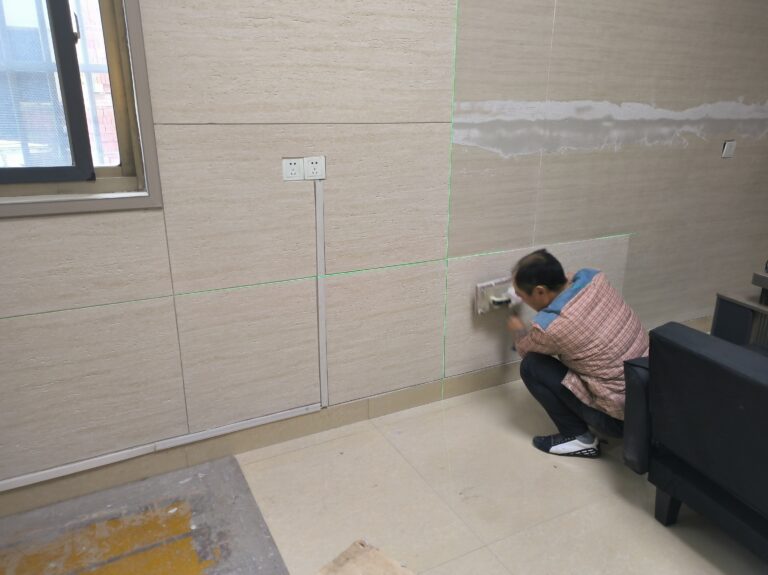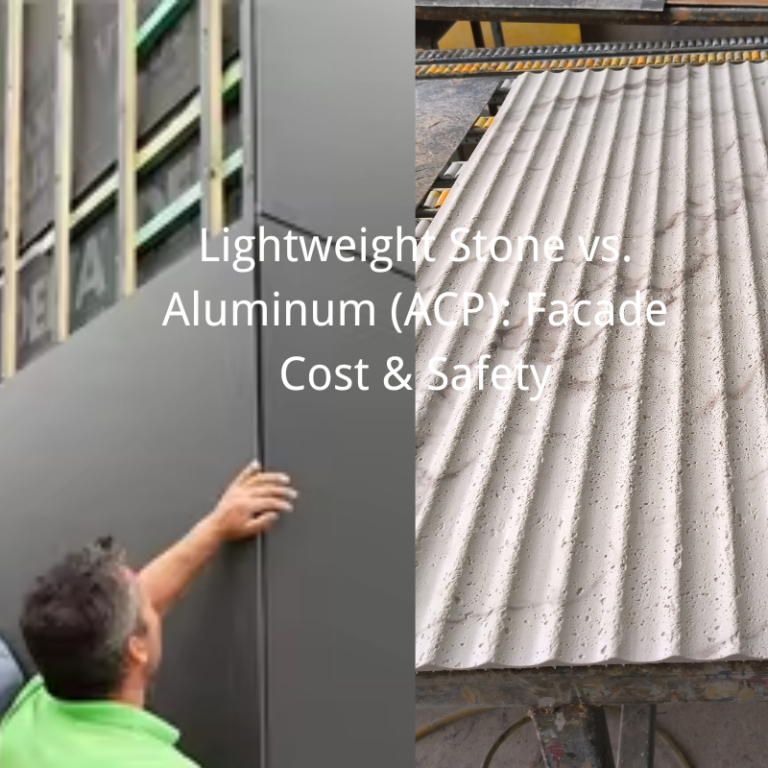
Fluctuating installation labor rates are a primary source of budget overruns, driven by a persistent shortage of skilled masons that directly threatens project profitability. A miscalculation in labor isn’t just a minor error; it can trigger cascading schedule delays and cripple a project’s financial viability before the first stone is even set. For estimators and project managers, accurately forecasting these costs is critical to winning bids and delivering projects on budget.
This guide provides a direct, data-driven comparison of the labor inputs required for flexible stone versus traditional masonry. We break down the specific differences in crew size, daily installation output, scaffolding and lift requirements, and tooling costs. The analysis uses current regional data from the US, Europe, and Australia to give you a clear framework for making informed decisions on material selection and labor budgeting.
The Rising Cost of Skilled Masons
The construction industry faces a significant labor cost challenge as the demand for qualified masons continues to outpace a limited supply, directly increasing project budgets through 2026.
Labor Supply and Demand Imbalance
A fundamental imbalance between labor supply and project demand is the primary driver of rising masonry costs. As construction and renovation projects increase, they compete for a shrinking pool of qualified masons. This scarcity creates intense wage pressure. The problem is compounded by increasingly complex building codes and permitting processes, which further narrow the number of professionals equipped to handle modern projects.
Hourly Rates by Experience Level
A clear cost gap exists between seasoned professionals and entry-level labor. Project complexity and the required skill level are the main differentiators that determine the final price. Field data shows a substantial premium for experience, directly impacting the labor budget for any project requiring high-quality stonework.
- Skilled Mason: Hourly rates range from $45 to $100.
- Entry-Level Labor: Rates typically fall between $35 and $50.
Geographic Cost Variation
Project location heavily influences labor expenses. Contractors operating in major metropolitan areas face higher operational costs and more competition for talent, which translates to a significant premium on mason wages. This regional difference is a critical factor for accurate project bidding and financial planning. Labor rates in large urban centers are consistently 20–30% higher than those in non-metropolitan or rural areas.
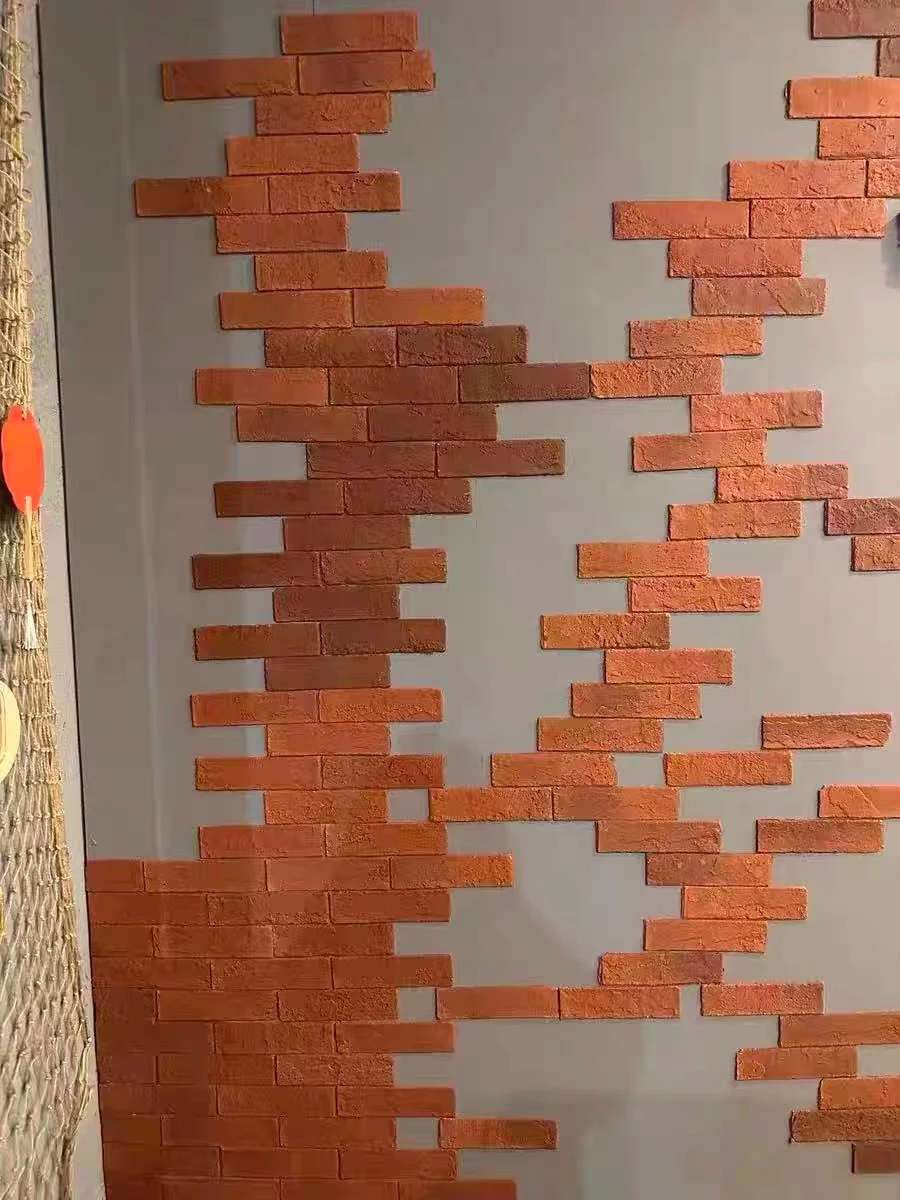
Crew Size: 2 Men (Flex) vs 5 Men (Stone)
A lean two-person crew installing lightweight flexible stone panels consistently outperforms a five-person masonry team in both per-person productivity and overall labor cost control.
Productivity Efficiency of Small vs. Large Crews
The efficiency of a cladding installation crew is not just about the number of hands on deck. Industry analysis for 2026 confirms that smaller crews often achieve higher per-person productivity. A two-person team installing flexible stone panels operates with minimal downtime and superior coordination. Tasks are simple and sequential. In contrast, the five-person crews required to handle heavy traditional stone must manage complex logistics for lifting, cutting, and mixing mortar. This larger size introduces a significant risk of diminishing returns, where productivity per person drops due to coordination friction and potential idle time.
| Metric | Flexible Stone Panel Crew (2 Installers) | Traditional Stone Masonry Crew (5 Installers) |
|---|---|---|
| Crew Composition | 1-2 installers; often a lead and an assistant. | Minimum 4-5 skilled masons and laborers for material handling. |
| Key Responsibility | Cutting (utility knife), adhesion, and positioning. | Heavy lifting, wet sawing, mortar mixing, and setting. |
| Management Overhead | Low. Direct communication and simple task division. | High. Requires dedicated supervision to prevent bottlenecks. |
| Labor Cost Structure | Lower blended hourly rate; reduces total wage and benefit costs. | Multiplies wage, insurance, and compliance costs. |
Labor Cost Control and Crew Composition
Reducing crew size from five to two directly impacts the bottom line. A smaller team for flexible panels means immediate savings on hourly wages, benefits, insurance, and other associated labor burdens. A five-person masonry crew multiplies these expenses, making it much harder to maintain competitive project margins. By optimizing for a smaller, specialized team, contractors can bid projects more aggressively and predictably. The financial difference isn’t just a 60% reduction in headcount; it’s a fundamental shift in the project’s cost structure, favoring lean execution over brute force.
Coordination Challenges and Management Overhead
The operational complexity grows with crew size. Managing a two-person team simplifies on-site logistics, scheduling, and communication. The workflow is linear and easy to track. A five-person team requires a dedicated layer of management focus to align tasks, prevent bottlenecks, and ensure everyone is productive. The risk of miscommunication, errors, or safety incidents increases as more people are added to the worksite. This management overhead is an indirect cost that erodes profitability, a factor often overlooked in initial labor estimates but keenly felt during project execution.
Lightweight, Durable Stone for Effortless Luxury
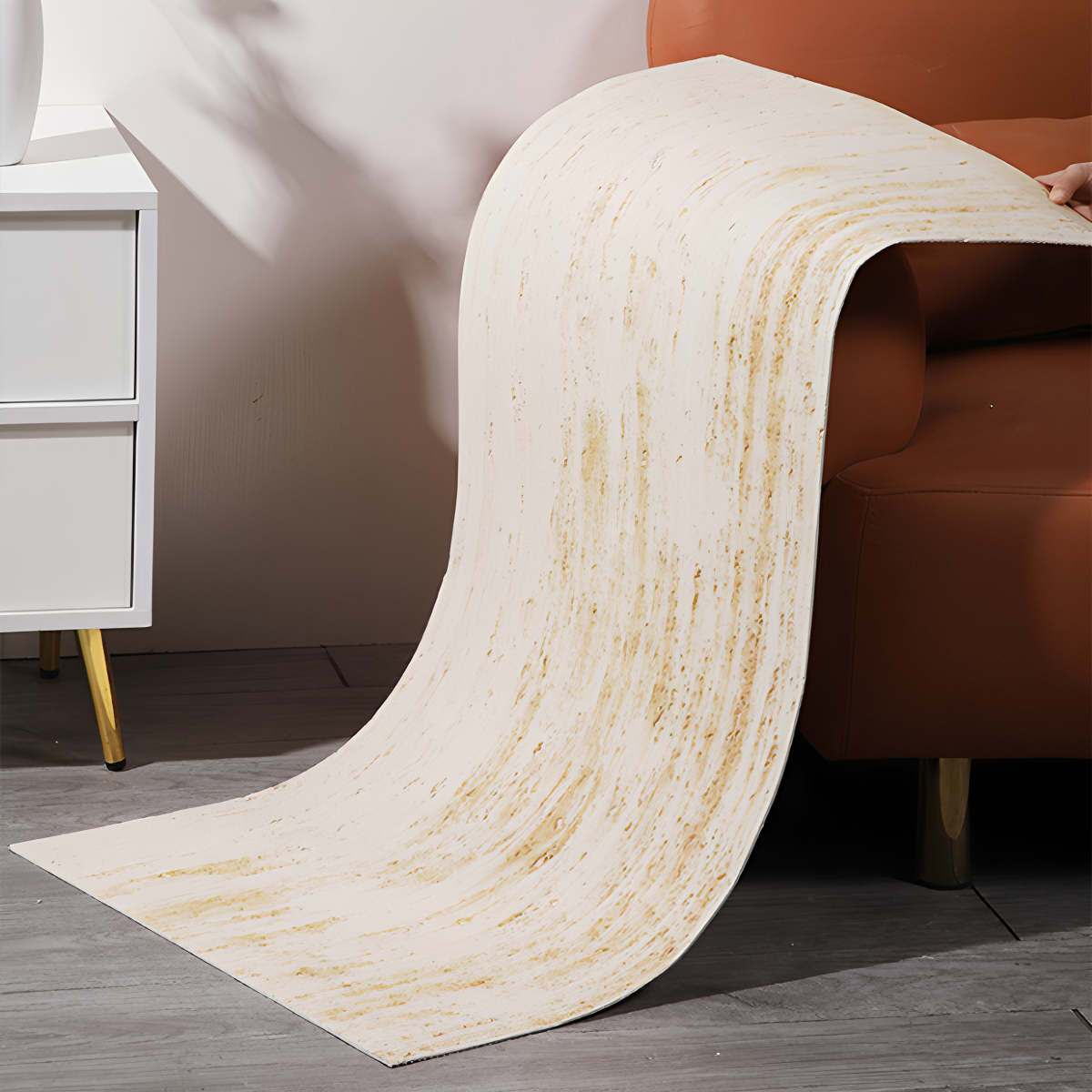
Daily Output: 50m² vs 10m²
A construction crew’s daily output can increase five-fold, from 10m² with traditional stone to 50m² with flexible stone panels, directly lowering labor costs and accelerating project timelines.
Installation Speed and Material Handling
The difference in daily installation rates begins with the material itself. JMS Decor’s flexible stone panels are engineered to be lightweight and easy to handle, allowing a small crew to cover significantly more area than a team working with heavy, traditional stone. A small, two-person team can typically install up to 50m² of flexible panels in a standard workday. In contrast, a larger crew of masons might only complete 10m² of conventional stone in the same period. The weight reduction to just 3.5-6.0 kg/m² minimizes worker fatigue and removes logistical headaches associated with moving cumbersome materials around a job site.
| Performance Metric | Flexible Stone Panels (JMS Decor) | Traditional Stone |
|---|---|---|
| Daily Installation Output | Up to 50 m² | Approx. 10 m² |
| Required Crew Size | 2-person team | 4-5 person team |
| Material Weight | 3.5 – 6.0 kg/m² | >30 kg/m² |
Simplified On-Site Logistics
Flexible panels fundamentally change the on-site workflow. They eliminate the need for specialized equipment and complex site preparation, which means crews spend more time installing and less time on setup. Panels are easily cut to size with a standard utility knife, a stark contrast to the dust, noise, and safety hazards of wet saws needed for traditional stone. This efficiency often removes the requirement for extensive scaffolding or boom lifts, further saving time and rental costs. The entire process becomes more streamlined, which is a key factor in achieving high daily output.
Accelerated Project Completion Times
A five-fold increase in installation speed has a direct, positive impact on the project schedule and budget. A task that takes a full week with traditional masonry can often be completed in a single day using flexible stone. This acceleration leads to major savings on total labor hours and reduces overhead costs like site management and equipment rental. For contractors, faster project turnover means they can move to the next job sooner, increasing revenue capacity. For clients, especially in commercial sectors like retail or hospitality, it means less business disruption and quicker access to their renovated, revenue-generating spaces.
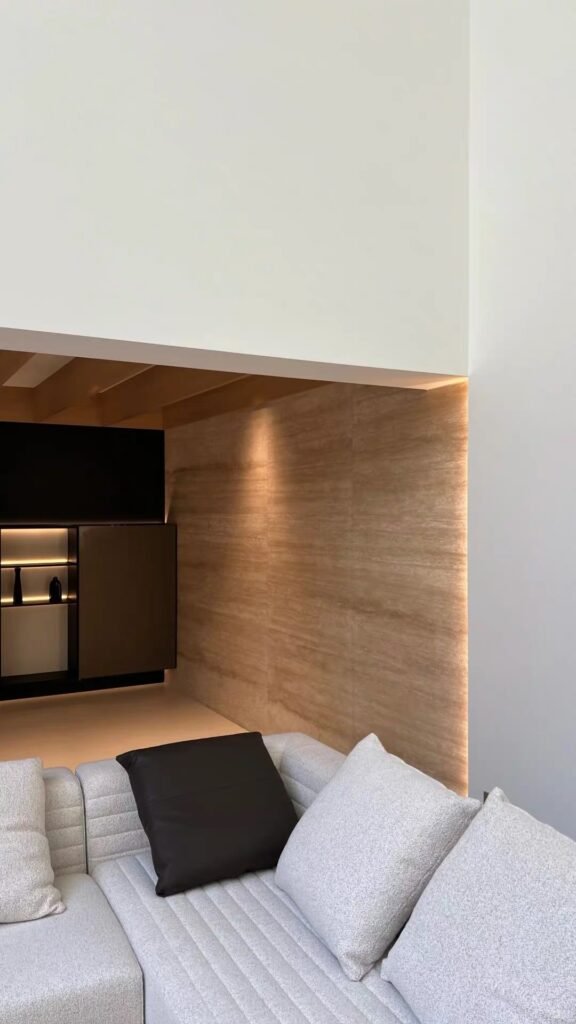
Scaffolding vs. Boom Lift Installation
The choice between scaffolding and a boom lift is a strategic decision balancing project duration, site mobility, and labor efficiency, not a simple matter of preference.
Project Duration and Scale
The selection between scaffolding and a boom lift directly depends on the project’s timeline and physical scale. For extensive, multi-story facade work or long-term construction, scaffolding provides a comprehensive and stable platform for the entire crew and their materials. It becomes the default choice for large-scale jobs that will span weeks or months.
In contrast, boom lifts are optimized for speed and short-duration tasks. The installation of lightweight JMS Decor flexible stone panels is so rapid that many projects are completed in just a few days. For this kind of work, renting a boom lift is a highly practical and efficient choice, minimizing setup time and accelerating project completion.
Site Accessibility and Mobility
A boom lift provides unmatched mobility, enabling a small crew to access different sections of a building’s exterior with minimal repositioning time. This agility is ideal for the lightweight nature of flexible stone panels, as a two-person team can efficiently move along a facade, completing large areas in a single day. The equipment is self-contained and leaves a small footprint when not in use.
Scaffolding is a static structure that requires a clear, stable ground area for assembly. In tight urban environments, on uneven terrain, or in locations where a boom lift cannot operate safely, scaffolding becomes the necessary and safer alternative. Its fixed nature, while less flexible, provides a secure working environment where machine access is restricted.
Cost and Labor Optimization
Equipment selection has a direct impact on labor efficiency and project budget. Boom lifts significantly reduce non-productive hours that would otherwise be spent on scaffolding assembly and teardown. For a quick installation, renting a boom lift for two or three days is almost always more cost-effective than paying a crew to build and dismantle scaffolding.
The speed and mobility of a boom lift perfectly complement the small crew size required for flexible stone panel installation. This synergy maximizes the team’s productive hours, translating directly into lower labor expenses and faster project delivery for the client. The goal is to keep the installers working on the wall, not on peripheral setup tasks.
Tooling Costs: Wet Saw vs. Utility Knife
The material choice directly dictates tooling requirements; traditional stone necessitates a costly wet saw, while flexible panels only require a standard utility knife, fundamentally altering project budgets.
Wet Saw Requirements for Traditional Stone
Installing conventional thick stone slabs of granite, marble, or slate makes a wet saw non-negotiable. This tool is essential for cutting through hard, brittle materials and represents a significant capital expense for any contracting team. The initial purchase is just the beginning, as ongoing operational costs include frequent diamond blade replacements, water management systems, and routine maintenance to ensure clean, precise cuts. These expenses are a standard and unavoidable part of the budget for any traditional masonry project.
Utility Knife Sufficiency for Flexible Panels
In contrast, JMS Decor’s flexible stone panels can be cut and shaped with a standard utility knife. This simple tool requirement eliminates the need for expensive, heavy machinery. The thin, engineered composition of Modified Clay Material (MCM) allows for clean cuts without generating dust or noise. This approach removes a major equipment expense from the project, drastically lowering the barrier to entry and simplifying on-site logistics. Installers can make quick modifications and detailed cuts without complex setup or power sources.
Comparative Impact on Project Budget
The choice of cladding material directly controls tooling investment. Flexible stone panels provide a distinct financial advantage by requiring only a utility knife. This eliminates the high cost of purchasing or renting a wet saw and all associated expenses for specialized blades, water pumps, or complex power sources. For contractors and shopfitters, lower tooling requirements translate directly into more competitive bids and healthier profit margins, all while reducing operational complexity on the job site.
Regional Labor Rates (US/EU/AU)
Labor rates for skilled trades are not uniform; they diverge sharply based on regional economic pressures, with Western Europe setting the premium benchmark while Eastern Europe offers significant cost advantages.
| Region | Skilled Labor Hourly Rate (USD) | Key Market Driver |
|---|---|---|
| Western Europe (Germany, France) | $30 – $60+ | High standards for trade qualifications and strong demand. |
| United States | $28 – $100+ (Highly variable by state) | Significant state-level economic differences. |
| Australia | High (Comparable to W. Europe) | Tight labor market and constrained productivity growth. |
| Eastern Europe | Substantially Lower | Cost-effective alternative for budget-driven projects. |
Western Europe: Premium Wage Zones
Labor rates in Western European countries like Germany and France are among the highest globally. Skilled masons and installers command premium hourly wages, reflecting a high standard for trade qualifications, rigorous certification, and consistent market demand for construction services. This pricing structure directly impacts total project costs for any work performed in the region.
- Skilled trade roles can range from $30 to over $60 per hour.
- Represents the upper end of global labor costs for construction.
- Budgeting for projects in this region must account for these higher rates to remain viable.
United States: Moderate and Variable Rates
The U.S. presents a more moderate cost structure for skilled labor, but rates vary significantly from one state to another. This variability is a direct result of local economic conditions, union presence, and regional demand, offering opportunities for cost management depending on the project’s location. A project in a major metropolitan area can see labor premiums of 20-30% compared to a rural site.
- Offers a middle ground between high-cost Western Europe and lower-cost regions.
- State-level economic conditions and cost of living directly influence local labor prices.
- Project planners can find cost advantages by selecting states with lower prevailing wages.
Australia and Eastern Europe: Contrasting Markets
Australia’s tight labor market and low productivity growth put upward pressure on unit labor costs, making it a high-cost region for construction. In sharp contrast, Eastern European countries offer a substantial cost advantage. Wages in places like the Czech Republic are far more competitive, providing a clear financial incentive for projects with flexible location requirements or budget constraints.
- Australia’s labor conditions often lead to higher unit labor costs.
- Eastern Europe provides a cost-effective alternative for projects with significant budget constraints.
- These geographic cost differences are a key driver in international project planning and site selection.
Conclusion
Choosing flexible stone over traditional masonry directly impacts your project’s bottom line. The installation process requires smaller crews, simpler tools, and results in a much faster daily output. These factors significantly reduce labor hours and associated costs, from scaffolding needs to specialized tooling.
To accurately budget for your next project, our team can provide a detailed cost analysis or send a sample kit. See how the material and its installation benefits can work for your specific application.
Frequently Asked Questions
Labor cost to install stone veneer?
The labor cost for installing stone veneer typically ranges from $15 to $30 per square foot. This rate is influenced by project complexity, regional labor markets, and the mason’s experience level. Hourly rates for the skilled labor involved generally fall between $45 and $100.
How much do masons charge per hour?
Skilled masons currently charge between $45 and $100 per hour, while entry-level masons or helpers have rates from $35 to $50 per hour. Rates in major metropolitan areas can be 20–30% higher than in rural regions, with final costs depending on the mason’s experience and the project’s specific demands.
Fastest cladding to install?
Vinyl siding is widely considered one of the fastest exterior claddings to install due to its lightweight panels and interlocking system. Other rapid installation options include large-format panel systems, such as fiber cement or metal cladding, which cover large surface areas quickly and minimize on-site cutting and fitting.
Installation rates for exterior stone?
Typical installation rates for exterior stone range from $20 to $45 per square foot for labor. The final cost depends on the type of stone (heavier natural stone vs. manufactured veneer), the complexity of the design, wall preparation requirements, and accessibility of the job site.
Do I need a mason for stone veneer?
Hiring a professional mason is highly recommended for installing stone veneer. A mason ensures correct surface preparation, proper mortar mixing and application, and a watertight finish, all of which are critical for the longevity and structural integrity of the siding. Improper installation can lead to water damage and costly repairs.