Using the wrong lightweight stone for prefab directly threatens a module’s structural integrity before it ever reaches the job site. The core operational risk in modular building isn’t just the sheer mass of traditional cladding; it’s the financial fallout from modules arriving with cracked facades after a long haul. This single point of failure can trigger costly project delays, warranty claims, and budget overruns that erase the very efficiencies prefab construction promises.
This technical breakdown details the operational switch to flexible stone veneers. We’ll compare them directly against traditional materials, focusing on vibration resistance that prevents transit cracking and seamless integration into factory workflows. The analysis also covers the cost structure for manufacturers and how custom dimensions align with specific module specs, providing a clear path to reducing weight and off-site build complications.
The Weight Problem in Modular Building
The total weight of each module is the primary limiting factor in prefab construction, directly controlling structural requirements, logistics costs, and installation complexity.
Reducing Structural Load with Lightweight Cladding
The biggest challenge in modular construction is managing the cumulative weight of each unit. Heavy materials demand more robust—and expensive—steel or concrete frames. Using lightweight cladding like flexible stone panels fundamentally changes this equation. These materials provide the aesthetic and durability of natural stone but at a fraction of the mass, significantly reducing the dead load on the module’s frame, the building’s foundation, and the transport vehicle’s axles.
- Flexible stone panels, weighing as little as 3.5 kg/m², ease the strain on the module’s core structure.
- This weight reduction permits more ambitious module designs, such as larger units or taller stacks, without requiring over-engineered support systems.
- Lighter modules expand the viability of prefab projects on sites with strict weight limitations, like urban infill lots or rooftop additions.
Lowering Transportation and Installation Costs
A module’s weight directly dictates its logistical cost profile. Heavier modules mean higher fuel consumption, more specialized transport permits, and the need for larger, more expensive cranes on site. Shaving weight off each unit creates cascading cost savings across the entire project lifecycle, from factory floor to final placement.
- Lower module tonnage reduces shipping fees and fuel burn for every unit transported from the factory.
- On-site assembly becomes faster and safer because crews can handle lighter components with greater ease and less risk.
- The dependency on specialized heavy-lift cranes is minimized, cutting equipment rental costs and simplifying site preparation.
Optimizing Steel and Concrete Frameworks
Weight reduction isn’t just about the cladding; it’s a systemic approach. When manufacturers specify lightweight façade materials from the outset, they can engineer lighter steel and concrete frameworks. This creates a powerful compounding effect, where initial weight savings in one area enable further mass reduction in another, leading to a more efficient and cost-effective final product.
- Lightweight exteriors allow engineers to design less massive structural frames, saving significant costs on raw steel or concrete.
- New composite materials and optimized structural designs provide the necessary durability and rigidity with less overall mass.
- A balanced strategy that addresses both the cladding and the framework is the most effective path to producing efficient and profitable prefab modules.
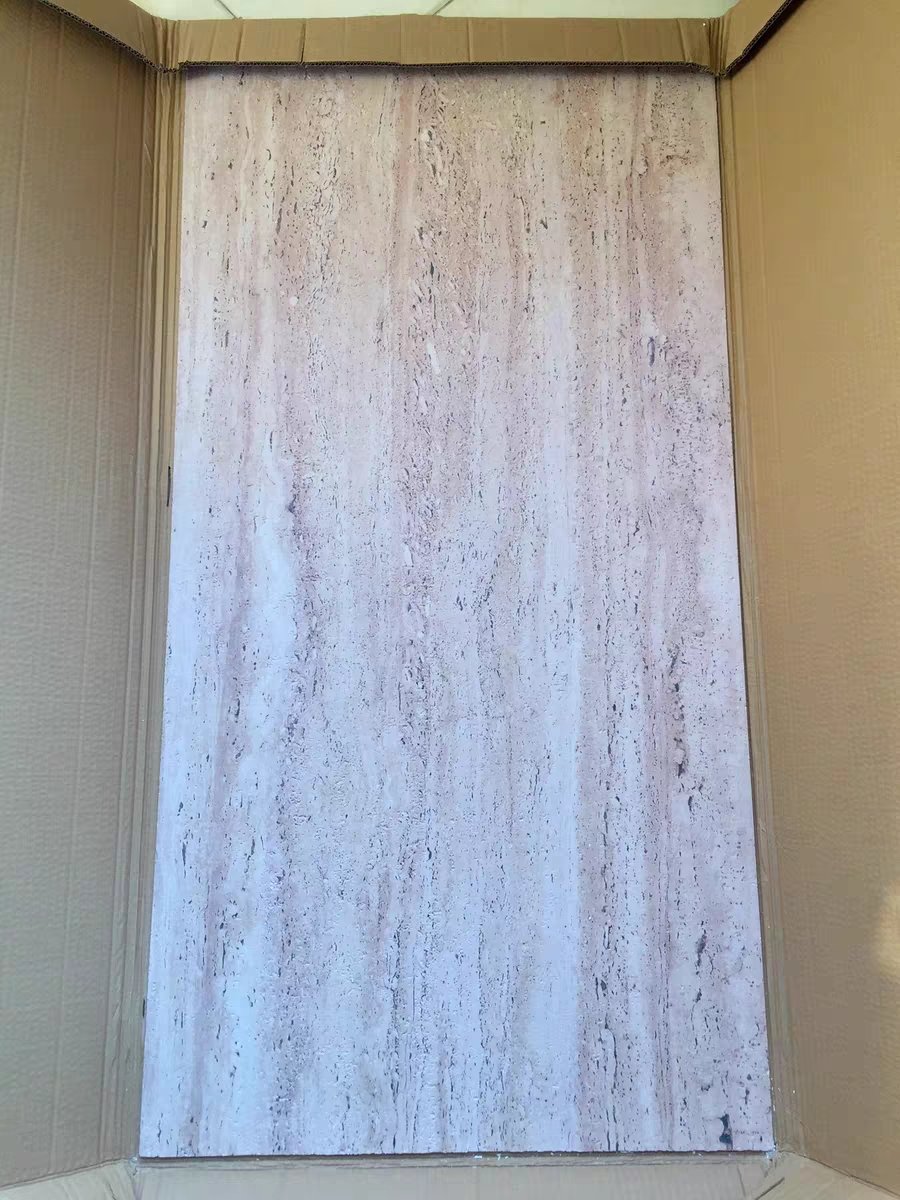
Flexible Stone vs. Traditional Cladding
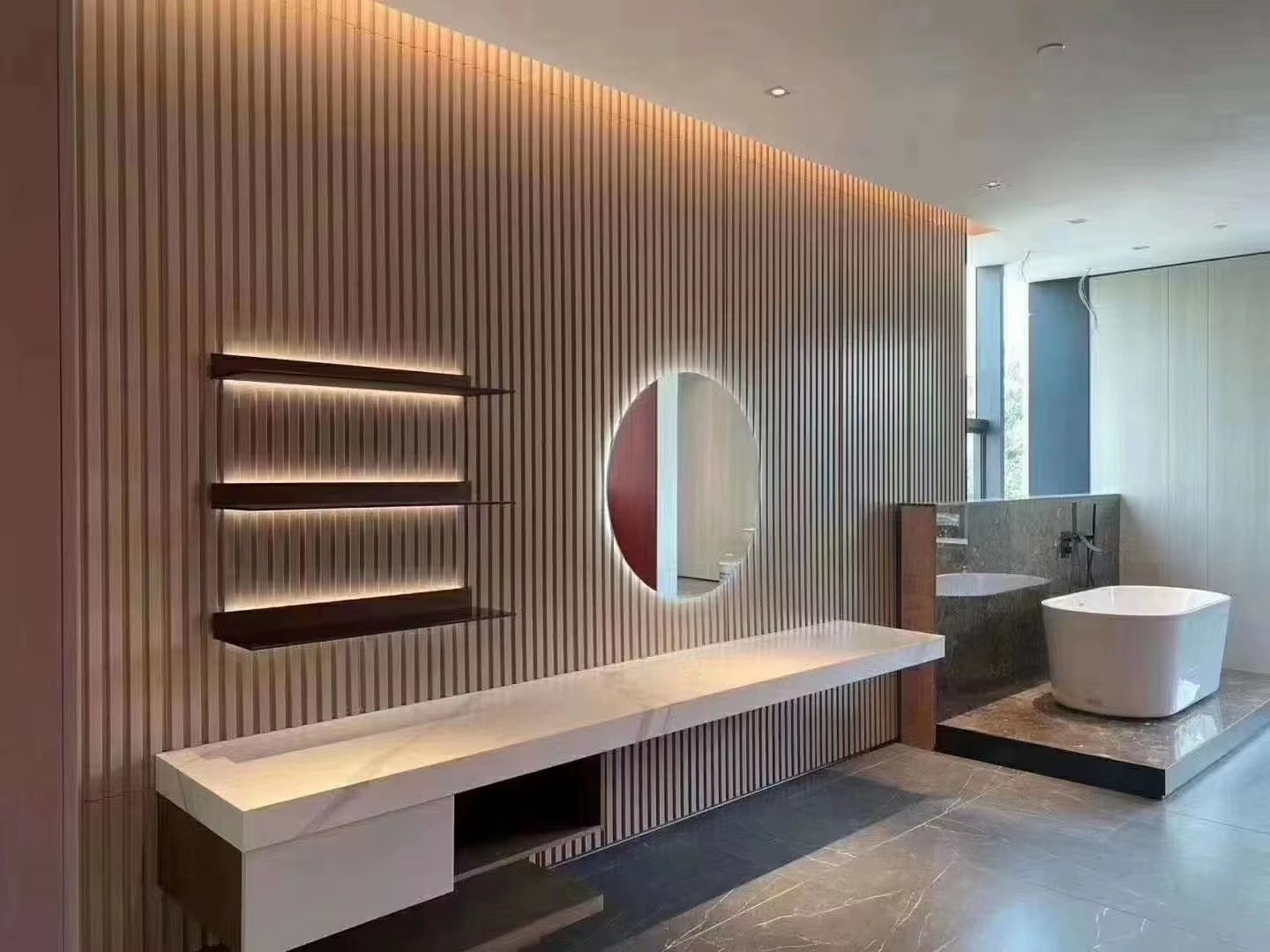
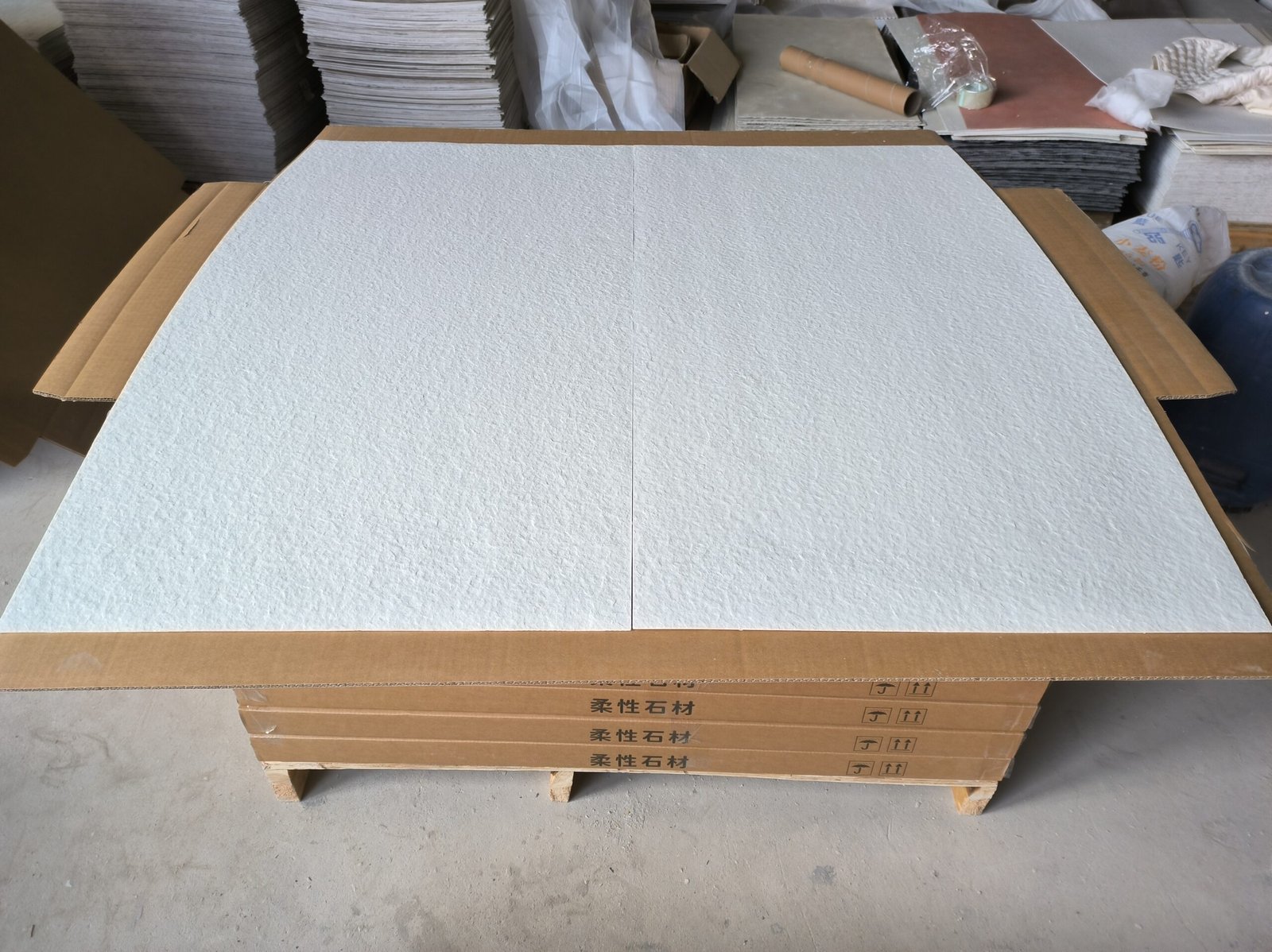
Flexible stone panels solve the core limitations of traditional stone: weight and rigidity. They deliver an authentic stone aesthetic with a fraction of the structural load, enabling faster installation and the ability to conform to curved surfaces impractical for solid slabs.
Material Weight and Efficiency
The fundamental difference comes down to mass. Flexible stone panels are engineered using up to 90% less raw material than solid stone blocks, which directly reduces structural load requirements on a building. Traditional quarried stone is heavy and bulky, demanding reinforced substrates and increasing shipping costs and emissions. JMS Decor’s panels, weighing only 3.5 to 6.0 kg per square meter, simplify every stage of logistics, from transport to on-site handling. This significant weight reduction lowers the project’s overall carbon footprint and makes stone finishes viable for structures where they were previously too heavy.
| Attribute | JMS Decor Flexible Stone | Traditional Solid Stone |
|---|---|---|
| Weight per Square Meter | 3.5 – 6.0 kg | 50 – 80 kg (for 2cm slab) |
| Installation Tools | Utility knife, trowel | Wet saws, heavy lifting equipment |
| Application on Curves | Yes, easily conforms to columns/arches | No, requires complex, expensive cutting |
Installation Speed and Labor Costs
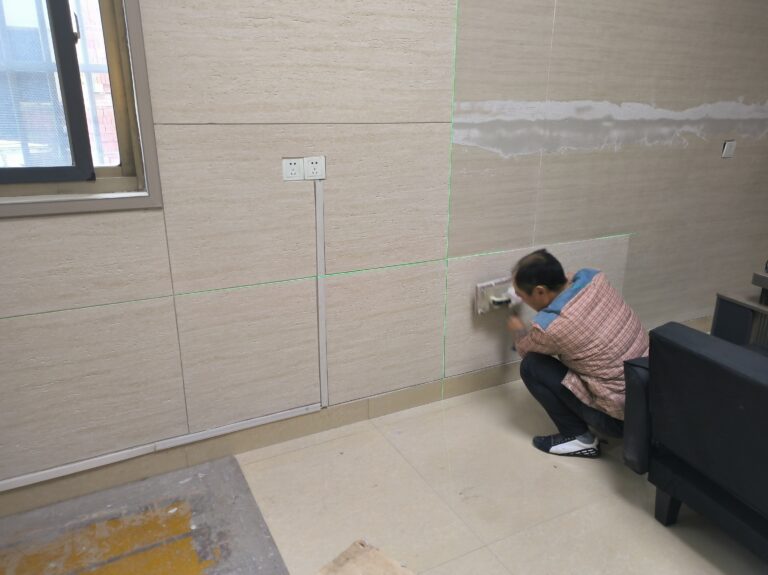
Installing solid stone is a slow, labor-intensive craft that requires specialized masonry skills and heavy equipment. In contrast, flexible stone panels are designed for efficiency. They can be cut to size with a standard utility knife and applied directly to the substrate with structural adhesives, much like tile. This streamlined process dramatically accelerates project timelines, reducing on-site labor hours by as much as 70%. For contractors and developers, this translates directly to lower labor costs and minimized site disruption, allowing for faster project completion and quicker occupancy.
Design Versatility for Complex Surfaces
A key advantage of flexible stone is its ability to conform to surfaces where traditional stone is simply not an option. Solid stone’s rigidity makes it impossible to apply to curved architectural elements without expensive and wasteful custom cutting. Flexible panels can be bent to wrap around columns, arches, and rounded feature walls, creating a seamless and authentic stone finish. This capability opens up new creative possibilities for architects, allowing them to incorporate the timeless look of stone into complex, modern designs that were previously unachievable.
Unlock Limitless Design with Flexible Stone Veneer
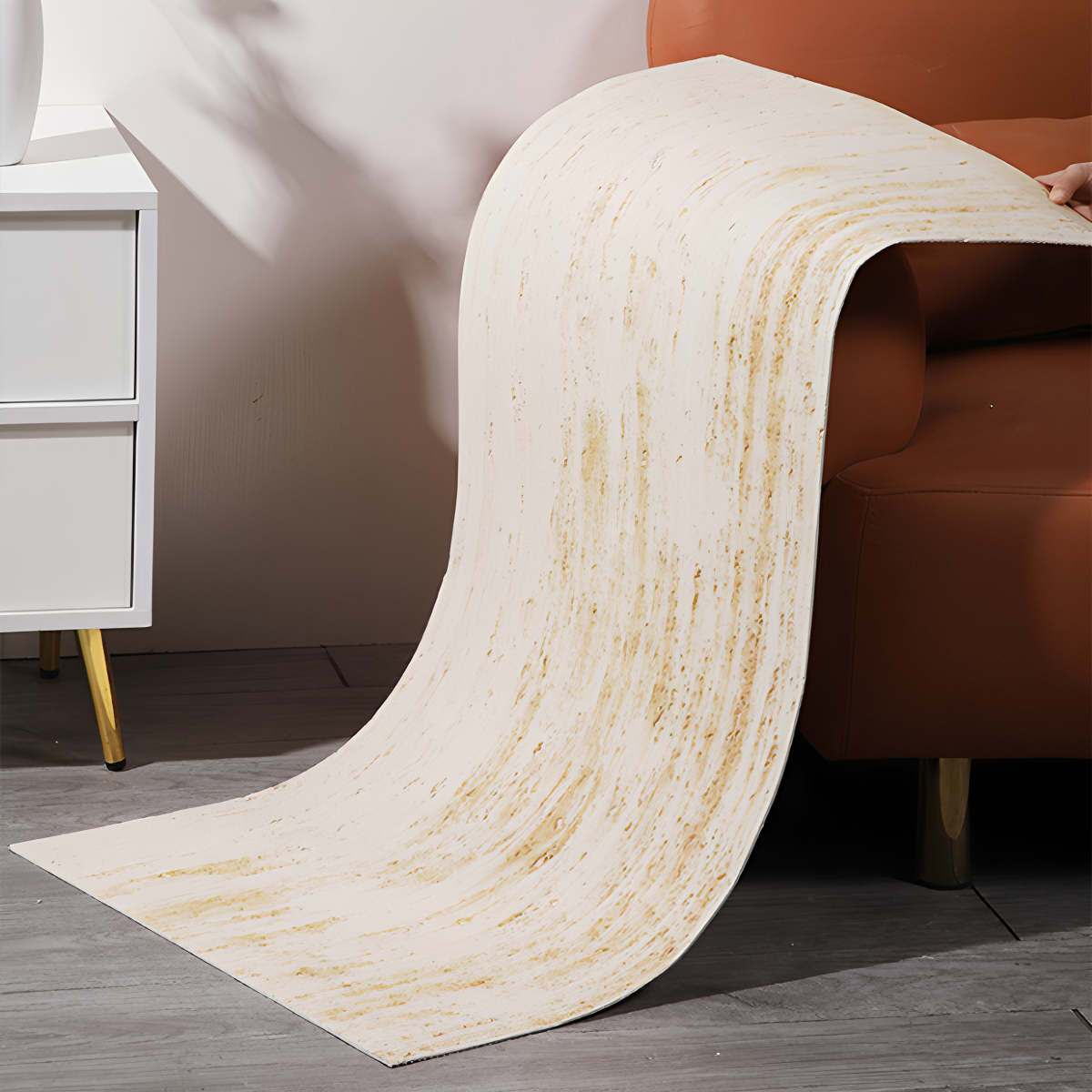
Preventing “Transit Cracking” (Vibration)
Heavy, rigid materials like traditional stone are prone to cracking from transit vibrations because their mass creates high inertial stress. Flexible stone panels solve this by combining extremely low weight with a backing that absorbs and dissipates vibration energy, effectively preventing micro-fractures.
Lightweight by Design: Reducing Inertial Stress
The primary defense against transit cracking is physics. Traditional stone cladding is heavy, and that mass generates significant inertial forces during transport. Every bump and vibration translates into stress on a rigid material. JMS Decor’s flexible stone panels weigh only 3.5 to 6.0 kg per square meter. This dramatic weight reduction directly lowers the inertial stress on the panel, preventing the formation and spread of micro-fractures that are common in heavier materials.
| Characteristic | Flexible Stone Panels (JMS Decor) | Traditional Stone Cladding |
|---|---|---|
| Mass & Inertial Stress | 3.5–6.0 kg/m². Extremely low mass minimizes inertial forces, reducing stress during vibration. | ~30-50 kg/m². High mass generates significant stress, creating a high risk of micro-fractures. |
| Response to Vibration | Absorbs & dissipates energy through its flexible backing. Bends with vibration instead of resisting it. | Rigid material resists vibration, concentrating stress at weak points, which leads to cracks. |
| Common Failure Mode | Resilient to bending and repeated minor flexing without structural compromise. | Prone to chipping, corner fractures, and full cracks, especially during long-distance transit. |
Inherent Flexibility to Absorb Vibration
Unlike rigid materials that fight against vibration, our panels are engineered to work with it. The core of the product is a thin layer of natural stone powder fused to a flexible fiber mesh backing. This composite structure allows the panel to bend and flex, effectively absorbing and dissipating the low-frequency vibrations common in road and sea transport. The energy is spread across the panel instead of concentrating at stress points, which is what causes rigid materials to crack.
Secure Export Packaging and Bracing
Even with a resilient product, proper packaging is a critical part of the logistics chain. We don’t leave delivery integrity to chance. All our international shipments are secured with a proven system designed to minimize transit shock and impact.
- Panels are packed into custom-fit, sturdy wooden crates that prevent internal movement and provide a rigid outer shell for protection.
- These crates are then securely fastened to fumigation-free standard wooden pallets, ensuring stable handling, stacking, and container loading.
- This robust packaging strategy is a non-negotiable part of our quality control process for every B2B order, from single pallets to full containers.
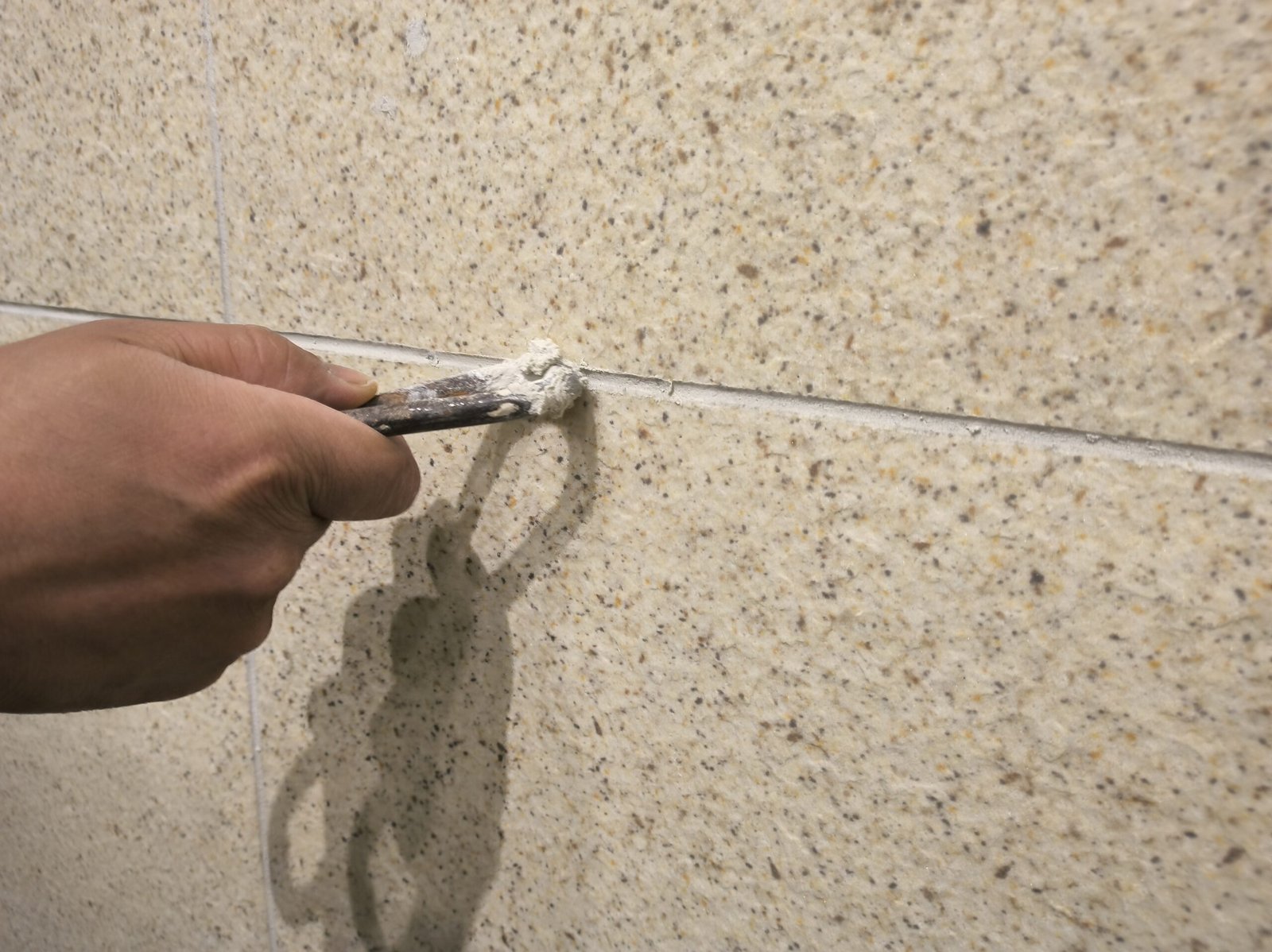
Factory Integration: Speed & Efficiency
Factory integration of lightweight cladding isn’t just an improvement—it’s a fundamental shift that transforms modular construction from a sequential, weather-dependent process into a parallel, predictable manufacturing workflow.
Reduced Labor and Faster Timelines
Integrating flexible stone panel installation into a factory setting dramatically cuts project timelines. Prefabricated modules arrive at the construction site with cladding pre-applied, ready for assembly. This bypasses the typical bottlenecks and delays of on-site work. Factory-based assembly shifts skilled labor from the unpredictable conditions of a job site to a controlled production line.
- This controlled process can reduce on-site labor hours by as much as 60-70% compared to traditional field-installed stone.
- Indoor factory environments eliminate weather-related delays, ensuring consistent progress and reliable schedules.
- Panels are installed concurrently with other module construction tasks, which streamlines the final building erection process.
Precision Manufacturing and Waste Reduction
A factory setting allows for a level of precision that is impossible to replicate on a typical construction site. Automated cutting and placement systems ensure that every panel fits the module dimensions perfectly. This systematic approach results in higher quality control and a significant reduction in material waste from off-cuts or installation errors.
- Automated systems minimize scrap material, which directly supports sustainability goals by conserving resources and reducing landfill contributions.
- Consistent production quality virtually eliminates the need for on-site rework or costly material replacements.
Advanced Bonding and Assembly Techniques
Specialized equipment within a factory enables the use of advanced bonding methods. These techniques create a stronger, more durable bond between the stone panel and its substrate, such as an aluminum or honeycomb backing structure. The controlled application and curing of structural adhesives ensures optimal, long-term performance that is difficult to achieve in the variable temperature and humidity of a field environment.
- The use of integrated backing structures enhances the panel’s rigidity and impact resistance, preparing it for transport and installation.
- This factory-level integration improves the overall structural integrity and durability of the finished module facade.
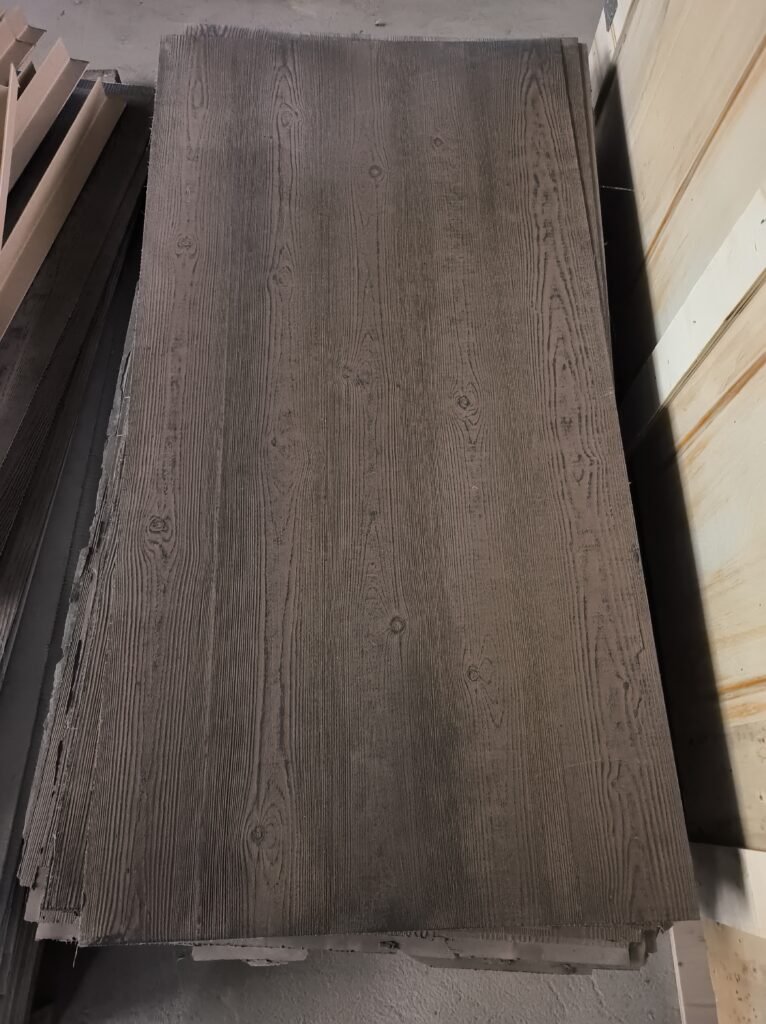
Sustainability in Prefab (LEED)
Using lightweight cladding in prefabricated construction directly supports sustainability goals by reducing transportation emissions, minimizing factory waste, and improving a building’s thermal performance, aligning with key LEED certification criteria.
Reduced Carbon Footprint from Lighter Materials
Using lightweight stone panels in prefabricated modules significantly lowers a project’s overall carbon footprint. The panels weigh up to 80% less than traditional stone, which directly reduces the fuel and energy needed for transportation from the factory to the construction site. This weight reduction is a primary driver for achieving environmental targets in large-scale modular projects.
- Lower material weight minimizes transportation emissions between the factory and the final job site.
- On-site energy consumption drops because the lighter panels are easier to handle and install without heavy machinery.
- This approach supports LEED credits related to materials and resources by optimizing material use and logistics.
Minimized Construction Waste in Factory Settings
Prefabrication in a controlled factory environment is a core advantage for meeting sustainability goals. Unlike on-site construction, this process allows for precise material cutting and management. This dramatically reduces waste and supports a cleaner, more efficient build cycle from start to finish.
- Controlled manufacturing processes result in significantly less material scrap compared to field work.
- Accelerated installation timelines reduce on-site disruption, noise, and overall resource consumption.
- The factory-first approach directly aligns with LEED objectives for construction waste management and efficiency.
Enhanced Energy Efficiency and Thermal Performance
Modern lightweight panels are components of systems designed for high energy efficiency. They integrate seamlessly into ventilated rainscreen systems that can include recycled backing materials and thermal insulation, improving the building’s ability to retain heat or stay cool. This improves the operational efficiency of the building over its entire lifecycle.
- The incorporation of thermal insulation layers boosts the building’s overall energy performance.
- Using recycled backing materials contributes to a higher sustainability rating and circular economy principles.
- Improved weatherproofing extends the building’s service life and lowers long-term maintenance and energy costs.
Cost Analysis for Prefab Manufacturers
In prefab manufacturing, adopting lightweight cladding systems creates a domino effect, driving down costs across transportation, on-site labor, and overall project overhead.
Reduced Transportation and Logistics Costs
By 2026, a key factor in prefab profitability is managing the shipping weight of each module. Lightweight materials directly lower freight charges and fuel consumption. For example, JMS Decor’s flexible stone panels weigh between 3.5 and 6.0 kg per square meter, a fraction of what traditional stone or precast concrete weighs. This drastic reduction in tonnage makes logistics simpler and more cost-effective.
Lowering the gross weight of a module also reduces the need for heavy-duty cranes and specialized handling equipment at the final job site. This eliminates significant rental and operational expenses from the project budget, allowing for more efficient deployment with smaller crews and standard machinery.
Lower On-Site Labor and Installation Expenses
Simplified installation directly translates to lower labor costs. Materials that don’t require specialized masons or complex mounting hardware allow general construction crews to perform the work efficiently. Flexible stone panels, for instance, are installed using standard structural adhesives or tile glue and can be cut with a simple utility knife. This approach shortens the installation cycle compared to the time-intensive process of traditional masonry.
| Cost Factor | Flexible Stone Panels | Traditional Cladding (e.g., Precast Concrete) |
|---|---|---|
| Material Weight | 3.5–6.0 kg/m² | 40–90 kg/m² |
| Transportation | Standard freight; lower fuel costs | Requires heavy-duty transport; higher costs |
| Installation Labor | General construction crew; no specialized skills | Requires skilled masons or certified installers |
| Required Equipment | Hand tools (utility knife, trowel) | Heavy-duty cranes, complex mounting systems |
Faster installation means fewer billable hours per project. This operational efficiency allows manufacturers to complete and ship more modules in less time, directly improving production throughput and overall budget performance.
Accelerated Timelines and Reduced Project Overhead
The speed of construction is a primary economic driver for prefab builders. Using finished cladding panels that arrive from the supplier ready to install accelerates production timelines. This process minimizes delays typically caused by on-site cutting, weather conditions, or coordinating multiple specialized trades. Every day saved on the schedule reduces indirect costs.
A shorter overall construction schedule directly lowers project overhead. These savings come from reduced expenses for site management, security, equipment rental, and project financing. By compressing the timeline from factory production to on-site assembly, manufacturers can recognize revenue faster and move on to the next project with greater capital efficiency.
Custom Sizes for Module Dimensions
The modular industry’s reliance on standard transport widths creates a conflict with architectural demand for custom dimensions; lightweight, adaptable cladding is the primary solution to this logistical problem.
Standard Module Sizes vs. Custom Needs
The modular industry standardizes module widths—typically 12, 14, and 16 feet—to optimize manufacturing workflow and highway transportation. This standardization creates efficiency, but it directly conflicts with architectural projects that demand unique dimensions. Rigid cladding materials like precast concrete or traditional stone require significant factory retooling to accommodate non-standard sizes, disrupting the very efficiencies modular construction aims to achieve.
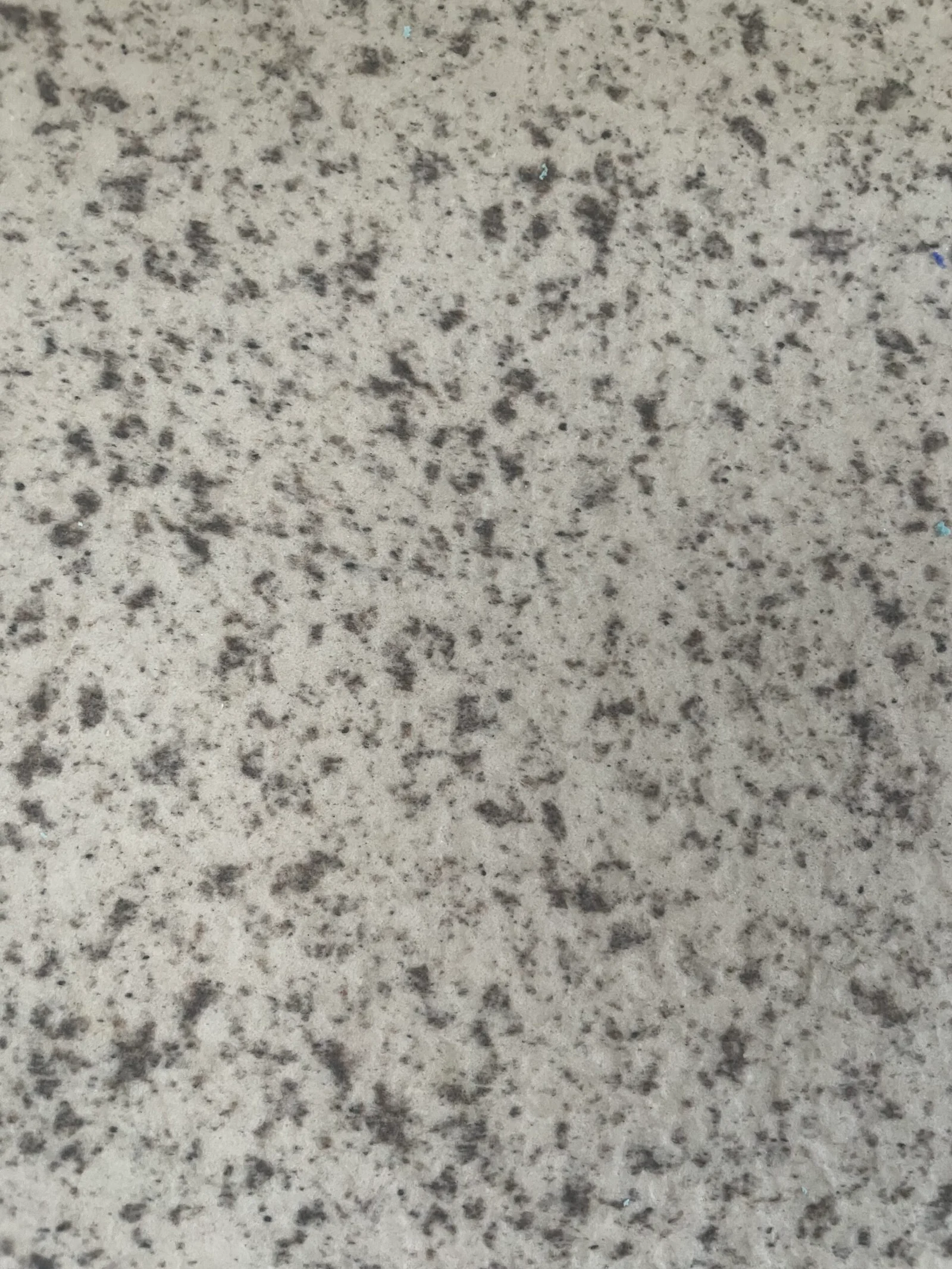
Flexible stone panels address this gap. JMS Decor produces panels in custom sizes, including large formats up to 1200 x 3000 mm, allowing architects greater design freedom. Unlike heavy, rigid materials, our panels can be tailored to specific module dimensions without major changes to factory processes. This capability supports unique building designs while preserving the core benefits of off-site manufacturing.
Overcoming Transportation and Logistical Constraints
The primary challenge for custom-sized modules is not production but transportation. State-enforced width restrictions are the main logistical bottleneck. Shipping wide-load modules requires expensive permits, pilot cars, and restricted travel times, which can inflate project costs and introduce delays. The real constraint on module size has always been supply chain economics, not factory capability.
Using lightweight cladding is a direct strategy to mitigate these costs. At just 3.5 to 6.0 kg/m², our flexible stone panels reduce the module’s dead load. This weight reduction simplifies handling, lessens the strain on transport equipment, and helps manage the overall complexity and cost of moving custom-dimensioned structures. It allows manufacturers to push dimensional boundaries without incurring the full financial penalty associated with heavier materials.
Factory Integration with Flexible Panels
JMS Decor’s panels provide a practical solution for building custom modules. We manufacture them to precise project specifications, which minimizes waste and cutting time during assembly. Their lightweight nature simplifies handling and installation on the production line, as they can be cut with a standard utility knife and positioned manually without heavy equipment. This streamlined process integrates seamlessly into existing factory workflows.
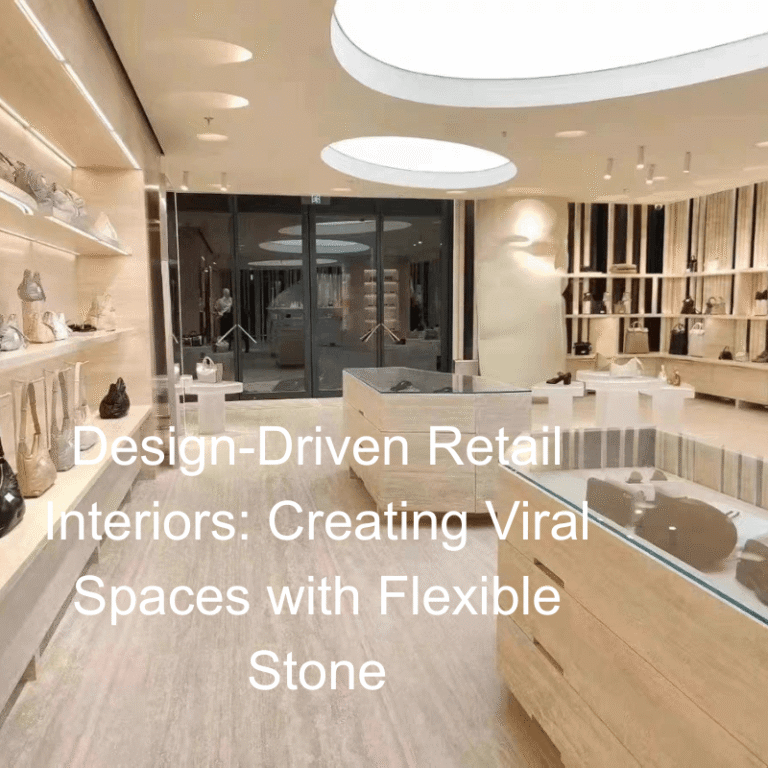
This allows manufacturers to deliver modules clad in high-end finishes, like travertine or slate, without the logistical penalties of traditional stone. The ability to produce custom-dimensioned modules efficiently gives prefab companies a competitive edge, enabling them to bid on a wider range of architectural projects that standard sizing would exclude.
Conclusion
For modular manufacturers, flexible stone directly solves the core challenges of transport weight and transit-induced cracking. Its ability to be pre-installed in a factory setting simplifies on-site assembly and accelerates project timelines. This approach reduces costs associated with logistics, structural engineering, and labor, making projects more efficient and profitable.
If you are evaluating new cladding solutions, consider how these material benefits could integrate into your current module designs. Our team can provide technical data and samples to support your project’s specific requirements.
Frequently Asked Questions
Lightweight Stone Veneer in Modular Construction?
Yes, lightweight stone veneers are highly effective in modular construction. Modern solutions, such as flexible stone wall panels, use a thin, authentic stone layer bonded to a composite substrate. This significantly reduces the structural load and transportation costs compared to traditional solid stone, while preserving the natural aesthetic. Their use accelerates installation times and allows for greater design freedom, including applications on curved surfaces.
Why hasn’t modular building taken off?
Modular construction adoption has faced several hurdles, though it is gaining momentum. Key challenges have included complex transportation logistics for large modules, conservative financing models geared toward traditional site-builds, and a public perception of limited design flexibility. Additionally, the high initial capital investment required for factory setup has been a barrier. However, advancements in materials and digital design are rapidly overcoming these obstacles.
How to reduce prefab module weight?
Prefab module weight is primarily reduced through two strategies: material innovation and structural optimization. This involves adopting advanced lightweight materials, such as flexible stone veneers and composite panels, which replace heavier traditional materials like solid stone or brick. Concurrently, engineers are continuously optimizing the design of steel and concrete structural frameworks to maximize strength-to-weight ratios, ensuring durability without unnecessary mass.
Will stone cladding crack during transport?
The risk of cracking is significantly minimized with modern lightweight stone solutions. Unlike thick, rigid stone slabs, these panels consist of a thin stone veneer bonded to a flexible or semi-flexible substrate. This composite structure can absorb vibrations and minor flex that occur during transportation and craning, drastically reducing the potential for cracks. Proper handling and specialized crating further ensure the material arrives on-site intact.
Is it suitable for factory assembly?
Absolutely. Lightweight stone cladding is ideal for factory assembly environments. Its reduced weight simplifies handling and eliminates the need for heavy-duty lifting equipment typically required for solid stone. This allows for faster, more precise installation on a production line, leading to improved quality control, worker safety, and overall efficiency in the manufacturing of prefabricated modules.
Can it be pre-installed off-site?
Yes, pre-installation is a primary advantage of using lightweight stone cladding in modular construction. By installing the facade in a controlled factory setting, project timelines are accelerated as weather delays are eliminated. This off-site process ensures higher-quality installation, reduces on-site labor requirements, and allows fully-cladded modules to be delivered to the job site, ready for immediate assembly.