Calculating the true Air Freight ROI is the critical step that separates an on-time opening from weeks of lost revenue. Standard sea freight schedules often seem like the default, cost-effective choice for shipping building materials. But when a single supply chain delay can postpone a grand opening, the financial damage of an empty storefront quickly outweighs any initial shipping savings. A project’s timeline is suddenly held hostage by container port congestion, turning a predictable budget into a significant financial liability.
This analysis breaks down the numbers behind the air vs. sea freight decision for commercial construction. We provide a framework to calculate the cost of a delayed opening against the premium for air freight, using a real-world case study from a Gelato Messina store fit-out. We’ll examine the direct cost per square meter and uncover the hidden inventory expenses tied to slower sea shipments, giving you the data to make a purely financial decision.
Unleash Design Freedom with Flexible Stone

Inventory Turn Rates & Shelf Life
Relying on blended inventory turnover rates hides critical inefficiencies; separating fast-moving stock from long-term capital spares is the only way to get a true picture of operational health.
Operational Inventory vs. Capital Spares
Modern inventory management rejects outdated, blended turnover ratios. Grouping fast-moving operational items like adhesives and standard panels with slow-moving capital spares, such as custom-ordered materials for a specific project, creates a distorted average. This flawed metric makes it impossible to identify overstocked consumables or capital that is sitting idle for too long, tying up cash and warehouse space.
- Traditional blended metrics mask inefficiencies by averaging high-turnover consumables with slow-moving, high-value parts.
- Separating these categories provides an accurate, actionable view of operational performance and capital allocation.
Measuring True Inventory Velocity
The most effective businesses now track inventory velocity using cost-inclusive calculations. This approach provides a much more precise picture of inventory speed by incorporating all associated expenses directly into the turnover calculation. It moves beyond simply counting units and starts measuring the total cost of holding and moving goods, including inbound freight, labor, and storage. This reveals the actual efficiency of your working capital.
- Real-time tracking systems offer an immediate, granular view of stock levels and physical movement through the supply chain.
- Factoring in all related costs uncovers the true financial performance and efficiency of working capital deployment.
Optimizing Supply-Demand with Accurate Data
A precise approach to inventory measurement is fundamental for aligning supply with actual market demand. This is non-negotiable for operations involving time-sensitive logistics, like air freight, where every day of delay directly erodes the return on investment. Accurate velocity data allows a business to confidently manage stock levels, ensuring materials are available for project deadlines without carrying the cost of excessive inventory.
- High-quality velocity data is the best defense against both project-delaying stockouts and capital-draining overstock situations.
- This level of optimization is essential for any business where accelerating inventory movement is a primary strategic goal.

Top 3 High-Margin Wall Panel Products
Profitability in the wall panel market for 2026 is found in three distinct categories: high-value customizable systems, high-volume DIY solutions, and specialized performance products for regulated commercial projects.
JMS Decor Flexible Stone Panels (High Value, High Margin)
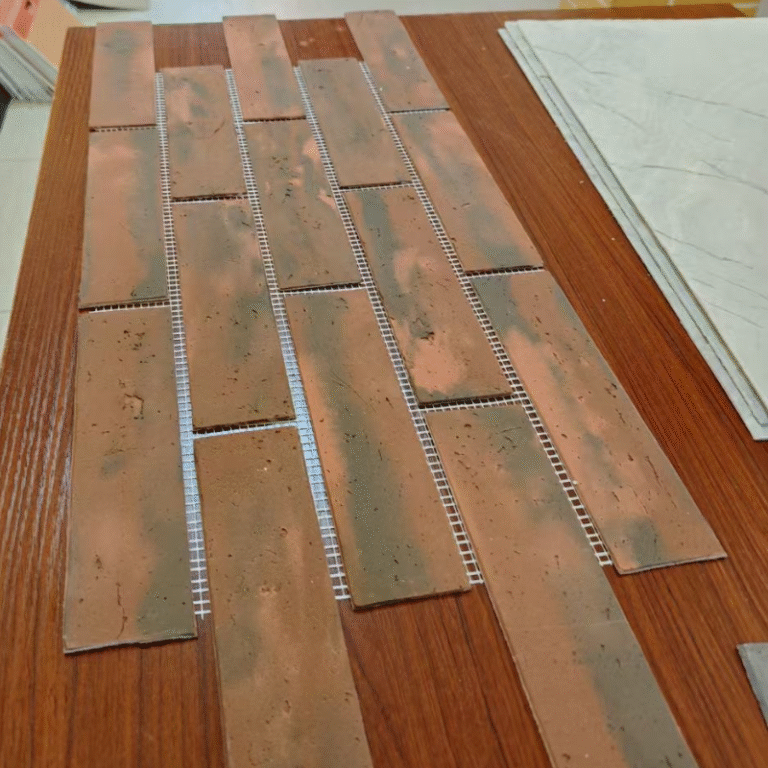
Our core system is a 3-5mm thick panel composed of natural stone powder and polymers on a fiberglass backing. This material provides the aesthetic of real stone with engineered flexibility, allowing it to wrap around curved columns and surfaces. It’s a solution-oriented product that gives architects design freedom and gives contractors a faster, lighter installation path. We use 3D printing to create custom textures—stone, wood, or metal—giving our B2B partners a product that cannot be easily commoditized.
- Lightweight Engineering: At only 5-10 kg/m², the panels reduce structural load and cut shipping and labor costs compared to traditional stone.
- Certified Performance: The material is fully waterproof, frost-resistant down to -40°C, and carries a Class A2 fire rating (ASTM certified) for commercial projects.
- Supply Chain Control: A low MOQ of 200 sqm for OEM orders allows partners to test new designs and match specific brand aesthetics without a massive inventory commitment.
- Global Compliance: Our panels are engineered to meet key international standards for North America (UL/ASTM), Europe (CE), and the Middle East.

Product 2: Peel & Stick DIY Packs (High Volume)
Peel and stick panels are designed for the high-volume home renovation market. These pre-cut, adhesive-backed products eliminate the need for specialized labor or tools, making them an accessible upgrade for DIY homeowners and small-scale contractors. The business model prioritizes volume and convenience, tapping into the residential and garage organization segment, which is seeing a 7.9% CAGR. Success in this category depends on offering a wide range of popular aesthetics and maintaining a reliable supply chain for quick delivery.
- Installation is simple and requires only a clean, flat wall surface, making it ideal for quick renovations.
- Designs are available in high-demand materials like wood, PVC, and faux tin to capture a broad customer base.
- The strong adhesive backing is typically rated for over 10 years of performance under normal indoor conditions.
- Serves a large addressable market of DIYers, renovators, and contractors who prioritize speed and low installation complexity.
Product 3: Fire-Rated Timber Look (Niche)
This category combines the aesthetic appeal of natural wood with certified Class A fire-rated performance. These panels are not a consumer product; they are specified for commercial projects like hotels, medical facilities, and corporate offices where building codes mandate strict fire safety. By solving a compliance problem without forcing architects to compromise on design, these panels command a significant price premium over standard decorative products. The margin is justified by the product’s dual value proposition: meeting non-negotiable safety codes while delivering a high-end look.
- Meets stringent fire safety regulations, providing a clear path to code compliance for commercial projects.
- Offers a low-maintenance solution, with options available using eco-certified or recycled materials.
- Targets high-value niche segments, particularly architects and specifiers working on commercial interiors.
- Commands a higher unit cost and margin, reflecting its specialized performance and limited competition.
Conclusion
Deciding between air and sea freight is about the total project cost, not just the shipping quote. For time-sensitive commercial fit-outs, a delayed opening can create lost revenue that far exceeds the premium for air delivery. Calculating this opportunity cost is essential to making the most profitable logistics choice.
If your project has a critical launch date, our team can help model the costs for different shipping scenarios. We can prepare a logistics plan that includes our express production options to ensure your materials arrive precisely when you need them.
Frequently Asked Questions
Cost to air freight building materials?
The cost to air freight building materials typically ranges from $5 to $15 per kilogram, contingent on factors such as the destination, fuel surcharges, and the urgency of the shipment. Pricing is based on volumetric weight or actual weight, whichever is greater. Due to the high cost, this method is primarily reserved for time-critical, high-value, or lightweight components needed to prevent costly project delays.
Urgent shipping from China?
For urgent shipping from China, express air freight is the fastest solution, with typical transit times of 3 to 7 days door-to-door. A more balanced option is expedited ocean freight, which reduces sea transit time by 10-15 days compared to standard services. A third option is a sea-air combination service, which offers a compromise between the speed of air freight and the cost-effectiveness of ocean shipping.
Express delivery stone veneer?
Yes, express delivery for stone veneer is available via specialized air freight services, though it is a premium-cost option due to the material’s weight. The process requires robust, professional crating to prevent damage and expert coordination for customs clearance. This service is typically used for time-sensitive replacements, custom-fabricated pieces, or high-end projects where avoiding schedule disruption is critical, enabling delivery in 5 to 10 business days.
Shipping construction materials fast?
To ship construction materials fast, prioritize air freight for critical-path items and utilize expedited ground or rail services for domestic transport. For very large or urgent needs, chartering a dedicated aircraft or truck provides maximum speed and control. Engaging a specialized logistics partner is essential for optimizing routes, managing customs, and consolidating shipments to ensure the fastest possible delivery.
Opportunity cost of construction delay?
The opportunity cost of a construction delay is the lost revenue or benefits from the project not being operational on schedule. This includes lost rental income or sales revenue, extended financing costs on construction loans, ongoing general conditions expenses (site management, security), and financial exposure to material and labor cost inflation. These indirect costs often far exceed the direct costs of a delay, justifying premiums for expedited logistics.