Calculating hotel renovation ROI is the critical first step in stopping the revenue loss caused by a dated facade that sends potential guests straight to your competition. An aging exterior doesn’t just look bad; it actively suppresses your Average Daily Rate (ADR) and makes it harder to justify premium pricing, no matter how great your service is.
This guide provides a direct financial comparison between a standard paint job and a modern stone veneer facade. We will analyze material costs, installation timelines, and the operational impact of “room displacement” on your bottom line. The goal is to create a clear SOP for evaluating which exterior upgrade delivers the strongest and fastest return.
The Correlation: Curb Appeal & Room Rates
A hotel’s exterior isn’t just an aesthetic choice; it’s a primary driver of guest trust and revenue, directly influencing booking decisions and rate potential.
First Impressions and Guest Trust
A hotel’s exterior is the first point of contact with a guest, and it immediately shapes their perception of quality. Travelers form an initial assessment within seconds of arrival. A neglected or dated facade can trigger immediate distrust and override strong online ratings, causing potential guests to reconsider their booking. A well-maintained exterior communicates professionalism and an attention to detail, building guest confidence before they even step through the door.
The Link Between Appearance and Occupancy
There is a direct connection between a hotel’s visual appeal and its financial performance. Properties with superior exteriors consistently report stronger booking metrics and higher occupancy. In a competitive market, an attractive facade acts as a key differentiator, particularly for boutique and independent brands. This visual appeal supports higher booking confidence from travelers, which in turn strengthens a hotel’s market position and its ability to command premium room rates.
Exterior Renovations as an ROI Driver
Investing in curb appeal is a measurable business strategy. Upgrades to a hotel’s facade, signage, and architectural features have been shown to drive return on investment by attracting more guests and enhancing brand value. A modernized exterior produces stronger online photos, which directly influences booking decisions in the digital marketplace. These enhancements are a tangible investment that contributes directly to a property’s ability to compete for discerning travelers and increase revenue.

The “Refresh” Cycle in Hospitality
Hotels now treat renovations as a planned capital expense tied directly to revenue, moving from reactive cosmetic fixes to scheduled, ROI-driven upgrades that minimize operational disruption.
Standard Renovation Timelines
Properties operate on predictable cycles to protect asset value and stay competitive. A minor “soft goods” refresh—addressing paint, textiles, and easily updated fixtures—typically occurs every 5 to 7 years. A more comprehensive renovation that includes guestrooms, public spaces, and potentially MEP (mechanical, electrical, plumbing) systems is scheduled for every 12 to 15 years. This structured approach ensures the property avoids appearing dated and can continue to meet brand standards and guest expectations.
Shift to ROI-Focused Upgrades
The industry has moved past renovations based purely on aesthetics. Today, every investment must be justified by its potential return. Decision-making is data-informed, prioritizing upgrades in high-impact areas like guestrooms, lobbies, and lighting systems that can directly influence rate, occupancy, and guest satisfaction. The goal is to establish a clear line between capital expenditure and improved performance metrics, particularly RevPAR (Revenue Per Available Room) and net operating income.
Minimizing Operational Disruption
A critical component of any renovation strategy is maintaining business continuity. Closing a property entirely is rarely a financially viable option. Instead, renovations are planned in phases, often floor by floor or wing by wing. This allows the hotel to keep a significant portion of its room inventory available for sale. Efficient project management and strategic scheduling—such as performing the most disruptive work during low-demand seasons—ensure that revenue loss is contained and the impact on the guest experience is kept to an absolute minimum.
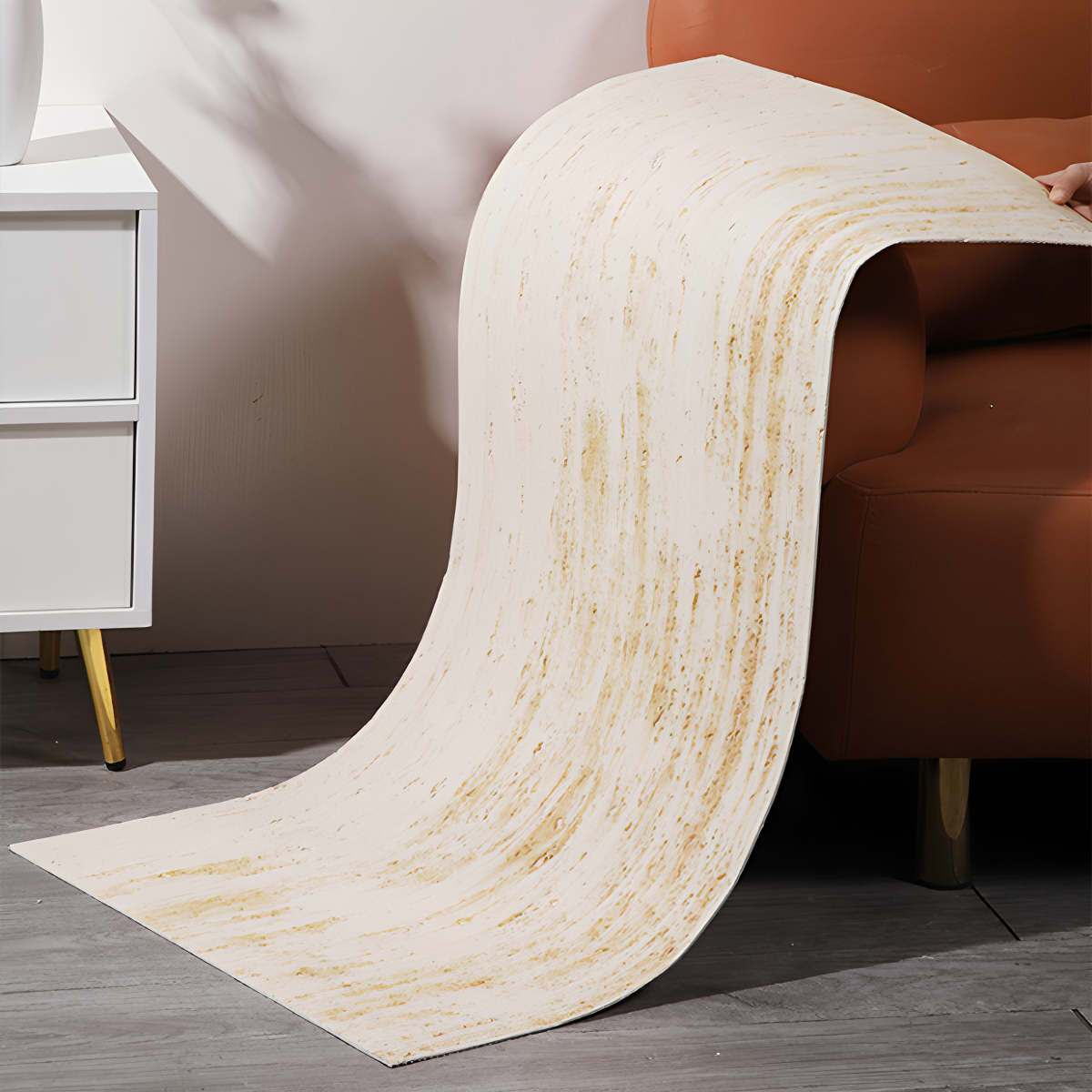
Source Premium, Customizable Flexible Stone Panels
Cost of Renovation: Flex Stone vs. Paint
While paint offers a lower initial price tag, the total cost of ownership over a 5-year cycle, factoring in maintenance and durability, makes engineered materials like Flex Stone a more profitable long-term capital expenditure.
Initial Investment: Materials and Labor
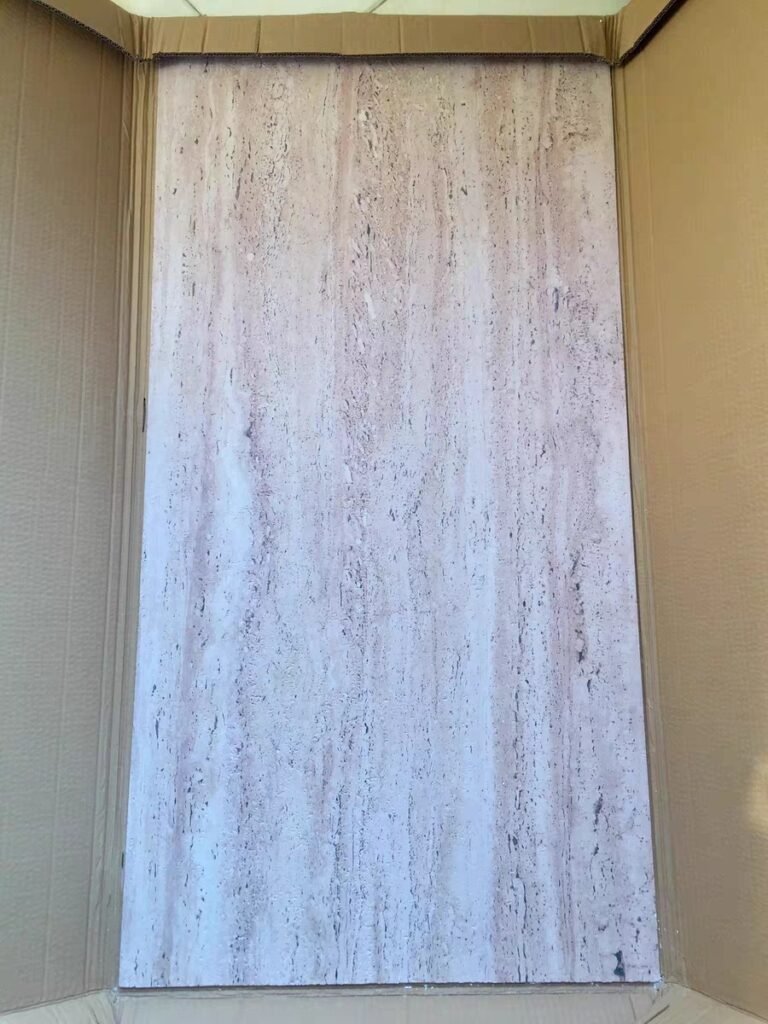
The upfront decision between paint and an engineered material often comes down to an initial budget review. Specialty architectural paint typically costs between $6–$9 per square foot, including labor, making it appear as the more budget-friendly choice. JMS Decor’s Flex Stone has a higher material cost. But its lightweight nature and simplified adhesive application reduce installation time and complexity, which helps offset labor expenses. The choice hinges on whether the project prioritizes the lowest immediate cost or the best long-term capital investment value.
| Metric | JMS Decor Flex Stone | Specialty Architectural Paint |
|---|---|---|
| Initial Cost | Higher material cost, reduced labor | $6–$9 per sq. ft. (installed) |
| Maintenance Cycle | Minimal; no refinishing needed | Repaint required every 3-5 years |
| Core Feature | Class A Fire Rating, Waterproof | Aesthetic finish only |
| 5-Year Total Cost | Lower Total Cost of Ownership | Higher due to recurring costs |
Long-Term Expenses: Maintenance and Durability
The financial analysis shifts dramatically when looking at recurring costs. Painted surfaces in high-traffic commercial environments need repainting every 3-5 years. This cycle incurs repeated material and labor expenses, along with potential operational disruption. Flex Stone panels are engineered for durability. They are resistant to weathering, UV degradation, and impact, which eliminates the need for frequent refinishing. The material’s inherent Class A fire rating also provides a critical safety and compliance advantage not offered by standard paint finishes.
Total Cost of Ownership and ROI
Evaluating the complete financial picture over a 5-year period reveals a stronger return for performance-driven materials. When you factor in at least one repainting cycle, the total cost of ownership for paint can easily surpass the initial investment in Flex Stone. Industry data shows engineered stone solutions deliver a high return, with some studies showing over 102% ROI from enhanced aesthetics and longevity. For hospitality and commercial properties, this makes Flex Stone a more profitable long-term choice by minimizing ongoing maintenance budgets and maximizing the property’s curb appeal.
Minimizing “Room Displacement” (Revenue Loss)
Renovation success in 2026 is measured less by aesthetic outcomes and more by the speed at which rooms return to service, directly linking installation efficiency to profitability.
The True Cost of Renovation Downtime
Beyond materials and labor, the dominant financial drag on any hotel renovation is room displacement—the revenue lost for every room taken out of inventory. In 2026, revenue management systems precisely calculate this loss by comparing a room’s offline status against historical occupancy data and projected earnings. The calculation isn’t limited to the room rate. It also includes ancillary losses from missed on-site spending, such as restaurant, bar, or spa services. Every additional day a room is unavailable for booking directly erodes the project’s total ROI.
Installation Speed as a Revenue Driver

The speed of material installation has become a primary lever for protecting revenue. The faster a room can be renovated and returned to sellable inventory, the lower the displacement cost. This is where modern engineered materials create a significant financial advantage. Solutions that bypass traditional, time-consuming steps like demolition, extensive surface prep, and long curing periods are now critical for maintaining business continuity.
| Metric | Traditional Renovation (Ceramic Tile) | Modern Retrofit (Flexible Stone Panels) |
|---|---|---|
| Demolition & Prep | Extensive removal of old surfaces; generates significant dust, noise, and waste. | Zero-demolition; panels can be installed directly over existing tile, drywall, or concrete. |
| Installation Time Per Room | 4-7 days (includes demolition, adhesive curing, and grouting). | 1-2 days (cut with a utility knife, minimal adhesive, no prolonged curing). |
| Operational Disruption | High noise and dust levels require isolating entire floors or wings, impacting adjacent rooms. | Low noise and dust-free cutting allows for surgical, room-by-room work without disturbing guests. |
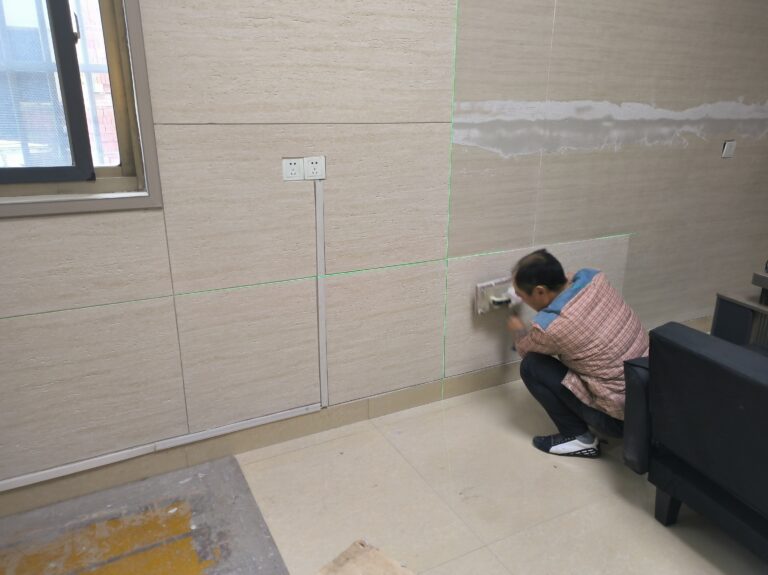
| Logistics & Labor | Heavy materials (40-50 kg/m²) require specialized handling, larger crews, and structural checks. | Lightweight (3.5-6.0 kg/m²) simplifies transport and enables faster installation by smaller teams. |
Phased Renovations with Minimal Disruption
The standard for modern hotel retrofits is a phased rollout, updating rooms floor-by-floor or wing-by-wing to keep the majority of the property operational. This strategy’s success depends entirely on the chosen materials. The clean and rapid installation of products like flexible stone panels or WPC is what makes a non-disruptive, phased approach viable. Hotels can maintain a positive guest experience and keep revenue flowing by avoiding the widespread noise and dust of traditional construction. This approach is further supported by material suppliers offering low minimum order quantities, which prevents the need for large, disruptive material staging areas on-site and aligns with a just-in-time project schedule.
Case Study: Boutique Hotel Facelift
This real-world example demonstrates how a targeted renovation combining modern aesthetics with energy-efficient systems can produce a measurable return through increased bookings and reduced operational costs.
The Challenge: Outdated Aesthetics & High Energy Costs
A boutique hotel was struggling with declining occupancy due to a dated exterior and rising operational expenses from poor energy efficiency. The primary objective was to modernize the property to attract a new generation of travelers while simultaneously lowering long-term operating costs. The project had to be executed with minimal disruption to daily business.
- The failing facade was deterring modern travelers, directly impacting the hotel’s ability to secure direct bookings.
- High energy bills from inefficient insulation and aging HVAC systems were eroding profitability.
- The renovation needed a strategy that allowed the hotel to remain open and serve guests throughout the process.
The Solution: Sustainable Upgrades & Modern Design
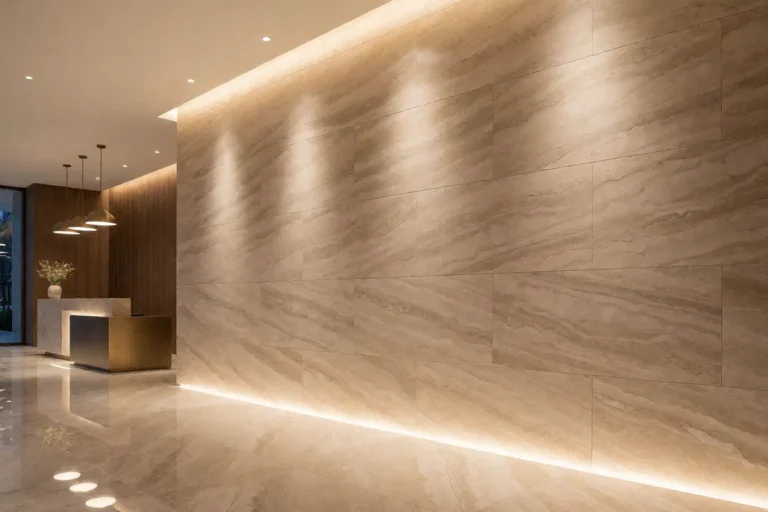
The renovation plan focused on integrating contemporary design with sustainable technology. JMS Decor’s flexible stone panels were selected for the exterior to create a high-end, modern look without requiring structural reinforcement. This aesthetic upgrade was complemented by significant internal improvements to energy systems.
- Lightweight flexible stone panels provided the desired high-end finish for the facade, offering durability and a fast installation timeline.
- The scope included a full upgrade to LED lighting and the optimization of existing HVAC systems for better performance.
- Interior design changes created more community-oriented spaces, enhancing the overall guest experience and encouraging longer stays.

The Results: Better Bookings and Lower Operational Spend
The facelift delivered a clear return on investment through improved guest perception and direct cost savings. The project’s financial model showed a projected payback period of under five years, driven by both revenue growth and operational efficiencies.
- Post-renovation data showed a significant increase in direct bookings and a higher Average Daily Rate (ADR).
- Energy consumption dropped by over 25%, providing an immediate and lasting improvement to the hotel’s bottom line.
- The modernized property successfully elevated its market position, attracting more desirable guests and improving loyalty metrics.
Marketing the “New Look”
A renovation’s return on investment is only realized when the new aesthetic is aggressively marketed to both new and existing guest segments through updated digital assets and targeted campaigns.

Updating Digital and Visual Assets
After completing a renovation, the first operational step is to update all online imagery. This action synchronizes your digital storefront with your physical property, ensuring potential customers see the most current and appealing version on booking platforms and your own website. Outdated photos create a disconnect that erodes trust and can lead to lost bookings.
- Hire a professional photographer to capture the new flexible stone wall panels and updated room aesthetics. Emphasize textures, lighting, and unique design features.
- Replace old photos immediately across the hotel website, online travel agencies (like Booking.com, Expedia), and all social media profiles.
- Produce short video tours or reels to provide a dynamic, immersive view of the upgraded spaces, which often perform better on social platforms.
Targeted Relaunch Campaigns
Use data-driven marketing to announce the renovation to specific, high-value audiences. This approach focuses marketing spend on guests who are most likely to appreciate the upgrades and book a stay, which directly improves the campaign’s ROI. A broad, untargeted announcement is inefficient.
- Launch email campaigns to past guests and loyalty program members, offering them an exclusive “first look” promotion to drive initial occupancy in the new rooms.
- Run pay-per-click (PPC) ads targeting keywords such as “newly renovated hotels” or “modern hotel design” within your specific geographic market.
- Use social media to share compelling “before-and-after” content, building a narrative around the property’s transformation and its commitment to guest experience.
Engaging with Loyalty Program Members
The renovation provides a powerful reason to re-engage with your most valuable customers. Loyalty programs are an essential channel for communicating property improvements, reinforcing brand value, and encouraging profitable repeat business from a receptive audience.
- Offer exclusive member-only events or open houses to showcase the new look in person, strengthening their connection to the brand.
- Provide bonus loyalty points for the first stay booked in a renovated room, creating a clear incentive to experience the upgrades.
- Personalize communications to highlight how the upgrades directly enhance the aspects of the guest experience they previously enjoyed, based on past feedback or behavior.
Conclusion
Upgrading a hotel’s exterior with flexible stone veneer is a strategic investment in its financial performance. This approach directly impacts Average Daily Rate by creating a premium aesthetic that justifies higher room prices. The renovation process is faster and less disruptive than traditional methods, which minimizes revenue loss from room displacement.
If you are planning your next renovation cycle, our team can provide material samples to help you visualize the transformation. We can also help you assess the project-specific costs and potential impact on your property’s RevPAR.
Frequently Asked Questions
Hotel renovation ROI?
Strategic hotel renovations, particularly those enhancing curb appeal and the guest experience, are significant ROI drivers. While returns vary based on scope and market, a well-executed project can yield a return on investment ranging from 10% to over 200%. Upgrades to facades, lobbies, and in-room amenities directly impact guest perception, allowing for increased Average Daily Rates (ADR), higher occupancy, and improved online ratings, which all contribute to revenue growth.
Increasing hotel room rates via design?
Design is a primary lever for increasing room rates. A modern, aesthetically pleasing exterior and interior directly signal quality and justify a premium price point. Strategic upgrades like spa-inspired bathrooms, integrated smart-room technology, high-quality finishes, and a compelling lobby design enhance the perceived value far beyond basic accommodation. This elevated guest experience makes travelers more willing to pay a higher rate compared to properties with dated appearances.
Cost to renovate hotel exterior?
The cost to renovate a hotel exterior varies significantly based on scale, materials, and location, typically ranging from $50 to over $200 per square foot. Key cost drivers include the type of cladding (e.g., EIFS, metal panels, brick veneer), window replacement, structural repairs, landscaping, modernizing signage, and architectural lighting. A comprehensive project for a mid-size hotel can easily range from several hundred thousand to multiple millions of dollars.
Best materials for hotel retrofit?
For a modern hotel retrofit, the best materials balance durability, aesthetics, and maintenance. For exteriors, high-performance options like Aluminum Composite Material (ACM) panels, fiber cement siding, and advanced Exterior Insulation and Finish Systems (EIFS) offer longevity and energy efficiency. For interiors, Luxury Vinyl Tile (LVT) flooring provides superior durability and design flexibility, while quartz countertops and non-porous solid surfaces in bathrooms and public areas ensure longevity and easy sanitation.
Minimizing hotel renovation downtime?
Minimizing renovation downtime is critical and is best achieved through meticulous planning and phased execution. Key strategies include renovating floor-by-floor or wing-by-wing to keep a portion of the hotel operational, scheduling the most disruptive work during off-peak seasons, and utilizing off-site prefabrication for components like casegoods or bathroom pods. A dedicated project manager coordinating closely with hotel operations is essential to manage logistics, noise, and guest impact seamlessly.