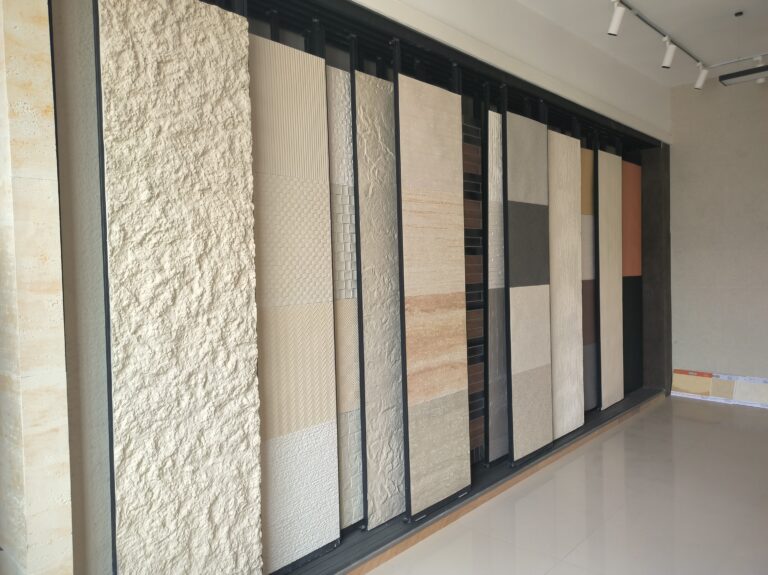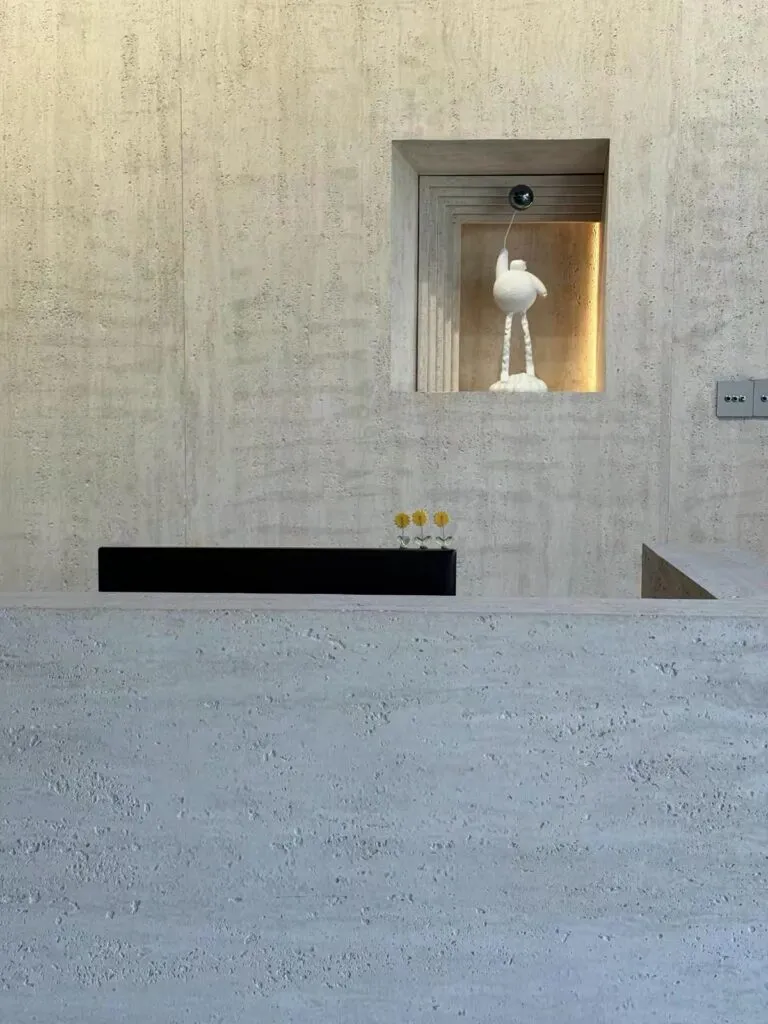
For commercial developers, the choice of Flexible Stone Panels is a critical decision that directly impacts project budgets and prevents the costly structural overruns tied to real stone cladding. The sticker price of traditional stone rarely reflects the true total cost, which often includes unforeseen expenses for specialized labor, heavy machinery rentals, and additional structural engineering. These hidden variables can quickly erode profit margins and derail construction timelines.
This guide provides a detailed cost analysis, moving beyond simple price-per-square-foot comparisons. We will break down material expenses, shipping logistics, and installation labor to build a complete financial picture. We also calculate the long-term maintenance costs and return on investment to provide a clear framework for evaluating both cladding options in a commercial real estate context.
The Real Cost of Wall Cladding
Evaluating wall cladding requires looking beyond the material price to the total project cost, where significant savings in labor, shipping, and structural support often outweigh initial per-panel expenses.
Material and Production Costs
By 2026, flexible stone panels made from Modified Clay Material (MCM) are a primary cost-effective alternative to traditional stone. Innovations in composite materials and efficient manufacturing have made these panels more affordable than solid stone slabs while retaining an authentic appearance. Their market price sits comfortably between lower-cost faux materials and high-end natural stone. Customization options for patterns and finishes can influence the final price, but they also reduce waste by allowing contractors to order exact quantities needed for a project, improving budget accuracy.

Installation and Labor Expenses
The most significant cost-saving element of flexible stone panels is the reduction in labor and installation time. Their design simplifies the entire process, making it faster and less labor-intensive than traditional masonry. Field data shows installation speeds are 40–60% faster than traditional stone cladding. This acceleration is due to two main factors: the material’s weight and the installation method.
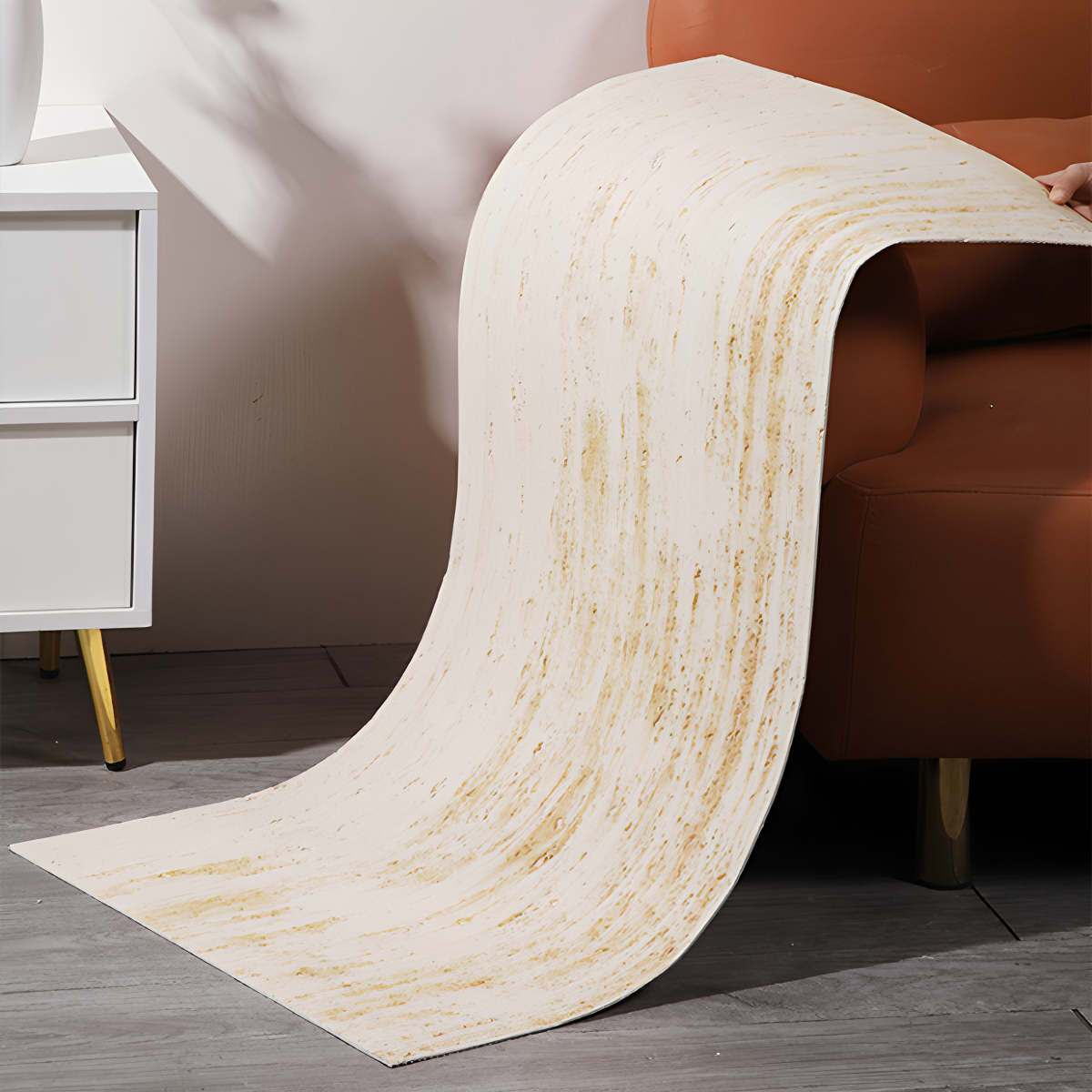
- Lightweight Construction: Weighing only 3.5–6.0 kg/m², the panels are easy for smaller crews to handle and position, eliminating the need for heavy lifting equipment or additional structural reinforcement.
- Simplified Installation: The panels are installed using adhesive bonding, which is faster and cleaner than specialized mortar work. They can be cut on-site with a utility knife and easily applied to curved surfaces, avoiding the complex cutting and fitting required for rigid stone.
Logistics and Shipping Savings
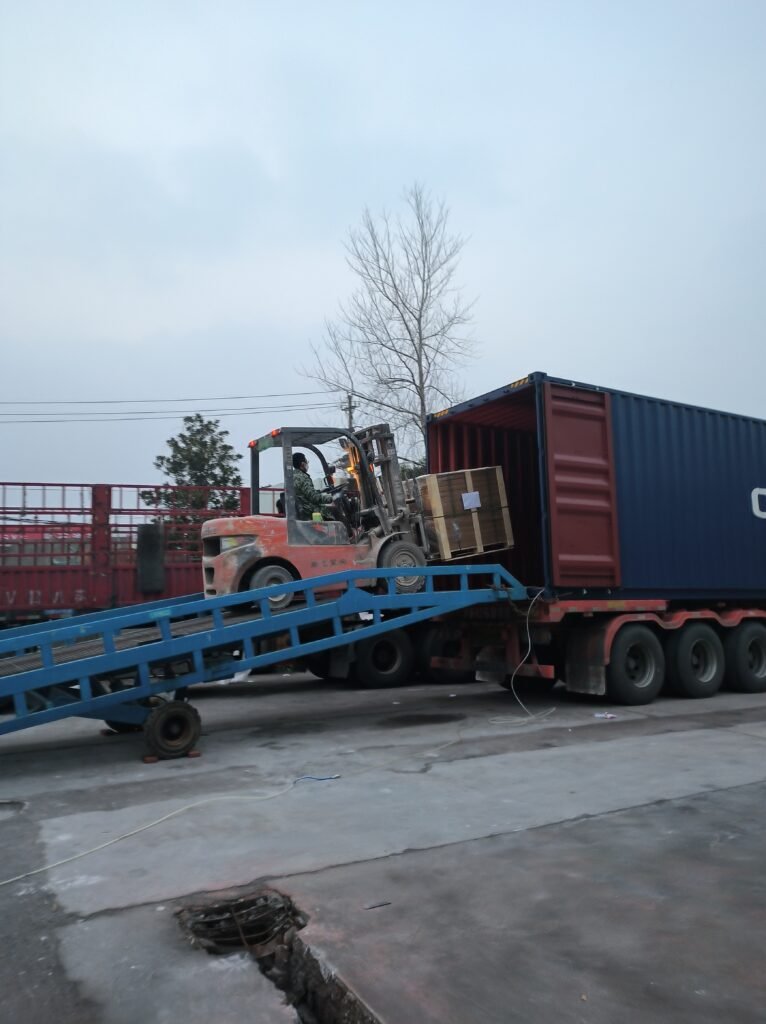
The lightweight nature of flexible stone panels directly translates to major supply chain savings. At just one-sixth the weight of traditional stone, the panels dramatically reduce freight and shipping charges, especially for large-scale international projects. On-site handling is also simpler and safer. Durable, compact packaging optimizes container space, allowing for more material per shipment and further lowering the landed cost per square meter. This logistical efficiency is a critical, often overlooked, component of the material’s total cost advantage.
Elevate Your Designs with Customizable Stone
Hidden Savings: Logistics & Shipping
The material’s weight is the single largest driver of freight costs, yet it’s the most commonly overlooked saving. Reducing panel weight by over 80% compared to traditional stone fundamentally changes the cost structure of any large-scale project before a single panel is even installed.
Lightweight Panels Reduce Freight Costs
JMS Decor’s flexible stone panels have an average weight of 3.5 to 6.0 kg per square meter, which is a fraction of traditional stone cladding. This massive weight difference directly lowers transportation costs, especially for international B2B shipments where container weight dictates pricing. The savings are not marginal; they are a core component of the total project budget.
- Drastically cuts fuel and freight charges for both sea and land transport.
- Allows more square meters to be loaded per container, maximizing shipping efficiency and lowering the cost per unit.
- Removes the need for heavy-duty handling equipment like cranes at ports and job sites, reducing ancillary costs.
Optimized Packaging for Safe, Efficient Transit
We use secure, export-grade wooden crates and pallets engineered specifically for our flexible wall panels. This system is designed to minimize damage during transit, which prevents the costly replacements and project delays common with fragile, heavy materials. Protecting the product in transit protects the project timeline and budget.
- Durable crating shields panels from impact, vibration, and moisture encountered during shipping.
- Standardized packaging simplifies container loading, unloading, and warehouse inventory management.
- A defect and breakage rate of less than 1% ensures the full order arrives intact and ready for immediate installation.
Streamlined Handling and Delivery Support
The physical ease of handling our lightweight panels saves time and labor expenses at every stage of the supply chain. Beyond the product itself, JMS Decor provides logistical support, working with clients to manage shipments from FOB Shanghai to their final destination port or warehouse. This simplifies the import process for our partners.
- Panels can be safely managed by a smaller crew without requiring specialized lifting machinery.
- Faster loading and unloading times at the warehouse or job site reduce labor costs and avoid potential port detention fees.
- We assist in coordinating shipping logistics, helping clients navigate customs and ensure a smooth delivery.
Labor Savings: Installation Speed
Flexible stone systems cut installation time by 40–60% compared to traditional cladding, eliminating specialized masonry skills and directly reducing labor hours on project timelines.
Accelerated Project Timelines
Flexible stone panels are installed significantly faster than traditional stone cladding. This acceleration allows crews to complete projects well ahead of conventional schedules, which directly reduces the duration of paid labor. Field data shows a clear advantage in daily output, compressing what would normally be a week-long job into just a few days.
- Installation crews can cover 25–50 panels daily, a substantial increase over the area covered with anchored stone.
- A small, three-person team can typically clad a 30m² area within just four hours.
Simplified Installation Methods

The panels use a straightforward adhesive-based attachment system. This process eliminates the need for mortar mixing, specialized masonry skills, and complex anchoring systems. As a result, installation is opened up to general construction crews, widening the available labor pool and reducing reliance on expensive, specialized trades.
- Simple adhesive application replaces time-consuming and messy mortar work.
- The panels are ready to install and can be cut with standard tools like a utility knife, which reduces site preparation and cleanup time.
Reduced Handling and Structural Needs
With a weight of only 6–8 kg/m², these ultra-lightweight panels are easy for a single worker to handle and transport on-site. This physical characteristic not only improves safety but also eliminates the need for costly structural reinforcement that heavy traditional stone requires. Projects avoid the added material and labor expenses associated with reinforcing walls before cladding can even begin.
- The lightweight design reduces physical strain on workers, contributing to a safer and more efficient job site.
- Projects avoid the material and labor costs tied to reinforcing walls, a “Zero-Demolition Renovation” advantage for older buildings.
Maintenance & Long-term Value
The industry now evaluates wall cladding based on total cost of ownership, where long-term durability and minimal upkeep deliver more value than a low initial price.
Projected Lifespan and Total Cost
Flexible stone panels provide a clear long-term advantage by shifting the focus from initial material price to total cost of ownership. In controlled commercial environments, these panels are engineered for performance projections that often exceed 10 years, offering predictable durability. This focus on lifecycle cost is a key differentiator against traditional materials.
- The material’s built-in resistance to weathering and UV exposure reduces the need for frequent replacement or refinishing.
- Compared to materials like ceramic tile or MDF panels, the total lifecycle cost is lower due to minimal required upkeep and repair.
Low-Maintenance Profile
A primary benefit of JMS Decor panels is a low-maintenance design that saves significant operational costs over the building’s life. The non-porous surface is less prone to the common issues that plague other wall cladding materials, such as staining, moisture damage, or chipping.
- Panels require only simple cleaning methods and do not need specialized or recurring chemical treatments.
- The simplified repair process allows for fixing isolated damage without requiring the replacement of large, costly sections.
Installation’s Impact on Longevity
The long-term durability of flexible stone panels is directly tied to the quality of the initial installation. While the material itself is robust, proper moisture management and strict adherence to installation guidelines are critical for maximizing its lifespan and preventing future issues.
- Correct installation creates a secure, waterproof bond that protects the underlying substrate from moisture infiltration.
- Following preventative strategies during setup helps avoid costly, systemic failures and extends the total value of the investment.
ROI for Real Estate Developers
For real estate developers, flexible stone panels translate directly into higher profitability by cutting labor and logistics costs while justifying premium property valuations, with market data showing returns consistently exceeding 150%.
Installation Efficiency and Labor Cost Reduction
Flexible stone panels from JMS Decor significantly shorten installation timelines, which directly cuts on-site labor costs. Field data shows labor cost reductions of up to 50% compared to traditional stone, providing a clear boost to project profitability.
- The lightweight design simplifies handling and application, requiring smaller installation crews.
- Faster installation speeds up project completion, allowing for quicker market entry or tenant occupancy.
- Panels are installed using standard adhesives, which eliminates the need for specialized and costly masonry work.
| Cost Driver | Flexible Stone Panels (JMS Decor) | Traditional Stone Cladding |
|---|---|---|
| Installation & Labor | Reduces costs by up to 50%; no specialized masonry skills required. | Requires skilled masons; slower, more complex, and expensive installation. |
| Logistics & Structural Load | Lightweight (3.5–6.0 kg/m²), reducing shipping costs and eliminating extra structural support needs. | Heavy, resulting in high shipping fees and often requiring costly structural reinforcement. |
| Property Valuation & ROI | High curb appeal justifies premium pricing; market data shows ROI consistently exceeds 150%. | High initial material and installation costs can limit overall project profitability. |
Enhanced Property Value and Curb Appeal
A natural stone finish increases a property’s curb appeal, enabling developers to justify premium valuations. This visual upgrade is a primary driver for achieving investment returns that consistently exceed 150%, as it makes properties more attractive to potential buyers and tenants.
- Properties featuring stone veneer attract more serious interest from prospective buyers and tenants.
- The luxurious finish helps properties stand out in competitive real estate markets.
- JMS Decor offers customizable designs to align with specific architectural styles, further enhancing value.
Reduced Logistics and Material Expenses
The lightweight nature of flexible stone panels directly lowers transportation and on-site handling costs. This creates a clear financial advantage over heavy traditional stone by simplifying logistics and reducing or eliminating structural support requirements entirely.
- Lower weight translates to reduced shipping fees and fuel consumption.
- Easier material management on the construction site saves both time and labor.
- The need for reinforced structural foundations is often eliminated, leading to considerable savings in engineering and construction.
Strong Market Performance and Regional Returns
Growing demand for cost-effective, high-end finishes positions flexible stone panels as a strong investment. The return on investment is particularly high in certain geographic areas, with some markets reporting returns over 240%, which signals strong regional adoption and profitability.
- The market shows consistent year-over-year growth in demand for manufactured stone veneer.
- Developers can gain a competitive edge in high-growth markets by offering premium finishes at a lower overall cost.
- JMS Decor’s global experience helps developers capitalize on these trends in various high-performing regions.
Case Study: Commercial Complex
This project shows how lightweight flexible stone panels solved complex architectural challenges, achieving a premium stone facade on an aggressive schedule by cutting installation time and eliminating the need for costly structural reinforcement.
Project Challenge: Modern Aesthetics on a Tight Schedule
A new multi-story commercial development needed a premium stone facade to attract corporate tenants, but faced two major constraints: an aggressive occupancy deadline and complex curved surfaces. Traditional solid stone was impractical. It would have introduced significant installation delays, added substantial structural load, and increased costs for engineering reinforcement.
- The primary goal was to achieve a high-end, natural stone appearance.
- The construction timeline left no room for delays typical with heavy masonry work.
- The building’s design featured large-scale curves, demanding a flexible cladding material.
Solution: Deploying Flexible Stone Panels
JMS Decor’s flexible stone panels provided the ideal solution. These panels, made from modified clay and natural stone powder, offer an authentic finish without the weight. Their ability to conform to curved geometries allowed for a rapid, seamless installation that met both the architectural vision and the tight schedule.
- The panels simplified on-site logistics and eliminated the need for heavy lifting equipment.
- Installation was completed faster by smaller crews using a simple adhesive application, not specialized masonry skills.
- The system’s adaptability allowed for a consistent finish across both flat facades and complex curved elements.
Results: Cost and Time Savings
The switch to flexible stone panels resulted in direct, measurable savings in both time and money. The project was completed ahead of schedule, and the most significant financial impact came from the reduced structural requirements and accelerated labor.
- Installation time was reduced by over 30% compared to projections for traditional stone cladding.
- Labor requirements were lower, leading to significant savings on installation expenses.
- Eliminating the need for extra structural steel support further reduced the project budget.
Conclusion
While the initial price per square meter is a key factor, the total project cost reveals the full financial picture. Flexible stone panels reduce expenses across shipping, labor, and long-term maintenance. This approach delivers a clearer understanding of the return on investment for any development or renovation project.
To see how these savings apply to your specific needs, our team can prepare a detailed quote. We also provide sample kits for evaluating textures and build quality for your upcoming project.
Frequently Asked Questions
Is stone veneer cheaper than real stone?
Yes, stone veneer is significantly more cost-effective than real stone. The savings come from two main areas: the material itself is less expensive to produce, and the installation costs are substantially lower. Because veneer is lightweight and utilizes simpler adhesive bonding techniques, it eliminates the need for specialized masonry labor and speeds up project timelines, resulting in major overall savings.
Stone Veneer Vs. Real Stone Cost?
The total installed cost for real stone is often 2 to 3 times higher than for stone veneer. Real stone involves high material costs, expensive freight due to its weight, and intensive labor from skilled masons. In contrast, modern stone veneer offers lower material costs, reduced shipping expenses, and faster, less specialized installation. The overall project cost for veneer is typically 40-60% less than for full-bed natural stone.
How much is shipping per container?
Container shipping costs are dynamic and depend on origin, destination, carrier, and container size (20ft vs. 40ft). As of 2026, rates for a standard international route typically range from $2,500 to $7,000. However, the key advantage of stone veneer is its low weight. You can ship significantly more square footage of veneer in a single container compared to heavy natural stone, which dramatically reduces the per-unit shipping cost.
Do I need extra structural support?
No, extra structural support is typically not required for modern stone veneer. Its lightweight construction allows it to be installed directly onto standard, properly prepared substrates like sheathing or cement board. This is a major advantage over real stone, which is extremely heavy and mandates the costly addition of a brick ledge, reinforced footing, or other foundational support.
What is the ROI for developers?
The ROI for developers is exceptionally high. It is driven by lower upfront material and labor costs, which directly increases profit margins. Furthermore, the simple and fast installation process accelerates project completion, allowing for a quicker sale or occupancy. Stone veneer provides the high-end aesthetic of natural stone, boosting curb appeal and property value without the corresponding expense and structural complexity.
Is maintenance expensive?
No, maintenance is not expensive. Modern stone veneer products are designed for durability and require minimal upkeep. Routine maintenance typically involves only occasional cleaning with a mild detergent and water to remove surface dirt. The materials are engineered to be waterproof and colorfast, resisting weathering and staining without the need for costly sealants or repairs.