
A hotel lobby’s stone feature wall makes its impression in the first ten seconds of every arrival — and then spends the next decade being touched by luggage, leaned on by queueing guests, wiped by housekeeping and photographed under ever-changing light. Most lobbies age badly not because the material was wrong but because nobody planned the years between “handover” and “refurbishment”: the cleaning that slowly dulls, the corners that chip one trolley at a time, the sealant joints that age silently, the touch-up that never gets scheduled. This guide is the missing plan — how a flexible stone lobby wall keeps its day-one look for years, what to inspect on what rhythm, and which small interventions protect the big refurbishment budget.
What actually ages a lobby wall?
Lobby walls age through four mechanisms, none of which is the stone failing. Contact wear: luggage, trolleys and hands polish or chip the same metres day after day — the corners, the wall behind the reception counter, the two metres beside the revolving door. Cleaning drift: the wrong product, applied with good intentions, slowly leaves a film or dulls the printed face — the most common and most preventable mechanism. Joint ageing: sealant at perimeters and wet-adjacent details loses elasticity over years, regardless of how well it was applied. Light and showcase drift: as lamps age or get replaced with different colour temperatures, the wall’s read shifts without anything touching it — the effect our lighting guide explains at specification level.
Flexible stone’s material properties make all four manageable: the mineral face cleans back to its original look if the regimen is right, and same-batch spare panels — planned at order — make a chipped section a repair rather than a visible patch. The failure cases are properties that never wrote the plan down.
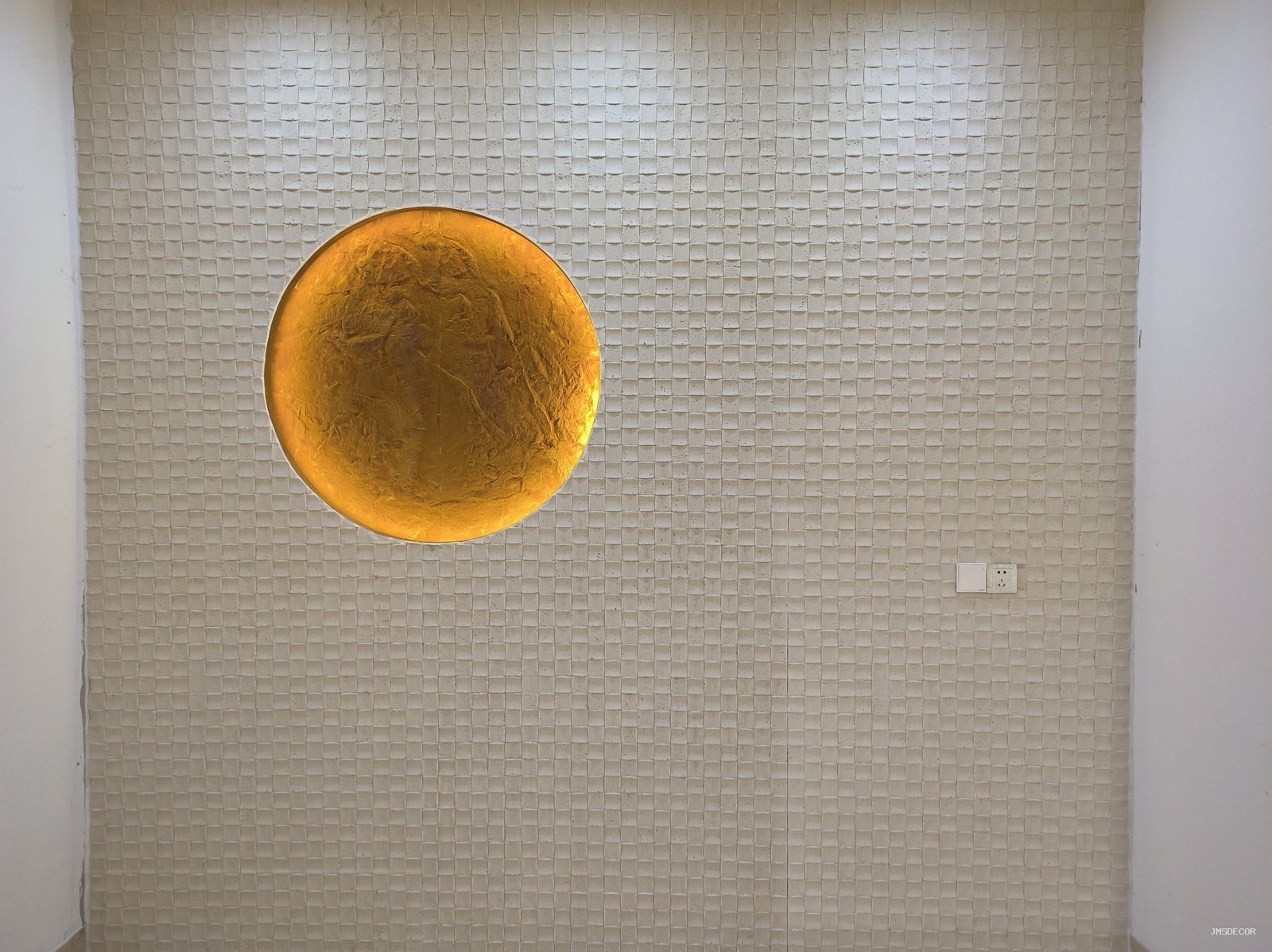
The maintenance rhythm that keeps the day-one look
Three cycles cover the whole life of the wall, and each is cheap compared with its alternative.
- Daily and weekly — the housekeeping layer. A soft cloth or neutral-pH cleaner on the field surfaces, immediate spot-cleaning of scuffs before they set, and corners wiped with the same discipline as glass. The product care guidance from our care and maintenance guide is the baseline; the lobby-specific addition is a one-page instruction handed to housekeeping so the regimen survives staff turnover.
- Quarterly — the inspection layer. A fifteen-minute walk with the three things that matter: corners and contact metres for chips, joints for sealant condition, and the wall under its lighting for tone consistency. Photograph the same three angles every quarter — the photo series becomes the wall’s medical record, and it is what makes later warranty or supplier conversations factual.
- Yearly — the renewal layer. Reseal the joints that the inspection flags (exterior-adjacent and wet-adjacent lines first), refresh any sealant that has hardened, and re-verify the lighting colour temperature against the original specification — the drift our lighting guide warns about is an annual check, not a guess.
Which repairs belong in the plan, and which to the supplier?
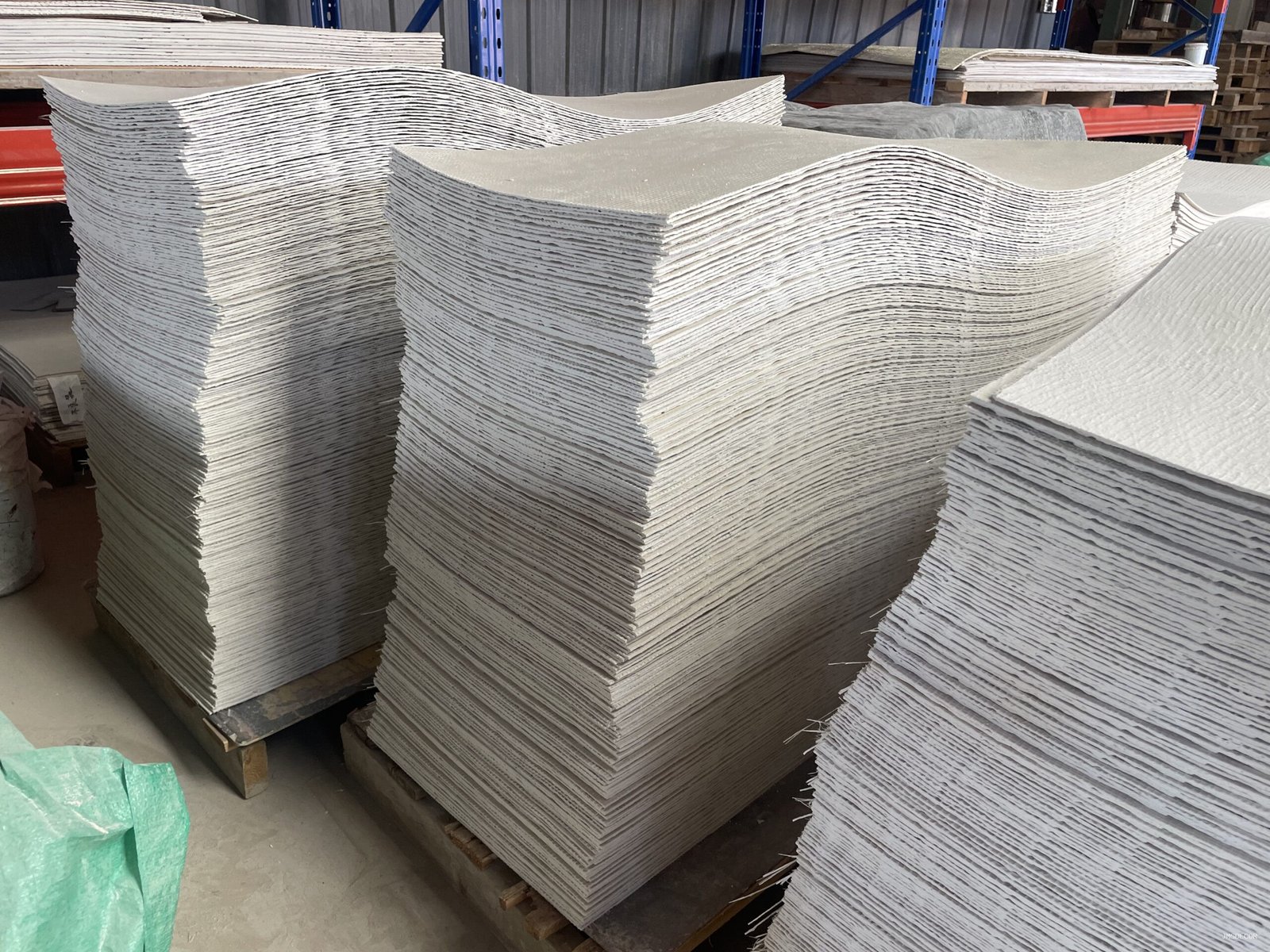
The plan should know the boundary. In-house: scuff removal, sealant renewal at accessible joints, tightening any trim or accessory plate, replacing a cover plate that has marked the edge. Batch-matched panel swap: a chipped or deeply marked section, replaced from the spares held since the original order — the swap is a half-day job and the wall returns to invisibility, per the matching logic in our repair guide. Supplier conversation: anything suggesting the material itself — discolouration that cleaning cannot lift, delamination, a tone drift across the field. That last category is exactly what the quarterly photo series evidences, and why the retained sample from the original approval should live with the engineering office, not in a sample box.
How do you protect the high-contact metres?
Every lobby has predictable impact zones, and the plan protects them deliberately rather than repairing them reactively. Corners at trolley routes take the same protection products hospitality already uses; the reception counter’s wall return gets the solid-cap treatment from our top-edge guide where the design allows; luggage zones beside doors get a bumper or a design-level material change. The flexible stone advantage shows here too: where protection is impossible — a design that forbids visible hardware — a damaged section is a same-batch swap, not a mosaic of attempts.
The quiet contributor is the doorman and porter team: their routes and their trolley habits determine which metres take the beating. Walk those routes with them once, mark the corners, and the quarterly inspection knows exactly where to look first.
What does the refurbishment-cycle view add?
Lobbies refurbish on a rhythm — soft refresh every few years, deep refurbishment on a longer one — and the stone wall’s plan should sit inside it rather than trigger it. A wall maintained on the three cycles above usually survives one full soft-refresh cycle untouched and enters the deep refurbishment as a decision, not a necessity: the batch-matched spares and the supplier’s mould and colour retention (held for reorders without new tooling) mean the wall can be extended, section-replaced, or left as the design anchor while everything around it changes. That optionality is the quiet financial argument for specifying the maintenance plan at the same time as the wall — the arithmetic our contract guide protects with the spare-panel and documentation clauses.
What should the wall’s file contain?
- The approval chain: retained sample reference, batch number, COA and the submittal photographs — the set our submittal guide assembles.
- The care instruction: the one-page housekeeping sheet, with the approved products named and the forbidden ones listed.
- The spare-panel register: how many panels from which batch are held, and where.
- The inspection photo series: the quarterly three-angle set, dated, so tone and condition drift is provable.
- The intervention log: every sealant renewal, every panel swap, with dates — the record that turns the refurbishment decision into a line item instead of an emergency.
What does the plan look like on a real calendar?
Abstract rhythms are easy to agree with and hard to run, so here is the wall’s year in concrete rows. Every morning, housekeeping wipes the contact metres as part of the lobby clean — same cloth discipline as the glass. Weekly, the corners and the counter return get their spot-check, and any scuff that appeared gets removed before it sets. Quarterly, the engineering walk photographs the three fixed angles and reads the joints. Yearly, the flagged joints are resealed, the lamp colour temperature is verified against specification, and the file gains its year’s page. None of it is heavy; all of it is scheduled. The difference between a lobby that looks ten years old at year five and one that still photographs as new is rarely the material — it is whether these rows existed and whether someone owned them.
The ownership question is the plan’s real hinge. A wall’s file that lives in a handover PDF is a dead file; the same content on the engineering calendar, with each cycle attached to a named role and a logged completion, becomes the asset’s memory. When the wall is eventually extended or section-replaced, that memory is what makes the new work match the old — the batch logic from our batch consistency guide, protected for a decade by the five-year mould and colour retention the manufacturer holds.
How does the plan change between a city hotel and a resort?
The mechanisms are the same; the weighting is not. A city lobby lives on trolleys, luggage wheels and queue lines — its plan leans on contact-zone protection and the porter-route walk. A resort lobby adds humidity, sand and salt carried in from the beach, and often open-air or semi-open-air sections where the exterior-adjacent rules apply: the sealant renewals come forward in the calendar, the cleaning products must handle salt film as well as scuffs, and any joint that sees moisture is inspected on the quarterly walk rather than the yearly one. Our climate-specific guide covers the coastal and humidity mechanics; the lobby plan simply weighs them into its local rhythm.
Guest behaviour is the third variable. A business hotel’s wall is touched at hand height along the counter queue; a family resort’s wall is touched everywhere, at every height, by every age. Reading the actual traffic — an afternoon in the lobby with a clipboard beats any assumption — and mapping the real contact metres is the one exercise that makes the protection budget land where the damage will actually happen.
FAQ
How long can a maintained lobby wall look new?
With the daily-plus-quarterly-plus-yearly rhythm, the material’s own answer is “through its design life”: the printed mineral face does not fade indoors, and the ageing mechanisms are all managed ones. The honest framing is that the plan, not the calendar, decides.
Can housekeeping damage the wall without knowing?
Yes — abrasive pads and aggressive chemicals are the two common offenders. The one-page instruction with named products exists precisely to prevent good intentions from becoming a dull wall.
Is a panel swap disruptive to lobby operations?
No — it is a half-day, low-noise job on one section, and the surrounding field is untouched. Plan it for a low-occupancy window and guests never notice.
Who should own the wall’s file?
Whoever owns the building’s maintenance calendar — engineering or the asset manager. The file transfers with the property, which is why it is a set of physical and digital records rather than a conversation.
Keep the day-one look by planning the years, not reacting to them. The range and its care documentation are on the flexible stone veneer page, and hospitality maintenance practice is and housekeeping safety and product-handling practice is published by OSHA.