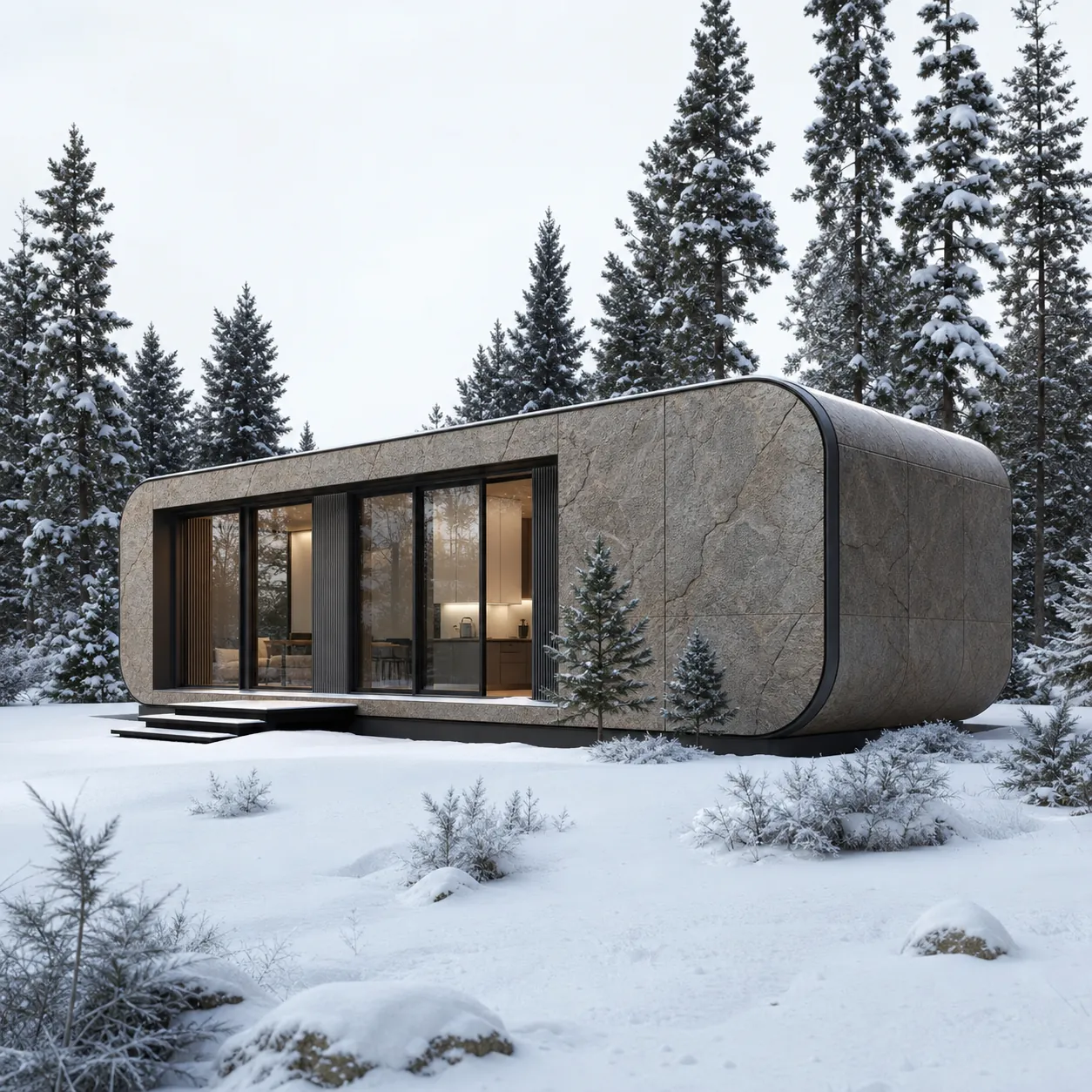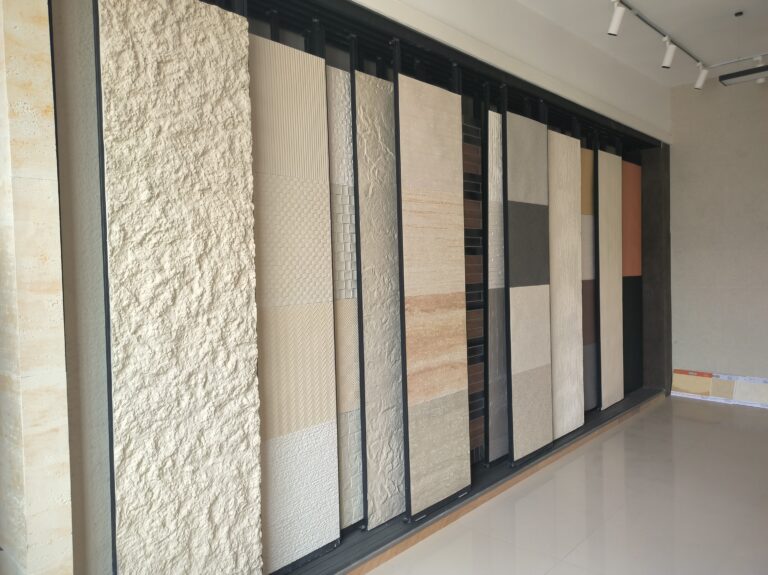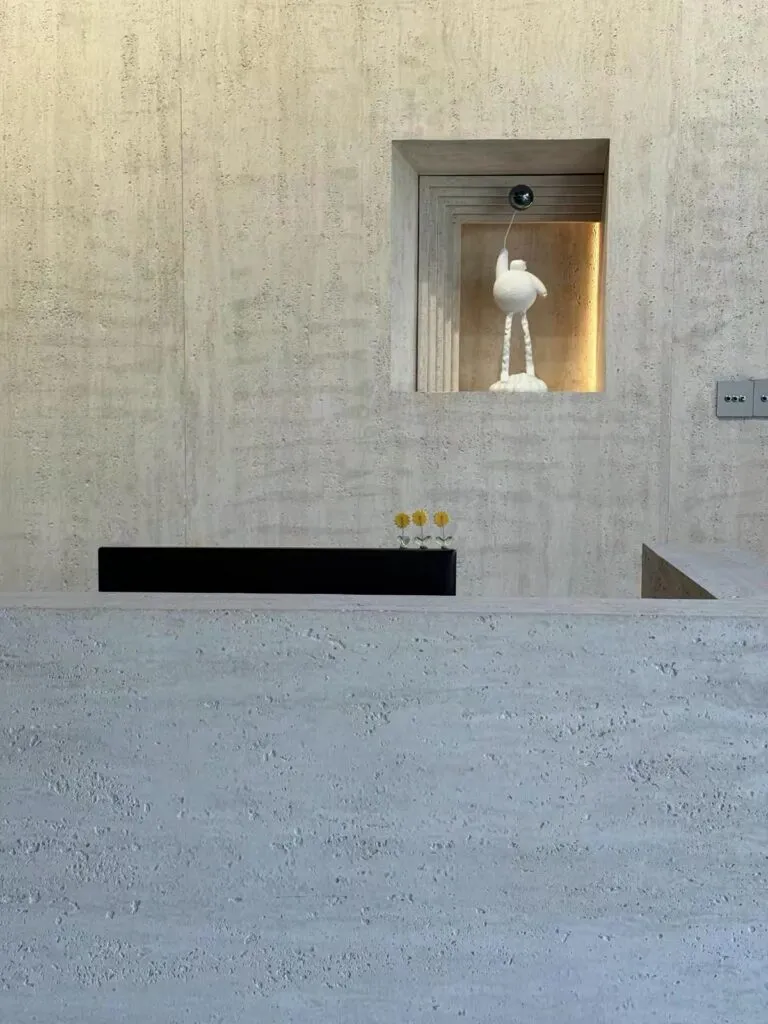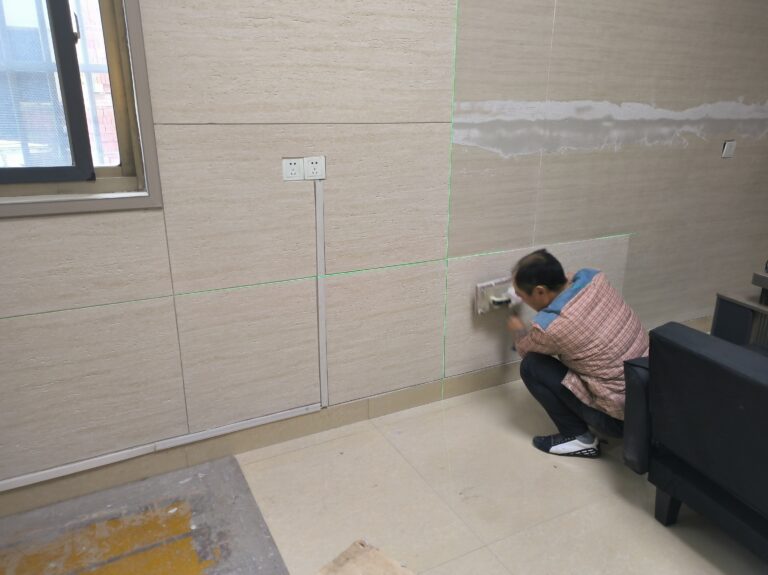
MCM-Verschalungen sind flexible Steinplatten, die das Aussehen von gebrochenem Naturstein mit einem Bruchteil des Gewichts bieten. Der Vergleich des Verkleidungsgewichts mit herkömmlichem Stein ist der erste Schritt bei der Wandplanung, da diese Zahl den Rahmen, die Befestigungen und die Frachtkosten bestimmt. Dieser Leitfaden stellt beide Optionen gegenüber.
Herkömmliche Steinverkleidung besteht aus gesägten Platten oder dicken Fliesen, die auf die Wand aufgebracht oder verankert werden. Flexibler Stein ist eine dünne Mineralplatte, die mit einem speziellen Klebstoff haftet. Diese Diskrepanz in der Masse durchzieht das gesamte Projekt – von der Struktur bis zum LKW.
Eine leichte Fassade erfordert einen leichten Rahmen. Das Verkleidungsgewicht ist die erste Kennzahl, um die eine Wandplanung aufgebaut wird.
Was MCM-Verkleidungen im Detail sind
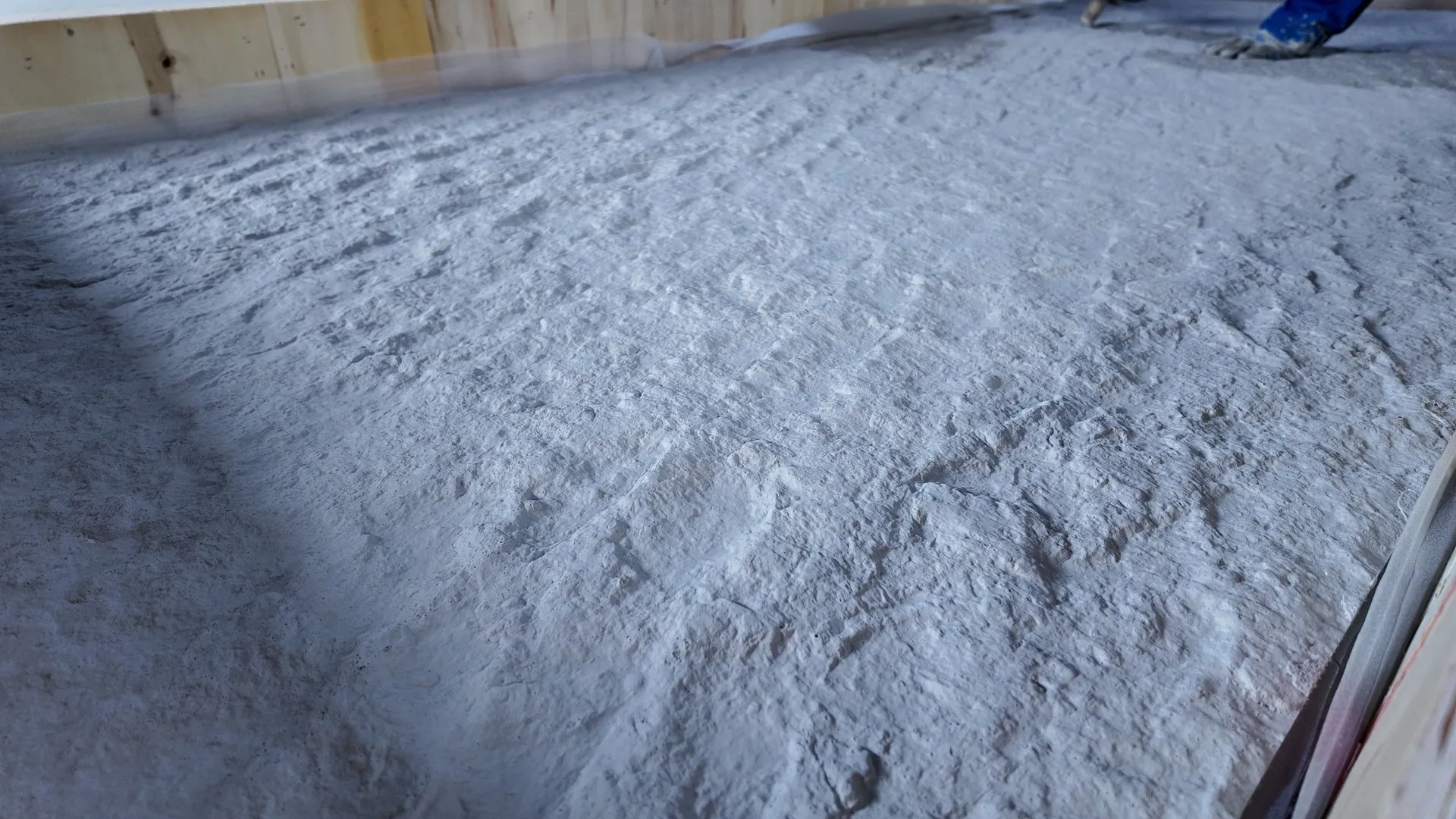
MCM ist der Branchenbegriff für flexible Steinverblenden – eine Platte aus Natursteinmehl, anorganischem Gel und einer Glasfasergitter-Schicht. Sie wird zu einer 2 mm bis 8 mm dicken Platte gepresst und behält das Maserungsbild von echtem Stein bei, ohne die Masse einer Massivplatte. Die gesamte Produktfamilie finden Sie auf flexible Steinplatten Seite.
Die Platten werden in den Maßen 1200 × 600 mm gefertigt und können bis zu 1200 × 2900 mm reichen. Die Modulgröße an der Wand festzulegen, positioniert die Fugen dort, wo das Auge sie erwartet. Das Material lässt sich biegen, wird flach transportiert und vor Ort zuschneiden.
Das Material ist identisch flexible Steinverblendung und wird über die gesamte Produktpalette hinweg gleich geliefert. Ein Kunde, der es bereits an einer Wand eingesetzt hat, kennt die Oberfläche, die Befestigung und das nötige Werkzeug. Da dieselbe Oberfläche vom 2-mm-Blech bis zum 8-mm-Paneel reicht, kann ein Planer eine einzelne Wand oder einen ganzen Stockwerk aus einer einzigen Probe entwickeln.
Jede MCM-Platte wird für die Wand gefertigt, die sie bedeckt, statt vor Ort aus einem Block gesägt zu werden. Über die gesamte Fläche hinweg trägt das Look eine Steinmaserung – von Travertin über Schiefer bis hin zu Sichtbeton – sodass ein Modul verschiedene Designs abdeckt. Farbton und Tiefe werden anhand einer Probe vor Bestellung festgelegt.
Wie herkömmliche Steinverkleidungen aufgebaut werden
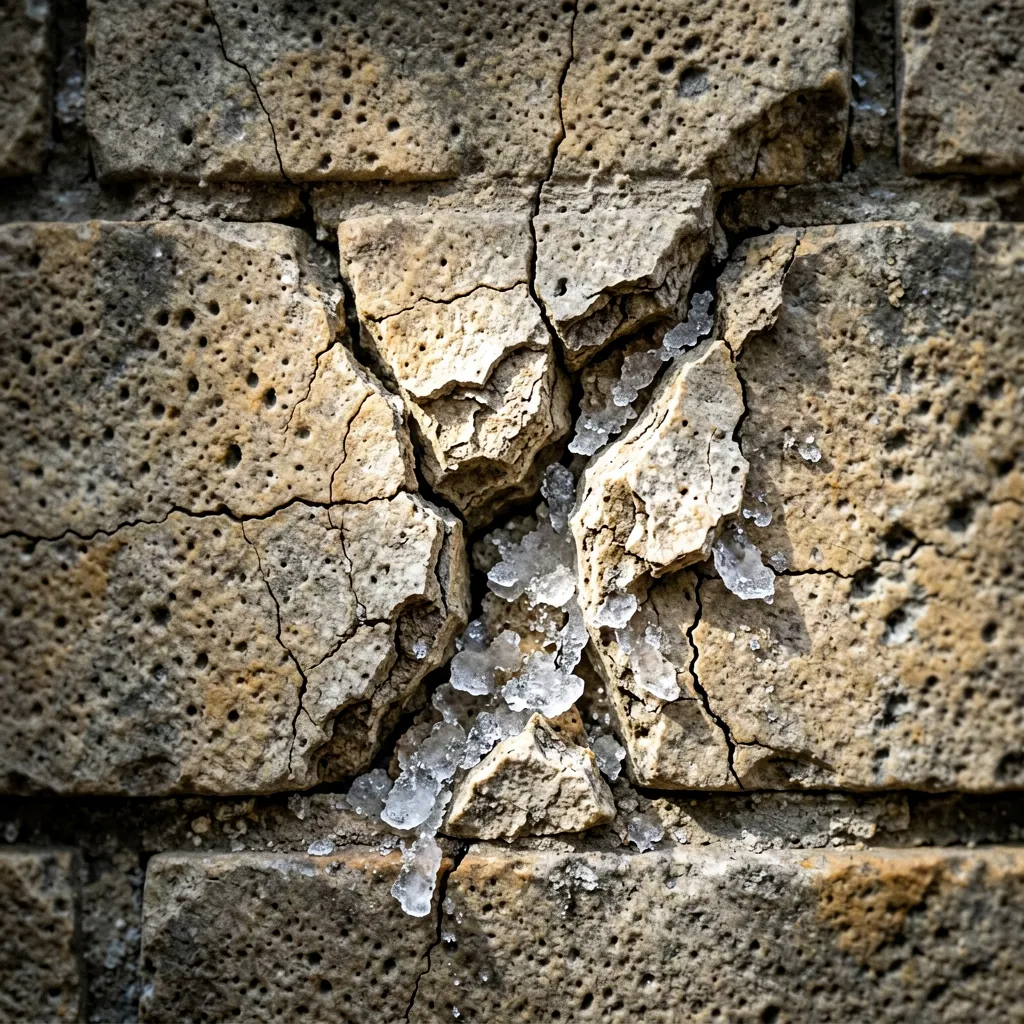
Gebrochener Naturstein oder eine dicke Fliese wird zugeschnitten und mit Mörtel oder mechanischen Ankern befestigt. Jedes Teil trägt die volle Masse von Massivstein, sodass die Wand diese Belastung für die Lebensdauer des Gebäudes tragen muss.
Der Stein ist schwer, spröde und dick. Das Heben einer Platte erfordert Maschinen, und Fundament sowie Fugen müssen entsprechend ausgelegt werden. Hinter der Verkleidung benötigt die Wand oft ein stärkeres Untergrundmaterial oder einen Stahlrahmen, um das Gewicht aufzunehmen.
Diese Methode eignet sich für Wahrzeichen und niedrige Mauern. Bei einer Sanierung oder Innenausstattung erhöhen Handhabung, Gerüstbau und Zeitplan jedoch alle die Kosten. In den Projektplan einkalkuliert, misst sich diese Arbeit in Wochen.
Stone also brings a longer chain. Quarried, cut, crated and shipped, the material moves as a heavy load. That chain sits in the price, the lead time and the risk of a chipped edge from quarry to site.
For the life of the wall, the result is fixed. Once a slab is bedded and pointed, a change of pattern means a strip-out and a new base. That rigidity is part of the finish a solid stone face gives, and it is priced into the plan.
Weighing that method against the wall matters. On a new build with a flat face and a long programme, the slab trade is a fair choice. On a live building on a short clock, the same method adds handling and time, and the schedule grows.
The Cladding Weight Difference in Numbers
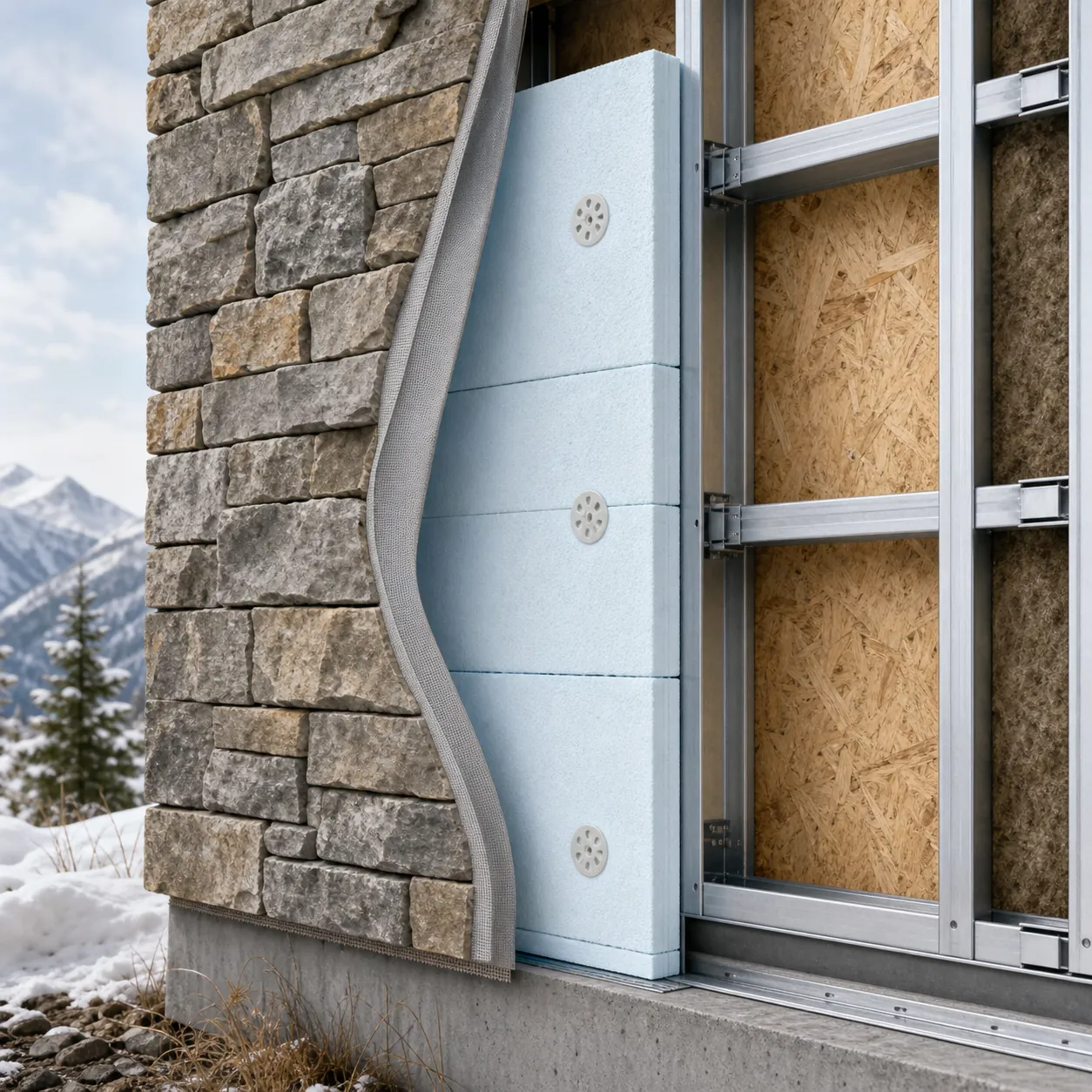
From 1.5 to 6 kg per square metre across the 2mm to 8mm range, the MCM sheet stays light. A natural stone face of the same coverage carries about five times that load, so the sheet lifts a heavy number off the frame.
Depth sets the weight band. A 2mm panel sits at the low end and an 8mm sheet at the top. Matching the depth to the wall and the pattern is the specifier’s call.
One table sets the MCM figures against the weight question.
| Artikel | Abbildung |
|---|---|
| Build | Natural stone powder, inorganic gel, fibreglass mesh |
| Dicke | 2 mm bis 8 mm |
| Gewicht | 1,5 bis 6 kg pro Quadratmeter |
| Against natural stone | About one fifth the weight |
| Plattenformat | 1200 by 600mm, up to 1200 by 2900mm |
| Befestigung | Dedicated adhesive, no mortar bed |
| Feuerklassen | ASTM E84 Klasse A, EN 13501-1 A2 |
The band decides the frame as well. Holding a thin face, a wall can take a light stud or a direct fix to the substrate. Under solid stone, the wall is planned around the anchors and the steel that carry the mass.
Before the order, a buyer checks the load per square metre. That figure sits on the spec sheet next to the size, the depth and the fire class, so the wall and the frame are set from one page.
Depth also sets the look. A thin 2mm sheet reads crisp on a flat wall, and a deeper 8mm sheet gives a heavier relief on a feature face. Load and look move together across the range.
What the Weight Means for the Wall

Weight changes what the wall has to carry. With a dedicated adhesive and no mortar bed, the substrate holds a thin face instead of a bed of stone and mortar.
Savings show on a retrofit. A heavy cladding can force a new substrate or a steel frame, and that work is measured in weeks. On a sound existing wall, the sheet simply sits over the finish, so the structure stays as built.
Fixing stays simple too. Set the panel and close the joint with a matching sealant, and the face reads as one stone wall when the crew packs up.
Frame and finish are chosen together. A light face asks less of the substrate, so the wall only needs to be sound, clean and flat. Fixing the depth early locks the fix before the order, and the frame follows without a change on site.
Prep for a light face is small. On site, the wall is wiped down and any loose material is taken off, and the adhesive goes straight on. A level patch handles a dip, and the sheet follows the wall.
How the Load Travels and Arrives

The cladding weight also travels. Packed flat and moved by hand, a light sheet travels with little ceremony. A stone slab needs a crate, a lift and a careful handling chain from the quarry to the wall.
Freight follows the mass. A lighter load frees container space and needs less bracing, so more square metres travel per box and the freight per square metre falls. On a full container, the same volume carries more square metres, so the landed cost on a large order drops.
On site, the light sheet is carried through a door and up a stair by two people. There is no crane, no scaffold and no heavy plant on the floor.
Breakage is lower on a flat-packed sheet. A thin flexible panel flexes under a knock, and an edge chip is rare in transit. A brittle slab cracks under the same load.
Auch bei kleineren Mengen bleibt die Lieferung einfach. Das Paket passt in einen Serviceaufzug, sodass ein Auftrag in einem hohen Stockwerk ohne Bauförderer erledigt werden kann. Die Last bleibt so im Gebäude und stört nicht auf der Straße.
Kurze Lieferfristen passen zur Platte. Bei einer Plattenbestellung wird gegen einen Bauplan freigegeben statt gegen einen Steinbruchplan, sodass eine Einrichtung den Termin selbst setzen und halten kann. Diese Kontrolle ist auf einer Live-Baustelle mit festem Eröffnungsdatum entscheidend.
Wo leichte Platten den größten Unterschied machen

Das Gewicht macht sich in großer Höhe am stärksten bemerkbar. In einem oberen Stockwerk, an einer Decke oder in einer hohen Lobby trägt die darunterliegende Struktur jedes Kilogramm auf der Fläche. Eine leichte Platte hält diese Belastungskette kurz.
Curves are the same case. The sheet bends around a column or a rounded corner, with a general minimum bend radius of about 200mm, so one piece covers a curve a slab cannot take.
Retrofit is the third case, where a hotel or a shop stays in use and cannot take a heavy delivery or a long closure. The light sheet fixes over the existing finish and the space keeps trading.
On any curve or ceiling, depth is the next question. The range runs from 2mm to 8mm, and the choice is set out in the Flexsteindicke Guide.
Modular builds are a fair fit for the sheet. The wall can be finished before the module is lifted into place, and the light face adds little to the load. That suits a prefab unit or a pop-up unit that is craned in whole, and it keeps the finishing trade off the critical path.
Fire class holds across the range. The sheet is tested to ASTM E84 Class A, with a flame spread index of 25 or below, and to EN 13501-1 A2 for European projects. That matters on a route or a lobby with a shared void.
Frequently Asked Questions on Cladding Weight
Before an order, an installer or a specifier raises the same few points. Each one comes back to the load on the wall and the handling on site. The answers cover the questions crews ask most often.
One number often decides the choice on a wall. Once the load is known, the frame, the fix and the freight fall into place, and the finish follows the plan.
What is MCM cladding made of
MCM sheets are made from natural stone powder, an inorganic gel and a fibreglass mesh. Pressed into a panel 2mm to 8mm thick, they keep the grain of real stone.
How heavy is flexible stone cladding
It runs from 1.5 to 6 kg per square metre across the range. Against natural stone of the same coverage, that is about one fifth of the load.
Does a light cladding need wall reinforcement
On a sound wall it often does not. With a dedicated adhesive and no mortar bed, the substrate holds a thin face. A heavy slab can force a new substrate or a steel frame.
Can MCM cladding cover an existing stone wall
Often yes. Bonding over a sound existing finish avoids the stripping and the waste. The wall should be clean, dry and reasonably flat.
How do I compare cladding weight before ordering
Check the depth against the wall and the pattern. Standard samples take 2 to 3 days and a private colour about 7 days, so the tone and the build are set before the order.
The MCM sheet is one of a set of head-to-head guides under material comparisons. The same load argument sits behind flexible stone vs real stone cost, and the sheets are made by the flexibler Steinhersteller behind this range. Quality runs to ISO 9001 und ISO 14000.