Die Entscheidung für oder gegen Faserzement versus flexibles Stein ist oft der erste Domino-Effekt in einer Reihe kostentreibender Projektüberschreitungen. Planer konzentrieren sich auf das initiale Materialangebot pro Quadratfuß und übersehen dabei die versteckten Arbeitskosten, verpflichtenden Veredelungsschritte sowie die langfristigen Wartungszyklen, die die Gesamtbetriebskosten. in die Höhe treiben. Diese enge Fokussierung birgt ein erhebliches finanzielles Risiko und verwandelt eine scheinbar budgetfreundliche Wahl in eine Quelle von Terminverzögerungen und ausufernder Margenbelastung.
Diese Analyse bietet ein klares Finanzmodell zur Bewertung beider Verkleidungssysteme. Wir brechen die Zahlen über den reinen Kaufpreis hinaus auf, vergleichen die wahren Einbaukosten, die zusätzlichen Kosten für das Streichen von Faserzement und die baulichen Einsparungen durch das leichtere Paneel. Durch die Betrachtung des Installationsablaufs — ein einziger Schritt gegenüber drei — und die Projektion der Wartungskosten über einen 10-Jahres-Zeitraum erhalten Sie die Daten, die für die genaue Berechnung der Gesamtbetriebskosten Ihres nächsten Projekts erforderlich sind.
Materialkosten vs. Einbaukosten
Der Aufpreis pro Quadratmeter ist irreführend; die wahren Kosten einer Gebäudefassade werden von Arbeitslohn, Spezialwerkzeug und strukturellen Anforderungen dominiert — genau dort entstehen durch leichte Panel-Systeme erhebliche Einsparungen.
Die finanzmathematische Analyse jedes Verkleidungsmaterials muss zwischen dem Rohmaterialpreis und den Gesamteinbaukosten unterscheiden. Während Faserzement oft als kostengünstige Option wahrgenommen wird, zeigen Marktdaten, dass Installation und Arbeitslohn 40–60 % des gesamten Projektbudgets ausmachen können. Genau hier kippt das Kostenmodell zugunsten moderner,leichtgewichtiger Systeme.
Initiale Materialpreisgestaltung
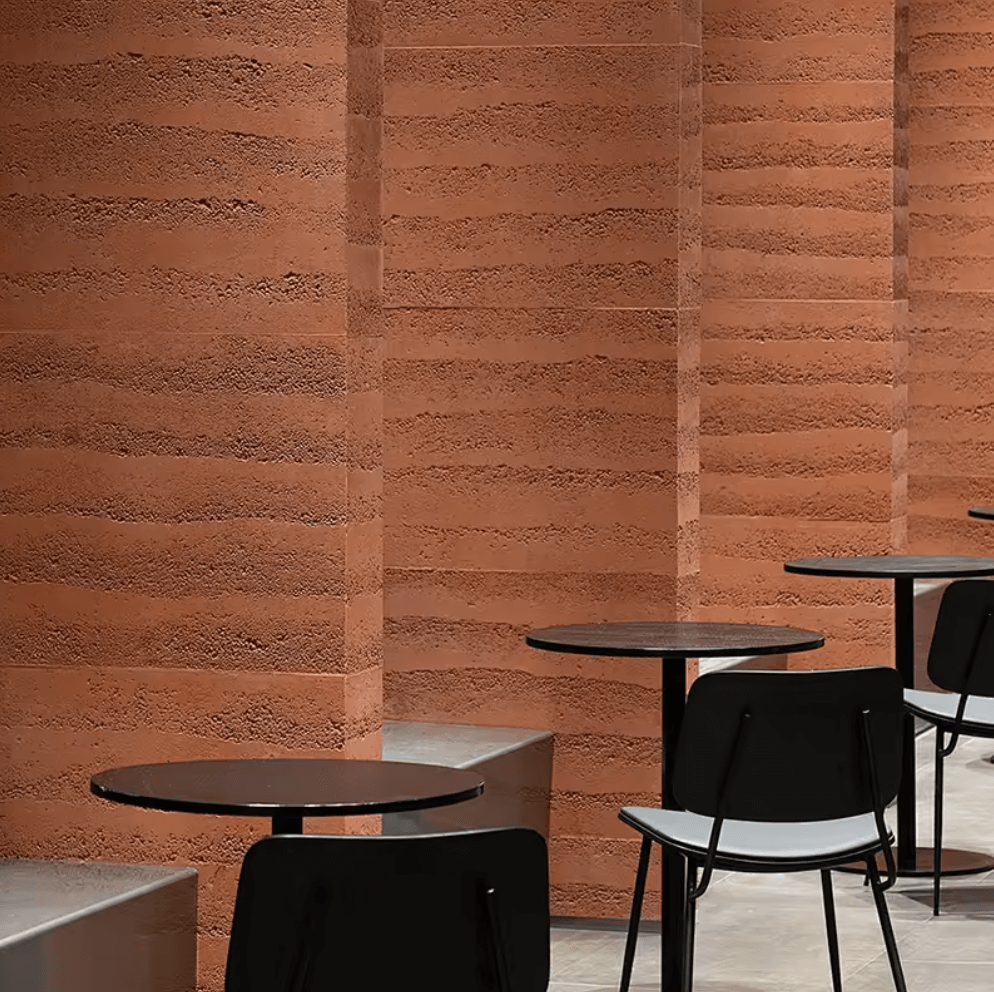
Unser B2B-Preis für flexibles Stein und WPC-Paneele ist auf Großhandel und groß angelegte Projekte ausgelegt. Flexible Steinpaneele mit ihrer echt natürlichen Steinschicht positionieren wir als Premium-Material, bleiben jedoch im Wettbewerbsvergleich zu anderen High-End-Oberflächen. Wir machen diese Materialien mit niedrigen Mindestbestellmengen (MOQ) ab 200 Quadratmetern für flexibles Stein zugänglich und bieten gestaffelte Rabatte für größere Volumenpartner.
| Kostenfaktor | Faserzement (Branchendurchschnitt) | JMS Dekor Flexibler Stein |
|---|---|---|
| Materialpreis | $5 – $14 / sq. ft. | Wettbewerbsfähige B2B-Preisgestaltung (Volumengestaffelt) |
| Arbeitslohn & Installation | Hoch (40–60% der Gesamtmenge); erfordert spezielle Schneidwerkzeuge. | Reduziert; leichte Paneele (3,5–6,0 kg/m²), staubfreies Schneiden. |
| Gesamtkosten für die Montage | $7 – $22+ / ft². | Insgesamt niedriger aufgrund erheblicher Ersparnisse bei Arbeit & Konstruktion. |
Einsparungen bei Installation und Arbeitskosten
Der bedeutendste Kostenvorteil von JMS Decor-Panelen zeigt sich auf der Baustelle. Unsere flexible Steinpaneele wiegen nur 3,5–6,0 kg pro Quadratmeter – etwa ein Sechstel des Gewichts herkömmlicher Stein- oder Betonprodukte. Dieses “logistikfreundliche” Design eliminiert den Bedarf an schweren Maschinen für Transport und Hebearbeiten. Ein kleineres Team kann die Paneele schneller handhaben und montieren und sie mit einem einfachen Cuttermesser schneiden. Dieses staubfreie Schneidverfahren beseitigt auch die Sicherheitsprotokolle und Ausrüstungen, die für den Umgang mit Kieselsäuredust benötigt werden, ein entscheidender Faktor bei Faserzement. Bei komplexer Architektur vereinfacht die Fähigkeit der Paneele, sich um gebogene Oberflächen wie Säulen und Bögen zu biegen, was andernfalls eine zeitaufwändige und verschwendende Aufgabe wäre.
Gesamtnutzen des Projekts
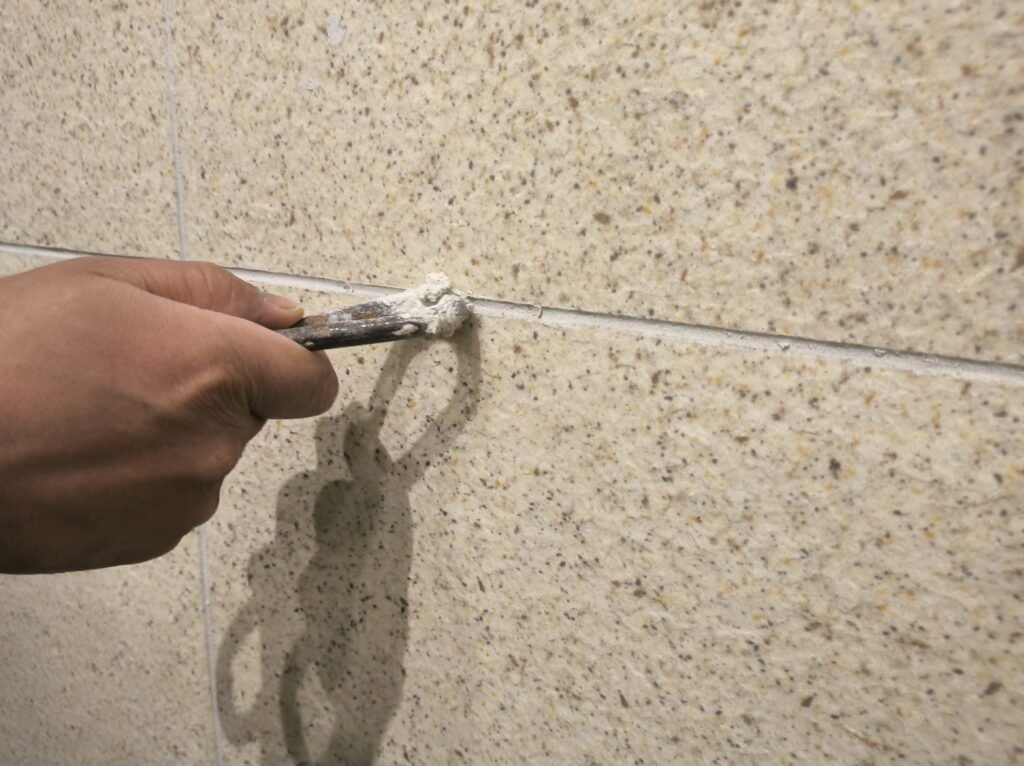
Eine umfassende Kostenbewertung geht über die Tag-eins-Ausgaben hinaus. Die Leichtigkeit unserer Paneele schafft eine “Reduktion der Strukturbeanspruchung”, die sowohl Neubauten als auch Renovierungen zugutekommt. In älteren Gebäuden bedeutet dies, dass Sie ein modernes Finish anbringen können, ohne teure strukturelle Verstärkungen zu benötigen. Bei neuen Bauvorhaben kann es zu Einsparungen bei Grundierungs- und Support-Materialien führen. Schnellere Montage führt direkt zu kürzeren Projektzeitplänen, wodurch gewerbliche Immobilien wie Hotels und Einzelhandelsgeschäfte früher ihre Türen öffnen und Einnahmen generieren können. Diese Kombination aus reduzierter Arbeitskraft, null Abbruchkosten für Overlays, sowie schnellere Projektabwicklung liefert einen Gesamtnutzen, den Massengüter nicht erreichen können.
Der “versteckte Handel”: Anstrichkosten für Faserzement
Der anfängliche Kaufpreis von Faserzement ist nur ein Teil der Geschichte; wiederkehrende Anstrichausgaben stellen eine signifikante und oft unterschätzte Komponente seiner gesamten Besitzkosten dar.
Häufigkeit und Zeitplan des Wiederanstrichs
Faserzement-Siding erfordert alle 10 bis 15 Jahre einen neuen Anstrich. Dies ist kein optionaler Upgrade, sondern ein kritischer Wartungszyklus, der in die Lebensdauer des Materials integriert ist. Faktoren wie lokales Klima – etwa intensive UV-Exposition oder Freeze-Thaw-Zyklen – und die Qualität des ersten Anstrichs können diesen Zeitplan verkürzen. Dieser vorhersehbare Wiederanstrichplan fügt wiederkehrende Betriebskosten hinzu, die in jede langfristige Budgetanalyse einbezogen werden müssen.
Kostenaufschlüsselung pro Quadratfuß
Die professionelle Neuverpackung von Faserzement kostet etwa $2.50 pro Quadratfuß, eine Zahl, die sowohl Arbeitslohn als auch Materialien umfasst. Obwohl die Oberfläche des Materials gut haftet und die Arbeitsintensität im Vergleich zu anderen Oberflächen etwas reduziert werden kann, bleiben die Kosten eine erhebliche und wiederkehrende finanzielle Verpflichtung. Für ein typisches Geschäfts- oder Wohngebäude bedeutet dies Tausende von Dollar pro Zyklus, was sich direkt auf den Instandhaltungshaushalt des Gebäudes auswirkt.
Langfristige Budgetplanung über eine Lebensdauer von 50 Jahren
Über eine typische Nutzungsdauer von 50 Jahren muss ein mit Faserzement verkleidetes Gebäude mindestens drei bis vier komplette Anstriche durchführen lassen. Diese kumulativen Kosten werden bei der ursprünglichen Materialauswahl häufig übersehen. Eine umfassende Gesamtkostenberechnung muss diese Zyklen einbeziehen. Diese laufenden Ausgaben schaffen einen klaren finanziellen Unterschied beim Vergleich von Faserzement mit Materialien mit unterschiedlichen Wartungsanforderungen, wie MCM flexible Stone oder Vinyl, die keinen Anstrich benötigen.
Individuelle Luxury Stone Veneer, mühelos installiert.
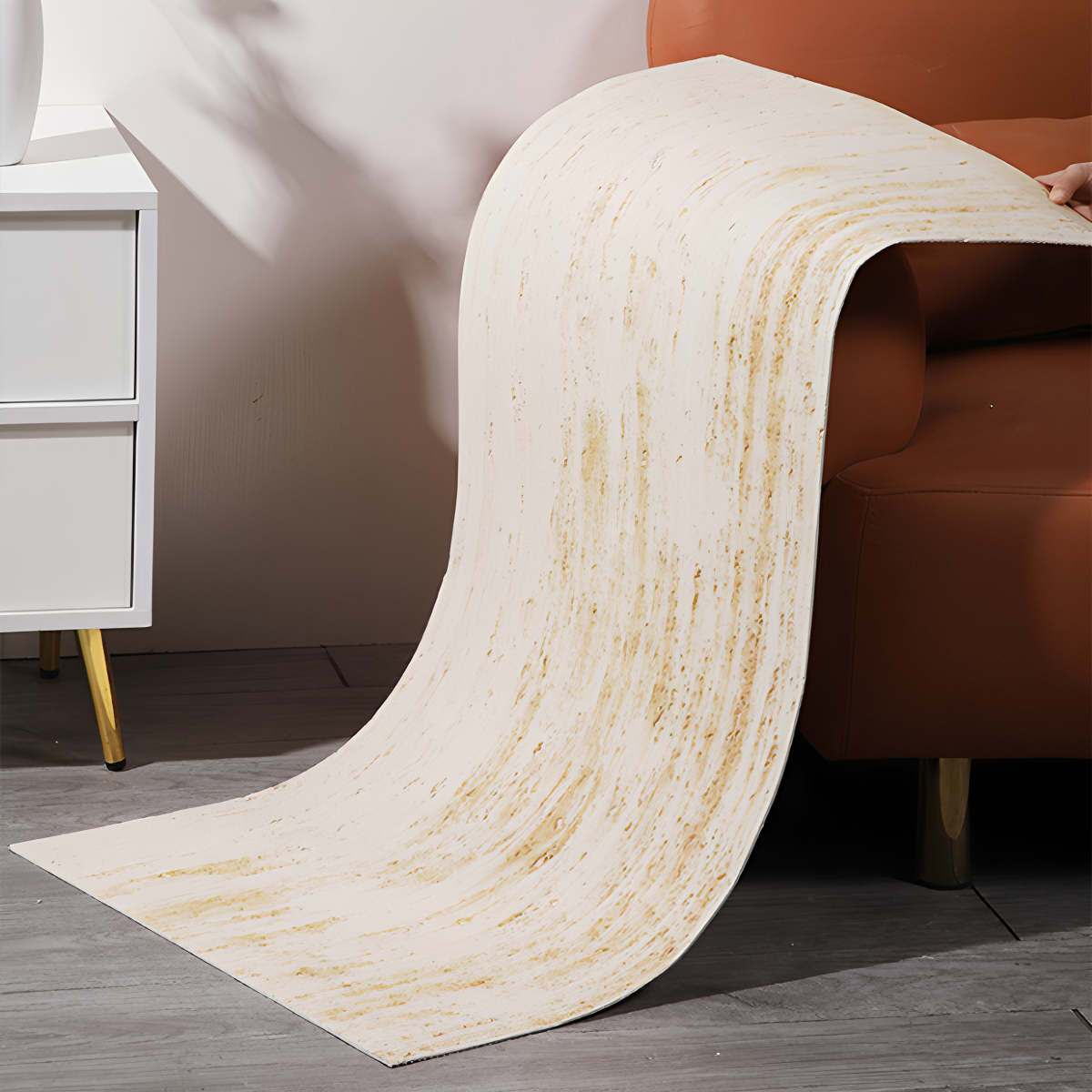
Gewichtsanalyse: Strukturelle Einsparungen
Die tatsächlichen Kosteneinsparungen durch Leichtfassaden liegen nicht im Material selbst, sondern in den reduzierten strukturellen Anforderungen für den gesamten Gebäuderahmen und Fundamente.
Materialoptimierung mit Hochleistungsfasern
Bis 2026 ist die Verwendung fortschrittlicher Fasern – darunter Stahl-, Kohlenstoff- und natürliche Varianten – Standardverfahren für die Herstellung stärkerer, dünnerer Bauteile. Dieser Ansatz reduziert direkt das gesamte Materialvolumen, das für ein Projekt benötigt wird. Leichtbausysteme wie MCM Flexible Stone, die etwa 3,5-6,0 kg/m² wiegen, sind Beispiele für diesen Trend, da sie minimale Belastungen auf die darunterliegende Struktur ausüben, was zu erheblichen Einsparungen bei der Rahmenkonstruktion und Fundamentarbeit führt.
- Hochleistungsfasern können die Druckfestigkeit um 5–15% erhöhen.
- Verbesserte Haltbarkeit ermöglicht die Konstruktion dünnerer, leichterer Bauelemente.
- Geringerer Materialverbrauch senkt die gesamte eigene Bau Last.
Strukturelle Leistungsfähigkeit von Leichtbeton

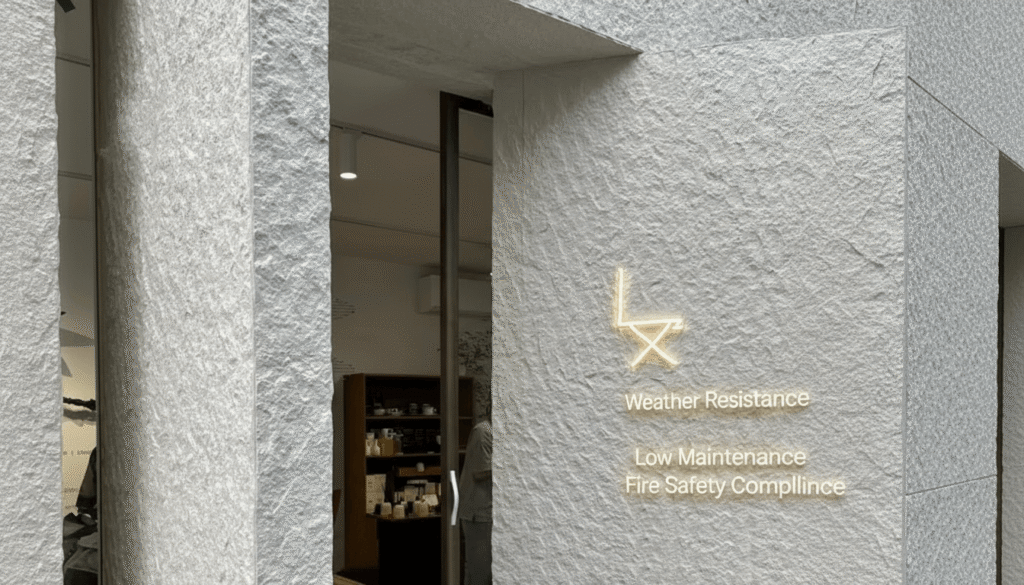
Mit Fasern verstärkter Leichtbeton bietet hervorragende Tragfähigkeiten. Er übertrifft oft herkömmlichen Beton, da er unter ähnlichen Lasten eine geringere Durchbiegung zeigt, was zu effizienteren und zuverlässigeren Konstruktionen führt. Dieses verbesserte Verhältnis von Leistung zu Gewicht ist ein Hauptgrund für seine Anwendung sowohl im Neubau als auch bei Sanierungen, bei denen eine zusätzliche Belastung nicht in Frage kommt.
- Zeigt eine vergleichbare oder sogar überlegene Tragfähigkeit im Vergleich zu schwereren Materialien.
- Zeigt eine um bis zu 25% geringere Durchbiegung als herkömmliche Betonoptionen.
- Optimierte Fasergeometrie bringt Strukturintegrität und Kosten wirksam ins Gleichgewicht.
Umweltauswirkungen und CO₂-Reduktion
Der Wechsel zu leichtem, faserverstärktem Beton bietet klare Umweltvorteile. Das Herstellungsverfahren verursacht geringere CO₂-Emissionen, und die Möglichkeit, recycelte Materialien einzusetzen, verringert zusätzlich die ökologische Bilanz. Weniger Material bedeutet auch geringere Emissionen beim Transport und trägt so zu einer nachhaltigeren Gebäudelebensdauer bei.
- Die CO₂-Emissionen liegen rund 251 TP3T unter denen der herkömmlichen Betonproduktion.
- Der Einsatz von rezyklierten Gesteinskörnungen fördert nachhaltige Bauweisen.
- Hybride Bewehrungssysteme sind so ausgelegt, dass sie Leistung und ökologische Ziele in Einklang bringen.
Installationsgeschwindigkeit: 1 Schritt (MCM) vs. 3 Schritte (FC)
Der Effizienzgewinn durch ein Ein-Schritt-Installations system schlägt direkt in niedrigere Arbeitskosten und schnellere Projektzeiten nieder – ein entscheidender Vorteil im gewerblichen und großmaßstäblichen Hochbau.
Die Ein-Schritt-Anwendung von JMS Decor
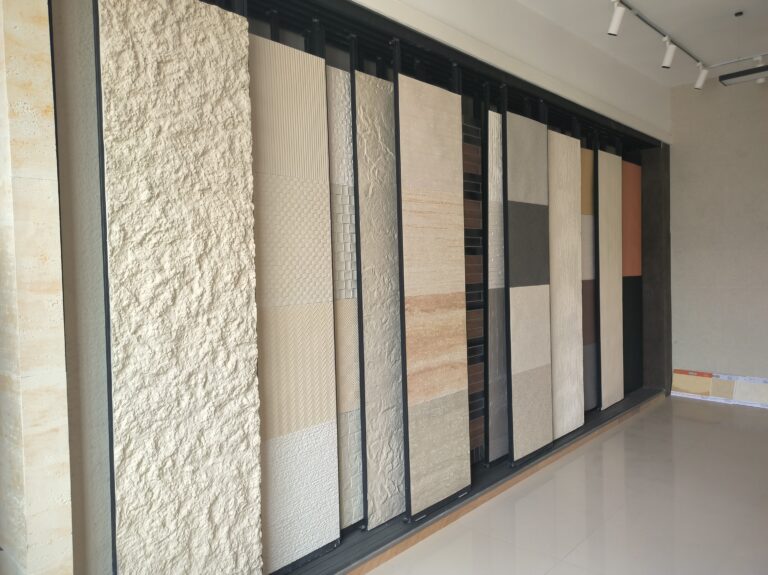
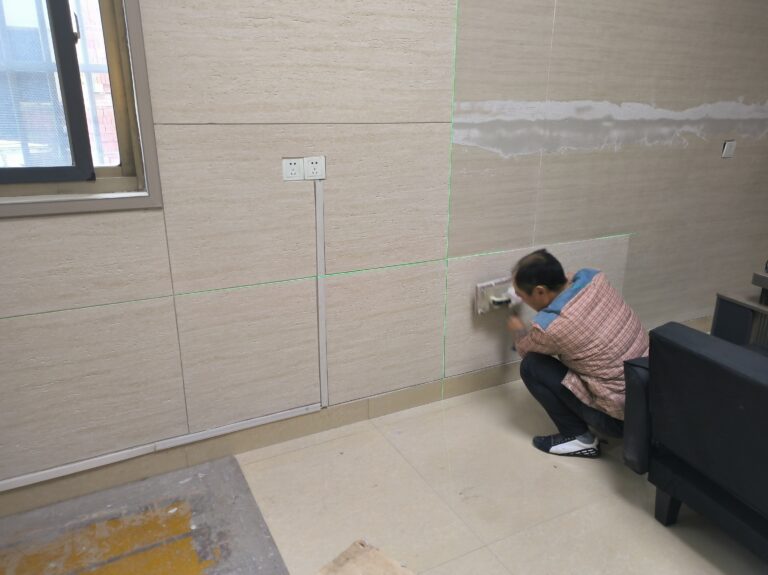
Die flexiblen Natursteinpaneele von JMS Decor sind für eine kompromisslose Montage ausgelegt, ähnlich wie Metallverbundwerkstoffe (MCM). Das leichte und vorgefertigte Design ermöglicht eine direkte, einstufige Anwendung, die den Arbeitsaufwand vor Ort deutlich reduziert. Die Paneele werden direkt auf das Substrat aufgebracht mit einem Konstruktionskleber, und ihr geringes Gewicht ermöglicht eine schnelle Handhabung und Positionierung, wobei oft weniger Arbeiter benötigt werden. Farbe und Textur sind Bestandteil der Platte, sodass nach der Montage keine mehrstufige Oberflächenbehandlung wie Streichen oder aufwändiges Abdichten erforderlich ist.
Mehrstufige Montage von Faserzement
Die Installation von Faserzement erfordert einen grundlegend arbeitsintensiveren Ablauf. Der Prozess umfasst mehrere einzelne Schritte, die Zeit, Komplexität und Kosten im Projekt erhöhen. Der erste Schritt beinhaltet das Zuschneiden der schweren Platten, wofür Spezialwerkzeuge und strenge Sicherheitsvorkehrungen zur Steuerung von gesundheitsschädlichem Quarzstaub. erforderlich sind. Anschließend werden die schweren Panele langsam an der Struktur befestigt. Der letzte Schritt umfasst umfangreiche Nachbearbeitungsarbeiten, darunter das Kitten aller Fugen, das Grunden der gesamten Oberfläche und das Auftragen mehrerer Lackierungen, um das gewünschte Erscheinungsbild und die Witterungsbeständigkeit zu erzielen.
| Faktor | JMS Decor (MCM flexibles Steinmaterial) | Faserzement |
|---|---|---|
| Installationsschritte | 1. Schritt: Direkte Verklebung | 3+ Schritte: Zuschneiden, Befestigen, Fugen verschließen, Grundieren, Lackieren |
| Schnittmethode | Cuttermesser (staubfrei) | Spezialsäge (Gefahr durch Quarzstaub) |
| Vor-Ort-Nachbearbeitung | Keine erforderlich | Pflicht (Lackierung & Versiegelung) |
Auswirkungen auf Arbeitskosten und Projektablauf
Der operative Unterschied zwischen einer einstufigen und einer mehrstufigen Installation wirkt sich direkt auf das Budget und den Fertigstellungstermin eines Projekts aus. Ein schnellerer Verkleidungsprozess verdichtet den gesamten Bauzeitenplan und ermöglicht es nachfolgenden Gewerken, wie Fensterinstallateuren und Elektrikern, früher mit ihrer Arbeit zu beginnen. Die Reduktion der Arbeitsstunden und der Wegfall ganzer Gewerke (z. B. Maler) für die Fassade können die Gesamtkosten des Projekts erheblich senken. Vereinfachte Logistik auf der Baustelle, mit weniger Spezialwerkzeug und weniger Materialbereitstellung, verstärkt diese Einsparungen zusätzlich.
10-Jahres-Wartungsprognose
Die Gesamtbetriebskosten für die Außenverkleidung wird durch langfristige Wartungszyklen definiert, nicht durch den Anschaffungspreis.
Bei der Bewertung von Baumaterialien liefert eine 10-Jahres-Perspektive eine realistische Grundlagе für die Berechnung der Lebenszykluskosten. Materialien mit hoher Anfangs-Dauerhaftigkeit erweisen sich oft als wirtschaftlicher, da sie den Bedarf an wiederkehrenden Arbeitskosten und Nachbehandlungs expenses minimieren. Diese langfristige Analyse ist kritisch für Architekten und Bauunternehmen, die Eigentumern kalkulierbaren Wert liefern müssen.
Faserzement: Der 10–15-jährige Anstrichzyklus
Faserzement-Fassadenverkleidung erfordert im ersten Jahrzehnt nur sehr geringen Aufwand. Ihr wichtigster Wartungsereignis — ein kompletter Außenanstrich — ist für den Zeitraum zwischen dem 10. und 15. Jahr projektiert. Dieses verlängerte Intervall ist ein wichtiger Leistungsindikator im Premium-Siding-Markt. Es unterscheidet das Material von Optionen, die häufigere Pflege erfordern, und spricht Kunden direkt an, die sich auf langfristige, vorhersehbare Instandhaltungskosten konzentrieren.
| Fassadenmaterial | Hauptwartungsereignis | Typischer Eingriffszyklus |
|---|---|---|
| MCM flexibles Feinsteinzeug | Keiner (integrierte Farbe, UV-beständig) | 25+ Jahre |
| Faserzement | Kompletter Außenanstrich | 10–15 Jahre |
| Natürliche Holzverkleidung | Abdichten, Beizen oder Neu Anstreichen | 3–7 Jahre |
Vergleichende Pflege: Holz- und Vinylverkleidung
Andere gängige Materialien erfordern eine deutlich häufigere und intensivere Pflege. Holzverkleidungen müssen kontinuierlich versiegelt und gebeizt werden, um Fäulnis und Witterungsschäden vorzubeugen, was zu einer dauerhaften Wartungsbelastung führt. Vinylverkleidungen sind zwar anfangs pflegeleicht, können jedoch im Laufe der Zeit verblassen und spröde werden, sodass regelmäßige Grundreinigungen nötig sind, um ihr Erscheinungsbild zu erhalten, und nach 20 Jahren deutliche Anzeichen von Alterung zeigen.
ROI und Herstellergarantien
Der Markttrend zeigt eine klare Präferenz für Investitionen in langfristige Haltbarkeit, um die sich häufenden Kosten der laufenden Wartung zu vermeiden. Wartungsprognosen sind eine wichtige Variable bei jeder seriösen Rentabilitätsberechnung für Gebäudehüllen. Um diese Langzeitansprüche zu untermauern, bieten führende Hersteller ihre Premium-Produkte mit umfassenden Garantien von 30 bis 50 Jahren an. Dies positioniert Materialien mit längeren Wartungszyklen als praktische und finanziell sinnvolle Wahl, selbst wenn die initialen Materialkosten höher sind.
Schlussfolgerung
Der Anschaffungspreis pro Quadratfuß ist nur der Ausgangspunkt für jedes Verkleidungsmaterial. Die Einbeziehung verbundenen Handelskosten wie Streichen, mehrstufige Arbeitsprozesse und langfristige Wartung vermittelt ein vollständigeres Bild der Finanzlage. Flexibler Naturstein-Fassadenbelag reduziert die Gesamtprojektkosten durch eine optimierte Installation und eliminiert den periodischen Wiederanstrich, der bei Faserzement erforderlich ist.
Wenn Ihr Projekt eine detaillierte Lifecycle-Kostenanalyse erfordert, können wir Materialproben und projektspezifische TCO-Daten bereitstellen. Kontaktieren Sie unser Team, um flexibles Naturstein-Veneer für Ihre nächste Entwicklung zu evaluieren.
Häufig gestellte Fragen
Kosten für Faserzement vs. Steinverblendung?
Faserzement-Verkleidungen sind im Allgemeinen die budgetfreundlichere Option, mit installierten Gesamtkosten, die typischerweise zwischen $7 und $22 pro Quadratfuß liegen. Im Gegensatz dazu ist Steinverblendung ein Premium-Material mit einem höheren Preisniveau. Die Installationskosten für künstliche Steinverblendung bewegen sich oft zwischen $15 und $30 pro Quadratfuß, während natürliche Steinverblendung zwischen $25 und $50 pro Quadratfuß und darüber kosten kann.
Hardie Board vs. flexibler Naturstein Preis?
Hardie Board, eine führende Marke für Faserzement, kostet typischerweise zwischen $7 und $22 pro Quadratfoot installiert. Flexibler Naturstein-Fassadenbelag ist ein Premium-Spezialprodukt, das deutlich teurer ist. Seine Installationspreise liegen normalerweise im Bereich von $20 bis $40 pro Quadratfuß, was sein einzigartiges Ästhetik und Materialzusammensetzung widerspiegelt.
Kosten zum Streichen von Faserzement-Verkleidungen
Die Kosten für das professionelle Streichen von Faserzement-Verkleidungen liegen im Allgemeinen zwischen $2,50 und $5,50 pro Quadratfuß. Dieser Preis beinhaltet in der Regel Oberflächenvorbereitung wie Reinigung und kleinere Reparaturen, Primer-Auftrag wo nötig, sowie zwei Schichten hochwertiger Außen-Acryl-Latex-Farbe. Finale Kosten variieren basierend auf Häusergröße, Komplexität und regionalen Arbeitslohnsätzen.
Günstigste Verkleidung zur Installation?
Vinyl-Verkleidung ist konsistent die erschwinglichste Siding-Option zur Installation. Ihre niedrigen Materialkosten, geringes Gewicht und straightforward Installationsprozess führen zu niedrigeren Arbeitskosten im Vergleich zu anderen Materialien. Typische installierte Kosten für Vinyl-Verkleidung liegen zwischen $4 und $9 pro Quadratfoot, was es zu einer beliebten Wahl für budget-bewusste Projekte macht.
Wartungsfreie Verkleidungsoptionen?
Während keine externe Verkleidung vollständig wartungsfrei ist, sind Vinyl und hochwertige Verbundstoffe die führenden Low-Maintenance-Optionen. Vinyl-Verkleidung’s Hauptbedürfnis ist periodisches Waschen, da ihre Farbe integral ist und sie nie gestrichen werden muss. Moderne Composite-Verkleidungen weisen auch extrem langlebige, fabrikgappliede Enden auf, die darauf ausgelegt sind, Verblassen und Schäden über Jahrzehnte mit minimalem Aufwand zu widerstehen.