Choosing a flexible stone veneer supplier is the single decision that shapes your margin, your lead times and how often you deal with complaints. In a brochure the panel looks the same whichever factory makes it. What differs is whether the supplier owns the production line, how it handles a colour match, and what it does when a container arrives with a problem.
Most buyers start with price and work backwards. That order is what turns a fair quote into a bad order, because the lowest price is usually attached to the fewest guarantees. This guide works the other way around. It sets out the checks that actually matter, and the questions that expose a weak supplier. It also covers the commercial terms worth expecting, and the red flags that should end a conversation before a deposit moves.
The market makes this harder than it needs to be. A large share of companies that present as manufacturers are trading companies reselling another plant’s output, adding a margin and stepping out of the technical conversation. Telling the two apart is not academic. It decides who answers the phone when the specification has to change.
The company worth choosing is the one still answering the phone in month eighteen, when the finish has to be repeated.
What a Flexible Stone Veneer Supplier Actually Controls

What the Panel Is Made Of
A flexible stone panel is built from natural stone powder, an inorganic gel and a fibreglass mesh. On that base, the colour, the pattern, the thickness and the size are all set. Whoever owns the base and the printing line owns everything that decides whether the product matches what you sold to your market.
Five things move into the supplier’s hands the moment an order is placed: the colour match, the thickness, the bend radius, the fire performance and the delivery date. A supplier with a line can move all five. A reseller can only pass the request down the chain and hope it comes back the way it was sent.
The Five Levers Behind Every Order
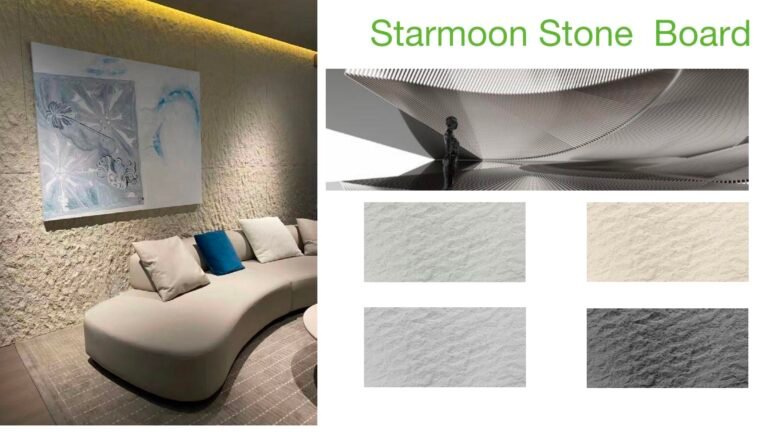
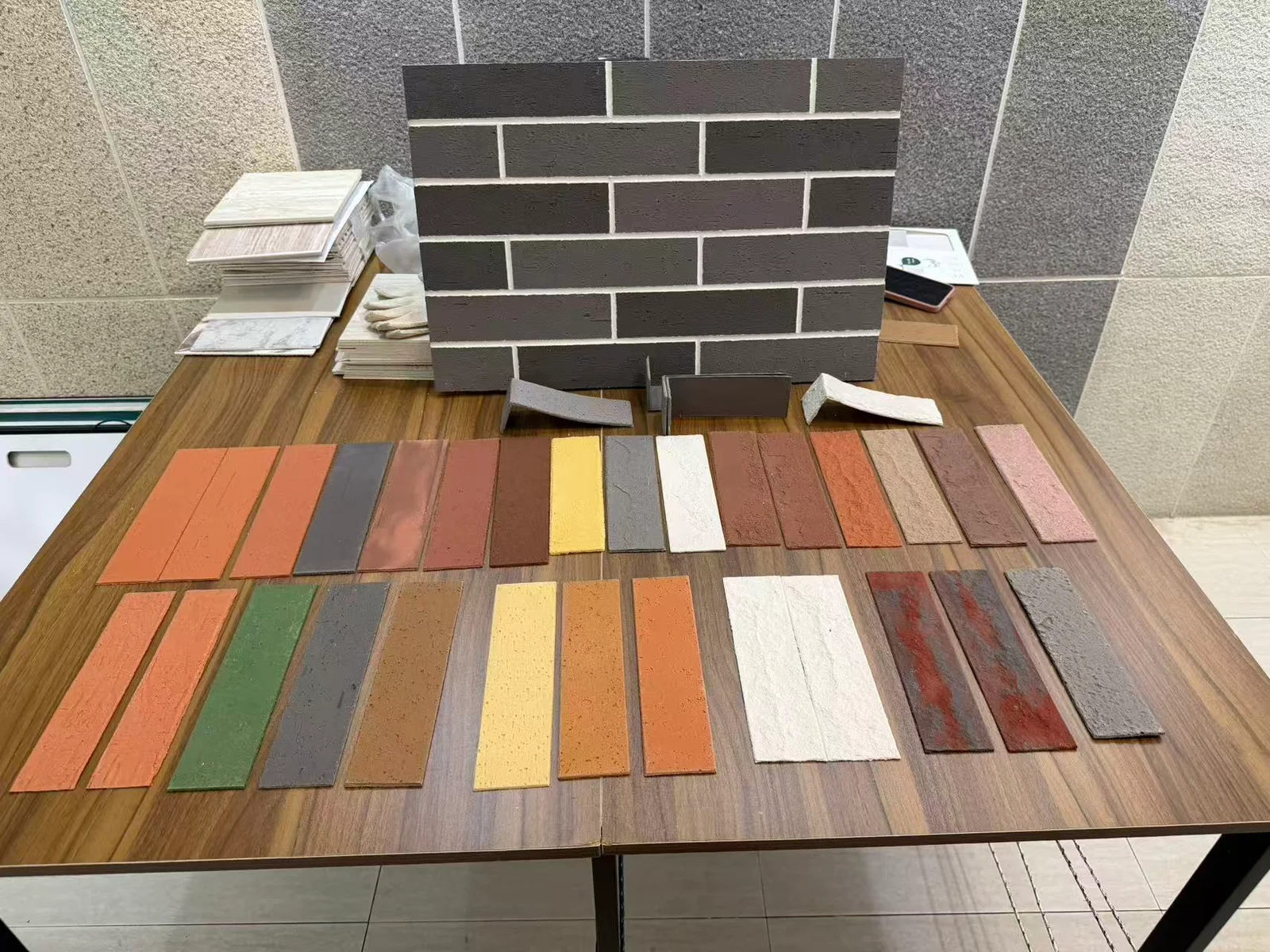
Colour is the first lever because a finish approved on a screen and a finish approved on a panel are two different products. Thickness runs from 2 mm to 8 mm depending on the pattern. A thin travertine at roughly 2.5 to 3 mm behaves differently on a curve than a heavy decorative face. Bend radius decides which designs are even possible, generally around 200 mm and closer to 300 mm on a complex, thicker pattern such as Starmoon Stone. Fire class decides whether the specification passes an inspector, and the delivery date decides whether the project opens on schedule.
Why In-House Production Comes First
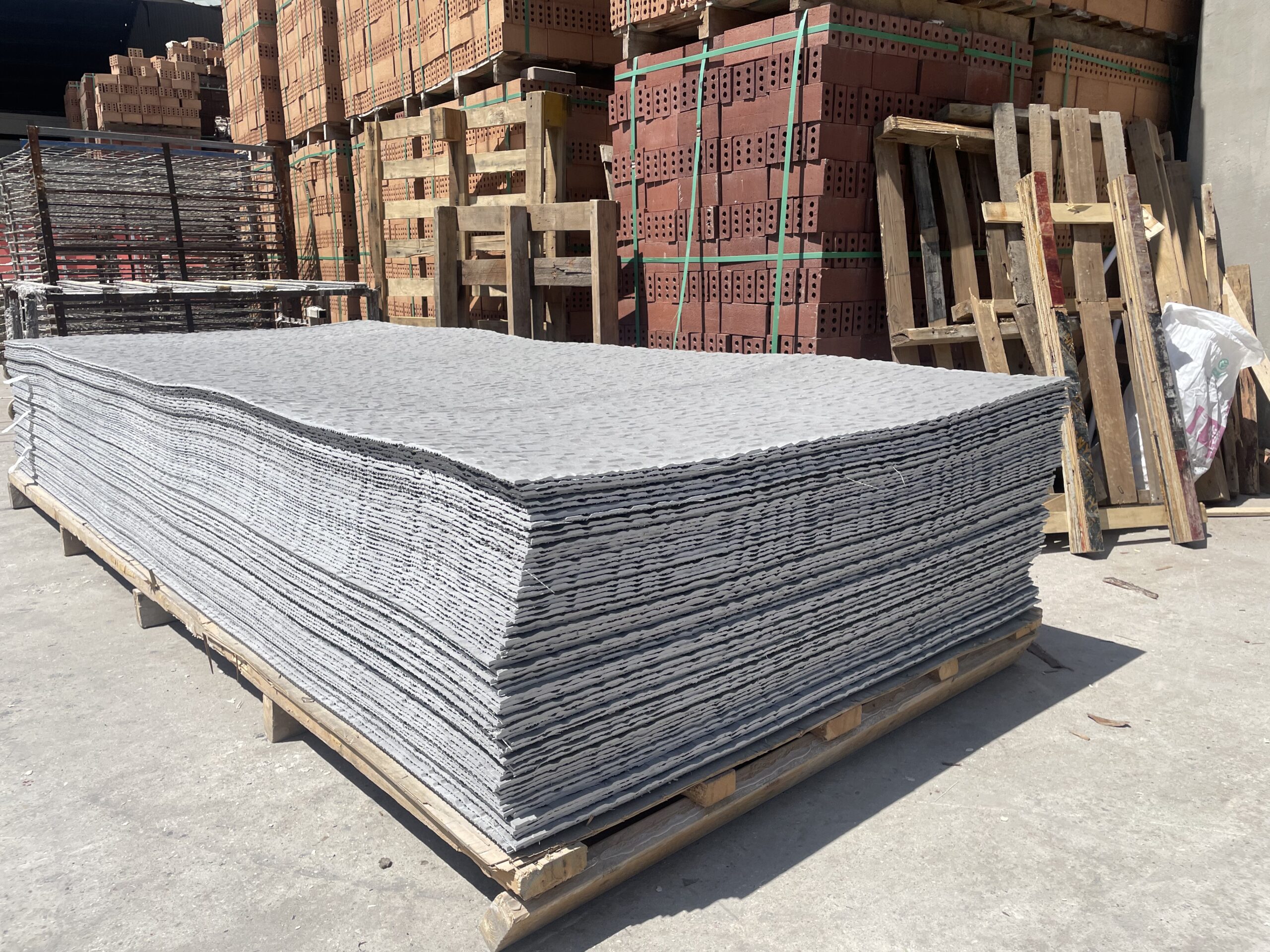
In-house production is the difference between a flexible stone veneer supplier that can answer a technical question and one that has to forward it. JMS Decor has operated since 2015 and its team brings 15+ years of wall panel experience, running five lines inside an 8,000 m² factory in Dingshu Town, Yixing, Jiangsu. The 3D inkjet equipment prints more than 700 m² a day, and the plant holds over a hundred in-house moulds. When a colour or a size has to change, that setup is what makes the change possible.
A trading company can sell you the same panel, and for a commodity repeat order that is fine. The difficulty arrives later, when your market asks for a finish the catalogue does not carry, or when a defect has to be traced to a cause. Without a line to inspect, the answer is always a promise rather than a process. If you are comparing the two models directly, our guide on the flexible stone veneer manufacturer explains what the production base behind those promises looks like.
How to Tell a Factory From a Trading Company
The fastest test is a question, not a document. Ask what equipment runs the printing, and how much it produces in a day. A factory will name the machine and the daily number it produces. That level of specificity is hard to fake. If you want a structured version of that test, work through the supplier verification checklist before any deposit is discussed.
What Real Capacity Looks Like in Numbers
Capacity is only useful if it translates into your order. Five lines and a 700 m²-plus daily output mean a first bulk run of 15 to 20 working days. A repeat takes 10 to 15 days, because the mould and the colour formula are already in place. A supplier without that base quotes a lead time it cannot control.
Questions That Expose a Weak Supplier

A short set of questions does most of the work. The point is not to catch anyone out. It is to see whether the answers stay specific and steady, and whether the same figure comes back twice. Specific answers tend to arrive as a number, a name or a document, and they hold when the question is asked again.
| Question | What a strong answer sounds like |
|---|---|
| Do you own the printing line? | A named machine and a daily output figure, not a list of partners |
| What is your measured defect rate? | A figure under 1 percent, with a short explanation of how it is measured |
| Can I watch a live inspection? | A video call or a clip filmed on the floor during a real check |
| Who stores my mould afterwards? | A named retention period, and what a repeat order will cost in tooling |
| Which report backs the fire rating? | A certificate number and the test report itself, not a screenshot of a badge |
Test the Sample, Not the Brochure
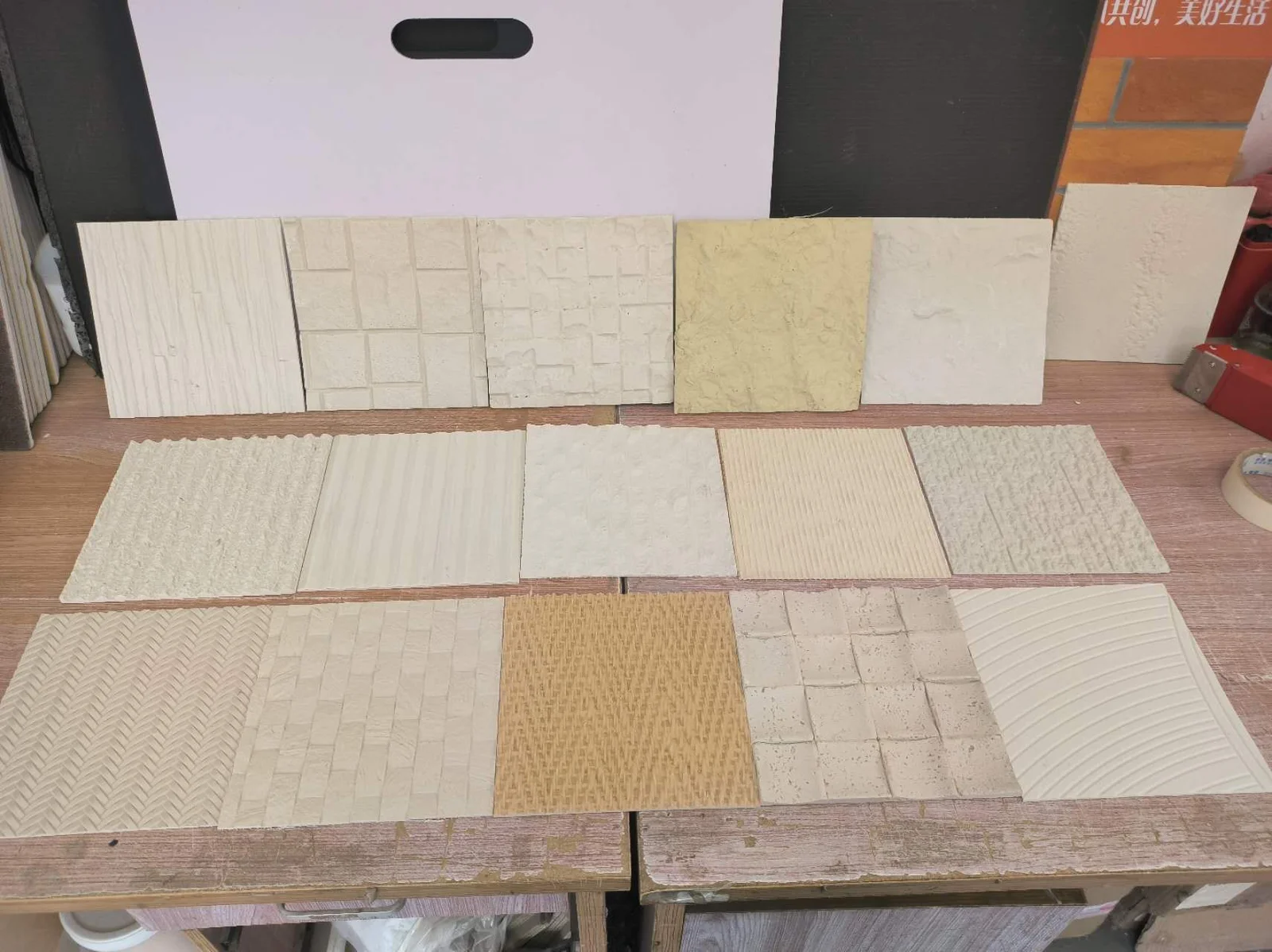
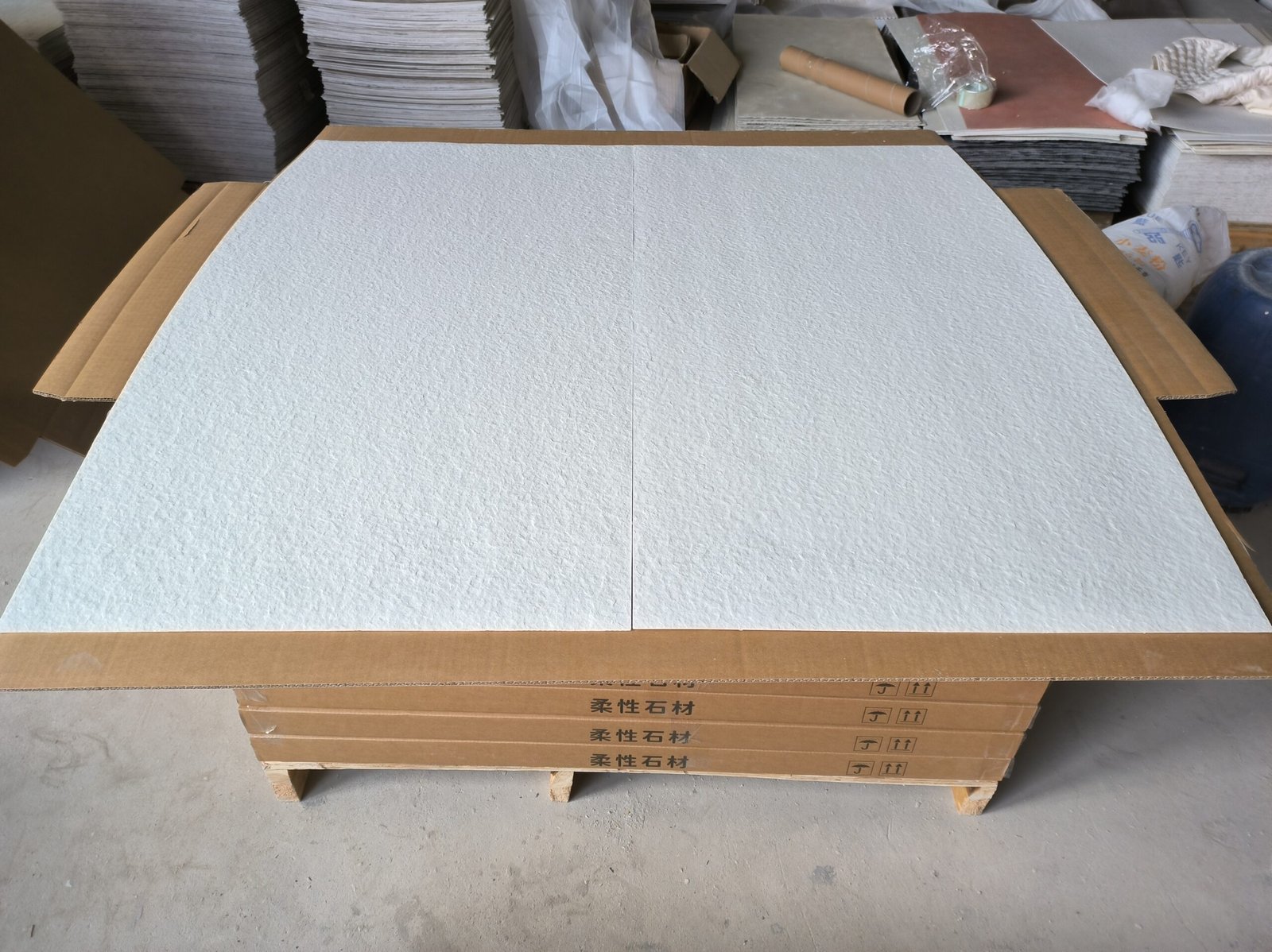
Every bad order has a sample stage where a weak flexible stone veneer supplier reveals itself. Samples of standard patterns ship in two to three days. A custom colour takes about seven days, because the ink mix has to be built and cured before it can be judged. A supplier who rushes that step is telling you something about the run that follows it.
Why the Sample Becomes the Contract
Treat the sample as the contract for everything after it. Judge the colour under your own lighting rather than the factory’s. Bend the panel to the radius your project needs, and confirm the thickness with a gauge instead of an eye. If the finish will be backlit, ask for the 2 mm translucent version at this stage, because that option changes how light reads through the stone.
What to Judge on the Sample
Three things are worth checking every time. Look at colour under your own light, thickness against the specification, and bend behaviour at the radius you will actually use. A sample that fails any of these is not a colour problem, it is a supplier problem. Finding that out now is far cheaper than discovering it after a container clears customs.
Certifications and Paperwork to Demand in Writing

Certificates are where a supplier’s claims become transferable. A serious distributor should ask for a baseline set. That means ISO 9001 and ISO 14000 for quality and environmental management, BSCI for social compliance, and CE for the European market. Those documents belong on your own website once you resell, so they should be requested at the quoting stage rather than after the order.
Fire performance is the claim most likely to be tested by a buyer or an inspector. In the United States the relevant test is ASTM E84, where Class A means a flame spread index of 25 or lower. In Europe the rating is EN 13501-1 Class A2. Ask for the certificate number and the test report behind the rating, not a screenshot. Check that the report carries the same product name as the panel you are buying.
One number matters more than the rest to a distributor: the defect rate. Production here runs under 1 percent, and the supplier should be able to explain how that figure is measured and what it covers. A rate that low is the difference between a range that sells on reputation and one that spends its margin on replacements.
Commercial Terms That Reveal How a Supplier Operates
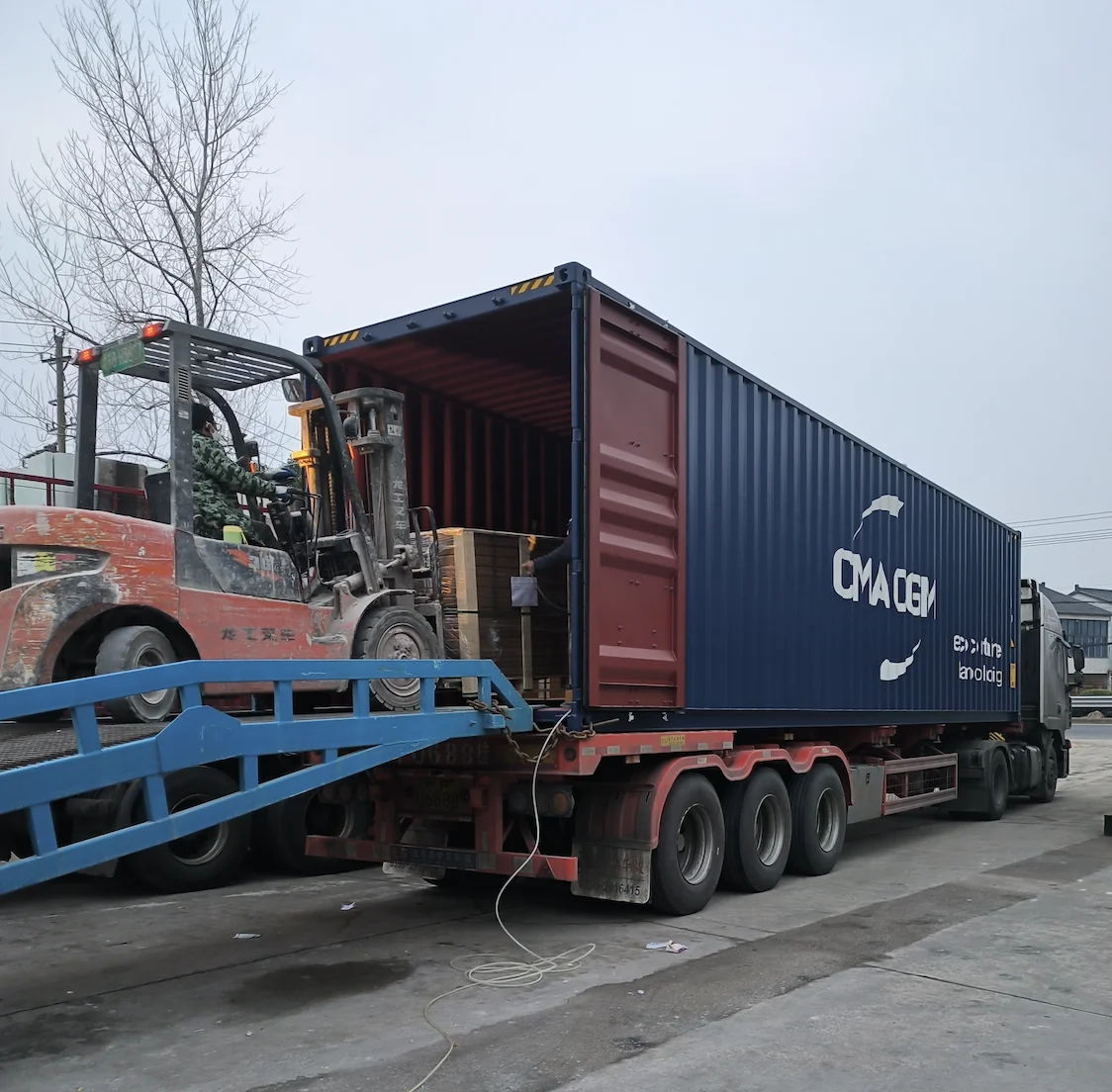
Commercial terms are the second test of a flexible stone veneer supplier, because a company that controls its own line can offer flexibility a reseller cannot. A standard minimum order quantity of 300 m² keeps packaging and freight efficient for both sides, but it stays negotiable for a justified trial. This factory has already produced a 150 m² order shipped by air to an Australian ice-cream shop fit-out. A small first order is a question of will, not of possibility. The flexible stone MOQ explainer covers how that arrangement is made in practice.
Payment and freight terms should be familiar and boring. The structure here is a 40 percent deposit with the 60 percent balance cleared against the shipping documents, on FOB Shanghai, with the buyer keeping control of its own forwarder. Sea freight to the United States runs 15 to 35 days, to Europe 25 to 45 days, and air freight 5 to 7 days. Clear terms, explained early, are a sign the supplier is as organised as its paperwork suggests. If the terms are vague, read our guide to China supplier payment terms before you commit.
| Item | Standard term |
|---|---|
| MOQ | 300 m², negotiable lower for a justified trial |
| Sample time | 2 to 3 days standard, about 7 days for a custom colour |
| Bulk production | 15 to 20 working days first order, 10 to 15 on repeat |
| Payment | T/T 40 percent deposit with the 60 percent balance |
| Trade term | FOB Shanghai, with other ports arranged on request |
| Mould retention | Mould and colour formula stored free for five years |
Red Flags That End a Conversation
Some signals are worth acting on immediately, because they tend to repeat at scale. A flexible stone veneer supplier that cannot give a measured defect rate is guessing about quality. Refusing a live inspection usually protects something other than your interests. Offering no certificate number for a fire rating asks you to trust a badge instead of a report.
Two more should slow you down. A quote far below the rest of the market usually means a substitute substrate, a thinner panel or an unrealised cost that appears later. And any pressure to pay outside the standard deposit-and-balance terms, or to a personal account, is a request to give up the protection those terms exist to provide. Each of these red flags is easier to check before the order than to resolve after it.
Frequently Asked Questions About Choosing a Supplier
What is the first thing to ask a flexible stone veneer supplier?
Ask whether they own the printing line and what it produces in a day. That single question separates a factory from a trading company. A manufacturer can name the machine and the output, while a reseller usually answers with a partner network instead of a number it can verify.
How do I tell a factory from a trading company?
Compare equipment, capacity and process answers across two or three suppliers. A factory gives consistent numbers, can film a live inspection and shows you the line. A trader speaks in adjectives, avoids specifics and forwards every technical question to an unseen third party.
What defect rate should I expect from a good supplier?
A strong supplier measures and states it rather than describing quality in general terms. Production here runs under 1 percent, and the supplier should explain how that figure is measured and what it covers. A vague answer about defects is itself a warning sign, because it usually means no one is tracking the number.
Which certifications should a supplier provide?
At minimum ISO 9001, ISO 14000, BSCI and CE, with the fire rating documented as ASTM E84 Class A in the United States and EN 13501-1 Class A2 in Europe. Ask for the certificate number and the test report, not a screenshot. A supplier that provides these without delay usually answers technical questions directly.
What commercial terms should a good supplier offer?
The terms are a MOQ of 300 m² that stays negotiable, samples in 2 to 3 days, and first bulk production in 15 to 20 working days. Payment is a T/T 40 percent deposit with the balance on shipping documents, on FOB Shanghai, with moulds stored free for five years. Clear terms are a sign of an organised partner.

Choosing well comes down to a short process: confirm the line, test the sample, and demand the paperwork. Read the terms as a measure of how the supplier runs its business. For the wider sourcing context around these decisions, browse our buyer guides section, which covers the questions buyers raise before committing to a first container.