Private label flexible stone lets a distributor or brand sell a flexible stone wall panel under its own name, in its own colour and packaging, without owning a factory. This guide walks through the four models buyers actually use: private label, white label, OEM (original equipment manufacturer) and ODM (original design manufacturer). It then shows how a colour reference becomes a finished, shipped panel.
The reason this is possible at a manageable scale is production capacity, not luck. JMS Decor operates an 8,000 m² factory in Dingshu Town, Yixing, Jiangsu, running five production lines. Its 3D inkjet printing equipment puts out more than 700 m² a day, and the plant holds over a hundred in-house moulds. That is what keeps a private label run from demanding a volume that prices a new brand out of the market.
Most buyers arrive at private label for one reason. The panel underneath is often the same, but the margin and the brand equity are not. When a customer asks for a wall in a specific stone and your name is on the packaging, you own the relationship. The factory becomes invisible, and that is the point.
Private label flexible stone is not a new product. It is your name, your colour and your packaging on a panel that already passes the tests your market demands.
Private Label vs OEM and ODM Explained

The four terms get used as if they mean the same thing. They do not, and the difference decides how much of the panel you actually control. Private label means the factory makes an existing product while you apply your own brand and packaging. White label is the narrower version, where you change the label but not the specification.
OEM means the panel is built to your specification, so colour, size and thickness follow your brief rather than a catalogue. ODM goes one step further, where the factory also handles the design and development. For a first private label launch, most buyers should start with private label and move to OEM only when they need a colour or size the catalogue does not carry. Starting with ODM before you have tested the market adds cost you cannot yet justify.
| Model | What you control | Best for |
|---|---|---|
| Private label | Brand, packaging and colour on a stock pattern | A first branded range you can test quickly |
| White label | Brand and packaging only, specification fixed | Resellers who want speed over customisation |
| OEM | Colour, size and thickness built to your brief | Brands with a defined signature finish |
| ODM | Design plus production, from concept to panel | New products with no existing reference |
Where private label and white label differ
White label is the simpler deal. You take a panel the factory already makes and put your logo on the packaging. Private label still uses a stock pattern underneath, but you also choose the colour and the finish within what the line can produce. That extra choice is what makes the product feel like yours rather than a generic import.
When OEM is the better model
Move to OEM when your market needs a colour, size or thickness the catalogue does not carry. For example, an architect may need a 1200x2900mm panel for a seamless feature wall, or a specific grey that matches a fixed palette. OEM is also the right call when you need a pattern from your own artwork turned into a flexible version. The trade-off is lead time, because a new specification always costs a few extra days before the first sample leaves the line.
Custom Colours and Patterns You Can Specify
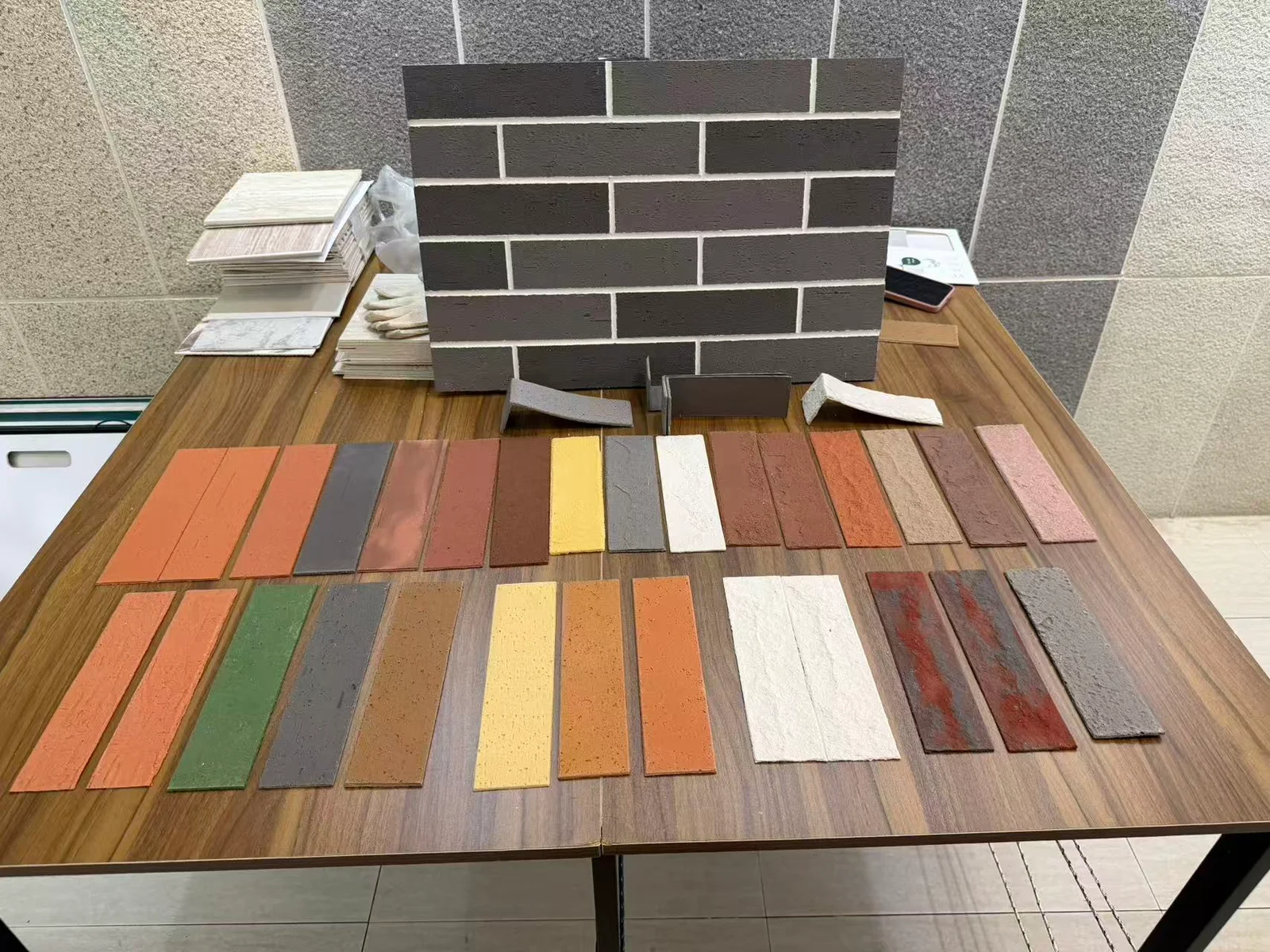
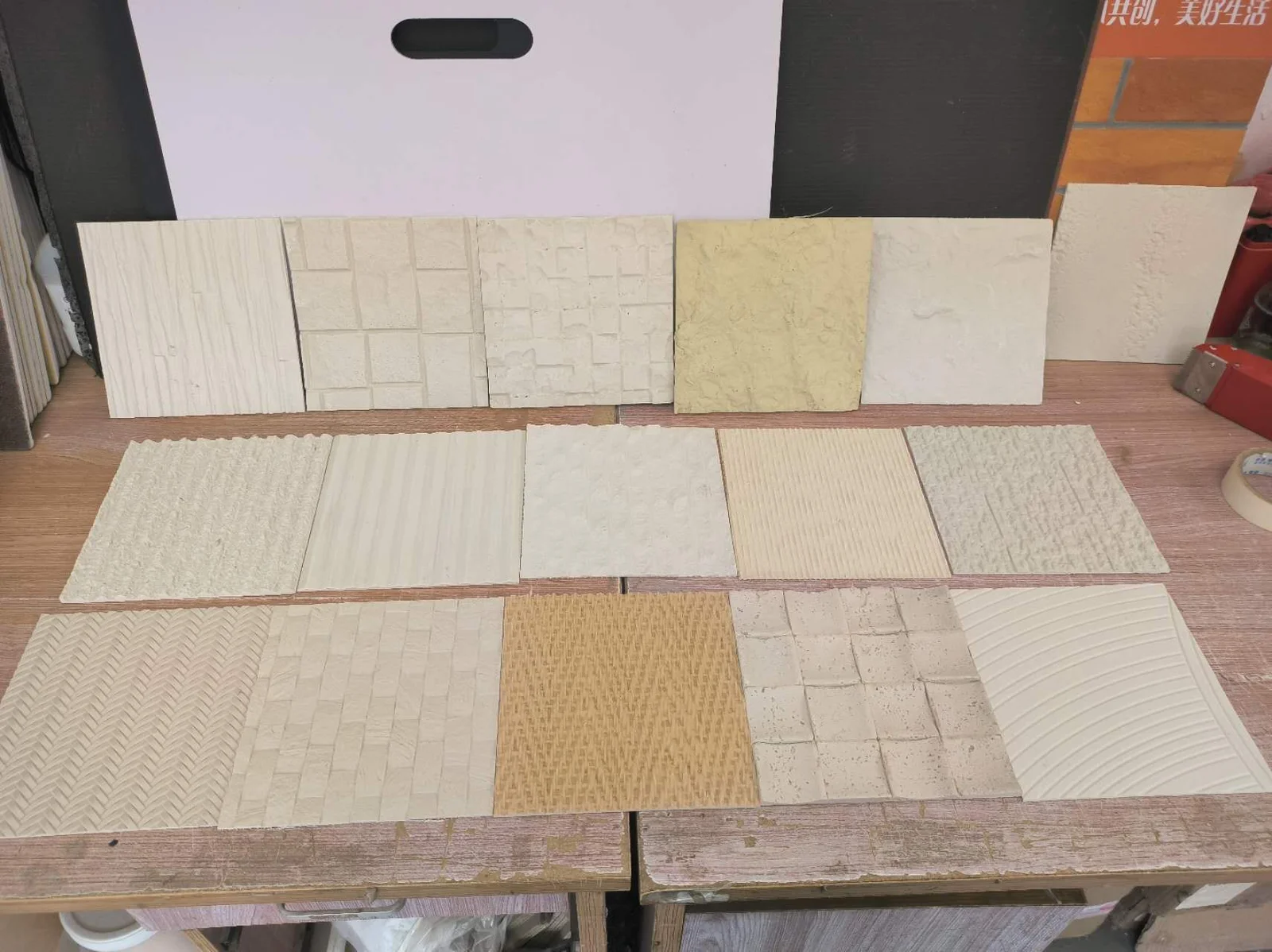
Customisation is where a private label range stops looking like a catalogue and starts looking like your brand. The panel base is natural stone powder, an inorganic gel and a fibreglass mesh. Onto that base, 3D inkjet printing can reproduce any colour, pattern, size or thickness the brief calls for. More than a hundred patterns already exist in house, and the range keeps growing as new textures are developed.
Colour matching should start from a reference everyone can agree on. The Pantone colour standard gives you one, and the factory can match to a Pantone code rather than to a photograph that shifts on every screen. If you already sell a stone or a tile, you can send your own pattern and have it reproduced as a flexible panel instead of sourcing a new one.
How to Match a Pantone Colour Reference
A Pantone reference removes the ambiguity that ruins first orders. Two people looking at the same photo on different phones will see two different greys. A code fixes the target, so the sample that arrives is judged against a number, not a memory. It also makes a repeat order in eighteen months far easier to control.
Turning your own pattern into a panel
If you already own a finish, the factory can produce a flexible version of it. Send the artwork or an existing sample, and the team builds the pattern for the 3D inkjet line. That means your stone look can move onto a curved column or a lightweight exterior wall without changing what your customers recognise. For the full menu of what can be adapted, review the custom flexible stone options before you brief a designer.
From Colour Match to First Production Run
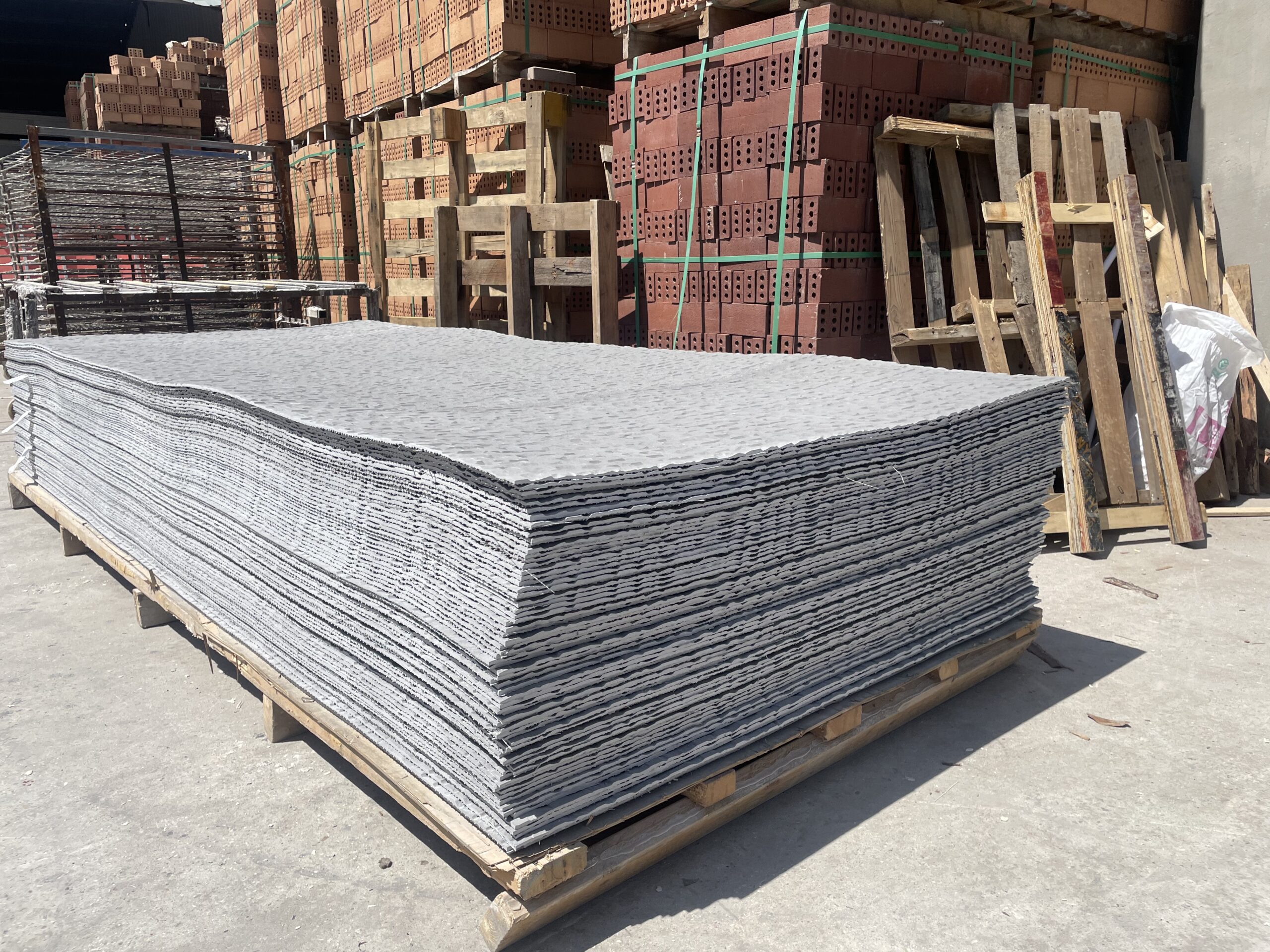
The path from a colour reference to a shipped panel follows a short, predictable sequence. It starts with a colour match against your reference, then a sample the factory makes for approval. You approve the sample in writing, the specification is frozen, and the bulk run is scheduled. Keeping this order matters, because a colour approved on a screen rather than a physical sample is the most common cause of a rejected first order.
Samples for standard patterns ship in two to three days. A private custom colour takes about seven days, because the ink mix has to be built and cured before it is judged. First bulk production then runs 15 to 20 working days, including mould and colour preparation. A repeat order is faster at 10 to 15 working days, since the setup already exists.
Why the Sample Stage Decides the Order
Treat the sample as the contract for everything that follows. Judge the colour under your own lighting, bend it to the radius your project needs, and confirm the thickness. If the panel will be backlit, ask for the 2mm translucent version at this stage, because that option changes how the light reads through the stone.
What Happens in the First Bulk Run
When the sample is approved, the colour formula and mould go into storage. Under the standard terms they are kept free for five years, so a repeat order carries no fresh tooling charge. That retention is a quiet advantage for a young brand, because it protects the finish you launched with. To compare the full product range behind these options, review the flexible stone veneer range before you commit a specification.
Packaging Options for Your Brand
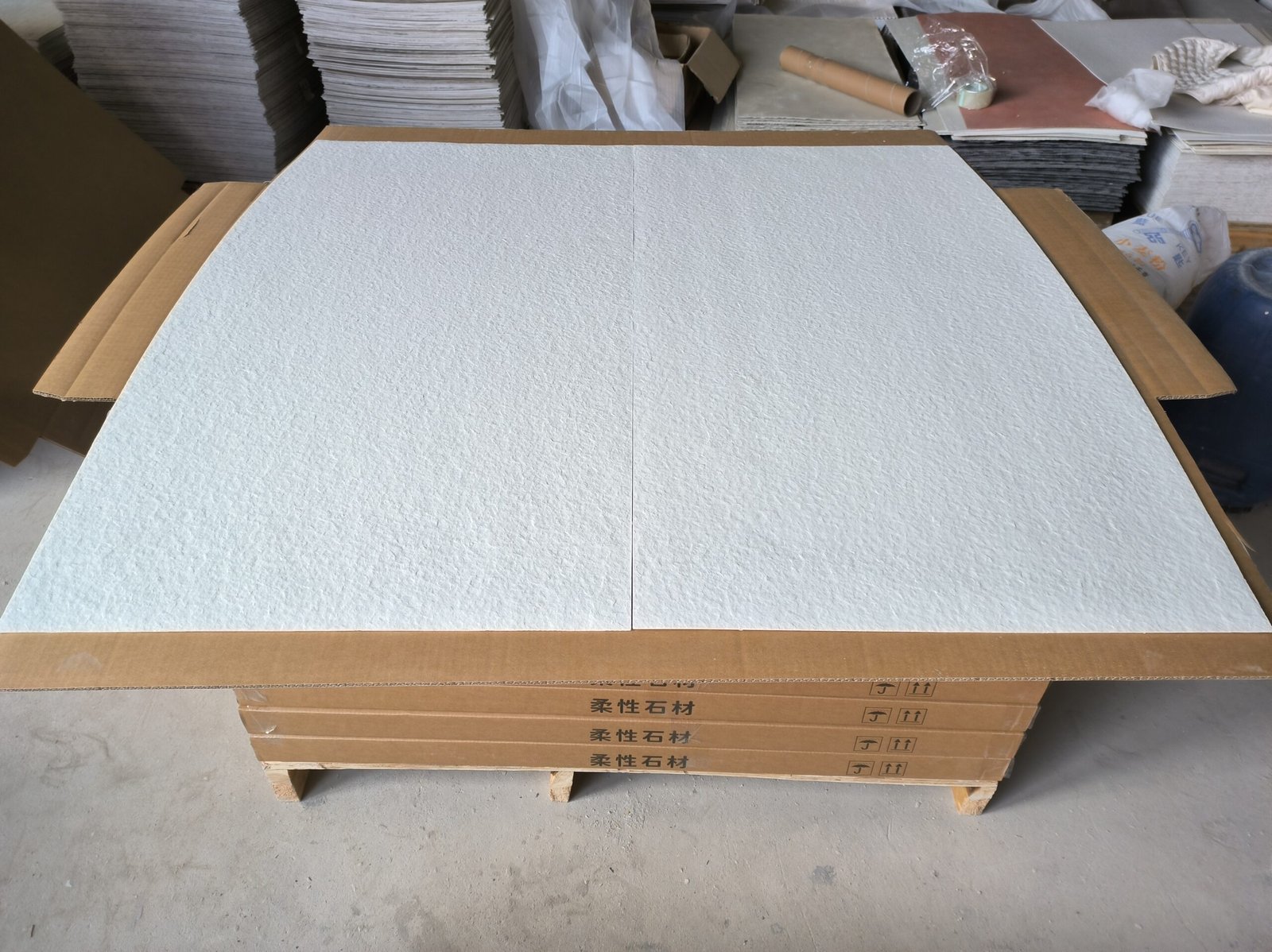
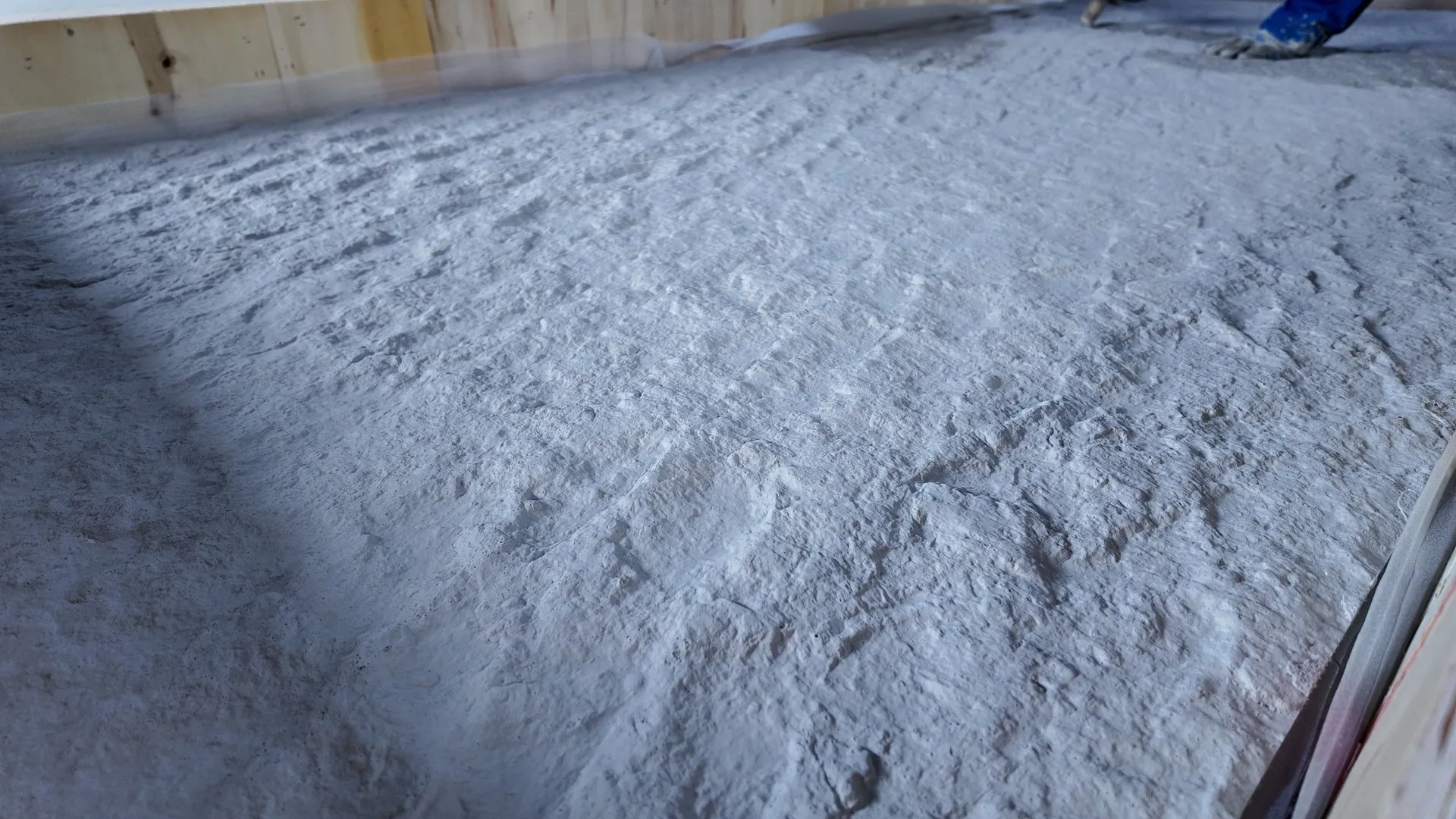
Packaging is where a private label product finally looks like yours. The factory packs to an export standard using wood pallets or crates, and your shipping marks go onto the label. Each carton can carry a traceable batch number and a protection film over the panel face. That traceability is not a detail you can skip, because it is what lets a defect be traced to a line and a shift instead of becoming a dispute.
A complete order should arrive with the paperwork your distributors expect. That set usually includes a COA (certificate of analysis) covering material composition, fire-test data and water permeability, copies of the relevant certificates, a first-article inspection record and an installation guide. Matching accessories such as adhesive, sealing agent and install materials can ship in the same container, which saves your buyer a second sourcing step.
MOQ Lead Times and Order Terms
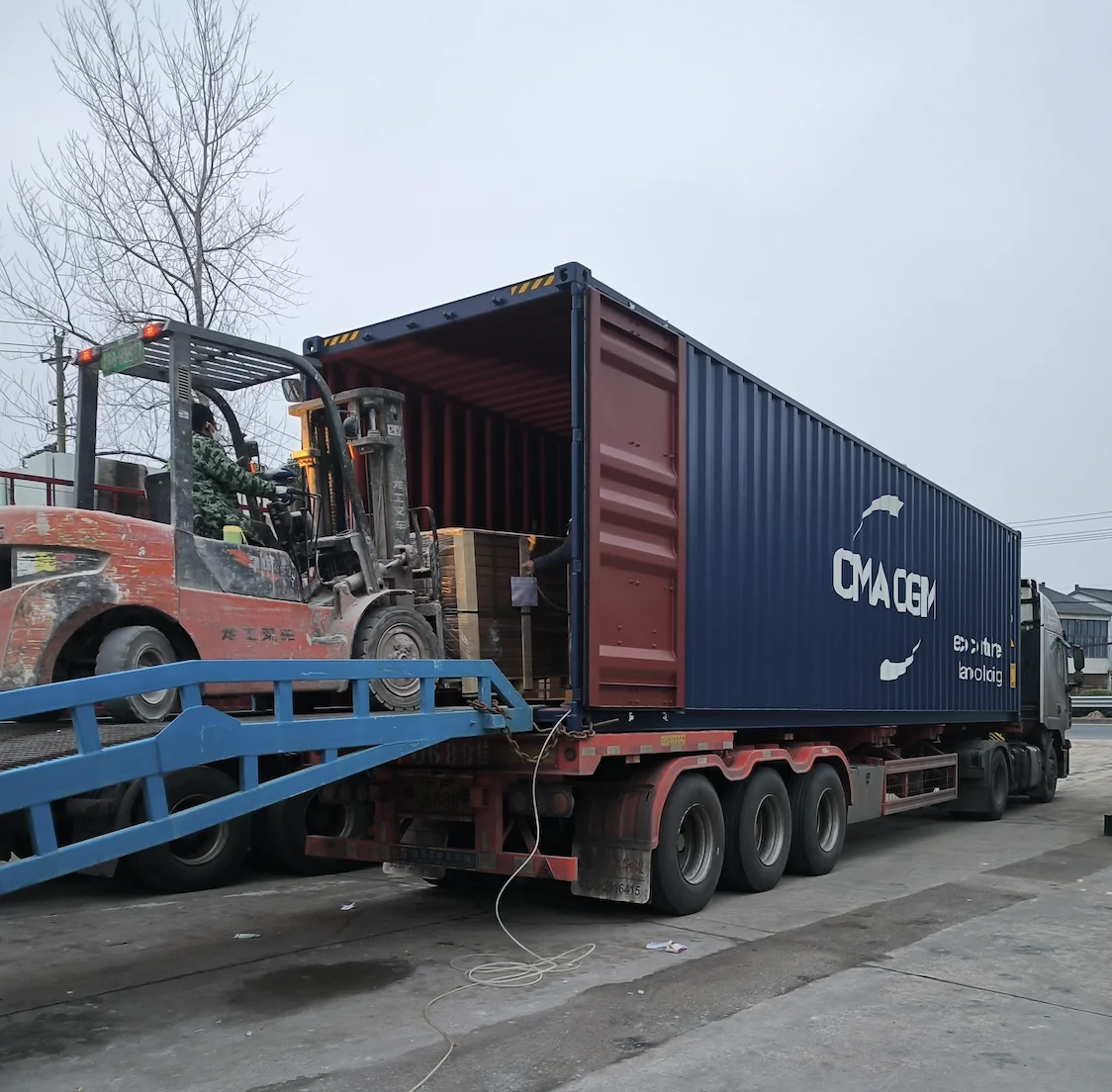
The commercial terms decide whether a private label plan is realistic. A standard minimum order quantity (MOQ) of 300 m² covers packaging and freight in one efficient run. It is not a hard wall, though. For a justified trial the factory can go lower, and it has produced a 150 m² order that shipped by air to an Australian ice-cream shop fit-out. When a buyer needs a small batch by a deadline, that flexibility is worth more than a marginally lower unit price.
Payment follows a standard structure of a 40 percent deposit with the 60 percent balance cleared against the shipping documents. The trade term is FOB (free on board) Shanghai, and the buyer keeps control of its own freight forwarder. Sea freight to the United States runs 15 to 35 days, to Europe 25 to 45 days, and air freight 5 to 7 days. If your launch date is tight, those numbers should shape the order date before they shape the price. Our explainer on the flexible stone MOQ covers how a smaller trial order is arranged in practice.
| Item | Standard term |
|---|---|
| MOQ | 300 m², negotiable lower for a justified trial |
| Sample time | 2 to 3 days standard, about 7 days for a custom colour |
| Bulk production | 15 to 20 working days first order, 10 to 15 on repeat |
| Payment | T/T 40 percent deposit with the 60 percent balance |
| Trade term | FOB Shanghai, with other ports arranged on request |
| Mould retention | Mould and colour formula stored free for five years |
What Certifications Your Brand Inherits

When you put your name on a panel, you also inherit its paperwork. The factory holds ISO 9001 and ISO 14000 for quality and environmental management, BSCI (Business Social Compliance Initiative) for social compliance, and CE for the European market. Those are the baseline documents a serious distributor will ask for, and they belong on your website rather than in a drawer.
Fire performance is the claim most likely to be tested by a buyer. In the United States the relevant test is ASTM E84, where Class A means a flame spread index of 25 or lower. In Europe the rating is EN 13501-1 Class A2. Ask for the certificate number and the test report behind the rating, not a screenshot. If you would rather not take the factory’s word for any of this, run it through our supplier verification checklist before the deposit moves.
One number matters more than the rest to a distributor: the defect rate. Production here runs under 1 percent, and the factory will show the measurement behind that figure on request. A rate that low is the difference between a range that sells on reputation and one that spends its margin on replacements. Ask any factory for this number directly, and treat a vague answer as a warning.
Choosing the Right Private Label Partner

The partner you choose decides how much of this list you ever have to think about again. A partner with the real capacity behind private label flexible stone can absorb a colour change or a rush repeat without stalling your range. JMS Decor was established in 2015 and its team brings 15+ years of wall panel experience. That is why the same line can run a 150 m² trial or a full container. Check for in-house printing rather than outsourced finishing, because that is where custom colour control lives.
Before you commit, ask three questions and listen to how they are answered. How long are my moulds and formula stored? What is your real defect rate, and how is it measured? Who packages the order, and can my marks go on the carton? A partner who answers these plainly is worth scaling with, and you can see the production base behind those answers on our flexible stone veneer manufacturer page.
For the wider sourcing context around private label flexible stone and OEM, browse our buyer guides section. It covers the questions buyers raise before committing to a first container. Used together with the checks above, it turns a first order into a repeatable process.
Frequently Asked Questions on Private Label
What is private label flexible stone?
Private label flexible stone is a panel made by a factory and sold under your own brand, with your packaging and your choice of colour. The panel base and pattern come from the factory, while the brand identity and the route to market are yours.
What is the difference between private label and OEM?
Private label rebrands an existing product, while OEM builds the panel to your specification of colour, size and thickness. Choose private label for a faster first launch and OEM when your market needs a finish the standard range does not carry.
What is the minimum order for a private label run?
The standard minimum order quantity is 300 m², which keeps packaging and freight efficient for both sides. It stays negotiable for a justified trial order, and the factory has already produced a 150 m² order shipped by air to an Australian retail fit-out.
Can I use my own colour or pattern?
Yes. You can match to a Pantone code or send an existing pattern to be reproduced as a flexible panel. The 3D inkjet line handles any colour, pattern, size or thickness, and the sample lets you approve it before the bulk run.
Are my moulds kept if I reorder later?
Yes. Under the standard terms the mould and the colour formula are stored free for five years, so a repeat order carries no fresh tooling charge at all. That retention keeps the finish you launched with stable across later production runs and protects your brand consistency.