Effective hotel maintenance is the critical line of defense against ballooning operating expenses and the revenue loss from unscheduled room downtime. High-traffic corridors are a constant battleground where suitcase scuffs, cart impacts, and general wear quickly degrade painted and wallpapered surfaces. This repair cycle isn’t just a line item in your OPEX budget; it directly impacts guest perception and can lead to negative online reviews when hallways look tired or rooms are taken out of service for cosmetic fixes.
This guide provides a direct operational comparison of the three most common wall coverings. We analyze the real-world maintenance cycles for paint, the common failure points of commercial wallpaper like peeling and seam separation, and the long-term durability of stone veneer. The goal is to provide the data needed to make a strategic choice that minimizes labor costs and protects the asset’s aesthetic value for years, not just months.
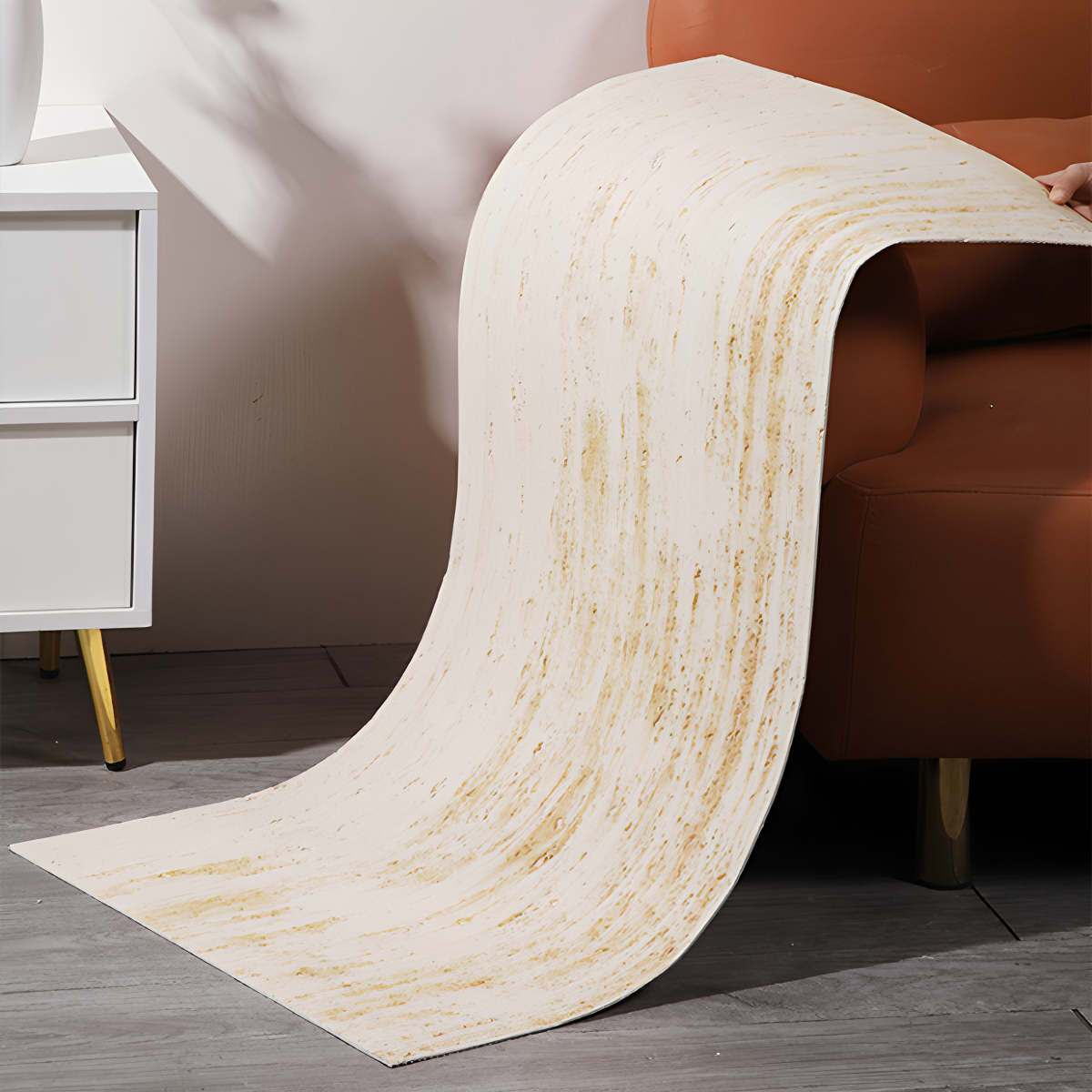
Source Premium, Fully Customizable Stone Veneer
Conclusion
Choosing the right wall covering is a critical OPEX decision for any hotel. While paint and wallpaper seem affordable upfront, their constant need for repainting, patching, and repair drives up long-term maintenance costs and disrupts guest stays. A durable solution like stone veneer helps break this expensive cycle, protecting both the budget and the guest experience.
Evaluating your hotel’s current wall maintenance budget can quantify the true cost of these frequent repairs. If you’re exploring a more permanent solution, our team can provide project-specific samples and a portfolio of hotel applications.
Frequently Asked Questions
Maintenance cost of hotel corridors?
The maintenance cost for hotel corridors typically ranges from $3 to $8 per square foot annually, heavily influenced by the hotel’s star rating, traffic levels, and material choices. This cost encompasses daily cleaning labor, supplies, periodic deep cleaning (e.g., carpet shampooing), and energy for lighting. The most significant long-term costs are tied to the capital expenditure for replacing flooring and wall coverings. For instance, durable LVT flooring and Type II vinyl wallcovering will have a higher upfront cost but lower a hotel’s annual maintenance and replacement budget compared to standard carpet and paint.
Durable wall covering for hotels?
The industry standard for durable wall covering in high-traffic hotel areas is Type II Vinyl Wallcovering. It is specifically engineered for commercial use, offering superior resistance to scuffs, impacts, and stains. Its cleanability makes it ideal for maintaining hygiene standards with minimal labor. Other excellent options include High-Pressure Laminate (HPL) panels for wainscoting and areas prone to luggage cart collisions, and modern scuff-resistant paints, which provide a durable, easily touch-upped surface for more budget-conscious projects. For maximum durability, specifying impact-resistant gypsum board underneath the finish is also a best practice.
Paint vs wallpaper vs stone cost?
The cost comparison depends on initial investment versus total lifecycle cost. Paint has the lowest initial installation cost. Commercial-grade vinyl wallpaper is a mid-tier option, typically costing 3-5 times more than paint upfront due to higher material and specialized labor costs. Stone (or stone veneer panels) has the highest initial cost, often multiple times that of wallpaper. However, considering lifecycle costs, vinyl wallpaper (lasting 10-15 years) is often more economical than paint, which needs refreshing every 3-5 years. Stone is a long-term capital investment with minimal maintenance, lasting the life of the building and offering the lowest total cost of ownership over several decades.
Low maintenance hotel interiors?
To achieve low-maintenance hotel interiors, focus on material selection and robust engineering. For flooring, specify Luxury Vinyl Tile (LVT) or porcelain, which are highly durable and water-resistant. For walls, use Type II vinyl wallcovering with protective corner guards. Furnishings should be commercial-grade with high-performance, cleanable fabrics like Crypton and casegoods with laminate surfaces instead of wood veneer. In bathrooms, non-porous quartz countertops, wall-hung toilets for easier floor cleaning, and high-quality fixtures reduce labor. Finally, standardize on LED lighting to virtually eliminate bulb replacement for years, significantly cutting down on labor and material costs.
Reducing hotel operating expenses?
Reducing hotel operating expenses requires a multi-faceted strategy. First, implement an energy management system with smart thermostats and convert all lighting to high-efficiency LEDs to cut utility costs. Second, adopt a preventative maintenance program for all major equipment (HVAC, plumbing) to avoid costly emergency repairs and extend asset lifespan. Third, optimize the supply chain by consolidating vendors and negotiating bulk pricing on consumables. Finally, leverage technology for labor management, using modern software for staff scheduling and cross-training employees to create a more flexible and efficient workforce.

SEO
Title: Hotel OPEX: Paint vs. Wallpaper vs. Stone Maintenance Costs
Description: Hotel Wall Covering options to lower OPEX. Source Class A2 fire-rated, lightweight stone veneer direct from our ISO-certified factory.
URL: hotel-wall-covering-guide
Keywords: Hotel Wall Covering

 English
  Spanish
  French
  Arabic
  German