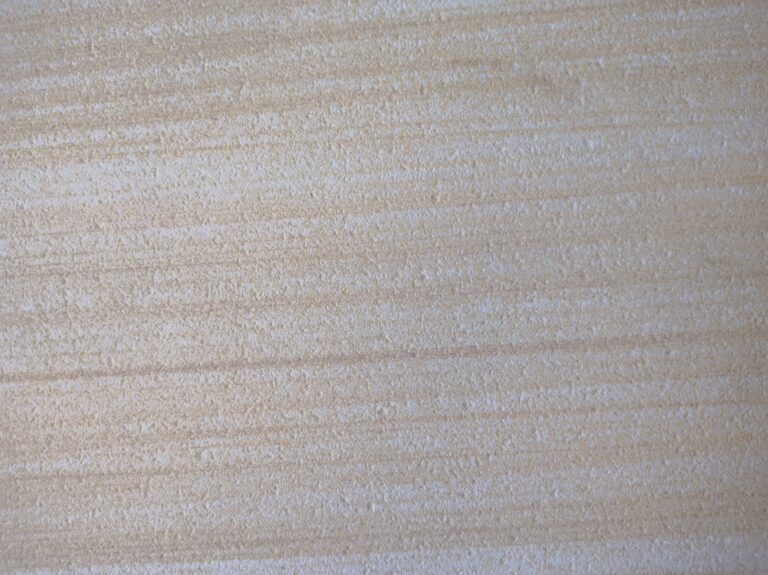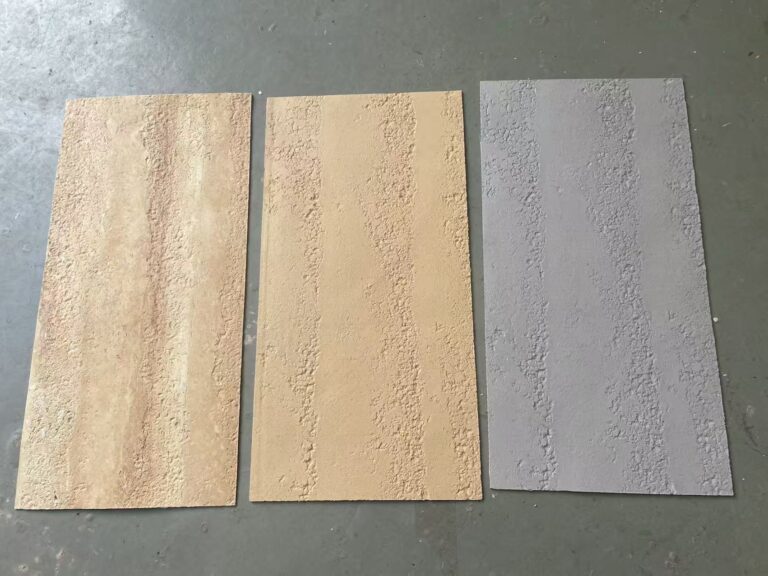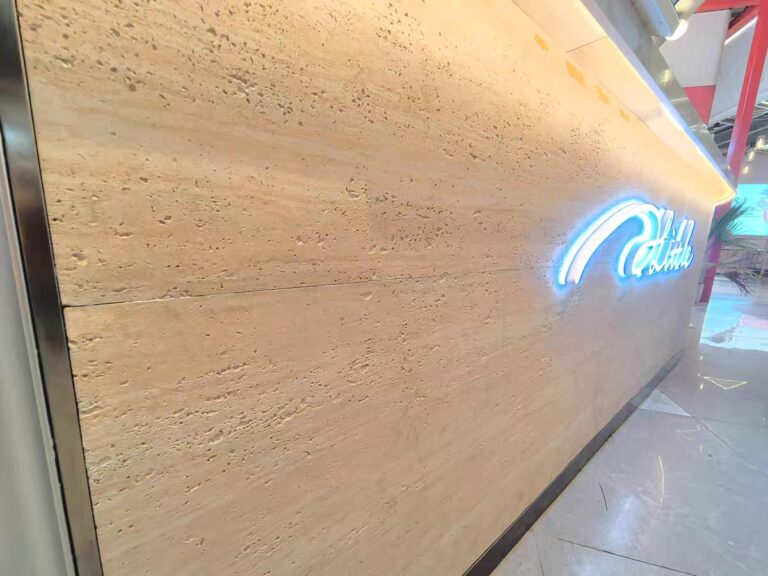
Where a flexible stone field runs into glass, the two materials are asking for different things: the stone wants a bonded, finished edge; the glazing wants a clear, drained, defensible frame zone. Almost every problem at this junction comes from one trade assuming the other’s zone is theirs to occupy — stone running hard against a mullion, sealant bridge-smoothing over a weep path, a reveal channel packed with adhesive. This guide sets out how to detail flexible stone where it meets curtain walling, storefront glass and glazed doors: the three termination methods, the zones each trade must respect, and the serviceability checks that keep the junction clean for years.
Why glass junctions are stricter than other terminations
Stone meeting paint is a visual problem; stone meeting glass is a performance problem. The glazing system is an engineered assembly with its own drainage, thermal movement and certification — and the certification belongs to the assembly, not to whatever the cladding trade did beside it. A bead of adhesive smeared into a glazing channel, a panel bearing on a mullion cap, or a sealant that blocks a weep slot does not just look bad; it can break the drainage logic that keeps water out of the building.
There is also a dimensional reason. Glass systems move — thermally, and under wind load — far more than a bonded stone field. The junction has to absorb that movement across a line that is, on a storefront, at eye level and in full light, where every millimetre of wobble shows. So the detail needs three things at once: drainage continuity, movement capacity, and a straight, deliberate visual line. Getting all three is a design task, not a site improvisation.
What are the three termination methods at glass?
The same three methods that terminate a stone field anywhere apply here, but each has glass-specific rules.
- Shadow gap against the glazing. The stone stops short of the glass frame line, leaving a recess that reads as a crisp reveal and absorbs both trades’ tolerance. The rule: the gap must not bridge into the glazing’s drainage zone. A backer channel behind the gap — dark, so nothing shows through — keeps the recess looking deliberate. This is the default for interior storefronts and most reveal conditions.
- Trim over the stone edge. A slim profile caps the stone edge and lands on the glazing frame’s outer face without entering it. The trim fixes the visual line absolutely and protects the stone edge at eye level — worth it wherever trolleys, luggage or hands work the junction. The rule: the trim fixes to the cladding substrate, never to the glazing system itself.
- Stone returning into a reveal. Where the glass sits in a deep reveal, the stone can clad the reveal returns up to a designed stop short of the frame. The rule: the stop point is set by the glazing system’s perimeter zone, and the return’s cut edges are finished and sealed as the system requires.
What never works: stone butted tight to a mullion, or sealant asked to be both the finish and the movement joint. Both look acceptable on day one and both fail by the first season’s movement.
Which zones belong to which trade?
The cleanest way to prevent site arguments is a zone drawing. The glazing system owns its frame, its perimeter sealant zone and its drainage path — typically the last few centimetres either side of the glass line, per the façade system’s documents. The cladding owns its substrate, its adhesive bed and its edge treatment, up to a stop line agreed with the glazing subcontractor. Between the two sits a neutral band where only the agreed detail — gap, backer, trim — may live.
Write the zones into the coordination drawing before either trade starts, and make the stop line a set-out dimension, not a discussion. Our guide to panel joint set-out covers how the grid meets architectural lines; the glass junction is the same exercise with a stricter neighbour. Where the glazing is a certified curtain wall, the façade consultant signs the zone drawing — that signature is what keeps the cladding trade out of the drainage path by accident.
How does drainage survive the junction?
On any exterior junction, water behind the cladding has to reach the outside, and the glazing system’s weeps have to stay open. Three rules keep the paths alive. First, the stone’s substrate and its cavity must not lap over the glazing perimeter — the cladding stops at the stop line, and its cavity closes with its own trim or flashing that directs water outward, not into the frame. Second, sealant at the junction is a weather seal at the surface only; it is never a plug for a cavity or a weep. Third, the junction is walked at completion: weep slots visible, cavity clear, water path tested with a low-pressure hose if the façade documents call for it.
Interior storefronts are simpler — no rain to drain — but the same discipline pays: the reveal channel is kept clear so the glass can be reglazed one day without demolishing stone, and the junction seal is serviceable rather than permanent, per the thinking in our transition guide.
What does movement at glass demand from the stone side?
The glazing moves; the bonded stone field largely does not. The junction detail must therefore put the movement where the detail can absorb it: a shadow gap wide enough for the frame’s expected travel, a trim with a sealed but flexible joint behind it, or a reveal return whose stop line leaves the frame free. What the stone side must not do is lap onto the frame and bond to it — a bonded bridge between stone and glazing transfers every movement into the sheet, and the sheet answers with a crack at the line.
The practical check is visual and seasonal: the junction line stays even through hot and cold weather, the sealant shows no adhered-on-one-side tears, and no stone edge bears a shine where it has been rubbing the frame. A junction that passes its first season without any of those signs was detailed with room to move.
What should be inspected before handover?
- Stop line held along its full length — no taper where the stone meets the glazing zone.
- Drainage clear: weeps visible, cavities open, no adhesive or sealant intrusion into the glazing perimeter.
- Junction seal continuous, tooled, and adhering to both faces without bridging a movement gap rigidly.
- Stone edges at the junction intact — no chipping, no mesh lift, no adhesive smear on the face.
- Trim fixings, where used, into the cladding substrate only; nothing fixed to the glazing system.
- Photographs of the completed junction filed with the handover record, the same evidence chain our submittal guide keeps for the rest of the works.
How do door junctions differ from fixed glazing?
A glazed door is the busiest line in any storefront, and its junction with stone has two extra demands. First, clearance and swing: the stone edge must stay clear of the door’s full swing arc, including handles and any kick rail, because a panel that clips a handle on day one will be chipped by week three. The door supplier’s drawing states the arc; the cladding set-out respects it before any sheet is cut. Second, impact: floor-level stone beside a door takes trolley and shoe contact every day, so the bottom course either gets a solid termination — the logic of our top-edge capping guide, applied at floor level — or the reveal detail steps the stone back behind the frame line entirely.
Automatic doors add a third constraint: sensors and safety edges sit close to the finished plane, and a cladding thickness added to the wall shifts their geometry. Coordinate the sensor positions against the finished face dimension before the stone is ordered, because moving a sensor afterwards means cutting the stone that covers its old position.
What does the junction look like in service?
The signs of a well-detailed glass junction are quiet: the stop line stays parallel to the mullions, the shadow gap stays the same width along its run, the sealant keeps its tooling, and the stone edges keep their crispness. The signs of a bad one announce themselves early — a sealant bead that has torn on one side (the frame moved, the stone did not follow), a stone edge polished by contact with the frame (the stop line was set too close), a weep slot with a bead of adhesive hanging from it (the zone was violated). Walk the junction at the first season change and again at handover; both walks take minutes and both catch what a photograph at completion will not.
Where the junction is inside a heated space, thermal movement is smaller but not zero — interior storefronts in full sun still cycle, and the same stop-line discipline applies, just with a narrower gap.
FAQ
Can flexible stone touch the glass frame directly?
No. The stone stops at a designed line short of the glazing zone. Direct contact or bonding transfers the frame’s movement into the sheet and risks both the finish and the glazing system’s certified performance.
Who owns the sealant at a stone-to-glass junction?
Whoever closes the junction last, per the zone drawing — and the product must be agreed by both sides, because it has to adhere to stone and frame and stay flexible. The zone drawing names that trade so it is not decided on site.
Can the stone run behind a storefront sign or into a reveal?
Into a reveal yes, up to the designed stop. Behind signage, coordinate with the sign installer: the stone can be the background, but fixings for the sign must reach structure, not the bonded finish, and their penetrations are cut and sealed like any other opening.
Does the junction need maintenance?
The sealant at the junction is a service item like any weather seal: inspected annually, re-done when it shows tears or adhesion loss. A shadow-gap junction with no sealant needs only cleaning and a seasonal eye on the line.
Detail the junction with the glazing subcontractor’s documents open, put the zones on a drawing, and give the movement somewhere to go. Panel formats and edge-behaviour data are on the placage de pierre flexible page, and façade perimeter detailing references are published by the Centre for Window and Cladding Technology.