Les panneaux muraux WPC vs PVC : les différences clés pour les projets commerciaux sont le premier critère que les acheteurs doivent vérifier avant d’approuver un fournisseur, un budget ou un créneau de production. Si vous répertoriez des panneaux muraux PVC pour salles de bain et cuisines commerciales, vous avez probablement remarqué que les prescripteurs demandent de plus en plus des classements au feu et une résistance aux impacts. Le PVC standard ne parvient pas à atteindre ces niveaux. C’est pourquoi la question des panneaux muraux WPC vs PVC revient régulièrement lors des réunions de projet avec les entrepreneurs et les cabinets d’architecture.
La différence entre les matériaux est simple. Le WPC — composite bois-plastique — intègre un renfort fibreux qui lui confère une résistance aux impacts environ 30% supérieure à celle du PVC. Il supporte également mieux la chaleur : le PVC commence à se ramollir au-delà de 60 °C, alors que le WPC reste stable jusqu’à 80 °C. Pour un hall commercial ou un couloir d’hôtel, ces performances se traduisent par moins de retours clients et une durée de vie plus longue. Certains fabricants conçoivent désormais des panneaux WPC atteignant la norme ASTM E84 Classe A ou EN 13501-1 Classe B-s1,d0, ce qui en fait un remplaçant direct du PVC dans les espaces commerciaux soumis à des réglementations strictes.
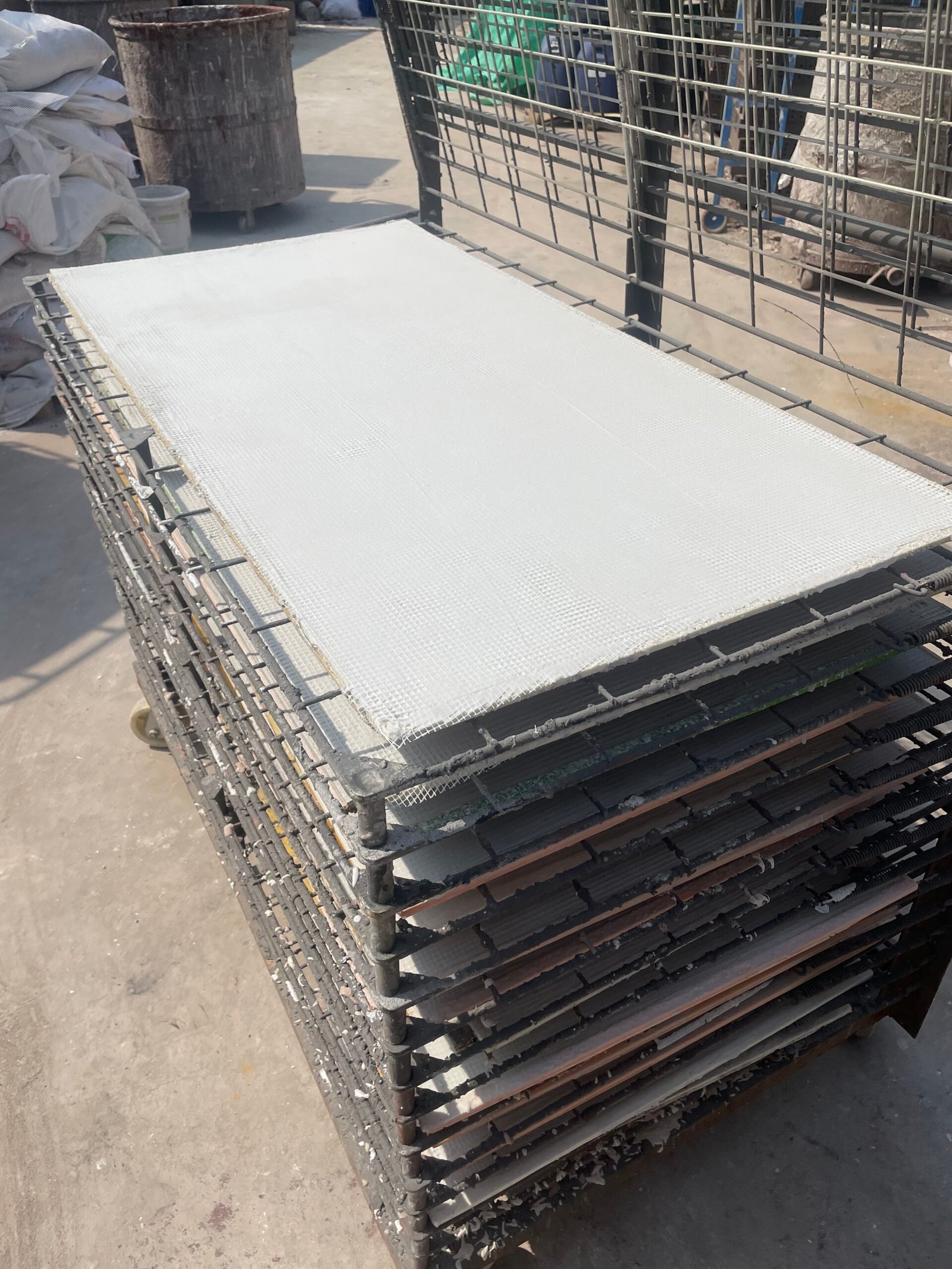
Que sont les panneaux muraux WPC ?
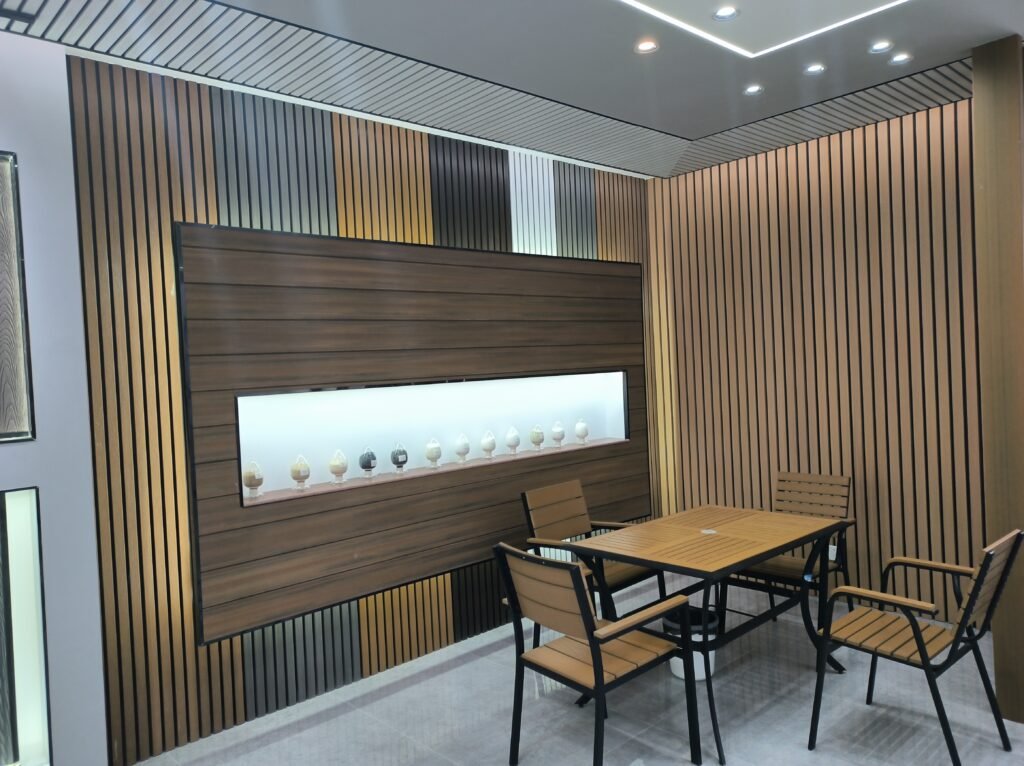
Les panneaux muraux WPC associent fibres de bois et thermoplastiques pour offrir une résistance aux impacts supérieure à celle du PVC.
WPC (Composite bois-plastique (WPC)) Les panneaux sont conçus en mélangeant des fibres de bois de qualité premium avec des thermoplastiques sous chaleur et pression. La teneur en fibres de bois varie généralement de 50 % à 70 %, selon l'équilibre souhaité entre rigidité et flexibilité. Le résultat est un noyau dense à cellules fermées qui offre une stabilité dimensionnelle et une résistance mécanique bien supérieures à celles du PVC standard.
Le processus de fabrication implique un malaxage, une extrusion à travers des filières calibrées, un refroidissement et un fini de surface. Les panneaux WPC peuvent être produits avec une couche capillaire co-extrudée pour une résistance accrue aux UV et à l'humidité. Les données de production internes indiquent que les panneaux WPC offrent 30 % de résistance aux chocs supérieure par rapport au PVC, ce qui est critique pour les couloirs commerciaux à fort trafic et les environnements de vente au détail où des chariots, des présentoirs et des piétons heurtent régulièrement les surfaces murales.
-
- Stabilité thermique : Le WPC reste dimensionnellement stable jusqu'à 80 °C. Le PVC commence à se ramollir et à se déformer au-delà de 60 °C, faisant du WPC le choix le plus sûr pour les atriums, les halls exposés au soleil ou les espaces près d'équipements générant de la chaleur.
- Classement au feu : Avec des additifs ignifuges, les panneaux WPC peuvent atteindre la classe ASTM E84 Classe A (indice de propagation de flamme 0-25) ou la classe EN 13501-1 Classe B-s1,d0. Les panneaux PVC standard manquent de ces certifications, ce qui signifie qu'ils ne résisteront pas à la majorité des inspections aux codes de construction commerciaux.
- Performance acoustique : Le noyau WPC dense offre une meilleure absorption sonore que les feuilles PVC massif, réduisant l'écho dans les bureaux en plan libre et les couloirs d'hôtel.
Les applications typiques des panneaux muraux WPC dans les environnements commerciaux incluent les murs d'accent des devantures de commerce de détail, la revêtement des halls d'hôtellerie, les systèmes de cloisonnement de bureau et les panneaux de mise en valeur pour restaurants. La capacité du matériau à accepter un gaufrage personnalisé, une impression numérique et des finitions pleine masse en fait un choix privilégié pour les exigences de conception spécifiques aux marques dans le luxe retail et les chaînes hôtelières. Contrairement au PVC, le WPC peut être installé sur des surfaces courbes sans risque de flambage thermique, et son faible taux d'absorption d'humidité (inférieur à 1 %) empêche le délaminage dans les zones humides de service arrière.
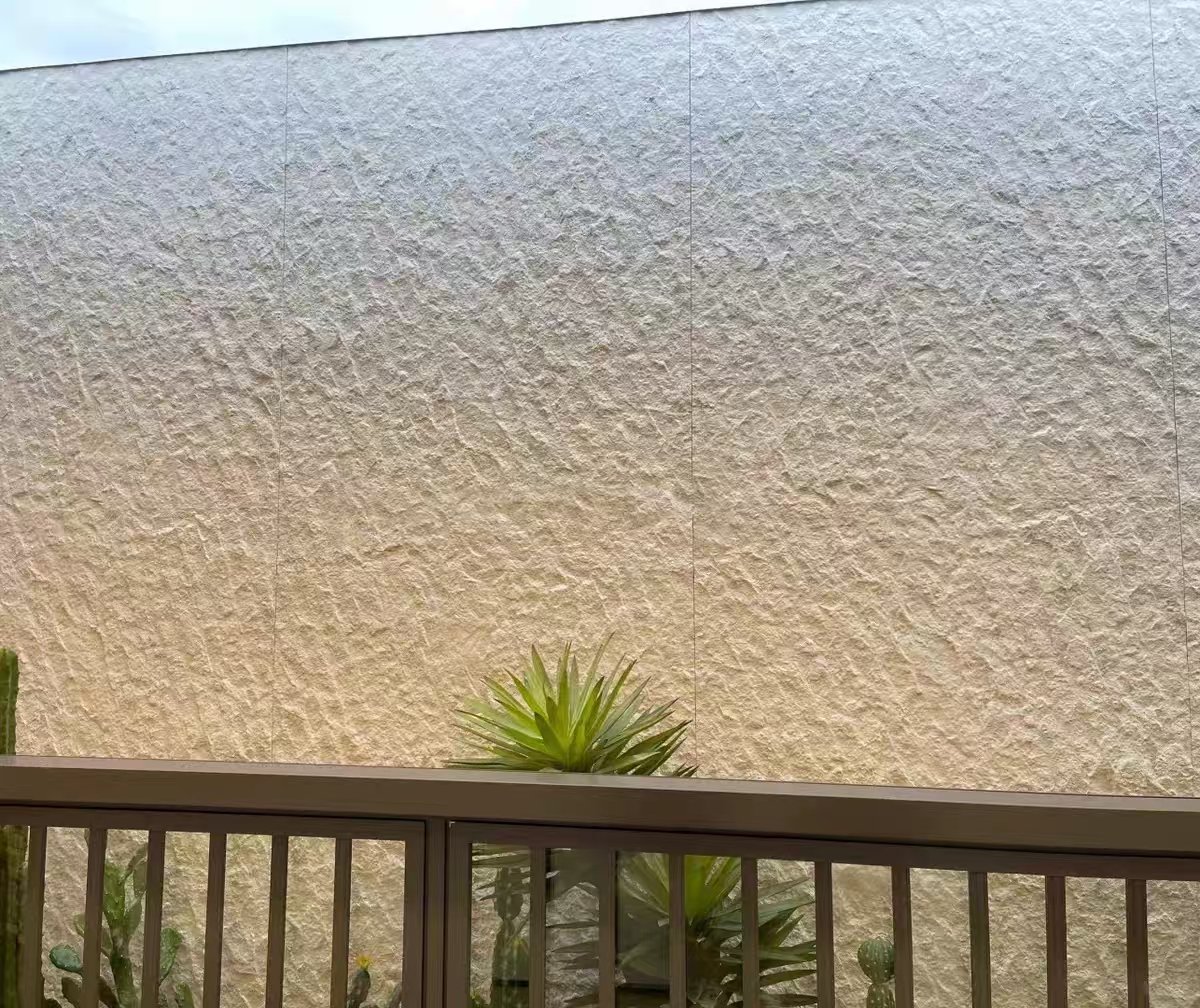
Que sont les panneaux muraux en PVC ?
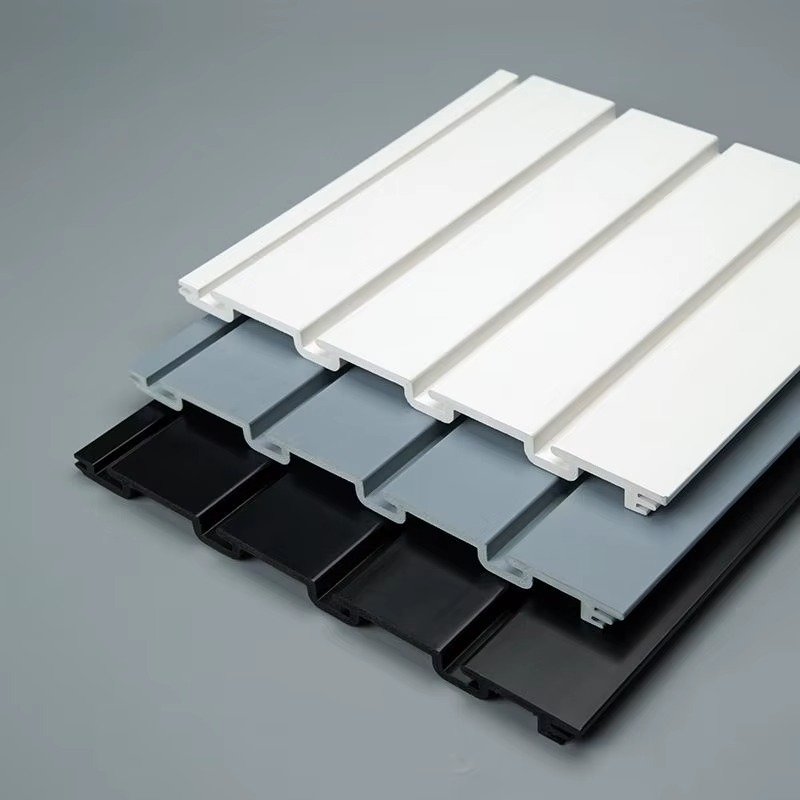
Les panneaux PVC sont bon marché et imperméables, mais ils ne respectent pas les codes du feu et se déforment au-dessus de 60 °C.
Les panneaux muraux PVC sont constitués de 100 % de vinyle vierge (chlorure de polyvinyle) extrudé en feuilles rigides. L'épaisseur typique varie de 8 mm à 10 mm. Ils sont creux ou à cœur mousse pour alléger le poids et réduire les coûts. Le matériau est intrinsèquement imperméable, ce qui a fait du PVC le choix privilégié pour les salles de bain et les cuisines pendant des années. Mais le vinyle à 100 % présente des limites réelles : aucun ignifuge n'est ajouté au niveau de la résine de base, de sorte que les panneaux PVC standard ne disposent d'aucune classification au feu ASTM E84 ou EN 13501-1. Un indice de propagation de flamme supérieur à 200 est courant — bien au-delà du seuil de la Classe A qui est de 25.
La performance thermique est un autre point faible. Des températures soutenues supérieures à 60 °C provoquent une déformation permanente. Cela exclut toute installation près de bouches de vapeur, de fours commerciaux ou de fenêtres sans ombrage dans les climats chauds. Si vous approvisionnez des projets restaurants ou hôtellerie, le PVC peut céder en moins d'une saison estivale.
-
- Zones d'usage courant : Salles de bains résidentielles, parois de douche, buanderies, arrière-cuisines de cuisine peu fréquentée — tout espace où l'exposition à l'eau existe mais où les températures restent modérées et la réglementation incendie est légère.
- Limitations pour le commercial : Aucune certification de classement au feu, faible résistance aux chocs (risque de fissuration sous les impacts de chariots dans les arrière-boutiques), et dilatation/contraction visibles sur les murs extérieurs non isolés.
- Réalité du coût : Les panneaux PVC en gros FOB Chine se situent entre 1,50 et 3,00 USD par pied carré. Mais il faut inclure les cycles de remplacement : le PVC dans les zones commerciales très fréquentées doit souvent être remplacé au bout de 5 à 7 ans, ce qui rend son coût sur le cycle de vie supérieur à une solution WPC sur 10 ans.
- Avertissement d'expert : Si un fournisseur propose des panneaux PVC avec une déclaration de classement au feu, exigez le rapport d'essai du laboratoire et la norme précise (ASTM E84 ou EN 13501). 90 % des allégations ‘ PVC ignifugé ’ sur Alibaba relèvent de l'噱头 — elles indiquent simplement que le matériau ne goutte pas, et non qu'il possède une classification réelle de propagation des flammes.
Comparaison directe
Les panneaux WPC offrent une résistance aux chocs supérieure de 30 % et un classement au feu Classe A — deux caractéristiques que le PVC ne peut égaler.
Lorsque vous spécifiez des panneaux muraux pour un projet commercial, le choix entre WPC et PVC se réduit à trois facteurs : sécurité incendie, durabilité aux chocs et coût total sur le cycle de vie. Voici comment ils se comparent.
-
- Durabilité et résistance aux chocs : Le WPC est 30 % plus résistant aux chocs que le PVC (données internes de production). Le renfort en fibres de bois absorbe les impacts sans dentelure, ce qui le rend idéal pour les couloirs commerciaux très fréquentés et les halls de bureau. Les panneaux PVC se fissurent ou s'écaillent sous les chocs répétés dans les espaces publics.
- Classements au feu : Grâce aux additifs ignifuges, le WPC peut obtenir la certification Classe A (indice de propagation des flammes 0–25) selon ASTM E84 et la Classe B-s1,d0 selon EN 13501-1. Les panneaux PVC standard ne disposent pas de ces certifications. Selon un rapport NFPA adapté, 401 TP3T des échecs aux inspections de sécurité incendie sont dus à l'utilisation de revêtements muraux non certifiés.
- Performances face à l'humidité et à l'humidité : Le PVC est 100% étanche à l'eau, ce qui le rend adapté aux zones humides telles que les parois de douche. Le WPC est résistant à l'humidité et ne pourrit pas, mais une immersion prolongée peut affecter les fibres de bois. Pour les espaces commerciaux dont l'ambiance est contrôlée par l'humidité (centres commerciaux, hôtels), le WPC offre une meilleure stabilité dimensionnelle et résiste à la déformation jusqu'à 80 °C, tandis que le PVC se ramollit au‑dessus de 60 °C.
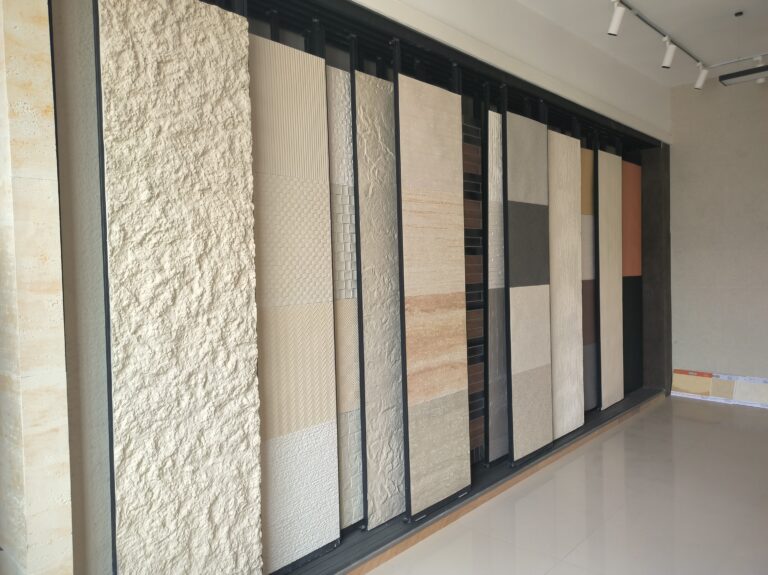
- Polyvalence esthétique et textures : Le WPC peut être produit avec des veinages bois réalistes, des textures pierre et des couleurs personnalisées. JMSDECOR propose un service complet d'OEM pour l'adaptation des couleurs et des motifs. Le PVC est quant à lui limité aux finitions haut de gamme brillantes ou unies, avec moins d'options texturales.
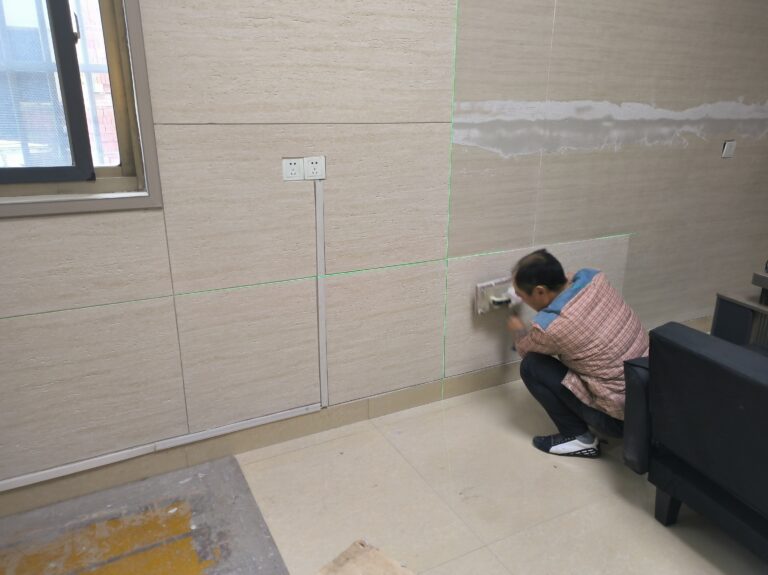
- Facilité d’installation et coût de la main‑d’œuvre : Les deux matériaux se coupent aisément avec des outils basiques. Le système tongue‑and‑groove du WPC accélère l’installation. Le temps de main‑d’œuvre est comparable, mais le poids plus faible du WPC par rapport à la pierre réelle réduit les exigences de support structurel et diminue les coûts de main‑d’œuvre d’installation jusqu’à 30 % sur les grands projets.
- Entretien à long terme et coût sur le cycle de vie : Le WPC coûte 1,50–2,50 USD/pied carré (FOB Chine) contre 1,00–2,00 USD/pied carré pour le PVC. Toutefois, les panneaux PVC doivent généralement être remplacés après 5–7 ans en usage commercial, tandis que le WPC dure 10–15 ans. Sur dix ans, le coût global du WPC est 25 % inférieur lorsque l’on intègre le moindre nombre de remplacements et l’entretien réduit dans les zones à fort trafic.
| Fonctionnalité | WPC (JMSDECOR) | PVC |
|---|---|---|
| Conformité aux normes de résistance au feu | ASTM E84 Classe A / EN 13501-1 B-s1,d0 | Généralement Classe C ou non classé |
| Résistance aux chocs | 30 % supérieur au PVC (renfort en fibre de bois) | Standard ; sensible aux fissures sous l’impact |
| Stabilité thermique | Stable jusqu’à 80 °C ; pas de gauchissement | Ramollit et se déforme au‑dessus de 60 °C |
| Coût initial (FOB Chine/sq ft) | $2.50 – $4.50 | $1.50 – $3.00 |
| Coût du cycle de vie sur 10 ans | Jusqu'à 25% moins cher que le PVC | Plus élevé en raison des remplacements et réparations |
Quel matériau est le plus adapté aux projets commerciaux ?
Pour les espaces à fort trafic conformes aux normes, le WPC surpasse systématiquement le PVC.
Le choix entre le WPC et le PVC pour les projets commerciaux repose sur trois facteurs : la conformité aux codes incendie, la résistance aux chocset la stabilité thermique. Si votre projet implique des espaces publics, une forte affluence ou une exposition à la chaleur ou aux UV, le WPC est l'investissement le plus sûr. Le PVC trouve sa place dans les zones humides à faible risque où le budget est la contrainte principale.
-
- Le WPC l'emporte dans la vente au détail, les bureaux et les zones à fort trafic : Les panneaux WPC sont 30% plus résistants aux chocs que le PVC, ce qui signifie moins de panneaux cablés dans les couloirs, les allées de magasins et les bureaux ouverts. Ils offrent ASTM E84 Classe A ou EN 13501-1 Classe B-s1,d0 avec additifs ignifuges — une exigence des codes de construction commerciaux. Les panneaux PVC sont généralement dépourvus de ces certifications, exposant les projets à des échecs lors des inspections. Dans les atriums ou les intérieurs exposés au soleil, le PVC commence à ramollir et à se déformer au-delà de 60 °C, tandis que le WPC conserve sa stabilité dimensionnelle jusqu’à 80 °C.
- Le PVC convient dans les zones techniques et humides : Dans les locaux de stockage, les salles de bain, les cuisines et les placards d’entretien — où la circulation piétonne est faible, les températures restent modérées et le niveau d’exigence du certificat peut être assoupli — les panneaux PVC offrent un coût initial inférieur ($1.50–$3.00 par sq ft FOB contre $2.50–$4.50 pour le WPC). Le PVC est imperméable par nature et facile à essuyer, ce qui en fait un revêtement pratique pour les zones humides derrière les murs. Mais même dans ces zones, prenez en compte le cycle de vie : les panneaux PVC ont souvent besoin d’un remplacement au bout de 5 à 7 ans dans les environnements à forte humidité, tandis que la durée de vie de 10 à 15 ans du WPC réduit le coût total jusqu’à 25% sur dix ans. Si votre distributeur équiper plusieurs sites, le passage au WPC élimine les maux de tête liés à l’incohérence des stocks et aux retours causés par des violations des normes incendie.
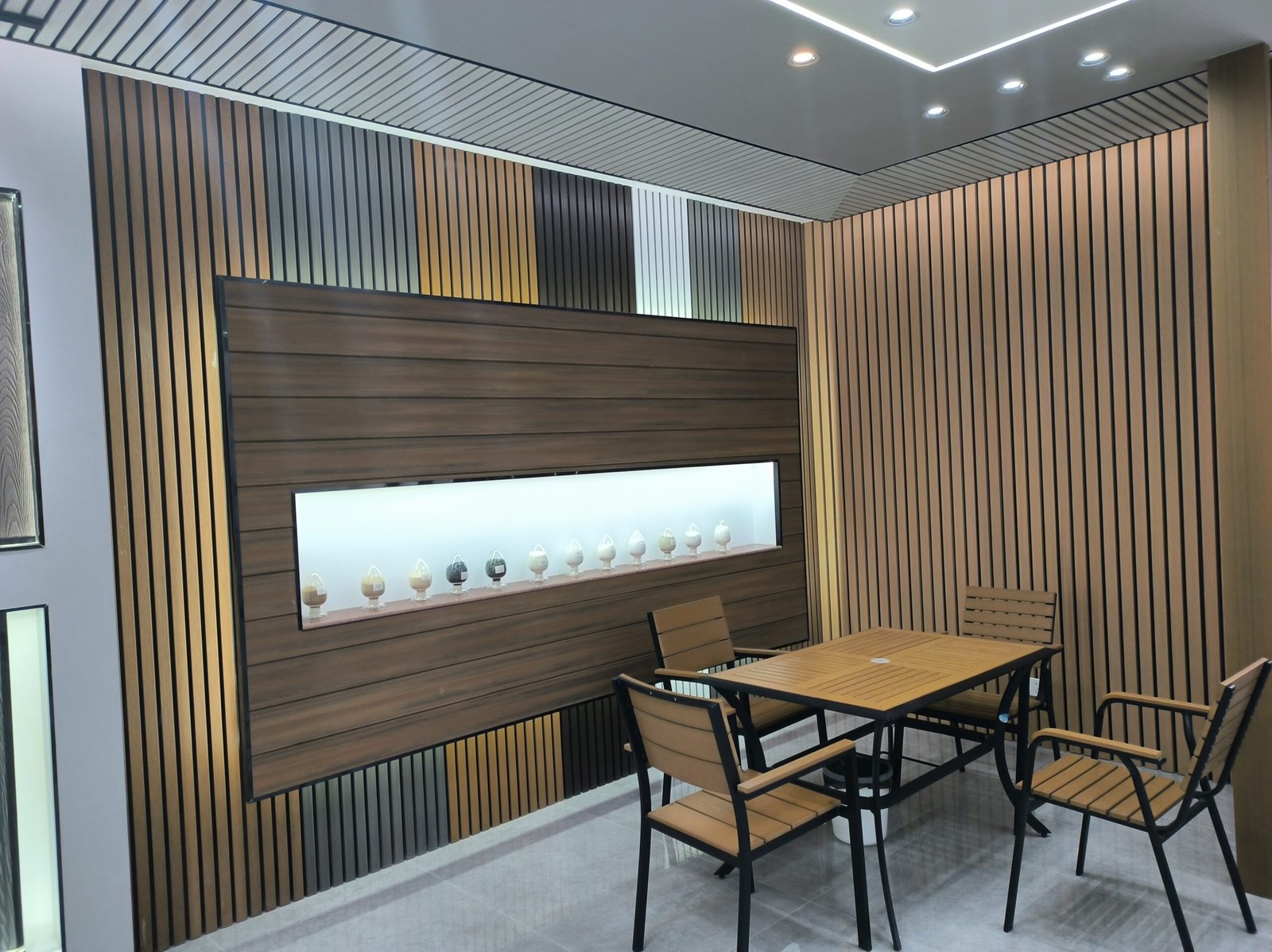
Pourquoi les panneaux WPC JMSDECOR se distinguent
Les panneaux WPC JMSDECOR : certifiés, personnalisables et à MOQ faible pour les prescripteurs commerciaux.
Les panneaux WPC de JMSDECOR sont conçus pour la construction commerciale où la conformité aux normes et la flexibilité du design sont non négociables. La production s’effectue dans des installations certifiées ISO 9001 et ISO 14000, avec une approche d’approvisionnement en matières premières garantissant une densité constante et une stabilité thermique jusqu’à 80 °C. Chaque lot est testé pour sa résistance aux chocs — les données internes montrent une performance supérieure de 30% par rapport aux panneaux PVC standards.
-
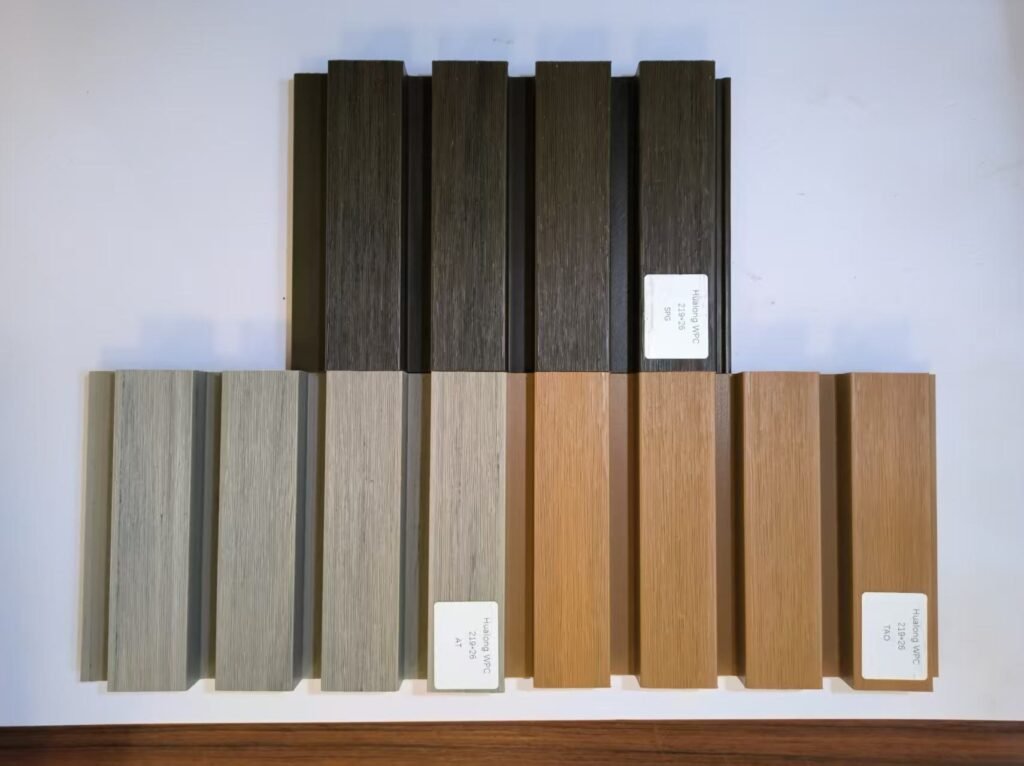
- Certifications incendie : Disponible avec certification Classe A (ASTM E84, indice de propagation des flammes 0–25) ou Classe B (EN 13501-1 B-s1,d0) grâce à des additifs ignifuges — une exigence pour la plupart des intérieurs commerciaux.
- Couleurs et textures personnalisées: La capacité OEM signifie que vous pouvez spécifier n'importe quelle couleur, motif ou texture. Aucun frais minimal de conception ; échantillons produits en 5 jours avec livraison gratuite.
- Faible quantité minimale de commande : Commencez par 10 panneaux pour les échantillons ou les petits projets pilotes. Pour les commandes de gros, les minima flexibles vous permettent de tester le marché sans vous engager sur des conteneurs complets.
- Coût sur le cycle de vie : Le coût initial est de $2.50–$4.50/pied carré (FOB), mais une durée de vie de 10 à 15 ans réduit le coût total jusqu'à 25% par rapport au PVC dans les environnements à fort trafic.
Conclusion
Le choix entre les panneaux muraux WPC et PVC pour les projets commerciaux se résume toujours aux mêmes trois critères : la conformité au feu, la résistance aux impacts et le coût total sur la durée de vie du projet. Le WPC est performant sur les trois plans — certifications ASTM E84 Classe A, résistance aux impacts supérieure de 30%, et une durée de vie de 10 à 15 ans qui réduit le coût global jusqu'à 25%. Le PVC convient aux zones arrière à faible risque où seul le budget compte.
Pour votre prochain spécification commerciale, commencez par les exigences de conformité incendie en vigueur dans votre juridiction. Si la Classe A ou la Classe B EN 13501-1 figure sur la liste, le WPC est votre seule option. Pour voir comment les panneaux WPC sur mesure de JMSDECOR — avec un MOQ faible, des certifications incendie complètes et un échantillonnage rapide — s'intègrent à votre projet, consultez les spécifications produit actuelles et les options de couleur pour votre prochain appel d'offres.
Questions fréquemment posées
Quelle est la différence entre les panneaux muraux WPC et PVC ?
Les panneaux WPC combinent fibre de bois et thermoplastiques pour une meilleure résistance aux impacts et de meilleures performances au feu, tandis que les panneaux PVC sont en vinyle à 100%, imperméables mais sujets à la déformation et à une faible sécurité incendie. Pour les projets commerciaux, choisissez le WPC. Optez pour le WPC pour la conformité incendie et la performance à long terme.
Lequel est le meilleur pour les projets commerciaux : le WPC ou le PVC ?
Le WPC est le meilleur choix pour les projets commerciaux grâce à ses certifications Classe A, sa résistance supérieure aux impacts et ses meilleures performances à long terme. Le PVC n'est adapté qu'aux zones humides à faible trafic, comme les espaces de service arrière, où le coût et l'étanchéité priment. Spécifiez du WPC pour les espaces commerciaux accessibles au public.
Les panneaux WPC sont-ils certifiés ignifuges ?
Oui, les panneaux WPC de haute qualité peuvent atteindre des certifications Classe A selon les normes ASTM E84 ou EN 13501, les rendant conformes aux codes du bâtiment commercial. Demandez toujours le rapport d'essai spécifique à votre fournisseur pour confirmer la certification. Vérifiez les documents de certification avec votre fournisseur.
Les panneaux muraux PVC se déforment-ils sous la chaleur ?
Oui, les panneaux PVC standards commencent à se déformer au-delà de 60°C (140°F), ce qui limite leur utilisation dans les zones exposées au soleil ou à forte chaleur. C'est un point de défaillance courant près des fours, des radiateurs ou en plein soleil. Évitez le PVC dans toute zone exposée à la chaleur.
Quelles sont les différences de coût entre les panneaux WPC et PVC ?
Les panneaux WPC coûtent généralement plus cher à l'achat, souvent 20–40% de plus que le PVC, mais offrent un coût total de possession plus faible grâce à leur durabilité et à une moindre nécessité de remplacement. Le PVC est moins cher initialement mais nécessite des remplacements plus fréquents. Comparez le coût sur le cycle de vie, pas seulement le prix unitaire.