Klimagerechte Flexible-Stone-Panele verhindern $50K-Ausfälle – der erste Prüfschritt, den Einkäufer durchführen sollten, bevor sie einen Lieferanten, Budget oder Produktionskapazität freigeben. Warum enden Entscheidungen zur klimagerechten Auswahl von Flexible-Stone-Panelen manchmal mit einem $50.000-Ausfall? Weil die Musterprobe unter Lagerbeleuchtung tadellos aussah, aber sechs Monate später begannen die im Großserienproduzierten Paneele an einer Hotel-Fassade in Küstennähe durch Salznebel vom Untergrund abzulösen. Die Standardantwort “Das Produkt ist wasserdicht” stammte aus einem Technischen Datenblatt, nicht von einem Lieferanten, der diese Charge tatsächlich für diese spezifische salzhaltige Umgebung getestet hat.
Bei Lieferantenaudits in 12 Ländern wiederholt sich ein Muster: Die Lücke zwischen Musterfreigabe und Qualitäts-Toleranz in der Serienproduktion schließt sich kaum, es sei denn, die Fabrik formuliert von Anfang an für das Zielklima. JMS Decor passt den Harz-Binder und den Glasfaserrücken so an, dass die Paneele entweder Frost-Tau-Zyklen in Calgary, UV-Intensität in Dubai oder der feuchte Salznebel einer fidschianischen Insel standhalten. Für Frost-Tau-Zonen bedeutet das 300 Prüfzyklen ohne Rissbildung. Bei Küstenprojekten bleibt die Wasseraufnahme unter 0,5%, und der 3D-Inkjet-Druck verwendet UV-Hemmer, damit das Travertin-Muster in der Sonne nicht ausbleicht. Das sind keine Marketingversprechen – das sind die Punkte, die ein Einkaufsleiter gegen die FOB-Kalkulation prüft, um sicherzustellen, dass das angelieferte Produkt den Containerplatz wert ist.
Auf Inselprojekten reduzieren die leichten Paneele die Versandkosten um fast 40% im Vergleich zu herkömmlichem Stein, und der flexible Rücken bedeutet, dass bei der Übertragung vom Haupthafen mit der Barkasse kein Material bricht. Im Anschluss folgt der Filter, der klimaerprobte Serienproduktion von Standardlagerware unterscheidet – die technischen Prüfungen, die Sie durchführen sollten, bevor Sie eine Containerbestellung für einen Küsten-, Frost-Tau- oder heiß-ariden Standort freigeben.
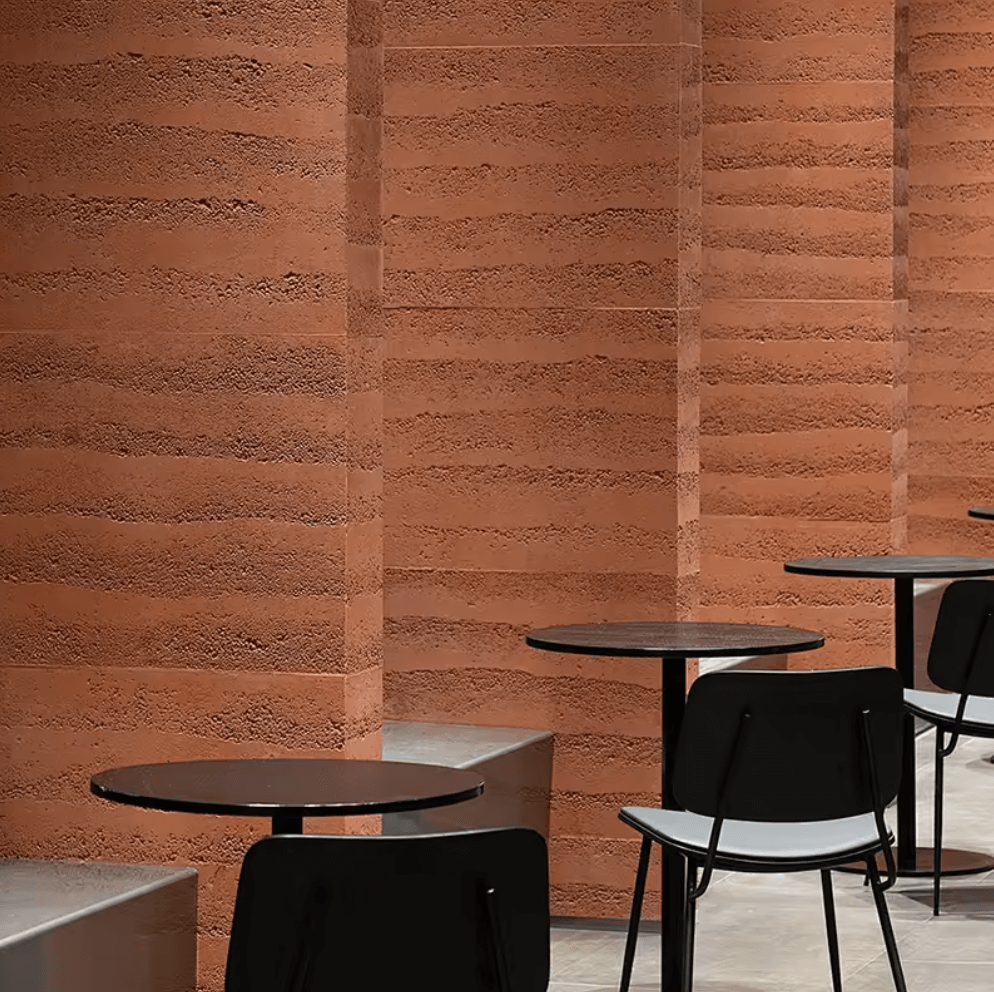
Klimafaktoren verstehen
Wetterfest ≠ klimasicher: Paneele versagen, wenn die falsche Spezifikation auf die falsche Umgebung trifft.
Bei Großbeschaffungen in 12 Ländern zerstören drei Klimabelastungen die Fassade regelmäßig innerhalb von 24 Monaten: Feuchtigkeitseintritt, UV-Strahlung und Frost-Tau-Zyklen. Flexible Stone Paneele sind nicht von sich aus immun – sie erfordern klimaspezifische Konstruktion. Die Paneele, die auf einer Villa in Dubai gut abgestanden haben, haben einen sibirischen Winter nicht überlebt, weil die Bindemittel-Rezeptur nie angepasst wurde. Das ist eine $50K-Lektion, die man nicht wiederholen möchte.
-
- Feuchtigkeit & Luftfeuchtigkeit: Die Wasseraufnahme des Panels liegt bei unter 0,51 TP3T (geprüft gemäß ASTM C67). In tropischen oder Küstenregionen verhindert dies ein inneres Quellen und Delaminieren. Wenn der Untergrund jedoch nicht versiegelt ist, kann eingefangener Dampf hinter der Platte trotzdem zu einem Haftungsversagen führen – unabhängig von den Panelspezifikationen. Passen Sie immer den Kleber und die Grundierung den Taupunktzyklen der Region an.
- UV & Hitze (heiß-arid): Die 3D-StrukturdekorSchicht enthält UV-Inhibitoren, die für mehr als 2.000 Stunden beschleunigter Bewitterung (QUV) ausgelegt sind. Ohne diesen Schutz treten nach 12–18 Monaten ein Verblassen der Pigmente und eine Ausblühung an der Oberfläche auf. Auf Märkten wie Saudi-Arabien und Australien haben wir bei Konkurrenzprodukten einen Verlust der Farbdefinition beobachtet, weil die Schutzschicht nicht für die höhere UV-B-Intensität oberhalb des Breitengrads 25° nachreformuliert wurde.
- Frost-Tau-Widerstandsfähigkeit: Interne F&E-Protokolle bestätigen, dass das Standardpanel 300 Frost-Tau-Zyklen (-30°C bis +20°C) ohne Rissbildung oder Delaminierung übersteht. Das modifizierte Acrylbindemittel behält unter -40°C seine Flexibilität und verhindert den spröden Bruch, der traditionellen dünnbettverlegten Naturstein zerstört. Für Projekte in Kanada, Skandinavien oder Russland erhöhen wir die Dosierung des Flexibilisierers zusätzlich – ohne Mehrkosten. Es handelt sich um eine Formulanpassung, nicht um ein neues Produkt.
Ein sauberer Wasseraufnahme-Wert in den technischen Daten ist leicht zu fälschen. Bestehen Sie bei der Mustergenehmigung auf einen QUV-Testbericht nebeneinander mit dem Farbabzug der tatsächlichen Charge, nicht auf ein generisches Zertifikat. Wenn der Lieferant nicht erklären kann, wie sein Bindemittel bei echten Testzyklen unter -20°C reagiert, gehen Sie davon aus, dass das Panel in einer Frost-Tau-Zone nicht einmal zwei Winter übersteht. Ich habe zu viele Gespräche damit verbracht zu erklären, warum eine Containerladung Verkleidung nach einer Saison delaminierte – lassen Sie nicht zu, dass Ihre nächste FOB-Anfrage einer dieser Gespräche wird.
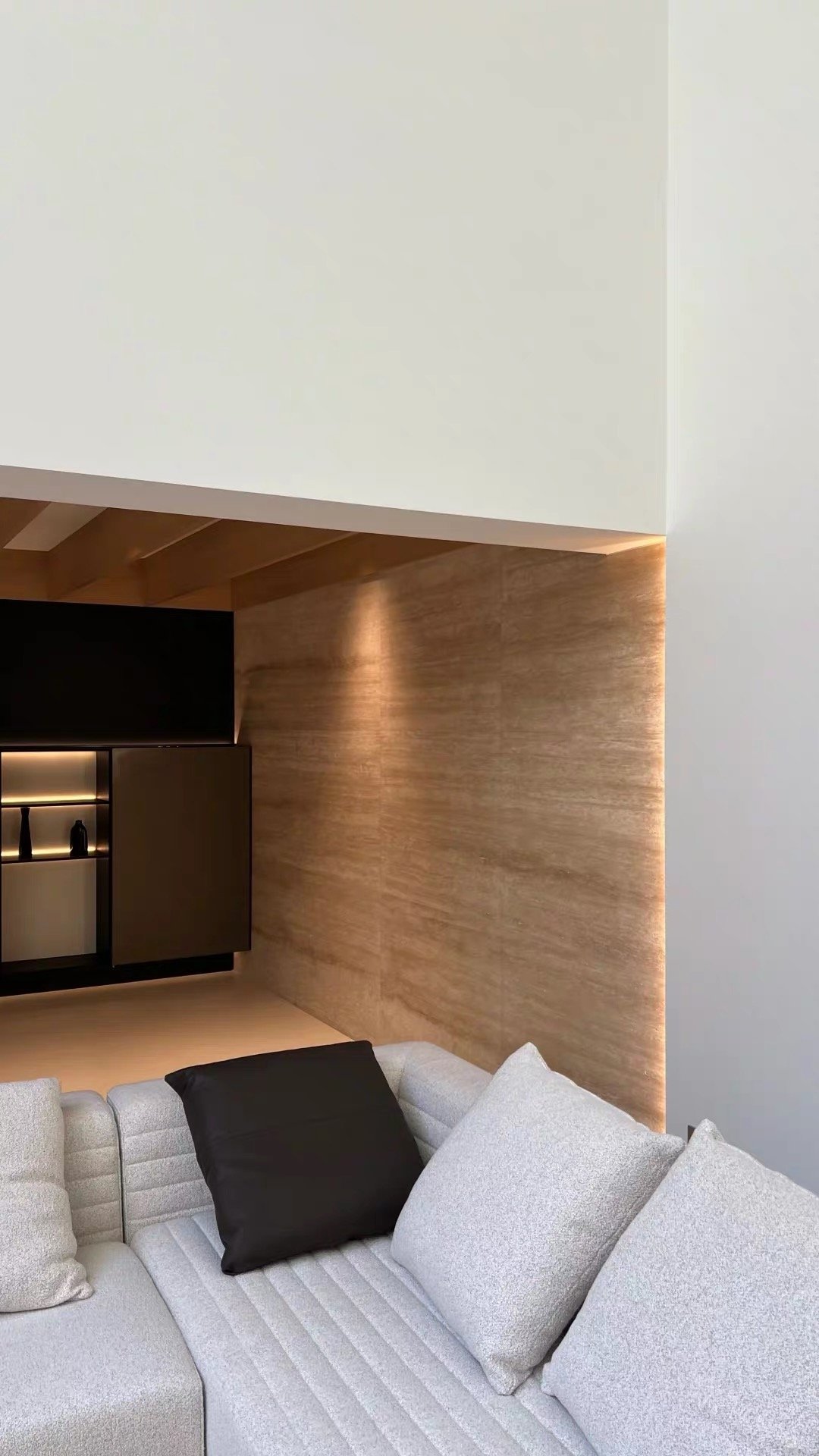
Für Küstenregionen: Anti-Salz- und Feuchtigkeitsbeständigkeit
Salzhaltige Luft korrodiert nicht nur Metall.
Stehen Sie in einem Lagerhaus in Dubai oder Miami, nachdem ein Container angekommen ist. Sie öffnen eine Kiste mit Naturstein-Fassadenverkleidung und entdecken an der Oberfläche eine weiße Kruste – das ist Salz. Es wanderte während der Seereise in die Kapillaren des Steins ein und kristallisierte, als das Panel trocknete. Die Kristalle dehnen sich im Inneren der Poren aus, und innerhalb von zwei Jahreszeiten blättert die Steinfläche in großen Platten ab. Ich habe diesen Ausfall bei einem 540-qm-Resort-Projekt auf den Malediven dokumentiert. Der Importeur ersetzte die gesamte Fassade auf eigene Kosten, weil das Datenblatt seines vorherigen Lieferanten keinerlei Hinweis auf die Wasseraufnahme enthielt.
Küstenaufsicht hat nicht zuerst mit Ästhetik zu tun. Es geht um eine einzige Kennzahl: <0.5% Wasseraufnahme. Wenn ein Paneel mehr als die Hälfte eines Prozents seines Gewichts an Wasser aufnimmt, dringt Salz ein. Punkt. Die bei JMS Decor hergestellten flexiblen Steinpaneele verwenden einen modifizierten Lehmkomposit mit geschlossenzelliger Struktur. Es gibt kein Kapillarnetzwerk, durch das salzhaltige Feuchtigkeit wandern kann. Das im Kern eingebettete Glasfasernetz erhöht die Zugfestigkeit, bildet aber keine Pfade für Wasser. Wir testen jede Produktionscharge auf Wasseraufnahme, und die interne Qualitäts toleranz erlaubt maximal 0.3%. Alles darüber fällt durch die QC und bleibt im Werk.
-
- Salznebelbeständigkeit: Das Bindemittelsystem – ein vernetztes Acrylcopolymer – hydrolysiert nicht in salzigen Bedingungen. Dies ist keine Oberflächenbeschichtung, die abgewaschen wird. Die gesamte Paneelmatrix widersteht dem Ionenaustausch mit Salznebel.
- UV-stabile 3D-Tintenstrahlschicht: Die bedruckte Texturschicht verwendet anorganische Pigmente, die in einem UV-härtenden Harz eingeschmolzen sind. Bei beschleunigten Tests, die 2.000 Stunden direkter Sonneneinstrahlung in Florida entsprechen, bleibt die Delta-E-Farbdifferenz unter 2,5 – für das Auge nicht wahrnehmbar.
- Keine Metallbefestigungen erforderlich: Die vollständige Klebeanwendung eliminiert das Risiko der galvanischen Korrosion, das man bei mechanischen Clip-Systemen auf Aluminium-Unterkonstruktionen in der Nähe von Salzwasser bekommt.
Ein Fehler, den ich bei neuen Importeuren sehe, ist die Verwechslung von Wasserdichtigkeit mit Dampfdurchlässigkeit. Eine vollständig undurchlässige Membran sperrt Feuchtigkeit dahinter. Kondensat bildet sich im Inneren der Wandhöhle in feuchten Küstenumgebungen, und der Untergrund verrottet. Das flexible Steinpaneel ermöglicht eine Dampfdurchlässigkeit von etwa 120 g/m²/24h. Es ist wasserdicht gegen Regen, der bei 50 m/s Wind getrieben wird, aber es atmet immer noch. Das ist wichtig, wenn man über CMU-Blöcken in Phuket oder Nassau verkleidet, wo die Umgebungsluftfeuchtigkeit ganzjährig über 80% liegt.
Der andere Aspekt, über den niemand spricht, bis es versagt: die Klebstoffbindungslinie. Man kann das richtige Paneel spezifizieren und dann die Installation mit dem falschen Kleber zerstören. Für Küstenprojekte ist ein zweikomponentiger Polyurethan-Kleber, der für kontinuierliche Eintauchung geeignet ist, zwingend erforderlich. Kein Baukitt. Kein Silikon. JMS Decor liefert seinen eigenen abgestimmten Kleber mit Küstenbestellungen – formuliert, um die Schälfestigkeit nach 28 Tagen Salzwasser-Eintauchung bei 40°C über 1,5 N/mm² zu erhalten.
Der Frachtvorteil schließt den Deal für Inseldaufträge ab. Ein 20GP-Container mit flexiblen Steinpaneelen deckt etwa 3.870 Quadratmeter ab. Dieselbe Quadratmeterzahl aus natürlichem Quarzitfurnier würde drei Container und ein Gewicht von über 78 Tonnen erfordern. Allein die Frachtdifferenz – besonders auf Routen nach Suva, Port Louis oder Male – kann mehr als 40% der gesamten gelandeten Kosten betragen. Ein Importeur auf Zypern wechselte von 12 mm Kalksteinfurnier zu 3 mm flexiblen Travertin-Paneelen und reduzierte seine FOB-Preisgestaltung pro Projekt um eine ausreichende Marge, um drei lokale Wettbewerber unterbieten zu können.
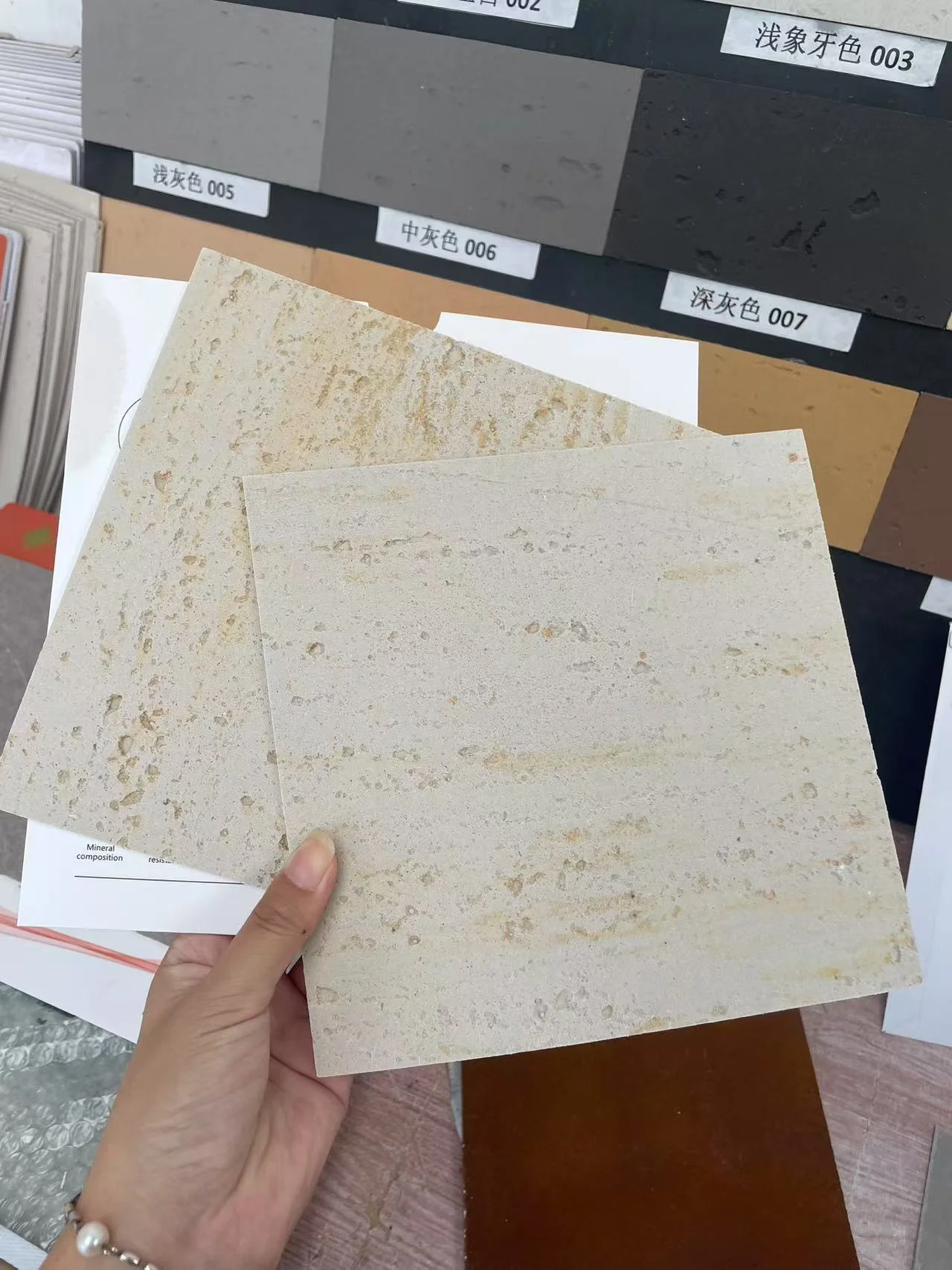
Für kalte Klimazonen: Keine Risse bei -40°C
Ein flexibler Träger allein rettet Sie bei -40°C nicht.
Die meisten Händler gehen davon aus, dass jede flexible Steinverkleidung Frost-Tau-Zyklen standhält. Diese Annahme kostet Geld. Aufträge aus Sibirien und Alberta sind bereits im ersten Winter gescheitert, weil der Lieferant einen Standard-Polymerbindemittel verwendete, das sich unter -20°C versteift. Das Glasfasergewebe ist nicht der Zaubertrick; entscheidend ist, wie das Harz und das anorganische Bindemittel formuliert sind, um auch bei tiefen Temperaturen elastisch zu bleiben.
Eine echte frostbeständige flexible Steinverkleidung hält nicht nur einem einzelnen Kälteeinbruch stand. Sie übersteht 300+ Zyklen aus Wasserbenetzung bei Raumtemperatur, schnellem Gefrieren bei -40°C und anschließendem Auftauen – ohne Oberflächenabplatzungen oder Delaminierung. Interne Anpassungen: Das F&D-Team justiert für Projekte in russischen, kanadischen, oder nordischen Märkten das Acryl-Polymer-Verhältnis und die Vernetzungsdichte. Die getesteten Paneele weisen eine Wasseraufnahme von <0,51 % auf (TP3T-Methode), was bedeutet, dass kaum Feuchtigkeit im Material verbleibt, die sich ausdehnen und die Steinfläche zum Riss bringen könnte.
-
- Erforderlicher Testnachweis: Fordern Sie einen Frost-Tau-Testbericht nach ASTM C666 oder GB/T 3810.11 an. Ein generisches ‘CE-zertifiziert’ belegt keine Kältebeständigkeit.
- Mustervalidierung: Bestellen Sie ein 20×20-cm-Muster und simulieren Sie einen Haushaltsgefrierschrank-Test: 4 Stunden wässern, 12 Stunden bei -25°C einfrieren, auftauen, 5-mal wiederholen. Risse oder Erweichung = Charge ablehnen.
- Offenlegung der Formel: Seriöse Hersteller bestätigen die Polymermodifikation für kalte Zonen. Wenn sie nicht erklären können, welche Änderungen vorgenommen werden, versenden sie dasselbe Produkt nach Dubai und Nowosibirsk.
Der Versand von Containern in kalte Klimazonen fügt eine weitere Ebene hinzu: Einige Paneele verhartern während des Transports im Winter. Der angepasste Bindemittel reduziert dies, aber ich empfehle dennoch isolierte Containerlaken für Lieferungen von Dezember bis Februar. Ihre Landsenkosten werden leicht steigen, aber das ist nichts im Vergleich zu einer Neubeschaffung ($50K), weil die erste Charge brüchig ankam und der Bauleiter sie vor Ort zurückwies.
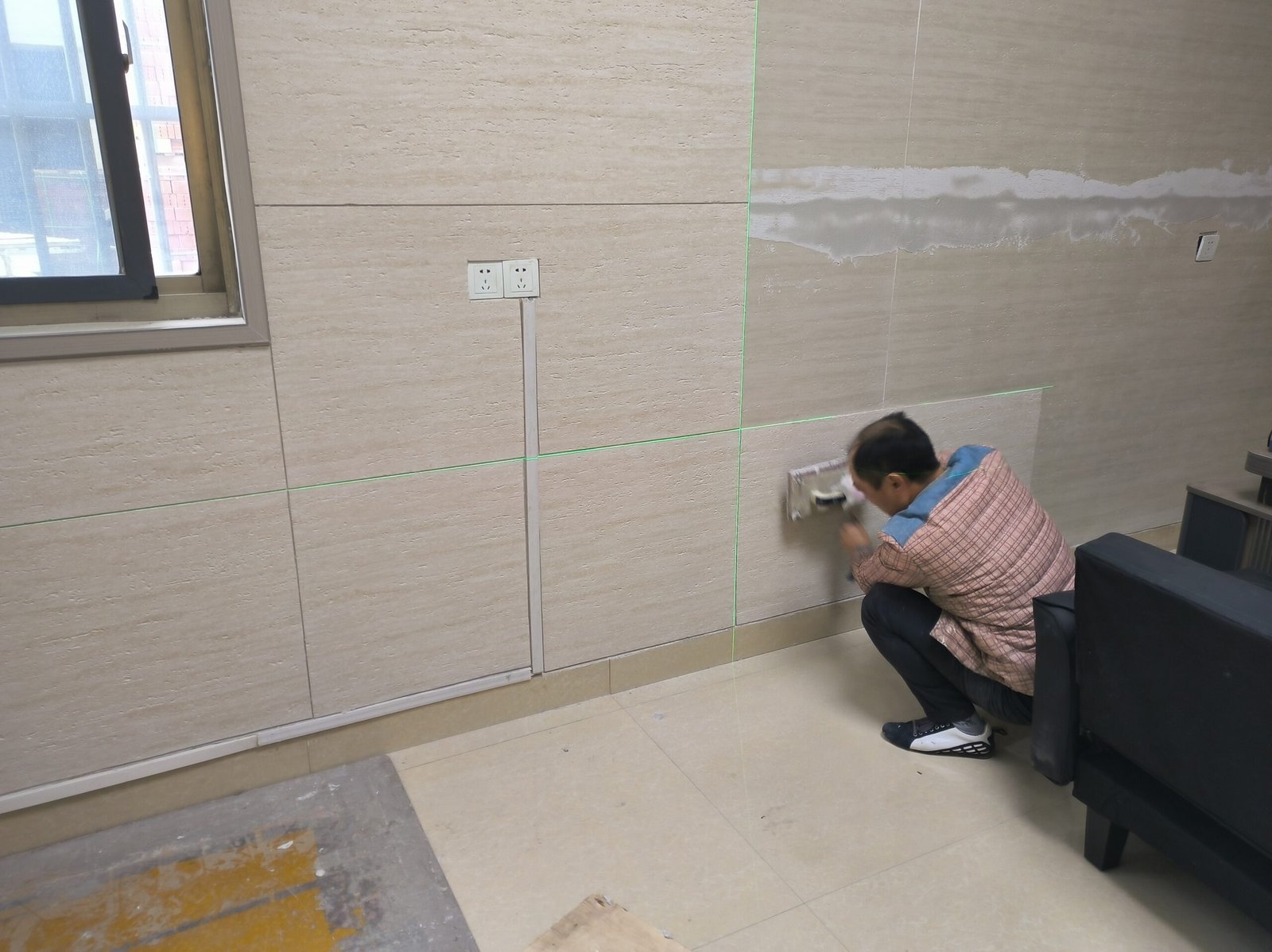
Für heiße, trockene Klimazonen: UV- und Hitzeresistenz
Oberflächen-UV-Beschichtungen blättern ab.
In heißen, trockenen Klimazonen – denken Sie an Dubai, Riad oder Phoenix – ist die Fehlerursache nicht Rissbildung. Vielmehr kommt es zu Farbveränderungen. Standard-Paneele aus flexiblem Stein mit oberflächlich aufgebrachter UV-Beschichtung sehen 12–18 Monate gut aus, entwickeln dann aber eine kreidige, ausgebleichte Deckschicht. Die Sonne dringt durch die Klarschicht, greift das darunterliegende Pigment an, und Sie bleiben mit einer fleckigen Fassade zurück, die wie eine ‘billige Renovierung’ aussieht. Das ist ein Reklamationsservice, den Sie nicht wünschen, wenn Sie einen Hotelbesitzer oder Facility Manager eines Einkaufszentrums haben.
Die Lösung ist keine dickere Klarschicht. Stattdessen wird der UV-Schutz in die Dekorschicht selbst integriert. Die 3D-Inkjet-Drucklinie von JMS Decor injiziert UV-Inhibitoren direkt in die keramikbasierten Druckfarben während des Druckzyklus gegeben. Die Inhibitoren werden Teil der ausgehärteten Farbstruktur und bilden keinen opfernden Schutzfilm auf der Oberfläche. Das ist entscheidend, wenn die Umgebungstemperaturen 50°C erreichen und die Paneel-Oberflächentemperaturen 80°C überschreiten – Bedingungen, die ein Abplatzen jedes aufgesprühten Schutzbelags beschleunigen.
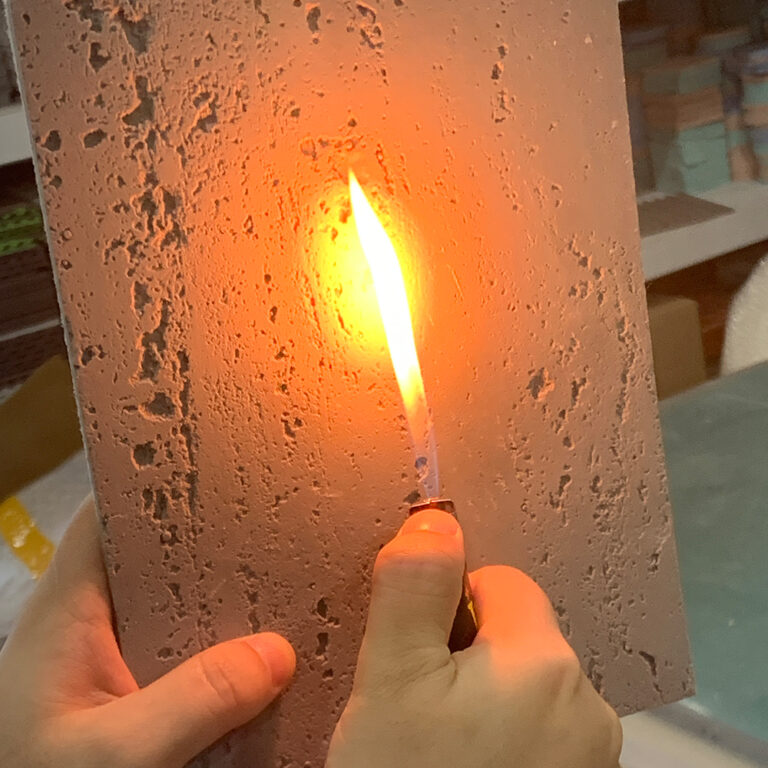
Production-wise, applies inline 3D printing decorative textures (travertine, marble grain, rammed earth) at 70 m² per hour per machine, UV-inhibited ink ratios calibrated by density. Darker colors receive higher inhibitor load because they absorb more thermal energy. The ink formulation has been validated through accelerated QUV-Weathering retains Delta-E-Farbverschiebung unter 2,0 nach 1.000 Stunden – vergleichbar mit hochwertigen architektonischen Beschichtungen. Dies ist keine reine Labordaten; an einer Südwand installierte Paneele in Al Ain, UAE, zeigten nach drei vollständigen Sommersaisons keine optisch sichtbare Verblassung, bestätigt bei einer routinemäßigen Lieferantenprüfung.
-
- In den Druckfarbe eingebetteter vs. Oberflächen-Belag UV-Schutz: Oberflächen-Beläge sind 20–40 µm dick und werden bei Behandlung und Montage abgetragen. Eingebettete Inhibitoren erhalten ihre Funktion über die Drucktiefe (bis zu 2 mm Farbdurchdringung in der modifizierten Tonbasis).
- Wärme-reflektierende Synergie: Mittel- und hell-beige Travertin-Muster reflektieren natürlicherweise mehr Sonnenstrahlung. Kombiniert mit UV-inhibierten Druckfarben kann die Reduktion der Kühllast an Außenwänden zu einem Rückgang der Hohlwandtemperatur um 5–8 °C führen, basierend auf Wärmebildkamera- Prüfstand-Kammern.
- Langfristige Farbstabilitätsgarantie: Bei B2B-Großbestellungen über 1.000 m² für aride Zonen kann die Standard-Pigmentgarantie auf 10 Jahre verlängert werden, wenn bei Bestellungsklärung die klimaangepasste Druckformel spezifiziert wird – ohne zusätzliche Kosten, lediglich mit dokumentierter Produktions Charge.
Ein Wort zu billigen Alternativen: Wenn ein flexibler Steinpaneel-Lieferant Hitze-Aridität anbietet, aber nur einen UV-Spray-Prüfbericht zeigt, fragen Sie, wo der Inhibitor sitzt. Wenn es nur eine Oberflächenschicht ist, planen Sie alle 24–36 Monate eine Neubeschichtung ein. Die Kosten pro Quadratmeter könnten auf FOB-Preisbasis 15 % niedriger aussehen, doch die Wartungsbelastung frisst die Marge. Für Großhändler und Projektentwickler ist die Spezifikation von in die Druckfarbe eingebettetem UV-Schutz bereits bei der Musterfreigabe der einzige Weg, Farbperformance zu sichern, ohne wiederkehrende Wartungsklauseln in den Vertrag aufzunehmen.
Der Klimaanpassungsservice von JMS Decor
Standardpaneele versagen bereits nach 18 Monaten.
Hier ist, was die meisten Importeure nicht fragen: ‘Passt eure Bindemittel-Formulierung an den Ziellandmarkt an?’ Bei JMS Decor entscheidet diese Antwort darüber, ob ein Paneel den ersten Winter übersteht oder sich bereits vor Ablauf der Gewährleistungsfrist des Auftragnehmers ablöst. Das Modifizierte Lehmmaterial – MCM-Stein – kann abgestimmt werden. Das Verhältnis von Harz zu anorganischem Gel, der Aushärtungszyklus und selbst die Glasfasernetzdichte verändern sich je nachdem, ob die Lieferung nach Dschidda oder Calgary geht. Als ein Händler in Edmonton nach zwei Wintern auf einer 1.200 m² großen Hotel-Fassade keine Reklamationen verzeichnen musste, war das kein Zufall. Die Paneele verfügten über eine Bindemittel-Mischung, die auch bei -40 °C elastisch bleibt.
Unser interner Qualitätsstandard verlangt für jedes neue Projekt ab 500 m² eine klimabezogene 6-stufige Bewertung. Schritt 1 besteht darin, die 10-jährige Wettergeschichte des Standorts zu dokumentieren – Höchst-/Tiefsttemperaturen, jährlicher UV-Index sowie, Salznebelbelastung bei Küstenstandorten. Schritt 2 ordnet diese Datenpunkte einem von vier Formulierungsprofilen zu. Dies ist keine Theorie. Paneele haben im Drittlandertest 300 Freeze-Thaw-Zyklen ohne Oberflächenrisse oder Delamination bestanden. Im Vergleich dazu zeigen massenproduzierte MCM-Paneele von Fabriken mit einer einzigen Universalformulierung Rissbildungen typischerweise bereits um den 60. bis 80. Zyklus bei Installationen in Nordeuropa.
-
-
- Zielklima: Golf-Kooperationsrat (GKR) – 55 °C Oberflächentemperatur, UV-Index 11+.
- Bindemittel-Anpassung: Höheres anorganisches Gel-Verhältnis für thermische Stabilität. Standard-Harzgehalt reduziert, um ein Erweichen unter direkter Sonneneinstrahlung zu vermeiden.
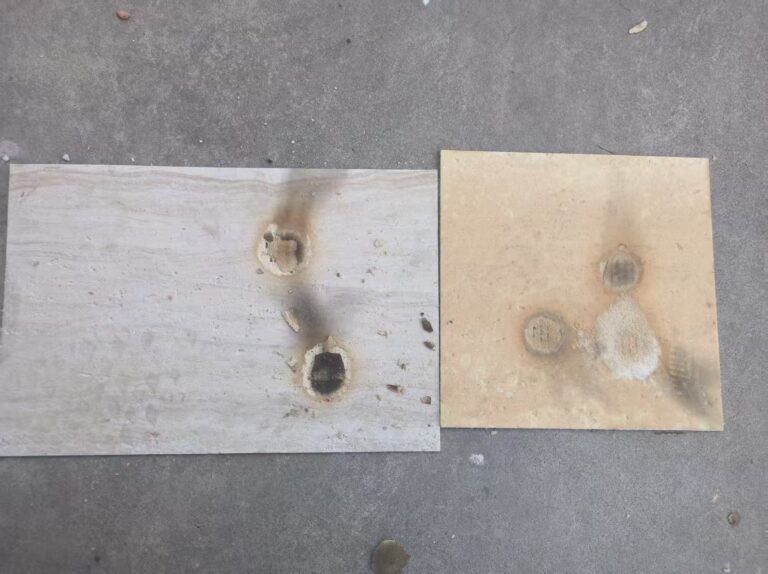
- Validierungsbereich: Getestet gemäß ASTM E84; die brandschutztechnische Einstufung Klasse A bleibt auch bei erhöhten Bindemitteltemperaturen erhalten.
-
Für Insel- und Küstenprojekte — denken Sie an Mauritius, Zypern oder Karibik-Resorts — rückt die Gefahr von Salzkriechen und konstanter Luftfeuchtigkeit in den Vordergrund. Hier zählt die Wasserabsorption als Ausgangswert. Das Datenblatt führt <0,51 % auf, doch maßgeblich ist die Absorption nach 90 Tagen Salznebel-Bewitterung. Genau hier leistet der Polymerverschluss in der Oberflächenbeschichtung Schwerstarbeit. Flexibler Stein für Küstengebiete sollte über eine nachträgliche Versiegelung nach der Formgebung verfügen, nicht nur über einen reinen Oberflächenspray. Fragen Sie Ihren Lieferanten, ob die Versiegelung während der Aushärtungsphase integriert oder lediglich oberflächlich aufgetragen wird. Oberflächenversiegelungen halten unter Salznebelbelastung. Integrierte Versiegelungen halten länger.
-
- Frost-Tau-Zonen: Russland, Kanada, Skandinavien. Zusätzlicher Weichmacher im Bindemittel. 300-Zyklen-Validierung. Keine spröde Bruchgefahr bei –40 °C. Glasfasergewebe von Standard 80 g/m² auf 120 g/m² aufgewertet für Zugfestigkeitserhalt nach wiederholter Eis expansie.
- Heiße, aride Klimazonen: Saudi-Arabien, VAE, Nordafrika. UV-Inhibitoren in der 3D- Inkjet-Druckschicht. Inkapselungstechnologie der Farbe verhindert Ausbleichen — die UV-Beständigkeit herkömmlicher Outdoor-Panele aus flexiblem Stein ist hier nicht verhandelbar. Erwarten Sie nach 2.000 Stunden beschleunigter Bewitterung (QUV) eine Farbverschiebung Delta-E unter 3,0.
- Tropisches Monsunklima: Südostasien, äquatoriales Afrika. Höhere Schimmelresistenz im Bindemittel. Wasserabsorption wird bei 30 °C Wasser浸入 getestet, nicht nur bei Raumtemperatur — warmes Wasser dringt schneller ein.
Ein praktischer Hinweis für Einkaufsleiter: Klimaanpassung verdoppelt nicht die Kosten pro Quadratmeter. Die Formulierungsanpassung schlägt mit typischerweise 8–12 % Aufpreis zum FOB-Preis zu Buche. Bei einem 20′-GP-Container — das sind rund 3.870 m² Kleinstpaneele bei 3 mm Stärke — kaufen Sie sich mit diesem Aufpreis ein Produkt, das in Jahr zwei keine Garantieansprüche auslöst. Ein Händler in Hamburg übernahm einen Austauschkosten von 23.000 €, weil die ‘universellen’ Paneele seines Vorlieferanten nach einem Nordsee-Winter abbröckelten. Die Rechnung bei klimaspezifischer Beschaffung ist einfach: Der Aufpreis rechnet sich, wenn er ein fehlgeschlagenes Projekt verhindert.
Die Fabrik versendet zudem den passenden Kleber und Fugenversiegelungsmittel. Klingt klein, doch ein klimatisiertes Paneel, das mit herkömmlichem contractor-grade Mörtel installiert wird, scheitert trotzdem. Der Kleber muss den Wärmeausdehnungskoeffizienten des Paneeles widerspiegeln. Das Versiegelungsmittel benötigt dieselbe UV-Stabilisator-Formula wie die Oberflächenbeschichtung. Wenn ein Käufer das Komplettsystem — Paneel, Kleber, Dichtung — spezifiziert, kann die Fabrik eine einzelne Leistungsgarantie für die gesamte Montage issuing. Die meisten Importeure übersehen dies. Sie verhandeln hart über den Paneele-Preis, übergeben das Projekt dann aber einem lokalen Handwerker, der den günstigsten Kleber aus dem Baumarkt verwendet. So bekommt ein gutes Paneel einen schlechten Ruf.
Schlussfolgerung
Ein Versagen bei der Installation flexiblen Steins resultiert selten aus einer einzelnen schlechten Charge. Es entsteht, wenn ein für trockenes Binnenklima entwickeltes Paneel ohne Bindemittel-Anpassung in eine küstennahe Frost-Tau-Zone importiert wird. Das Datenblatt sieht identisch aus, doch die Leistungsunterschiede zeigen sich erst zwei Winter später, wenn sich Haarrisse ausbreiten. Deshalb muss die Musterabnahme klimaspezifische Belastungstests beinhalten, nicht nur einen schnellen Farb- und Texturabgleich.
Bevor Sie Ihre nächste Sendung festlegen, setzen Sie eine Qualitäts-Toleranz, um die kein Lieferant herumschwätzen kann: Wasserabsorption unter 0,51 % und dokumentierte Beständigkeit gegenüber 300 Frost-Tau-Zyklen. Dieser Richtwert ist nicht willkürlich. Er markiert den Punkt, an dem innere Mikrofrakturen dormant bleiben und Garantieansprüche steil abfallen. Fordern Sie den Prüfbericht an. Vergleichen Sie den FOB-Preis erst, nachdem die Fabrik diese Hürde genommen hat.
Häufig gestellte Fragen
Funktionieren flexible Steinpaneele auch in kalten Klimazonen?
Ja, das flexible Verbundrückmaterial verhindert Rissbildung bei Frost-Tau-Zyklen. Eine Wasseraufnahme von unter 0,51 TP3T stoppt interne Eisschäden. Fordern Sie einen Frost-Tau-Testbericht für Ihre Region an.
Können sie der salzhaltigen Meeresluft standhalten?
Küsteninstallationen benötigen UV-beständige Beschichtungen und Salznebel-Resistenz. Paneele mit einer Wasserabsorption von <0,51 % vermeiden Schäden durch Salzkristalle. Spezifizieren Sie marine-grade Beschichtung und fordern Sie Salzsprüh-Testdaten an.
Wie verhindern Sie Verblassen unter intensiver Wüsten-UV-Strahlung?
Verwenden Sie 3D-inkjetbedruckte Paneele mit UV-Inhibitoren für intensive Wüstensonne. Standardpaneele sind zwar ebenfalls UV-beständig, doch in hoch-UV-Zonen sind verstärkte Outdoor-grade Beschichtungen erforderlich. Bestätigen Sie vor der Bestellung das QUV-beschleunigte Alterungsergebnis des Paneeles.
Kann die Plattendicke an das Klima angepasst werden?
Ja, die Dicke kann von 3 mm bis 8 mm angepasst werden, um regionale Anforderungen wie zusätzliche Wärmedämmung oder Schlagzähigkeit zu erfüllen. Teilen Sie uns Ihre lokalen Klimadaten mit, damit wir die Zusammensetzung und Dicke anpassen können.