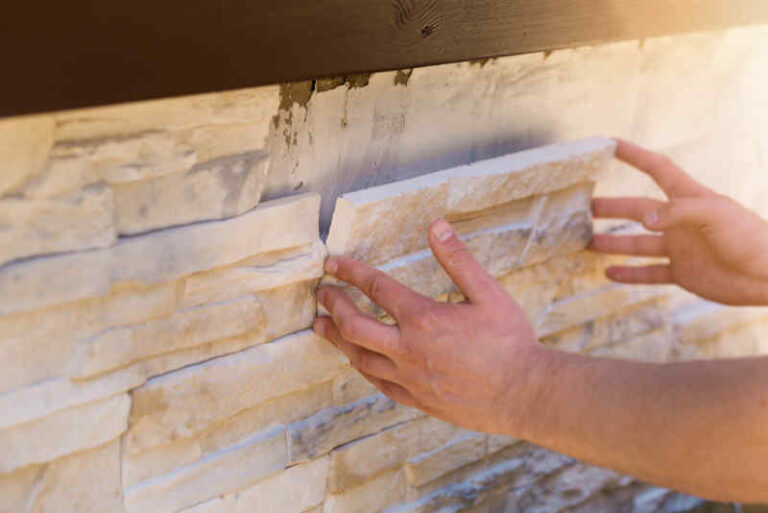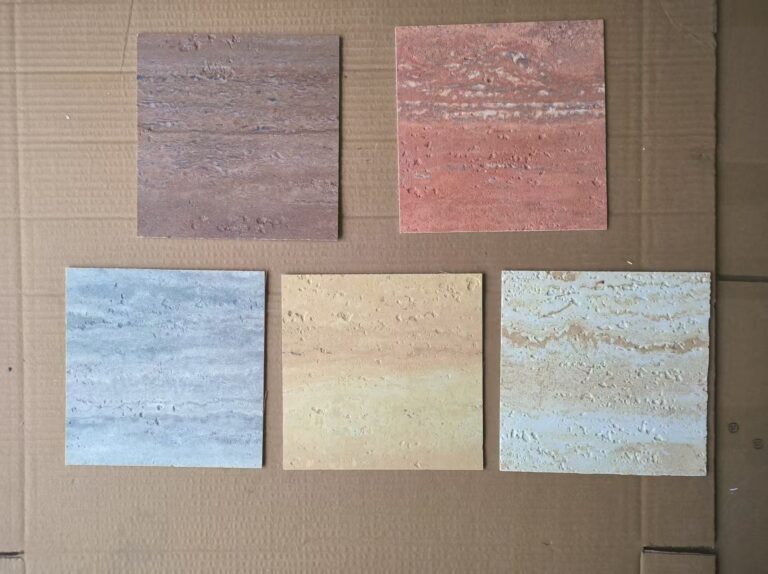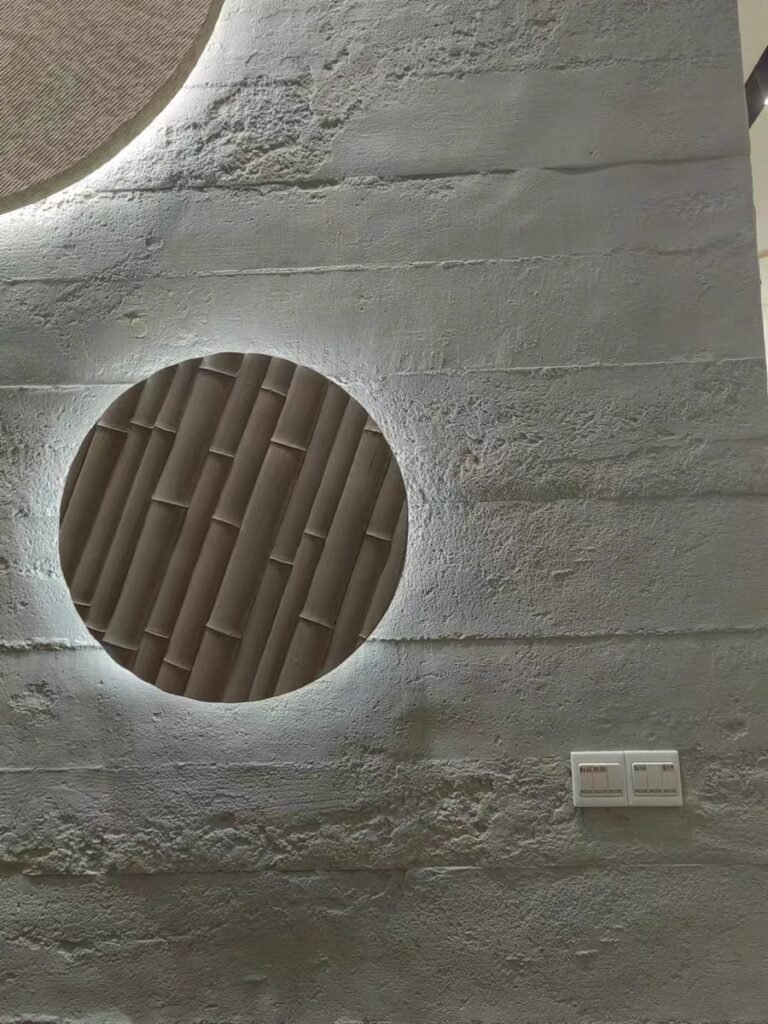
Die Mengenberechnung für flexibles Steinmaterial ist die erste Hürde, die Käufer entschlossen meistern müssen, bevor sie einen Lieferanten, ein Budget oder einen Produktionszeitraum freigeben. Flexible Stone Quantity Calculation: Avoid Gaps & Loss is the first checkpoint buyers should lock before they approve a supplier, budget, or production slot. Jeder Leitfaden zur Berechnung der benötigten flexiblen Steinplatten beginnt mit demselben Rat: Wand messen, durch 0,72 teilen und 10 bis 15 % Verschnitt hinzufügen. Diese Rechnung funktioniert auf dem Papier. Für einen Einkaufsleiter, der einen Container auf See hat und einer Projektfrist von nur drei Wochen gegenübersteht, ist sie der schnellste Weg zu einer marginstrafenden Versorgungslücke.
Ein Contractor in Riad wurde bei einer Bestellung über 1.000 m² exakt auf diese Weise schmerzhaft überrascht. Die Probe vor Serienproduktion wies eine präzise Farbgleichmäßigkeit und eine Toleranz der Paneeldicke Abweichung von ±0,5 mm auf. Die Massenproduktion traf mit einer Variation von 2 mm, sichtbaren Fugenlücken und einem Farbstich ein, der aus einer Fünf-Sterne-Lobby eine flickenteppichartige Renovierung machte. Die Flächenberechnung war perfekt. Die Probenabnahme war nicht mit verbindlichen Qualitäts toleranzen im Kaufvertrag verknüpft. FOB-Preise halfen nicht, wenn die Hälfte der Platten nicht nebeneinander verlegt werden konnte.
Die echte Menge, die Sie verbindlich festlegen müssen, sind nicht einfach Quadratmeter. Es ist die Anzahl der Platten aus einer einzigen Produktionscharge, die Abstimmung zwischen Proben- und Produktionsspezifikation sowie ein Verschnittfaktor, der das Sortieren vor Ort berücksichtigt — denn wenn eine Palette mit 5 bis 10 % optischen Mängeln ankommt, verschwindet Ihr 10-bis-15-prozentiger Puffer, bevor der erste Klebstofftubus geöffnet wird. Das ist die Lücke zwischen einer Papierberechnung und einer landseitigen Kostenkalkulation, die ein Projekt profitabel macht.
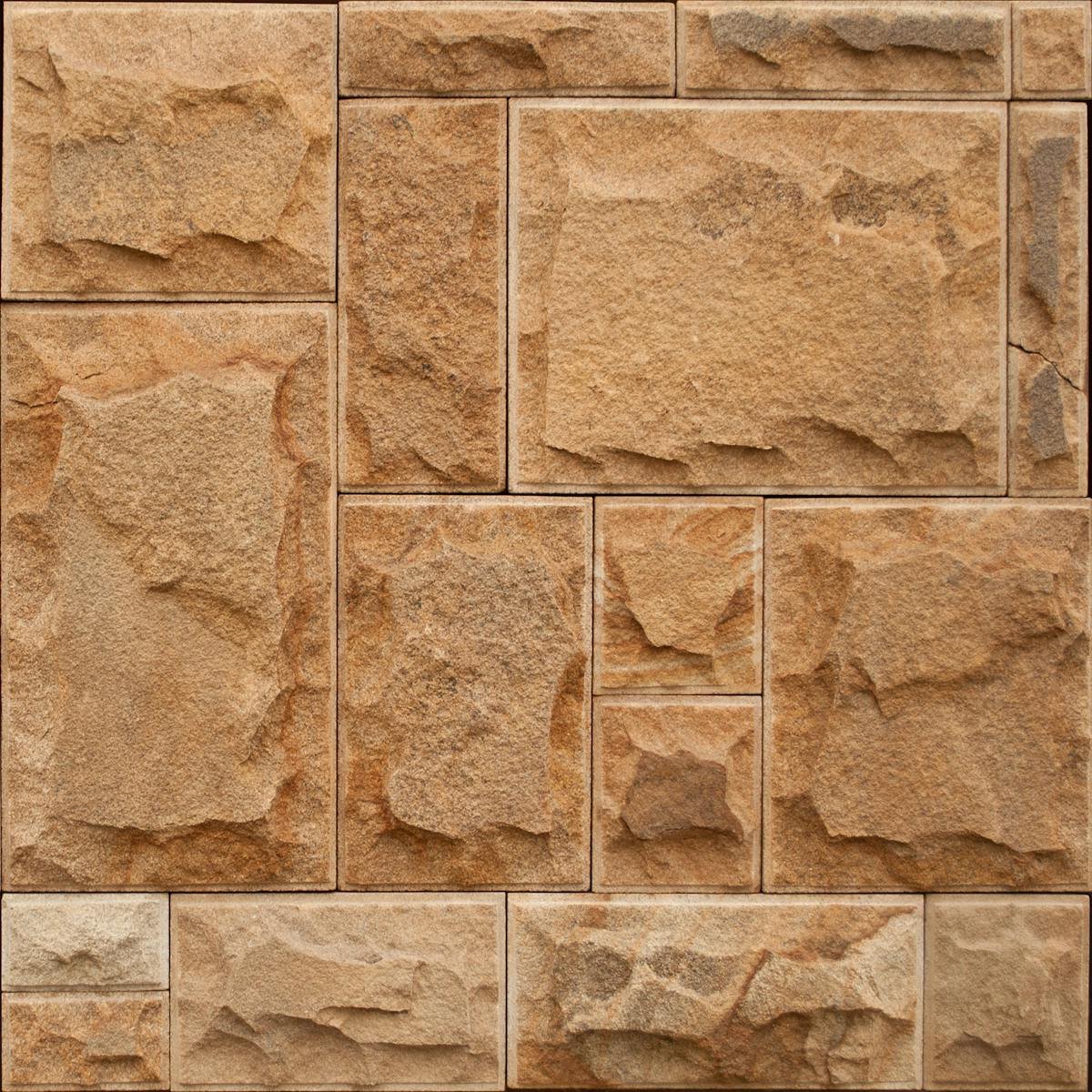
Wandfläche messen
Eine Unterzählung um 50 m² bei einem 500-m²-Hotelprojekt bedeutet 25 m² Platten, die zum Dreifachen des Normalpreises per Luftfracht nachgereicht werden müssen.
Starten Sie mit einem sauberen Grundriss oder einer physischen Maßnahme. Multiplizieren Sie für jede Wand die Länge mit der Höhe. Wenn eine Wand unregelmäßige Abschnitte aufweist, teilen Sie sie in Rechtecke auf und addieren Sie die Gesamtwerte. Rundeln Sie nicht ab — messen Sie stets millimetergenau und rechnen Sie genau in Quadratmeter um. Ein Einkaufsleiter, mit dem ich zusammengearbeitet habe, verlor 2.300 US-Dollar an Expressfracht, weil sein Monteure eine 4,2 m hohe Wand auf den ersten Blick als 4 m einschätzte.
Subtrahieren Sie feste Öffnungen: Türen, Fenster, eingebaute Schränke und alle Bereiche, die keine Verkleidung erhalten. Eine Standard-Einzeltür zieht etwa 2,0 m² ab; eine Doppeltür 4,0 m². Fenster variieren stärker — berechnen Sie jedes einzeln. Wer ein 1,2 × 1,5 m großes Fenster vergisst, hat 1,8 m² tote Bestände, die monatelang im Lager liegen.
- Hochfenster von Boden bis Decke: Behalten Sie sie als Öffnung von Boden bis Decke im Blick. Vergessen Sie nicht, auch den Abstand über dem Rahmen abzuziehen, wenn die Verkleidung an der Schwelle endet.
- Türschwellen: Wenn die Platten in die Gewände gezogen werden, ist die nutzbare Öffnung kleiner. Messen Sie die fertige Öffnung nach der Rahmeninstallation, nicht die Rohöffnung.
- Nicht-rechteckige Grundrisse: Skizzieren Sie jede Wand auf einem Raster. Messen Sie jedes Segment einzeln und summieren Sie es. Eine Fehlberechnung um 3 m² bei einer gebogenen Fassade kann schnell 20 verschwendete Platten bedeuten.
Plattenformat bestimmen
Eine Dickenvariation von 5 mm zwischen Muster und Serienproduktion ist der Unterschied zwischen einer profitablen Sendung und gebundenem Lagerbestand.
Die Freigabe des Vorabproduktionsmusters ist keine Bürokratie – sie ist der Vertrag zwischen Käufer und Fabrik. Ich habe erlebt, dass eine Container-Mischladung von $50.000 flexiblen Travertin-Panels zu einem Streit führte, weil die Strukturtiefe bei der Massenproduktion 3 mm betrug, nicht die im 20 × 20 cm großen Muster gezeigten 5 mm. Die vereinbarte Qualitäts toleranz lag bei ±1 mm. Dieser Widerspruch hat die ästhetische Spezifikation des Projekts zunichte gemacht und den Käufer hat die Kosten getragen. Bei der Mengenkalkulation ist die Plattenstärke nicht nur eine Zahl – sie bestimmt Ihren Zuschnittplan, Ihre Containerbeladung und letztlich Ihre bezogene Marge.
Der Branchenstandard ist 1200 mm × 600 mm. Bei 0,72 Quadratmetern pro Sheet fasst ein Europalette 16 Kartons, jeweils mit 16 Platten – insgesamt 224 Stück oder 161,28 m². Ein 20-Fuß-Container lädt 24 solcher Paletten (rund 3.871 m²), wenn die Strukturtiefe durchschnittlich 3 mm beträgt. Schwerere Texturen wie Stampflehm verbrauchen schneller Platz; bei jedem zusätzlichen Millimeter Relief verlieren Sie etwa 8% an Fassungsvermögen.
Für große Kommerzflächen ändert das große Board 1200 mm × 2900 mm die Rechnung. Eine Planele deckt 3,48 m², und 50 Platten passen in einen Export-Holzkasten – 14,5 kg pro Board. Ab Werk am Hafen (FOB) fällt der Preis pro m² typischerweise um 12–15% gegenüber dem Standard-Kleinpanel aus, weil pro Container weniger Einzelteile behandelt werden. Die eigentliche Ersparnis liegt vor Ort: Weniger Fugen bedeuten 30% weniger Arbeitszeit für die Fugenveredelung, und Sie vermeiden die Ausrichtungsschwierigkeiten, die mit kleinformatigen layouts einhergehen.
- Standard (1200 × 600 mm): 0,72 m² pro Sheet, 3,5 kg Gewicht. Ideal für Mehrzimmer-Ausstattungen, Distributionssortimente und Projekte mit vielen Zuschnitten um Öffnungen. Palettierung vereinfacht die Lagerhaltung.
- Großes Board (1200 × 2900 mm): 3,48 m² pro Sheet, 14,5 kg Gewicht. Nutzen Sie es für nahtlose Akzentwände, Hotellobelies oder Außenverkleidungen, bei denen die Minimierung horizontaler Fugen entscheidend ist. Sonderlängen bis 3000 mm verfügbar.
- Sonderzuschnitte: Für Großhändler, die modulare Bauträger beliefern, können Platten bereits im Werk auf 600 × 300 mm oder andere Maßangaben vorgeschnitten werden. Das eliminiert Schnittabfall vor Ort und macht Ihr SKU zu einem schlüsselfertigen Supply-Angebot.
Die letzte 10%, die eine kosteneffizient optimierte Bestellung von einer Laientarierung unterscheidet: Standard- und Großplatten im gleichen Container mischen. Stellen Sie 4 Holzkästen mit Großplatten neben 12–14 Paletten mit Kleinplatten. Sie erreichen so etwa 2.800–3.200 m² in einem 20GP, maximieren das Container-Volumen und bieten Ihrem lokalen Lager ein vollständiges Produktsortiment für sowohl Retail- als auch Projektkunden. Das ist die Art von Beladungsplan, den Ihr Spediteur nicht von sich aus vorschlägt – dafür wird sich Ihre Marge bedanken.
| Panel-Typ | Abmessungen (mm) | Deckung pro Sheet (m²) | Stück pro Karton |
|---|---|---|---|
| Standard Steinpanel | 1200 × 600 | 0.72 | 16 (1 Karton = 1,152 m²) |
| Großformat-Platte | 1200 × 2900 | 3.48 | 50 Belege pro Holzkiste |
| Ziegeloptik-Paneel | 60 × 225 | 0,0135 pro Ziegel | Individuelle Verpackung – variiert je nach Bestellung |
Ausschuss berücksichtigen
Der Ausschussfaktor ist keine Schätzung — er ist ein positionierter Verbrauchswert in der Stückliste.
Nach der Quadratmeter-Berechnung stellt sich in jeder Einkaufstabelle die nächste Frage, die oft untergeht: Wie viele zusätzliche Panele bezahle ich, die am Ende im Müll landen? Die Antwort liegt irgendwo zwischen 10 und 15 %, je nachdem, was die Wand vom Monteur verlangt. Ein 1,2 m × 0,6 m Paneel bietet rechnerisch 0,72 m² Abdeckung. Vor Ort wird diese gleiche 0,72 m² durch Fensterlaibungen, unregelmäßige Ecken und die simple Tatsache verbraucht, dass 600 mm nicht immer ganzzahlig in die Raumbreite passen.
Bei einer flachen, rechteckigen Wand ohne größere Durchbrüche als einen Lichtschalter empfiehlt sich ein Ausschuss von 10 %. Dieser Wert ist in den meisten FOB-Preismitteln von Zweitrang-Anbietern einkalkuliert, da er den Reststücken von der Standard-1,2-m-Banklänge entspricht. Wenn das Team ein versetztes Verbandmuster mit 1200×600-Paneelen ohne versetzte Fugen verlegt, ist 10 % realistisch genug, um genau diesen Puffer zu buchen, ohne vom Montageteam ausgelacht zu werden. Alles unter 10 % ist eine Schätzung von jemandem, der noch nie einen Karton geöffnet hat.
- Diagonal- / Fischgrätmuster: Rechen Sie mit 15–20 % Ausschuss. Jedes Paneel wird im Winkel geschnitten, sodass der Dreiecksrest meist nicht wiederverwendbar ist. Als europäischer Händler bestellte 900 m² Travertin-Textur-Paneele in 45°-Chevron-Muster; die tatsächliche Verbrauchsmenge belief sich auf 1.080 m² — also exakt 20 % über der Netto-Wandfläche.
- Großformatige 1,2 m × 2,9 m Big Boards: Der Ausschuss kann auch bei geraden Wänden auf 15 % steigen, weil ein einziger Fehl Schnitt 3,48 m² kostet. Das ist nicht die Schuld des Produkts — es fehlt die Erfahrung. Wenn das lokale Montageteam noch nie mit einem 2,9 m flexiblen Blech gearbeitet hat, schlagen Sie mindestens 15 % Extra zu und betrachten Sie es als Schulungspuffer.
- Komplizierte Schnitte & Säulenverkleidungen: Bei gekrümmten Wänden und Säulenverkleidungen entstehen 25–30% mehr Abfall. Das Material muss zugeschnitten werden, um den Bogen zu erfüllen, und die Flexibilität bedeutet, dass der Installateur unter Umständen übertrimmen muss, um zu vermeiden, dass das Blatt über seine Qualitätsgrenze hinaus gedehnt wird Qualitätsgrenze. Ein 30%-Abfallfaktor bei einer geschwungenen Akzentwand ist kein Fehler — sondern eine Materialeigenschaft.
Die wirklichen Kosten sind nicht die zusätzlichen 10% auf der ursprünglichen Bestellung. Die wirklichen Kosten entstehen, wenn zu wenig bestellt wird und erst sechs Wochen später festgestellt wird, dass die nächste Charge nicht die Farbnuance der ersten Charge entspricht. Farbstellen wechseln sich ab. Wenn eine Hotelgruppe 5.000 m² für eine phasenweise Renovierung bestellt, ist der Abfallfaktor auch die Versicherungspolie, die dafür sorgt, dass die zweite Lieferung genauso aussieht wie die erste. Wird diese Polare ausgelassen, müssen Sie einem Asset-Manager erklären, warum der Südtrakt etwas wärmer aussieht als der Nordtrakt — ein Gespräch, das weitaus mehr kostet als ein paar zusätzliche Kartons jemals kosten würden.
Rechenbeispiel
Teilen Sie die Gesamtquadratmeter durch 0,72 — und runden Sie immer auf.
Für eine schlichte Wandfläche von 8 m² ist die Rechnung gnadenlos klar: Eine einzelne Standardplatte — 1,2 mal 0,6 Meter — deckt exakt 0,72 m². Teilen Sie 8 durch 0,72 und Sie erhalten 11,11. Kein Lieferant verschickt Bruchplatten, also sind es 12 Platten. Das zusätzliche 0,89-fache ist noch kein Abfall; es ist die minimale Realität von modularen Baustoffen.
Wo die meisten Anfänger-Bestellpunkte fehlschlagen, ist der Fehler, bei 12 zu stoppen. Sie müssen zusätzlich eine Ausschöpfungsquote für Schnitte, Ecken und Musterabgleich einplanen. Die Branchenstandards liegen bei 10 % für gerade Verlegungen — steigern Sie diesen Wert auf 15 %, wenn das Design diagonale Muster aufweist oder die Wand mehrere Öffnungen hat. Bei einem Projekt, das 12 Platten erfordert, bedeutet 10 % ein Bestellvolumen von 14, nicht 13. Rundungsfehler im kleinen Maßstab summieren sich bei Containerladungen gewaltig.
Tipps zur Bestellung
Wenn Sie 3870 m² in einen 20GP-Container verladen, sinkt Ihre Stückfrachtkosten auf einen Bruchteil.
Die MOQ für Lagerware-Muster liegt bei 300 m² pro SKU, aber Neukunden starten oft mit 100 m², um den Markt zu testen. Viele Händler bestellen fälschlicherweise eine einzige Textur in zu großen Mengen.
Container-Konsolidierung verändert die Kostenkalkulation erheblich. Ein 20GP-Container fasst etwa 3870 m² Travertinplatten (1200×600 mm), wenn diese palettiert werden: 16 Stück pro Karton, 14 Kartons pro Palette. Das entspricht 5376 Platten. Wenn Sie große Platten (1200×2900 mm, 50 Stück pro Holzkiste) mischen, optimieren Sie den Laderaum – typischerweise füllen 4 Kisten mit Großplatten plus 12–14 Paletten mit Kleinplatten einen Container ohne verschwendeten Hohlraum.
-
- Die Dicke der Textur spielt eine Rolle: 3D-Profile reichen von 3 mm bis 8 mm Dicke. Eine tiefere Struktur bedeutet weniger Platten pro Karton und weniger Kartons pro Container. Bestätigen Sie stets den genauen Beladeplan für Ihre gewählte Textur.
- Staffelpreise für Großbestellungen: Verhandeln Sie staffelbasierte Rabatte auf Container-Ebene. Sobald Sie 500 m² pro Bestellung überschreiten, amortisiert sich die Rüstkosten des Werks, und Ihr Preis pro Quadratmeter sollte sinken. Bitten Sie um FOB-Preisgestaltung Aufschlüsselungen für 20GP- und 40HQ-Volumina.
- Individualisierte Zuschnitt-Service: Platten können vorab auf Baustellenmaße zugeschnitten werden. Dies reduziert den vor-Ort-Abfall (oft unter 5 %) und ermöglicht bestandsnahe Bestellungen, insbesondere bei Hotelkorridor-Projekten, wo Standardbreiten von 600 mm unnötige Fugen erzwingen.
Ein Einkaufsdirektor, mit dem ich im Nahen Osten zusammenarbeite, passt seine Qualitätskulanzklausel an den genehmigten Vorserien-Probekörper an – alles außerhalb einer Farbdelta von 5 % wird vor dem Verpacken zurückgewiesen. Das ist die Disziplin, die verhindert, dass eine Bestellung über 300 m² in eine Gutschrift umschlägt.
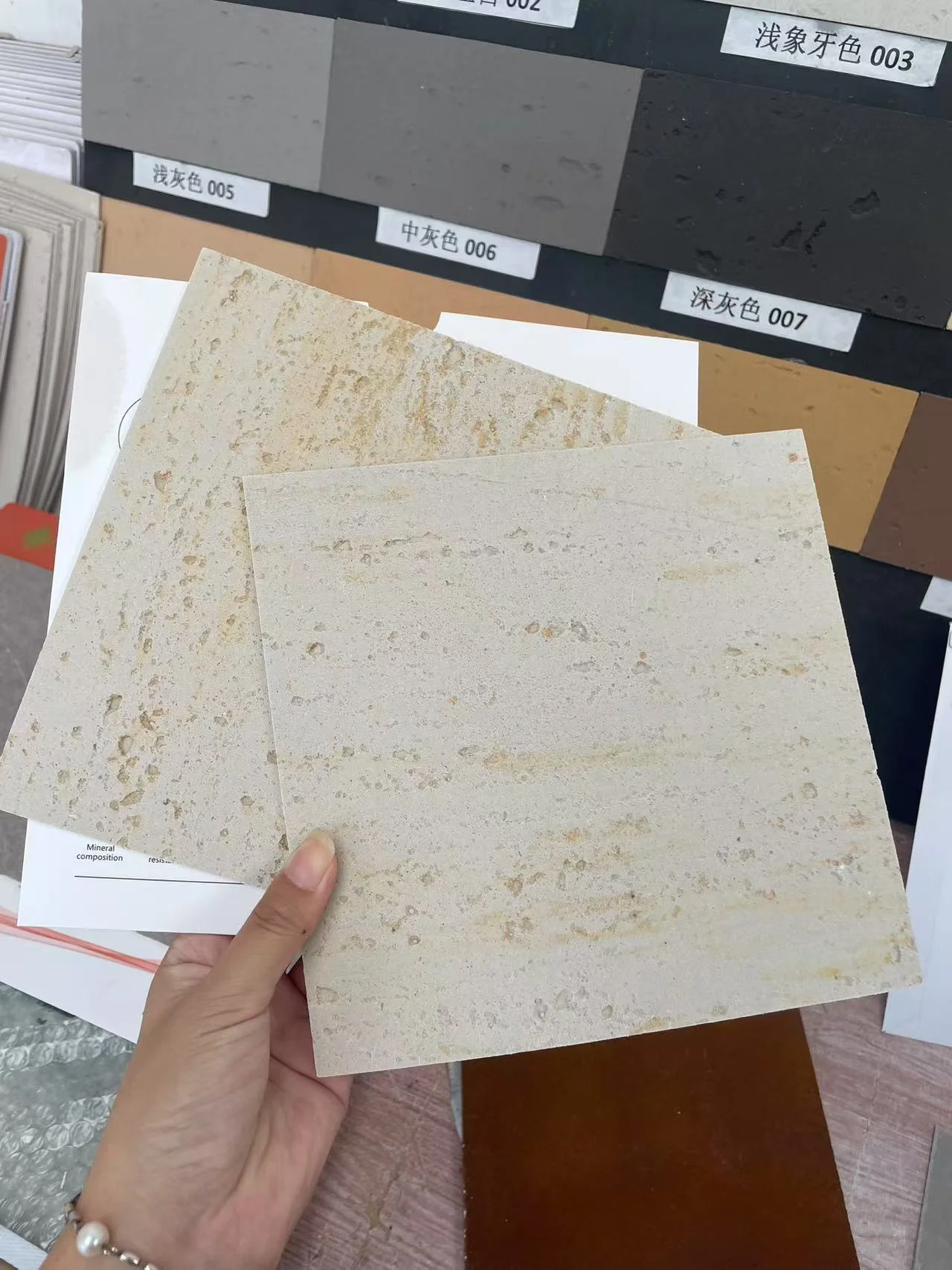
Weitere Überlegungen
5% zusätzliche Paneele schlagen späteren Farbungleichklang von 100%.
Gebäude werden beschädigt. Renovierungen finden statt. Wenn Sie Flexstein ohne Rücklagen installieren, wird eine zukünftige Reparatur einen Farbungleichklang offenlegen, den kein Fugendichtmittel verbergen kann. Produktionschargen variieren, da sich Mineralpulvermischungen und Spritzdrücke zwischen den Läufen leicht verschieben. Der Vorabinvestition von zusätzlichen 5-10% an Paneelen kostet fast nichts im Vergleich zum Projektwert. Für Standardplatten im Format 1200 x 600 mm, 16 pro Karton verpackt, fügt ein zusätzlicher Karton zu einer Bestellung von 300 qm nur 1,6% zur Menge hinzu, deckt jedoch typische Bauungsschäden ab und stellt sicher, dass der Eigentümer eine Übereinstimmung für zukünftige Ergänzungen hat.
-
- Nachbestell-MOQ-Falle: Wenn Sie Rücklagen überspringen und später erneut bestellen, stehen Sie vor einer Mindestbestellmenge von 300 qm, um nur eine Handvoll passgenauer Paneele zu erhalten. Das bindet Kapital und Lagerplatz für eine kleine Reparaturarbeit. Wenn eine Nachbestellung unvermeidbar ist, erklärt unser Ratgeber zu den Mindestbestellmengen für flexiblen Stein , wie das Minimum festgelegt wird und wann eine kleinere Probelauf-Arbeit angeordnet werden kann.
- Chargensperre für Großprojekte: Bestehen Sie bei Hotelketten, Krankenhausflügeln oder Mehrfamilienwohnanlagen darauf, dass die Fabrik eine einzelne Chargennummer zuweist und Ihre gesamte Menge in einem durchgehenden Lauf produziert. Dies verhindert einen subtilen Farbversatz über die Wände hinweg. JMS Decor kann Paletten auf Anfrage mit Chargencodes markieren.
- Händler-Lagerdisziplin: Wenn Sie verschiedene Texturen lagern, lagern Sie sie nach Chargencode. Bei der Erfüllung von Auftragsbestellungen von Bauunternehmen beziehen Sie dieselbe Charge. Das Mischen von Chargen bei einem Auftrag erzeugt einen Flickenteppich-Effekt, der Ihren Ruf als zuverlässiger Lieferant untergräbt.
Ein 3-mm-Travertin-Projekt im Wert von $50.000 kann durch eine einzige Austauschplatte ruiniert werden, die nicht passt. Die Kosten für Rücklagen liegen unter $500. Die Kosten einer ungereimten Wand, die während eines Begehens bemängelt wird? Das ist eine komplette Nachverkleidung, wütende E-Mails und ein verlorener Account. Kluge Einkaufsleiter behandeln Ersatzplatten als billige Versicherung, nicht als optionale Extras.
Schlussfolgerung
Eine präzise Mengenberechnung unterscheidet einen rentablen Großhandelsauftrag von einem Lager voller unbeweglicher Bestände. Wenn 224 Standardpaneele auf einer einzigen Palette Platz finden und dabei 161,28 m² ergeben, kann ein Fehler von 5% in der Berechnung über eine 20-GP-Container , den Inlandkostenpreis pro Quadratmeter so stark umschreiben, dass die Marge der Hälfte der Sendung zunichte gemacht wird. Es ist wichtiger, die Mathematik vor dem Erhalt der Proforma-Rechnung in Ihrem Posteingang korrekt zu machen, als den Stückpreis um weitere $0,15 zu verhandeln.
Bevor Sie Quadratmeter in einen Einkaufsorder umrechnen, führen Sie diese 3-Punkte-Prüfung gegen das Lieferantenangebot durch. Erstens: Stimmt die Panelabdeckungs-Berechnung mit der tatsächlichen Karton- und Palettenkonfiguration überein, oder hat die Fabrik die qm-pro-Palette-Zahl aufgerundet?
Zweitens: Berücksichtigt der Verschnittfaktor das spezifische Muster-Wiederholungsmuster und die Schnittrichtung auf den升高zeichnungen des Projekts, oder handelt es sich um eine generische 10%-Annahme, die bei einer diagonalen Verlegung auseinanderfällt?
Drittens: Haben Sie die Charge(nummer) für die gesamte Bestellung festgelegt, oder wird ein Farbdrift während der Produktion den Monteur dazu zwingen, Paneele über verschiedene Wände zu mischen? Ein Ja bei allen drei Punkten bedeutet, dass die Zahlen stimmen. Ein Nein bei einem beliebigen Punkt bedeutet, dass die CIF-Kosten pro nutzbarem Quadratmeter höher sind als in der Kalkulation dargestellt. Besorgen Sie sich die tatsächlichen Palettendiagramme und Spezifikationsblätter von der Produktseite, um die Zahlen vor der Rechnungsstellung ab Werk zu prüfen.
Häufig gestellte Fragen
Wie berechne ich die Anzahl der benötigten Flexible-Stein-Paneele?
Teilen Sie die gesamte Wandfläche durch 0,72 m² (Deckung pro Standardpaneel 1200 × 600 mm) und addieren Sie mindestens 10 % für Zuschnitte und Bruch. Ein Raum mit 8 m² benötigt beispielsweise 12 Panele. Runden Sie stets auf die nächste volle Paneelanzahl auf.
Welchen Ausschussfaktor sollte ich verwenden?
Planen Sie bei geraden Wänden mit 10% Abfall. Komplexe Anordnungen mit Säulen, Bögen oder diagonalen Mustern erfordern oft bis zu 20% zusätzliches Material. Bestellen Sie zusätzliche Panele aus derselben Charge, um Farbunterschiede zu vermeiden.
Standardplatten oder Großtafeln – wie wählen?
Standardplatten im Format 1200 × 600 mm eignen sich für die meisten Räume und verursachen weniger Verschnitt, während große Tafeln im Format 1200 × 2900 mm Fugen bei hohen Wänden minimieren, jedoch eine präzise Höhenabstimmung erfordern. Wählen Sie die Plattenhöhe passend zu Ihrer Deckenhöhe für eine optimale Ausnutzung.
Wie wirkt sich die MOQ auf meine Paneele-Berechnung aus?
Lagerhaltige Muster erfordern eine Mindestbestellmenge von 300 m², sodass Sie Projekte kombinieren oder mit einem Distributor zusammenarbeiten müssen, um diese Schwelle zu erreichen. Individuelle Designs benötigen 500 m². Fügen Sie innerhalb Ihrer MOQ Ersatzpaneelen für zukünftige Reparaturen hinzu.
Wie viele flexible Steinpaneele passen in einen Containers?
In einen 20′-Standardcontainer passen etwa 3.870 m² der kleinen 3-mm-Kacheln. Große Platten reduzieren den Gesamtmetermaß pro Container. Kombiniieren Sie große Platten und kleine Panele, um den Containerplatz optimal zu nutzen.