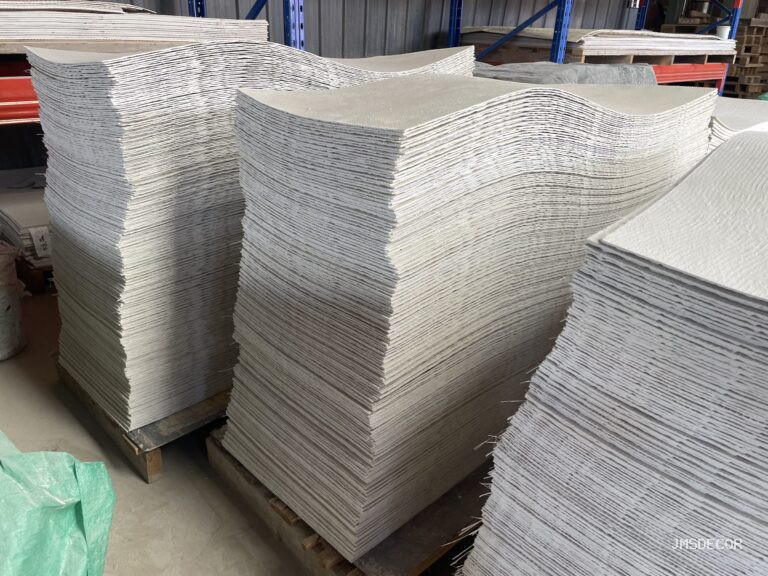
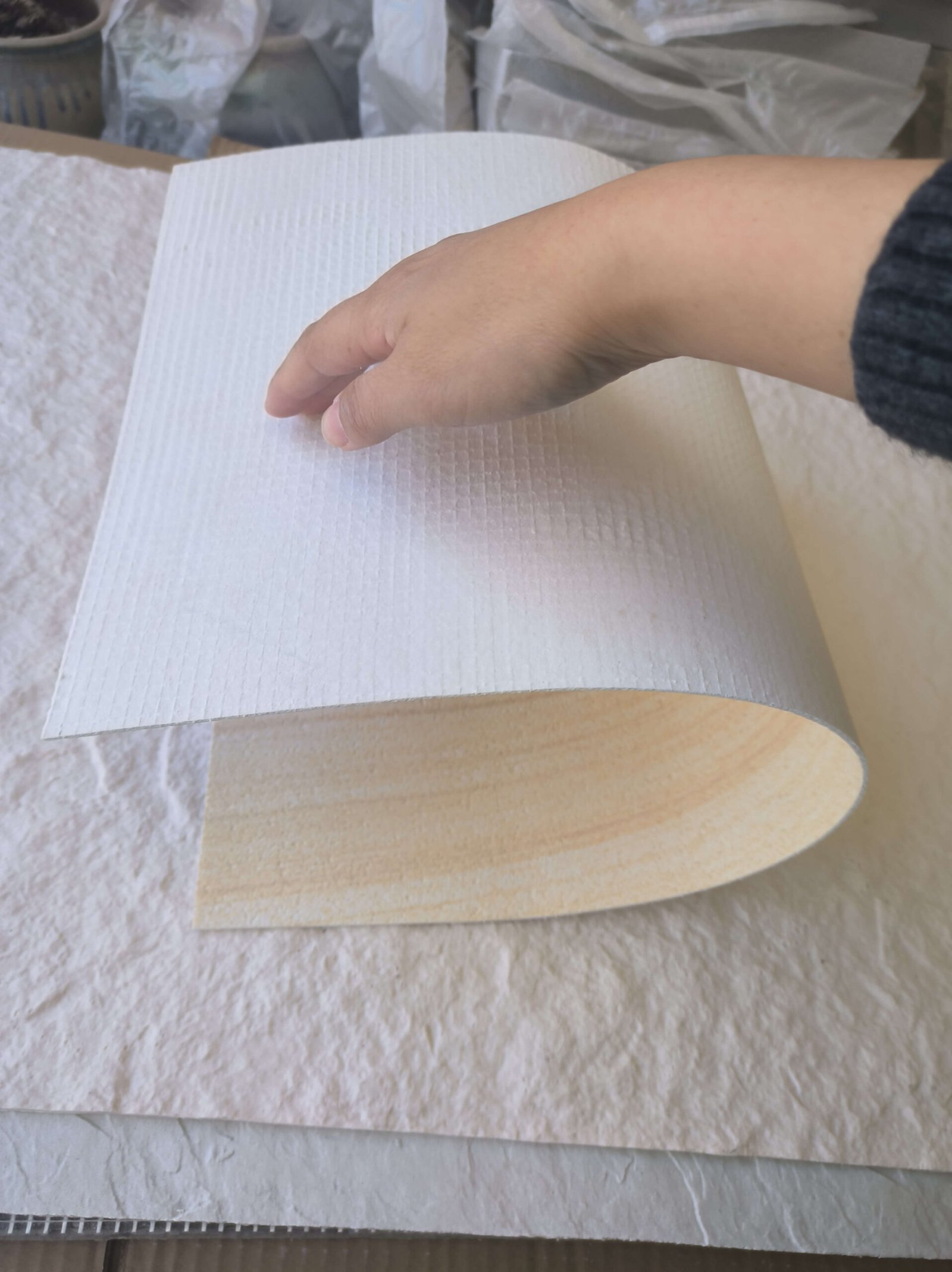
South-facing glass turns a feature wall into a thermal instrument: the sun heats the stone face by tens of degrees between morning and afternoon, and an evening drops it back down. Every bonded finish lives inside those cycles, and flexible stone — a 2–8 mm mineral sheet over a fiberglass mesh, bonded to its substrate — answers them differently from both ceramic and natural slab. The material is not the risk; the junctions are. Where the sheet is free to move with its bed, seasons pass unnoticed; where it is pinned against something that will not move, the stress finds the weakest line and opens it. This guide explains how temperature actually behaves in a flexible stone wall, which details carry the movement, and how to design rooms with big glass so the wall ages calmly.
What thermal movement means for a thin bonded sheet
The sheet itself is the easy part. A thin mineral composite expands and contracts at a rate that, across a 1.2-metre panel and a realistic interior temperature swing, amounts to fractions of a millimetre — small enough that a correctly bonded bed absorbs it without complaint. The stress concentrates where movement is prevented: at a joint where two sheets are glued rigidly edge to edge, at a corner where the wall meets something that moves differently, at a penetration where a metal box or a pipe passes through and pins the sheet around it. This is why the failure signature of thermal stress is so consistent — a crack along a joint or a lifted edge beside a penetration — and why it follows the first hard season rather than the first month.
Colour plays a part too. A dark face in full sun reaches surface temperatures far above the room’s air temperature, and the swing between a sun-heated afternoon and a cool night is the harshest cycle a bonded finish sees. Our pattern selection guide covers tone as a design choice; in a sun-exposed room it is also a thermal one, and the darkest patterns deserve the movement detailing below even more than the pale ones.
What carries the movement: joints, not hope
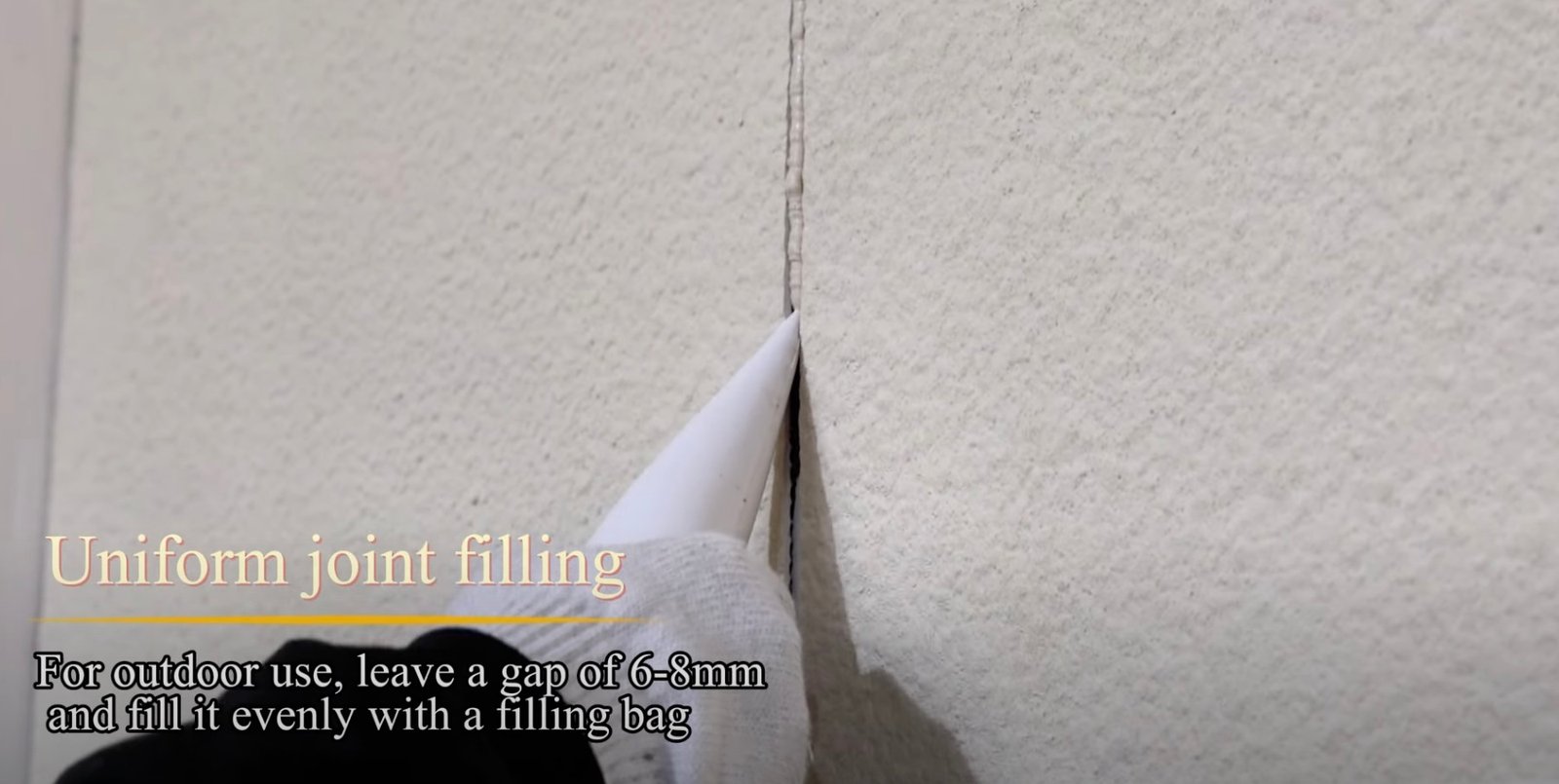
The wall’s movement strategy is the joint strategy, and the rules come from our فواصل التمدد — repeated here because sun-exposed rooms are where they stop being optional. Joints in the field are placed where the system requires them, filled with a flexible sealant rather than a rigid filler, and never bridged by adhesive smears. Perimeter joints — where the stone field meets a ceiling, a floor, a window reveal or an adjacent material — are designed as movement joints from the drawing stage, with the gap width sized for the assembly rather than left to the installer’s day.
The sun-exposed room raises the stakes on two of those rules. First, rigid fillers fail faster under thermal cycling than under any other load, so “just grout it” is the one instruction that guarantees a callback. Second, a joint that is interrupted — run, then crossed by a bonded patch, then continued — stops doing its job at the crossing. The wall that survives south light is the one whose joints run continuously from drawing to site.
How do big windows change the details?
Glass changes the room in three ways, and each one lands on the wall detail. Direct sun adds the daily heating cycle described above, with the harshest exposure on walls opposite or adjacent to large south and west glazing. The glass line itself is a movement interface — the frame expands and contracts at its own rate — so the junction where stone meets the window reveal must not pin the two together; the stop-line discipline from our glass junction guide carries the thermal argument as well as the drainage one. And the light that makes the room pleasant makes every wall irregularity visible: raking sun across a stone field shows telegraphed substrate faults that even light would forgive, which is why the substrate flatness standard from our backing board guide matters most exactly where the sun hits hardest.
Behind-the-wall effects complete the picture. A wall on an exterior building line carries the outside temperature through its substrate; an interior partition between a heated room and a stairwell or garage sees its own gradient. Neither stresses the sheet — both stress rigid bridges across the gradient, which is the same argument the movement strategy makes: let every layer move, and nothing cracks.
What does the adhesive system contribute?
The adhesive bed is the sheet’s thermal suspension, and its specification is doing more work than buyers assume. A product approved for the exposure class — interior, wet, exterior — has been tested to hold the sheet through the temperature range that class implies; an interior-grade adhesive on a sun-heated wall is a specification error that shows up as edge lift in its first summer. The open-time and temperature-window rules in the system’s manual are not paperwork: applying adhesive outside its stated range is how a bond that passes every other check fails the one season that matters.
Verification follows the same evidence logic as everywhere else on this site: the transfer check from our coverage guide on the first sheets, and a season-end walk of the sun-exposed elevations — edges, joints, penetrations — while any early movement is still a small repair rather than a re-clad.
Which rooms deserve the sun-exposed detailing?
- Rooms with large south or west glazing — the direct-cycle case, where tone choice and joint detailing both matter most.
- Conservatories, sunrooms and garden rooms — the widest swings in the building, where the assembly is designed around movement from the start.
- Walls behind glass walls and storefronts — the frame interface plus the direct sun, two stress sources in one line.
- Exterior-adjacent interiors — stairwells, entry halls and garages whose walls carry the outside gradient through the substrate.
- Dark-pattern feature walls in any of the above — the highest surface temperatures in the building, deserving the fullest movement detailing in the specification.
لا يُعطي أيٌّ من هذه العوامل حكم الإقصاء على الحجر المرن؛ بل يحوّل استراتيجية الحركة من ممارسة جيدة إلى شرط إلزامي. لقد أثبتت هذه المواد تحمّلها في هذه البيئات عبر فئات منتجاتها — وفشل الحالات يكون تقريباً دائماً بسبب تفصيلة أثبتت ما كان ينبغي أن يتحرك.
كيف تختبر المواسم الجدار بعد التسليم؟
للقصة الحرارية تقويمها الزمني، والجدار يقرؤها بصوتٍ عالٍ. يأتي الصيف الأول كمرحلة اختبار: تتمدّد الفواصل خلال أعرض دوراتها، وتتعرّض الحواف لأعلى درجات الحرارة، وتكشف أي تفصيلة كانت ستسيء التصرف عن نفسها. ثم ينفّذ الشتاء التالي الدورة المعاكسة — والجدار الذي اجتاز الصيف والشتاء قد صادف المدى الكامل الذي يمكن أن تولّده الغرفة، ولهذا يُ جدول المشي النهائي للموسمين الموصوفين أعلاه لكلٍّ منهما، لا للفترة المشمسة فحسب.
بين الفحوصات، يروي الجدار نفسه القصة إن نظر إليها أحد. فجوة تسريب بدأت تنفصل من جانبٍ واحد تُبلغ بأن السطحين اللذين تربطهما يتحرّكان بوتائر مختلفة — متوقَّع عند خط الزجاج، وغير متوقع في وسط المجال. شقٌّ ميني عند زاوية يُفيد بجسر صلب بدأ المعركة. ولا شكوى مادة في الحالة الأولى ولا الثانية؛ كلاهما شكوى تفصيلات، والتصحيح أخف تكلفة ما دامت الخطوط مستمرة وليس خسائر. وهذا هو نفس حُجج الإرجاع التي يطرحها دليل المسؤولية الخاص بنا: فالجدار يحفظ سجلاّتِه في فواصله لكلِّ من تعلَّم قراءتها.
كيف تبدو التركيبات الصحيحة لجدار دفيئة خطوة بخطوة؟
جدار الدفيئة أو غرفة الحديقة يركّز كلَّ قواعد الحركة الحرارية في مشروعٍ صغيرٍ، لذا يستحق إكمال التسلسل من بدايته إلى نهايته. تُحدد القاعدة وتستقبل بمستوى مقبول، مع معالجة فواصلها وعلاجها — فالشمس المائلة ستكشف كلَّ ما أغفله المسطرة المستقيمة. تُرسم فواصل الحركة وفق شبكة الألواح: فجوات محيطية عند الأرضية والسقف وكلِّ كشف، وفواصل مجال في المواقع التي يفرضها النظام، جميعها بحجم يناسب التجميع ومصنوعة لختم مرن. العزل اللاصق هو منتج فئة التعرّض التي يوافق عليها النظام، ويُطبق ضمن نطاق درجة الحرارة المُعلن عنه — وهو ما يعني في الدفيئة العمل على الجهة الظليلة أولاً والسماح لشمس الصباح بإتمام المعالجة، لا مواجهة جدارٍ مسائيٍّ مسخن باللمس بالفعل.
تُثبت الألواح بقواعد التغطية الصارمة — سرير لاصقٍ كامل، وتُسحق التلال، ويُتحقق من النقل برفع وقراءة اللوحة الأولى — وتُزوَّد الثقوب، والتي تكون عادةً كثيرة في الدفيئة، بقوالب وقطع بحيث لا تثبّت اللوحة حول صندوق أو أنبوب. تنتهي التشطيبات عند خط الزجاج وفق قاعدة خط التوقف، ويُترك كامل المجال بفاصله مفتوحاً لمرحلة الختم، دون جسرٍ يعترضه. تُصوَّر كلُّ خطوة، ويرفع المشروع مع سلسلة الأدلة التي يحرزها submittal guide نظامنا — ثم يقرأ المشي النهائي للموسم الأول جداراً بُني ليتحرّك.
الأسئلة الشائعة
هل تتشقق الجدران بسبب التغيرات الحرارية؟
لن تتشقق الألواح من تمددها الذاتي؛ فالحركة عبر اللوح جزء من الملليمتر. تحدث الشقوق حيث تُمنع الحركة: المفاصل المعبأة بالمواد الصلبة، أو الجسور اللاصقة مع مواد أخرى، أو التثبيت حول الاختراقات. صمّم المفاصل لتتحرك، وستشيخ الجدران بهدوء.
هل تحتاج الأنماط الداكنة إلى تفاصيل مختلفة؟
تصل إلى درجات حرارة سطحية أعلى في الشمس المباشرة، لذا فإن دورات الإجهاد الأقسى تقع عليها. تنطبق استراتيجية الحركة نفسها على كل الجدران؛ ففي الغرف المكشوفة للشمس ذات الواجهات الداكنة، لا يعد أي من هذا اختياريًا، ومن المجدي جدولة الفحص عند نهاية الموسم منذ يوم التسليم.
هل يلصق الغراء بشكل مختلف في الغرف المكشوفة للشمس؟
ما يهم هو فئة التعرض؛ فقد تم اختبار الغراء المعتمد لبيئة الحائط عبر مدى درجات الحرارة التي تمليه هذه الفئة. استخدام منتج مخصص للداخل على حائط تسخنه الشمس، أو تطبيقه خارج النافذة الدневية المحددة، يبطل المنطق الذي بُني عليه الاعتماد.
ماذا يجب أن أفحص بعد أول صيف؟
امشِ الواجهات المكشوفة للشمس واقرأ الخطوط: هل المفاصل متواصلة ومختومة، وهل الحواف محكمة، وهل الاختراقات تترك اللوحة دون تثبيت، وليس هناك بريق حيث تحتك الحجر بالإطار؟ أي عيب يُكتشف في الموسم الأول يمثل إصلاحًا بسيطًا؛ لكن نفس العيب بعد ثلاث مواسم يستدعي إعادة تركيب الحائط.
صمم الحائط ليتحرك مع الفصول، وعندئذٍ يتحول الشمس إلى ميزة إضاءة بدلًا من أن تكون اختبار إجهاد. تتوفر بيانات التنسيق والسمك للمجموعة على قشرة حجرية مرنة صفحة، وقد نشرت معايير الممارسة الحرارية-الحركية للطلاءات اللاصقة من قِبَل ASTM International standards behind the product’s own test reports.