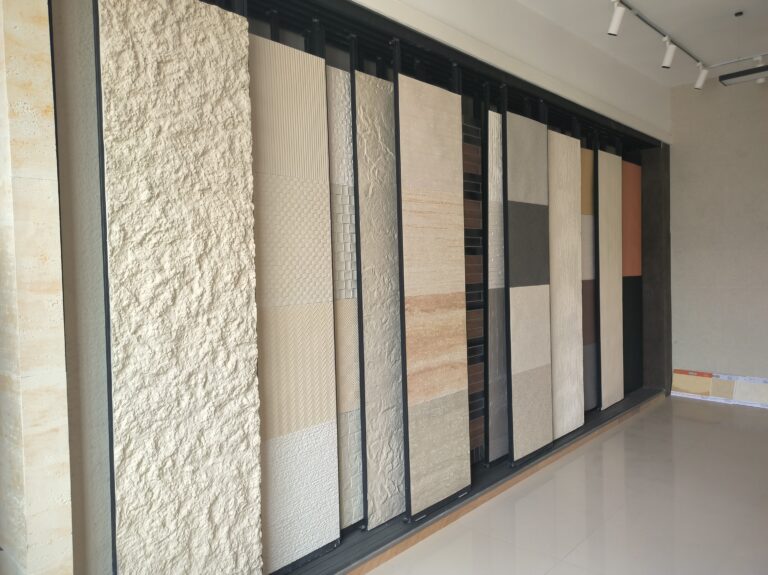
Two suppliers can quote the same stone panel at very different prices. One owns the machines that make it. The other buys from the first and adds a margin before the quote reaches you. Both call themselves a manufacturer, and from a screen alone you cannot tell them apart, which is the manufacturer vs trading company problem in miniature.
That gap decides who controls your order. A flexible stone wall panel bought factory-direct puts you in touch with the people who set the colour, run the moulds and pack the container. A middleman adds a layer between you and every one of those decisions, so a delay or a defect is answered second-hand.
This is not another verification checklist. It is an identity test: the signals you can read before you pay, the catalogue test that takes one minute, and the documents that quietly name the real maker. By the end you will know how to tell a factory from a trading company, and when a trading company is genuinely the better buy. The signals below are chosen so you can read them from a website, a video call and a handful of documents, without setting foot in a factory.
A trading company is not the problem by itself. Paying a factory price to a middleman is the problem.
What Changes When You Buy Factory-Direct

The difference is not only price. A manufacturer sets the specification, so colour, size and thickness can be adjusted on the line instead of negotiated across three email threads. When something goes wrong, the person who can fix it is one call away, not two companies away. A trader can only pass a message along, so every change crosses a second desk before it reaches the line.
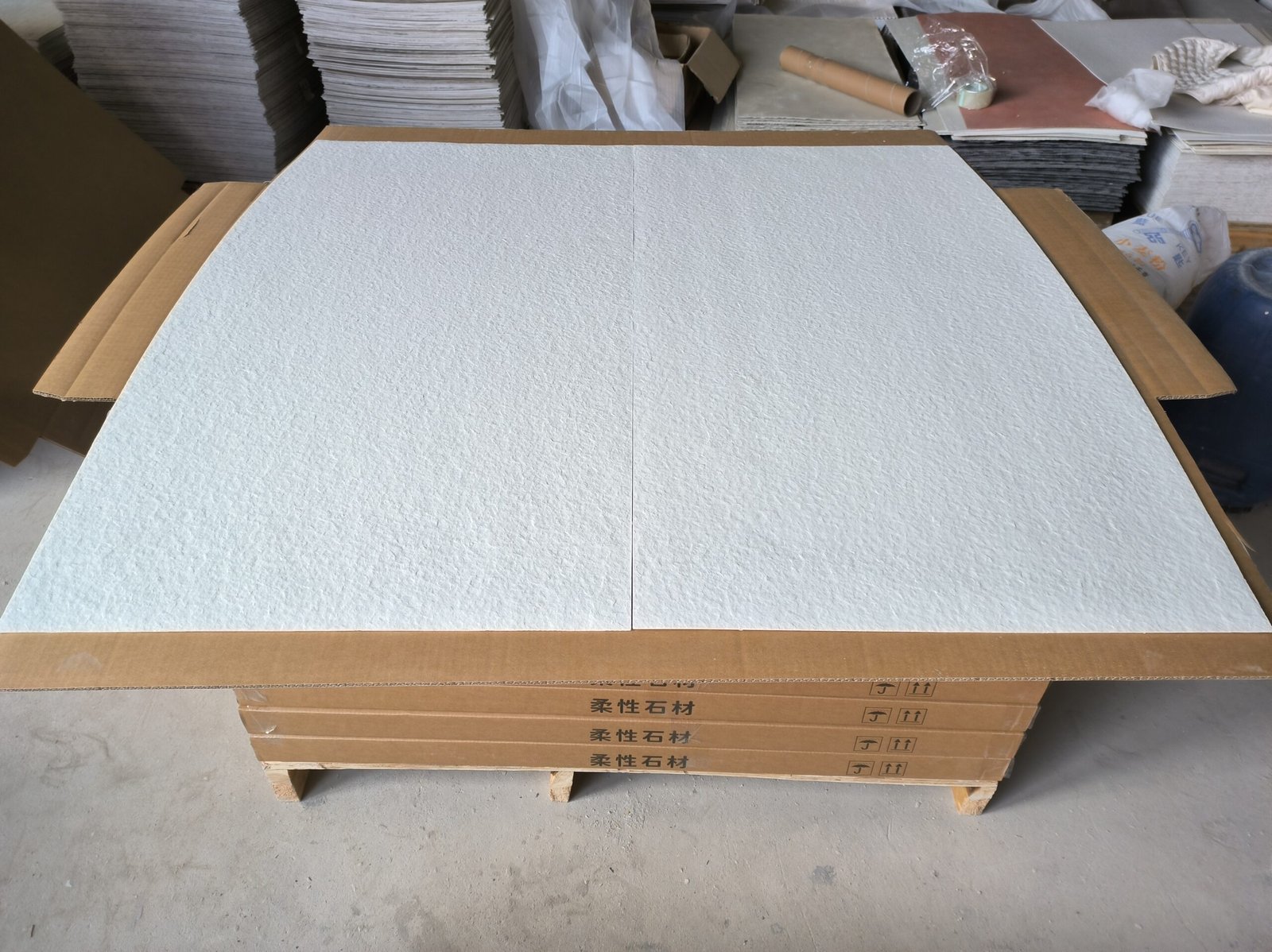
JMS Decor runs an 8,000 m² factory in Dingshu Town, Yixing, Jiangsu, with five production lines and about 50 staff. Its 3D inkjet equipment prints over 700 m² a day, and the plant holds more than a hundred in-house moulds. None of that capacity shows up in a price list, yet it is exactly what a buyer pays for when the order is direct.
Six Signals of a Real Manufacturer
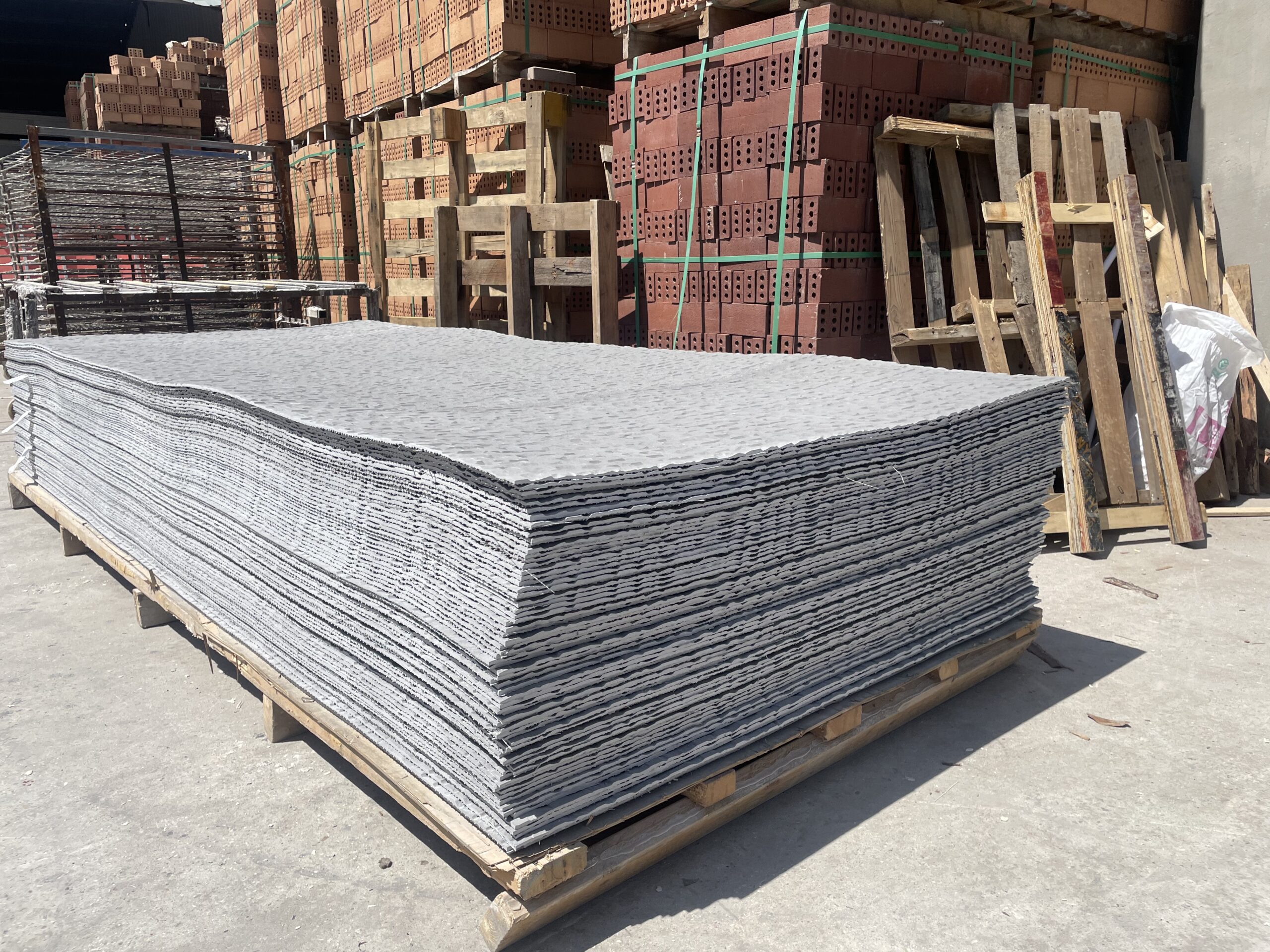
You rarely get a straight answer to the question “are you a factory”. You do not need one. Six observable signals, read together, answer the manufacturer vs trading company question without anyone admitting anything.
| Signal | Points to a manufacturer | Points to a trader |
|---|---|---|
| Product range | Narrow and deep, one material family | Wide and shallow, unrelated categories |
| Facility evidence | Line video, mould room, in-line checks | Showroom photos and stock images |
| Technical answers | Composition, tolerance, bend radius | Vague on process, quick on price |
| Tooling | Owns moulds and printing equipment | Cannot show any tooling at all |
| Company name | Names a material or a trade term | Leans on Trading or International |
| How they quote | Breaks out material and process | Returns one round number, fast |
No single signal proves anything. A wall panel supplier that also sells phones is an odd mix, while a stone plant that also runs WPC lines is not. Read the six together, and the pattern is usually clear within one conversation.
The questions that cost nothing to ask
Start with process rather than price. Ask how a colour is matched, how thick the panel runs, and what the minimum bend radius is for a given pattern. A factory answers in numbers, because the line runs on them. A trader deflects toward lead time and discount, because those are the two things within easy reach.
Why the order of the conversation matters
Watch what the supplier raises first. A manufacturer tends to move toward specification, since a quote is built from it. A trader often steers toward volume and price. That direction of travel tells you where the knowledge sits, and with it the margin.
The Catalogue Test That Signals a Trader
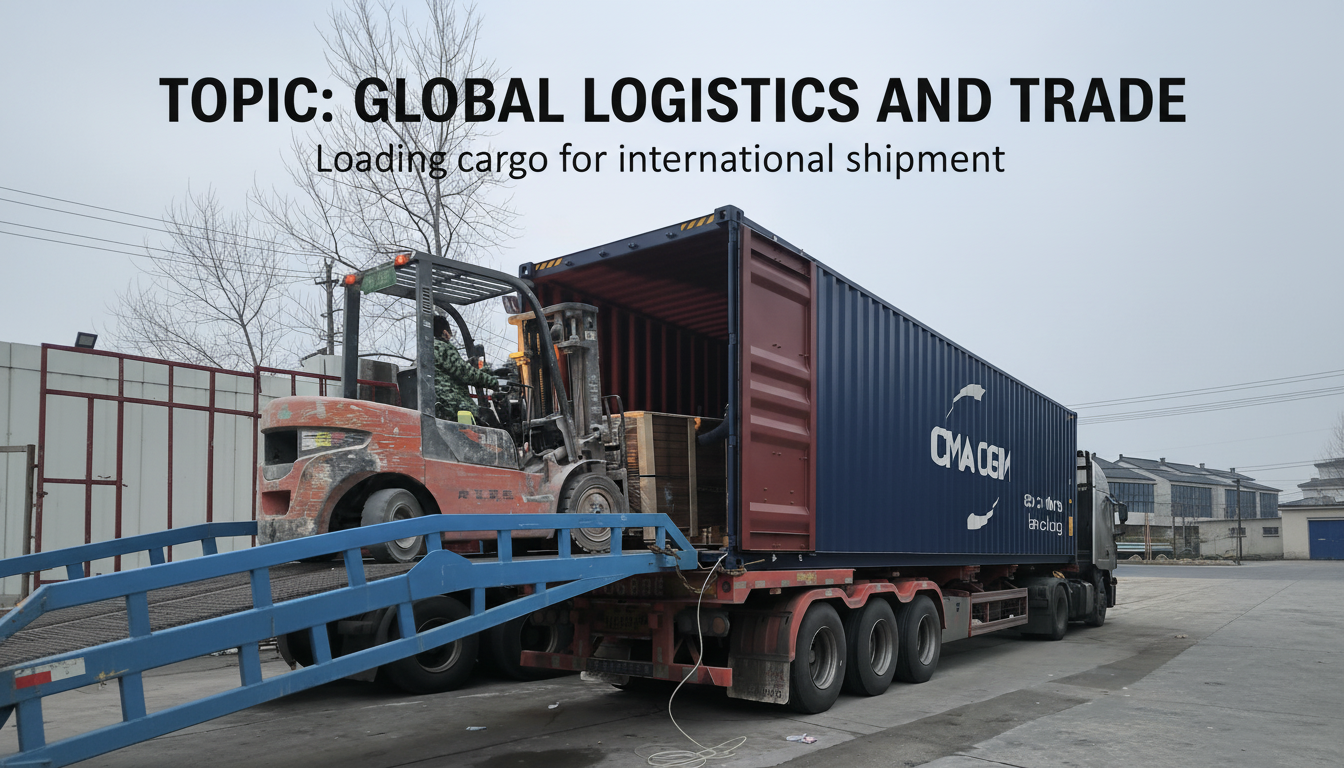
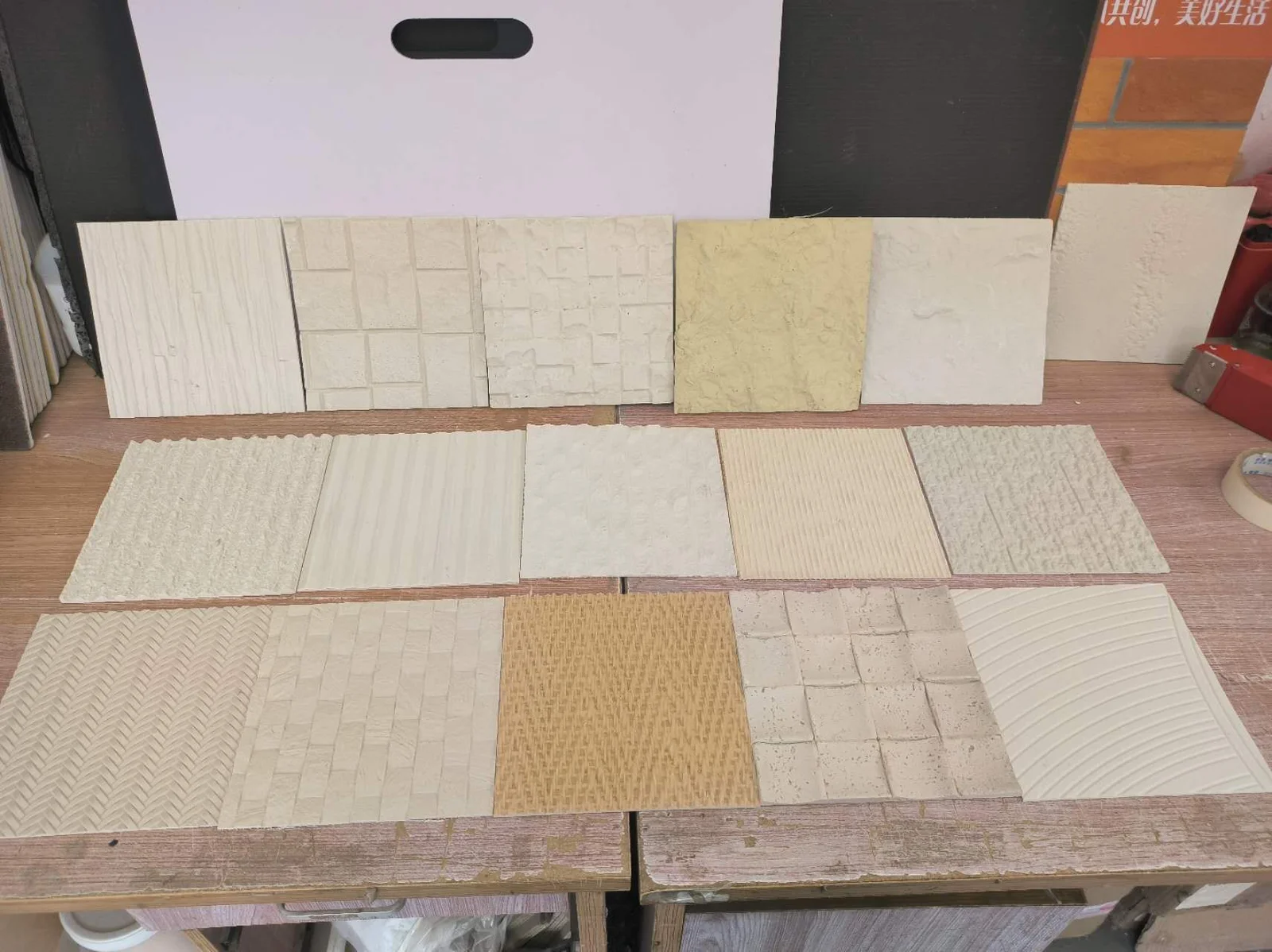
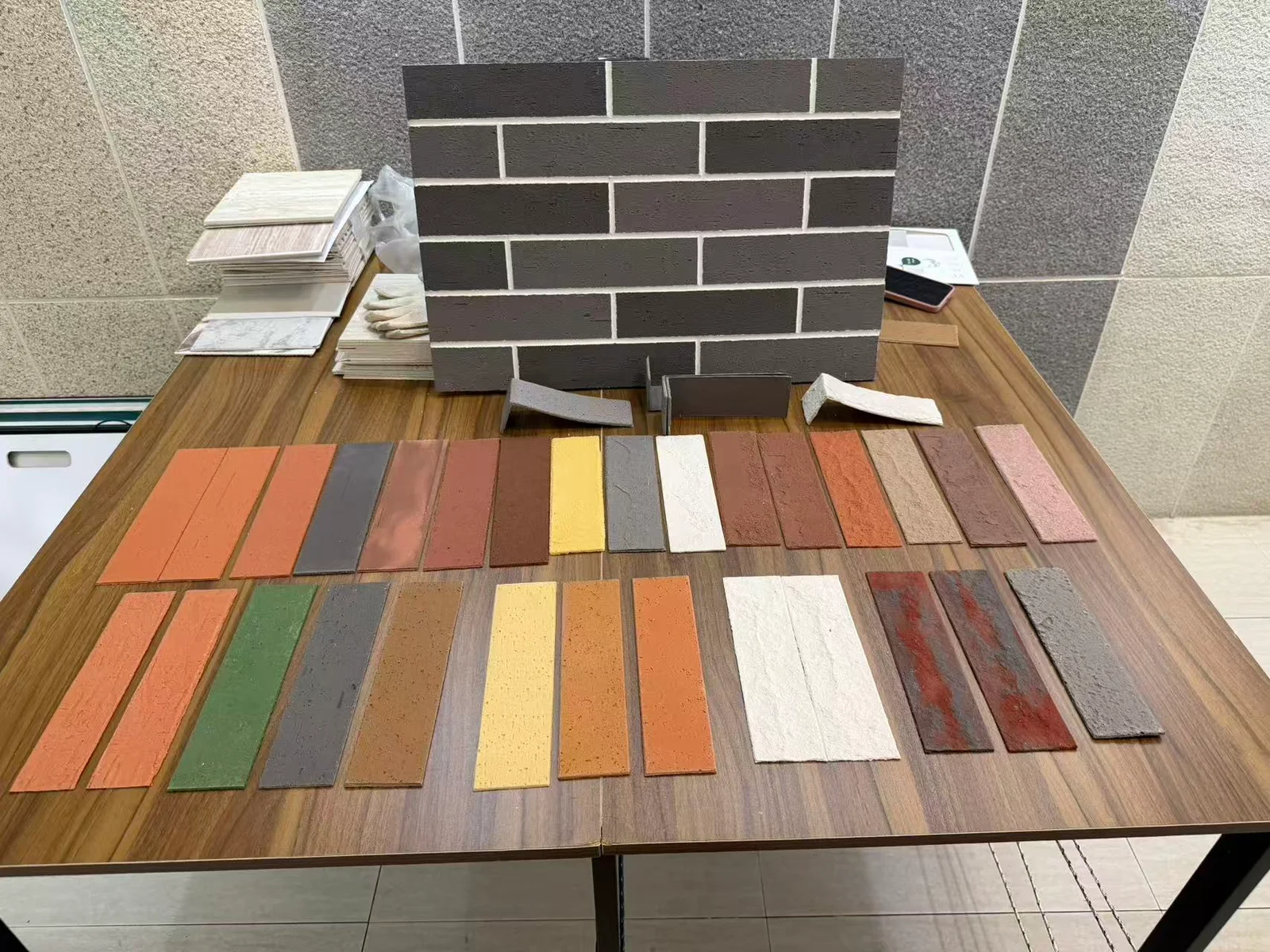
The quickest test is the catalogue. A real factory is built around a material, so its range is deep rather than broad: many patterns, thicknesses and finishes inside one product family. A trading company is built around buyers, so its range is broad and shallow, sourced from wherever a customer happens to ask.
A flexible stone plant might also make WPC (wood-plastic composite) panels, because both run on similar composite lines. That is a second line, not a red flag. The warning sign is a catalogue with no shared manufacturing logic, where stone panels sit beside consumer electronics and garden furniture.
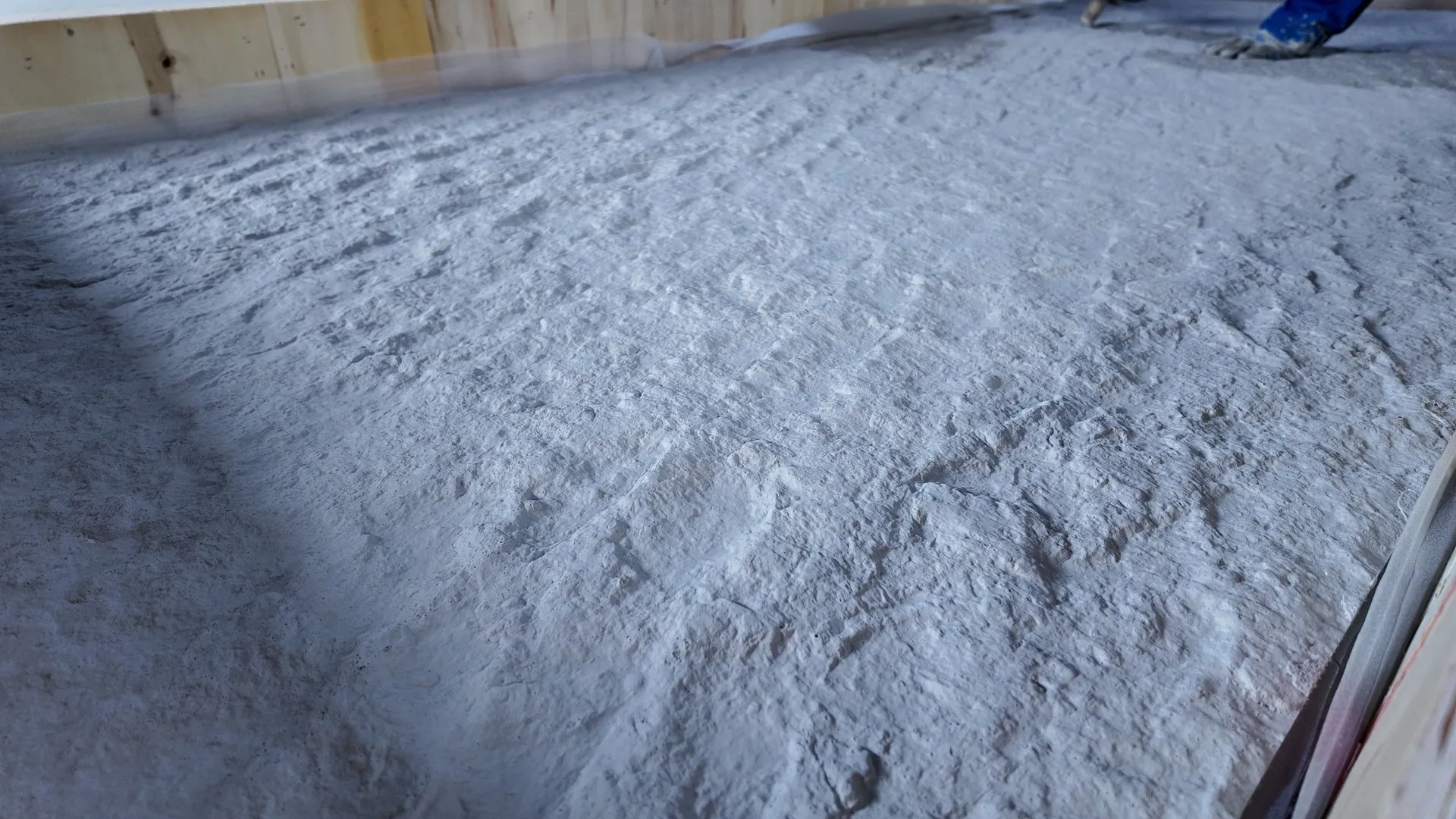
Documents That Reveal Who Really Makes the Panel

Paperwork is harder to fake than a website. A business licence lists a registered address and a business scope, so compare both with the address on the factory video. A manufacturer’s scope usually names production, while a trader’s often names trade, import and export. This single document often settles the manufacturer vs trading company question before any other evidence is needed.
Certificates name a holder. ISO 9001, ISO 14000, BSCI (Business Social Compliance Initiative) and CE are issued to a manufacturing site. Each certificate should point at a plant rather than an office floor.
Fire performance is the claim buyers test most. In the United States the test is ASTM E84, where Class A means a flame spread index of 25 or lower, and Europe uses EN 13501-1 Class A2. Ask for the report behind the rating, not a screenshot.
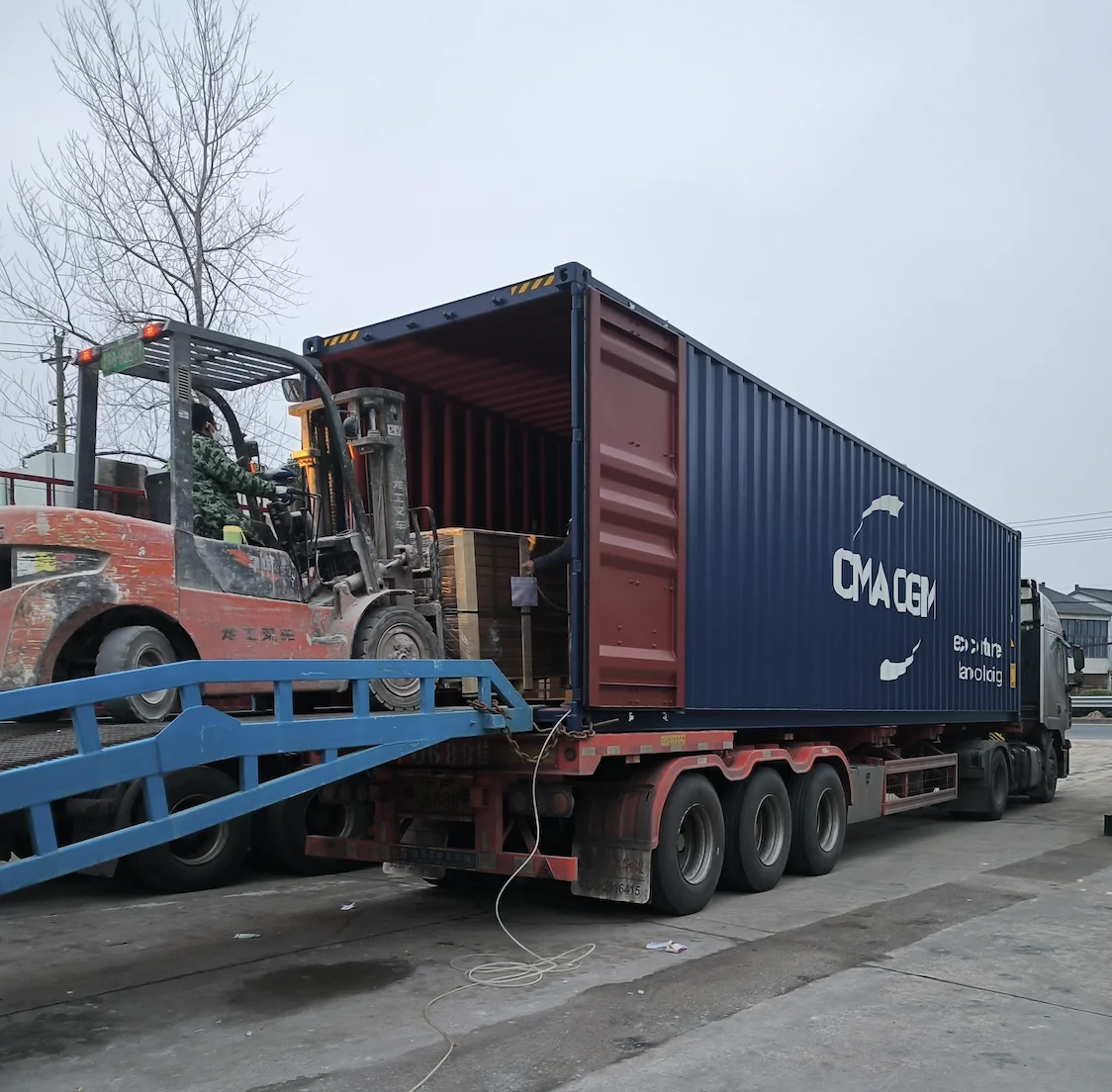
The shipment papers settle the question. The company on the contract, the invoice, the packing list and the China supplier payment terms should all name the same party. The bank account should match the company name too, because an account held under a different name is the clearest warning in the whole file.
Why a Trading Company Is Not Always Wrong
It would be easy to end there and say factory-direct always wins. It does not. A trading company earns its place when you need one container holding five product types. It also helps when your order sits far below a factory minimum, or when you want someone to handle export paperwork in your own language.
The mistake is not buying from a trader. The mistake is buying from a trader while believing you are buying from a factory, then expecting factory pricing, factory customisation and factory accountability. If your goal is your own finish, a long-term supply relationship or real technical depth, direct is the stronger model. That is the route behind private label flexible stone, where the brand controls colour and packaging while the plant runs production.
Questions Only a Real Factory Can Answer
A short set of questions separates the two quickly. Only a plant answers them from the shop floor rather than from a script. Ask these before you talk about price, and the answers tell you which side of the line you are speaking to.
| Question | What a real factory answers |
|---|---|
| Who makes your moulds, and can I see the mould room? | Names the tooling process and shows the room |
| What is your daily output per printing line? | A figure from the line, not a range from a brochure |
| How do you clean the line between colours? | Describes the changeover and the cure time |
| How do you measure your defect rate? | Describes the inspection step and the result |
| Can you turn our own pattern into a flexible panel? | Explains how the artwork is built and printed |
The answers are specific because the work is specific. JMS Decor prints custom panels on its own 3D line, so a new pattern is a scheduling question rather than an outsourcing one. Production runs under a defect rate below 1 percent. A trader answers the same questions with a brochure and a delivery estimate, because the machine is not theirs to describe. You can see the base behind those answers on our flexible stone veneer manufacturer page.
Confirming It Before the Deposit Leaves
Three checks close the gap between a good impression and a confirmed identity. First, a live video call, where you name a machine and ask to see it running instead of accepting a pre-recorded clip. Second, a paid sample order, because a factory can bend, cut and print a sample in the same week.
Third, a third-party audit for a first container, which reports on the plant rather than the sales office. Run these alongside the supplier verification checklist if you want the full procedure. By this stage the manufacturer vs trading company decision rests on evidence, not on a claim. Used together, the identity test and the checklist turn a first order into a repeatable process. More sourcing questions are covered in our buyer guides.
Frequently Asked Questions on Manufacturer vs Trading Company
How do I tell a manufacturer from a trading company?
Read three things together: the product range, the facility evidence and the technical answers. A factory keeps a narrow, deep range in one material and explains its process in numbers. A trader spreads across unrelated categories, shows showroom photos instead of a line, and answers price before specification.
Is buying factory-direct cheaper than a trading company?
Usually yes, because a trader adds a margin on top of the factory price and has to cover its own costs. The saving is not always large on a single order, but it grows with volume, customisation and repeat business. You also gain direct access to the people who control quality.
Do trading companies have higher minimum order quantities?
Often the opposite. A trader can combine several small orders from different factories, so it may accept a lower minimum. A factory minimum reflects packaging and freight efficiency instead. JMS Decor keeps a standard minimum of 300 m² and flexes it for a justified trial, including a 150 m² order shipped by air.
Is a factory always the better choice?
No. A trading company is a sound choice when you need many product types in one shipment, a very small order or help with export paperwork. A factory is stronger when you want your own finish, technical depth and a long-term supply relationship. Match the model to the order.
How do I confirm a supplier owns a factory?
Ask for a live video call and name a machine you want to see running. Pre-recorded clips cannot answer a question you invent on the spot. Follow it with a paid sample order, since a factory can bend, cut and print a sample the same week rather than wait on someone else.