Finding the Best Cladding Reviews (Buyer’s Guide) is critical for calculating a project’s true return on investment, not just its initial purchase price. A poor material choice, often driven by short-term budget goals, leads to escalating maintenance bills, premature material failure, and significant structural liabilities. The facade you specify is a long-term financial commitment, and a miscalculation here directly impacts the building’s lifecycle cost and overall asset value.
This 2026 guide provides the technical data needed to make a sound decision. We rank top cladding materials based on the performance metrics that matter: installed cost per square meter, structural load impact (weight), long-term durability, and fire safety ratings. Use this analysis to audit your options and specify a facade that aligns with your project’s financial model and performance requirements.
How to Choose the Right Cladding
Selecting the right cladding is a technical decision that balances a material’s lifecycle cost, installation complexity, and its raw performance in your specific climate.
The first step in choosing a facade is to move past aesthetics and focus on long-term performance. The material you choose must handle your region’s specific environmental pressures, from intense UV exposure and high humidity to freeze-thaw cycles. An incorrect choice leads to premature failure, escalating maintenance costs, and potential structural issues. The goal is to specify a material that meets the design intent while minimizing its total cost of ownership over decades, not just the initial purchase price.
Evaluate Durability and Maintenance Needs
High-performance materials like fiber cement and concrete provide robust protection against harsh weather, rot, insects, and fire. Metal cladding, particularly aluminum and steel, offers excellent longevity with almost no required upkeep. For projects where maintenance budgets are minimal, vinyl is a common choice as it doesn’t need painting and resists fading.
Newer composite boards are engineered to repel moisture and block UV degradation, significantly reducing long-term work. While classic hardwood offers great durability, it almost always requires periodic refinishing to maintain its integrity and appearance, adding to its lifecycle cost.
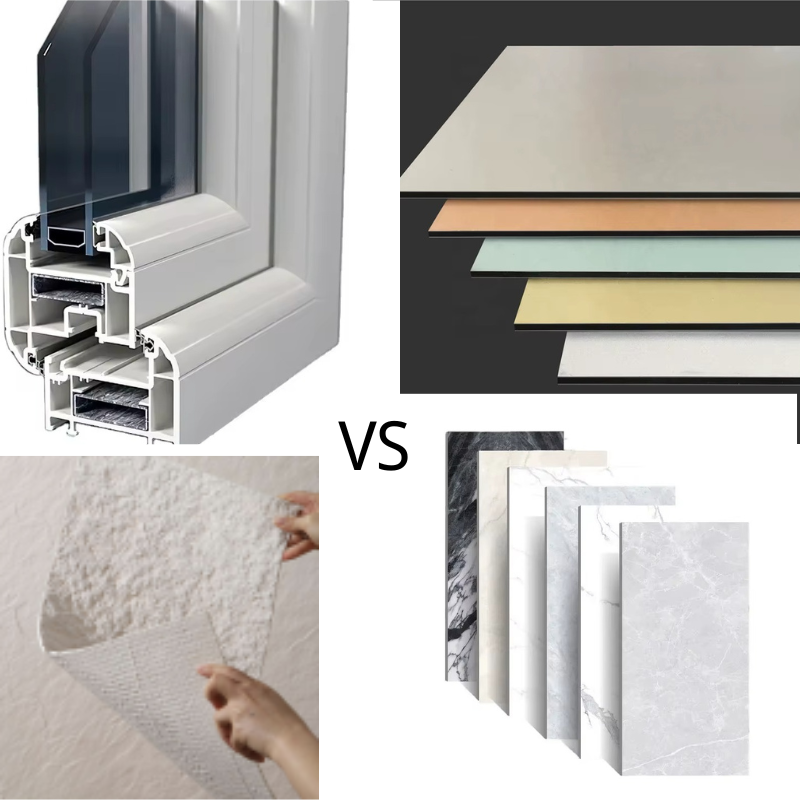
| Material | Durability & Maintenance Profile | Structural & Cost Impact |
|---|---|---|
| Vinyl / uPVC | Moderate durability with a 20-30 year lifespan. Not fireproof. Requires only basic cleaning; no painting needed. | Minimal weight. Lowest initial cost at $9–$32/m². Reduces need for structural reinforcement. |
| Fiber Cement | High resistance to fire, rot, moisture, and insects. Lifespan of 30-50+ years with very low maintenance. | Mid-weight at 15–25 kg/m². Mid-range cost at $30–$85/m². May require skilled installation. |
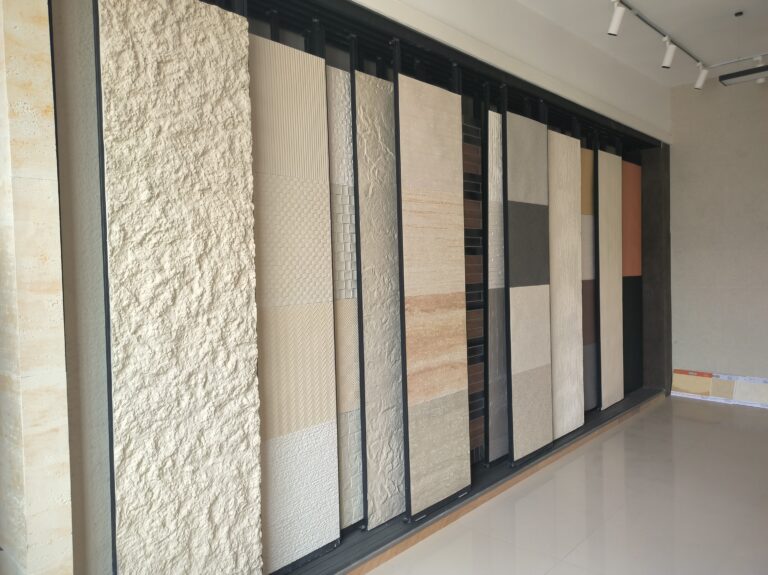
| Flexible Stone (MCM) | Class A2 fire rating. Resists UV, water, and scratches. Breathable material prevents mold. Maintenance-free. | Extremely lightweight at 3.5–6.0 kg/m². Mid-range cost at $20–$50/m². Reduces structural load and freight costs. |
| Natural Stone | Exceptional durability with a 50-100+ year lifespan. Some stone types may require periodic sealing. | Very heavy at 150–300 kg/m². Premium cost at $100+/m². Requires reinforced foundations and skilled labor. |
Balance Your Budget with Aesthetic Goals
Budget constraints dictate material choices from the outset. Vinyl siding is consistently the most affordable option with low ongoing costs. Fiber cement occupies a mid-range price point and offers significant aesthetic flexibility, capable of mimicking wood, stone, or stucco.
For a premium look, stone and brick veneers are the traditional choices but come with a higher price tag. Metal and composite claddings have the widest price variance, driven by the complexity of the panel system and the specified finish.
Match Materials to Climate and Installation Complexity
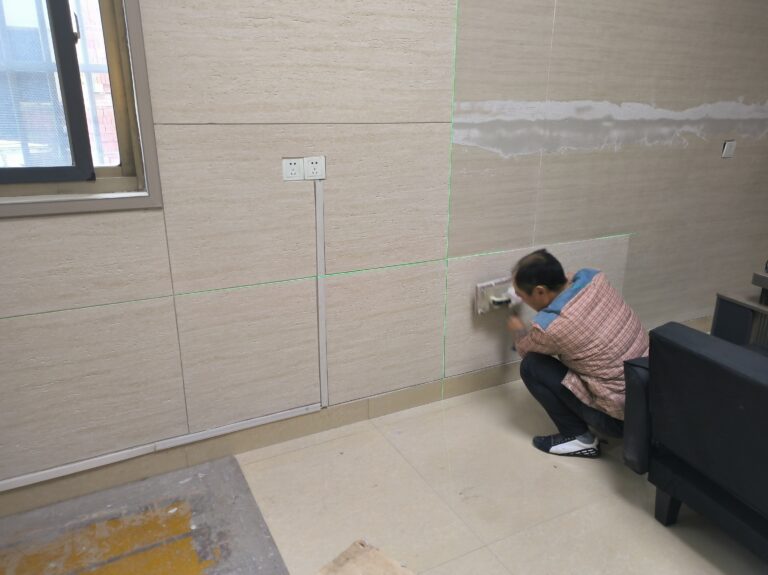
A material’s suitability is heavily dependent on the project’s climate. In humid or coastal areas, decay-resistant hardwoods are a far better choice than untreated softwoods. Installation is another key factor. Vinyl siding and composite boards are known for straightforward, cost-effective installation processes. In contrast, concrete and fiber cement panels are heavier and more difficult to handle, often requiring specialized labor and additional structural support.
For complex architectural designs with curves or unique angles, lightweight metal composite materials are ideal because they can be easily shaped, which helps control installation costs. Finally, a material’s thermal properties, especially in fiber cement and insulated metal panels, can contribute directly to the building’s overall energy efficiency.
Ranking Criteria: Cost, Weight, Safety
Selecting the right cladding involves a critical trade-off between upfront material cost, structural load impact (weight), and long-term performance, including fire safety and durability. The analysis consistently shows that initial budget decisions directly influence installation complexity and lifetime maintenance expenses.
Cost Rankings (Lowest to Highest)
Material costs vary significantly, from budget-friendly options like vinyl to premium natural stone. The right choice depends on balancing the upfront investment with the expected long-term value and maintenance requirements. Project scale and complexity will also heavily influence the final installed price.
- Budget-Friendly Options: Vinyl/uPVC ($9–$32/m²) and Aluminum Composite Panels (ACP) with standard cores ($2–$10/m²) offer the lowest entry point.
- Mid-Range Options: This category includes flexible stone panels ($20–$50/m²), fiber cement ($30–$85/m²), and composite cladding ($40–$100/m²), which balance cost with higher performance.
- Premium Options: Natural stone slabs (starting at $100/m²) and high-end timber (up to $190/m² plus ongoing maintenance) represent the top tier of the market.
| Material | Cost per m² (Approx.) | Weight & Safety Profile |
|---|---|---|
| Flexible Stone | $20 – $50 | Very Lightweight (5–10 kg/m²). Class A2 fire rating for high safety. |
| Aluminum Composite (ACP) | $2 – $10 (Standard Core) | Lightweight (3–8 kg/m²). Safety depends entirely on the core (PE is flammable). |
| Fiber Cement | $30 – $85 | Mid-Weight (15–25 kg/m²). Highly fire-resistant and durable. |
| Natural Stone | $100+ | Extremely Heavy (150–300 kg/m²). Requires structural reinforcement. |
Weight Rankings (Lightest to Heaviest)
Material weight directly impacts structural requirements, logistics costs, and installation complexity. Lighter materials like flexible stone or ACP can reduce the need for reinforced foundations, making them ideal for retrofitting older buildings or for high-rise construction where load-bearing is a primary concern.
- Lightweight Materials: Aluminum composite (3–8 kg/m²) and flexible stone panels (5–10 kg/m²) are engineered to minimize structural load.
- Mid-Weight Materials: Fiber cement panels (15–25 kg/m²) offer a balance of robust durability and manageable weight for new builds.
- Heavy Materials: Natural stone slabs (150–300 kg/m²) and traditional brick require substantial structural support and specialized installation, increasing project timelines and costs.
Safety & Durability Rankings
A material’s safety profile is determined by its fire resistance and long-term durability against environmental factors like moisture, UV radiation, and extreme temperatures. Materials like metal and fiber cement offer high performance with minimal upkeep, providing strong long-term value.
- High Safety/Fire Resistance: Metal cladding and fiber cement panels are highly resistant to fire and extreme weather, making them reliable choices for commercial and residential projects.
- Moderate Safety Profile: Natural stone is extremely durable, but its heavy weight can pose installation and long-term structural risks if not managed by experienced professionals.
- Lower Safety Concerns: Timber cladding requires consistent chemical treatment to prevent rot and improve fire resistance. Vinyl is not fireproof and raises environmental questions regarding its lifecycle.
Transform Spaces with Lightweight, Customizable Stone
Review: Natural Stone (The Expensive Classic)
VERDICT: The benchmark for authenticity and longevity in high-end architectural projects.
Natural stone delivers an unmatched aesthetic and proven durability for clients prioritizing long-term value over initial cost.
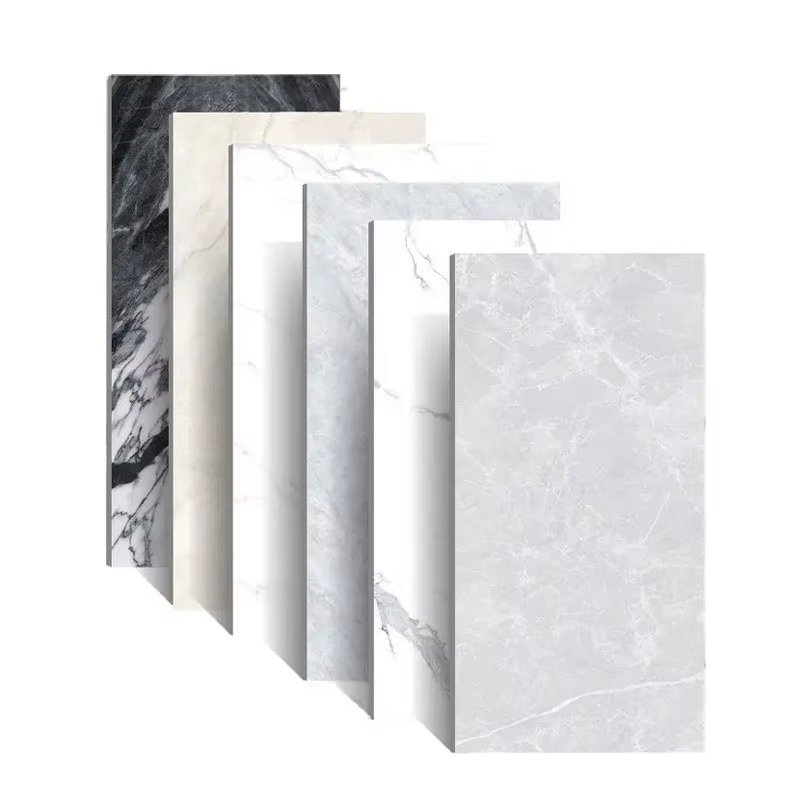
Natural stone cladding is the definitive choice for premium buildings seeking a timeless, authentic look. It sets the standard for architectural projects where long-term value and appearance are the primary drivers, far outweighing initial budget constraints.
Materials like granite, limestone, and marble offer superior weathering resistance and natural insulation. The material’s significant weight, however, demands structural reinforcement and professional installation, making it a planned, capital-intensive investment from the start.
📊 Technical Snapshot:
- 📍 Location: N/A (Material category – quarried globally)
- 🏭 Core Products: Granite, Limestone, Sandstone, Slate, Marble
- 🌍 Primary Markets: Global high-end commercial and residential construction.
Why We Shortlisted Them:
| ✅ The Wins | ⚠️ Considerations |
|---|---|
|
|
Review: Aluminum Composite (The Fire Risk)
VERDICT: A versatile material where core specification is non-negotiable for safety.
Modern fire-rated ACPs are a valid architectural choice, but legacy polyethylene-core panels present a severe and well-documented fire hazard.
Aluminum Composite Panels (ACPs) are a cladding material made of two aluminum sheets bonded to a central core. They offer a clean, modern aesthetic for commercial and residential buildings and are valued for their versatility in design and finish.
The critical distinction lies in the core material. Older polyethylene (PE) cores are highly combustible, while modern fire-rated (FR) or non-combustible A2-rated cores use mineral fillers to meet strict building safety codes like ASTM E84.
📊 Technical Snapshot:
- 📍 Location: N/A (Material category—manufactured globally)
- 🏭 Core Products: Standard PE-core ACPs, Fire-Retardant (FR) core ACPs, A2-core ACPs
- 🌍 Primary Markets: Global commercial, residential, and retail facade projects.
Why We Shortlisted Them:
| ✅ The Wins | ⚠️ Considerations |
|---|---|
|
|
Review: Flexible Stone (The Modern Winner)

VERDICT: Our system excels in B2B projects requiring design flexibility without compromising on safety or structural load.
Our advanced flexible stone system delivers authentic natural aesthetics with unmatched performance for modern construction.
As a B2B-focused manufacturer, we provide solution-oriented wall cladding for architects, contractors, and developers. We support global projects with OEM/ODM customization, backed by ISO 9001 and ISO 14001 certifications, delivering from our Shanghai-based facility.
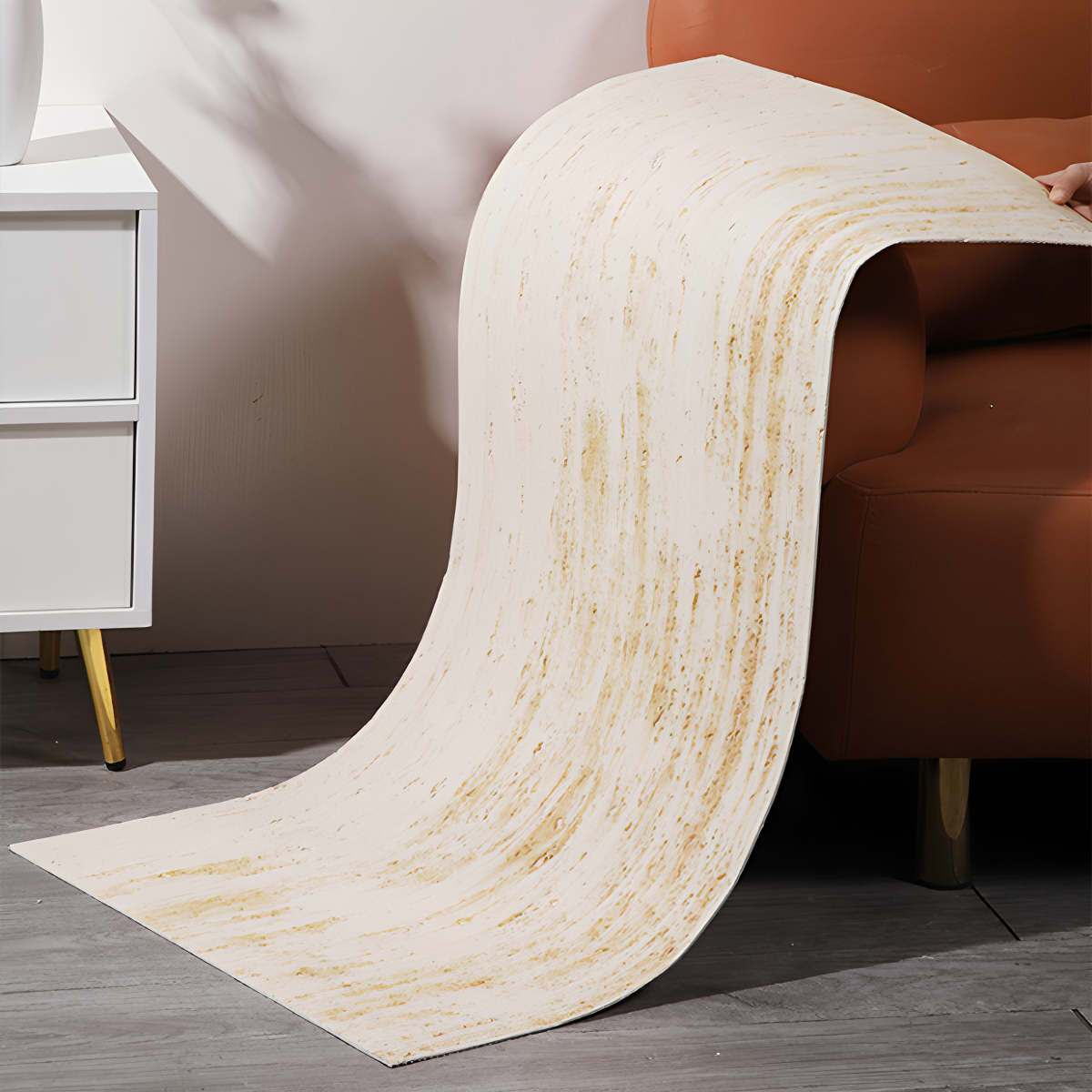
Our panels are engineered from Modified Clay Material (MCM), weighing only 3.5-6.0 kg/m²—a fraction of traditional stone. They achieve a non-combustible Class A2 fire rating and can bend around curved surfaces, offering superior safety and design freedom for any climate.
📊 Technical Snapshot:
- 📍 Location: Wuxi, China (Global Distribution)
- 🏭 Core Products: Flexible Stone Wall Panels, WPC Panels, Custom 3D Printed Wall Solutions
- 🌍 Primary Markets: North America, Europe, Middle East, Russia/Canada, SE Asia
Why We Shortlisted Them:
| ✅ The Wins | ⚠️ Considerations |
|---|---|
|
|
Comparison Chart: Price vs. Performance
Budget-Friendly Options: Low Initial Cost
VERDICT: Ideal for projects where upfront capital expenditure is the primary decision driver.
These materials prioritize immediate cost savings, enabling project execution under tight financial constraints.
This category includes materials selected for their minimal initial investment. They are a practical choice for large-scale developments, temporary installations, or any project where budget adherence outweighs the need for premium, long-lifecycle finishes and aesthetics.
Key options include PVC cladding ($25–$75/m²) and Flexible Stone Panels ($20–$50/m²). Flexible stone, in particular, offers a cost advantage with its low weight (5–10 kg/m²), which reduces structural and installation expenses compared to traditional materials.
📊 Technical Snapshot:
- 📍 Price Point: $20–$75 per square meter (material only)
- 🏭 Core Products: PVC/uPVC Cladding, Flexible Stone Panels
- 🌍 Primary Markets: High-volume residential construction, cost-sensitive commercial fit-outs, temporary structures.
Why We Shortlisted Them:
| ✅ The Wins | ⚠️ Considerations |
|---|---|
|
|
Mid-Range Materials: A Balance of Value and Durability
VERDICT: The optimal trade-off between upfront investment and long-term project lifespan.
They provide superior resilience and weather resistance over budget options without the premium cost of high-end composites.
This category represents the industry standard for projects requiring longevity without over-capitalizing. These proven materials are favored in commercial and residential construction for their reliability and accessible price points, delivering a dependable return on investment for developers and property owners.
Key options include aluminum composite panels (ACP), valued for excellent weather resistance, and fiber cement siding. Fiber cement, in particular, offers superior defense against fire and rot, ensuring a lifespan that often exceeds 30 years in harsh conditions.
📊 Technical Snapshot:
- 📍 Location: Globally Sourced & Available
- 🏭 Core Products: Aluminum Composite Panels (ACP), Fiber Cement Siding
- 🌍 Primary Markets: Commercial façades, residential siding, renovation projects
Why We Shortlisted Them:
| ✅ The Wins | ⚠️ Considerations |
|---|---|
|
|
Premium Materials: High Performance and Longevity
VERDICT: The most economical choice for long-term projects where lifecycle cost is prioritized.
These materials trade a higher initial investment for decades of superior durability and minimal maintenance needs.
Premium cladding options represent a long-term investment in a building’s envelope. They are specified for projects where aesthetic integrity, performance, and low operational costs are primary objectives, ultimately justifying the higher initial capital outlay.
With lifespans from 25 to over 50 years, materials like composite panels and natural stone deliver exceptional resilience. Their composition resists weathering and decay, making them a structurally sound choice for high-value and demanding environments.
📊 Technical Snapshot:
- 💰 Price Point: $40 – $120+ per sq. meter
- 🔩 Core Materials: Composite Panels, Natural Stone
- ⏱️ Typical Lifespan: 25–50+ years
Why We Shortlisted Them:
| ✅ The Wins | ⚠️ Considerations |
|---|---|
|
|
Final Procurement Verdict: Securing Your Cladding Supply Chain

The data shows that selecting cladding based on the lowest initial price exposes projects to fire safety risks, brand damage, and ballooning lifecycle costs from structural reinforcement and maintenance. A technically sound decision prioritizes materials that are lightweight, fire-resistant, and climate-adaptive to protect the project’s budget, timeline, and reputation. This strategy shifts the focus from a simple material purchase to a calculated investment in long-term asset performance.
The logical next step is to verify these performance metrics against your specific project requirements. Move beyond data sheets and get physical materials into your team’s hands. Request a full technical catalog and a curated sample kit to evaluate the weight, flexibility, and finish of these modern cladding systems firsthand.
Frequently Asked Questions
Best exterior cladding material?
The “best” exterior cladding depends on balancing aesthetics, durability, maintenance, and budget. For a superior combination of all factors, fiber cement siding is a leading choice. It offers excellent resistance to fire, rot, and insects, comes in numerous styles and colors, and provides a long service life. For modern designs, large-format porcelain panels and architectural metal offer a sleek, high-performance finish, while thermally modified wood provides a natural aesthetic with enhanced durability.
Most durable house siding?
For sheer longevity and resistance to the elements, stone and brick veneer are the most durable options, often lasting the lifetime of the building with minimal maintenance. Close behind is fiber cement siding, which is engineered to withstand harsh weather, impacts, fire, and pests for over 50 years. High-quality steel siding is also exceptionally durable, offering superior protection against hail and high winds, though it can be susceptible to denting and scratches.
Cheapest way to clad a building?
Vinyl siding remains the most cost-effective cladding material on the market. It is lightweight, relatively easy to install, and requires very little maintenance, which keeps both upfront and long-term costs low. While it is the budget leader, other affordable options include basic engineered wood panels and traditional stucco (in specific regions where labor is cost-effective), though these may require more maintenance than vinyl.
Top rated facade materials 2025?
In 2025, top-rated materials emphasize sustainability, performance, and modern aesthetics. Key standouts include composite rainscreen systems, which offer excellent moisture management and design flexibility. Large-format porcelain and sintered stone panels are highly rated for their durability, low maintenance, and seamless appearance. Additionally, thermally modified wood (TMW) continues to be popular for its natural beauty combined with enhanced resistance to rot and decay, meeting demands for biophilic design.
Stucco vs stone veneer cost?
Stone veneer is significantly more expensive than stucco. On average, installed stone veneer (manufactured or natural) costs between $25 to $50 per square foot, depending on the material complexity and regional labor rates. In contrast, a traditional three-coat stucco system typically costs between $9 and $15 per square foot installed. This means that stone veneer can easily be two to four times the total cost of a stucco finish for the same coverage area.