Modern retail interior design (shop fitting) is now a direct countermeasure to the revenue loss caused by customer indifference and the operational downtime required for renovations. A physical store that fails to generate social media buzz or looks dated risks a significant drop in foot traffic, quickly turning a valuable commercial lease into an expensive liability. Every day a store is closed for an upgrade is a day of lost sales, a metric that directly impacts profitability.
This guide provides a technical framework for using flexible stone to build visually compelling and operationally efficient retail spaces. We cover the specific installation methods that enable rapid, even overnight, renovations to minimize business disruption. We also detail how to use texture to create ‘Instagrammable’ moments, select materials for durability in high-traffic zones, and maintain design consistency across franchise locations.
The “Experience Economy” in Retail
In 2026, a retailer’s most valuable asset is the physical environment itself, as the in-store experience now dictates customer loyalty and spending more than the merchandise on the shelves.
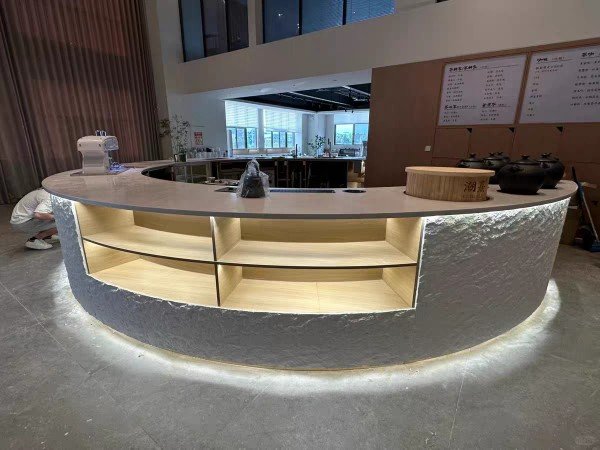
Transforming Spaces into Destinations
The modern retail model has shifted from transactional sales to experiential engagement. Success is no longer measured just by product turnover, but by a customer’s willingness to stay, interact, and form an emotional connection with the brand. Physical stores must now function as destinations for social interaction and discovery. The store’s ambiance is not just a backdrop; it is a core part of the value proposition, directly influencing dwell time and brand loyalty.
- Retailers build customer loyalty by using immersive settings and interactive installations to make their stores memorable.
- Customizable wall panels, like flexible stone and WPC, are the tools architects and shopfitters use to construct unique, branded atmospheres that differentiate a store from its online and offline competitors.
- Industry data confirms the physical environment is the most critical factor in shaping customer experience, accounting for a majority of retail engagement.
Sensory Engagement with Textured Surfaces
Engaging the senses is fundamental to creating a lasting impression. Flat, uninspired surfaces fail to capture attention, but textured walls provide critical visual and tactile points of interest that define a brand’s identity. This sensory input makes a space feel more authentic and forms a stronger emotional connection with customers, encouraging them to see the environment as a shareable experience.
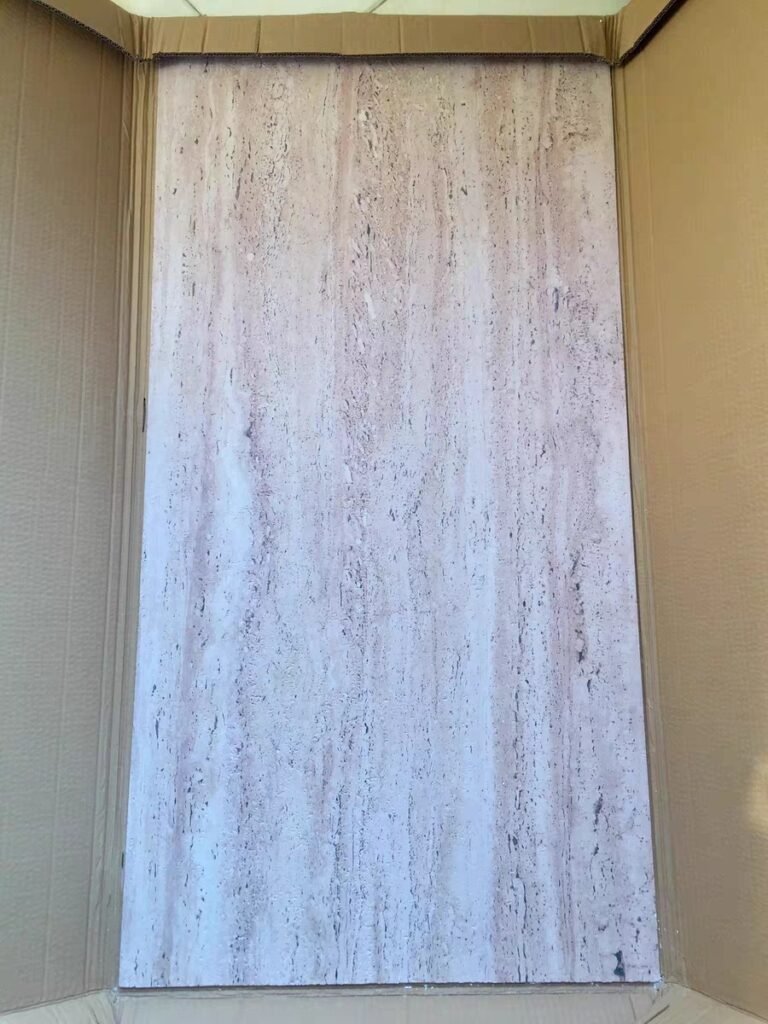
- The natural patterns of flexible stone panels can evoke feelings of luxury, nature, or permanence, depending on the chosen texture like slate or travertine.
- WPC panels offer a sense of warmth and comfort, making them ideal for creating welcoming environments in cafes, boutiques, and spas.
- Custom 3D printed finishes allow brands to deploy unique patterns that align perfectly with a specific aesthetic, from sleek and modern to rustic and organic.
Building Ambiance to Foster Loyalty
The ambiance of a retail space directly impacts how customers perceive a brand’s quality and values. A thoughtfully designed interior creates an emotional resonance that extends far beyond the point of sale. This connection encourages repeat visits and transforms customers into advocates, building long-term loyalty through positive association. The right wall coverings are essential for setting this tone consistently.
- A store’s design must clearly reflect the brand’s core values and resonate with its target audience to be effective.
- Using a defined material palette, like JMS Decor’s panel systems, helps franchises and multi-location retailers create a consistent, high-quality atmosphere.
- A positive and memorable in-store experience is one of the strongest drivers of word-of-mouth marketing and social media sharing.
Creating “Instagram Moments” with Texture
In 2026, a retail wall’s value is measured not just by its aesthetics, but by its ability to generate user-driven social media content, turning physical space into a free marketing asset.
Tactile Walls as Photo Backdrops
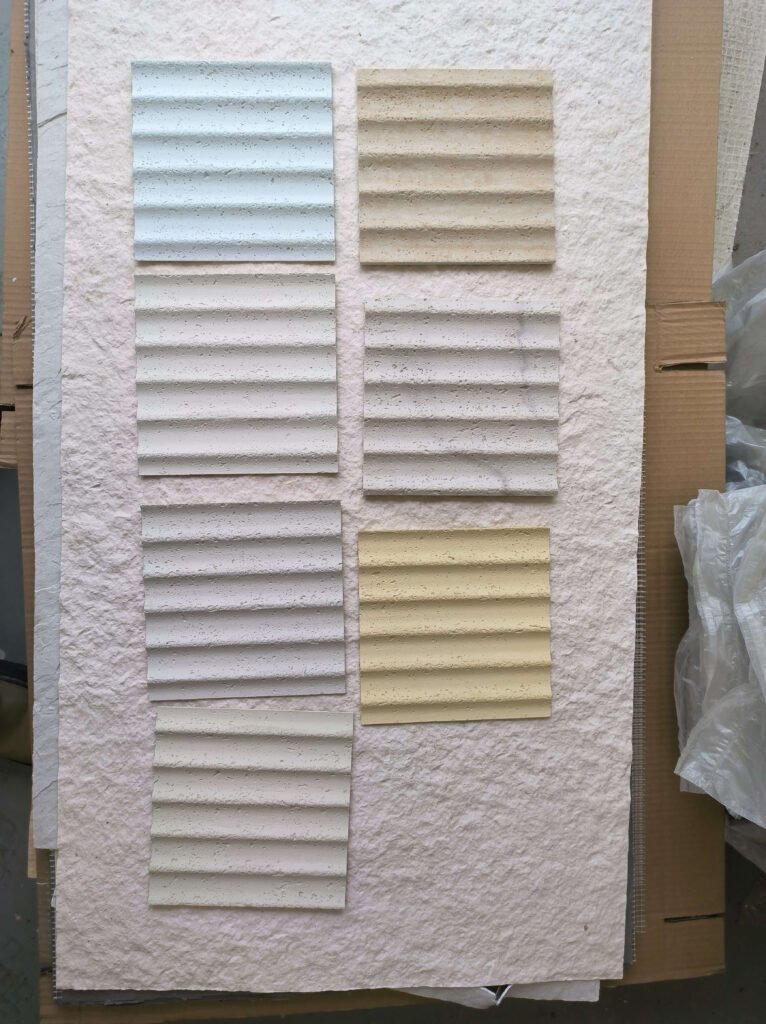
Retail spaces are now designed as content destinations. Flat, painted walls are obsolete for brands seeking customer engagement. Textured surfaces, especially materials like flexible stone, provide an immediate, high-end backdrop for customer photos. Each selfie or product shot taken against a unique wall texture functions as organic social media marketing, directly driving foot traffic. JMS Decor’s flexible stone panels, for instance, offer the natural variations of real slate or travertine, giving each photo a distinct, non-replicable background. The objective is to build a multi-sensory environment that customers feel compelled to capture and share.
Highlighting Texture with Strategic Lighting
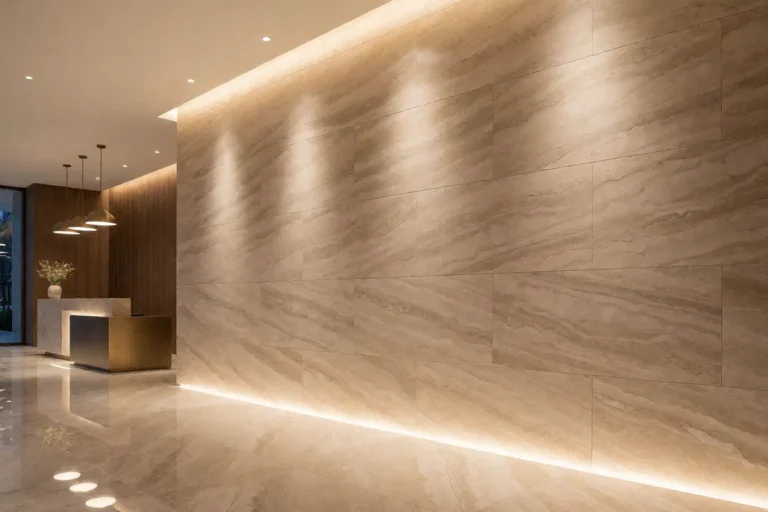
A textured surface without calculated lighting is a wasted investment. The visual impact of a material’s depth and pattern is only realized through well-planned illumination. Using spotlights, uplighting, or grazing light across a wall casts shadows that accentuate its topography. This technique turns a static surface into a dynamic feature that changes throughout the day. For materials like flexible slate, proper lighting is critical to bring out the natural grain and clefts. This approach creates dramatic visual interest that looks compelling both in person and on camera, directly improving the shareable quality of the space.
Using Flexible Stone for Unique, Shareable Designs
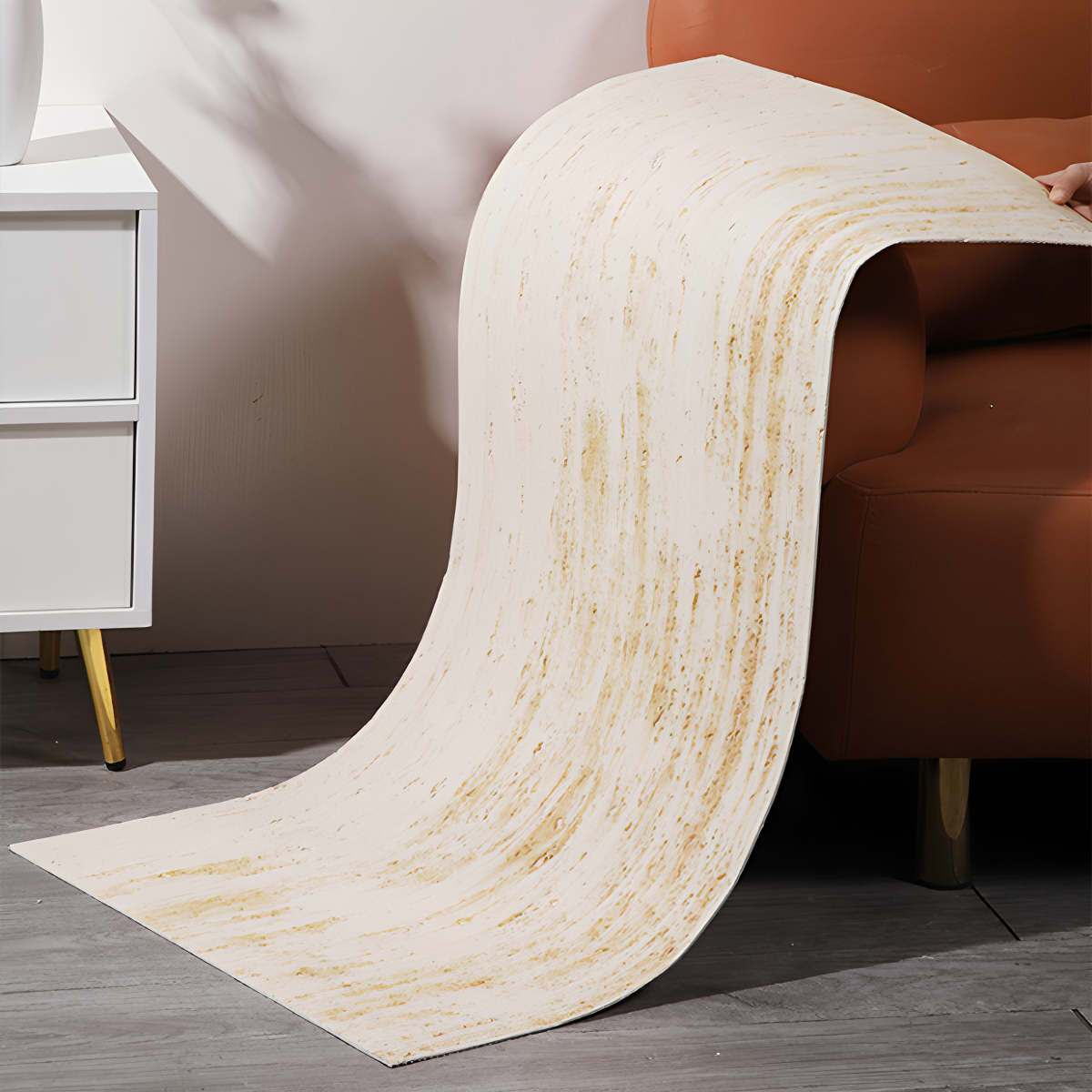
The ability to apply real stone to curved surfaces opens up new architectural possibilities for creating memorable retail features. Traditional thick stone slabs limit designers to flat planes. Flexible stone panels, which can bend around a 200mm diameter, allow designers to wrap columns, reception desks, and arched entryways seamlessly. These unique architectural forms are impossible to ignore and become natural focal points for photos. These distinctive features act as landmarks within the store, encouraging customers to capture and post images of the environment, effectively embedding the brand’s physical space into their social feeds.
Elevate Your Designs with Flexible Stone
Rapid Renovation: The “Overnight” Upgrade
Closing a retail space for renovations directly translates to lost revenue, but lightweight panel systems enable complete transformations during off-hours to ensure continuous business operations.
For any retail store, cafe, or salon, downtime is the primary cost of a renovation. Every hour the doors are closed, you lose sales and risk sending customers to competitors. The concept of a rapid, or “overnight,” renovation is built around eliminating this disruption. By using materials engineered for speed, a shopfitter can execute a full aesthetic overhaul after business hours, allowing the store to reopen the next morning with a completely new look. This approach transforms renovation from a major business interruption into a strategic, low-impact upgrade.
Minimize Business Downtime
The core value of a rapid renovation is maintaining business continuity. Traditional renovation methods involving demolition, wet work, and extensive site prep force closures that can last for days or weeks. Flexible panel systems bypass these bottlenecks. The installation process is clean, quiet, and fast, making it ideal for work in evenings or on weekends when customer traffic is zero. This protects your revenue stream and keeps your customer base engaged.
| Metric | Traditional Renovation (Stone, Tile, Wood) | JMS Decor Panel System (Overnight Upgrade) |
|---|---|---|
| Business Downtime | Days or weeks of closure, causing significant revenue loss. | Minimal (overnight or off-hours), preserving business continuity. |
| Labor & Demolition | Requires large teams, noisy demolition, and extensive site prep. | Smaller teams can install with no demolition (direct overlay) and dust-free cutting. |
| Material Weight & Logistics | Heavy materials increase structural load, transport costs, and installation complexity. | Weighs 1/6th of traditional stone, reducing load-bearing needs and simplifying logistics. |
The Advantage of Lightweight Materials
Heavy materials like stone slabs or solid timber are cumbersome, slow to install, and require specialized equipment and larger crews. Our MCM flexible stone panels weigh only 3.5 to 6.0 kg/m², which fundamentally changes the project workflow. This weight reduction not only simplifies transport and handling but also eliminates the need for structural reinforcement in many renovation scenarios. A smaller installation team can achieve more in less time, directly lowering labor costs and accelerating the project timeline.
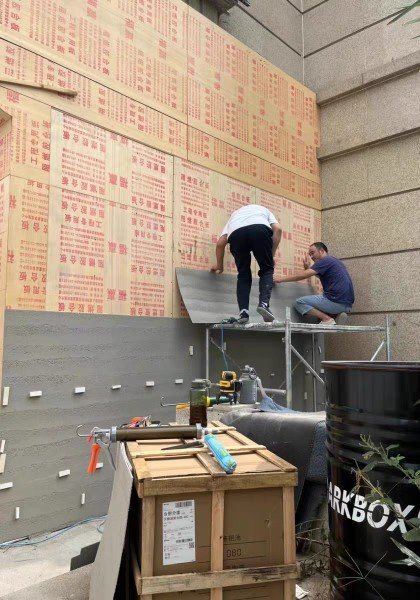
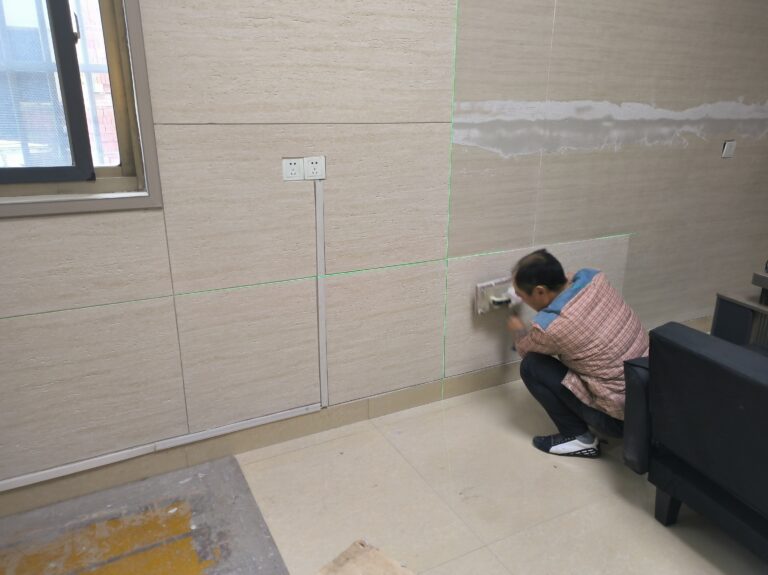
- Panels install directly over existing surfaces like old tiles or drywall, which is a “zero-demolition” approach that saves time and money.
- Cutting is done with a standard utility knife, creating a dust-free and low-noise work environment suitable for occupied buildings.
- Less on-site mess translates to a faster cleanup and a quicker return to business operations.
Immediate Impact with Lasting Quality
A rapid installation does not mean a temporary fix. The goal is to achieve an immediate, high-impact aesthetic upgrade that is engineered to perform in a commercial setting. Our flexible stone and WPC panels deliver the visual appeal of authentic, high-end materials but with superior technical performance. They are scratch-resistant, waterproof, and carry a Class A2 fire rating, ensuring they can handle the demands of a high-traffic retail environment. You get an instant transformation that boosts brand image and property value without the lengthy, costly, and disruptive process of a conventional build-out.
Durability in High-Traffic Zones
For high-traffic retail, surface material selection must balance impact resistance and fire safety with long-term maintenance costs to protect both brand aesthetics and operational budgets.
Performance Beyond Aesthetics
In high-traffic retail spaces, wall panels must withstand constant wear without sacrificing visual appeal. Areas like entrances, checkout counters, and corridors are subject to daily impacts from carts, luggage, and customer traffic.
JMS Decor’s flexible stone panels offer a solution that merges the natural look of stone with engineered resilience. This material is specifically designed to handle the physical demands of commercial environments, ensuring the brand’s aesthetic is preserved long after installation.

- Resists scratches, scuffs, and impacts common in busy commercial environments.
- Maintains color and texture integrity over time, avoiding the faded or worn look of lesser materials.
- Provides a high-end finish that elevates brand perception while meeting practical durability needs.
Reducing Maintenance and Lifecycle Costs
The long-term cost of a material includes its upkeep. Traditional surfaces like painted drywall require frequent touch-ups and repainting, creating ongoing operational expenses and potential downtime. Our flexible stone panels are engineered for minimal maintenance, making them an economical choice for multi-location retail chains and hospitality businesses looking to manage operational budgets effectively. The durable, non-porous surface simplifies cleaning and eliminates the need for periodic refinishing, directly lowering the total cost of ownership.
| Feature | JMS Flexible Stone | Conventional Alternatives (Paint, HPL) |
|---|---|---|
| Impact Resistance | High – Resists scratches, scuffs, and impacts from carts and traffic. | Low to Moderate – Drywall scuffs easily; HPL can chip or crack under heavy impact. |
| Fire Safety | Class A2 (Non-combustible) – Meets stringent commercial fire codes. | Varies – Standard paint offers minimal resistance; fire-rated HPL is a premium option. |
| Lifecycle Maintenance | Low – Waterproof and stain-resistant surface requires simple cleaning. No repainting needed. | High – Painted walls require frequent touch-ups; HPL seams can collect dirt and delaminate. |
Meeting Safety and Compliance Standards
Safety is a non-negotiable requirement in public commercial spaces. Our panels are engineered to contribute to a safer environment by meeting key industry standards for fire resistance and structural integrity. This ensures compliance with building codes and provides peace of mind for store owners, contractors, and architects responsible for public welfare.
- Holds a Class A2 fire rating, providing an essential safety layer for retail and commercial interiors.
- The naturally textured surface can improve slip resistance in busy walkways compared to smooth, polished finishes.
- Lightweight construction (3.5 – 6.0 kg/m²) simplifies installation and reduces the structural load on walls, a critical factor in both new builds and renovations.
Brand Consistency for Franchises
A scalable design system using consistent, durable materials is the foundation for franchise brand recognition and customer trust across multiple locations.
Standardizing Design Across Locations
A unified look is essential for brand recognition in a franchise model. Using consistent, high-quality wall panels across all locations ensures customers have the same brand experience, whether they are in North America or Europe. A reliable material specification provides the foundation for building this visual identity. Standardizing materials from a single source eliminates color and texture variations that can dilute the brand over time and across different regions.
- Our flexible stone and WPC panels offer consistent color palettes, textures, and finishes for a uniform look.
- Our OEM capabilities allow us to produce panels that meet exact brand specifications for every new store opening in 2026.
- With a low MOQ of 200 square meters, even smaller or new franchise locations can access the same premium materials as flagship stores.
Balancing Core Identity with Local Customization
While consistency is key, successful franchises adapt to local markets. Our custom solutions allow for regional personalization without diluting the core brand. This flexibility helps each location connect with its community while remaining distinctly part of the franchise family. Instead of a rigid, one-size-fits-all appearance, this approach makes each location feel authentic and locally relevant, which is a significant driver of customer loyalty.
- Use our 3D printing technology to incorporate subtle local patterns or motifs into a standard panel design.
- A franchise can maintain its signature stone finish while offering a unique accent wall that reflects regional culture or design trends.
Durable and Scalable Material Solutions
Franchises require materials that can withstand high traffic, meet commercial building codes, and be sourced reliably as the business grows. Our wall panels are engineered for durability and supported by a supply chain built for global expansion. This ensures that as a franchise network scales, the quality and availability of its core design components remain constant.
- Our products are Class A2 fire-rated, waterproof, and weather-resistant, making them suitable for diverse climates and regulations.
- The lightweight nature of our flexible stone panels reduces shipping costs and simplifies installation, speeding up new store rollouts.
- We provide a stable supply chain to support aggressive expansion plans, ensuring materials are available when needed.
Case Study: Cafe & Boutique Makeover
Fusing retail with hospitality using visually engaging, textured materials is a proven strategy to extend customer dwell time and generate organic social media marketing.
Designing a Multi-Sensory Experience
The project’s primary goal was to transform a standard retail space into a lifestyle destination. By blending the functions of a café and a boutique, the design fights the convenience of e-commerce by offering a unique physical environment. This approach encourages customers to stay longer, interact with the brand on a deeper level, and ultimately spend more. The entire space was conceived as a backdrop for user-generated content, turning visitors into brand advocates.
- The layout was engineered for a seamless flow between the retail displays and the café seating, encouraging exploration.
- A core objective was building an “Instagram-friendly” aesthetic to drive organic social media sharing and brand awareness.
- The design tells a community-focused story, establishing the location as a local hub rather than just a place for transactions.
Using Textured Panels to Unify Space
JMS Decor’s wall panels were the central material used to achieve a cohesive look. The project specified custom flexible stone and WPC panels to define different zones—like the seating area versus the product displays—while maintaining a consistent brand identity. This material choice was critical for both its aesthetic impact and its practical installation benefits, which kept renovation time to a minimum.
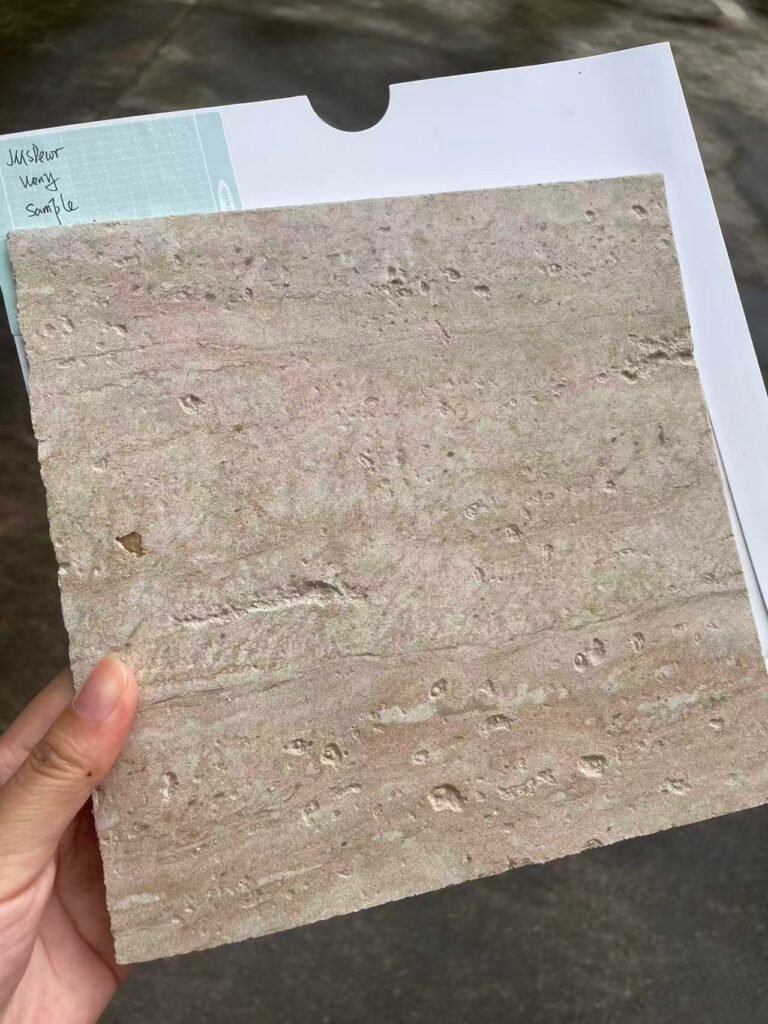
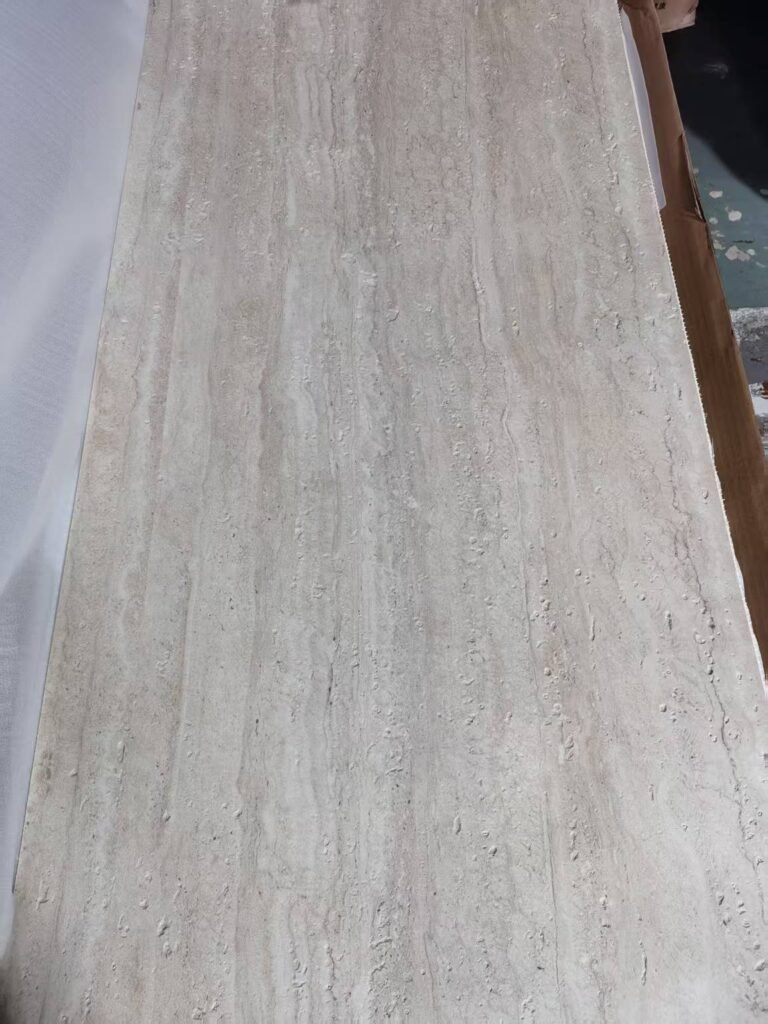
- Flexible stone panels from the “Naturals” series created a warm, high-end texture in the café, making the seating area more inviting.
- Custom 3D-printed WPC panels with a unique brand pattern were installed in the boutique area, providing a modern contrast that still complemented the café’s organic feel.
- The lightweight nature and simple “Direct Adhesion” installation of these panels enabled a rapid, zero-demolition renovation, which significantly reduced business downtime.
Results: Increased Dwell Time and Sales
The makeover was a commercial success, transforming the business from a transactional space into an engaging local destination. The new design directly contributed to improved customer engagement metrics, diversified revenue, and a stronger brand presence both online and offline.
- Post-renovation data showed a 40% increase in the average time customers spent in the establishment.
- The integrated layout produced a measurable lift in cross-sales, with café customers making unplanned boutique purchases and vice-versa.
- The visually appealing interior generated a significant spike in social media mentions and photo tags, providing valuable and sustained organic marketing.
Conclusion
Creating a memorable retail space requires both standout aesthetics and operational efficiency. Flexible stone systems deliver on both fronts, enabling rapid, non-disruptive renovations that result in durable, brand-consistent, and highly shareable interiors. This unique combination supports both immediate customer engagement and long-term business goals.
If you are planning a new fit-out or a brand refresh, consider how these textures could work in your space. Explore our catalog or request a project-specific sample to feel the material firsthand.
Frequently Asked Questions
Instagrammable cafe design?
Focus on creating a memorable and immersive environment. This involves designing unique focal points like a feature wall with a custom mural, neon signage with a catchy phrase, or an interactive art installation. Prioritize aesthetically pleasing backdrops with good lighting, distinctive furniture, and unique textures that encourage customers to take and share photos, extending the brand’s reach organically.
Renovate store without closing?
Yes, this is achieved through a phased renovation strategy. The project is broken into smaller, manageable zones, allowing the rest of the store to remain operational. Work is typically scheduled during off-hours (overnight or on low-traffic days) to minimize disruption. Using temporary barriers, clear signage, and modular construction elements can further ensure a smooth process while maintaining a safe shopping environment for customers.
Durable walls for high traffic shops?
For high-traffic retail environments, prioritize materials that offer high impact and abrasion resistance. Fiber-Reinforced Plastic (FRP) panels are an industry standard for durability and ease of cleaning in back-of-house areas. For customer-facing walls, consider high-pressure laminate (HPL) panels, commercial-grade Type III vinyl wallcoverings, or applying scuff-resistant, high-scrub paints like an acrylic-epoxy formula. These solutions protect against damage from carts, strollers, and general wear.
Retail franchise design consistency?
Achieving design consistency across a retail franchise relies on a comprehensive brand standards manual or design guide. This document meticulously details every environmental element, including approved color palettes, specific lighting fixtures (lumens and temperature), flooring materials, furniture models, and signage specifications. This ensures that every location, regardless of its unique footprint, delivers a cohesive and instantly recognizable brand experience, which is fundamental to building customer loyalty and trust.
Best lighting for textured walls?
The most effective technique is called “wall grazing.” This involves placing light fixtures, such as linear LEDs or adjustable track heads, very close to the wall’s surface, either from the ceiling or the floor. The light strikes the wall at a steep, oblique angle, which casts sharp shadows and creates dramatic highlights. This method beautifully accentuates the depth and character of materials like brick, stone, wood panels, or sculpted plaster, turning the wall into a dynamic feature.