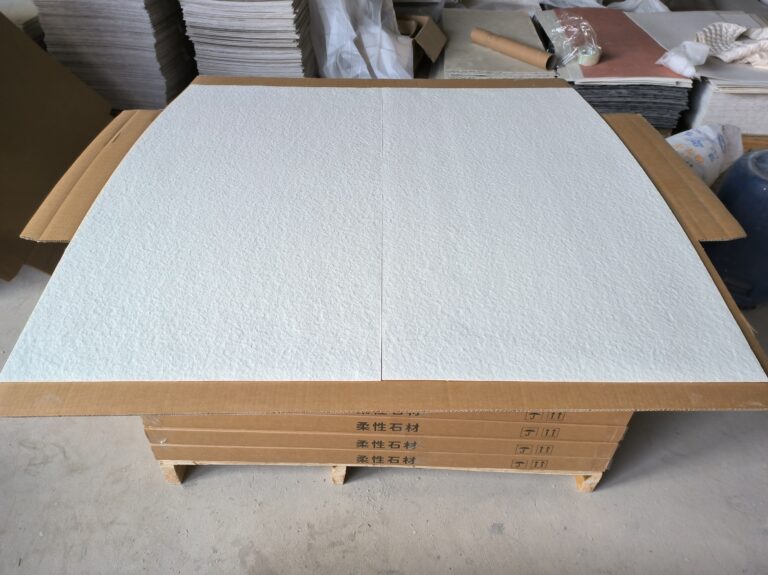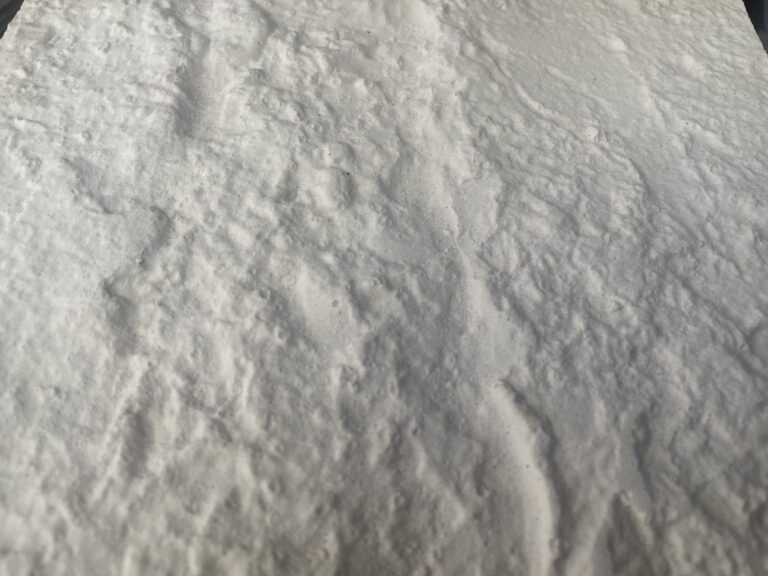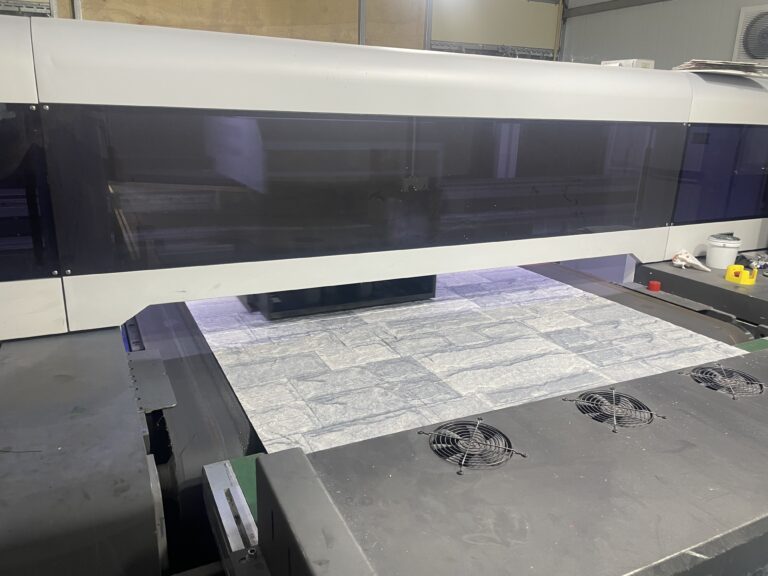
Most flexible stone walls do not stand alone. They stop somewhere — against a painted plaster return, a tiled splashback, a timber slat array, a glazed screen — and that stopping point is where a good installation is most easily undone. The stone itself is 2–8 mm thick, which means the transition is not a deep shadow like a tile upstand; it is a thin, precise edge meeting another material with its own thickness, movement and finish. This guide covers how to plan those transitions, which of the three termination methods suits which condition, and what makes the joint at the end of a stone field read as designed rather than stopped.
Why the transition is harder than the field
Across the field, the stone meets itself: same thickness, same movement, same installer. At a transition, every one of those assumptions breaks. The neighbouring material may be thicker (tile adhesive plus ceramic), thinner (paint on plaster), or mechanically different (timber slats on battens, glass in a channel). Each difference shows at the boundary, and the boundary is exactly where the eye goes.
The second reason is sequencing. A transition is shared between two trades, and whichever finishes second inherits whatever tolerance the first left. A painted wall that runs slightly out of plumb makes a stone edge beside it look tapered even when the stone is dead vertical. Nobody measures the paint; everybody reads the stone line.
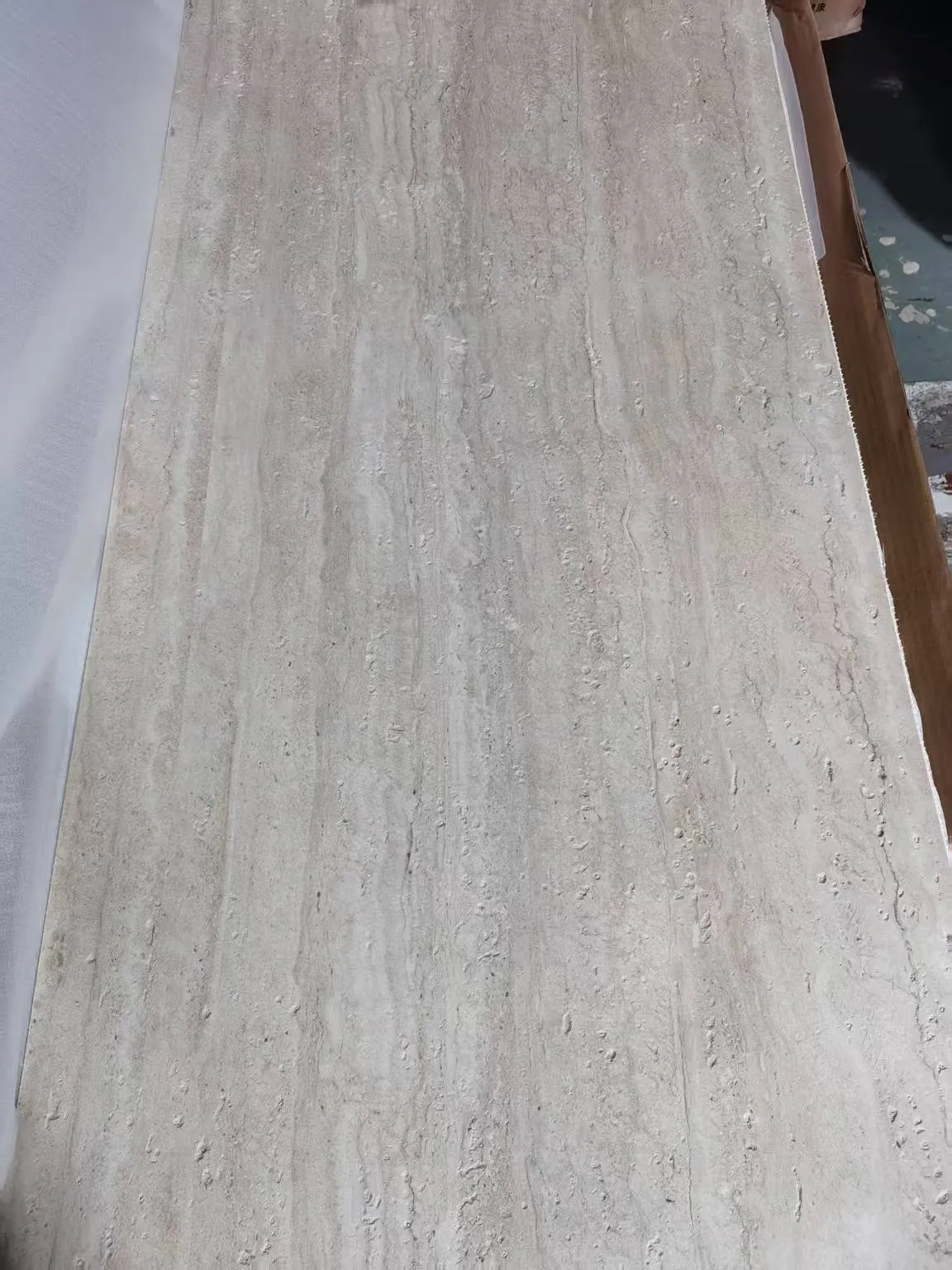
What are the three ways a stone field can end?
Almost every transition resolves into one of three details, and choosing between them is a decision about who owns the visual line.
- The stone edge is the finish. The stone runs to the boundary and its cut edge is left visible, possibly chamfered or very lightly dressed. Cheapest and cleanest when the adjacent material is flush or nearly so. Requires a genuinely straight cut and an edge that tolerates being seen.
- A shadow gap. The stone stops short of the adjacent material, leaving a controlled recess that reads as a deliberate line. This absorbs tolerance from both sides and hides the cut edge in shadow. The most forgiving option, and the one to specify when the two trades are on different programmes.
- A trim or profile. A metal or matching profile caps the stone edge and bridges to the next material. It fixes the line absolutely and covers any cut imperfection, at the cost of introducing a third material to the palette.
The right choice usually follows the adjacent material: paint and plaster suit a fine shadow gap or a bare edge; tile with its own grout line often suits a shadow gap that matches the grout width; timber slats and glass usually need a profile because their interfaces are dimensionally fussy.
How does the stone edge meet paint or plaster?
塗料は最も身近な素材でありながら、石材の縁取りに対しては最も寛容ではありません。なぜなら、コントラストが絶対的だからです。キリッとした鉱物面の質感と、平らなマット塗膜の対比。これを成功させるには2つのルールが必要です。まず、壁面の塗装は石材の切断・仕上げが完了してから行うこと。そうすれば、Painter は乱れた縁取りを追うのではなく、固定された基準線に合わせて塗り分けられます。第二に、石材の切断面自体をシステム要件に応じてシーラント処理またはプライマー処理すること。 untreated(未処理)の切断面は塗料を吸い上げ、暗い線として浮き出てしまいます。
デコボコの多いプラスター壁面は稀ですが、長尺になるほど完璧な平整面は期待できません。そうしたケースでは、細心のシャドージャンプ(隙間)を設ける価値があります。これは波打つ接合面を「引いた線」に変換し、Painter に明確な止め線を提供します。これを設けない場合、プラスターの凹凸はすべて石材の縁取りの不規則さとして可視化され、それはクライアントが最も指摘しがちです。
タイルやその他の硬質仕上げ材とはどう接合しますか?
硬質仕上げ材同士の接合は、両者が剛性を持ち接着されているため、境目にクラックが入りやすいケースです。解決策は、石材そのものの施工で用いられるのと同じ原則です。2つの硬質な仕上げ材を密着させないこと。タイルの目地Line に合わせてできる限りの清潔感を保つための設計されたジョイントを設け、2材料が同様に移動しないため、目地材ではなく柔軟なシーラントで充填します。
ここでもシーケンシング(工程順序)が重要です。タイル用接着剤+タイルの積層高さは、通常、ベースの上の柔軟な石材よりも高くなるため、石材はタイルに対しやや埋め込まれた状態になります。これが計画的であれば問題ありません。凹みはシャドールベールとして読取られますが、当日になって発覚したら醜くなります。それぞれの工事が始まる前に、仕上げ仕上げ面を設定図において定めることは、私どもの パネルJoint仕立てガイド がフィールド内でも適用していることです。
木材、ガラス、金属については?
これらはプロファイル(成形材)が真価を発揮する遷移部分です。界面は機械的な要件が厳しく、素材の収縮・膨張が異なるためです。私どもの 石材から木材への接合ガイド, で解説した木材スラットは、木材が「動く」ための隙間が必要です。プロファイルや十分な幅のシャドージャンプがそれを実現し、同時にスラットの端部による石材縁のダメージを防ぎます。チャンネル(溝)内ガラスの場合は、石材がチャンネルから明確に離れ、隙間をシールしてガラスの背後に何かが浸入しないようにします。塗膜処理された金属トリムは、基層がすでに塞がれているためシャドージャンプが実現しない場合に、最も静謐な解決策となります。
ジョイントの責任者は誰で、引き継ぎはどのように行いますか?
すべての遷移部には、最後にジョイントを閉じるトレーダー(職人)の名が明記された「所有者」を定めるべきです。これは現場で合意するものではなく、工程表に記載されるべきものです。石材設置が先であれば、Painter やタイル職人がジョイントを閉じ、その見映えを責任持ちます。石材設置が最後であれば、設置者が責任を持ちます。絶対に避けるべきなのは、両トレーダーがお互いが隙間を埋めると前提することです。その結果、隙間は遅れて、雑に、不適切な製品で埋められることになります。
引き渡し時には、各遷移部を壁の一部ではなく独自の項目として検査します。ラインは全長にわたり直線であること、隙間の幅が一定であること、シーラントを使用する場合はツール仕上げされ連続していること、接着剤やフィラーが石材面にはみ出していないこと。各タイプの写真は1回、モックアップ時に撮影し、それらの写真を現場でのすべての繰り返し作業の基準として使用します。これは私どもの submittal package guide が一般的に承認について推奨しているアプローチと同じです。
What does the transition look like after a year of service?
A stone junction is judged twice: once at handover and once a year later, and the second reading is the honest one. Two things commonly change. A sealed joint where the wrong product was used will have cracked or pulled away from one side, because the two materials did not move together. A bare shadow gap will have accumulated dust and, in a hard-working interior, will have been wiped into a grey smear at the bottom — which is a maintenance item, not a defect, but it should be known at specification stage rather than discovered by the client.
The transitions that survive are the ones that were given room to move and a clear owner. Where a joint has been designed with a consistent width, a flexible seal and a defined person responsible for closing it, the first annual inspection finds it intact and the touch-up is a wipe, not a repair. Where the junction was treated as the last five minutes of someone’s day, the first inspection is when it gets rebuilt — and by then the stone edge either has to be re-cut in place, which is delicate, or the adjacent finish has to be opened up, which is expensive.
FAQ
Can flexible stone simply butt against painted plaster with no gap?
It can, if the stone edge is cut dead straight and the plaster is flat over the full run, and if the edge is sealed as the system requires. Where either condition is doubtful, a narrow shadow gap is more reliable and looks more deliberate.
Should the transition joint be sealed or left open?
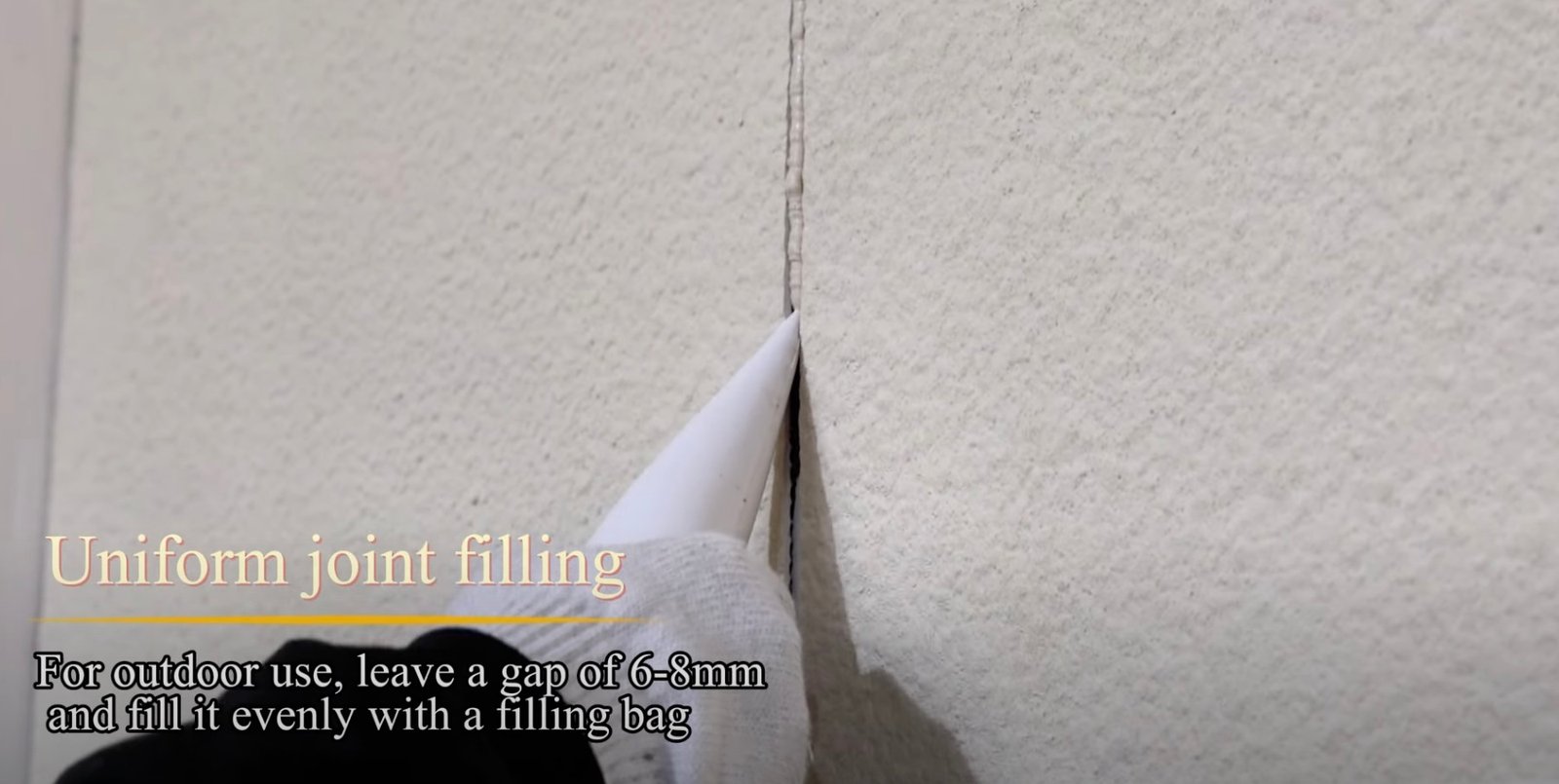
Interior dry transitions can often be left as a shadow gap. Anywhere water, dust or air movement matters — wet rooms, exteriors, service risers — the joint should be sealed with a flexible product, never a rigid filler.
Can I use grout at a stone-to-tile junction?
Better not. Two rigid finishes bonded side by side will move differently, and rigid grout at that line cracks. A flexible sealant in a joint that matches the grout width gives a consistent look without the cracking.
What if the adjacent wall is out of plumb?
Either correct the wall before the stone goes on, or design a shadow gap wide enough to absorb the deviation. What you cannot do is chase the deviation with the stone edge — the taper will be visible from three metres away.
Transitions should be drawn and owned before either trade starts, and the stone side detailed against the system’s installation manual. Format and thickness options — which set the depth relationship at every junction — are listed on the flexible stone veneer page, and reference methods for adhered finishes are published by the Tile Council of North America.