« Panneaux en pierre souples : 5 avantages concrets » est le premier point que les acheteurs doivent vérifier avant de valider un fournisseur, un budget ou un créneau de production. « Panneaux en pierre souples : 5 avantages concrets au-delà du poids » est le premier point que les acheteurs doivent vérifier avant de valider un fournisseur, un budget ou un créneau de production. Demandez à une salle pleine de fournisseurs de revêtements Si vous demandez quels sont les principaux avantages des panneaux en pierre souples haut de gamme, neuf personnes sur dix vous parleront de leur légèreté et des avantages logistiques qui en découlent. Elles ont tort. Non pas parce que le poids n’a pas d’importance — il en a —, mais parce que le débat part du mauvais angle.
A équipe chargée des achats J'ai supervisé la validation d'une commande de $50 000 de travertin destinée au hall d'un hôtel de Dubaï, et j'en ai fait les frais. L'échantillon de pré-production avait passé tous les contrôles visuels avec succès. La couleur était parfaite. La texture correspondait au cahier des charges. Les tolérances de qualité semblaient satisfaisantes sur un échantillon de 20 cm x 20 cm examiné sous l’éclairage du bureau. Mais lors de la semaine de pose, le lot complet est arrivé avec des variations de teinte que personne n’avait détectées, car le processus de validation de l’échantillon n’avait jamais inclus de panneau issu de la gamme de production, prélevé dans trois sections différentes de la presse. Le matériau en lui-même n’était pas défectueux. C’était le processus qui l’était. Cette leçon tirée de la commande $50 000 n’avait rien à voir avec le poids.
Voici ce qui compte vraiment lorsqu’on choisit un revêtement en pierre flexible pour des projets dans le commerce de détail, l’hôtellerie ou les bureaux. Le véritable avantage ne réside pas dans les chiffres d’une fiche technique. C’est ce qui se passe lorsqu’une rénovation de couloir d’hôtel s’achève à 4 heures du matin et que les clients y passent à 7 heures sans qu’aucune plainte pour nuisance sonore ne soit formulée. C’est ce qui se passe lorsqu’un agenceur de centre commercial habille 18 colonnes structurelles d’un matériau aspect pierre sans qu’un seul maçon ne soit présent sur le chantier. C’est ce qui se passe lorsque les prix FOB restent prévisibles, car le fournisseur applique le même calibrage de couleur à l’ensemble du lot, et pas seulement à l’échantillon.
La plupart des guides vous diront que les panneaux légers permettent de réduire les frais de transport. C'est tout à fait vrai. Mais l'avantage qui distingue les professionnels des amateurs est le suivant : un panneau ayant fait l'objet d'un contrôle rigoureux permet à un projet commercial d'être livré dans les délais. C'est là le critère de référence. Tout le reste n'est que données complémentaires.
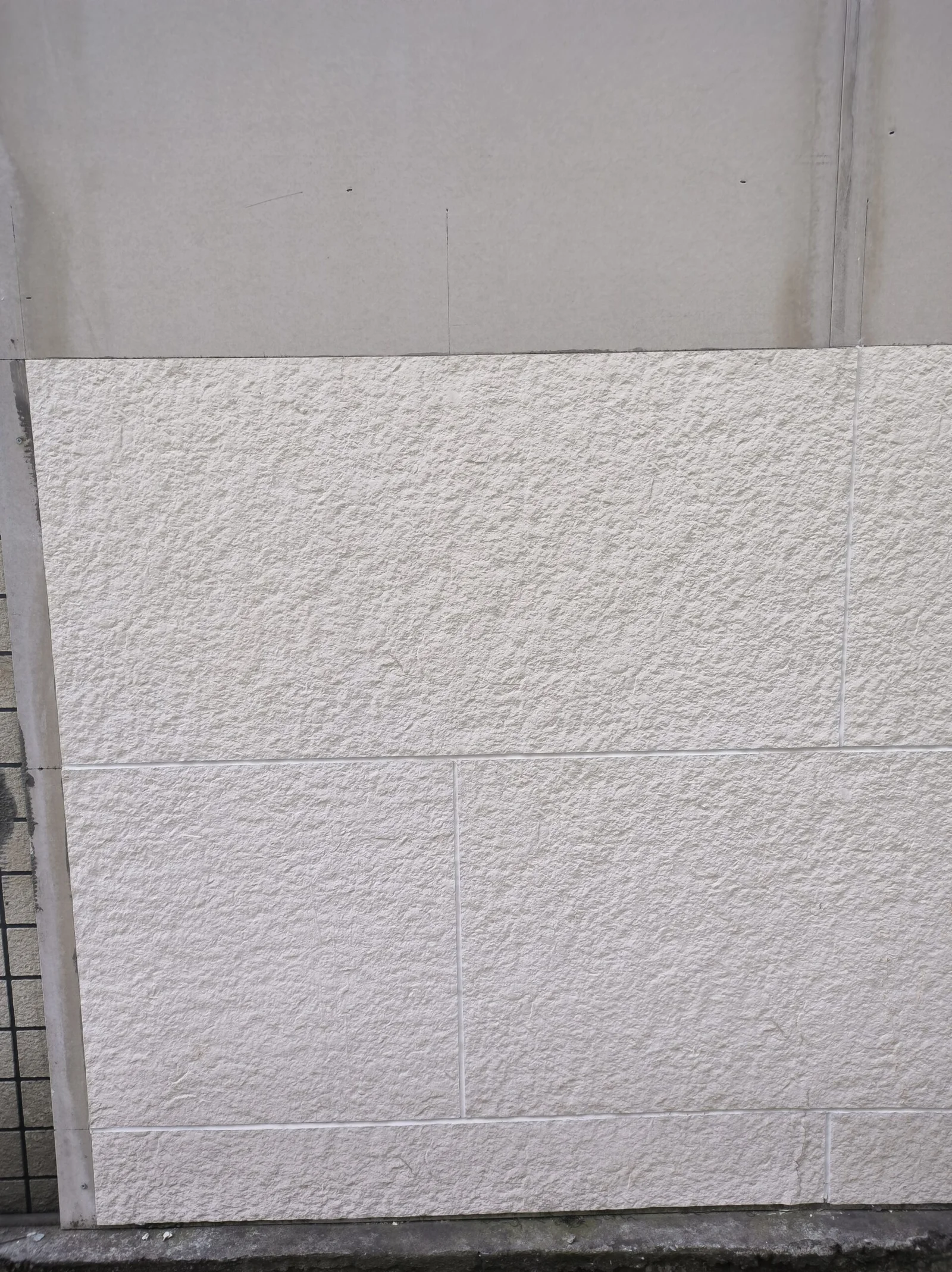
Légèreté – Logistique simplifiée et économies sur les coûts structurels
Les panneaux de pierre souples pèsent entre 3 et 6 kg/m² — soit 85 à 90% de moins que le granit extrait de carrière, dont le poids commence à 30 kg/m² pour une dalle de 2 cm d'épaisseur.
Les calculs liés au transport font échouer la plupart des projets de revêtement en pierre naturelle avant même qu’ils ne quittent le bureau de l’architecte. Un conteneur standard de 20 GP chargé de panneaux de granit de 2 cm d’épaisseur peut contenir au maximum entre 1 200 et 1 500 m² avant d’atteindre les limites de poids. Ce même conteneur peut contenir plus de 3 870 m² de parement en pierre flexible (panneaux de 1 200 x 600 mm pesant 3,5 kg chacun) — soit près du triple de la surface couverte, pour un coût de transport identique et sans aucun supplément pour excédent de poids.
Avec une épaisseur de 3 à 6 kg/m², la pierre souple se pose directement sur des plaques de plâtre, des panneaux de ciment ou du contreplaqué sans renforts structurels supplémentaires. Pas de sous-châssis en acier, pas de calculs de charge permanente, pas de système d'ancrage. Dans le cadre de la rénovation d'un hôtel, où chaque kilo supplémentaire par mètre carré se répercute directement sur les coûts liés aux renforts en acier, cela permet à lui seul de réduire les travaux de préparation structurelle de 30 à 40% du budget total consacré à l'enveloppe du bâtiment.
-
- Poids du matériau (panneau de 1 200 × 600 mm) : Pierre flexible : 3,5 kg. Parement en granit comparable à poser à sec (2 cm d'épaisseur) : 33 kg. Cela signifie qu'un seul ouvrier peut transporter un carton complet de 16 panneaux flexibles (56 kg), alors qu'il faut deux ouvriers pour manipuler un seul élément en granit.
- Chargement du conteneur (20 GP, optimisation du poids) : Pierre flexible : 5 376 panneaux (3 870 m²). Dalles de pierre naturelle : environ 1 200 à 1 500 m² avant d'atteindre les limites de poids. L'écart de coût au m² augmente considérablement pour les îles isolées, les chantiers en hauteur ou tout autre site où la logistique du «dernier kilomètre» est particulièrement difficile.
- Déclencheur structurel : La plupart des codes de construction imposent des exigences supplémentaires en matière d'ossature lorsque les charges permanentes dépassent 15 à 20 kg/m² sur une surface importante. La pierre flexible reste bien en deçà de ce seuil, ce qui permet de conserver une structure murale simple et de faciliter l'obtention des permis.
- Manutention et mise en place : Pas besoin de grue, pas besoin d'ascenseur, pas besoin de manutention spécialisée. Les panneaux sont livrés sur une palette, découpés à l'aide d'un cutter et transportés jusqu'à l'étage par une seule personne. Dans le cadre de la rénovation d’un hôtel de 200 chambres où l’ascenseur est le seul moyen d’accéder aux étages, ce n’est pas une simple question de commodité : c’est la différence entre une installation de 6 semaines et une de 12 semaines.
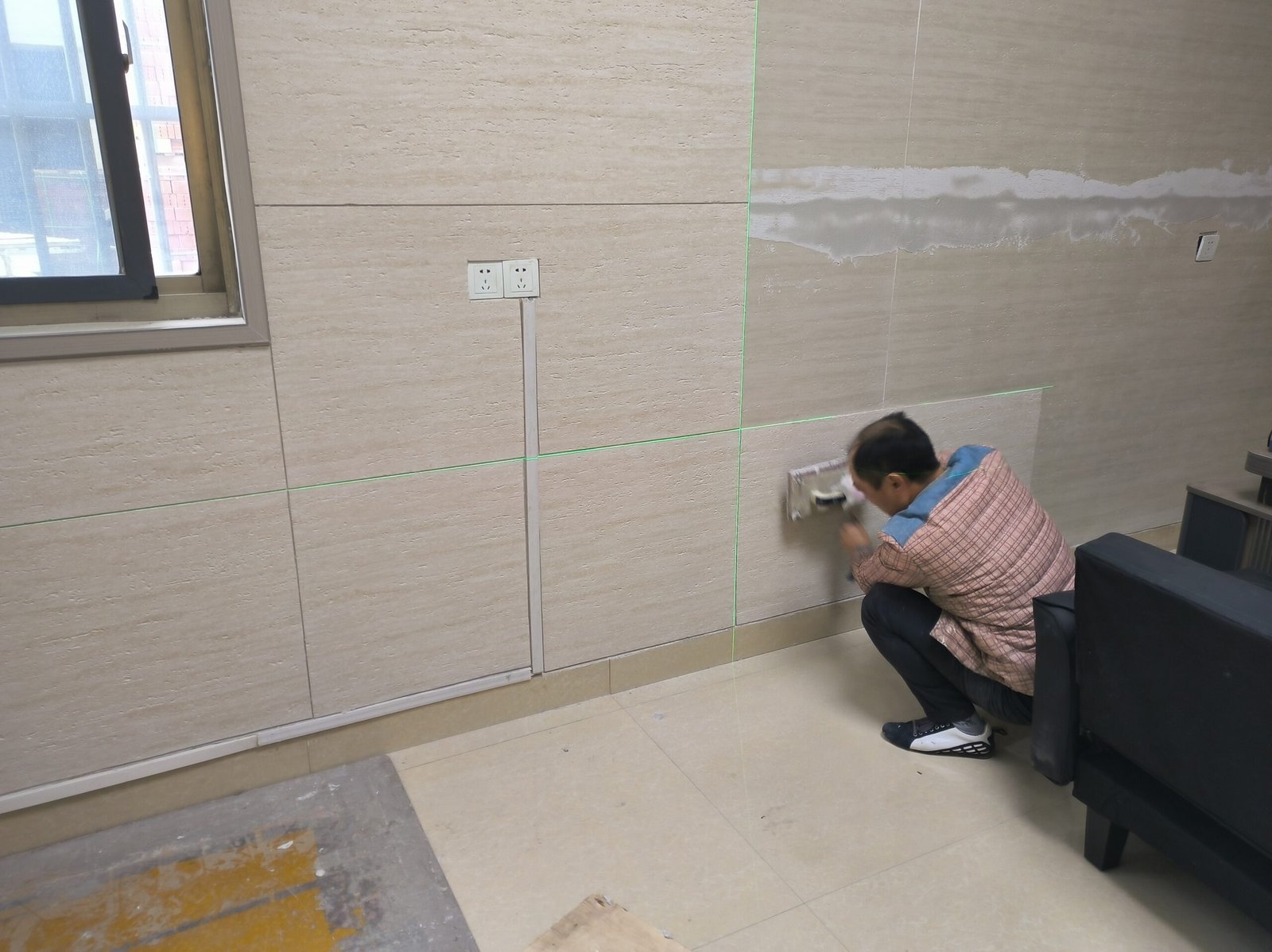
Flexibilité – Idéal pour les courbes et les colonnes
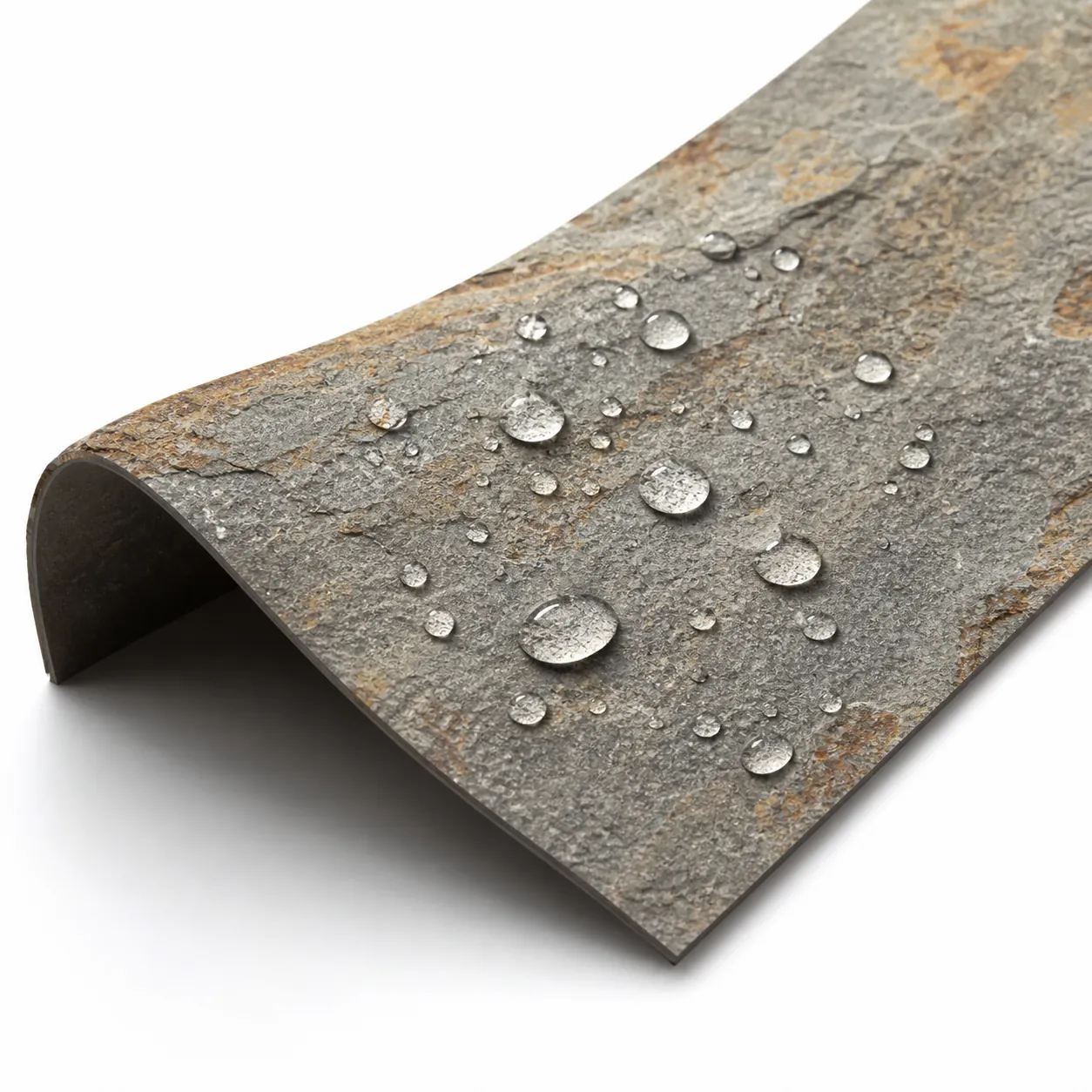
Un rayon de courbure de 200 mm signifie qu'il faut envelopper une colonne de 400 mm de diamètre avec une seule feuille sans soudure.
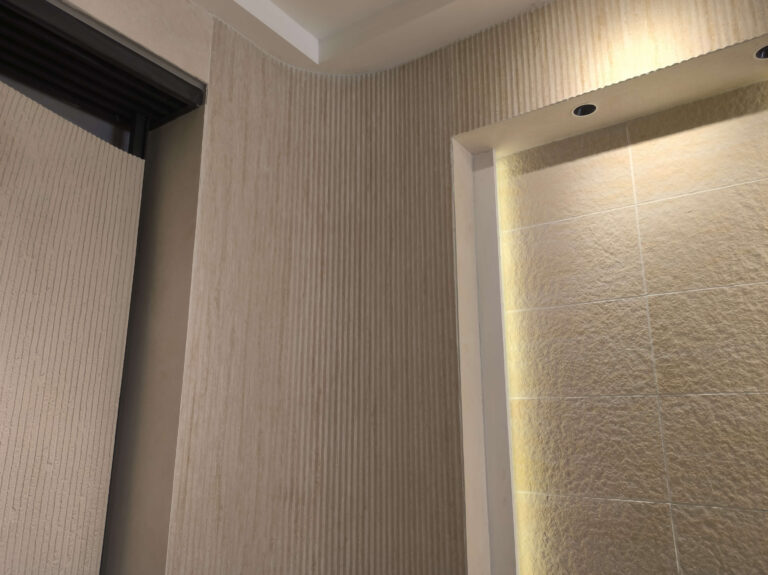
Lorsqu’un cahier des charges de rénovation d’hôtel atterrit sur votre bureau et prévoit le revêtement de six colonnes du hall d’entrée, le premier réflexe est d’établir un devis pour des sections de pierre courbées sur mesure. C’est une stratégie vouée à l’échec : les délais de fabrication dépassent les 8 semaines, et chaque segment nécessite un ancrage arrière très exigeant en main-d’œuvre. Un parement en pierre souple, capable de se courber proprement, élimine ce goulot d’étranglement. Dans les sites de production que j’ai inspectés, le matériau résiste à une courbure à froid d’un rayon de 200 mm sans micro-fissures ; ce test est effectué lors de l’homologation des échantillons afin de s’assurer que le renfort en treillis de fibre de verre ne se délamine pas.
De nombreux chefs de projet tombent dans le piège qui consiste à associer la finesse à la fragilité. Avec une épaisseur comprise entre 3 mm et 8 mm, le panneau n’est pas fragile : il est conçu pour répartir les contraintes sur l’ensemble de sa matrice modifiée par des polymères. Pour une colonne de hall d’entrée type d’un diamètre de 600 mm, vous disposez d’un rayon généreux de 300 mm. Cela reste largement dans la zone de sécurité. La véritable économie ne réside pas dans le prix unitaire du matériau, mais dans la logique de pose. Au lieu de faire appel à des équipes sur échafaudages suspendus pour découper le marbre sur place, une équipe de deux personnes peut habiller une colonne de 3 mètres en moins de deux heures, en utilisant uniquement de la colle à la truelle dentée et une règle.
-
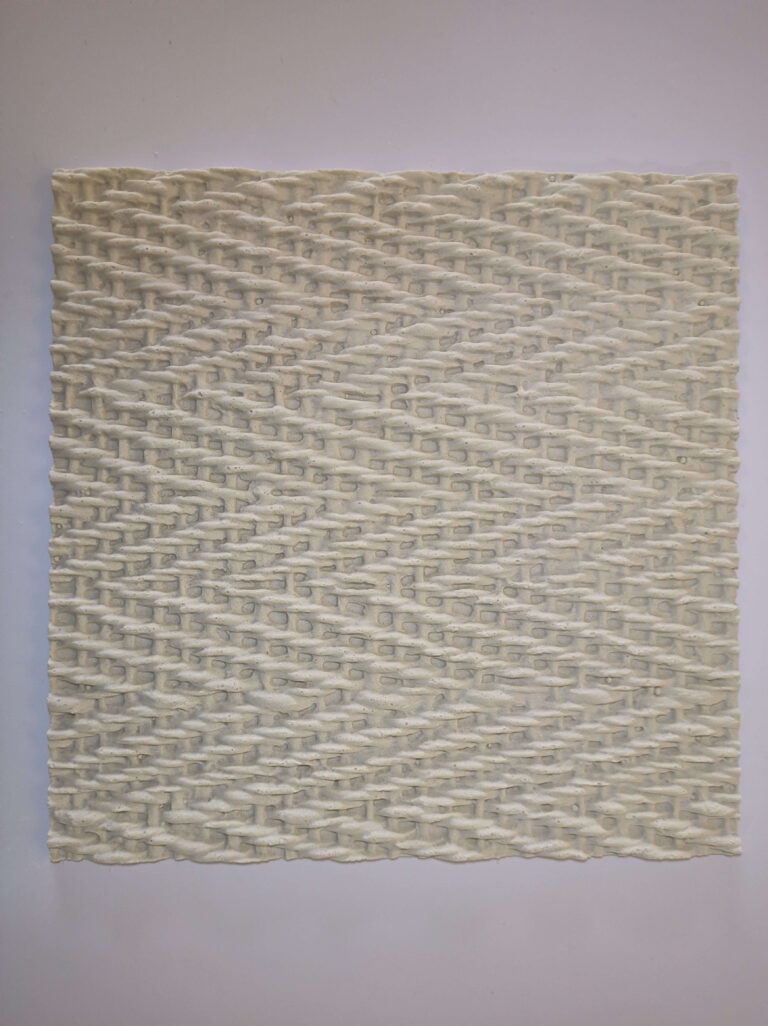
- Rayon de courbure du plancher : Rayon minimal de 200 mm sans chauffage ni pré-humidification. Ce rayon s'applique au panneau standard de 1 200 × 600 mm à texture « travertin ». Les textures 3D plus profondes (par exemple, l'ardoise rugueuse) présenteront un rayon plus proche de 250 mm en raison du relief de la surface.
- Risque en cas de rayon trop petit : Forcer un courbure en dessous du rayon nominal provoque un plissement de la surface de l'agrégat, créant ainsi des marques de contrainte visibles qui ressemblent à des fissures capillaires. Non seulement celles-ci ne passent pas le contrôle de tolérance de qualité, mais elles indiquent également au client que la pierre est ‘ fausse ’. Précisez toujours une marge de sécurité de 15% par rapport au rayon indiqué.
- Avantage en matière de livraison : Un conteneur standard de 20 GP peut contenir 5 376 petits panneaux (3 870 m²). Comme le matériau est expédié en rouleaux pour les envois de petit format, le prix FOB au m² reste prévisible — il n'y a pas de supplément pour casse, contrairement aux dalles de pierre naturelle.
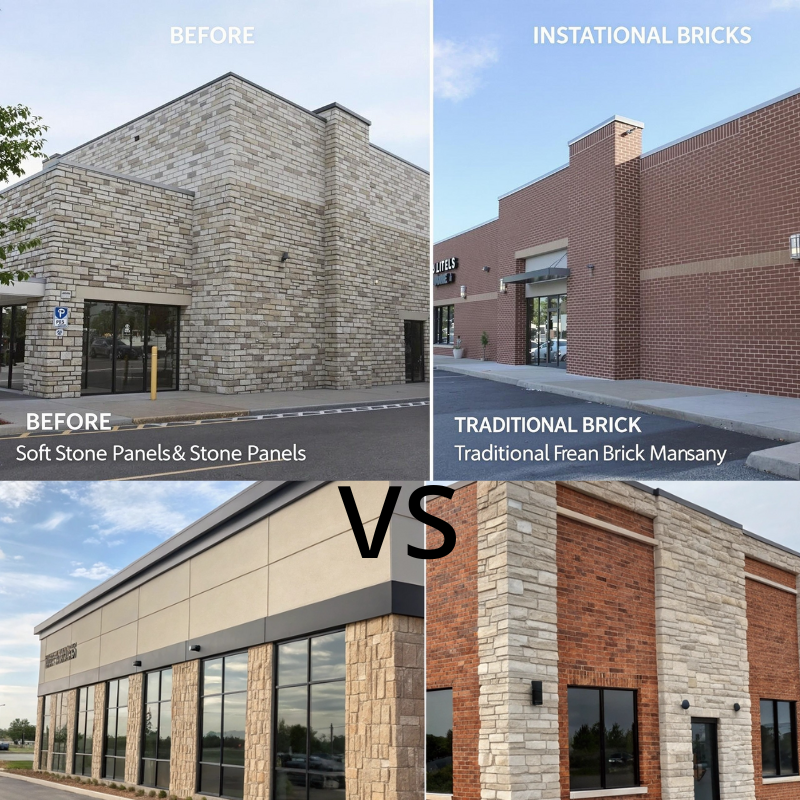
Durabilité – Résistance aux intempéries, au feu et aux chocs
Les certificats de conformité ne suffisent pas : vérifiez toujours que les rapports d'essai correspondent à l'épaisseur et au support du lot que vous achetez.
J’ai audité des fournisseurs dans 12 pays différents dans le cadre de projets d’aménagement commercial. L’argument de durabilité le plus couramment avancé, mais qui ne résiste pas à un examen approfondi, est celui de la ‘ conformité à la norme ASTM E84 ’. Voici pourquoi : ce rapport d’essai s’applique à une configuration d’échantillon spécifique. Il suffit de modifier le rapport de résine, la densité du support en treillis ou l’épaisseur du revêtement texturé — même légèrement — pour que les caractéristiques de combustion passent de la classe A à la classe B sans que l’usine ne s’en rende compte. Pour les parements en pierre souples, exigez que rapport d'essai au feu avec le même code produit que celui que vous commandez, et non un produit similaire.
-
- ASTM E84 Classe A (FSI 0-25, SDI 0-450) : Caractéristiques de résistance au feu des revêtements muraux intérieurs. Les panneaux en pierre souples de JMS Decor sont classés en classe A lorsqu’ils sont correctement posés sur des plaques de plâtre ou des panneaux de ciment. La couche de renfort en fibre de verre agit comme une barrière anti-carbonisation, ralentissant la propagation des flammes. Cet aspect revêt une importance particulière pour les espaces commerciaux et les couloirs d’hôtels, où les matériaux utilisés dans les voies d’évacuation font l’objet d’un examen minutieux de la part des autorités locales chargées de l’application des normes de sécurité.
- Certification CE européenne : Couvre des critères de performance plus larges : réaction au feu (EN 13501-1), perméabilité à la vapeur d’eau et résistance d’adhérence. Pour les projets menés dans les États membres de l’UE, le marquage CE est une condition incontournable pour l’agrément des assurances. Demandez la déclaration de performance (DoP) : c’est le seul document qui précise exactement quelle norme harmonisée a été appliquée et quel organisme notifié a testé le produit.
- Résistance au gel-dégel : Un matériau argileux modifié présentant une absorption d'eau inférieure à 0,51 TP3T offre de meilleures performances que la pierre naturelle poreuse lors des cycles de gel-dégel. Les pores ne se saturent pas, ce qui empêche l'eau interne de se dilater et de provoquer l'écaillage de la surface. Pour les chantiers en Scandinavie, au Canada ou en Russie, où des températures de -30 °C sont courantes, c’est cette caractéristique de durabilité qui permet d’éviter les réclamations au titre de la garantie au cours des 2e et 3e années.
La résistance aux chocs — en particulier dans les halls d’entrée commerciaux et les intérieurs de restaurants — est un paramètre souvent négligé. Le choc d’un pied de chaise de 3 kg contre un panneau mural décoratif ne devrait pas laisser de marque. La pierre flexible étant constituée d’une base cimentaire modifiée par des polymères et renforcée par un treillis en fibre de verre résistant aux alcalis, elle absorbe les chocs ponctuels par micro-flexion plutôt que par rupture fragile. Un placage en pierre naturelle de 8 mm d’épaisseur se fissurerait ; la pierre flexible de même épaisseur se déforme et rebondit.
La résistance aux intempéries pour les applications extérieures dépend de trois facteurs : la stabilité aux UV du revêtement pigmenté, la compatibilité en termes de dilatation thermique avec le support, et l'étanchéité totale aux bords. Les finitions imprimées en 3D par jet d’encre produites par JMS Decor utilisent des pigments inorganiques stabilisés aux UV — de la même catégorie que ceux utilisés dans les revêtements architecturaux extérieurs garantissant une tenue des couleurs pendant 15 ans. Mais le revêtement à lui seul ne suffit pas à empêcher toute défaillance. C’est le système de pose qui fait la différence. Sans apprêt d’étanchéité adapté sur le support et sans mastic de joint souple au niveau des jonctions entre les panneaux, même le panneau le plus résistant aux UV se soulèvera sur les bords lorsque l’humidité emprisonnée se dilatera sous l’effet du soleil direct.
Voici un cas réel qu’il convient de garder à l’esprit : un acheteur de ma connaissance avait commandé de la pierre flexible auprès d’une usine qui avait fourni un rapport d’essai au feu irréprochable. Le lot de production en série est arrivé avec un treillis de support plus fin, afin de réduire les coûts. Les panneaux ont passé l’inspection visuelle. Ils ont brûlé presque deux fois plus vite lors d’un contrôle aléatoire effectué sur place par le chef des pompiers local, ce qui a retardé la livraison du projet de six semaines. Les 50 centimes par mètre carré économisés sur le coût du treillis ont coûté à ce projet $80 000 en pénalités de retard. La tolérance de qualité relative à la couche de support ne peut pas être modifiée en silence après l’homologation de l’échantillon. Comparez toujours l’échantillon du lot de production à l’échantillon de référence homologué — même épaisseur, même poids de treillis, même texture de surface — avant de valider la livraison.
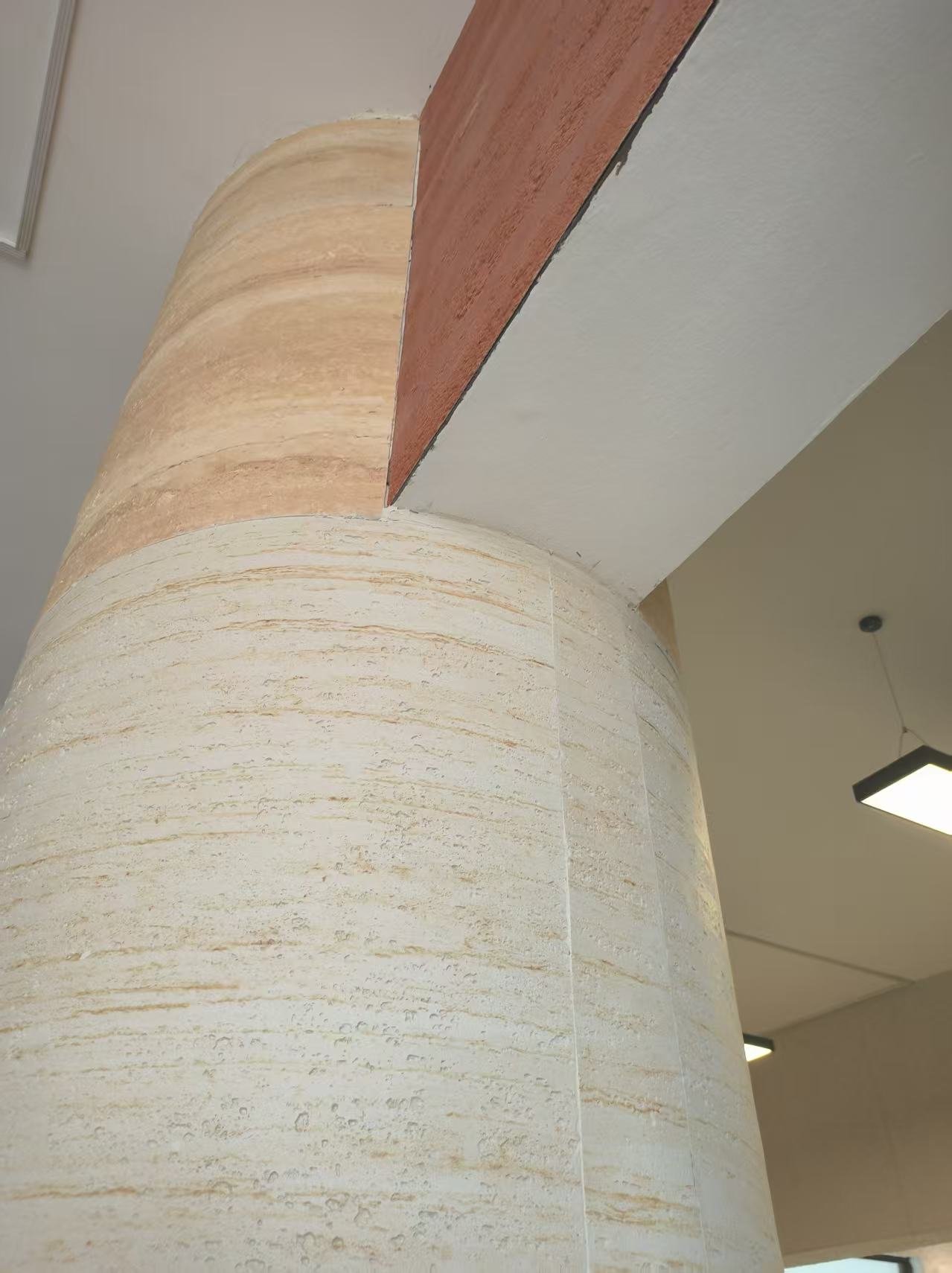
Rentable – Coûts de matériaux et d'installation réduits
Le prix des matières premières n'est qu'un facteur accessoire.
La rénovation du hall d’un hôtel, d’un coût de $50 000, qui s’est enlisée avant même que la première dalle ne touche le mur : j’ai audité ce projet. Le problème ne venait pas de la pierre, mais de l’ingénierie sous-jacente. Une pierre naturelle pesant entre 60 et 80 kg/m² impose l’utilisation de sous-ossatures en acier, de levages par grue et de tailleurs de pierre facturant à l’heure. Les panneaux de pierre souples pèsent quant à eux entre 3 et 6 kg/m². Ce simple chiffre permet de supprimer des postes entiers du budget.
-
- Acier de construction et préparation : réduisez jusqu'à 90% le coût de la sous-ossature. Les plaques de plâtre standard ou les panneaux de ciment deviennent des supports valables, ce qui permet d'économiser entre $18 et $35 par m² en acier, en profilés de montants et en renforts de plancher. L'aménagement d'un bureau au Royaume-Uni a permis de réduire le budget structurel de 14 000 £ sur un mur de 400 m² simplement en remplaçant la pierre de 30 mm par un parement flexible de 4 mm.
- Fret et coût au dédouanement : Voici un chiffre important au niveau des conteneurs : un conteneur de 20 GP chargé de panneaux souples en travertin de 3 mm peut contenir environ 3 870 m². Le même conteneur rempli de dalles de pierre naturelle de 20 mm peut transporter entre 400 et 600 m². Votre coût de transport au mètre carré diminue de 60 à 70 % avant le dédouanement. Ajoutez à cela les tarifs FOB départ usine, et votre coût à l'arrivée par panneau devient un véritable multiplicateur de marge.
- Frais de main-d'œuvre pour l'installation : Une équipe de deux personnes, équipée d’une truelle dentée et d’un seau de colle, peut poser entre 25 et 35 m² de pierre flexible par jour. Pas de scies à eau, pas d’échafaudages pour le levage de charges lourdes, pas de nuages de poussière nécessitant une protection respiratoire. Un revêtement en pierre traditionnel nécessite 3 à 4 ouvriers pour réaliser la moitié de cette superficie. Sur un chantier de rénovation commerciale de 500 m², les économies de main-d’œuvre s’élèvent à elles seules à plus de $12 000, sans compter l’absence totale d’interruption d’activité que ce type de rénovation permet.
- Déchets et retouches : Lorsque l'approbation des échantillons permet de définir la tolérance de qualité avant la production, vous garantissez une taux de défaut inférieur à 1%. Vous n’achetez pas de panneaux supplémentaires 10% uniquement pour pallier les casse sur le chantier. Les dimensions prédéfinies en usine évitent d’avoir à découper les panneaux sur place, et grâce à leur poids compris entre 3 et 6 kg, aucun panneau ne se casse lors de la manutention. Résultat : vos frais de benne sont négligeables et votre surplus de matériaux reste inférieur à 10 %.
| Élément de comparaison | Pierre naturelle | Pierre flexible | Économies et avantages |
|---|---|---|---|
| Poids par m² | 40 à 60 kg (par exemple, granit de 20 mm) | 3 à 6 kg | 85–95% : plus léger ; élimine le recours à des équipements de levage lourds et réduit les coûts de renforcement structurel. |
| Volume d'expédition (20 GP) | environ 500 à 800 m² (lourd, épais, fragile) | environ 3 870 m² (petits panneaux) ou charges mixtes | 3 à 4 fois plus de m² par conteneur ; coût de transport par m² considérablement réduit et empreinte carbone moindre. |
| Substrat et structure | Nécessite un support solide, des ossatures en acier ou un support en maçonnerie | Directement sur des plaques de plâtre, des panneaux de ciment ou du contreplaqué – sans ossature supplémentaire | Élimine les travaux secondaires d'acier et de béton ; idéal pour les rénovations ne nécessitant pas de modifications structurelles. |
| Travail d'installation | 2 à 3 maçons qualifiés par jour pour 10 à 15 m² ; découpe à l'eau, manutention de charges lourdes, poussière et bruit | 1 à 2 ouvriers peuvent poser 40 à 60 m² par jour ; pose simple par découpe et collage, sans poussière ni bruit | 60–70% : installation plus rapide ; permet de travailler de nuit ou sans interruption d'activité dans des locaux commerciaux occupés. |
| Coût total d'installation (projet type) | $80–$150+/m² (matériaux + transport + infrastructure + main-d'œuvre) | $25–$50/m² (matériaux livrés sur site + colle + main-d'œuvre) | Réduction du coût total du projet de 40 à 601 TP3T tout en conservant l'esthétique authentique de la pierre. |
Respect de l'environnement – Fabrication durable et points LEED
Un panneau de 3 kg/m² permet d'éviter 80% d'émissions liées à l'exploitation de la carrière et à la cuisson, par rapport à la pierre traditionnelle.
Les revêtements en pierre naturelle comportent un impact environnemental caché : l'extraction en carrière, la découpe des blocs et la cuisson au four à 1 200 °C génèrent entre 170 et 250 kg de CO₂ par mètre carré. Les panneaux en pierre souples bouleversent ce modèle. Il s’agit d’un matériau argileux modifié (MCM) formé à partir de pierre naturelle pulvérisée — souvent un sous-produit de la fabrication de pierres de taille — mélangée à un liant à base d’eau et pressée à température ambiante. Pas de four, pas de stratification sous haute pression. L'usine est certifiée ISO 14001 ; ainsi, les flux de déchets et la consommation d'énergie font l'objet d'un suivi et d'audits rigoureux, et ne relèvent pas de simples aspirations.
-
- Teneur en matériaux recyclés pré-consommation : Jusqu'à 60% du poids de la matière première est constitué de poussière de pierre recyclée qui, sans cela, aurait été mise en décharge. Cela répond aux critères du crédit MR de la norme LEED v4.1 : « Divulgation et optimisation des produits de construction – Composants des matériaux », et peut contribuer au calcul de la teneur en matériaux recyclés.
- Poids à l'expédition par rapport à un bloc de granit de 20 mm : Une dalle de granit de 1 200 × 600 mm pèse 36 kg. Une dalle de même surface en pierre souple de 3 mm d'épaisseur pèse 3,5 kg. Cette réduction de 90% diminue les émissions liées au transport maritime par conteneur et permet à un seul ouvrier de transporter une palette complète sans avoir recours à un chariot élévateur.
- Pose directe sur les surfaces existantes: Comme le matériau se pose directement sur des plaques de plâtre préparées, des panneaux de ciment ou même d'anciens carrelages, vous évitez les travaux de démolition. Pas besoin de bennes à ordures remplies de plâtre ou de mortier. Dans un établissement de 200 chambres rénovation d'hôtel, ce qui représente environ 18 tonnes de déchets de chantier évités — un point supplémentaire pour le crédit LEED MR : « Gestion des déchets de construction et de démolition ».
- Preuves d'une faible empreinte carbone : Les données internes issues de l'analyse du cycle de vie indiquent que le carbone incorporé s'élève à environ 3,8 kg de CO₂e/m² pour le panneau seul, contre 36 kg de CO₂e/m² pour du travertin extrait de carrière offrant une couverture équivalente. Une vérification par un organisme tiers est disponible sur demande dans le cadre des dossiers de projet.
En Europe et en Amérique du Nord, les prescripteurs recherchent souvent un moyen rapide d’obtenir des points BREEAM ou LEED sans pour autant dépasser leur budget en optant pour du terrazzo à base de verre recyclé ou du bois dur certifié FSC. La pierre flexible permet de remporter plusieurs crédits à la fois : matériaux à faibles émissions (liant sans COV), divulgation de la composition des matériaux, réduction des déchets de chantier et possibilités d’approvisionnement régional en fonction de l’emplacement de l’usine par rapport au projet. Si votre projet vise une certification LEED de dernière minute — par exemple, s’il vous manque 3 points en matière de qualité environnementale intérieure ou de matériaux —, ce matériau peut faire la différence sans qu’il soit nécessaire de soumettre à nouveau l’ensemble du dossier relatif à l’enveloppe du bâtiment.
Ce scepticisme est légitime. De nombreux produits arborent des labels écologiques qui ne résistent pas à un examen approfondi. La différence ici réside dans le fait que le processus de production évite véritablement les étapes à forte intensité carbone qui font de la pierre naturelle un véritable casse-tête en matière de carbone intrinsèque. Lorsque l’on compare ce qui est comparable – un mètre carré de bardage installé –, le panneau léger l’emporte en termes de transport, d’exigences de charpente et de recyclabilité en fin de vie. Pour un responsable des achats chargé d’évaluer la façade d’un immeuble de bureaux de 10 000 m², le calcul du bilan carbone montre une réduction équivalente au retrait de 14 voitures particulières de la circulation pendant un an, par rapport aux références des revêtements conventionnels en panneaux de ciment.
Conclusion
La plupart des articles comparatifs se contentent d'analyser la fiche technique. C'est en interrogeant un fournisseur sur trois points clés, qui permettent de distinguer les capacités de production des promesses marketing, que l'on peut vraiment faire le tri. Oubliez les photos des brochures. Posez ces trois questions à n'importe quel fabricant avant de passer une commande d'échantillons.
1. Pouvez-vous fournir le rapport d'essai ASTM E84 complet — pas seulement la mention « conforme », mais aussi les valeurs de l'indice de propagation des flammes et de l'indice de dégagement de fumée ? Si la réponse se résume à un certificat de classe A sans données sous-jacentes, le panneau a probablement été testé avec une épaisseur ou dans des conditions de montage non conformes à la norme.
2. Pouvez-vous garantir un rayon de courbure de 200 mm sur le lot de production, et pas seulement sur l'échantillon de laboratoire pressé à la main ? Insistez pour qu'on vous remette un échantillon aléatoire de 5 panneaux prélevés sur la chaîne de production. S'ils hésitent à le faire, les colonnes courbes de votre projet seront source de conflits inévitables sur le chantier.
3. La certification ISO 14000 est-elle à jour et couvre-t-elle la ligne de production spécifique sur laquelle est traitée votre commande ? Une certification périmée ou enregistrée au nom d’une autre entité juridique ne génère aucun point LEED pour votre projet — et votre consultant en développement durable s’en apercevra lors de l’examen des documents.
Un panneau qui répond à ces trois critères vaut bien le coût du transport. Pour consulter les fiches techniques complètes, les certificats ASTM et CE en vigueur, ainsi que Prix FOB niveaux, consultez la page consacrée aux revêtements en pierre modulables.
Questions fréquemment posées
Dans quelle mesure les panneaux en pierre souples sont-ils plus légers ?
Leur poids est compris entre 3 et 6 kg/m², soit environ 90% de moins que le granit extrait de carrière. Cela réduit considérablement les frais de transport et permet une pose directe sur des ossatures en acier de faible épaisseur ou en bois. Demandez un échantillon pour vérifier le poids par panneau.
Quel est le rayon de courbure minimal ?
Un rayon de courbure de 200 mm vous permet d'habiller une colonne de 400 mm de diamètre avec une seule feuille sans raccord. Les textures plus fines se courbent davantage, mais veillez toujours à tester au préalable la finition exacte. Effectuez un essai avec un échantillon présentant un rayon de 200 mm avant de valider votre choix.
Ces panneaux sont-ils résistants au feu pour un usage commercial ?
Oui, lorsqu'ils sont testés selon la norme ASTM E84, ils obtiennent la classe A de résistance au feu de surface. La certification CE couvre également les exigences commerciales européennes. Demandez le rapport d'essai correspondant à votre réglementation locale.
Dans quelle mesure le revêtement en pierre flexible est-il moins cher que le revêtement naturel ?
Le coût d'installation est inférieur de 40 à 60% à celui de la pierre de carrière, compte tenu d'une structure plus légère, d'une main-d'œuvre plus rapide et de frais de transport réduits. L'écart se creuse pour les chantiers de grande hauteur soumis à des restrictions de levage. Obtenez un devis sur mesure pour votre projet, installation comprise.
La pierre flexible peut-elle permettre d'obtenir des crédits LEED ?
Oui, grâce à la teneur en matériaux recyclés et à la réduction des émissions liées au transport grâce à la légèreté des panneaux. L'impact environnemental exact dépend du pourcentage de matériaux recyclés du produit et de la distance de fabrication selon la région. Demandez une déclaration environnementale de produit (EPD) complète.