Para los proyectos de prefabricación en frío de Canadá, especificar el revestimiento incorrecto no es una cuestión estética, sino una vía directa hacia el fallo de los materiales y el costoso incumplimiento de la CCMC. Los módulos construidos en fábrica soportan un viaje brutal a través de condiciones de transporte a -40°C, sólo para enfrentarse a implacables ciclos de congelación y descongelación in situ. Los materiales convencionales pueden volverse quebradizos, agrietarse durante el transporte o delaminarse después de la instalación, provocando costosas reclamaciones de garantía y borrando los márgenes de beneficio del proyecto.
Esta guía ofrece un desglose técnico del rendimiento de los revestimientos en estas condiciones extremas. Comparamos la piedra flexible directamente con materiales como el MCM en pruebas de hielo-deshielo, analizamos cómo conseguir la continuidad del valor R sin puentes térmicos y abordamos los límites prácticos de peso para el transporte por carreteras con hielo. Todas las especificaciones se analizan desde el punto de vista del cumplimiento de los códigos de construcción canadienses y la obtención de la aprobación del CCMC.
El reto canadiense: transporte a -40°C
Ejecutar con éxito proyectos en el norte de Canadá requiere materiales que puedan sobrevivir a un tránsito a -40 °C, superar una logística compleja y adaptarse a un plazo de construcción de sólo 2-3 meses.
Integridad del material en condiciones de frío extremo
El transporte de materiales de construcción en condiciones de congelación supone un riesgo importante de daños. Los productos convencionales pueden volverse quebradizos y agrietarse mucho antes de llegar a la obra, lo que provoca pérdidas de inventario y retrasos en los proyectos. Los materiales deben diseñarse para resistir estas condiciones.
Por ejemplo, la piedra o las baldosas estándar pueden fallar fácilmente durante un transporte a -40 °C, pero los paneles de piedra flexible mantienen su integridad estructural.
Para solucionarlo, los materiales destinados a climas fríos deben someterse a rigurosas pruebas. En JMS Decor, sometemos nuestros paneles flexibles de piedra MCM a repetidos ciclos de congelación y descongelación a -40°C. Este control de calidad garantiza que lleguen a la obra sin las microfracturas o fragilidad que afectan a otros materiales. Esta resistencia reduce directamente el desperdicio de material y los elevados costes de reposición asociados a la construcción en climas fríos.


Restricciones logísticas y viarias
La geografía de Canadá y las normativas provinciales crean importantes obstáculos logísticos. El transporte de componentes de construcción grandes o pesados suele requerir complejos permisos interprovinciales para cargas sobredimensionadas, lo que puede hacer descarrilar los calendarios.
Durante el deshielo primaveral, las restricciones estacionales de peso en las carreteras afectadas por las heladas pueden reducir la capacidad de peso por eje hasta 20% de media, e incluso más en las carreteras secundarias. Estas restricciones afectan directamente a la viabilidad del transporte de materiales pesados y tradicionales, como los prefabricados de hormigón o las losas de piedra natural.
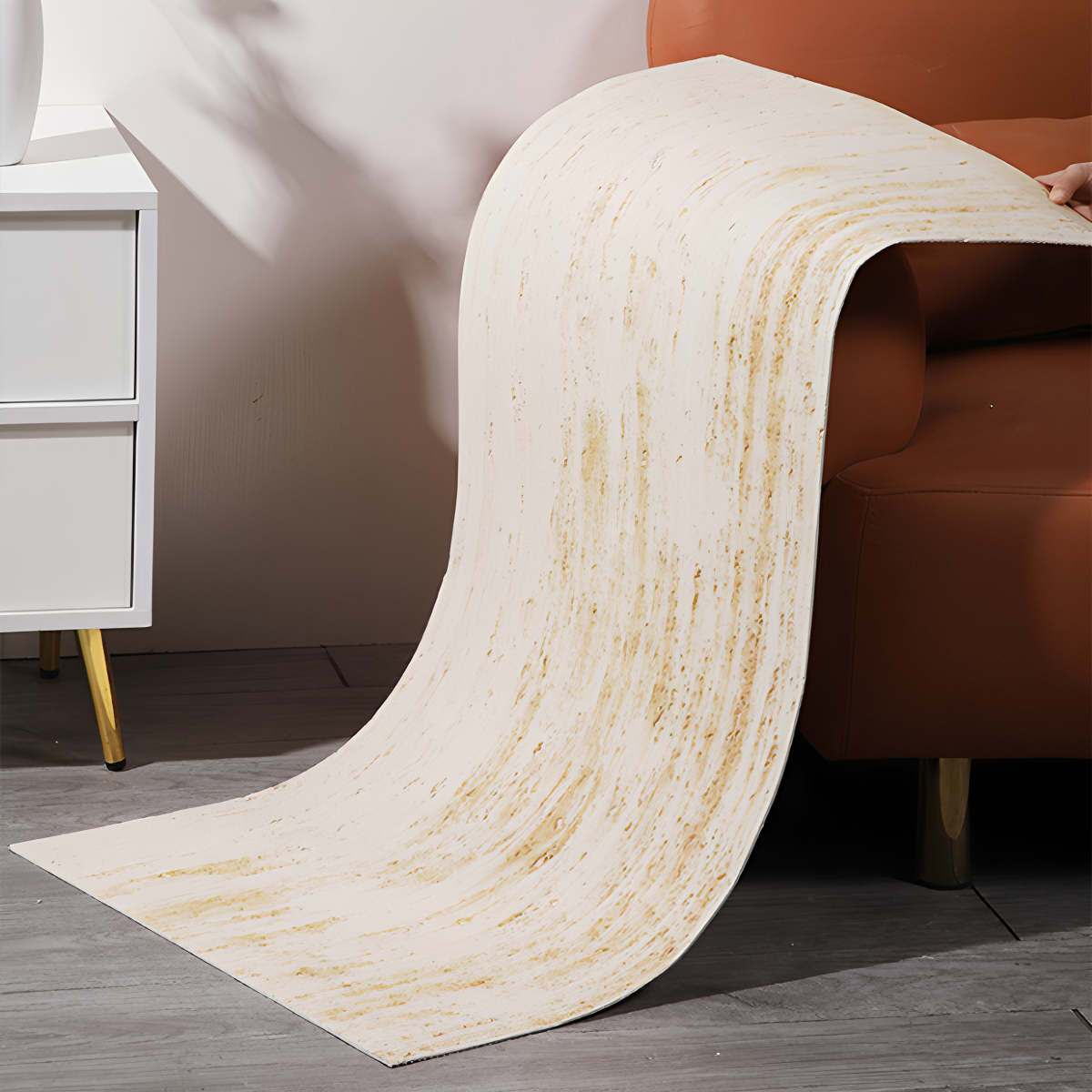
El uso de revestimientos ligeros cambia radicalmente esta ecuación. Con un peso de sólo 3,5 a 6,0 kg/m² -aproximadamente una sexta parte del de la piedra tradicional-, los paneles de piedra flexible ayudan a mantener las cargas dentro de los límites estacionales. Esto simplifica la logística del transporte, reduce la complejidad de los permisos y hace que la prefabricación fuera del emplazamiento sea una estrategia más viable para proyectos remotos.
La presión de un plazo de construcción corto
En regiones como Nunavut y el norte de Ontario, el plazo anual de construcción suele limitarse a dos o tres meses. Cualquier retraso en el transporte de materiales o fallo de los mismos in situ puede comprometer el trabajo de todo un año. La entrega a tiempo no es sólo un objetivo; es un requisito previo para el éxito del proyecto. El uso de materiales duraderos, probados previamente y con un rendimiento garantizado a su llegada minimiza el riesgo de problemas in situ que consumen un tiempo valioso.
La eficacia de la construcción a pie de obra depende totalmente de una cadena de suministro predecible. La producción controlada en fábrica combinada con un transporte fiable permite un montaje rápido in situ. Este enfoque permite a los equipos de construcción maximizar su productividad durante la breve temporada de construcción, garantizando que los proyectos estén cerrados y protegidos de la intemperie antes de que llegue la primera helada.
Ciclos de congelación-descongelación: Piedra frente a MCM
La piedra porosa tradicional falla en los ciclos de hielo-deshielo porque su elevada absorción de agua permite la expansión interna del hielo, lo que provoca una degradación estructural. Los materiales de ingeniería como la piedra flexible MCM, con una absorción casi nula, eliminan por completo este punto crítico de fallo.
Cómo se degrada la piedra porosa
Los materiales porosos tradicionales, como la arenisca, son muy susceptibles de sufrir daños en climas fríos. Absorben agua, que luego se congela y se expande dentro de la estructura de la piedra. Esta expansión crea una inmensa presión interna, generando microgrietas que debilitan el material.
Los repetidos ciclos de congelación y descongelación empeoran progresivamente este daño, causando desconchamientos, grietas y pérdida de integridad estructural. Los datos empíricos muestran que este proceso puede reducir la resistencia máxima de la piedra hasta en 7-38%.
Paneles MCM: Diseñados para resistir al agua
Los paneles de piedra flexible (MCM) de JMS Decor están diseñados específicamente para contrarrestar este problema. Con un índice de absorción de agua inferior a 0,5%, el material impide la entrada de agua. Esta sencilla característica elimina la principal causa de degradación por congelación-descongelación, ya que no hay suficiente agua interna para formar cristales de hielo dañinos. El resultado es una solución de revestimiento duradera y fiable construida para las duras condiciones estacionales que se dan en todo Canadá.
| Propiedad del material | Piedra porosa tradicional | JMS Decor MCM Piedra flexible |
|---|---|---|
| Índice de absorción de agua | Alta, lo que permite una penetración significativa del agua en los poros. | < 0,5%, bloqueando eficazmente la entrada de agua. |
| Mecanismo de fallo | La expansión interna del hielo crea microgrietas, desconchados y desprendimientos. | El contenido mínimo de agua evita la formación de hielo interno y los daños. |
| Resultados | Reducción de la resistencia máxima del 7-38% y eventual fallo estructural. | No se degrada; mantiene la integridad estructural y el aspecto. |
Rendimiento demostrado a -40 °C
Nuestros paneles flexibles de piedra se someten a rigurosas pruebas de laboratorio para verificar su rendimiento en condiciones de frío extremo. Estas pruebas simulan las condiciones climáticas más exigentes, sometiendo los paneles a repetidos ciclos de congelación y descongelación a -40 °C.
Los resultados confirman su fiabilidad: los paneles no muestran degradación física, agrietamiento ni pérdida de integridad. Esta resistencia demostrada satisface las exigencias de alto rendimiento de los materiales de construcción prefabricados utilizados en las regiones más septentrionales de Canadá.
Libertad de diseño inigualable con la piedra flexible
Continuidad del valor R (sin puente térmico)
El valor R declarado de un edificio carece de sentido si los puentes térmicos entre los montantes permiten que el calor eluda el aislamiento de la cavidad; los códigos modernos exigen ahora un aislamiento exterior continuo para crear una envolvente térmica ininterrumpida, que es la única forma de conseguir una eficiencia energética real.
El papel del aislamiento exterior continuo
El sector de la construcción ha pasado a centrarse en el aislamiento exterior continuo para salvar la distancia entre los valores R anunciados y el rendimiento térmico real. Esta estrategia crea una barrera térmica ininterrumpida alrededor del edificio, lo que es fundamental para conseguir un ahorro energético tangible.
Al aplicar los paneles flexibles de piedra de JMS Decor sobre este aislamiento exterior, los contratistas crean una envolvente completa y sin juntas. El diseño de este sistema evita que el calor siga el camino de menor resistencia y escape a través de los elementos estructurales conductores, como los montantes de madera o acero.
Comprender el puente térmico
El puente térmico se produce cuando el calor se desplaza a través de componentes estructurales, como los montantes, que son más conductores que el aislamiento circundante. Este proceso socava directamente la eficacia del aislamiento de las cavidades, creando puntos fríos en las paredes interiores y provocando una importante pérdida de energía. Los sistemas interrumpidos por elementos de fijación o armazones son vulnerables a este efecto.
Como nuestros paneles cubren toda la superficie sin interrupción, protegen la integridad de la capa aislante continua que hay debajo y ayudan a mantener una resistencia térmica constante en todo el conjunto de la pared.
| Métrica de rendimiento | Método heredado (sólo relleno de cavidades) | Método moderno (aislamiento continuo + decoración JMS) |
|---|---|---|
| Rendimiento térmico | Un puente térmico significativo en los montantes reduce el valor R efectivo de toda la pared. | Una capa térmica ininterrumpida garantiza que el valor R especificado sea constante en toda la superficie de la pared. |
| Impacto estructural | Se basa en un armazón estándar sin rotura de puente térmico exterior. | El revestimiento ligero (3,5-6,0 kg/m²) añade una carga estructural mínima al edificio. |
| Cumplimiento de la normativa | Cada vez incumple menos las nuevas normas de eficiencia energética. | Cumple los requisitos de los códigos modernos en materia de aislamiento continuo (normalmente de R-5 a R-10). |
Evolución de los códigos de edificación en materia de rendimiento térmico
Los códigos de construcción canadienses se están adaptando a las realidades climáticas al exigir capas de aislamiento continuas, a menudo con valores mínimos de R-5 a R-10. Este cambio reconoce que el aislamiento de cavidades por sí solo es insuficiente para controlar la pérdida de calor en climas fríos.
El uso de paneles JMS Decor como revestimiento ligero es una forma eficaz de cumplir estos requisitos actualizados sin imponer una carga estructural significativa. Nuestro sistema está diseñado para ser compatible con estas prácticas de construcción modernas, proporcionando una envolvente de alto rendimiento que resiste las inclemencias del tiempo.
Límites de peso en carreteras heladas
Las restricciones estacionales de peso en las carreteras canadienses durante el deshielo primaveral paralizan el transporte de materiales pesados, pero el revestimiento ultraligero sortea estos límites, garantizando la continuidad de la cadena de suministro y el control de costes.
El desafío del deshielo primaveral
En climas septentrionales como el de Canadá, los cimientos de las carreteras pierden mucha resistencia durante el deshielo primaveral. Al reblandecerse el suelo helado, las carreteras se vuelven muy vulnerables a los daños causados por los vehículos pesados. Para proteger esta infraestructura crítica, las autoridades aplican restricciones de peso estacionales, normalmente de marzo a mayo.
Estas normativas ya no están vinculadas a un calendario fijo; ahora son adaptables y dependen de las condiciones meteorológicas, lo que añade una capa de imprevisibilidad para los planificadores logísticos. Las reducciones de peso por eje pueden ser severas, a veces recortando la capacidad legal de un camión en 50-90% en rutas secundarias.
Impacto en los materiales pesados de construcción
Estos límites estacionales crean importantes cuellos de botella logísticos para materiales pesados tradicionales como la piedra maciza, el hormigón prefabricado y el ladrillo. Un camión que normalmente podría transportar una carga completa se ve obligado a transportar sólo una fracción de su capacidad. Esto se traduce directamente en más viajes, un mayor consumo de combustible y unos costes de transporte inflados, que en última instancia repercuten en los resultados finales del proyecto.
Las impredecibles fechas de inicio y fin de estas restricciones también pueden alterar las cadenas de suministro cuidadosamente planificadas, provocando retrasos en la construcción mientras los equipos esperan a que los materiales lleguen a la obra.
Ventajas de los paneles murales ligeros
Los paneles flexibles de piedra de JMS Decor ofrecen una clara ventaja logística en estas condiciones. Con un peso de sólo 3,5 a 6,0 kg por metro cuadrado, nuestros paneles son una fracción del peso de los materiales tradicionales. Esto significa que un camión estándar puede cargarse hasta su máxima capacidad de volumen sin acercarse nunca al límite de peso estacional. En lugar de estar limitados por el peso, los envíos se limitan por el volumen.

Esta eficiencia se traduce en menos camiones en la carretera, menores costes de transporte y una cadena de suministro predecible para los contratistas. Los proyectos pueden cumplir los plazos y ajustarse al presupuesto, incluso durante la difícil temporada de deshielo primaveral en las regiones frías de Canadá.
Certificación: CCMC (Código canadiense)
La certificación CCMC es el principal mecanismo de homologación de productos de construcción en todo Canadá, ya que actúa como una evaluación única con respaldo federal que elimina los trámites burocráticos provinciales tanto para los materiales estándar como para los innovadores.
Marco Nacional de Cumplimiento del Código
El Centro Canadiense de Materiales de Construcción (CCMC) funciona como servicio oficial de evaluación de materiales y sistemas de construcción del país. Respaldado por el gobierno federal desde 1988, ofrece un sistema centralizado para evaluar si un producto cumple el Código Nacional de la Construcción de Canadá. Esto garantiza que los materiales cumplen las normas de seguridad y rendimiento establecidas para su uso en cualquier lugar del país, proporcionando un único punto de referencia para arquitectos, contratistas e inspectores.
Aprobación simplificada del mercado
Para los fabricantes, la obtención de la certificación CCMC simplifica la entrada en el mercado canadiense. Su autoridad está reconocida en todas las provincias y territorios, lo que elimina la necesidad de navegar por múltiples procesos de aprobación locales, a menudo redundantes. Este reconocimiento nacional ahorra mucho tiempo y recursos, lo que permite a las empresas centrarse en la distribución y las ventas en lugar de en los obstáculos burocráticos de las distintas jurisdicciones.
| Factor de evaluación | Enfoque provincial tradicional | Enfoque nacional del CCMC |
|---|---|---|
| Jurisdicción | Requiere múltiples evaluaciones y aprobaciones provincia por provincia. | Todas las autoridades reconocen una única evaluación en todo el país. |
| Acceso al mercado | Fragmentada y lenta, lo que retrasa el lanzamiento de productos nacionales. | Racionalizado y uniforme, permite el acceso inmediato a todo el mercado canadiense. |
| Materiales innovadores | A menudo estancado por el largo proceso tradicional de elaboración de normas. | Ofrece una vía acelerada al mercado utilizando criterios de evaluación personalizados. |
Vías para materiales innovadores
El marco CCMC apoya activamente la innovación en el sector de la construcción. En lugar de limitarse a certificar productos estándar, desarrolla criterios personalizados para materiales nuevos y poco convencionales, como la piedra flexible MCM. Este enfoque ofrece una vía acelerada para la aprobación del mercado, evitando el ciclo tradicional de desarrollo de normas, mucho más largo. Para las empresas que introducen materiales avanzados, el proceso CCMC es una herramienta fundamental para lograr el cumplimiento de los códigos oficiales y conseguir rápidamente la aceptación del mercado.
Conclusión
La piedra flexible responde directamente a los principales retos de la construcción prefabricada canadiense. Su probada resistencia a la congelación y descongelación garantiza la integridad de la fachada en los duros inviernos, mientras que su ligereza simplifica la logística en carreteras con restricciones de peso y reduce la carga estructural. La certificación CCMC proporciona el cumplimiento de los códigos necesarios para un proceso de aprobación de proyectos sin problemas.
Si está evaluando materiales para un próximo proyecto de clima frío, póngase en contacto con nosotros para solicitar un kit de muestras y revisar los datos técnicos. Podemos proporcionarle la documentación CCMC y asesoramiento específico del proyecto para ayudarle en la fase de diseño.
Preguntas frecuentes
¿Revestimiento para el invierno canadiense?
Para los inviernos canadienses, las mejores opciones de revestimiento ofrecen una gran durabilidad, una baja absorción de humedad y una excelente estabilidad frente al hielo y el deshielo. Las mejores opciones son el revestimiento de fibrocemento, la madera de ingeniería (por ejemplo, LP SmartSide), el revestimiento metálico (acero o aluminio) y el revestimiento de vinilo aislado de alta calidad. Estos materiales están diseñados para resistir el agrietamiento, la deformación y la degradación causada por las fluctuaciones extremas de temperatura y la humedad, garantizando un rendimiento a largo plazo en las duras condiciones de -40°C.
Casas modulares Canadá ¿Revestimiento?
El revestimiento de las casas modulares de Canadá se selecciona por su durabilidad, ligereza para el transporte y rapidez de instalación. Los materiales más comunes son los paneles de fibrocemento preacabados, el revestimiento vinílico y los sistemas de revestimiento metálico. Estas opciones son ideales para la prefabricación controlada en fábrica, ya que son resistentes a los daños durante el transporte y permiten un montaje rápido y eficaz in situ, lo que es fundamental dados los cortos plazos de construcción en muchas regiones canadienses.
¿Piedra resistente a la congelación y descongelación?
Las piedras más resistentes al hielo-deshielo son las variedades densas, no porosas y con índices de absorción de agua muy bajos. El granito, la cuarcita y la pizarra de alta densidad son las principales opciones de piedra natural. En cuanto a las opciones manufacturadas, los revestimientos de piedra arquitectónica de alta calidad se diseñan y prueban específicamente para resistir los ciclos de congelación y descongelación. Es fundamental evitar las piedras porosas, como ciertos tipos de caliza o arenisca, en aplicaciones expuestas, ya que pueden absorber agua, helarse y desprenderse o agrietarse.
¿Materiales exteriores para clima frío?
Un sistema exterior de alto rendimiento para un clima frío requiere un enfoque holístico. Los materiales clave incluyen ventanas de triple cristal con revestimientos de baja emisividad, cubiertas metálicas para una mayor protección contra la nieve y el hielo, y aislamiento exterior continuo para minimizar los puentes térmicos. Para el montaje de la pared, son esenciales revestimientos duraderos como el fibrocemento, la madera o los paneles metálicos. Todo el sistema debe apoyarse en una sólida barrera de aire y vapor para controlar la humedad y evitar la condensación en el hueco de la pared.
¿Revestimiento de paredes aprobado por el CCMC?
El Centro Canadiense de Materiales de Construcción (CCMC) proporciona informes de evaluación que confirman la conformidad de un producto con el Código Nacional de Edificación de Canadá. Muchos productos de revestimiento de paredes cuentan con la aprobación del CCMC. Las categorías comunes con productos evaluados por el CCMC incluyen revestimientos de fibrocemento (por ejemplo, James Hardie), revestimientos de madera de ingeniería (por ejemplo, LP SmartSide), diversos sistemas de aislamiento y acabado exterior (EIFS), revestimientos de vinilo aislados y sistemas específicos de paneles metálicos. Los profesionales deben verificar el número de informe CCMC para el producto exacto que se especifica para un proyecto.

 Spanish
  English
  French
  Arabic
  German