El éxito de un caso de hotel modular es la diferencia entre abrir en la fecha prevista o sufrir las pérdidas de ingresos causadas por retrasos imprevistos en la construcción. Para los promotores hoteleros y los contratistas generales, el trabajo tradicional de fachada in situ introduce enormes variables de riesgo, desde la escasez de mano de obra cualificada y las perturbaciones meteorológicas hasta un control de calidad incoherente que puede comprometer los estándares de la marca y retrasar los permisos de ocupación.
Esta guía ofrece un desglose técnico de cómo los sistemas integrados en fábrica resuelven estos problemas. Cubriremos la logística de las fachadas exteriores preacabadas aplicadas en un entorno controlado, la mecánica de las conexiones “zip-up” herméticas a la intemperie realizadas in situ y la ingeniería detrás de lograr un rendimiento acústico superior entre las unidades de huéspedes, un factor crítico para las marcas de hostelería.
El auge de los hoteles modulares
La construcción modular ya no es un concepto de nicho; es una estrategia fundamental para que los promotores hoteleros aceleren las fechas de apertura, reduzcan la pérdida de ingresos y obtengan una ventaja competitiva en un mercado en rápido crecimiento.
búsqueda del fabricante ALibaba Yichen
Plazos de construcción acelerados
El factor más importante para la adopción de módulos en el sector de la hostelería es la velocidad. Al trasladar gran parte del proceso de construcción a una fábrica controlada, los plazos de los proyectos se reducen drásticamente.
La construcción de hoteles modulares suele terminar 30-50% antes que los proyectos que utilizan métodos convencionales de construcción in situ. Esta aceleración es posible porque los trabajos de cimentación y preparación del terreno pueden realizarse al mismo tiempo que la fabricación de los módulos de las habitaciones, lo que convierte un proceso tradicionalmente lineal en uno paralelo.
Esta rapidez no se limita a la estructura principal. Se basa en un sistema de componentes prefabricados que agilizan el montaje in situ.
Cabinas de baño: Los cuartos de baño totalmente acabados se construyen fuera de las instalaciones, se completan con la fontanería, los accesorios y los acabados y, a continuación, se colocan en su sitio con una grúa.
Paredes prefabricadas: Los paneles de pared interiores y exteriores llegan a la obra listos para su instalación inmediata, lo que reduce la necesidad de trabajos de enmarcado, tabiquería seca y acabado.
Casework modular: La carpintería y el mobiliario personalizados se integran en los módulos en la fábrica, lo que garantiza una calidad y un ajuste uniformes.
Ventajas financieras y operativas
Una construcción más rápida se traduce directamente en un retorno de la inversión más rápido. Los hoteles empiezan a funcionar antes, generando ingresos, mientras que una construcción tradicional tardaría meses en completarse. Esta ventaja financiera es un factor crítico a medida que el mercado mundial de la construcción de alojamientos avanza hacia una valoración prevista de $720.330 millones en 2026. Los métodos modulares no son sólo una alternativa, sino el principal motor de crecimiento de esta expansión.
Las ventajas operativas se extienden a las renovaciones. En los inmuebles existentes, los componentes modulares y los materiales modernos permiten una “renovación sin demolición”. En lugar de destripar las habitaciones, las nuevas superficies pueden aplicarse directamente sobre las antiguas con un mínimo de ruido y polvo. De este modo se mantiene abierta una mayor parte del hotel, lo que reduce drásticamente la pérdida de ingresos que suele asociarse a las reformas.
Satisfacer las exigencias de las marcas modernas
Las marcas hoteleras exigen coherencia y calidad en toda su cartera. La construcción modular ofrece un mecanismo eficaz para hacer cumplir estas normas. El entorno controlado en fábrica garantiza que cada módulo de habitación se construya siguiendo exactamente las mismas especificaciones, desde la integridad estructural hasta la colocación de los acabados.
Este proceso simplifica el cumplimiento de los planes de mejora de la propiedad (PIP) exigidos por la marca y garantiza una experiencia uniforme a los huéspedes.
Este enfoque controlado también facilita el cumplimiento de las cambiantes normas técnicas y medioambientales. La integración de nuevas tecnologías o el cumplimiento de objetivos de sostenibilidad actualizados se convierte en una parte normalizada de la cadena de montaje de la fábrica, no en un reto variable para el personal in situ.
Esto garantiza que cada nuevo hotel de la red se construya conforme a los últimos requisitos de la marca en materia de eficiencia energética, tecnología inteligente en las habitaciones y confort de los huéspedes.
Fachadas aplicadas en fábrica (módulos acabados)
La aplicación de fachadas en un entorno de fábrica controlado ofrece un control de calidad superior y acelera el cerramiento del edificio, adelantando el trabajo interior y reduciendo el riesgo de los plazos del proyecto.
Mayor control de calidad en la fábrica
La construcción de fachadas en un entorno de fábrica controlado ofrece un nivel de calidad superior y más homogéneo que en una obra abierta. Este enfoque industrializado permite integrar con precisión el aislamiento, las barreras contra la intemperie y los acabados, minimizando los defectos antes de que los módulos salgan de la fábrica. El producto final se fabrica siguiendo especificaciones exactas, lo que garantiza la uniformidad en toda la envolvente del edificio.
La producción es independiente de las condiciones meteorológicas, lo que evita retrasos y daños materiales por lluvia, viento o temperaturas extremas.
Los residuos se reducen al mínimo y se gestionan de forma más eficiente en la fábrica, lo que contribuye a los objetivos de sostenibilidad y control de costes.
Cada módulo se somete a un riguroso proceso de control de calidad antes de ser enviado para su montaje in situ.
Plazos de construcción acelerados
Los módulos de fachada terminados llegan a la obra listos para su instalación inmediata, lo que acorta drásticamente el tiempo necesario para cerrar el edificio. Esta rapidez permite que las obras interiores comiencen mucho antes, lo que comprime el calendario general del proyecto y acelera la ocupación del edificio en 2026. La naturaleza paralela de la fabricación en fábrica y los trabajos de cimentación in situ es uno de los principales impulsores de esta aceleración.
La velocidad de instalación puede alcanzar los 70-100 metros cuadrados por equipo al día, un ritmo rápido para el cerramiento de edificios.
Este método reduce la dependencia de múltiples oficios especializados que trabajan secuencialmente in situ.
La logística de la obra se simplifica, ya que hay que almacenar y gestionar menos materiales en el exterior.
Métrica
Aplicación tradicional in situ
Módulos aplicados en fábrica
Cronología
Proceso secuencial, vulnerable a los retrasos meteorológicos.
Proceso paralelo (preparación del terreno + trabajo en fábrica), independiente de las condiciones meteorológicas.
Control de calidad
Condiciones de campo variables; depende de múltiples contratistas comerciales.
Entorno de fábrica controlado con protocolos normalizados de aseguramiento de la calidad y control de calidad.
Mano de obra in situ
Requiere un andamiaje extenso y una mayor mano de obra en altura.
Se necesitan menos trabajadores in situ; la instalación con grúa reduce el tiempo en altura.
Flexibilidad de diseño y opciones de materiales
El uso de fachadas aplicadas en fábrica no limita la creatividad arquitectónica. Estos sistemas están diseñados para soportar una amplia gama de acabados exteriores, lo que permite a los arquitectos lograr su visión del diseño, al tiempo que obtienen la eficiencia de la fabricación fuera de las instalaciones. La naturaleza ligera y autoportante de los módulos los hace adaptables a diferentes sistemas estructurales.
Las opciones estéticas incluyen cerámica, paneles compuestos, piedra natural y diversos revestimientos metálicos.
El proceso de fabricación agiliza la personalización para los requisitos específicos de cada proyecto.
Los sistemas de paneles pueden adaptarse para satisfacer criterios de rendimiento exclusivos en materia de aislamiento acústico o térmico.
Mejora de la seguridad in situ y reducción de la mano de obra
El traslado de la construcción de fachadas de la obra a la fábrica reduce drásticamente las actividades de alto riesgo, especialmente el trabajo en altura durante periodos prolongados. El propio proceso de instalación requiere menos trabajadores in situ, lo que mejora la seguridad, simplifica la gestión de la obra y hace que el proyecto sea menos vulnerable a la escasez de mano de obra.
Minimiza la necesidad de grandes andamios alrededor del perímetro del edificio.
Un menor número de trabajadores en la obra reduce el potencial global de accidentes y lesiones.
Un equipo de instalación más pequeño y especializado simplifica la coordinación y supervisión del proyecto.
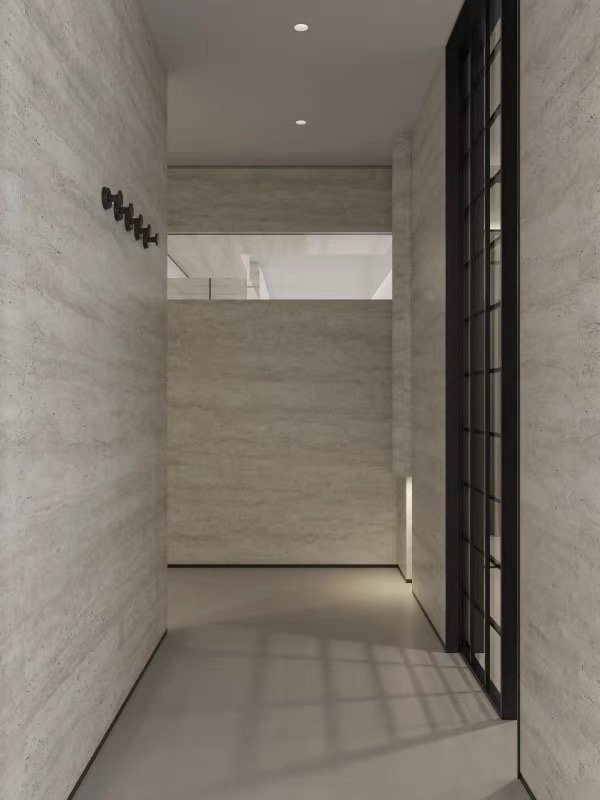
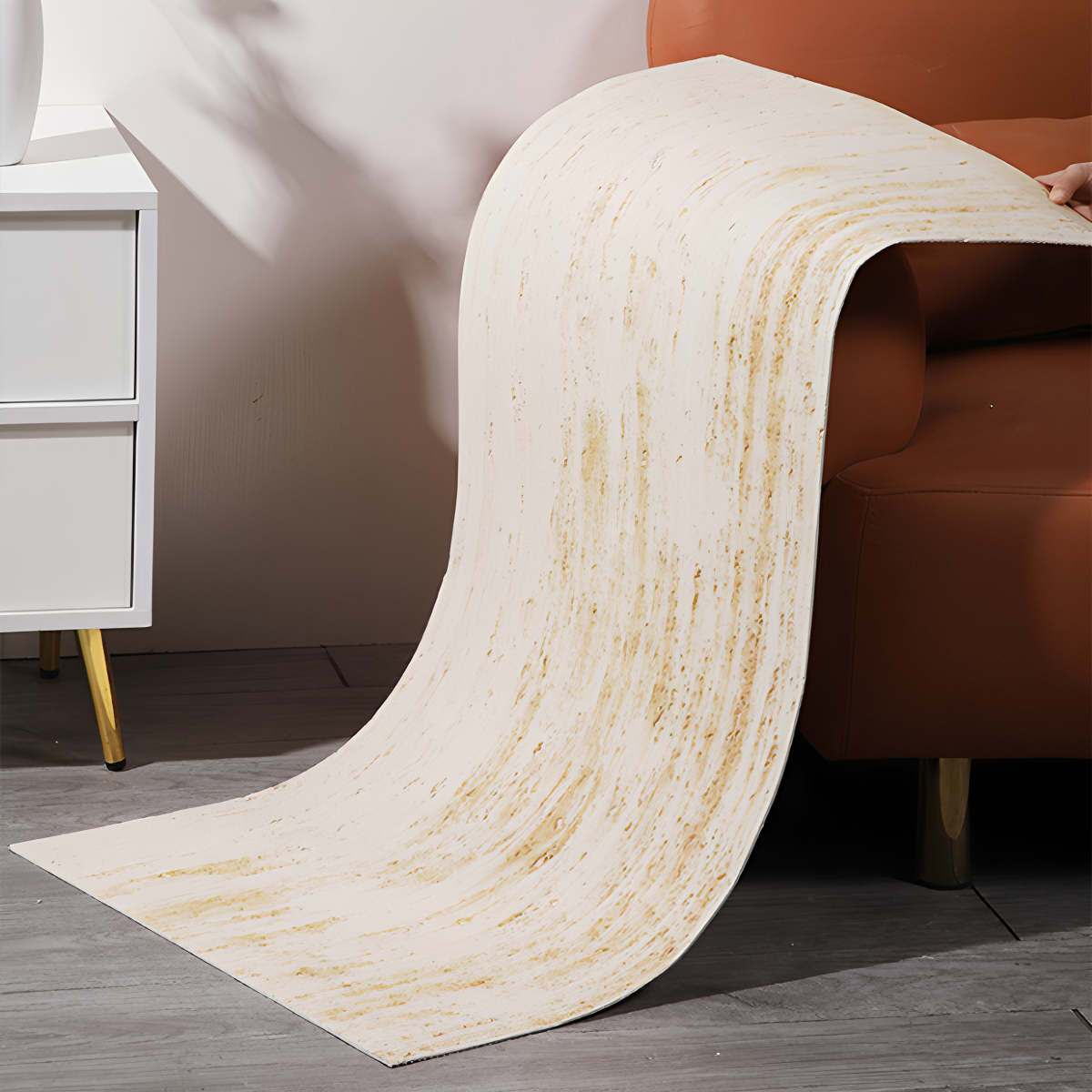
Source Premium, revestimiento de piedra personalizable
Nuestras fábricas con certificación ISO suministran paneles duraderos y ecológicos con un bajo MOQ de sólo 10 piezas, lo que garantiza un suministro fiable para sus proyectos. Obtenga un trabajo artesanal impecable y una calidad constante garantizada por nuestras rigurosas normas internacionales.
Las modernas obras modulares obtienen una eficiencia significativa mediante el uso de sistemas prefabricados de contención y protección, que aceleran los plazos de montaje a la vez que gestionan el polvo, la seguridad y el aislamiento de materiales.
Acelerar los plazos con sistemas prefabricados
Los proyectos de hoteles modulares dependen de la rapidez, y el montaje in situ es una fase crítica en la que los plazos se cumplen o se incumplen. Los sistemas de conexión prefabricados y las barreras provisionales de obra abordan directamente este reto. A diferencia de los métodos tradicionales, que requieren un extenso trabajo de montaje y ensamblaje, estos sistemas están diseñados para un rápido despliegue y desmontaje. Se integran a la perfección en los ciclos de construcción de varias fases, lo que permite a las cuadrillas montar y desmontar rápidamente las zonas de contención. Este enfoque crea un flujo de trabajo más organizado y predecible, reduciendo el tiempo de montaje in situ que merma los márgenes del proyecto.
Atributo
Método tradicional (láminas de plástico y cinta adhesiva)
Sistema ‘Zip-Up’ integrado
Velocidad de despliegue
Lento y laborioso; requiere cortar, encintar y ajustar manualmente cada zona.
Despliegue rápido; los paneles premedidos y las conexiones de cremallera permiten que una sola persona los instale en cuestión de minutos.
Eficacia de la contención
Son propensos a sufrir grietas, roturas y juntas deficientes, lo que provoca fugas de polvo y suciedad.
Crea un cierre hermético, casi hermético, que proporciona un control superior sobre el polvo y los contaminantes.
Reutilización y residuos
Los materiales de un solo uso generan importantes residuos plásticos y gastos continuos de adquisición.
Altamente reutilizables en múltiples fases y proyectos, lo que minimiza el desperdicio de material y los costes a largo plazo.
Seguridad en las obras y control de la contaminación
Un lugar limpio y organizado es un lugar seguro. Las soluciones de contención especializadas son fundamentales para gestionar el polvo, aislar los materiales y proteger a los trabajadores durante el montaje de los módulos. Los sistemas basados en cremalleras crean barreras eficaces que impiden la propagación de partículas en el aire, lo que resulta esencial cuando se realizan trabajos de acabado, como lijado o pintura, paralelamente a otras tareas de instalación.
Este nivel de control mejora la calidad del aire para todas las personas presentes en la obra y protege de la contaminación los componentes sensibles preinstalados. También garantiza que el proyecto cumpla las cada vez más estrictas normas reglamentarias de gestión de obras y control medioambiental.
Eficiencia y reducción de costes
La eficiencia operativa se traduce directamente en ahorro de costes. Las infraestructuras reutilizables, como las protecciones de suelo de despliegue rápido y las barreras de pared modulares, reducen los importantes residuos generados por los materiales de un solo uso. Se reducen drásticamente los costes de mano de obra y preparación asociados a la construcción y desmontaje de protecciones temporales para cada fase.
A lo largo del ciclo de vida de un proyecto hotelero de varias fases, estos ahorros se acumulan. Al minimizar el consumo de materiales y optimizar la mano de obra, los equipos pueden asignar recursos a tareas de construcción más críticas y, en última instancia, reducir el coste total de la obra.
Rendimiento acústico entre unidades
El diseño inherente a la construcción modular, con ensamblajes de doble pared y cámaras de aire estructurales entre las unidades, proporciona un aislamiento acústico superior que supera sistemáticamente a los métodos tradicionales de construcción in situ.
Ventajas estructurales para el aislamiento acústico
La construcción modular ofrece ventajas acústicas integradas que son difíciles y costosas de reproducir en una obra tradicional. El proceso en fábrica crea de forma natural un aislamiento acústico superior donde se conectan los módulos individuales. Este diseño da lugar a ensamblajes de doble grosor para paredes, suelos y techos compartidos, lo que crea eficazmente una zona de amortiguación que amortigua la transmisión del sonido.
El entrehierro estructural entre módulos adyacentes actúa como una ruptura natural, interrumpiendo la trayectoria de las ondas sonoras transportadas por el aire antes de que puedan viajar a la habitación contigua.
Las paredes y suelos de doble grosor son un subproducto estándar de la unión de dos módulos, lo que aumenta significativamente la masa y la separación necesarias para bloquear la transferencia de ruido de las habitaciones y los pasillos.
Cumplimiento de las normas STC 50
Para los hoteles modernos, una clasificación de Clase de Transmisión Acústica (STC) de 50 o superior es la referencia aceptada en el sector para la satisfacción de los huéspedes y el cumplimiento de las normas de construcción. Alcanzar este objetivo es una meta primordial para cualquier promotor hotelero que pretenda reducir las quejas relacionadas con el ruido, que siguen siendo una de las principales causas de las críticas negativas. Alcanzar un rendimiento STC 50+ constante ayuda a las grandes marcas hoteleras a mantener altos niveles de calidad para la experiencia de los huéspedes en toda su cartera de propiedades, garantizando un entorno tranquilo y privado.
Función acústica
Construcción tradicional
Construcción modular
Montaje en pared
Montaje de pared compartida única entre unidades.
Dos paredes separadas (doble espesor) donde se unen los módulos.
Entrehierro
Sin cámara de aire estructural inherente; depende únicamente del aislamiento.
La cámara de aire integrada entre los módulos proporciona un desacoplamiento acústico natural.
Coherencia del rendimiento
Variable; depende en gran medida de la habilidad y la supervisión del personal in situ.
Alto; fabricado en un entorno de fábrica controlado con un control de calidad constante.
Materiales y ensayos avanzados
Más allá de las ventajas estructurales, los fabricantes de módulos integran materiales especializados para garantizar una separación acústica fiable. Estos conjuntos se validan mediante rigurosos protocolos de ensayo para confirmar que el edificio acabado cumple sus objetivos de rendimiento acústico. Este enfoque sistemático garantiza que el confort de los huéspedes se diseñe desde el principio y no se deje al azar.
Los materiales aislantes de alto rendimiento se instalan con precisión dentro de las cavidades de paredes y suelos para absorber el sonido transmitido por el aire.
Los diseños de pared, como los montantes escalonados, se utilizan a menudo para desacoplar los paneles de yeso de la estructura principal, lo que minimiza aún más la transferencia de sonido y vibraciones.
Las pruebas de campo se realizan en la estructura final ensamblada para verificar que el sistema completo alcanza la clasificación STC especificada.
Consistencia de marca para las franquicias
El éxito de la coherencia de marca en franquicia depende de un sistema que combine directrices centrales rígidas y herramientas digitales compartidas con una supervisión activa para mantener una experiencia de cliente uniforme en todos los mercados.
Para las grandes cadenas hoteleras y las franquicias minoristas, la coherencia de la marca no es sólo un objetivo de marketing; es un requisito operativo básico. El cliente debe recibir la misma calidad de servicio, ver la misma identidad visual y sentir la misma promesa de marca tanto en Nueva York como en Dubai. Conseguirlo a gran escala requiere un enfoque estructurado que deje poco al azar, garantizando que cada franquiciado funcione como una extensión perfecta de la marca matriz.
Establecer directrices de marca claras
Para mantener una identidad uniforme, las franquicias establecen directrices escritas exhaustivas. Estos documentos actúan como el libro de jugadas fundamental, cubriendo todo, desde la identidad visual y la voz de la marca hasta las normas de servicio específicas. Esto crea una experiencia del cliente predecible y fiable, que es la piedra angular de una red de franquicias de éxito.
Define normas no negociables para el uso de logotipos, paletas de colores, tipografía y material de marketing.
Esboza el tono requerido para todas las comunicaciones con los clientes y especifica los protocolos de servicio exactos que deben seguirse.
Activos digitales y plantillas centralizadas
Los franquiciadores proporcionan una biblioteca central, basada en la nube, de activos digitales y plantillas aprobados. Este kit de herramientas digitales ofrece a los franquiciados los recursos que necesitan para crear materiales de marketing que estén estrictamente alineados con la identidad de la marca, eliminando conjeturas y evitando la creación de contenido fuera de la marca.
Ofrece acceso inmediato a logotipos preaprobados, imágenes de alta resolución y diseños promocionales listos para usar.
Agiliza los esfuerzos de marketing local proporcionando plantillas personalizables que fijan los elementos clave de la marca a la vez que permiten detalles localizados.
Sistemas de seguimiento y control de calidad
Para garantizar el cumplimiento de las normas en toda la red es fundamental contar con mecanismos de control sólidos. Estos sistemas de control de calidad están diseñados para identificar y corregir las incoherencias antes de que puedan dañar la reputación de la marca, mediante una combinación de métodos de evaluación digitales y presenciales.
Incluye auditorías digitales automatizadas de los perfiles de los franquiciados en redes sociales, sitios web locales y publicidad en línea.
Emplea programas de comprador misterioso gestionados por profesionales para evaluar la experiencia real del cliente y la prestación de servicios.
Formación y comunicación del franquiciado
Una formación eficaz de los franquiciados y una comunicación abierta son esenciales para garantizar la aceptación de los operadores. Estos programas garantizan que cada franquiciado no solo entienda los valores y las normas operativas de la marca, sino que también disponga de una plataforma para colaborar y compartir las mejores prácticas, fomentando una red más fuerte y adaptable.
Los programas de incorporación inicial y formación continua refuerzan las normas de la marca y los nuevos procedimientos operativos.
Los canales de comunicación específicos permiten a los franquiciados dar su opinión y adaptarse a las necesidades del mercado local sin comprometer la integridad de la marca.
Conclusión
La construcción modular agiliza el desarrollo de hoteles al trasladar la aplicación de la fachada a un entorno de fábrica controlado. Este método reduce las necesidades de mano de obra in situ, minimiza los retrasos debidos a las condiciones meteorológicas y garantiza la coherencia de la marca desde el principio. El resultado es un plazo de construcción más corto, que permite una ocupación más temprana y un retorno de la inversión más rápido.
Si está explorando materiales para su próximo proyecto de hostelería, considere cómo un sistema flexible de fachada de piedra puede alinearse con su estrategia de construcción modular. Póngase en contacto con nuestro equipo para analizar los requisitos técnicos de su proyecto o solicitar una muestra de material para su evaluación.
Preguntas frecuentes
¿Materiales modulares para la construcción de hoteles?
Los materiales estructurales básicos de las unidades hoteleras modulares son principalmente estructuras de acero de calibre ligero para edificios de altura media-alta y madera de ingeniería, como la madera contralaminada (CLT), para estructuras de altura baja-media. El acero proporciona una resistencia y durabilidad excepcionales, mientras que la madera ofrece ventajas de sostenibilidad. Además, a menudo se utiliza hormigón prefabricado para los cimientos, huecos de ascensor y núcleos de escaleras como complemento del sistema modular. Los componentes interiores suelen incluir baños prefabricados y armarios modulares.
¿Fachada de hotel prefabricada?
Sí, las fachadas de los hoteles suelen prefabricarse como sistemas de paneles que se fijan a las unidades modulares en la fábrica o in situ. Estos paneles de fachada se diseñan para incluir aislamiento, barreras de aire y agua, ventanas y el revestimiento exterior final. Este proceso controlado en fábrica garantiza una mayor calidad y acelera drásticamente el proceso de cerramiento del edificio, haciendo que la estructura sea estanca a la intemperie mucho más rápido que con la construcción tradicional.
¿Rapidez en la construcción de hoteles modulares?
La construcción modular de hoteles completa los proyectos 30-50% más rápido que los métodos tradicionales de construcción in situ. Esta aceleración se consigue realizando la preparación del terreno y los trabajos de cimentación en paralelo a la fabricación de los módulos de las habitaciones del hotel. Una vez entregados los módulos, pueden apilarse e instalarse en cuestión de días o semanas, lo que acorta considerablemente el plazo total del proyecto y permite rentabilizar más rápidamente la inversión.
¿Revestimientos para módulos?
Las unidades modulares pueden alojar prácticamente cualquier tipo de revestimiento para satisfacer los requisitos estéticos y de rendimiento, lo que las hace arquitectónicamente indistinguibles de los hoteles de construcción tradicional. Las opciones más populares son los paneles metálicos aislados, las placas de fibrocemento, los sistemas de revestimiento de ladrillo fino, los paneles de terracota y los sistemas de aislamiento y acabado exterior (EIFS). El revestimiento suele aplicarse a paneles prefabricados en fábrica para garantizar la precisión y el control de calidad.
¿Construcción modular Hilton/Marriott?
Tanto Hilton como Marriott son grandes defensores del sector y los primeros en adoptar la construcción modular. Marriott ha promovido activamente la construcción modular en marcas como Courtyard, AC Hotels y Fairfield para acelerar la apertura de hoteles. Del mismo modo, Hilton ha utilizado la construcción modular para sus marcas Tru by Hilton y Home2 Suites con el fin de garantizar la coherencia de la marca, la calidad y la rapidez de comercialización. Ambas empresas lo consideran una estrategia esencial para un desarrollo predecible y eficiente.
Comparte:
Lily
Hola, soy el autor de este post, y llevo en este campo más de 6 años.
Si usted quiere a la piedra flexible al por mayor, al panel del wpc y al material de construcción decorativo relacionado o al producto casero de la decoración, sienta libre de preguntarme cualquier pregunta.



 Spanish
  English
  French
  Arabic
  German