1. Calcular el TCO del promotor es el paso crítico que separa una obra rentable de un proyecto hundido por costes estructurales ocultos. Muchos presupuestos se centran únicamente en el precio por metro cuadrado del material de fachada, pero pasan por alto por completo los enormes gastos downstream derivados de su peso considerable. Los materiales pesados como el prefabricado de hormigón requieren más acero estructural, cimentaciones más profundas cimentaciones, 3. y mayor tiempo de grúa, lo que genera una cascada de costes que erosiona silenciosamente todo su pro forma.
4. Esta guía ofrece el desglose técnico de cómo el revestimiento ligero reduce sistemáticamente estos gastos ocultos. Analizamos la relación directa entre el peso de la fachada, la tonelaje de acero estructural, los requisitos de cimentación y la logística en obra. Considere esto un procedimiento operativo estándar para calcular el coste real de un muro exterior, mostrando cómo un cerramiento más ligero acelera su retorno sobre el capital desde los cimientos.
5. Eleve sus diseños con revestimiento de piedra personalizado
Índices de rotación de existencias y vida útil
7. El modelo de producción de un fabricante determina directamente el flujo de caja del distribuidor, su riesgo de inventario y su capacidad para satisfacer las demandas del mercado sin inmovilizar capital en stock obsoleto.
8. Optimización del capital de trabajo con rotaciones más rápidas
9. Para cualquier socio B2B, la gestión eficiente del inventario es un indicador directo de la salud del flujo de caja. Un modelo de producción que permita rotaciones de inventario más rápidas facilita a distribuidores y contratistas liberar capital de trabajo que, de otro modo, quedaría bloqueado en stock pesado y de movimiento lento. Esta agilidad es una ventaja competitiva significativa. Los productos más ligeros y la disponibilidad justo a tiempo no son solo características; son herramientas financieras.
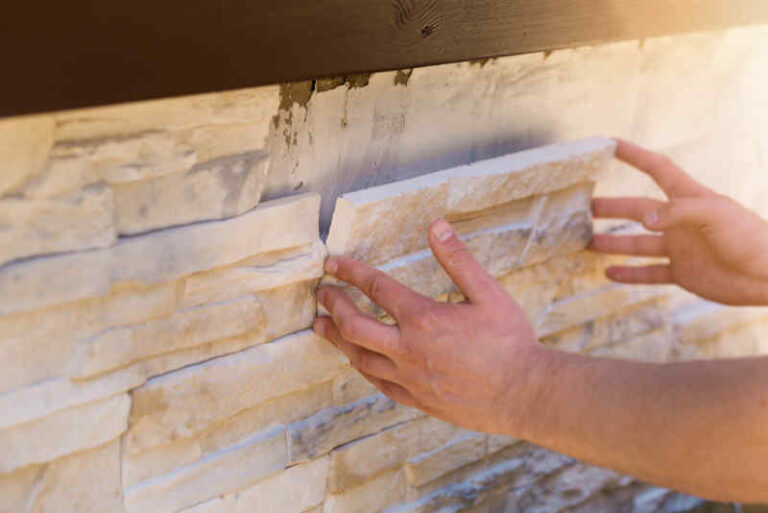
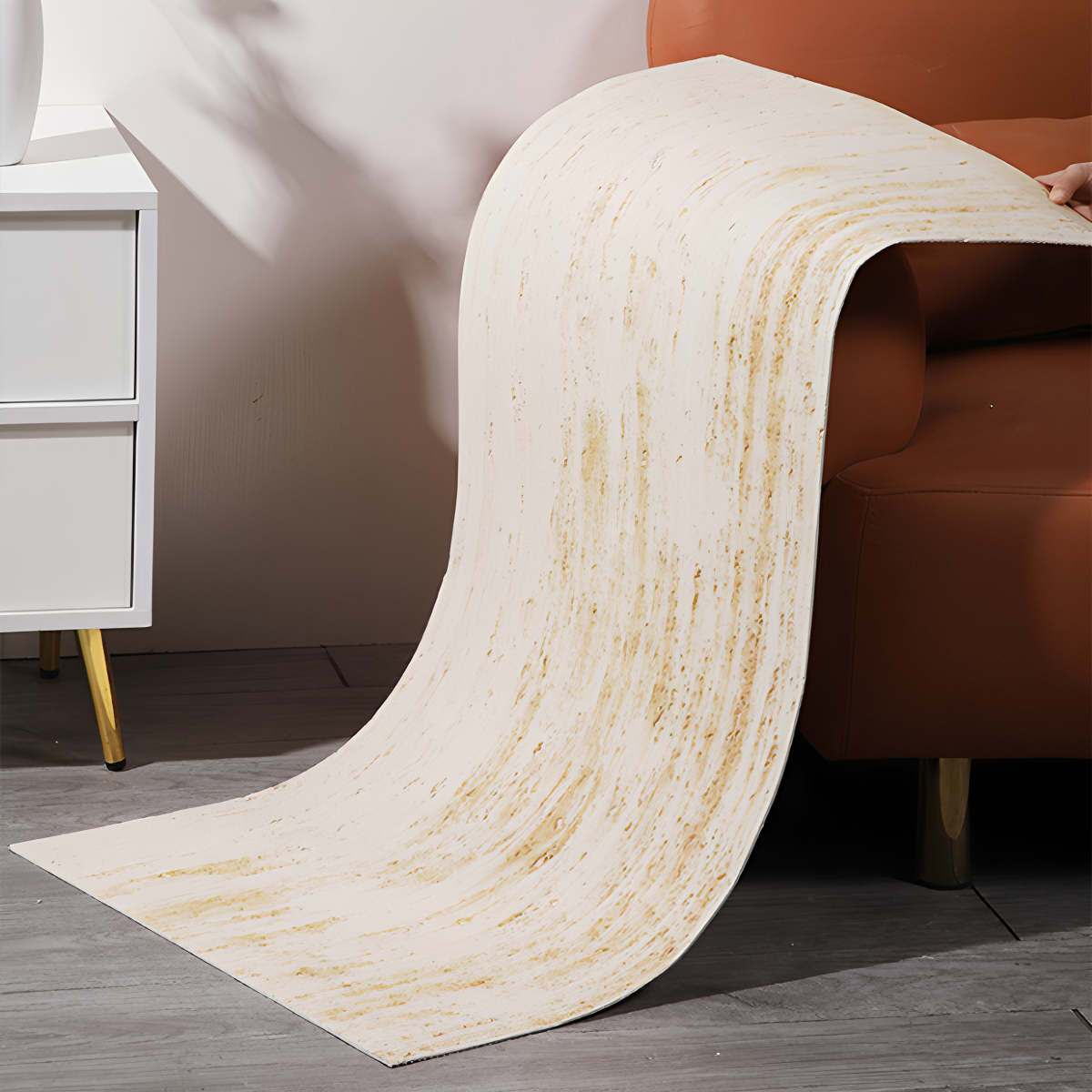
- 10. Nuestros paneles de piedra flexible pesan solo 3,5-6,0 kg/m², aproximadamente una sexta parte del peso de la piedra piedra tradicional. 12. tradicional. Esto reduce drásticamente los costes de almacenamiento y manipulación, disminuyendo el capital necesario para infraestructura de almacenaje y mano de obra.
- 13. Con más de 15 años de experiencia operativa, nuestra producción optimizada permite a los socios pedir inventario de forma más frecuente, 14. ajustándose a la demanda just-in-time. 15. . Esto mejora su ciclo de conversión de efectivo al reducir el tiempo entre el pago del inventario y el cobro por la venta.
Cómo una MOQ reducida mejora la rotación de inventario de los socios
Las cantidades mínimas de pedido (MOQ) elevadas son una causa principal del exceso de inventario y de la lenta rotación. Obligan a los socios a realizar grandes compromisos de capital en productos que pueden tardar en venderse o no venderse en absoluto. Hemos diseñado nuestra política de MOQ reducida para combatir directamente este lastre operativo, permitiendo a los socios pedir exactamente lo que necesitan y lograr una mayor rotación de inventario, un indicador clave para un negocio de distribución saludable.
- El pedido mínimo de solo 200 metros cuadrados permite a los socios probar nuevos diseños o cubrir necesidades específicas de proyecto sin una importante inversión inicial de capital.
- Esta flexibilidad ayuda a los socios a alinearse con los estándares de rotación de inventario del sector, que oscilan entre 4 y 8 veces al año para la distribución mayorista y manufacturera general. Realizar pedidos más pequeños y frecuentes es la forma más efectiva de alcanzar estas cifras.
Producción personalizada para minimizar la obsolescencia del stock
En la industria del diseño y la construcción, las tendencias cambian, y el stock estándar puede quedar rápidamente obsoleto. Este es un riesgo financiero considerable; algunos datos sugieren que más de un tercio del inventario de las pequeñas empresas puede clasificarse como stock excesivo. Nuestras capacidades de OEM e impresión 3D personalizada abordan este problema permitiendo la producción bajo demanda. Este modelo garantiza que el producto final esté siempre actualizado y alineado con las necesidades activas de los proyectos, protegiendo a los socios del elevado costo de un inventario invendible.
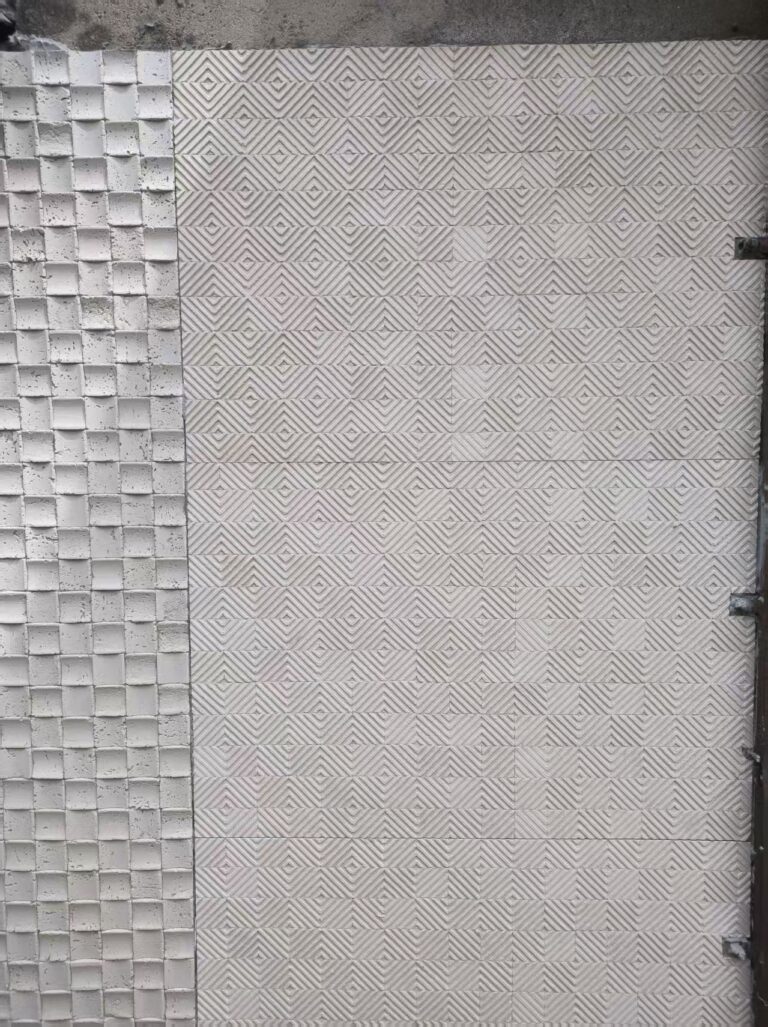
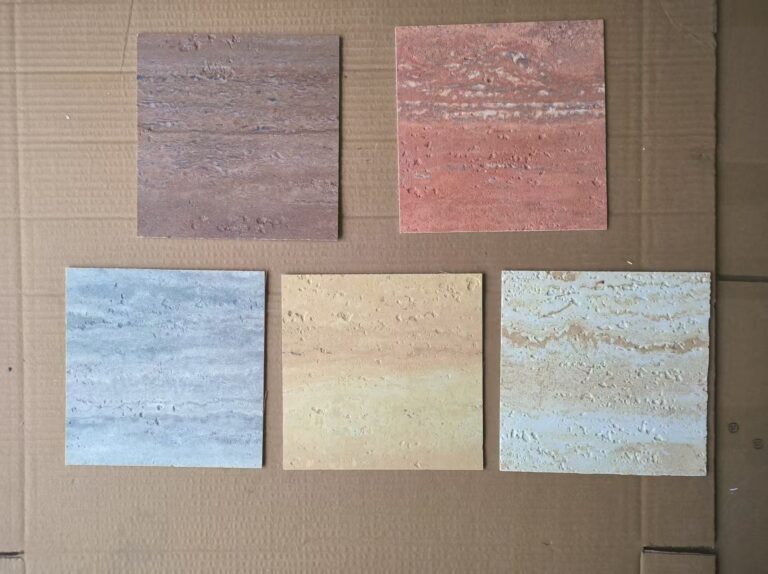
- Los socios pueden pedir paneles personalizados que coincidan con requisitos específicos del proyecto —desde texturas de hormigón y travertino hasta patrones de marca únicos—, asegurando que el producto se venda antes incluso de producirse.
- Este enfoque de fabricación bajo pedido, respaldado por un rápido muestreo en 3 días, elimina prácticamente el riesgo financiero de obsolescencia del producto. El inventario conserva su valor porque se crea para satisfacer una demanda específica e inmediata, en lugar de permanecer en los estantes del almacén.
Conclusión
El verdadero impacto financiero de revestimientos ligeros se extiende mucho más allá del precio del material de la fachada. Al reducir significativamente la estructura de acero y los requisitos de cimentación, genera ahorros en cascada en todo el sistema del edificio. Este enfoque simplifica la logística y acelera el cronograma de construcción, mejorando directamente el retorno de la inversión.
Para ver cómo se aplican estos beneficios a su cartera, nuestro equipo puede enviar muestras específicas del proyecto y datos técnicos. Contáctenos para analizar cómo nuestras soluciones de revestimiento pueden optimizar el presupuesto y el cronograma de su próximo desarrollo.
Preguntas frecuentes
¿Reducir el costo de la construcción?
Para reducir los costos de construcción, los equipos de proyecto están aprovechando la tecnología y la fabricación en sitio exterior. La integración de plataformas BIM e impulsadas por IA ayuda a agilizar los flujos de trabajo, detectar colisiones temprano y eliminar costosas reposiciones. Adoptar sistemas prefabricados y modulares, como paredes exteriores paneles, minimiza significativamente la dependencia de la mano de obra in situ, acorta los cronogramas de construcción y proporciona mayor previsibilidad de costos. Además, la selección estratégica de materiales centrada en componentes ligeros y de alto rendimiento puede reducir la carga estructural y los gastos fundacionales asociados.
¿Beneficios de los revestimientos ligeros para desarrolladores?
Para los desarrolladores, el revestimiento ligero ofrece importantes ventajas financieras y logísticas. El beneficio principal es la reducción de la carga muerta del edificio, lo que permite un marco estructural y una cimentación menos sustanciales (y, por tanto, menos costosos). Los sistemas ligeros también aceleran los tiempos de instalación debido al manejo más fácil del material, reduciendo los costos de mano de obra y comprimiendo el cronograma general del proyecto para lograr un retorno de la inversión más rápido. Además, el menor peso se traduce en costos de transporte y logística reducidos desde la fábrica hasta el sitio de obra.
Costo total de propiedad de fachada?
El costo total de propiedad (TCO) de una fachada evalúa su costo en todo el ciclo de vida, no solo el gasto de capital inicial. Incluye cuatro áreas clave: 1) Costos iniciales de materiales e instalación; 2) Costos operativos, principalmente los ahorros energéticos derivados del rendimiento térmico de la fachada; 3) Costos de mantenimiento, incluyendo limpieza, reparaciones y durabilidad de los componentes con el tiempo; y 4) Costos al final de la vida útil relacionados con la disposición o el reciclaje. Una estrategia exitosa de TCO prioriza sistemas duraderos y de alto rendimiento que reduzcan los gastos operativos y de mantenimiento a largo plazo, ofreciendo mayor valor a lo largo de la vida del edificio.
¿Alternativa más económica al prefabricado?
Sí, existen varias alternativas rentables al concreto prefabricado tradicional. Los paneles metálicos aislantes (IMPs) son una opción popular, que ofrece un sistema de un solo componente con excelente rendimiento térmico, instalación rápida y estética moderna. Los sistemas de aislamiento y acabado exterior (EIFS) proporcionan una solución de aislamiento continuo y ligero con gran flexibilidad de diseño. Para aplicaciones de cortina de lluvia, los paneles de fibrocemento y compuestos arquitectónicos ofrecen durabilidad a menor peso y costo que el prefabricado, reduciendo tanto los gastos de materiales como de soporte estructural.
Ingeniería de valor para muros exteriores?
La ingeniería de valor (VE) para muros exteriores es un proceso sistemático para mejorar el valor optimizando la función y el costo, no solo reduciendo gastos. Las estrategias clave incluyen la sustitución de materiales especificados por alternativas que cumplan o superen los criterios de rendimiento a menor costo, como usar Hormigón Reforzado con Fibra de Vidrio (GFRC) en lugar de piedra dimensional. Otro enfoque consiste en reemplazar ensamblajes complejos de múltiples componentes por sistemas integrados y prefabricados, como paneles aislantes, lo que reduce la mano de obra in situ, minimiza el riesgo de cronograma y mejora el control de calidad y la previsibilidad del rendimiento.