Eine schlecht geplante Fassadensanierung (Retrofit) führt direkt zu monatelangen Betriebsunterbrechungen, zur Vertreibung von Mietern und zum Verlust potenzieller Einnahmen für Gewerbeimmobilienbesitzer. Der herkömmliche Ansatz – vollständiger Abriss und Ersatz – ist ein hochriskantes Projekt mit struktureller Unsicherheit, übermäßigen Lärmemissionen und hohen Entsorgungskosten. Für Gebäudeverwalter bedeutet dieses “Abbruchs-Dilemma” oft, dass kritische Modernisierungen verschoben werden und alternde Außenhüllen zu einer wachsenden Haftungsrisiko werden.
Dieser Leitfaden bietet eine Standardarbeitsanweisung für die Durchführung einer direkten Überputz-Fassadensanierung, die den Abriss überflüssig macht. Wir behandeln die entscheidenden ingenieurtechnischen Kontrollpunkte, von der Durchführung von Zughaftprüfung am Untergrund zur Sicherstellung der strukturellen Integrität bis hin zur notwendigen Lastberechnung für leichte Vorfachverkleidungen.
Die folgenden Abschnitte erläutern ein schrittweises Installationsverfahren, einschließlich der Integration einer durchgehenden Außendämmung zur Verbesserung der Wärmeleistung und Senkung der langfristigen Energiekosten.
Vergleichstabelle: Preis vs. Leistung
Bis 2026 ist die Datenlage klar: Fassadennachrüstung bietet im Vergleich zu den hohen Kosten und dem CO₂-Fußabdruck eines vollständigen Abbruchs und Austauschs überlegene finanzielle Renditen, operative Einsparungen und Umweltvorteile.
Initiale Investition: Retrofit vs. Vollreplacement
Die finanzielle Argumentation für die Sanierung gegenüber einem kompletten Austausch ist unbestreitbar. Eine Retrofit-Strategie liefert vergleichbare Leistungsvorteile bei nur einem Bruchteil der Kosten eines Neubaus, was sich direkt auf die Rentabilität des Projekts und den langfristigen Vermögenswert auswirkt.
- Fassaden-sanierungsprojekte kosten typischerweise nur etwa 5% einer vollständigen Erneuerung, was sie zu einer äußerst kostengünstigen Option für Immobilien-Upgrades macht.
- Dieser Ansatz vermeidet die massiven Ausgaben, die mit Abriss, Abfallentsorgung und der Beschaffung neuer Materialien verbunden sind.
- Die Übernahme einer Sanierungs-strategie spart nicht nur Kapital, sondern verbessert auch die Immobilienbewertungen und verlängert den betrieblichen Lebenszyklus des Gebäudes.
Energieeffizienz und Betriebskosten
Energie-Retrofitmaßnahmen erzielen langfristige Einsparungen, die über Neubauten hinausgehen, und schaffen ein überzeugendes Argument für die Aufrüstung bestehender Strukturen statt den grundlegenden Neubau.
- Harte Daten zeigen, dass Energie-Retrofitmaßnahmen 9% mehr Energieeinsparungen erreichen können als vollständig neue Gebäude.
- Diese erheblichen Effizienzgewinne werden bei einer 30% niedrigeren Kostenbasis im Vergleich zum Neubau erzielt.
- Bessere Wärmedämmleistung reduziert direkt die laufenden Betriebskosten für Heizung und Kühlung und verbessert das Nettobetriebs Ergebnis.
Umweltauswirkungen und eingebetteter Kohlenstoff
Der Wandel der Branche hin zu ganzheitlichen Kohlenstoffbilanzen rückt die Umweltvorteile einer Sanierung scharf in den Fokus. Die Erhaltung der bestehenden Bausubstanz ist der wirksamste Weg, um den CO₂-Fußabdruck eines Projekts zu reduzieren.
- Der Neubaueinsatz von Fassaden kann allein durch die eingebaute Energie über 520 kg CO₂ pro Quadratmeter verursachen.
- Durch eine Sanierung bleibt der in den vorhandenen Materialien gebundene Kohlenstoff erhalten, was die Umweltauswirkungen des Projekts drastisch reduziert.
- Dieser Ansatz entspricht modernen Nachhaltigkeitsvorgaben und trifft die wachsende Nachfrage von Mietern nach umweltverträglichen Immobilien.
Die 3 besten Verkleidungsmaterialien für Sanierungsprojekte
Die Wahl eines Verkleidungsmaterials für ein Gebäude-Retrofit ist ein direkter Kompromiss zwischen den hohen Strukturkosten schwerer traditioneller Materialien und der Installations-effizienz moderner Leichtverbundstoffe.
Rezension: Naturstein (Der teure Klassiker)
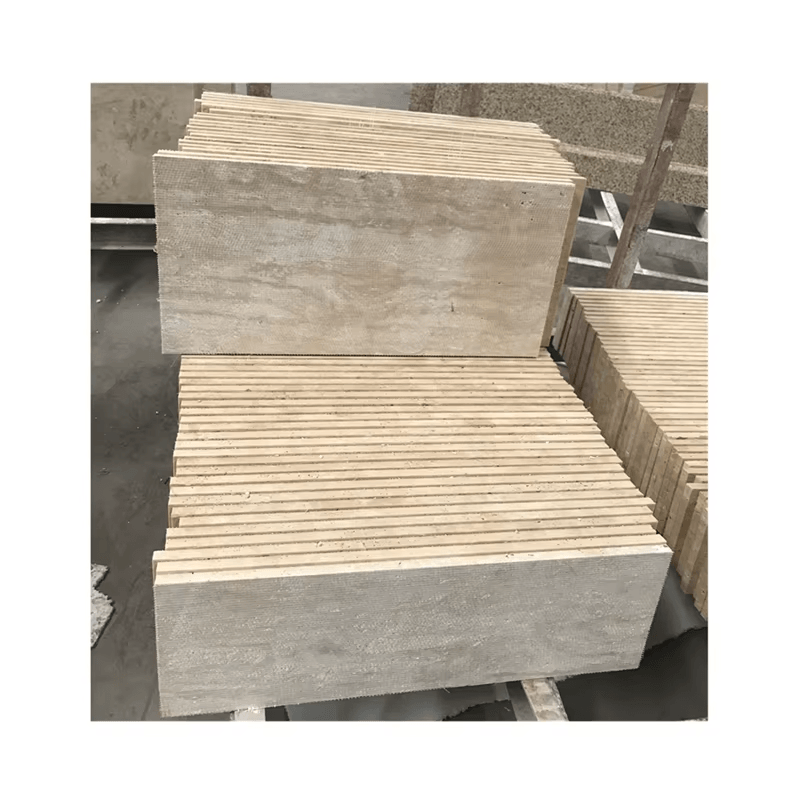
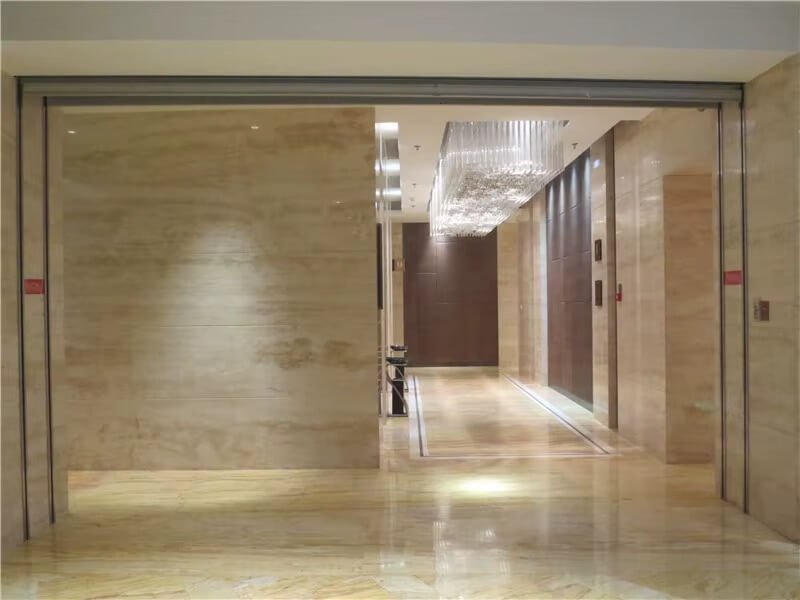
Naturstein bietet ein hochwertiges, authentisches Look mit unübertroffener Langlebigkeit. Für Premium-Projekte schaffen seine Wärmedämmung und die geringen Wartungsanforderungen langfristigen Mehrwert. Sein Hauptnachteils liegt jedoch im Gewicht: Mit 150 bis 300 kg/m² erfordern Natursteinplatten eine erhebliche statische Verstärkung, was sie für die meisten Direktauflegungen (Overlays) auf vorhandene Untergründe, die die zusätzliche Last nicht tragen können, unpraktikabel und kostentechnisch nicht tragbar macht. Die hohen Material- und Facharbeitskosten stufen ihn klar in die Luxusklasse ein.
Rezension: Aluminium-Verbundwerkstoff (Die Brandgefahr)

Aluminium-Verbundplatten (ACPs) bieten eine leichte und ästhetisch flexible Alternative. Ihr geringes Gewicht (3–8 kg/m²) macht sie für ältere Gebäudestrukturen geeignet. Das kritische Problem liegt im Kernmaterial: Platten mit herkömmlichem Polyethylen-Kern (PE) stellen eine erhebliche Brandgefahr dar und entsprechen den strengen Bauvorschriften von 2026 nicht mehr. Jede ACP-Spezifikation muss heute zertifizierte brandschutzgeprüfte (FR-) oder nicht brennbare Mineral-Kerne der Klasse A2 verwenden, was die Materialkosten erhöht, aber eine nicht verhandelbare Sicherheitsanforderung darstellt.
Rezension: Flexible Stone (The Modern Winner)


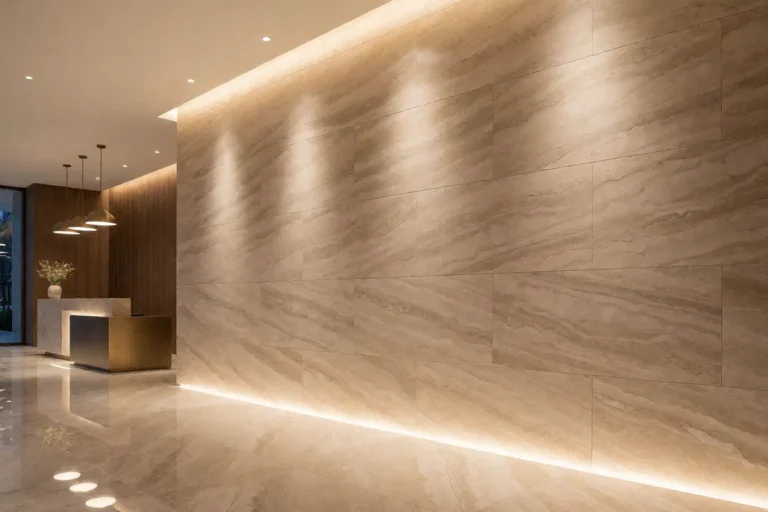
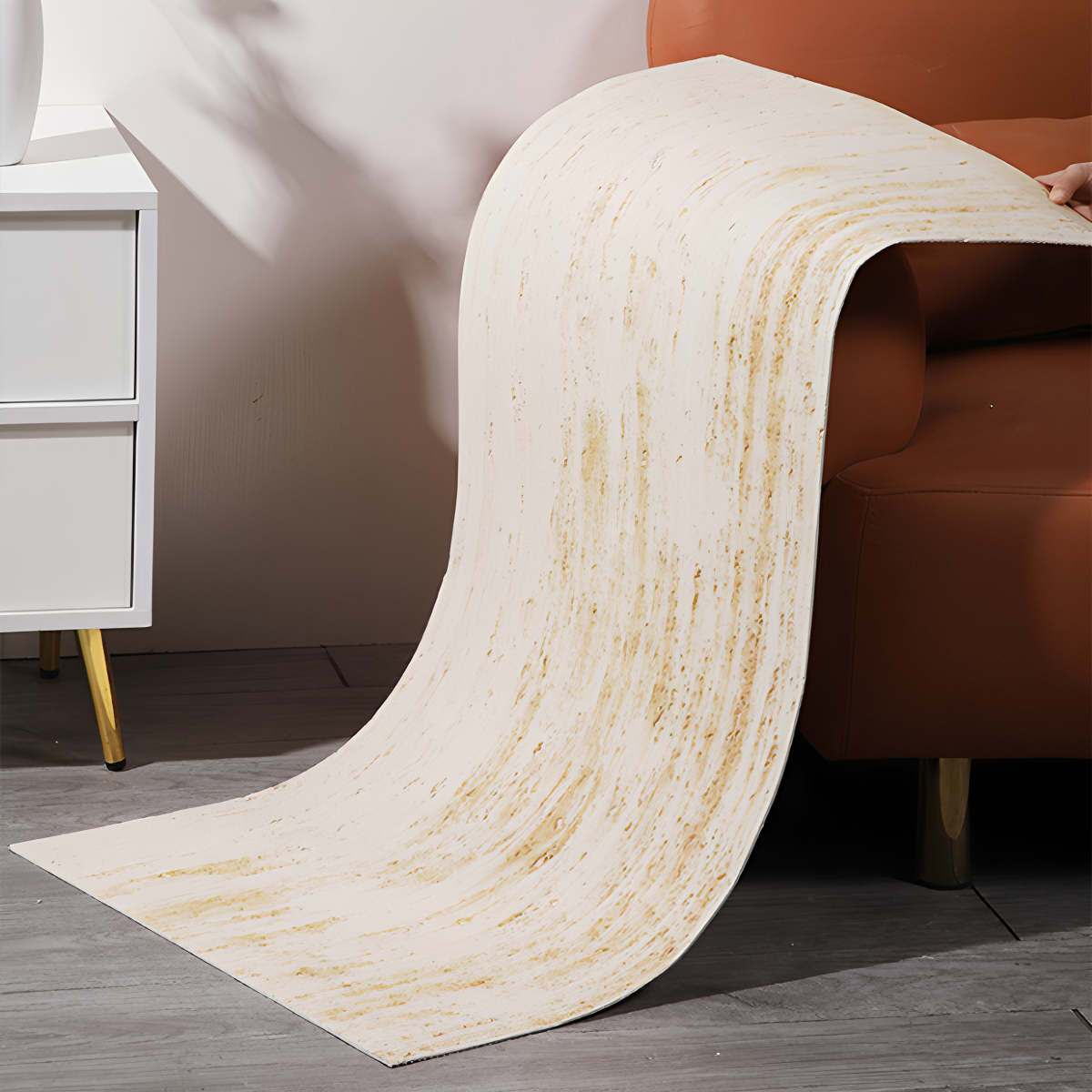
Flexible Steinpaneele lösen die Kernprobleme von Gewicht und Sicherheit. Dieses aus modifiziertem Ton und Natursteinstaub bestehende Material, das auf eine Glasfaserrückseite aufgebracht ist, ist ultraleicht und gleichzeitig hochstrapazierfähig. Es liefert die authentische Optik von Stein ohne die statische Belastung und eignet sich ideal für “Null-Abbruch”-Sanierungen, bei denen die Paneele direkt über alten Fliesen oder Ziegelmauerwerk angebracht werden.
- Extrem leicht: Mit nur 3,5–6,0 kg/m² belastet es die bestehende Substanz minimal und macht kostenintensive Verstärkungsmaßnahmen überflüssig.
- Zertifizierte Sicherheit: Die Brandschutzklasse A2 macht es geeignet für Hochhäuser und Projekte mit strengen Brandschutzvorschriften und adressiert direkt die Risiken, die mit älteren ACPs verbunden sind.
- Installationseffizienz: Seine Fähigkeit, sich um Säulen und Kurven zu biegen, vereinfacht komplexe Installationen und reduziert Arbeitszeit sowie Kosten. Es ist zudem wasserdicht und frostsicher, was eine zuverlässige Leistung auch unter extremen Klimabedingungen gewährleistet.
Quelle Premium, voll anpassbare Steinpaneele
Bewertungskriterien: Kosten, Gewicht, Sicherheit
Die Wahl des richtigen Fassadenmaterials ist ein Balanceakt zwischen initialem Budget, den statischen Grenzen des Gebäudes und nicht verhandelbaren Sicherheitsstandards. Bei Renovierungen schneiden leichte Überzugssysteme consistently besser ab als schwere, traditionelle Materialien, da sie sowohl Kosten als auch Projektrisiko reduzieren.
Kosteneffizienz bei der Sanierung
Bis 2026 werden Sanierungsentscheidungen von budgetären Realitäten dominiert. Strategien, die die Erstrenovierung priorisieren, sind zur Standardpraxis geworden, da sie die extremen Kosten und Unterbrechungen eines kompletten Abrisses eliminieren. Dieser Ansatz erfordert Materialien, die sowohl erschwinglich als auch einfach zu installieren sind, wodurch der Fokus auf die Gesamtprojektkosten und nicht nur auf den Materialpreis verschoben wird.
- Das Anbringen neuer Materialien wie flexibler Steinpaneele direkt über bestehenden Fassaden kostet einen Bruchteil eines kompletten Abbruchs und Wiederaufbaus.
- JMS Decor-Paneele reduzieren die Ausgaben weiter, indem sie Arbeitsstunden und Frachtkosten minimieren – eine direkte Folge ihres geringen Gewichts und des unkomplizierten Installationsprozesses.
- Diese Methode entspricht der Branchenentwicklung hin zur Lebenszykluskostenanalyse, bei der langfristige Einsparungen durch Langlebigkeit und geringen Wartungsaufwand entscheidende Faktoren sind.
Die Bedeutung leichter Materialien
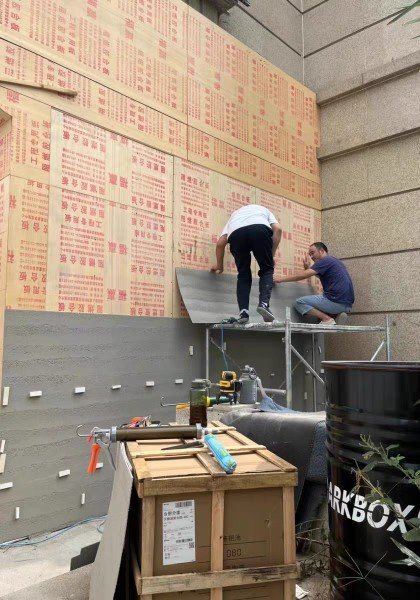
Die Tragfähigkeit eines bestehenden Gebäudes ist die primäre Einschränkung bei jeder Renovierung. Das Hinzufügen schwerer Verkleidungen wie Naturstein oder Faserzement kann die Notwendigkeit teurer und invasiver struktureller Verstärkungen auslösen. Leichtgewichtige Alternativen umgehen dieses Problem vollständig und erhalten den ursprünglichen Gebäuderahmen sowie das Budget.
- Flexible Steinpaneele wiegen typischerweise zwischen 5 und 10 kg pro Quadratmeter und erzeugen eine minimale zusätzliche Belastung für die Struktur.
- Dies macht sie zur idealen Lösung für die Nachrüstung älterer Gebäude, bei denen das Originaldesign niemals mit schweren, modernen Fassadensystemen gerechnet hat.
- Die Verwendung leichter Materialien beschleunigt direkt die Projektzeitpläne und schafft sicherere Arbeitsbedingungen vor Ort.
Nicht verhandelbare Sicherheitsstandards
Sicherheit ist der kritischste Faktor, fokussiert auf Feuerbeständigkeit und langfristige strukturelle Integrität. Verkleidungsmaterialien müssen strenge Bauvorschriften erfüllen, um nachzuweisen, dass sie Umwelteinflüssen standhalten können, ohne katastrophal zu versagen.
- Brandschutz hat oberste Priorität. JMS Decor flexible Steinpaneele sind mit einer Brandklassifizierung der Klasse A2 zertifiziert und erfüllen die hohen Standards, die für gewerbliche und Hochhausprojekte erforderlich sind.
- Beständigkeit ist ebenfalls eine zentrale Sicherheitseigenschaft. Die Paneele sind so konzipiert, dass sie UV-Strahlung, Regen und extremen Temperaturschwankungen standhalten, ohne zu degradieren.
- Ordnungsgemäß versiegelte Paneele sind vollständig wasserdicht und verhindern, dass Feuchtigkeit in die Gebäudehülle eindringt und mit der Zeit die Struktur gefährdet.
So wählen Sie die richtige Fassadenverkleidung aus
Seit 2026 ist die Wahl der Fassade eine berechnete Entscheidung, die langfristige Materialleistung, Gesamtlebenszykluskosten und Effizienz vor Ort ausbalanciert. Die richtige Wahl wirkt sich direkt auf das Betriebsbudget und die strukturelle Integrität eines Gebäudes aus.
Nachhaltigkeit und Energieeffizienz priorisieren
Umweltstandards und langfristige Performance bestimmen heute die Fassadenauswahl. Planer entscheiden sich für Materialien mit starken Umweltqualifikationen und hoher thermischer Effizienz, um Betriebskosten zu senken und regulatorische Anforderungen zu erfüllen. Der Fokus hat sich vom anfänglichen Kaufpreis auf die gesamten Lebenshaltungskosten verlagert, wo Energieeinsparungen über die Nutzungsdauer des Gebäudes erheblichen Mehrwert schaffen.
- Setzen Sie auf Materialien mit Umweltzertifizierungen, die Ihre Nachhaltigkeitsziele unterstützen.
- Wählen Sie thermisch effiziente Systeme, insbesondere solche, die für die Kombination mit Wärmedämmverbundsystemen konzipiert sind.
- Bevorzugen Sie Lösungen, die nachgewiesene langfristige Energieeinsparungen bieten und nicht nur einen niedrigen Anfangspreis.
Kompromiss zwischen Langlebigkeit, Gewicht und Wartung
Der Markt bevorzugt Materialien, die Widerstandsfähigkeit, einfache Installation und einen minimalen Pflegeaufwand bieten. Schwere Materialien wie Natursteingroßplatten (150–300 kg/m²) erfordern verstärkte Strukturen und eine komplexe Montage. Im Gegensatz dazu bieten leichte Verbundwerkstoffe, Faserzement (15–25 kg/m²) und flexible Steinpaneele (5–10 kg/m²) Langlebigkeit, ohne die tragende Struktur erheblich zu belasten. Diese Entwicklung vereinfacht die Logistik, senkt die Arbeitskosten und macht diese Materialien ideal für die Sanierung älterer Gebäude.
- Bewerten Sie, wie die Materialien gegenüber spezifischen lokalen Wetterbedingungen wie UV-Strahlung, Feuchtigkeit oder Frost-Tau-Zyklen bestehen.
- Wählen Sie leichte Optionen, die den Transport vereinfachen und den Bedarf an speziellem Installation Equipment reduzieren.
- Berücksichtigen Sie wartungsarme Lösungen wie Verbundwerkstoffe oder Metallpaneele, die ein natürliches Aussehen mit technischer Widerstandsfähigkeit verbinden und weder regelmäßiges Versiegeln noch Streichen erfordern.
Ästhetik und einfache Montage
Ästhetische Flexibilität und unkomplizierte Installation sind entscheidende Faktoren für moderne Projekte. Materialien, die das Aussehen von Naturholz oder Naturstein nachahmen und gleichzeitig einfachere, schnellere Montagemethoden bieten, sind sehr gefragt. Beispielsweise eliminieren Systeme, die eine direkte Überdeckung auf bestehenden Untergründen ermöglichen, kostspielige und störende Abbrucharbeiten. Die Verfügbarkeit von Verkleidungen, die mit Standardwerkzeugen montiert werden können, macht hochleistungsfähige Materialien für eine breitere Palette von Anwendungen zugänglich und hilft, Projektpläne und Budgets einzuhalten.
- Wählen Sie Materialien, die den gewünschten visuellen Stil bieten und Gestaltungsfreiheit für komplexe Formen oder Kurven ermöglichen.
- Bewerten Sie den gesamten Installationsprozess, um Arbeitsanforderungen und Projektzeitpläne genau vorherzusagen.
- Erkunden Sie Optionen, die für ihre Installationseffizienz bekannt sind, da diese die Gesamtkosten der Montage erheblich reduzieren können.
Schlussfolgerung
Fassade sanieren ohne Abbruch bietet eine praktische Alternative zu herkömmlichen, störenden Methoden. Durch eine ordnungsgemäße Bewertung des bestehenden Untergrunds und die Verwendung eines leichten Überzugssystems können Eigentümer die Projektkosten und -zeiten erheblich senken. Dieser Ansatz modernisiert nicht nur das Erscheinungsbild eines Gebäudes, sondern verbessert auch dessen strukturelle Sicherheit und Energieeffizienz.
Wenn Sie ein Grundstück mit einer älteren Fassade verwalten, bewerten Sie, ob eine direkte Überziehung eine geeignete Lösung für Ihr Gebäude ist. Für detaillierte Materialspecifications oder um eine Probe für Ihr Projekt anzufordern, kontaktieren Sie unser technisches Team.
Häufig gestellte Fragen
Gebäudefassade sanieren ohne Fliesen zu entfernen?
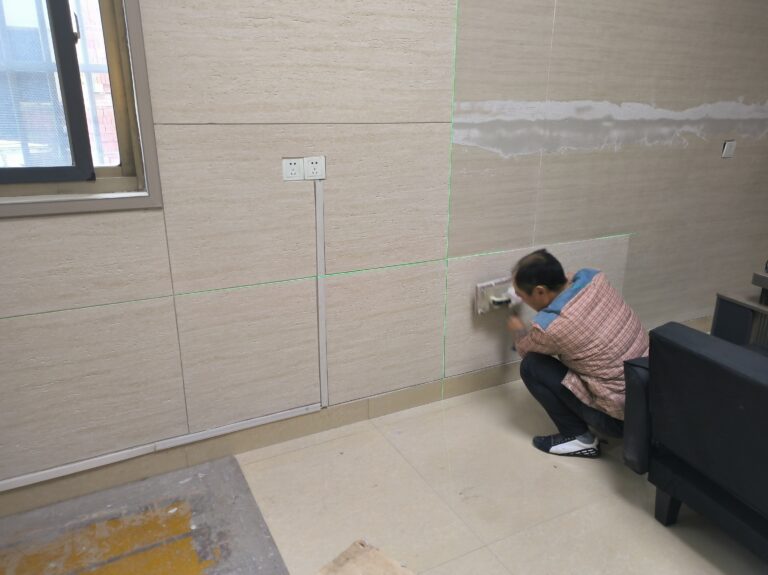
Ja, dies wird durch ein “Überkleidungs”- oder “Überzugssystem” erreicht. Ein neuer, leichterer Unterbau wird mechanisch durch die bestehenden Fliesen in das Tragwerk des Gebäudes befestigt. Neue Verkleidungspaneele werden dann an diesem Rahmen angebracht. Diese Methode erfordert eine Tragwerksprüfung, um sicherzustellen, dass die Wand die zusätzliche Belastung tragen kann, reduziert jedoch im Vergleich zu einer vollständigen Entfernung und dem Austausch erheblich Störungen, Abfall und Projektzeiten.
Kosten für eine gewerbliche Fassadensanierung?
Die Kosten für eine gewerbliche Fassadensanierung variieren erheblich je nach Material, Gebäudehöhe, struktureller Komplexität und Arbeitslöhnen. Ein allgemeiner All-inclusive-Bereich liegt zwischen $350 und $1.500+ pro Quadratmeter ($32 bis $140+ pro qft.). Kosteneffiziente Systeme wie Faserzement oder Basis-Metallpaneele befinden sich im unteren Bereich, während Hochleistungs-Curtain-Walls, Naturstein oder komplexe Composite-Panel-Systeme den oberen Bereich besetzen.
Leichte Verkleidung für alte Gebäude?
Bei älteren Gebäuden mit potenziellen Tragfähigkeitsbegrenzungen ist eine leichtgewichtige Fassade unverzichtbar. Zu den Top-Wahlen gehören Faserzementplatten, die Langlebigkeit und Feuerwiderstand bieten, sowie Aluminium-Verbundmaterialien (ACM), die außergewöhnlich leicht und vielseitig einsetzbar sind. Weitere exzellente Optionen sind High-Pressure-Laminate (HPL) wegen ihrer Haltbarkeit und Gestaltungsfreiheit sowie verschiedene profilierte Metallsysteme wie Aluminium oder Zink. Diese Materialien minimieren die Belastung der bestehenden Struktur.
Ideen für die Außenfassaden-Erneuerung?
Moderne Erneuerungen konzentrieren sich oft auf dynamische und nachhaltige Designs. Erwägen Sie eine Mischung aus Materialien, etwa die Kombination von glatten Metallpaneelen mit strukturierten Faserzementplatten im Holzoptik-Look. Die Integration von vertikalen Grünwänden fügt ein biophiles Element hinzu, das visuell beeindruckend und gleichzeitig umweltfreundlich ist. Weitere beliebte Trends umfassen den Einsatz von Großformatpaneelen für einen monolithischen Look, die Schaffung von visuellem Interesse durch kräftige Farbblöcke oder die Integration dynamischer LED-Beleuchtungssysteme direkt in die Fassadenausstöße.
Energieeffizienz bei Fassadennachrüstungen?
Eine Fassadennachrüstung verbessert die Energieeffizienz erheblich durch das Anbringen einer durchgehenden exterioren Dämmschicht. Dies erfolgt typischerweise innerhalb einer hinterlüfteten Regenschutzverkleidung (Rainscreen) oder eines Exterior Insulation and Finish System (EIFS). Durch die Platzierung der Dämmung an der Außenseite werden “Wärmebrücken” eliminiert – Pfade, über die Wärme durch Strukturelemente wie Studs und Deckenplatten entweicht. Dies schafft einen hochwirksamen thermischen envelope, senkt Heiz- und Kühlkosten, verhindert Kondensation und verbessert den Komfort der Nutzer.