A wall panel spec sheet lists a fire class, and that short label decides whether a commercial job clears inspection. For walls sold into the United States and Canada, the class usually comes from ASTM E84 Class A. It is a surface burning test that many buyers read without knowing what it measures. This guide explains the standard in plain terms for specifiers, importers and project teams.
ASTM E84 is a surface test, not a fire-resistance test. It tracks how fast a flame travels across a material’s face and how much smoke it releases while it burns. Class A is the top band on that scale, and it is the result North American codes ask a wall panel to reach.
Class A describes how a surface behaves in a fire. It is not a promise that the wall itself will hold one back.
What ASTM E84 Actually Measures

ASTM E84 is formally the Standard Test Method for Surface Burning Characteristics of Building Materials. The trade calls it the Steiner tunnel test, and UL 723 and NFPA 255 describe the same procedure under different names.
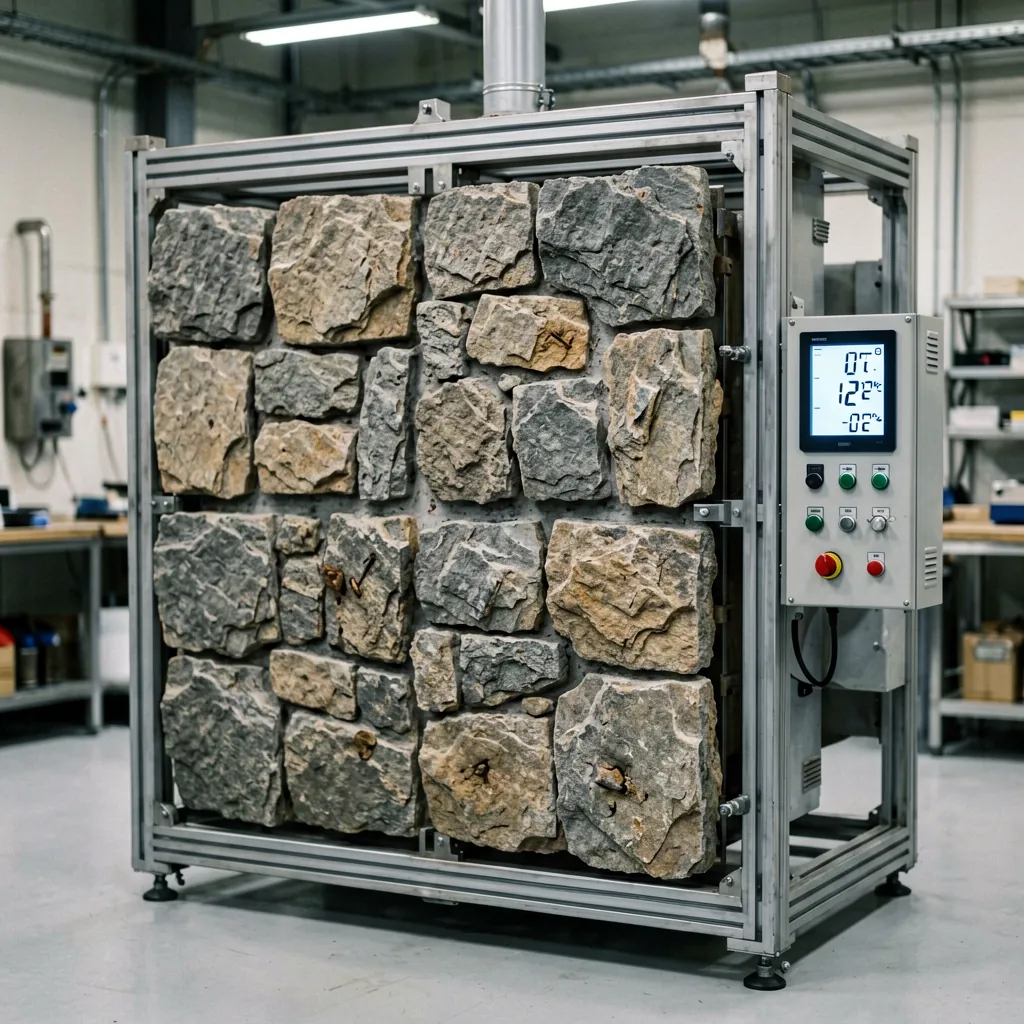
A sample around 0.5 m wide and 7.3 m long is fixed under the removable lid of a horizontal tunnel. Two gas burners at one end expose the face to a controlled flame for ten minutes while air is drawn through the tunnel. Instruments track the flame front and the smoke it throws off.
Two numbers come out of that run. The flame spread index (FSI) records how far the flame front travels. The smoke developed index (SDI) records how much light the smoke blocks. Both are scored against two reference materials: red oak is fixed at 100, and an inorganic cement board is fixed at 0.
How the FSI and SDI Numbers Set Class A, B and C
A code body maps the two index values onto three classes. Class A is the tightest band, and it is the one required in high-occupancy and high-rise spaces. The table sets out where each class sits.
| Class | Flame spread index (FSI) | Smoke developed index (SDI) | Typical use |
|---|---|---|---|
| Class A | 0 to 25 | 450 or less | High-rise, hospitals, schools, exit routes |
| Class B | 26 to 75 | 450 or less | Ordinary commercial and office interiors |
| Class C | 76 to 200 | 450 or less | Low-occupancy interior areas |
Lower numbers mean a slower flame front and less smoke. A material that scores above 200 on flame spread, or above 450 on smoke, does not qualify for an exposed interior finish. The smoke ceiling stays at 450 across all three classes, so the flame spread figure is what separates them.
JMS Decor flexible stone panels are tested to ASTM E84 Class A, with a flame spread index at or below 25. That figure comes from the factory test record and travels with each order.
Why Class A Matters for Wall Panels
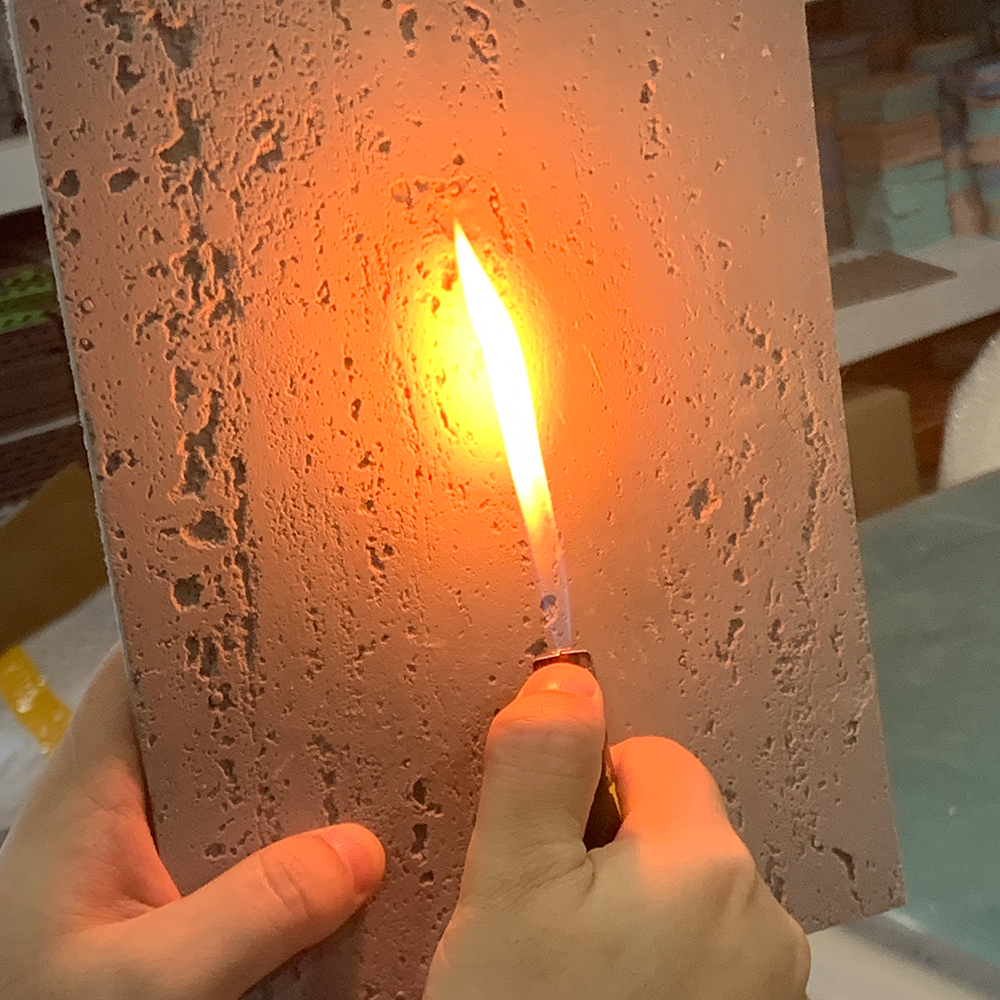
North American codes point back to this test. The International Building Code and NFPA 101, the Life Safety Code, both classify interior wall and ceiling finishes by their ASTM E84 result. A commercial finish that cannot show a Class A report can fail inspection.
The stakes rise with the building. Hospitals, schools, hotels, stair enclosures and long exit corridors sit in the strictest bracket. In those spaces a wall panel has to carry a documented Class A rating, not a line on a brochure.
The rating also feeds insurance and lender reviews. A specifier who can hand over a test report and a certificate of analysis shortens the approval loop on a project. More on that link sits in our guide to fire-rated cladding and building insurance.
ASTM E84 vs EN 13501-1 Across Two Markets
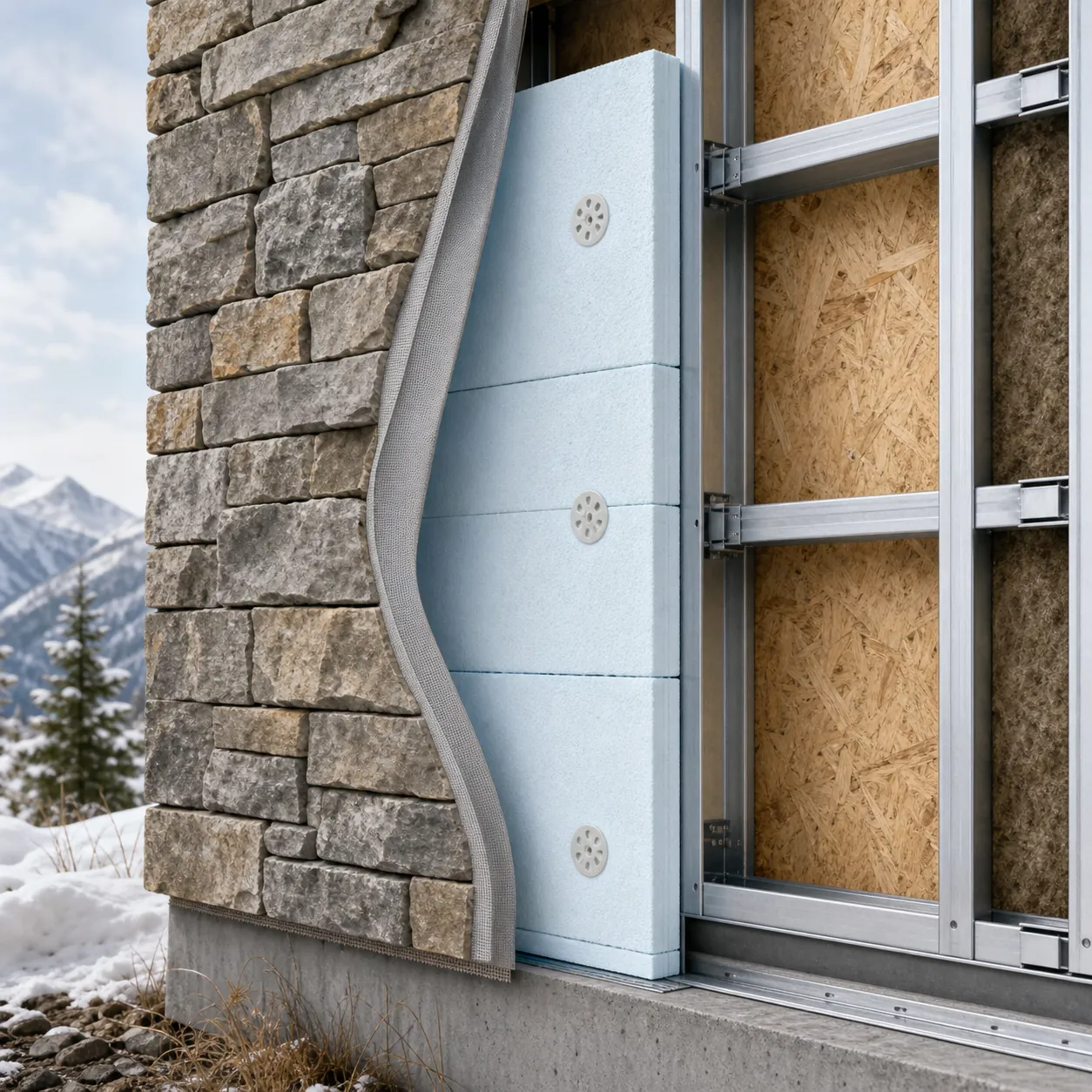
A project that ships to both North America and Europe needs two fire classifications. ASTM E84 covers the United States and Canada. EN 13501-1 covers the European Union and sits behind the CE marking. They do not convert onto a one-to-one scale, because they measure different things.
ASTM E84 looks only at surface burning. EN 13501-1 looks at reaction to fire as a whole, including heat release, smoke and burning droplets. The table below lines up the two systems.
| Point | ASTM E84 | EN 13501-1 |
|---|---|---|
| Region | United States and Canada | European Union |
| Method | Steiner tunnel surface test | SBI and non-combustibility tests |
| Output | Flame spread and smoke indices | Class plus smoke (s) and droplet (d) sub-classes |
| Top band | Class A (FSI 0 to 25) | A1 or A2 |
| Referenced by | IBC and NFPA 101 | CE marking and Euro codes |
The closest match to a Class A surface result in the European system is A2, the limited-combustibility band just below fully non-combustible A1. JMS Decor flexible stone holds EN 13501-1 Class A2, with certificates and test reports on file. A buyer on a cross-market project should ask for both documents.
What ASTM E84 Does Not Tell You
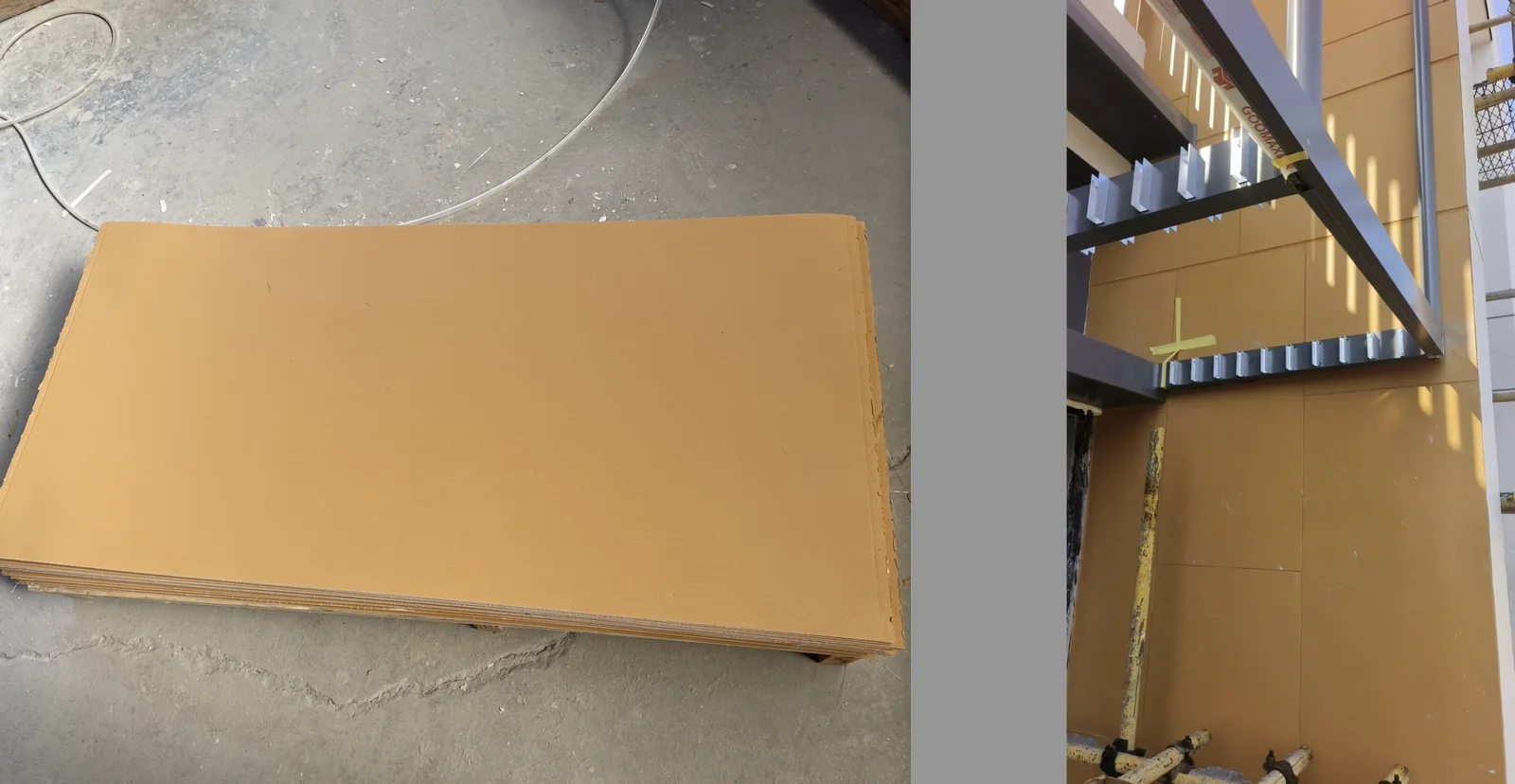
E84 is a surface test, and its limits matter as much as its result. It says nothing about how a finished wall assembly behaves as a whole. Studs, insulation, sheathing and air gaps all shape the fire performance of the system behind the panel.
For exterior walls in the United States, a different test governs. NFPA 285 evaluates how a full exterior wall assembly spreads fire, and it stands apart from the interior finish rating. A panel can hold Class A and still need an NFPA 285 review for a high-rise facade.
E84 also does not measure structural fire resistance, the time a wall holds fire back from one side to the other. That is a fire-resistance rating, tested by a different standard. Reading a Class A label as a fire-resistance rating is a common and costly error. For the basics of a stone face under flame, see fire-resistant soft stone panels.
How JMS Decor Flexible Stone Is Tested

The flexible stone range carries both classifications a global project asks for. The panels are tested to ASTM E84 Class A for the North American market and to EN 13501-1 A2 for Europe. Production runs under ISO 9001 quality management.
Every shipment is supported by documents rather than claims. The order travels with a certificate of analysis covering material composition, fire test data and water permeability. It ships with copies of the ASTM E84 report, the EN 13501-1 test report and the CE certificate, plus a first article inspection sample. The base behind these figures sits on our flexible stone panels page.
Panels run 2 to 8 mm thick and weigh 1.5 to 6 kg per square meter, and the production defect rate stays below 1 percent. The factory holds these figures across the range, so a specifier can fold the fire data into the same submittal package as the weight and format numbers.
A panel that meets Class A without the mass of stone
A thin stone face over a fibreglass-reinforced core keeps the weight down while still clearing the surface burning test. That balance matters on retrofit walls, where a heavier panel adds load the structure may not want. Browse the full range on our flexible stone veneer page, built by the flexible stone wall panel manufacturer behind these figures.
What to Ask Your Supplier About Fire Rating
A fire class is only as good as the paperwork behind it. When you compare flexible stone suppliers, ask for the report itself and read the index values on it. More guidance sits under fire and climate compliance.
Questions to put in writing
Ask which flame spread and smoke figures the report shows, which test method and edition the lab used, and whether the report covers the exact thickness you plan to buy. Fire performance can shift with thickness and pattern, so a report for a thin sheet may not cover a thick one.
Documents to collect before a spec is locked
Request the E84 report, the EN 13501-1 certificate for European work, and the certificate of analysis that ships with the goods. Confirm the supplier can resend originals with each order. A supplier who cannot produce them on request is a risk on any project that faces an inspection.
Frequently Asked Questions on ASTM E84 Class A
What is ASTM E84 Class A?
ASTM E84 Class A is the highest surface burning class in the Steiner tunnel test. A material earns it with a flame spread index of 0 to 25 and a smoke developed index of 450 or less. The figure follows the method used by US and Canadian codes.
Is ASTM E84 a fire-resistance test?
No. ASTM E84 measures surface burning only, the flame spread and smoke a material’s face produces. It is not a fire-resistance rating, which measures how long a wall blocks fire from passing through.
Do flexible stone wall panels meet ASTM E84 Class A?
Yes. JMS Decor flexible stone panels are tested to ASTM E84 Class A with a flame spread index at or below 25. The range also holds EN 13501-1 Class A2 for European projects.
What is the difference between Class A and Class B?
Class A caps the flame spread index at 25, while Class B runs from 26 to 75. Both keep the smoke developed index at 450 or less, so flame spread is the figure that separates them.
Which documents prove a wall panel’s fire rating?
Ask for the ASTM E84 test report showing the index values, the EN 13501-1 certificate for European work, and the certificate of analysis that ships with each order.