A European project specifies a fire class before it ever specifies a finish. For wall cladding sold into the European Union and the wider region, that class is read from EN 13501-1. EN 13501-1 Class A2 is the band most commercial projects ask a stone panel to reach, and it decides whether a specification approves the sheet or returns it.
Class A2 sits at the top of the Euroclass scale, one step below A1. It is not a marketing label. It is a measured result from a set of European fire tests, and it decides the paperwork a project has to hold.
EN 13501-1 Class A2 is a measured reaction-to-fire class, not a claim. It says a panel will add almost nothing to a fire once the wall is up.
What EN 13501-1 Class A2 Means
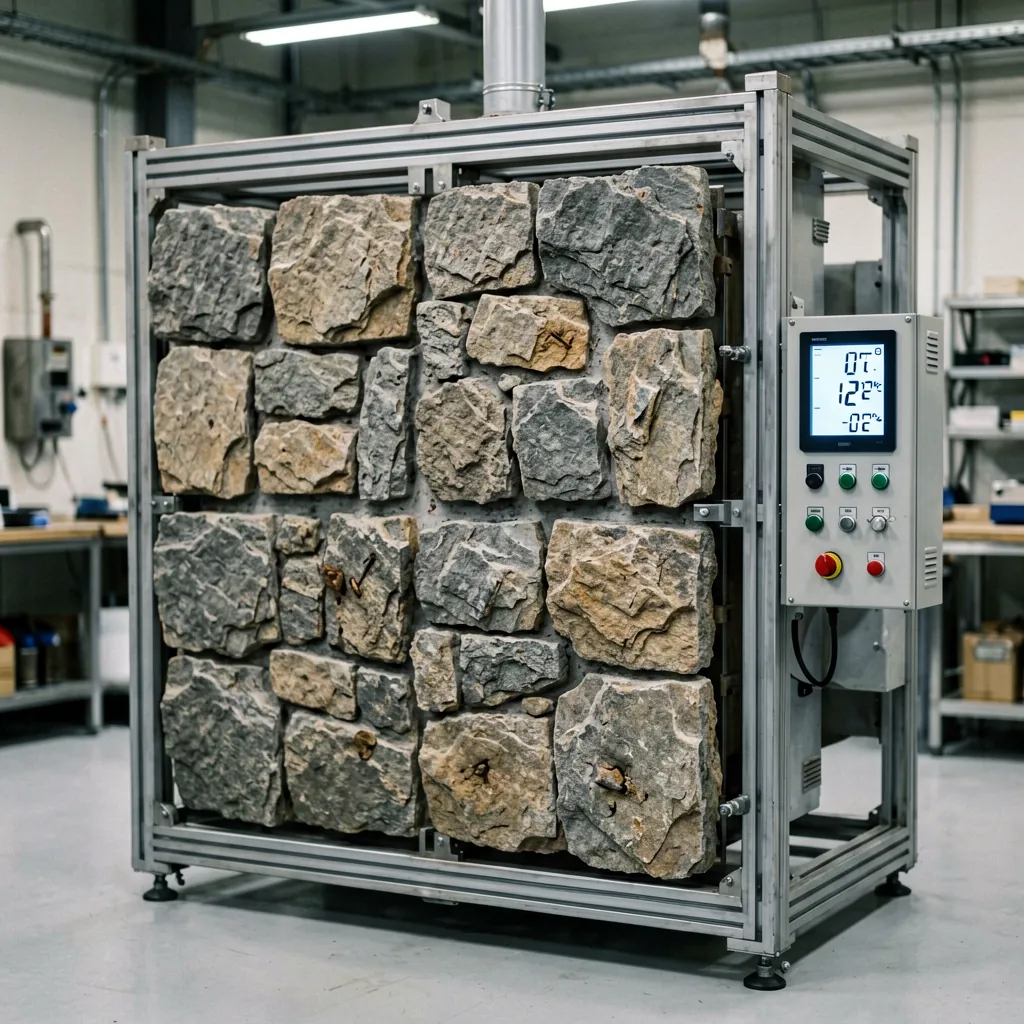
EN 13501-1 is the European standard that classifies how a construction product reacts to fire. It sorts products onto a Euroclass scale that runs from A1 at the top down to F at the bottom. The class travels with the product from the laboratory to the specification sheet.
Class A2 is the highest class below A1. An A1 product is treated as fully non-combustible and adds nothing to a fire. An A2 product is allowed a small, limited contribution, and it is still grouped with A1 at the near non-combustible end of the scale.
The flexible stone panels made by JMS Decor hold EN 13501-1 Class A2, and the class is backed by a certificate and a test report rather than a statement. That pairing matters to a specifier. A claim on a website is not the same as a document a building control officer will accept.
The class is a property of the sheet, not of a coating. It comes from a panel built on a mineral base, so the result travels with the product instead of depending on a surface treatment added later.
A buyer reading a datasheet should treat the class as a line that can be checked, not a badge. It has a test report behind it, a date and a product reference. When any of those is missing, the class is harder to defend in a submittal.
One more distinction saves confusion later. EN 13501-1 describes how a product reacts to fire, which is a material and surface property. It does not describe how long a finished wall resists a fire, which is a fire-resistance rating and a different test. A submittal that confuses the two will be returned.
The Tests Behind a Class A2 Result

A Class A2 result is not produced by a single test. It is assembled from two, and a product has to satisfy both before the class is written down. The first checks the material itself. The second checks how a wall built from it behaves in a fire.
The non-combustibility test, EN ISO 1182, places a sample in a furnace and records whether the material sustains combustion on its own. A product that fails this route cannot reach A2, whatever its surface does.
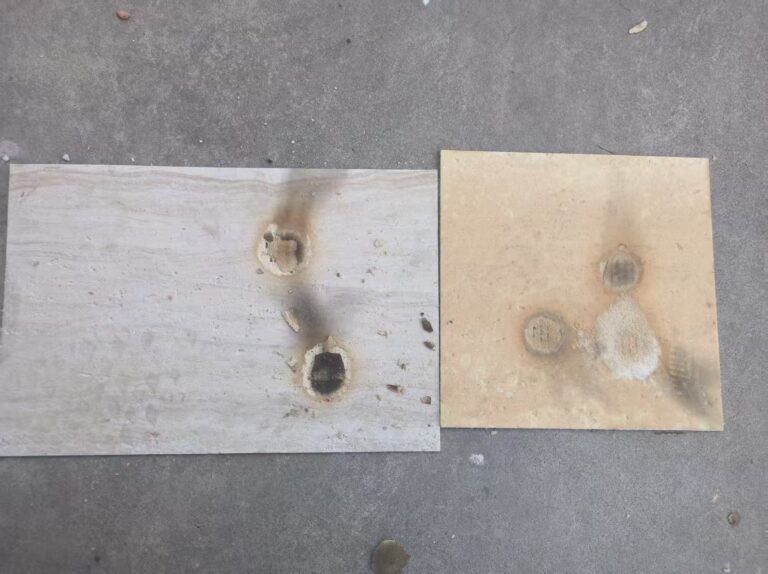
The single burning item test, EN 13823, builds a corner from the panels and burns a propane flame against it. Instruments record heat release, smoke growth and any burning droplets that fall away during the run.
| Test | What it measures |
|---|---|
| EN ISO 1182 non-combustibility | Whether the material itself sustains combustion |
| EN 13823 single burning item | Heat release, smoke growth and falling droplets |
For a panel made from natural stone powder, an inorganic gel and a fibreglass mesh, the mineral base carries the result. There is very little organic material in the build to feed a flame, and that is why the class holds across the range.
The two tests cover different risks on purpose. One asks whether the material can burn by itself. The other asks what happens when a wall of it meets a flame in a corner. A panel has to pass both, which is why a Class A2 sheet is a mineral product rather than a treated surface.
Reading the Euroclass Letters and Numbers
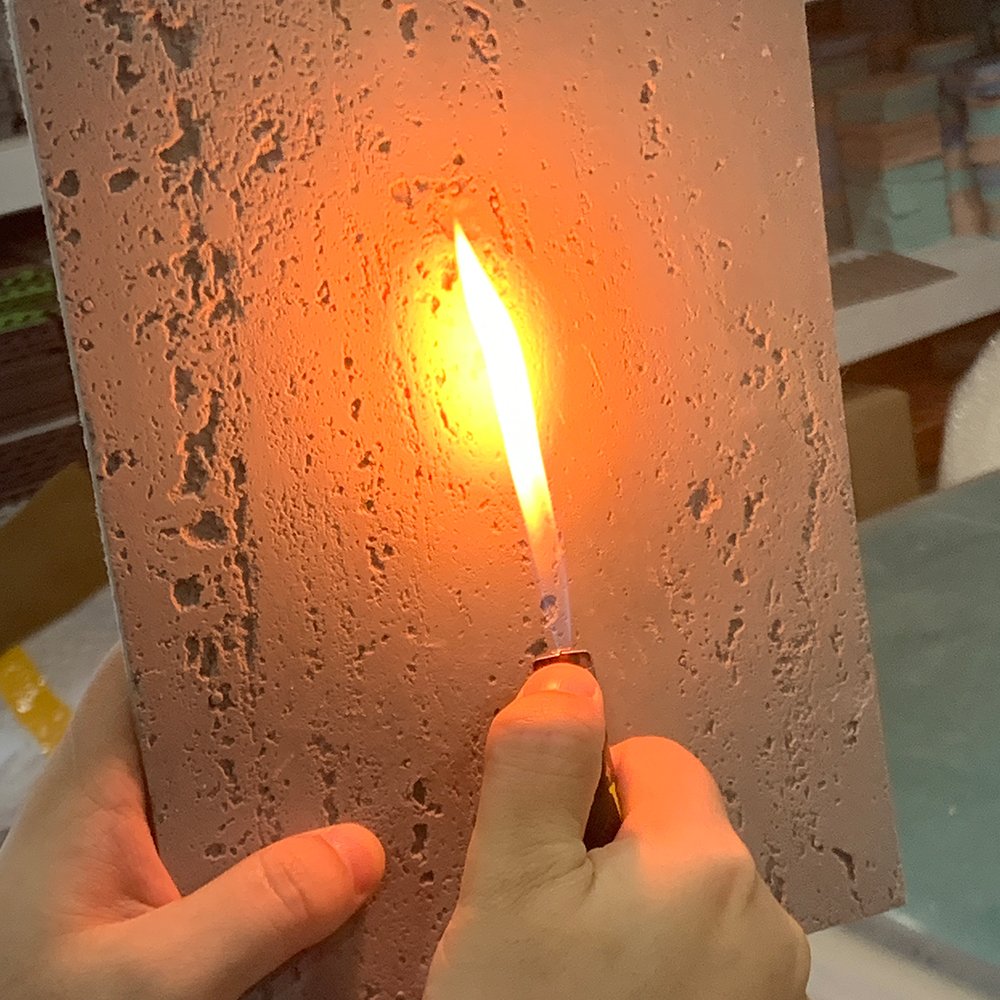
The letter and number are only part of the label. A full EN 13501-1 classification can carry two extra codes, and a specifier who ignores them can approve the wrong sheet for a space.
The first code describes smoke production and runs from s1 for the lowest to s3 for the highest. The second describes flaming droplets and runs from d0 for none to d2 for the worst. A lower number is the better result.
| Класс | What it means |
|---|---|
| A1 | Fully non-combustible, no contribution to fire |
| A2 | The top class below A1, limited contribution |
| B to E | Progressively more combustible surfaces |
| F | No fire performance declared |
A project can ask for a class and a smoke code together, and the two are read as one string on the drawing. Read the whole label, not the letter alone, before the panel is accepted for a corridor, a lobby or a stair. The wording also feeds the wider file on фасадным облицовкам с огнестойкостью и строительному страхованию.
Smoke and droplets matter most in a corridor or a stair, where people leave a building. A panel with a low smoke code keeps the escape route clearer for longer. That is why the code is often quoted beside the class on a specification for these spaces.
For European work the class is quoted in full, with its smoke and droplet codes beside it. The JMS Decor sheet is supplied with its Class A2 certificate, so the declared values can be matched to the schedule line by line.
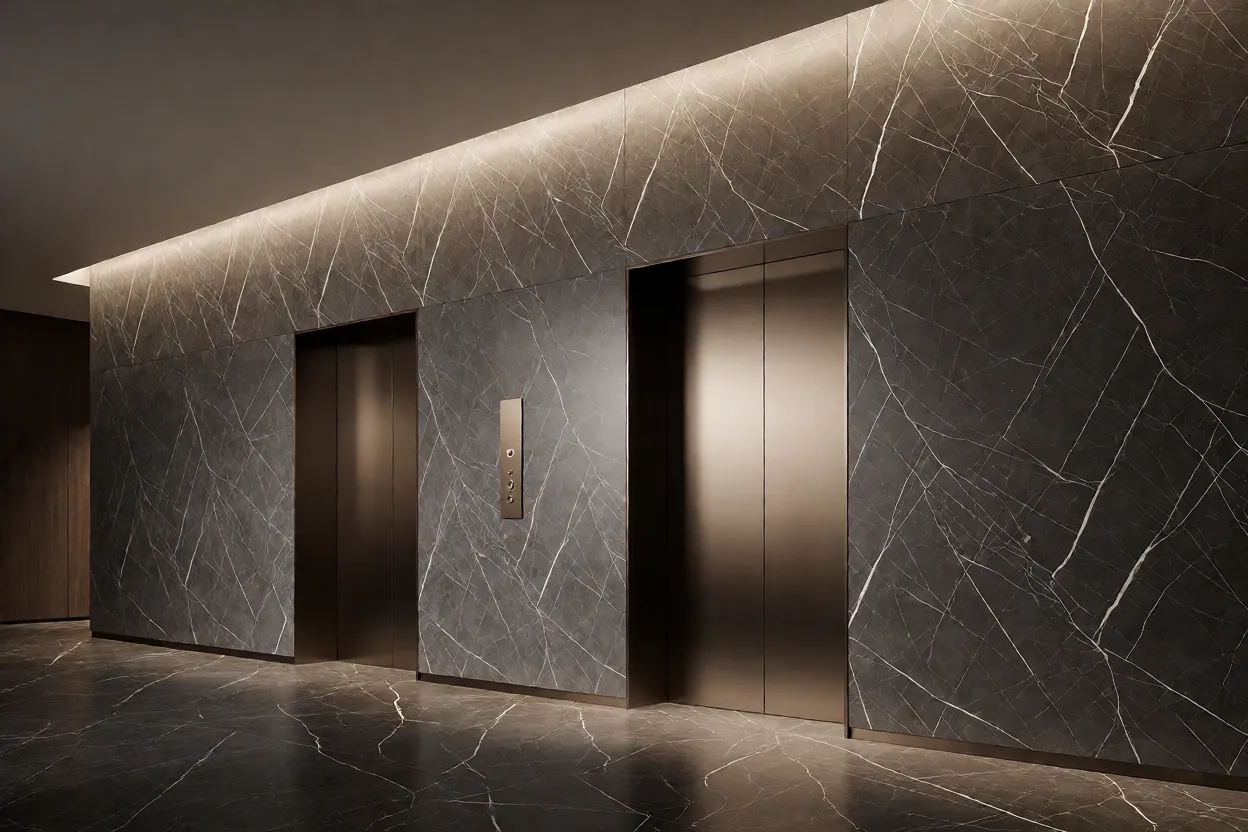
Там, где маркировка CE встречается с классом пожарной безопасности
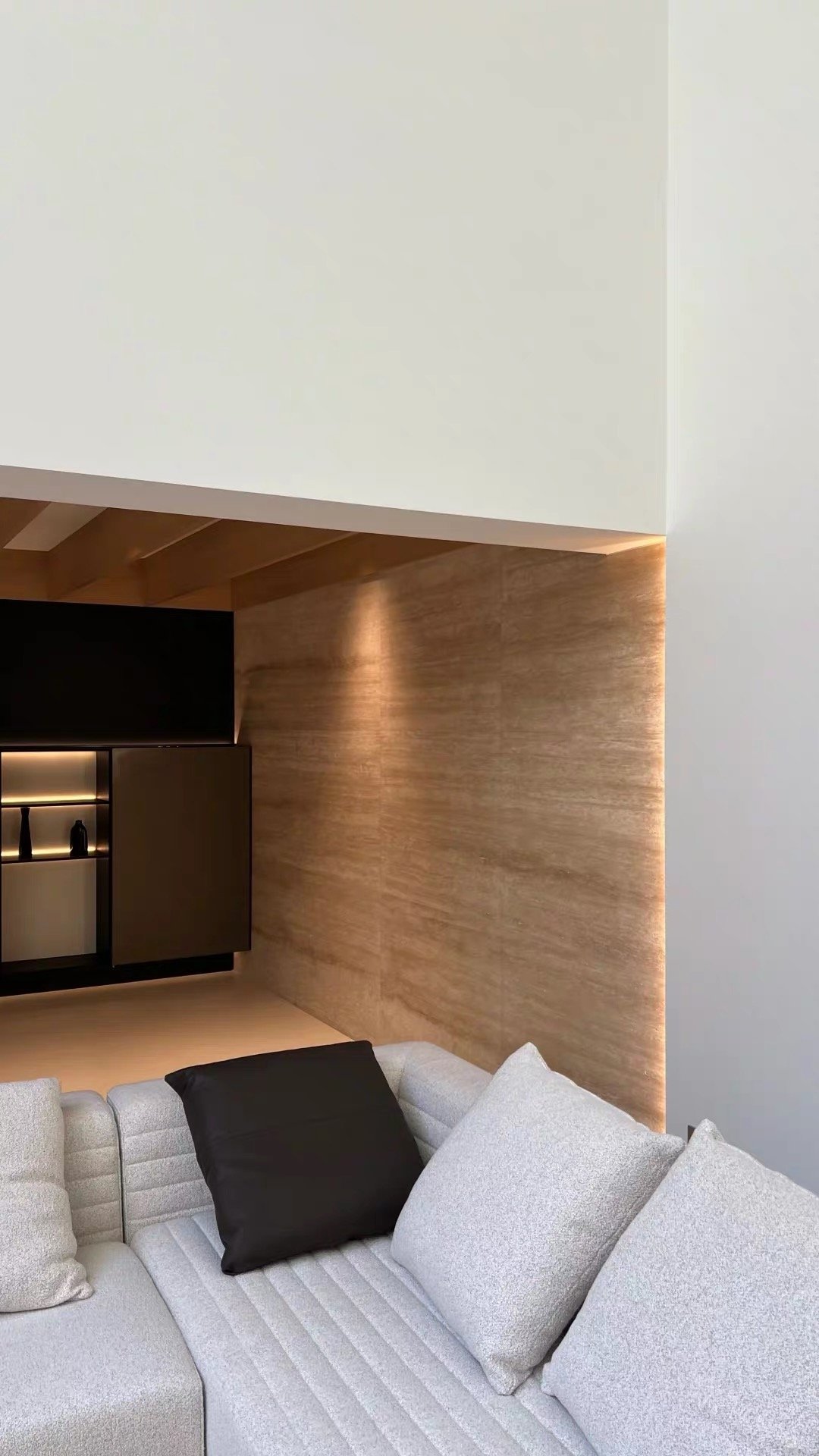
В Европе класс пожарной безопасности сопровождается знаком CE. У Construction Products Regulation requires a manufacturer to publish a Declaration of Performance, and the reaction-to-fire class is one of the declared values.
A CE marked panel is more than a panel with a sticker. The mark points to a document, and that document names the class and the test report behind it. The wider picture sits in our guide to CE certified wall panels for European projects.
For an importer the check is direct. Ask for the Declaration of Performance and match the declared fire class to the one on the drawing. When the two disagree, the panel is the wrong one for the job.
The Declaration of Performance is issued per product and stays with it, so the class can be traced years after the panels are fixed. A project that keeps the document on file can answer a building control query without going back to the supplier for a fresh certificate.
How Class A2 Differs from ASTM E84
European and North American projects read different tests. Europe uses EN 13501-1. The United States and Canada use ASTM E84, where Class A is the top band on the scale.
ASTM E84 is a surface test. It tracks how fast a flame spreads across the face and how much smoke it releases. The European test looks at the product in a room fire, including heat release and falling droplets, not the face alone.
The range carries both results, with ASTM E84 Class A at a flame spread index of 25 or below and EN 13501-1 Class A2 for European work. A project that ships to both markets can lean on one sheet from our гибкие каменные панели. The North American side is set out in the guide to ASTM E84 Class A for wall panels.
For a project that mixes markets, the safer approach is to hold both reports in one file. A designer can then show the European class to a European authority and the ASTM class to a North American one, from the same panel and the same batch.
Collecting the Right Fire Documents
Пожарный класс надёжен только вместе с пакетом документов. Перед оформлением заказа на панели должны быть готовы четыре документа, и каждый отвечает на свой вопрос.
Декларация характеристик содержит заявленный класс. Протокол испытаний показывает исходный результат, который за ним стоит. ISO 9001 сертификат подтверждает, что на заводе налажен управляемый процесс, а пакетный сертификат анализа связывает отгруженные листы с той партией, из которой они вышли.
JMS Decor имеет сертификаты ISO 9001, ISO 14001 и BSCI наряду с маркировкой CE, а уровень дефектов в производстве ниже 1 процента. Каждый заказ отгружается с пакетным сертификатом, который формируется по производителем гибких каменных стеновых панелей указанным выше показателям. Полный комплект документов доступен по ссылкам ниже. пожарной и климатической сертификации.
Комплект документов будет надёжнее, если они не противоречат друг другу. Убедитесь, что класс в Декларации характеристик совпадает с классом в протоколе испытаний и в спецификации. Несоответствие хотя бы двух позиций — самый быстрый способ получить замечание и вернуть пакет на доработку.
Часто задаваемые вопросы о классе A2
Ниже приведены самые частые вопросы покупателей о европейском пожарном классе с краткими ответами, основанными на стандарте и подтверждающих документах.
Что такое EN 13501-1 Class A2?
Это европейский класс горючести для строительных изделий. A2 располагается сразу под классом A1 по шкале Euroclass, поэтому панель вносит лишь ограниченный вклад в развитие пожара. Для спецификации это высший класс, которого должен достичь фасадный облицовочный продукт, чтобы попасть в верхний сегмент ниже полностью негорючих материалов.
Является ли Class A2 высшим пожарным классом?
Нет. Высший класс — A1, и он зарезервирован для продуктов, считающихся полностью негорючими. A2 — класс, следующий непосредственно за ним. Оба находятся в зоне, близкой к негорючести, и заметно опережают классы от B до F.
Соответствует ли гибкий камень стандарту EN 13501-1 Class A2?
Гибкий камень JMS Decor соответствует классу A2 по пожарной безопасности и подтверждается сертификатом и протоколом испытаний. Та же панель проходит тест ASTM E84 (класс A) для проектов в Северной Америке, что позволяет использовать один и тот же материал для рынков обеих частей света.
Являются ли EN 13501-1 и ASTM E84 эквивалентными стандартами?
Нет. Это разные методы испытаний для разных регионов. ASTM E84 — это североамериканский метод определения поверхностного распространения пламени, где класс A является высшей категорией. EN 13501-1 — европейский стандарт пожаробезопасности, и оба результата указываются в спецификации независимо друг от друга.
Какие документы подтверждают класс A2?
Запрашивайте три файла. Декларация характеристик (DoP) указывает класс, протокол испытаний содержит исходные данные, а сертификат ISO 9001 подтверждает наличие выстроенного на заводе процесса управления качеством. additionally, сертификат соответствия партии (COA) связывает конкретную поставку панелей с конкретным производственным циклом.