A European project specifies a fire class before it ever specifies a finish. For wall cladding sold into the European Union and the wider region, that class is read from EN 13501-1. EN 13501-1 Class A2 is the band most commercial projects ask a stone panel to reach, and it decides whether a specification approves the sheet or returns it.
Class A2 sits at the top of the Euroclass scale, one step below A1. It is not a marketing label. It is a measured result from a set of European fire tests, and it decides the paperwork a project has to hold.
EN 13501-1 Class A2 is a measured reaction-to-fire class, not a claim. It says a panel will add almost nothing to a fire once the wall is up.
What EN 13501-1 Class A2 Means
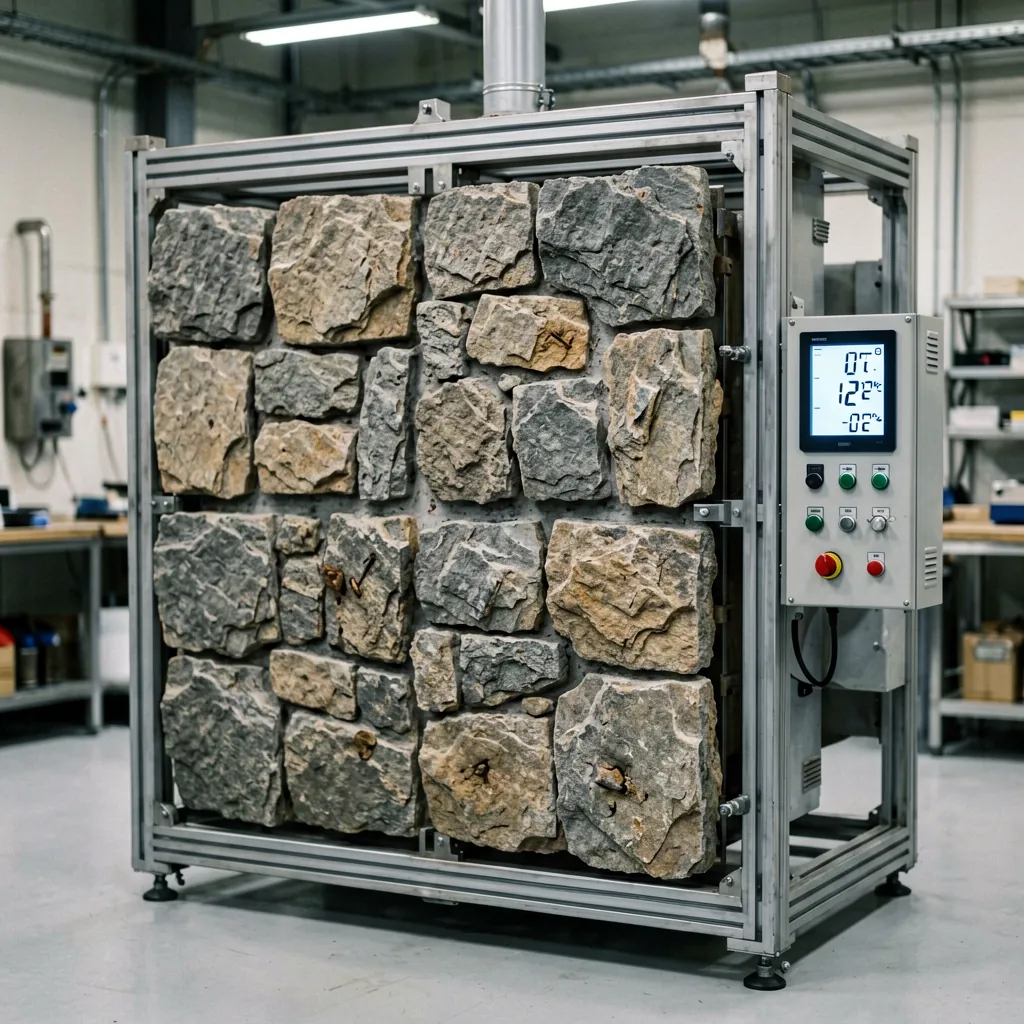
EN 13501-1 is the European standard that classifies how a construction product reacts to fire. It sorts products onto a Euroclass scale that runs from A1 at the top down to F at the bottom. The class travels with the product from the laboratory to the specification sheet.
Class A2 is the highest class below A1. An A1 product is treated as fully non-combustible and adds nothing to a fire. An A2 product is allowed a small, limited contribution, and it is still grouped with A1 at the near non-combustible end of the scale.
The flexible stone panels made by JMS Decor hold EN 13501-1 Class A2, and the class is backed by a certificate and a test report rather than a statement. That pairing matters to a specifier. A claim on a website is not the same as a document a building control officer will accept.
The class is a property of the sheet, not of a coating. It comes from a panel built on a mineral base, so the result travels with the product instead of depending on a surface treatment added later.
A buyer reading a datasheet should treat the class as a line that can be checked, not a badge. It has a test report behind it, a date and a product reference. When any of those is missing, the class is harder to defend in a submittal.
One more distinction saves confusion later. EN 13501-1 describes how a product reacts to fire, which is a material and surface property. It does not describe how long a finished wall resists a fire, which is a fire-resistance rating and a different test. A submittal that confuses the two will be returned.
The Tests Behind a Class A2 Result

A Class A2 result is not produced by a single test. It is assembled from two, and a product has to satisfy both before the class is written down. The first checks the material itself. The second checks how a wall built from it behaves in a fire.
The non-combustibility test, EN ISO 1182, places a sample in a furnace and records whether the material sustains combustion on its own. A product that fails this route cannot reach A2, whatever its surface does.
The single burning item test, EN 13823, builds a corner from the panels and burns a propane flame against it. Instruments record heat release, smoke growth and any burning droplets that fall away during the run.
| Test | What it measures |
|---|---|
| EN ISO 1182 non-combustibility | Whether the material itself sustains combustion |
| EN 13823 single burning item | Heat release, smoke growth and falling droplets |
For a panel made from natural stone powder, an inorganic gel and a fibreglass mesh, the mineral base carries the result. There is very little organic material in the build to feed a flame, and that is why the class holds across the range.
The two tests cover different risks on purpose. One asks whether the material can burn by itself. The other asks what happens when a wall of it meets a flame in a corner. A panel has to pass both, which is why a Class A2 sheet is a mineral product rather than a treated surface.
Reading the Euroclass Letters and Numbers
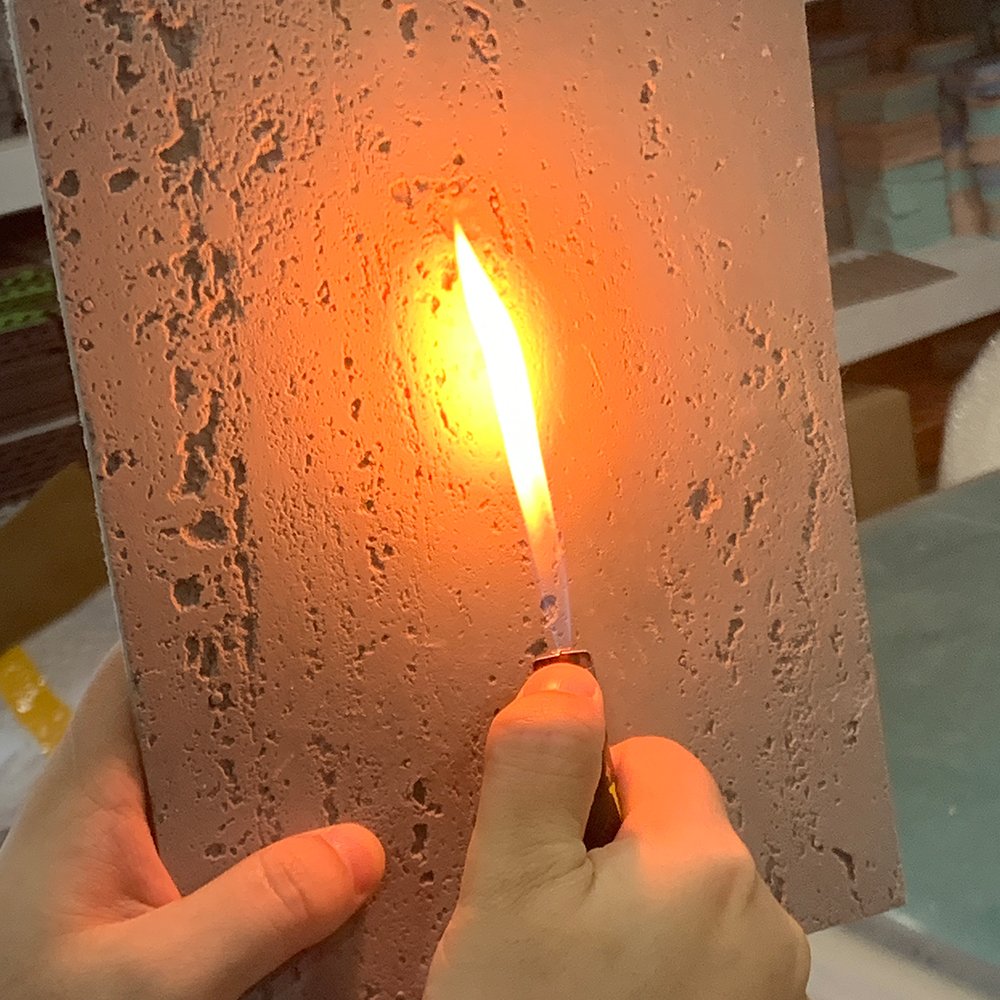
The letter and number are only part of the label. A full EN 13501-1 classification can carry two extra codes, and a specifier who ignores them can approve the wrong sheet for a space.
The first code describes smoke production and runs from s1 for the lowest to s3 for the highest. The second describes flaming droplets and runs from d0 for none to d2 for the worst. A lower number is the better result.
| Class(等級) | 分類の意味 |
|---|---|
| A1 | 完全不燃材。火災への寄与なし |
| A2 | A1の次級、かつ限定された寄与 |
| B〜E | 可燃性が高まるほど |
| F | 燃焼性能は未定義 |
指定ではクラスと煙発生のコードが併記され、図面上では一つの表記として扱われます。廊下、ロビー、階段での採用可否を判断する際には、クラス alone ではなくラベル全体を読み取る必要があります。また、この表記はプロジェクトの更なるファイル蓄積にも寄与します。 耐火性外装材と建築用保険.
廊下や階段のような逃げ道では、煙や滴下の発生が最も重要となります。低煙等級のパネルは避難経路の視界を長持ちさせます。このため、これらの空間では仕様書にクラスと共にコードが併記されることが一般的です。.
欧州における工事では、クラスを完全な形で表記し、その隣に煙・滴下コードを記載します。JMS DecorのシートはA2等級の認定書付きで供給され、公称値を項目ごとに照合できます。.
CE認証と耐火等級が交差する地点
欧州では、耐火等級はCEマークと共に適用されます。The 建設製品規制(CPR) 性能Declare(DoP)の公開を製造業者に義務付け、防火等級はその申告値の一つです。.
CEマーキング付きパネルはステッカーを貼っただけのものではありません。マークは文書を指し、その文書に等級と裏付けとなる試験報告書が明記されています。詳細は当社のガイド『 European projectsのCE認定壁パネル.
輸入者にとっての確認は直接的です。性能Declare(DoP)を求め、申告された防火等級と図面に記載された等級を照合します。両者が一致しない場合、そのパネルは工事の要件を満たしていません。.
性能Declare(DoP)は製品ごとに発行され、常に製品に付随するため、施工後数年経過しても等級を追跡可能です。書類をプロジェクト管理している場合、追加の証明書を取得するためにサプライヤーに連絡することなく、建築確認当局の問い合わせに対応できます。.
Class A2とASTM E84の違い
欧洲と北米のプロジェクトでは適用される試験が異なります。欧洲ではEN 13501-1が、美国と加拿大ではASTM E84が使用され、Class Aが同規格の最高等級となります。.
ASTM E84は表面試験であり、炎の伝播速度と発生煙量を評価します。一方、欧洲の試験は製品の全面だけでなく、室内火災における熱放出量や飛来滴下物を含めて評価します。.
当社の製品群は両規格に適合しており、ASTM E84 Class Aは燃焼蔓延指数25以下、EN 13501-1 Class A2はEuropean work向けに認定済みです。両市場に出荷するプロジェクトでは、弊社の フレキシブルストーンパネル. の資料から1枚のシートで対応可能です。北米向けの仕様については、『 壁パネルのASTM E84 Class A認定について.
複数の市場を対象としたプロジェクトの場合、両方の報告書を1ファイルに保管することが最も確実なアプローチです。これにより、設計者は同一のパネル・同一のロットから、European authorityにはEuropean gradeを、North American authorityにはASTM gradeを提示することができます。.
適切な防火書類の収集方法
火災等級の信頼性は、裏付け書類の有無にかかっています。パネル発注前に確認すべき書類は4点あり、それぞれが異なる問いに答えます。.
性能Declaretion(DoP)には宣言された等級が記載され、試験レポートにはその根拠となる生データが示されます。 ISO 9001 認定証には工場が管理された工程で生産していることが示され、ロット別分析証明書によって納入されるパネルがどの生産ロットから来たのかを紐づけます。.
JMS DecorはISO 9001、ISO 14000、BSCIおよびCE認証を取得しており、生産不良率は1%未満を維持しています。各発注にはロット別分析証明書が付属します。 フレキシブルストーン壁パネルメーカー これらの数値の背景にある体制についてはこちらをご覧ください。すべての関連記事は以下のセクションに記載されています。 火災・気候対応性.
一連の書類の内容が互いに整合しているほど、提出書類は強力になります。性能Declaretion(DoP)に記載の等級が、試験レポートおよび仕様書記載の等級と一致しているか確認してください。2つ以上内容が不一致の場合、最快速に修正依頼となってしまいます。.
Class A2 に関するよくあるご質問

欧州防火等級に関する購入者から最も多く寄せられる質問を、規格および裏付け書類に基づく簡潔な回答とともにご紹介します。.
EN 13501-1 Class A2 とは何ですか?
これは建設製品の反応炎上に関する欧州等級です。A2はユーロクラス尺度においてA1の直下に位置し、パネルは火災への寄与が限定的です。仕様において、完全不燃材に次ぐ最上位グレードとして外装材が満たすべき等級就是这个 Class A2 です。.
Class A2 は最高等級ですか?
いいえ。最高等級はA1であり、これは完全に不燃と見なされる製品に適用されます。A2はその直下の等級です。A1およびA2は両方とも尺度のほぼ不燃側に位置し、B〜F等级と比較して著しく優れています。.
フレキシブルストーンはEN 13501-1 Class A2を取得していますか?
JMS DecorのフレキシブルストーンシリーズはClass A2認定を取得しており、それには認定証および試験レポートが裏付けられています。同じパネルは北米向けプロジェクトのASTM E84 Class Aでも試験されており、1枚の製品で両市場に対応可能です。.
EN 13501-1とASTM E84は同じテストですか?
いいえ。これらは地域が異なる別のテストです。ASTM E84は北米向けの表面燃焼テストで、Class Aが最高等級となります。EN 13501-1は欧州の反応火炎性能規格であり、仕様書ではそれぞれの結果を別々に確認します。.
Class A2の認定を示す資料は何ですか?
3つの書類を確認してください。性能宣言書(Declaration of Performance)が等級を宣言し、検定報告書が試験の生結果を示し、ISO 9001認証が工場の管理されたプロセスを保証します。さらに、ロット分析証明書(batch certificate of analysis)により、納品されたパネルが生産ロットと結びつきます。.