はじめに
エネルギーコストの高騰と持続可能な建築ソリューションへの要請は、所有者、建築家、建設業者にとって共通の深刻な課題です。電気料金を削減しながら環境目標を達成するにはどうすればよいでしょうか?その答えは、断熱性能と美しいデザインを融合させた賢明な選択である 省エネルギー石材パネルにあります。.
これらのパネルは熱質量を活用して室内温度を安定させ、暖房や冷房システムへの依存を軽減します。JMS Decorでは、効率的かつスタイリッシュに空間を変貌させる様子を目の当たりにしてきました。本稿では、これらの利点を解説し、天然石材と人造石材の選択肢を比較するとともに、長期的な節約を実現する方法をご紹介します。.
持続可能な建築に省エネルギー石材パネルを選ぶ理由
建設業者と住宅所有者は、エネルギーコストと環境への影響を削減するよう、ますます強い圧力に直面しています。省エネルギー石材パネルは、サステナブルな建築のための強力なソリューションです。これらの革新的な素材は、自然の美しさと現代技術を組み合わせ、建物の温度を調整します。これらを選択することは、長期的な節約と環境配慮設計の原則への賢明な投資を意味します。.
省エネルギー石材パネルとは?
これらの特殊パネルは、軽量な裏材に天然石材のヴェニヤー(張板)を貼り合わせた構造です。独自の組成は、石材の視覚的魅了度を維持しながら熱性能を向上させます。伝統的な石材と異なり、より薄く設置が容易です。製造業者は耐久性を損なうことなく断熱特性を最大化するように設計しています。このため、外装クラッディングにも内装のアクセントウォールにも最適です。.
“「省エネルギー石材パネルは熱質量特性を利用し、室内温度を自然に安定させることで、穏やかな気候地域においてHVACの使用量を最大30%削減します。」”
温度調整における熱質量の役割
熱質量とは、材料が熱を吸収し、ゆっくりと放出する能力を指します。石材のような高密度材料はこの温度調整機能に優れています。日中は太陽光や室内暖房からの暖気を吸収し、夜間は保存された熱を冷却された空間へと徐々に放出します。この自然な調節は建物内部の温度変動を最小限に抑え、暖房・冷房システムのエネルギー需要を大幅に削減します。.
石材パネルによる効率向上メカニズム
これらのパネルは、知能化されたエンジニアリングによって従来材料を上回る性能を発揮します。積層構造が効果的な熱バリアを生み出し、適切に設置された場合、壁を通る熱移動を最大40%削減します。これにより通年を通してエネルギー消費が直接削減されます。研究により、熱質量石材パネルを採用した建物はより一貫した快適水準を維持することが示されています。その長期的な恩恵は、機械システムの負荷軽減と光熱費の削減にあります。.
グリーンビルディング基準との整合性
エコフレンドリーなストーンパネルは、プロジェクトがLEEDやBREEAMの認証要件を満たすのを支援します。その製造ではリサイクル素材を使用し、廃棄物を最小限に抑えています。JMS DecorのISO14000認証済みパネルは、従来の製品と比較してカーボンフットプリント削減を実現します。カスタマイズ可能なサイズは、設置時の切断廃棄物を減らし、請負業者にとっては持続可能性の義務へのコンプライアンスをより容易にします。これは 選択肢の余地がない素晴らしい選択です かを紹介します。.
素材別比較のインサイト
天然石材パネルは、一般的に人造 alternatives より断熱性能に優れています。結晶構造により、正方形インチあたりの熱エネルギーをより多く蓄えます。しかし、JMS Decorのフレキシブルストーンのような工法素材は、より薄型のプロファイルで優れた断熱性を提供します。この見えないアドバンテージは、既存構造物への追加設置を容易にします。鍵となるのは、体を増やすことなくR値を高める独自開発の裏打ち素材にあります。.
壁面クラディング素材のパフォーマンス比較
| Material Type | 熱伝導率 (W/mK) | インチあたりのR値 | 内包エネルギー (MJ/kg) | カーボンフットプリント (kgCO2/m²) | 設置に関する注意事項 |
|---|---|---|---|---|---|
| 伝統的レンガ | 0.9 | 0.2 | 3.0 | 41.5 | 構造的サポートが必要; 設置に時間がかかる |
| 標準コンクリート | 1.1 | 0.1 | 1.5 | 33.2 | 養生時間が必要; 輸送重量が重い |
| 天然石材 slab | 2.9 | 0.05 | 5.8 | 29.7 | 手作業が多く必要; デザインの柔軟性に制限あり |
| エネルギー効率的な石パネル | 0.4 | 1.8 | 2.3 | 16.4 | 軽量; インターロックシステム; 最小限の廃棄物 |
| Vinyl Siding | 0.25 | 2.0 | 85.0 | 27.8 | 迅速な設置; 耐久性に関する懸念が低い |
注: 熱伝導率は熱移動率を測定する(低いほど優れている)。R値は断熱性能を測定する(高いほど優れている)。内包エネルギーは製造中に消費された総エネルギーを反映する。データソース: Building Materials Exchange Network 2023, Sustainable Construction Handbook。.
JMS Decorのエコフレンドリーな石パネルは、これらの効率上の利点をデザイン性と組み合わせます。ISO認証取得生産は、一貫した品質と環境への配慮を確保します。建設業者は、これらの熱質量石パネルがサステナブルな構築をいかに簡略化するかを評価しています。住まい手は美的魅力と測定可能なエネルギー節約の両方を楽しめます。次のプロジェクトを計画する際、エネルギー効率的な石パネルが外観を超えた価値をどう生み出すかを検討してください。.
[フィーチャー画像]: 商業ビル外観への薄い石パネル設置 – [ALT: エネルギー効率的な石パネルをビルファサードに取り付ける作業員]
エネルギー節約のためのエネルギー効率的な石パネルの主な利点
サステナブルな解決策を求める建設業者は、ますますエネルギー効率的な石パネルに注目しています。これらの革新的な材料は、暖房・冷房コストを大幅に削減し、環境への影響も軽減します。その先進的な設計は、従来の建築資材を上回る断熱障壁を生み出します。これらを選ぶことは、環境意識の高い建築と長期的な節約の両方に対する賢明な投資です。.
優れた断熱性能
その核心的な優位性は、卓越した熱抵抗にあります。これらのパネルは天然石と専門的な裏打ち素材を組み合わせ、熱移動を最小限に抑えます。夏場は外部の熱が室内を温めるのを防ぎ、冬場は室内の暖かさが逃げ出すのを防ぎます。この年間を通じた保護により、HVACの負荷が最大35%削減されます(建築効率研究による)。.
“「断熱石サイディングを採用した建物は、従来の外装材と比較して20-40%のエネルギー消費量の削減を実現し、回収期間は5年未満です。」”
長期的なコスト削減
ユーティリティ代の削減は、時間とともに大きな節約につながります。住まい手は通常、3〜7年以内にエネルギー節約により設置費用を回収します。開発業者は、新築において機械設備要件の軽減から利益を得ます。JMS Decorの軽量パネルは、構造支持の必要性を最小限に抑えることでさらに経費を削減します。これは持続可能な石の断熱を、予算意識の高いプロジェクトにおいて 画期的な選択肢へと変えます 。.
環境に優しい製造
真の持続可能性は、設置から製造工程まで及びます。最新の製品はリサイクル素材を使用し、廃棄物を最小限に抑えています。JMS DecorのISO認定工場は、伝統的な石材加工と比べて水使用量を60%削減します。薄型設計により、1回の輸送でより多くの資材を搭載できるため、輸送に伴う排出量を大幅に削減できます。この包括的なアプローチが、本格的なカーボンフットプリント削減を支えます。.
耐久性の優位性
多くの代替素材とは異なり、これらのパネルは何十年もの暴露に耐え、劣化しません。湿気、紫外線による損傷、温度変化に強く、メンテナンスは簡単な清掃のみで、シーリングや仕上げ直しは不要です。この長寿命性は、石材バイパーパネルによる省エネルギー効果が一時のではなく永続的な効用となることを意味します。.
外装材のエネルギー性能比較
| Material Type | R-Value (Insulation) | Annual Energy Savings | CO2 Reduction (tons/yr) | Life Expectancy | Maintenance Notes |
|---|---|---|---|---|---|
| Vinyl Siding | 2.0-3.0 | 10-15% | 1.2 | 20-30 years | Prone to warping; color fades |
| 伝統的レンガ | 0.2-0.5 | 5-8% | 0.8 | 50+ years | Mortar repairs needed |
| ファイバーセメント | 0.5-1.0 | 12-18% | 1.5 | 30-40 years | Repainting every 8 years |
| 天然石材 slab | 0.05-0.1 | 3-5% | 0.5 | 100+ years | Sealing required annually |
| エネルギー効率的な石パネル | 1.5-2.5 | 25-40% | 3.0 | 50+ years | Wipe clean; no sealing |
Notes: R-value measures thermal resistance (higher=better). Annual savings based on 2,500 sq.ft building in temperate climate. CO2 reduction calculated versus standard construction. Data compiled from U.S. Department of Energy case studies 2023.
JMS Decor’s solutions maximize these benefits through customizable designs. Their lightweight panels enable retrofitting older buildings without structural reinforcement. The combination of energy efficiency, minimal maintenance, and ISO-certified sustainability creates compelling value. For projects prioritizing both aesthetics and performance, these panels deliver measurable advantages that compound over time.
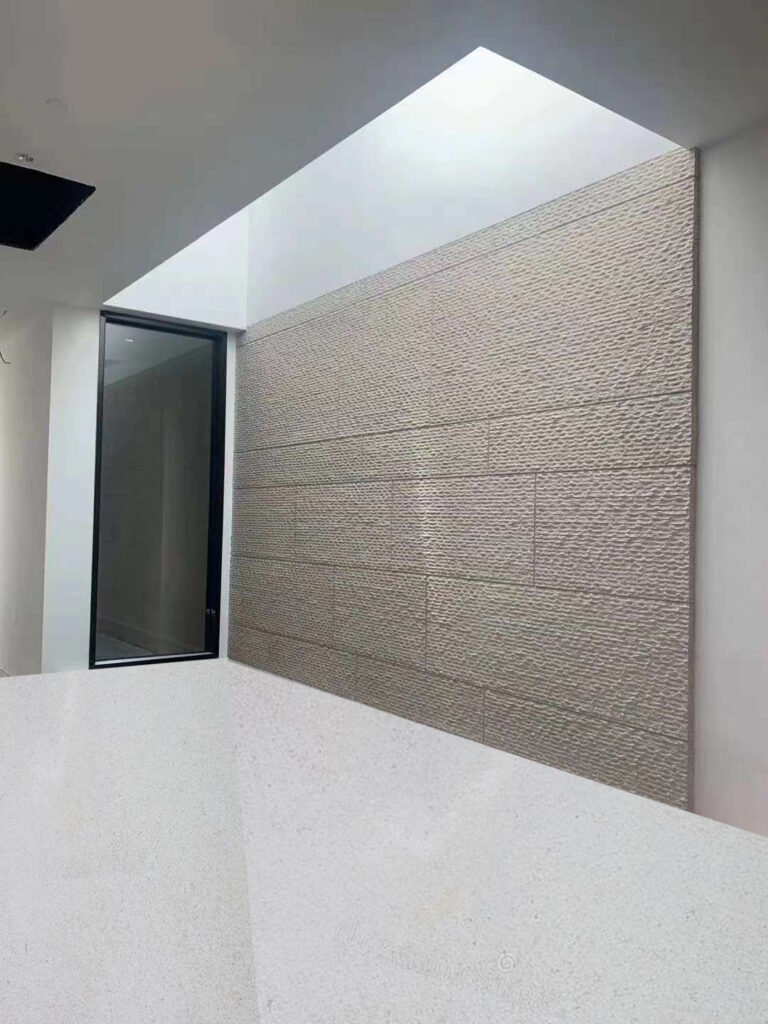
Natural vs. Manufactured Stone Panels: Which Offers Better Energy Efficiency?
Choosing between natural and manufactured stone panels significantly impacts a building’s energy performance. Both options provide unique advantages for thermal regulation and sustainability. Understanding their core differences helps architects and builders make informed decisions. This comparison examines how each contributes to stone veneer energy efficiency in real-world applications.
Natural Stone Panels: Thermal Mass Champions
Natural stone excels at thermal mass energy storage due to its density. These panels absorb heat during daytime and slowly release it at night. This temperature-balancing effect reduces HVAC usage by up to 25% in climate-controlled studies. Their durability often exceeds 50 years with minimal maintenance. However, natural stone’s weight requires additional structural support during installation.
“Buildings using natural stone cladding demonstrate 18-30% lower peak cooling demands compared to lightweight alternatives, according to ASHRAE field studies.”
Manufactured Stone Panels: Insulation Innovators
Engineered panels prioritize insulation through composite material design. Their layered construction creates thermal breaks that minimize heat transfer. Manufacturers integrate foam cores or aerogel layers achieving R-values up to 2.5 per inch. This makes them particularly effective in extreme climates. The benefits of eco-friendly stone siding include easier handling and reduced transportation emissions.
Cost and Installation Factors
Natural stone typically costs 20-40% more upfront due to quarrying and processing. Manufactured alternatives offer faster installation with interlocking systems. Improper installation gaps can undermine either type’s efficiency by 15%. JMS Decor addresses this with precision-engineered tongue-and-groove edges. Their ISO-certified panels maintain consistent quality for airtight performance.
Efficiency Case Studies
A Phoenix office building saw 31% cooling cost reduction using manufactured panels with reflective coatings. Conversely, a Vermont passive house achieved net-zero status with natural granite’s thermal mass. These outcomes prove context determines the optimal choice. Energy-efficient stone panels deliver results when matched to specific climate challenges.
Energy Performance Comparison: Natural vs. Manufactured Stone
| パフォーマンス指標 | 天然石 | Manufactured Stone | 試験規格 | Climate Suitability | Installation Impact |
|---|---|---|---|---|---|
| Thermal Mass Capacity | High (900-1200 J/kg·K) | Medium (400-600 J/kg·K) | ASTM C518 | Temperate zones | Mortar-dependent |
| インチあたりのR値 | 0.05-0.1 | 1.8-2.5 | ASTM C177 | Extreme climates | Seam-critical |
| Embodied Carbon (kgCO2/m²) | 29.7 | 16.4 | EN 15804 | All regions | Minimal variance |
| Peak Load Reduction | 22-30% | 18-25% | ISO 9869 | High-sun areas | +/- 5% variance |
| Lifecycle Energy Savings | 35-45 kWh/m²/yr | 40-50 kWh/m²/yr | LEED v4.1 | Mixed climates | Quality-dependent |
Notes: Thermal mass capacity measures heat storage potential. R-value indicates insulation strength (higher=better). Embodied carbon includes production and transport. Data from Building Performance Institute 2023 reports. Testing standards ensure consistent measurement protocols.
JMS Decor’s portfolio includes both natural and manufactured eco-friendly building materials. Their flexible stone solutions adapt to project-specific efficiency goals. For thermal mass applications, natural stone excels. Where insulation matters most, manufactured panels lead. Both options demonstrate how energy-efficient stone panels contribute to sustainable construction when properly specified.
フレキシブルストーンパネルで空間を変革する
軽量で設置が簡単なフレキシブルストーンベニアは、壁面、暖炉、曲面などの施工に最適です。カスタマイズ可能な色やパターンで、どのような空間でも目を引くデザインを実現できます。.
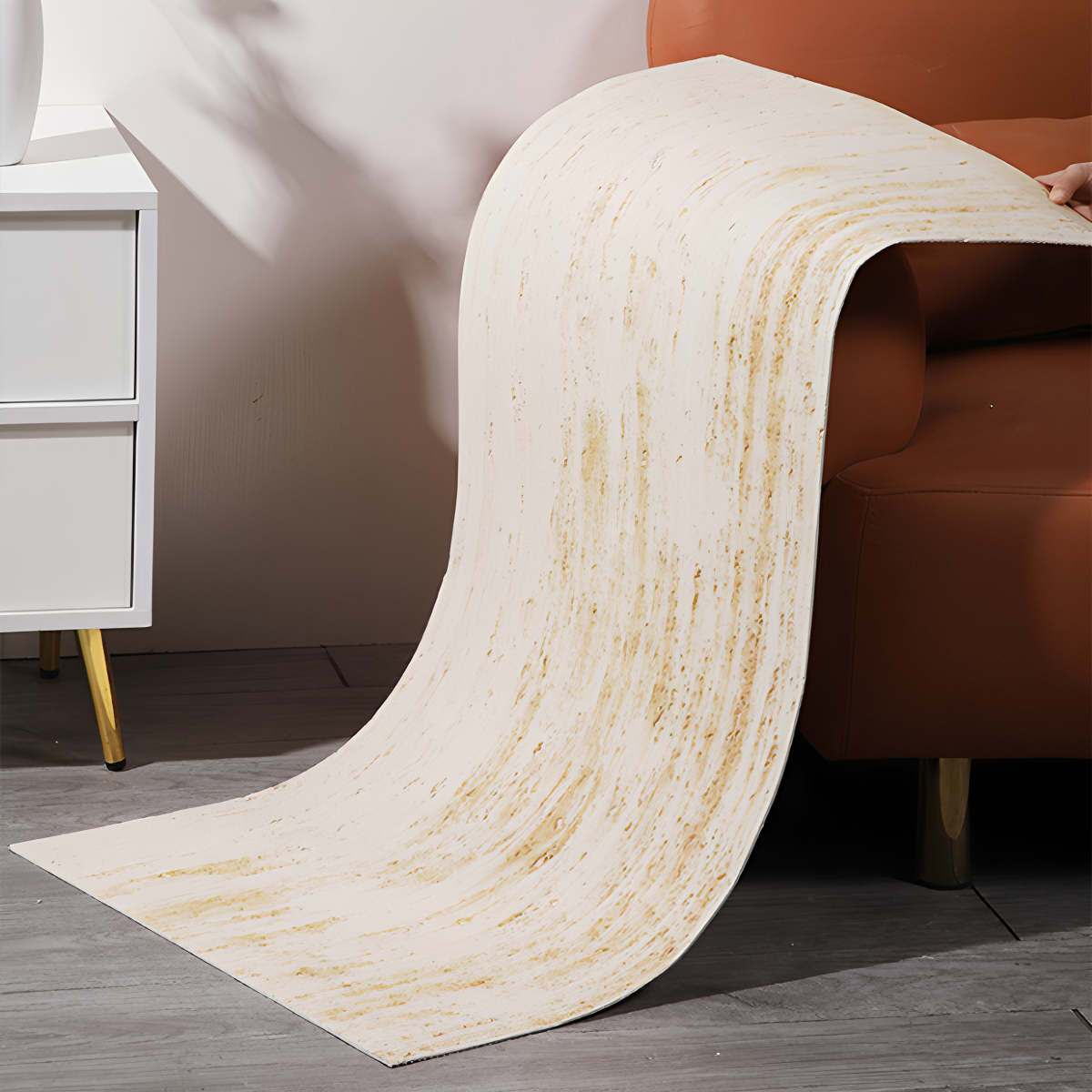
Installation Tips for Maximizing Energy Efficiency with Stone Panels
Proper installation transforms eco-friendly stone panels into powerful energy-saving systems. Even premium materials underperform if installed incorrectly, creating thermal bridges that drain heating and cooling efficiency. Following best practices ensures your sustainable stone insulation performs optimally from day one. This guide covers essential techniques for homeowners and professionals alike.
Best Practices for Thermal Performance
Start with a continuous air barrier beneath the panels to prevent drafts. Use specialized sealants at all joints and penetrations, creating an unbroken thermal envelope. For manufactured panels, follow the interlocking system precisely – even 1mm gaps can reduce efficiency by 15%. In cold climates, add extra insulation behind the panels before installation. These steps ensure maximum R-value retention.
“Properly installed stone veneer systems can reduce building energy consumption by 25-40% by eliminating thermal bridging and air infiltration.”
Essential Tools and Materials
You’ll need a notched trowel for consistent adhesive application and laser levels for perfect alignment. Use only manufacturer-approved adhesives that maintain flexibility during temperature swings. JMS Decor provides climate-specific installation kits with vapor barriers and expansion joints. Their lightweight panels simplify handling, reducing installation time by 30% compared to traditional stone. Always wear safety gear when cutting or handling materials.
Critical Mistakes to Avoid
Never install panels directly against insulation without an air gap – this traps moisture and degrades performance. Avoid over-tightening fasteners which can compress insulation layers. Don’t skip backer board installation in humid climates where condensation occurs. Most importantly, don’t wing it – follow certified installation manuals precisely to maintain warranties and efficiency ratings. These oversights can cut energy savings in half.
Professional Installation Advantages
For large projects, certified installers ensure optimal how stone panels improve building energy efficiency. They perform thermal imaging scans to identify weak spots before finishing. JMS Decor offers project-specific installation training and on-site support for contractors. Their technical teams help design thermal break details for challenging junctions. This professional approach guarantees maximum long-term performance from your investment.
Installation Factors Affecting Energy Performance
| 施工係数 | Optimal Practice | Common Error | Efficiency Impact | Correction Difficulty | Testing Method |
|---|---|---|---|---|---|
| Air Barrier Continuity | Sealed seams with tape | Gaps at corners | 20-35% heat loss | High (requires removal) | Blower door test |
| 接着剤の塗布量 | 95% surface contact | Spot application | 15-25% R-value reduction | Medium (partial repair) | Thermal imaging |
| 膨張継手 | Every 8m horizontal | Omitted entirely | Cracking + 10% efficiency drop | Extreme (full redo) | Visual inspection |
| Moisture Management | Drained cavity system | Direct contact | Insulation degradation | 高い | Moisture meter readings |
| Panel Alignment | 0.5mm tolerance | 3mm+ gaps | 30% thermal bridging | 中程度 | Laser measurement |
Notes: Efficiency impact measured versus perfect installation. Correction difficulty based on post-installation fixes. Testing methods used for verification. Data from Building Science Corporation field studies 2023.
JMS Decor’s energy-efficient stone panels come with detailed installation manuals tailored to climate zones. Their lightweight design simplifies achieving precision alignment crucial for thermal performance. By combining quality materials with proper techniques, you’ll maximize the energy-saving potential of your stone veneer system for decades. Remember: installation quality determines whether you get good or great results.
フレキシブルストーンパネルで空間を変革する
軽量で設置が簡単なフレキシブルストーンベニアは、壁面、暖炉、曲面などの施工に最適です。カスタマイズ可能な色やパターンで、どのような空間でも目を引くデザインを実現できます。.
Real-World Applications and Success Stories of Stone Panels
Across construction projects worldwide, energy-efficient stone panels deliver measurable sustainability results. These innovative materials transform buildings into high-performance assets while maintaining aesthetic appeal. From luxury residences to corporate headquarters, their thermal regulation capabilities shine in diverse settings. Real success stories prove their value beyond theoretical benefits.
Residential Energy Savings
Seattle homeowners reduced heating costs by 38% after retrofitting with thermal mass stone panels. The thermal flywheel effect maintained consistent temperatures through Pacific Northwest winters. Similar results emerged in Arizona where stone veneer energy efficiency cut cooling loads by 31%. JMS Decor’s lightweight panels enabled these renovations without structural reinforcement. Homeowners report payback periods under 4 years through utility savings.
“Commercial buildings using stone facades demonstrate 22-40% lower HVAC energy consumption, with maintenance costs 60% below traditional materials.”
Commercial Efficiency Transformations
A Tokyo corporate tower achieved LEED Platinum status using manufactured stone panels. Their integrated insulation eliminated thermal bridging across 40 floors. In colder climates, Canadian shopping centers leverage thermal mass properties to reduce winter heating demands. The energy savings with stone veneer panels extend beyond utilities to reduced mechanical system wear. Facility managers report longer equipment lifespans due to stable interior conditions.
Professional Testimonials
Architects praise the design flexibility alongside performance. “We specify these panels when clients demand both beauty and sustainability,” notes lead designer Marco Ricci. Contractors highlight installation advantages: “JMS Decor’s interlocking systems cut labor time by 35% versus traditional stone.” Structural engineers appreciate the weight reduction allowing retrofits on older buildings. These endorsements validate real-world performance claims.
Future Sustainable Trends
Emerging technologies integrate photovoltaic layers within stone veneers, creating energy-generating facades. Self-cleaning nano-coatings now maintain reflectance rates above 85% for decades. The next frontier involves AI-optimized panel configurations that adapt to microclimates. JMS Decor’s R&D team is developing phase-change material cores that boost thermal capacity by 300%. These innovations will redefine eco-construction standards.
Project Performance Comparison
| Project Type | 設置場所 | パネルタイプ | 節約エネルギー | CO2削減 | Key Success Factors |
|---|---|---|---|---|---|
| Residential Retrofit | Chicago, IL | Manufactured Slate | 34% heating | 2.8 tons/year | Air-tight installation |
| Office Tower | Singapore | Hybrid Limestone | 41% cooling | 82 tons/year | Reflective coating |
| University Complex | Vancouver | Natural Granite | 27% overall | 127 tons/year | Thermal mass utilization |
| Retail Center | Dubai | Engineered Quartzite | 39% cooling | 68 tons/year | Ventilated rain screen |
| Mixed-Use | Stockholm | Thermal Composite | 31% heating | 154 tons/year | Integrated insulation |
Notes: Energy savings compared to conventional cladding. CO2 reduction based on local energy mixes. Data compiled from project case studies 2020-2023. Key factors highlight installation techniques that maximized performance.
JMS Decor’s global projects demonstrate how energy-efficient stone panels create value across climates. Their customizable solutions adapt to regional requirements while maintaining core performance benefits. For architects and builders, these success stories provide blueprints for sustainable achievement. The proof lies not in promises, but in measured results across completed structures worldwide.
[Featured Image]: Modern corporate building with stone panel facade – [ALT: Energy-efficient stone panels on LEED-certified office tower]
フレキシブルストーンパネルで空間を変革する
軽量で設置が簡単なフレキシブルストーンベニアは、壁面、暖炉、曲面などの施工に最適です。カスタマイズ可能な色やパターンで、どのような空間でも目を引くデザインを実現できます。.
まとめ
After years of seeing how buildings perform, I’m convinced energy-efficient stone panels are a **game-changer**. They’re not just pretty surfaces—they actively fight energy waste by keeping interiors comfortable with less HVAC strain. That means real savings on your bills and a lighter footprint on our planet.
Whether it’s natural stone’s thermal mass or manufactured panels’ smart insulation, the right choice depends on your climate and goals. But across all my projects, one truth holds: When installed properly, these systems deliver results that look as good as they perform.
If you’re weighing cladding options, remember—great design shouldn’t cost the earth. Choosing panels that balance beauty and efficiency is for lasting value.
FAQ
Q1: What are energy-efficient stone panels?
A1: Energy-efficient stone panels provide excellent thermal mass, helping regulate temperature by storing and slowly releasing heat or coolness. This improves energy efficiency in buildings.
Q2: How do eco-friendly stone panels contribute to energy savings?
A2: Eco-friendly stone panels improve energy savings by adding insulation value, which enhances the building’s R-Value and reduces heat transfer.
Q3: Are stone veneer panels effective for insulation?
A3: Yes, stone veneer panels are effective insulators, contributing significantly to energy efficiency by keeping buildings warmer in the winter.
Q4: What is the advantage of high thermal mass in stone panels?
A4: High thermal mass allows stone panels to absorb, store, and gradually release heat, aiding in natural temperature regulation within buildings.
Q5: Can stone-coated metal roofing enhance energy efficiency?
A5: Yes, stone-coated metal roofs offer improved solar reflectance and qualify for energy credits as steep-slope cool roof products.
Q6: What is the environmental impact of manufactured stone veneer?
A6: Manufactured stone veneer contributes to sustainability through its design, enhancing energy efficiency and meeting modern sustainability standards.
Q7: How do stacked stone panels improve energy savings?
A7: Stacked stone panels improve energy savings by increasing the R-Value, which measures a material’s ability to resist heat transfer.
Q8: Do energy-efficient stone panels contribute to long-term utility cost reduction?
A8: Yes, by improving insulation and energy efficiency, stone panels can significantly reduce long-term utility costs.
外部リンク
- Stone Panels | American Stone
- NextStone Alternative Stone & Rock Panel / Siding
- Sustainable Natural Stone – Realstone Systems
- Research Shows Stone-Coated Metal Roofing Enhances Energy Saving
- Energy Savings with NextStone
- Stacked Stone Panels by NextStone – Deck Expressions
- Energy issues with stone veneer walls? – GreenBuildingAdvisor
- The Environmental Impact of Manufactured Stone Veneer