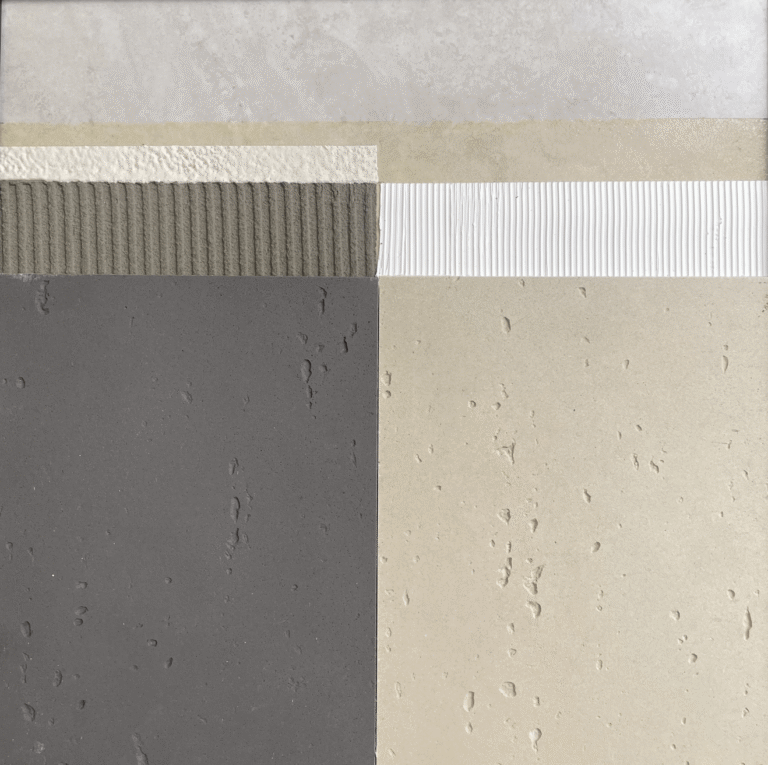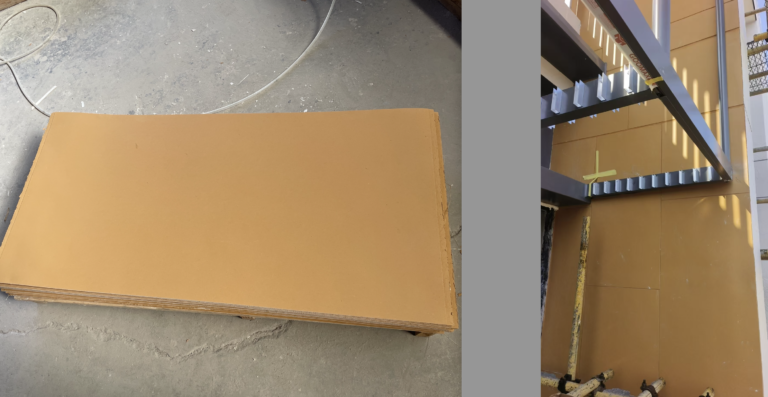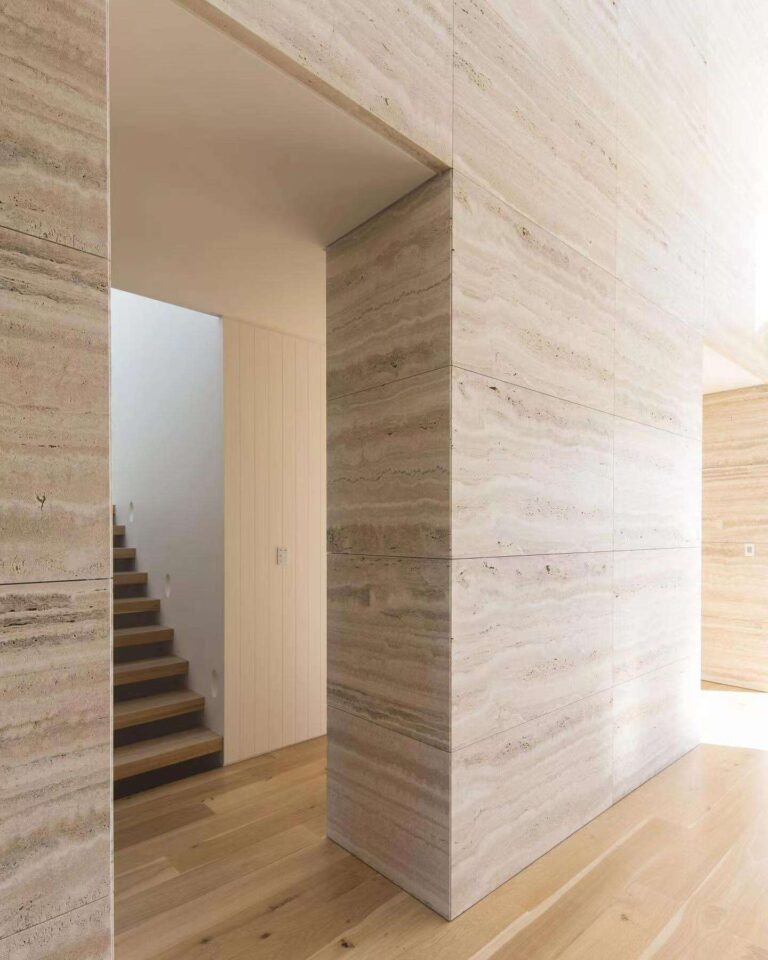
Most damage to a finished flexible stone wall does not come from the stone. It comes from the trades that follow: painters dragging ladders, drywall crews kicking boards, installers stacking materials against a wall that has just been bonded. The protection window runs from the moment the adhesive cures to the moment the site is handed over, and it is cheap to get right and expensive to get wrong. This guide gives the cure-before-you-cover rule, a two-layer protection method, the hazards to guard against, and how to write protection into the works so nobody has to argue about it later.
Why protect the wall before it is even finished?
A newly bonded flexible stone wall looks complete the day it goes up, but the bond behind it is still developing. Adhesive continues to cure after placement, and the surface can be disturbed before it has fully gained strength. Impact, vibration, or a load leaned against it during this window can break the bond in places that look perfect on the face.
The second reason is simpler. A feature wall or a retail facade is often installed before the surrounding work is done, so it sits in an active site for days or weeks. The stone face is decorative, not armour. Abrasion from a board edge, a scrape from a scaffold tube, or paint overspray can spoil a panel that cost real money and matched the approved sample.
Treat the wall as a finished surface that must survive an unfinished building. That is a different discipline from installing it, and it belongs in the programme, not in goodwill.
How long before the wall can be covered?
Do not cover a freshly installed wall until the adhesive has cured to the point specified in the product and adhesive guidance, and until the installer confirms it. In cool or damp conditions the cure is slower; in a hot midday sun the wall surface can get hot enough to change how the adhesive behaves. The point is not a fixed number of hours you copy from a forum — it is the cure condition for your system, confirmed by the installer and recorded.
Two practical consequences follow. First, keep the wall free of any load, movement, or cover during the cure. Second, do not trap moisture against a face that is still setting. A tightly sealed plastic sheet against a fresh wall can hold condensation against it, which is the opposite of what the bond needs.
What should the protection look like?
A workable protection is two layers, each doing a different job.
| Layer | What it does | Typical material |
|---|---|---|
| Soft inner layer | Prevents abrasion on the face | Clean non-abrasive fabric, builder’s felt, or a soft-backed sheet |
| Rigid outer layer | Absorbs impact and keeps loads off the wall | Corrugated plastic, foam board, plywood, or a framed screen |
The critical rule is that neither layer bears on the stone. Support the protection clear of the surface so the inner layer rests against the protection frame, not the panel. A board leaned directly against a cured face still risks a scratch or a stain; leaned against a fresh face it risks the bond itself. Hold it off the wall.
Seal the top edge of the protection against falling debris and paint. Protect from below, not only at eye level — the bottom courses take the most impact from carts, materials, and boots.
Which hazards should I guard against?
Name the hazards in order of how often they damage a finished veneer wall:
- Impact. Ladders, scaffold tubes, boards, and trolleys. Guard the corners and the bottom band hardest.
- Abrasion. Anything dragged across the face. Keep the soft layer clean; grit caught between fabric and stone is a sandpaper.
- Chemicals and spills. Paint, solvents, mortar droppings, and cement wash. These can stain or etch; the protection and a prompt clean-down matter.
- Moisture trapped against the face. Airtight wrapping during cure, or wet protection left on too long.
- 表面への荷重. 強度のない壁に材料を積み上げたり、家具類の固定のために壁面に穴を開けたりする行為.
- 露出している端部への紫外線や天候の影響. 屋外設置の場合、未完成の切り口やシーラント(充填材)未在箇所の保護は、被覆されるまで続きます.
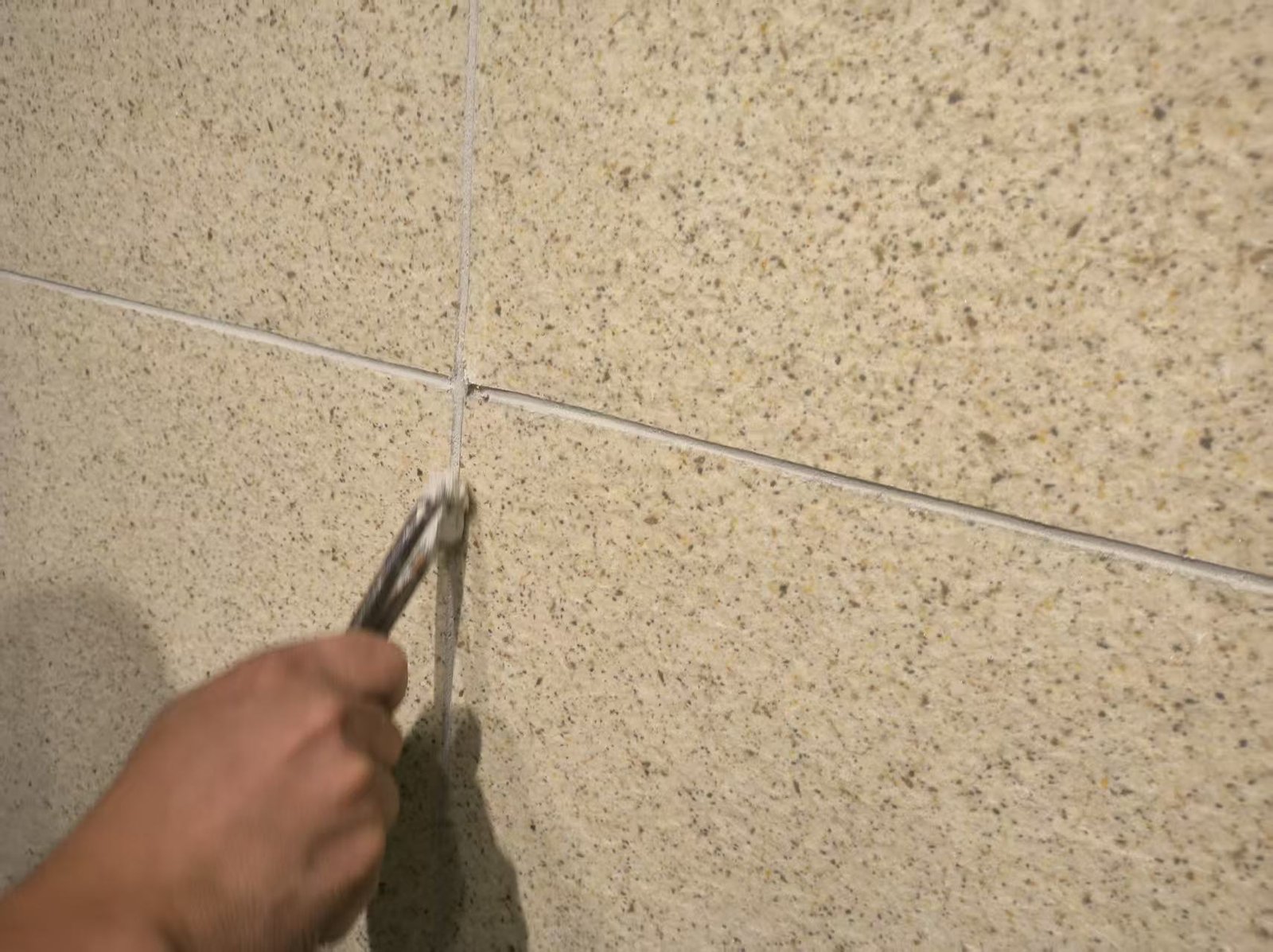
保護管理記録には何を書けばよいですか?
引渡時に保管する短い保護メモは、後のトラブルの大半を防ぎます。これには、設置日、使用した接着剤とその硬化条件、被覆方法、除去予定日、施工中の責任者名、そしてメンテナンス期間や欠陥責任期間がある場合は保護済みの最終点検日が含まれます。.
この記録は他の文書と結びついています。バッチ番号は保護した壁を 承認済みの, バッチへ関連付け、 保護メモは 審査官による承認済み提出書類一式に添付されます.
保護材の除去タイミングと確認事項は?
他 trades の作業完了後、最終引渡検査前になったら直ちに除去してください。最後の作業日のみで待つのは間違いです。除去後は、通常の光線および屈折光線のもと、離れた場所と近接からの両视角で面を点検します。角部、縁、継手、衝撃が集中しやすい床付け部も要チェックです。傷、汚れ、ペンキ跡、施工中にパネルがずれたり剥がれたりした箇所がないか確認します。.
自己流の対処ではなく、製品の清掃・メンテナンス規定に従ってください。誤った洗剤は除去すべき塗料以上に製品を傷める可能性があります。当社 cleaning and protection guide が推奨する手法は、仕上げ面の安全性を保証します。.
How do I keep other trades off the wall?
The technical protection only works if the site management supports it. Three things help. Put the wall into the programme as a finished item, so scheduling does not park a trade against it. Signpost the protected area with a clear notice naming the material and the “do not lean, do not drill” rule. And make one named party — the subcontractor who installed it, or the general contractor’s site lead — responsible for the protection until removal.
Model building codes treat adhered exterior wall finishes as a specified assembly with inspection points, which is a useful reminder that a finished veneer is subject to acceptance criteria, not to whoever needs a place to lean a ladder next. The International Code Council publishes the codes most jurisdictions adopt; where the wall is part of a permitted exterior assembly, the inspection and acceptance obligations are set by that code, not by site convenience.
ロビー、特徴的な階段、店舗のエントランスなど、壁そのものが主役となる場所では、最初の傷がついてからでは遅い——隣接する其他の業者が作業を始める前に、まず保護策を講じるべきです。ダメージが生じてからの修復作業は、同じ作業を別のかたちで支払うことになるのです。 flexible stone veneer その主役を引き立てる仕上がりを守るのが protection の目的です。製品のサイズやパターン参照を記録に保管し、もしパネルが破損した場合は推測による対応ではなく、正確にマッチングして交換できるようにしてください。.
屋内用と屋外用の保護で何が違うのか?
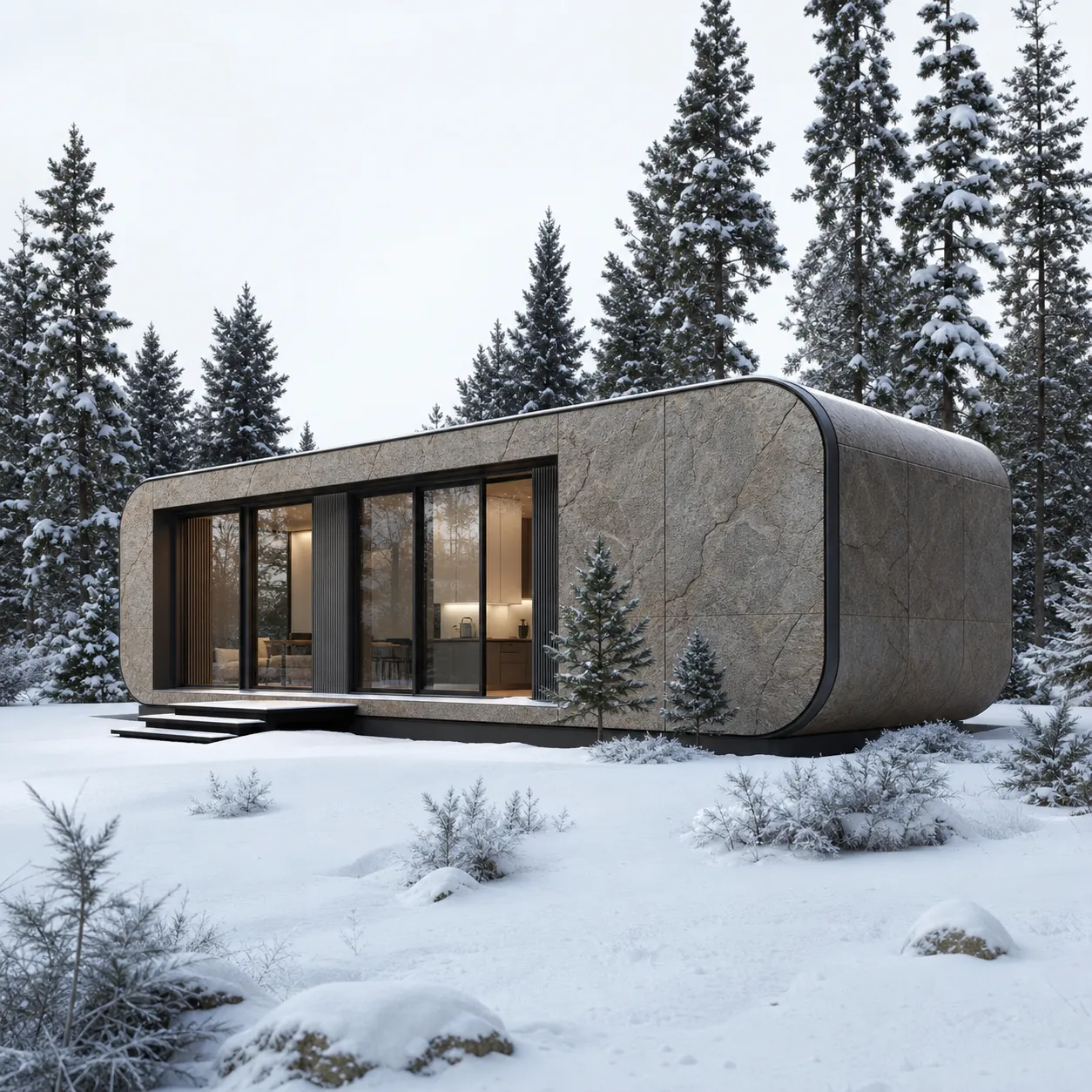
屋内のfeature wallは、人の出入りや資材による「衝撃・摩擦・塗料・ほこり」から守ります。一方、外装ファサードにはそれに加えて「天候」と「建物の外壁作業中」のリスクからも守らなければなりません。.
屋外では3つの要因がリスクを加えます。雨水はまだ硬化中である面や unfinished な切edgeに汚れを運びます。空気を透過させながら防水性の高い外層を設置し、壁を密閉し過ぎないバランスが必要です。日射で加熱された表面は接着剤やシーラントの挙動を変化させるため、硬化期間の計画はカレンダーではなく壁の日照条件に合わせて組み立てます。また、外壁に設置する足場は作業期間中、仕上表面に恒久的な衝撃リスクをもたらします——そうした場面で rigid な外層がコストに見合う価値を発揮します。すでに仕上げ済みの店舗外観が長期間被覆されたままでいると被覆材の陰で湿気がこもる可能性があるため、撤去タイミングは設置時と同じくらい慎重に手配してください。.
屋内では危険要因はより予測可能で、はしご、板材、台車、塗料などがあげられます。対策のキモは主に規律——次工程が始まる前に保護を設置し、撤去責任者を明確にすることです。.
FAQ
新しい壁を保護目的でプラスチックで包んでも大丈夫ですか?
接着剤が硬化している間に面に密着させて包むのは避けてください。閉じ込められた結露はボンドの定着に悪影響を与えます。適切な硬化条件に従い、表面から間隔を保ちながら通気性の高い材料で覆ってください。.
保護にはどの程度のレイヤーが必要ですか?
2層:摩擦から守る soft 層と衝撃から守る rigid 層の2段構成とし、どちらの層も石に直接荷重がかからないようにします。単に hard board を表面に当てるだけでは、傷代わりにシミやbondの剥がれが発生するリスクがあります。.
保護資材は誰が撤去しますか?
プログラム上で管理権を持つ担当者が撤去します。口頭だけでなく文書で合意を確立し、引き渡し後に被覆が放置されたり、他の業者がまだ作業中の状態で保護が除去されたりすることを防いでください。.
施工中にパネルが破損してしまったらどうすればいいですか?
写真を取り、batch number を記録した上で、「張り直し」ではなく「修理」として扱います。 パネル交換手順書 covers matching a repair to the approved sample.
Does the stone need sealing after protection comes off?
Only if the product guidance says so. Follow the cleaning and maintenance instructions for the specific system rather than applying a general sealer.