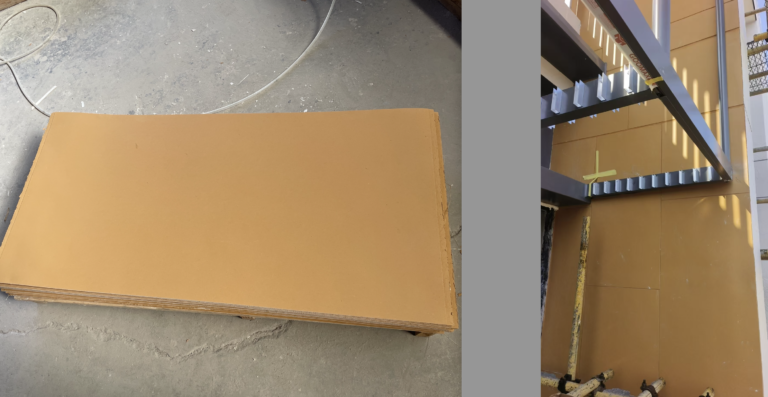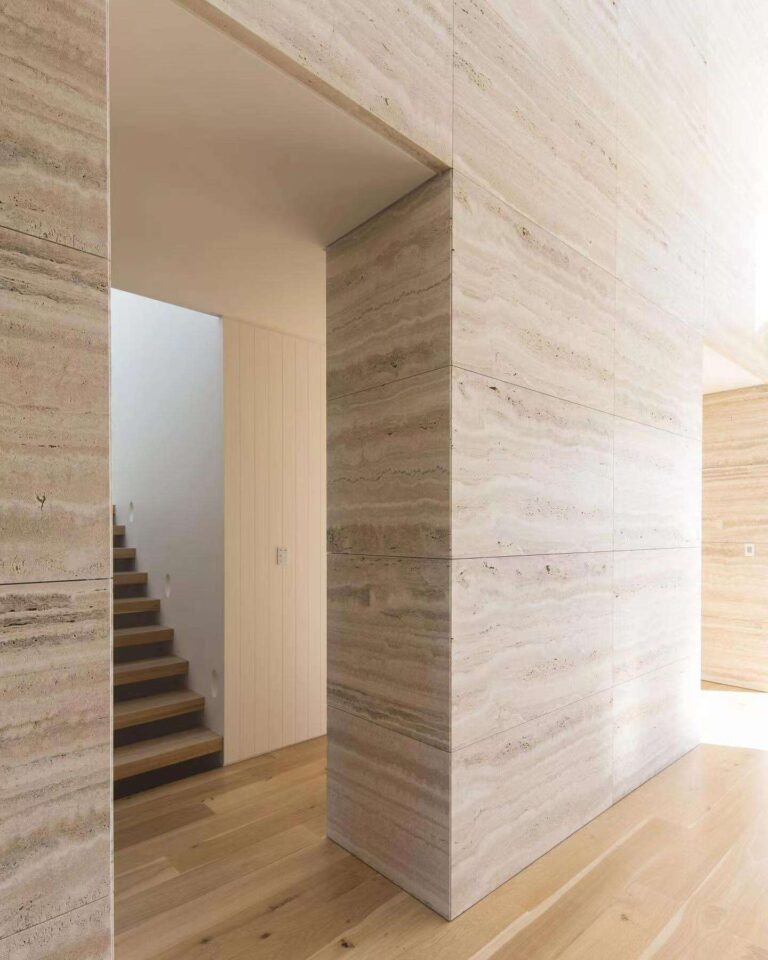
Most damage to a finished flexible stone wall does not come from the stone. It comes from the trades that follow: painters dragging ladders, drywall crews kicking boards, installers stacking materials against a wall that has just been bonded. The protection window runs from the moment the adhesive cures to the moment the site is handed over, and it is cheap to get right and expensive to get wrong. This guide gives the cure-before-you-cover rule, a two-layer protection method, the hazards to guard against, and how to write protection into the works so nobody has to argue about it later.
Why protect the wall before it is even finished?
A newly bonded flexible stone wall looks complete the day it goes up, but the bond behind it is still developing. Adhesive continues to cure after placement, and the surface can be disturbed before it has fully gained strength. Impact, vibration, or a load leaned against it during this window can break the bond in places that look perfect on the face.
The second reason is simpler. A feature wall or a retail facade is often installed before the surrounding work is done, so it sits in an active site for days or weeks. The stone face is decorative, not armour. Abrasion from a board edge, a scrape from a scaffold tube, or paint overspray can spoil a panel that cost real money and matched the approved sample.
Treat the wall as a finished surface that must survive an unfinished building. That is a different discipline from installing it, and it belongs in the programme, not in goodwill.
How long before the wall can be covered?
Do not cover a freshly installed wall until the adhesive has cured to the point specified in the product and adhesive guidance, and until the installer confirms it. In cool or damp conditions the cure is slower; in a hot midday sun the wall surface can get hot enough to change how the adhesive behaves. The point is not a fixed number of hours you copy from a forum — it is the cure condition for your system, confirmed by the installer and recorded.
Two practical consequences follow. First, keep the wall free of any load, movement, or cover during the cure. Second, do not trap moisture against a face that is still setting. A tightly sealed plastic sheet against a fresh wall can hold condensation against it, which is the opposite of what the bond needs.

What should the protection look like?
A workable protection is two layers, each doing a different job.
| Layer | What it does | Typical material |
|---|---|---|
| Soft inner layer | Prevents abrasion on the face | Clean non-abrasive fabric, builder’s felt, or a soft-backed sheet |
| 단단한 외부 층 | 충격을 흡수하고 하중을 벽에서 분리합니다 | 주름 플라스틱, 폼보드, 합판 또는 프레임형 격벽 |
가장 중요한 규칙은 두 층 모두 석재에 직접 닿아서는 안 된다는 것입니다. 보호재가 표면과 접촉하지 않도록 지지하여, 안쪽 층이 패널이 아닌 보호 프레임에 밀착되게 하십시오. 경화된 면에 보드를 그냥 기대면 스크래치나 얼룩의 위험이 있으며, 습기 있는 면에 기대면 접착력 자체가 손상될 수 있습니다. 반드시 벽에서 떨어뜨리십시오.
낙하물과 페인트로부터 상단을 밀봉하십시오. 눈높이뿐만 아니라 하부도 보호하십시오 — 바닥 코스는 carts, 자재, 부츠 등의 충격에 가장 많이 노출됩니다.
어떤 위험으로부터 방어해야 하나요?
완공된 벽면 타일 표면에 피해를 주는 주요 위험을 빈도순으로 명기합니다:
- 충격. 사다리, 비계 튜브, 공사용 널판, 수레 등. 모서리와 하단 밴드를 특히 강력하게 보호하십시오.
- 마모. 표면을 가로지르는 모든 물체. 부드러운 보호재는 항상 청결을 유지하십시오 — 직물과 석재 사이에 낀 모래는 연마제 역할을 합니다.
- 화학물질 및 누수. 페인트, 용제, 모르타르 비산, 시멘트 세정 등. 이들은 얼룩이나 부식을 일으킬 수 있으며, 적절한 보호와 신속한 청소가 중요합니다.
- 표면에 갇힌 수분. 경화 중 공기와 차단 포장, 또는 장시간 방치된 습식 보호재.
- Loads on the surface. Materials stacked against, or fixtures drilled into, a wall that was not designed for them.
- UV and weather on exposed edges. If the wall is outdoors, unfinished cut edges or a missing sealant are exposed until protected.
What should the protection record say?
A short protection note, filed with the handover pack, removes most later disputes. It should record the date of installation, the adhesive and its cure condition before covering, the protection method used, the date it will be removed, and who is responsible for it while the trades are on site. If the project has a maintenance or defects period, note when the final inspection of the protected wall will happen.
This record connects to the rest of the documentation. The batch number links the protected wall back to the batch that was approved, and the protection note belongs with the submittal package the reviewer signed off.
When should I remove protection, and what do I check?
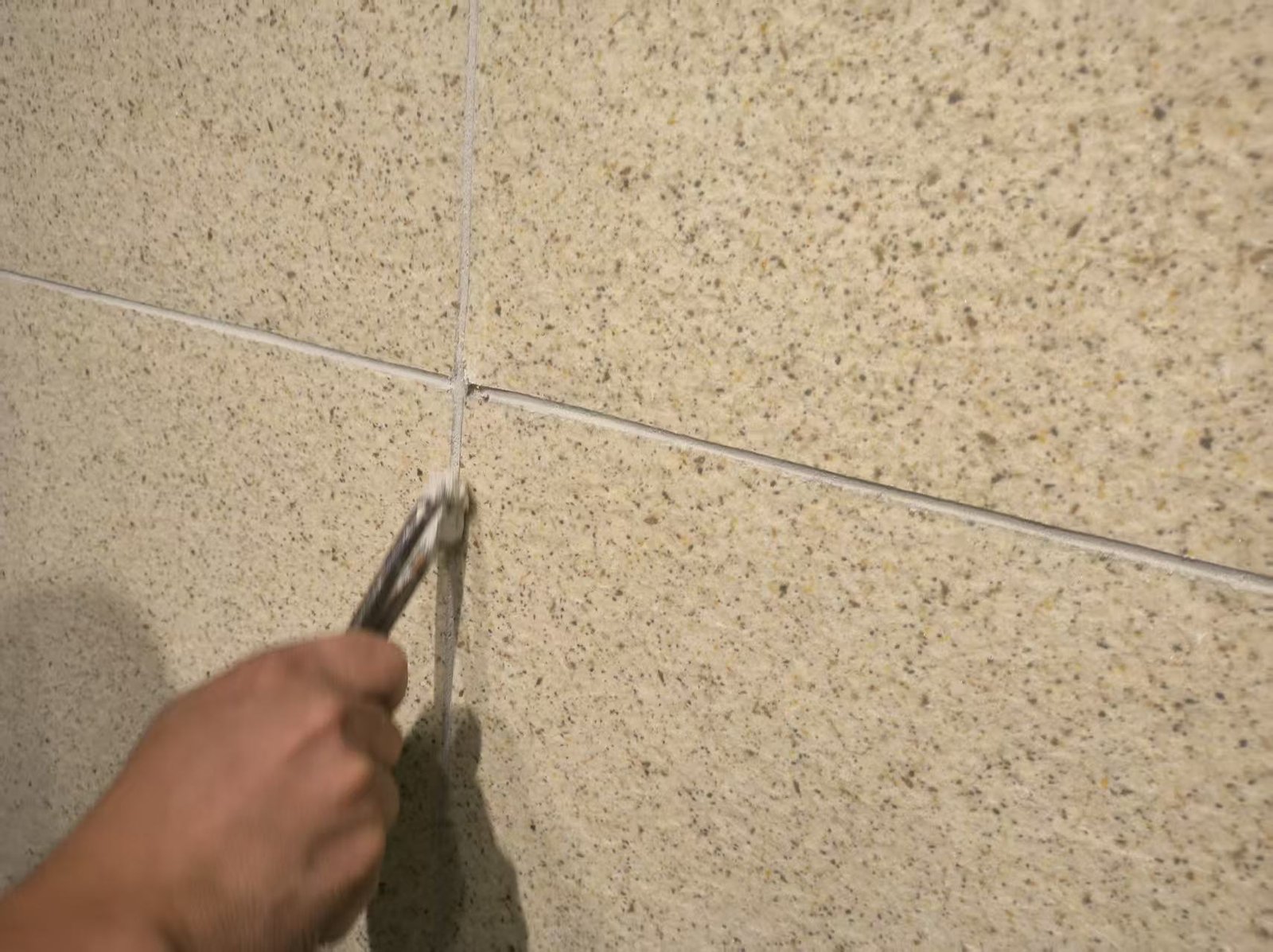
Remove protection as soon as the other trades are finished and before the final handover inspection, not on the last day. Once off, inspect the face in normal light and raking light, at distance and close up. Check corners, edges, joints, and the bottom band where impact concentrates. Look for scratches, stains, paint marks, and any panel that shifted or debonded during the works.
Clean according to the product’s cleaning and maintenance guidance rather than improvising; a wrong cleaner can do more damage than the paint it was meant to remove. Our cleaning and protection guide covers what is safe on the finished surface.
How do I keep other trades off the wall?
The technical protection only works if the site management supports it. Three things help. Put the wall into the programme as a finished item, so scheduling does not park a trade against it. Signpost the protected area with a clear notice naming the material and the “do not lean, do not drill” rule. And make one named party — the subcontractor who installed it, or the general contractor’s site lead — responsible for the protection until removal.
Model building codes treat adhered exterior wall finishes as a specified assembly with inspection points, which is a useful reminder that a finished veneer is subject to acceptance criteria, not to whoever needs a place to lean a ladder next. The International Code Council publishes the codes most jurisdictions adopt; where the wall is part of a permitted exterior assembly, the inspection and acceptance obligations are set by that code, not by site convenience.
Where the wall is a showpiece — a lobby, a feature stair, a retail entry — protect it first, before the adjacent trades start, not after the first scratch appears. Retrofitting protection after damage is the expensive version of the same task. The same flexible stone veneer that finishes those feature faces is what you are defending: keep its formats and pattern references on file so a damaged panel can be matched and replaced rather than guessed at.
What changes between indoor and outdoor protection?
An interior feature wall is protected from people and materials — impact, abrasion, paint, dust. An exterior facade is also protected from the weather and from work on the building’s face while the wall is still exposed.
Outdoors, three things add risk. Rain can carry dirt onto a face that is still curing or that has an unfinished cut edge; a breathable outer layer that sheds water, without sealing the wall in, is the balance. Sun-heated surfaces change how adhesives and sealants behave, so the cure window should be planned around the wall’s exposure, not the calendar. And scaffolding on an exterior wall puts a permanent impact hazard right against the finish for the length of the job, which is exactly where the rigid outer layer earns its cost. A finished retail facade that is left wrapped against the weather for weeks can trap damp behind the wrapping, so schedule the removal with the same care as the installation.
Indoors, the hazards are more predictable — ladders, boards, trolleys, and paint — and the fix is mostly discipline: protection in place before the next trade starts, and one person accountable until it comes off.
자주 묻는 질문
Can I wrap a fresh wall in plastic for protection?
Not tightly against the face while the adhesive cures. Trapped condensation against a setting bond is a problem. Follow the cure condition and use a breathable layer held clear of the surface.
How many layers of protection do I need?
Two: a soft layer against abrasion and a rigid layer against impact, with neither bearing on the stone. A single hard board against the face trades a scratch for a stain or a bond disturbance.
Who removes the protection?
Whoever owns it in the programme. Agree it in writing so the wall is not left wrapped past handover or stripped while other trades are still working.
What if a panel is damaged during the works?
Document it with photographs and the batch number, and treat it as a repair, not a re-clad. The panel-replacement guide covers matching a repair to the approved sample.
Does the stone need sealing after protection comes off?
Only if the product guidance says so. Follow the cleaning and maintenance instructions for the specific system rather than applying a general sealer.