 Skip to content
Current hospitality design trends are driving the adoption of sweeping curves and organic forms, but specifying materials that can’t withstand high-traffic lobby conditions leads directly to escalating maintenance budgets and negative guest reviews. A stunning feature wall that quickly shows scuffs, dents, and chips after opening day creates a persistent operational drain and undermines the premium experience you promise your guests.
This guide provides a technical framework for executing these ambitious designs without sacrificing durability or operational efficiency. We will cover material selection for high-impact zones, the acoustic advantages of textured curved surfaces, and installation strategies that enable rapid, overnight renovations. The goal is to build memorable, shareable lobby spaces that are engineered to last.
The Psychology of Curves in Hospitality
By 2026, curved forms have moved beyond aesthetic preference to become a data-backed strategy for reducing guest stress, guiding movement, and directly improving the commercial performance of hospitality spaces.
Reducing Guest Stress with Curved Forms
Hospitality design is increasingly centered on guest well-being, moving away from stark, angular interiors toward more emotionally resonant environments. Research shows that rounded shapes and soft edges measurably lower stress levels and evoke a sense of calm. This helps guests feel more relaxed and secure as soon as they enter a space. The shift reflects a clear understanding that a hotel’s physical environment is a key tool for improving the guest experience.
- Curved architectural features and furniture are perceived as more welcoming and less intimidating than sharp, angular designs.
- These organic forms can trigger a deep-seated psychological response linked to comfort and safety, directly enhancing how a guest feels about their stay.
Encouraging Social Interaction
Curved layouts naturally guide people into more communal and interactive settings. A circular seating arrangement in a lobby or a serpentine bar in a restaurant organically fosters conversation. These designs make a space feel more dynamic and inviting without forcing interaction. They break down the formal, rigid lines that often create social barriers in public spaces.
- Unlike linear configurations, curved designs create organic gathering spots that feel less formal and more approachable.
- This design approach helps venues feel more open and connected, strengthening a guest’s sense of belonging.
Improving Spatial Flow and Wayfinding
Beyond psychology, curves offer a practical way to guide guests through a space intuitively. Gentle, flowing lines in walls or pathways create a natural sense of direction, making navigation simpler and more pleasant. This design strategy is highly effective in managing foot traffic in busy lobbies and corridors, preventing bottlenecks and improving the overall functionality of the property.
- Soft, continuous lines eliminate abrupt stops, helping manage foot traffic smoothly in high-density areas.
- This strategy improves the operational efficiency of the space while contributing to its calm and welcoming ambiance.
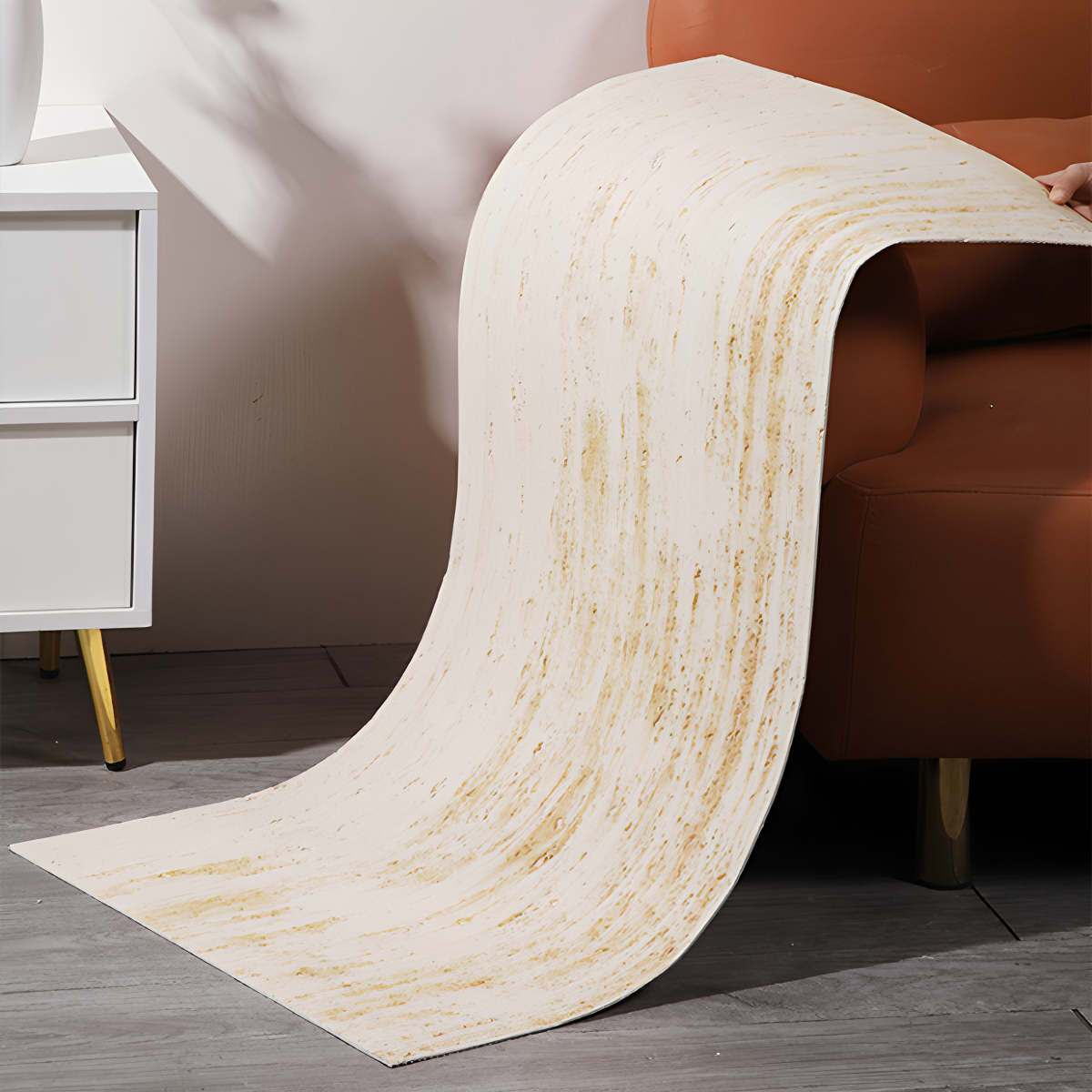
Source Premium, Customizable Flexible Stone Veneer
Durability in High-Traffic Lobbies
Hotel operators now prioritize wall materials that combine extreme wear resistance with aesthetic integrity, moving away from surfaces that degrade toward those that age gracefully under constant use.
The hotel lobby is a zone of constant, high-intensity activity. It endures daily abuse from luggage carts, foot traffic, cleaning equipment, and shifting furniture. Historically, specifying materials for these spaces involved a trade-off between luxury aesthetics and practical durability. A polished marble wall looks premium on day one but is susceptible to scratches, stains, and chipping. This creates a significant maintenance burden and shortens the renovation cycle, impacting both operational budgets and guest perception.
Rethinking the Material Lifecycle
The industry is shifting its focus to the total lifecycle cost of materials, not just the initial installation price. Modern hospitality design demands surfaces that can withstand daily wear without showing it. This means prioritizing materials with high scratch resistance, water impermeability, and colorfastness under UV exposure from large lobby windows. Traditional options often fail to meet all these criteria simultaneously, leading to compromises. For renovators, the challenge is even greater, as replacing heavy, outdated materials like ceramic tile creates noise, dust, and operational downtime.
| Traditional Lobby Material | High-Traffic Weaknesses | MCM Flexible Stone Advantage |
|---|---|---|
| Natural Stone (Marble) | Porous, stains easily from spills. Prone to chipping from luggage impacts. Heavy, requires structural support. | Waterproof (<0.5% absorption), scratch-resistant, and flexible to absorb impacts without cracking. |
| Porcelain Tile | Grout lines stain and collect dirt. Can crack under impact, requiring difficult single-tile replacement. | Large format sheets (up to 2.9m) minimize seams. Lightweight design eliminates fall risk and simplifies repairs. |
| High-Pressure Laminate (HPL) | Can delaminate in humid conditions. Edges are vulnerable to chipping. Lacks authentic texture. | Made from natural stone powder for authentic texture. Class A2 fire rating and suitable for extreme climates (-40°C to +60°C). |
Engineered for Resilience
Materials like MCM Flexible Stone directly address these challenges. Composed of modified clay and natural stone powder, they offer the aesthetic of stone or concrete but with engineered performance. The material’s inherent flexibility allows it to wrap around columns or curved walls without risk of cracking, a common failure point for rigid materials.


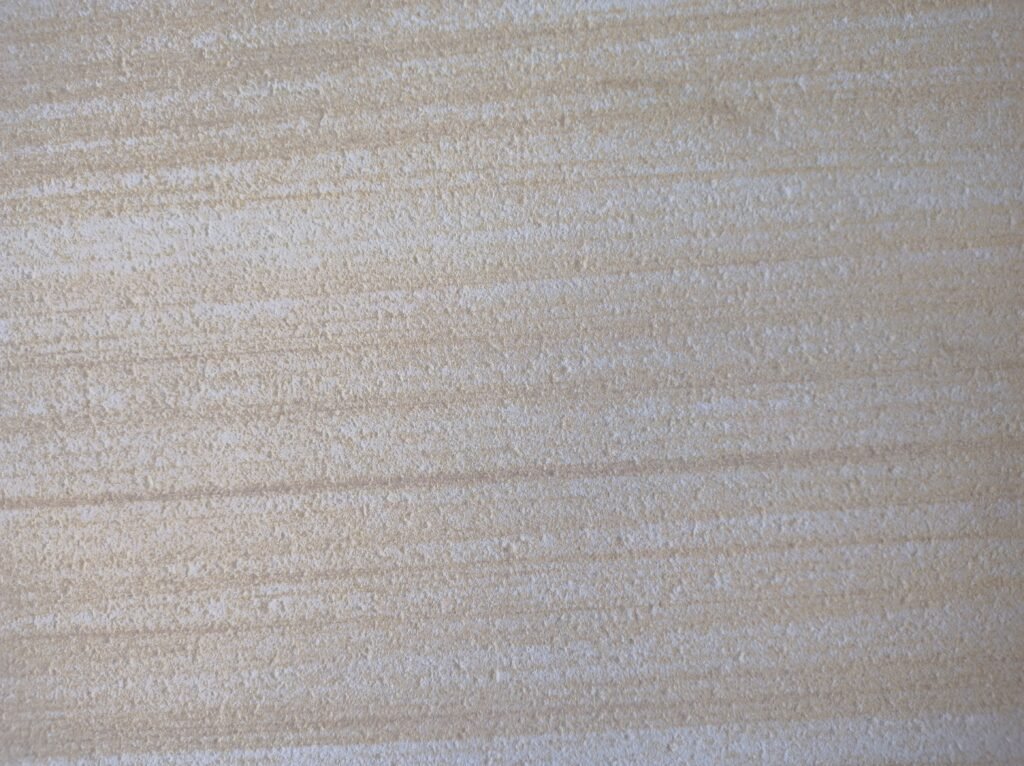
Its light weight (around 4-6 kg/m²) drastically reduces structural load, making it ideal for renovating older buildings without requiring expensive structural reinforcement. This combination of durability, design flexibility, and low structural impact makes it a superior solution for high-traffic commercial spaces.
Acoustic Benefits of Textured Curves
In modern hospitality design, curved and textured architectural surfaces are no longer just aesthetic choices; they are functional acoustic tools engineered to diffuse sound, reduce reverberation, and enhance guest comfort.
Reducing Noise and Echo
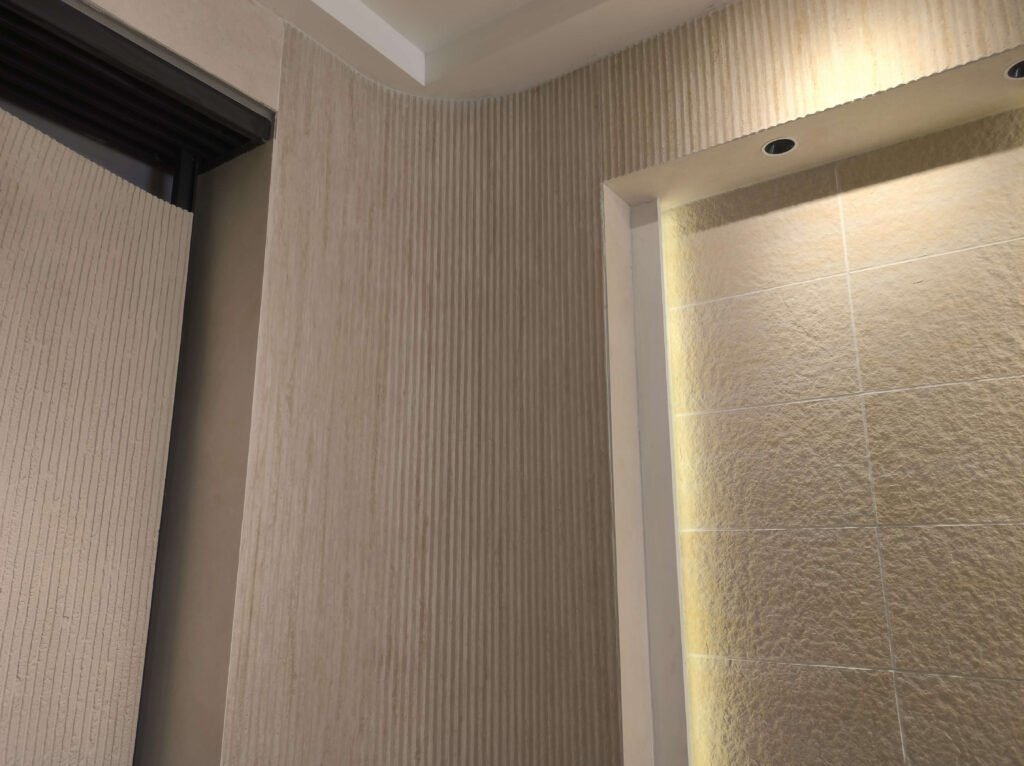
Curved and textured surfaces, especially those made with materials like flexible stone panels, are fundamental for managing sound in large, open spaces. Unlike flat, hard surfaces that reflect sound directly, their varied shapes and finishes scatter the sound waves. This diffusion breaks up echoes and significantly lowers background noise in high-traffic lobbies and restaurants.
- Curved forms diffuse sound energy, preventing harsh reflections that create distracting noise.
- The natural texture of stone panels helps absorb and soften sound, leading to better speech clarity.
Enhancing Guest Comfort
A well-managed acoustic environment has a direct, measurable impact on guest perception. By minimizing disruptive noise, spaces featuring curved walls feel calmer and more private. This improved atmosphere fosters a relaxing and luxurious experience where conversations are easier and the overall environment is more pleasant.
- Quieter spaces reduce stress and sensory overload for guests, particularly in high-traffic areas.
- The visual appeal of curved architecture works with its acoustic benefits to create a holistically soothing environment.
Material Choices for Sound Control
Effective acoustic control does not require aesthetic compromise. Materials like flexible stone panels offer both the visual appeal of natural stone and functional sound management. Their inherent texture and ability to form seamless curves make them an intelligent choice for architects designing multisensory environments.
- Flexible stone panels can be applied to columns, archways, and undulating walls, which are ideal shapes for diffusing sound.
- These materials integrate acoustic performance directly into the architectural finish, removing the need for separate, less attractive sound panels.
Meeting Performance Standards
For upscale hospitality projects, meeting specific acoustic standards is non-negotiable. Applying textured, curved surfaces is a proven strategy for achieving high Noise Reduction Coefficient (NRC) ratings. This ensures the finished space performs as well as it looks, aligning with the demanding hospitality standards of 2026.
- Designs for premium spaces often aim for NRC values above 0.7 to guarantee excellent acoustic control.
- Integrating materials with natural sound-scattering properties is an effective strategy to meet these technical targets.
Renovation Speed: Nighttime Installs
The success of a zero-disruption hotel renovation hinges on the material selection; lightweight, quiet-install systems are what make overnight work schedules operationally viable.
Minimizing Guest Disruption
Scheduling installations overnight is a standard strategy to protect the guest experience during a renovation. This approach isolates noise, dust, and general activity to late hours when common areas are mostly empty and guests are in their rooms. Maintaining high satisfaction scores is non-negotiable, and keeping the renovation work out of sight and out of mind is the most effective way to achieve this.
- JMS Decor’s flexible stone panels are engineered for this approach. Their installation is quiet, relying on adhesives rather than loud, dust-producing machinery like saws and grinders.
- Work proceeds in contained sections, ensuring that by morning, the renovated area is clean, complete, and fully accessible to guests without any sign of construction.
Maintaining Operational Continuity
Nighttime work allows a hotel to remain fully operational, preventing the significant revenue loss tied to a partial or complete shutdown. Renovations can proceed on a rolling basis, floor by floor or section by section, without interrupting the daily business of the front desk, restaurants, or other guest amenities. This strategy of “zero-demolition renovation” preserves cash flow and keeps the property earning while it’s being upgraded.
- A phased, overnight approach ensures a steady renovation pace while the property continues to generate income without interruption.
- The rapid installation of lightweight panels means that rooms and public spaces are returned to service almost immediately, maximizing occupancy and ROI.
The Advantage of Lightweight Materials
The feasibility of an overnight renovation schedule is almost entirely dependent on the specified materials. Lightweight products like flexible stone panels are fundamentally easier to transport through a functioning hotel. They can be moved discreetly using service elevators and installed far more quickly than traditional heavy materials like solid stone slabs, which often require noisy, disruptive equipment.
| Paramètres | Traditional Renovation Materials (e.g., Stone Slabs) | Lightweight Panels (JMS Decor System) |
|---|---|---|
| Material Weight | Extremely heavy; requires specialized lifting equipment and structural reinforcement. | 3.5 – 6.0 kg/m²; easily handled by a small crew and transported in service elevators. |
| Installation Noise & Dust | High-impact; generates significant noise and airborne dust from cutting and grinding. | Minimal; panels are cut with a utility knife and installed with adhesive, creating no dust or loud noise. |
| Project Duration | Slow and labor-intensive, requiring extensive prep, heavy machinery, and large installation teams. | Rapid; can be installed directly over existing surfaces, dramatically shortening project timelines. |
| Business Impact | Often requires partial or full shutdown of areas, leading to direct revenue loss. | Enables “business as usual” operations with no guest disruption or loss of revenue. |
- Materials can be moved without cranes or heavy-duty carts, keeping hallways and common areas clear and safe for guests.
- The simplified, tool-light installation process reduces crew size and the time required for each section, directly lowering labor costs and the overall project duration.
Global Design Trends 2026
In 2026, hospitality design is moving past visual spectacle toward emotionally resonant environments. The focus is now on creating context-specific spaces that prioritize guest well-being, authenticity, and seamless personalization. This shift favors durable, honest materials and integrated technology that enhances the experience without feeling intrusive.
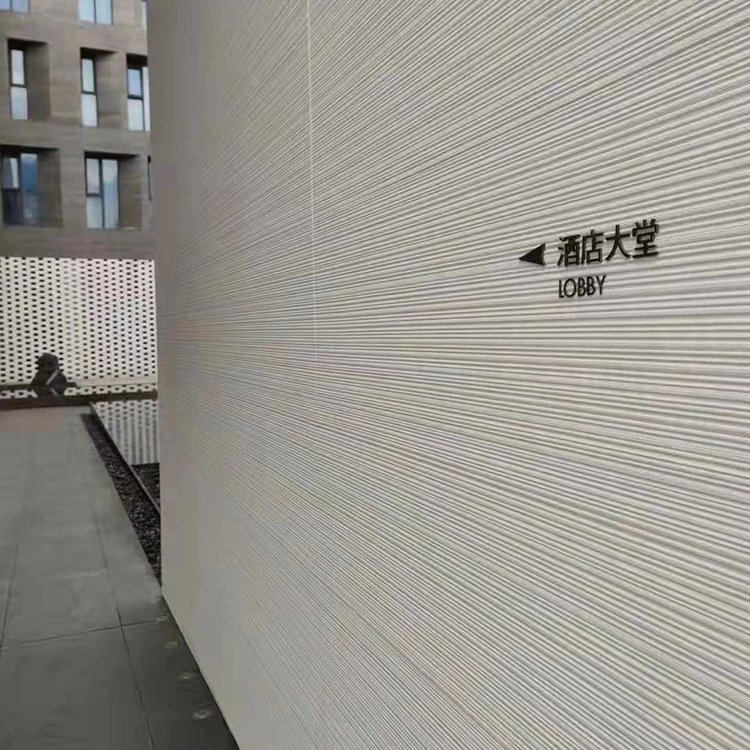
Quiet Luxury and Material Honesty
The dominant aesthetic in 2026 is shifting from overt loudness to a more subtle, material-focused approach. This trend, often called “quiet luxury,” values restrained palettes and authentic materials that speak for themselves. Products like the flexible stone panels from JMS Decor fit this movement perfectly, creating high-end environments that feel genuine and emotionally grounded. The emphasis is on quality and longevity over fleeting, maximalist patterns.
- Emphasis on natural textures and finishes that showcase the inherent qualities of the material.
- A clear movement away from busy patterns toward calm, cohesive spaces that promote rest.
- Focus on superior craftsmanship and long-lasting materials that age well.
Biophilic Design and Wellness Integration
The link between nature and human well-being is a foundational principle for 2026 design. Projects are increasingly integrating natural elements to blur the line between indoor and outdoor spaces. This approach is not just about aesthetics; it’s about creating a restorative atmosphere that actively promotes guest wellness and encourages longer stays. Research shows biophilic lobbies have a 36% higher dwell rate than conventional ones.
- Use of natural materials like stone and wood to create a calming, grounded environment.
- Integration of indoor plants, maximized natural light, and expansive views of the outdoors.
- Wellness amenities, including advanced fitness centers and restorative spa areas, are now a standard expectation.
Hyper-Personalization and Smart Spaces
Technology is now used to create highly personalized and adaptive guest experiences. Smart environments are designed to anticipate needs and offer tailored services, moving hospitality far beyond a one-size-fits-all model. The key is to integrate this technology seamlessly so it enhances comfort without feeling cold, impersonal, or difficult to use.
- AI-enabled services that customize lighting, temperature, and entertainment for each specific guest.
- Flexible, multifunctional spaces that can be easily adapted for different uses, from focused work to relaxation.
- Designs that embed technology invisibly into the architecture and furnishings.
Conclusion
Modern hotel lobby design balances visual appeal with practical performance. Curved features create a welcoming, shareable atmosphere, but the materials must also be durable enough for high-traffic areas and meet Class A fire-rating standards. This approach allows for stunning aesthetics while supporting the operational demands of renovation speed and long-term maintenance.
If you are planning a lobby renovation or a new construction project, consider how a flexible stone system can meet your design and operational goals. Our team can provide architectural samples and project-specific data to help you evaluate textures and performance firsthand.
Questions fréquemment posées
Hotel lobby wall design ideas?
Effective hotel lobby wall designs focus on creating a memorable first impression. Key ideas include large-format porcelain or sintered stone slabs for a seamless, luxurious look; integrated vertical wood paneling, often with LED backlighting for warmth; biophilic elements like living green walls or preserved moss installations; and textured finishes such as limewash or Venetian plaster to add depth and artisanal character.
Curved walls in interior design?
Curved walls and architectural forms are used to create emotionally-attuned, guest-centric environments. Research shows that curved forms can reduce stress, enhance mood, and provide psychological comfort. In practice, they are leveraged in hospitality settings to promote relaxation and social interaction, improve spatial flow and wayfinding, and establish a welcoming, organic ambiance that moves away from stark, angular designs.
Durable materials for hotel reception?
For high-traffic hotel reception areas, durability is paramount. The most reliable materials for countertops are non-porous surfaces like quartz and sintered stone, which resist scratching and staining. For the desk facade, common choices include high-pressure laminate (HPL), solid surface materials, and architectural metal panels due to their high impact resistance. Flooring often utilizes large-format porcelain tile or commercial-grade luxury vinyl tile (LVT) for superior wear and ease of maintenance.
Biophilic design wall materials?
Biophilic wall materials integrate natural elements to enhance well-being. Primary options include living walls (vertical gardens), preserved moss panels for a maintenance-free natural look, and reclaimed or sustainably sourced wood cladding (like oak or walnut). Other effective materials are natural stone veneers such as slate or travertine, bamboo panels, and cork wall tiles, which also provide excellent acoustic insulation.
Modern hotel interior trends?
A significant trend in modern hotel interiors is the shift from minimalist, angular designs toward biophilic and emotionally resonant spaces. This involves using curved architecture, furniture, and layouts to foster psychological comfort and reduce stress. The core principle is to prioritize the guest’s emotional well-being alongside functionality, creating welcoming environments that encourage relaxation and social connection.

 French
  English
  Spanish
  Arabic
  German