 Skip to content
La spécification de panneaux muraux pour les objectifs 2026 de consommation nette zéro nécessite des données précises sur l'impact environnemental. Les architectes et les promoteurs sont confrontés au défi d'équilibrer les besoins structurels avec les cadres rigoureux de LEED et BREEAM. Le béton armé représente souvent 70% du potentiel de réchauffement global d'un bâtiment. Il est donc essentiel de choisir des alternatives à faible teneur en carbone pour atteindre les objectifs de certification.
Ce guide identifie les dix principaux fabricants de panneaux muraux écologiques, en mettant l'accent sur la transparence des matériaux et la résilience du cycle de vie. Nous comparons les références environnementales des substrats - notant que le pisé offre l'impact le plus faible avec 48 kg de carbone incorporé par mètre cube - tout en analysant comment les solutions techniques telles que le bois lamellé-croisé (CLT) réduisent les empreintes de carbone jusqu'à 50%. Vous trouverez également des conseils techniques sur l'intégration de ces sélections dans les documents MasterFormat et la documentation LEED.
Liste des 10 premiers fabricants de panneaux muraux écologiques
Comparaison rapide : Les meilleurs choix
| Fabricant | Localisation | Renforcement du tronc | Verdict |
|---|---|---|---|
| JMS Decor | Chine (Expédition globale) | Panneaux de pierre flexibles, panneaux WPC, solutions murales personnalisées imprimées en 3D | Premier choix pour une personnalisation haut de gamme et des solutions flexibles en matière de pierre architecturale. |
| MaxBoard | États-Unis | Panneaux MGO, panneaux muraux éco-chics | Idéal pour les projets résidentiels axés sur le bien-être qui recherchent des matériaux résistants au feu et sans COV. |
| Eco-Panneaux | Asheville, NC, États-Unis | Panneaux de construction isolés (de type SIP) | Sélection de premier ordre pour une isolation thermique de haute performance et des enveloppes de bâtiment à haut rendement énergétique. |
| Proluxe (Changzhou Proluxe Home Technology Co., Ltd.) | Changzhou, Jiangsu, Chine | Panneaux muraux SPC, panneaux SPC insonorisants | Une puissance mondiale mieux adaptée à la fourniture de SPC en grande quantité et aux solutions d'absorption acoustique. |
| Sonae Industria | L'Europe | Panneaux muraux PS | Premier fabricant européen de solutions décoratives PS légères et respectueuses de l'environnement. |
| Denor | Chine | Panneaux muraux SPC | Très fiable pour les développeurs qui gèrent des infrastructures commerciales à grande échelle et des projets internationaux. |
| Emosine | Liaocheng, Shandong, Chine | Panneaux de sol et de mur SPC | Spécialisé dans la qualité SPC durable et constante pour les sols et les murs. |
| Lusheng | Chine | Panneaux muraux décoratifs SPC | Le meilleur pour une expression architecturale créative grâce à des conceptions OEM flexibles à des prix compétitifs. |
| ROCKWOOL | Mondial | Panneaux en laine de roche | Leader de l'industrie en matière de résistance naturelle au feu et de matériaux de construction durables et hautement recyclables. |
| Cartes Magmatrix | Chine | Panneaux muraux décoratifs en MgO | Parfait pour les espaces sans toxines et sensibles aux allergies, ainsi que pour les projets de construction certifiés LEED. |
JMS Decor
JMS Decor est un fabricant spécialisé qui se concentre sur l'intersection de l'esthétique architecturale et de la science des matériaux. Forte de ses 15 années d'expérience en matière de production, l'entreprise est au service des entrepreneurs et des promoteurs qui souhaitent bénéficier de l'attrait visuel de la pierre lourde sans en subir le poids structurel ni la charge logistique. Ses principales offres, notamment les placages de pierre flexibles et les panneaux WPC, s'adressent aux projets commerciaux à grande échelle et aux rénovations résidentielles pour lesquels la rapidité d'installation et la durabilité des matériaux sont des priorités.
L'usine intègre la technologie de l'impression 3D pour permettre une personnalisation spécifique que la taille traditionnelle de la pierre ne peut égaler. Cette approche technique permet de créer des textures et des motifs uniques dans un catalogue classé A2. Parce qu'ils contrôlent directement le processus de fabrication, ils gèrent les normes de qualité et les demandes de personnalisation depuis leur usine en Chine, expédiant ces solutions légères vers les principaux marchés comme l'Amérique du Nord et l'Europe.
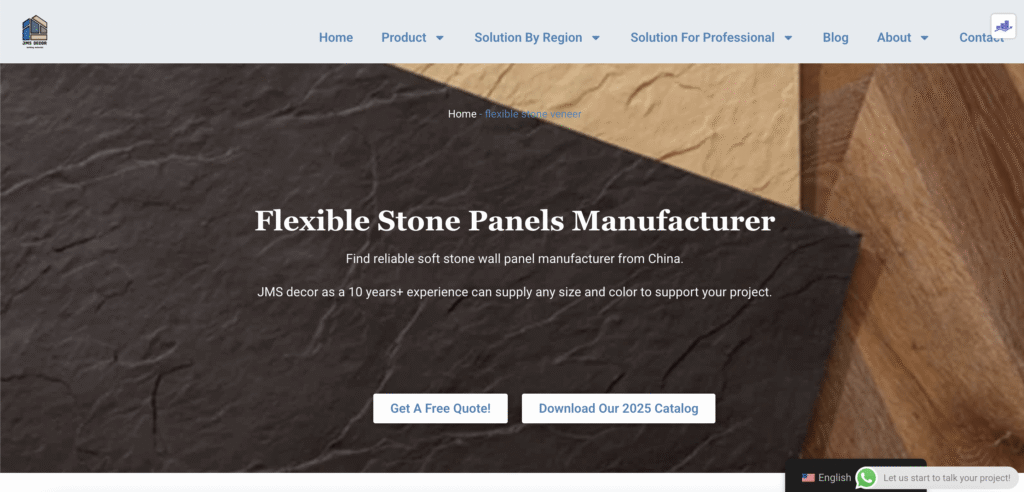
En un coup d'œil :
- 📍 Lieu : Chine (Expédition globale)
- 🏭 Renforcement du tronc : Panneaux de pierre flexibles, panneaux WPC, solutions murales personnalisées imprimées en 3D
- 🌍 Marchés clés : Amérique du Nord, Europe, Moyen-Orient, Australie
Pourquoi nous les avons choisis :
| ✅ Les victoires | ⚠️ Compromis |
|---|---|
|
|
MaxBoard
MaxBoard produit des panneaux muraux en oxyde de magnésium (MGO) qui constituent une alternative performante aux matériaux de construction traditionnels. Ces produits éco-chics sont destinés à des projets axés sur le bien-être, où la qualité de l'air intérieur et l'impact sur l'environnement sont des préoccupations majeures. En utilisant l'oxyde de magnésium comme composant principal, l'entreprise propose une solution locale qui résiste naturellement au feu et à la moisissure sans avoir recours aux traitements chimiques agressifs que l'on trouve souvent dans les cloisons sèches standard ou les options à base de bois.
Le processus de fabrication met l'accent sur un contrôle strict en usine afin de garantir que chaque panneau répond aux normes d'émission zéro COV pour les intérieurs résidentiels et commerciaux. L'utilisation de ces panneaux réduit les risques structurels couramment rencontrés dans les zones à forte humidité, protégeant ainsi la longévité du bâtiment. Bien que l'oxyde de magnésium nécessite des techniques de manipulation spécifiques en raison de sa composition minérale unique, les avantages pour la durabilité des bâtiments et la santé des occupants en font un choix stratégique pour les concepteurs modernes.
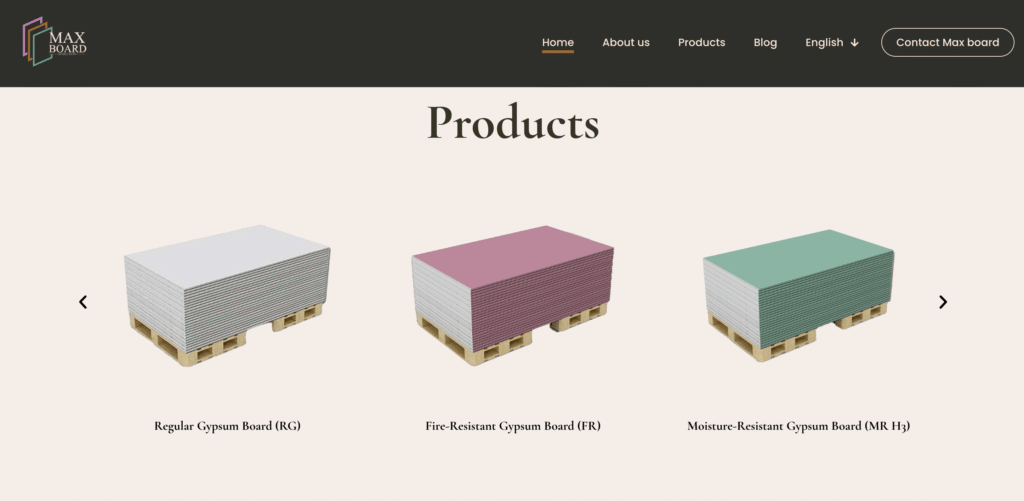
En un coup d'œil :
- 📍 Lieu : États-Unis
- 🏭 Renforcement du tronc : Panneaux MGO, panneaux muraux éco-chics
- 🌍 Marchés clés : Projets résidentiels, commerciaux et de bien-être
Pourquoi nous les avons choisis :
| ✅ Les victoires | ⚠️ Compromis |
|---|---|
|
|
Eco-Panneaux
Eco-Panels fabrique des enveloppes de bâtiment à haute performance directement à partir de son usine d'Asheville, offrant ainsi aux constructeurs un contrôle important sur le processus de construction. En remplaçant l'ossature traditionnelle par des panneaux isolés à haut rendement énergétique, l'entreprise réduit les risques liés aux erreurs de main-d'œuvre sur le chantier et au gaspillage de matériaux. Cette ingénierie de précision garantit que chaque composant s'emboîte exactement comme prévu, ce qui permet un assemblage plus rapide pour diverses applications résidentielles et commerciales.
Le cœur du système repose sur un mécanisme d'assemblage à came-lock exclusif qui crée une rupture thermique continue et une liaison structurelle. Cette technologie offre des performances thermiques supérieures à celles des panneaux SIP standard ou des maisons à ossature en bois, éliminant efficacement les fuites d'air et les points froids. Les constructeurs choisissent ces panneaux pour des projets allant des logements abordables aux constructions personnalisées haut de gamme, car le système simplifie l'enveloppe du bâtiment en une seule étape très résistante.
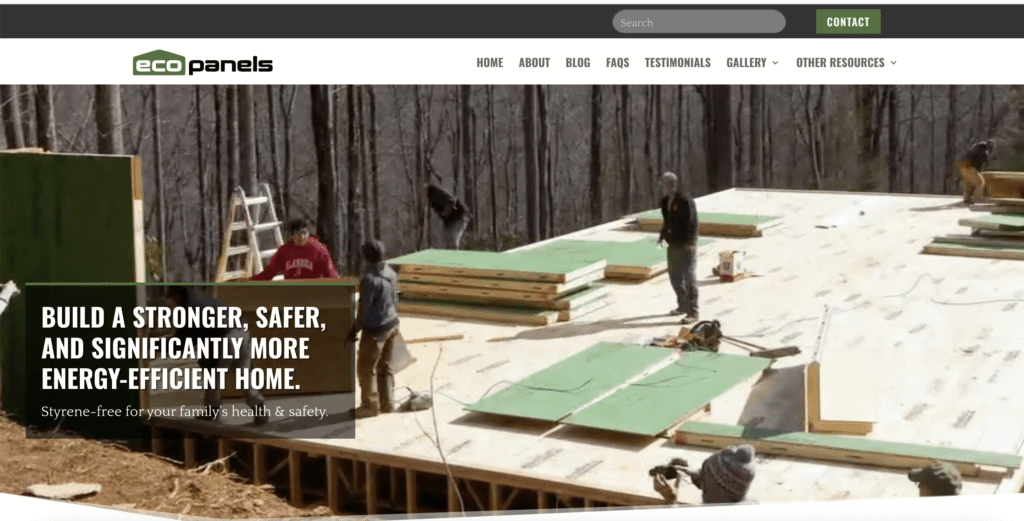
En un coup d'œil :
- 📍 Lieu : Asheville, NC, États-Unis
- 🏭 Renforcement du tronc : Panneaux de construction isolés (de type SIP)
- 🌍 Marchés clés : Logements abordables, maisons personnalisées, logements collectifs, commerces
Pourquoi nous les avons choisis :
| ✅ Les victoires | ⚠️ Compromis |
|---|---|
|
|
Proluxe (Changzhou Proluxe Home Technology Co., Ltd.)
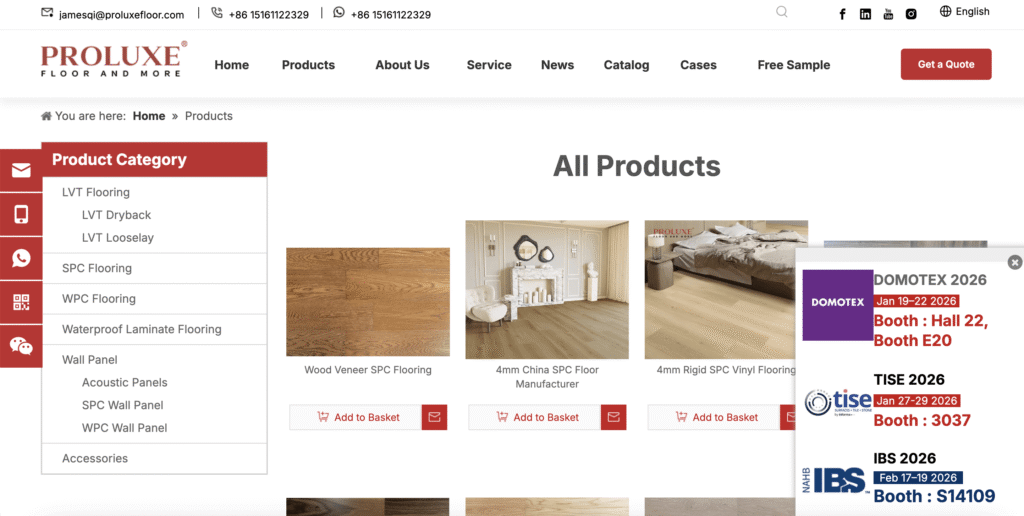
Ce fabricant opère à grande échelle et s'appuie sur plus de vingt ans d'expérience dans l'industrie des panneaux décoratifs. Il dispose d'installations de production dans trois pays - la Chine, le Vietnam et la Thaïlande - afin de garantir une chaîne d'approvisionnement stable aux acheteurs internationaux. L'usine est spécialisée dans les panneaux muraux SPC conçus pour les projets commerciaux et résidentiels à grande échelle où les commandes de gros volumes sont la norme.
En contrôlant plus de 20 lignes de production, l'entreprise gère les risques grâce à la diversification géographique. Nous considérons ce modèle comme un avantage significatif pour les importateurs mondiaux qui ont besoin de contourner les barrières commerciales régionales ou les goulets d'étranglement logistiques. Leur production est fortement axée sur la performance fonctionnelle, en particulier la gestion de l'acoustique et la sécurité incendie, ce qui en fait un choix de premier ordre pour les entrepreneurs institutionnels et les grossistes.
En un coup d'œil :
- 📍 Lieu : Changzhou, Jiangsu, Chine
- 🏭 Renforcement du tronc : Panneaux muraux SPC, panneaux SPC insonorisants
- 🌍 Marchés clés : Importateurs mondiaux, projets à grande échelle
Pourquoi nous les avons choisis :
| ✅ Les victoires | ⚠️ Compromis |
|---|---|
|
|
Sonae Industria
Ce fabricant européen se concentre sur la création de panneaux muraux PS conformes aux normes environnementales modernes. En maintenant un contrôle strict de ses lignes de production, il s'assure que chaque solution décorative s'inscrit dans le cadre de la tendance mondiale en faveur des matériaux de construction durables. Son approche permet une exécution locale fiable sur le marché européen, offrant aux entrepreneurs et aux concepteurs des alternatives de haute qualité aux revêtements muraux traditionnels.
La stratégie opérationnelle minimise les risques pour les acheteurs internationaux en donnant la priorité aux processus de fabrication respectueux de l'environnement. La légèreté du matériau PS simplifie la logistique et l'installation, et l'accent mis par l'entreprise sur le marché européen garantit la conformité avec les réglementations régionales rigoureuses. Cet engagement en faveur d'initiatives écologiques fait de l'entreprise un partenaire privilégié pour les projets où la certification environnementale et la sécurité des matériaux sont des priorités absolues.
En un coup d'œil :
- 📍 Lieu : L'Europe
- 🏭 Renforcement du tronc : Panneaux muraux PS
- 🌍 Marchés clés : Construction durable, marché européen
Pourquoi nous les avons choisis :
| ✅ Les victoires | ⚠️ Compromis |
|---|---|
|
|
Decno
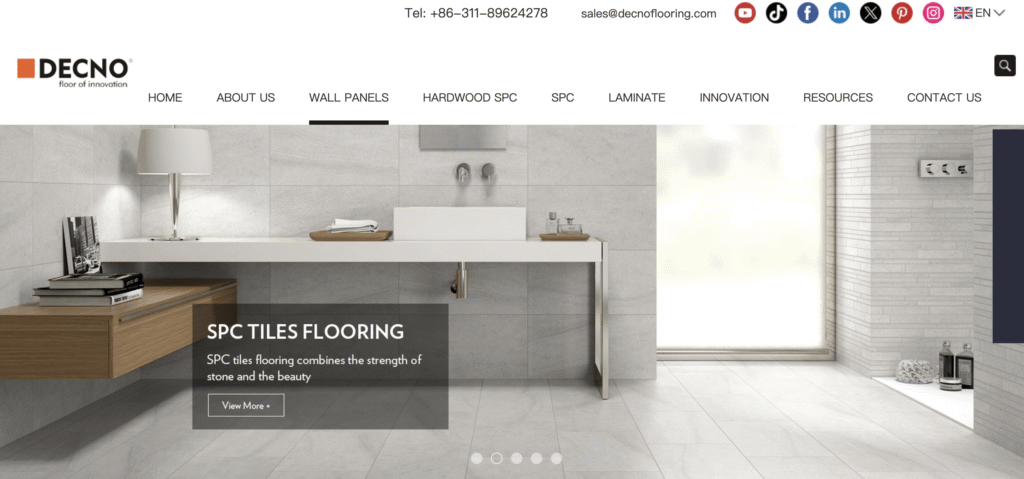
Decno est un fabricant spécialisé dans les panneaux muraux SPC, dont les activités sont axées sur les besoins des promoteurs industriels et commerciaux. L'entreprise dispose d'un environnement de production à haut volume en Chine, conçu pour répondre aux exigences rigoureuses des projets d'infrastructure mondiaux. En intégrant des systèmes avancés de contrôle de la qualité directement dans la chaîne de fabrication, elle s'assure que chaque lot de panneaux muraux répond à des normes de conformité internationales strictes. Cette surveillance interne minimise le risque de défaillance des matériaux dans les environnements très fréquentés.
Les promoteurs à grande échelle choisissent souvent ce fournisseur pour trouver un équilibre entre les exigences de volumes massifs et la fiabilité technique. L'accent mis sur les infrastructures commerciales signifie que l'entreprise donne la priorité à la durabilité et à la cohérence logistique plutôt qu'aux diverses tendances esthétiques courantes dans le secteur de la vente au détail. Cette approche spécialisée fournit une chaîne d'approvisionnement stable pour les marchés internationaux où le respect des codes de construction spécifiques et des critères de performance reste essentiel pour l'achèvement des projets.
En un coup d'œil :
- 📍 Lieu : Chine
- 🏭 Renforcement du tronc : Panneaux muraux SPC
- 🌍 Marchés clés : Grands projets, marchés internationaux
Pourquoi nous les avons choisis :
| ✅ Les victoires | ⚠️ Compromis |
|---|---|
|
|
Emosine
Emosin opère à partir de Liaocheng, Shandong, une région connue pour sa force de production industrielle. Elle est spécialisée dans la technologie du composite pierre-plastique (SPC), qui intègre les solutions de revêtement de sol et de mur dans un écosystème de production unifié. En maintenant un contrôle direct sur le processus de fabrication, l'entreprise s'assure que chaque lot répond à des normes spécifiques en matière de densité et de couche d'usure. Cette approche pratique à Shandong lui permet de superviser l'approvisionnement en matières premières et les cycles de production, réduisant ainsi les risques généralement associés aux matériaux de construction intérieure externalisés.
Les clients bénéficient d'une chaîne d'approvisionnement rationalisée où l'usine produit des revêtements de sol et des panneaux muraux selon le même système de gestion de la qualité. Cette cohérence permet aux acheteurs internationaux d'éviter les disparités de couleur et de structure souvent constatées lorsqu'ils s'approvisionnent auprès de plusieurs fournisseurs. L'entreprise met l'accent sur la durabilité structurelle, ce qui permet à ses produits de convenir à des environnements très fréquentés sur les marchés mondiaux. En se concentrant sur la production standardisée SPC, elle offre une solution fiable pour les projets qui requièrent des performances à long terme et une installation simple.
En un coup d'œil :
- 📍 Lieu : Liaocheng, Shandong, Chine
- 🏭 Renforcement du tronc : Panneaux de sol et de mur SPC
- 🌍 Marchés clés : Nationalité et internationalité
Pourquoi nous les avons choisis :
| ✅ Les victoires | ⚠️ Compromis |
|---|---|
|
|
Lusheng
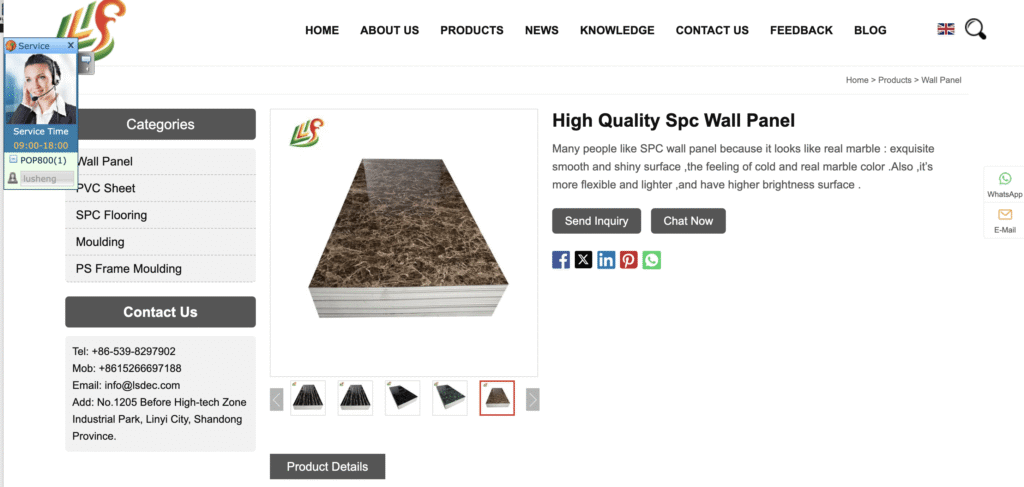
Lusheng est spécialisée dans la fabrication de panneaux muraux décoratifs en polystyrène expansé, en mettant l'accent sur une esthétique de haut niveau pour le marché international. Les concepteurs et les chefs de projet font souvent appel à Lusheng pour des projets décoratifs à grande échelle qui nécessitent un équilibre entre l'attrait visuel et les contraintes budgétaires. En gérant la production directement depuis leur base en Chine, ils exercent un contrôle strict sur le processus de fabrication, ce qui permet d'atténuer les risques liés à la qualité et d'assurer l'uniformité des commandes importantes.
Leur fonctionnement excelle dans la flexibilité des OEM, permettant des conceptions personnalisées qui répondent à des besoins architecturaux spécifiques. Cette adaptabilité en fait un choix privilégié pour les clients qui souhaitent aller au-delà des options standard sans avoir à supporter les coûts élevés généralement associés à la fabrication sur mesure. Ils constituent une solution pratique pour l'expression créative, offrant des voies de production rentables pour des finitions intérieures sophistiquées.
En un coup d'œil :
- 📍 Lieu : Chine
- 🏭 Renforcement du tronc : Panneaux muraux décoratifs SPC
- 🌍 Marchés clés : Projets décoratifs, internationaux
Pourquoi nous les avons choisis :
| ✅ Les victoires | ⚠️ Compromis |
|---|---|
|
|
ROCKWOOL
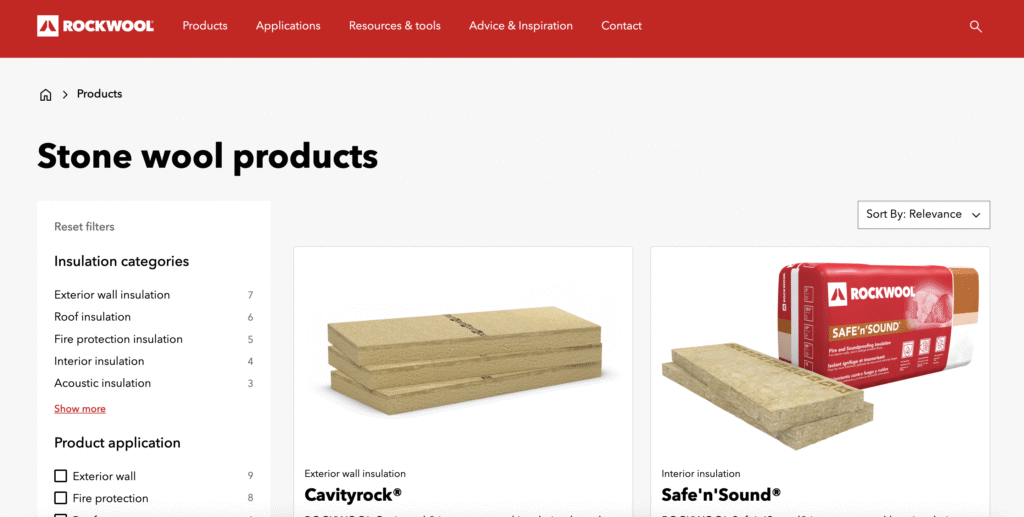
ROCKWOOL est spécialisé dans les solutions d'isolation en laine de roche dérivée de roches volcaniques et de matériaux recyclés. Ces panneaux sont destinés aux architectes et aux constructeurs de structures à haute performance qui exigent une sécurité incendie et une efficacité thermique supérieures. En utilisant des matières premières naturelles, l'entreprise crée un produit qui résiste naturellement à la chaleur et au bruit. Cela fait de ses panneaux un élément essentiel pour les projets où la sécurité et la durabilité à long terme sont des priorités absolues.
Le processus de fabrication s'appuie sur des technologies propres certifiées ISO pour transformer la roche brute en isolant fonctionnel. Cette approche soutient l'économie circulaire et réduit l'impact environnemental de la construction à grande échelle. Comme le matériau n'utilise pas de retardateurs de flamme chimiques, il conserve son intégrité pendant des décennies. Les constructeurs bénéficient d'une qualité contrôlée en usine qui garantit que chaque panneau répond aux normes internationales strictes en matière d'incendie.
En un coup d'œil :
- 📍 Lieu : Mondial
- 🏭 Renforcement du tronc : Panneaux en laine de roche
- 🌍 Marchés clés : Des bâtiments sûrs et économes en énergie
Pourquoi nous les avons choisis :
| ✅ Les victoires | ⚠️ Compromis |
|---|---|
|
|
Cartes Magmatrix
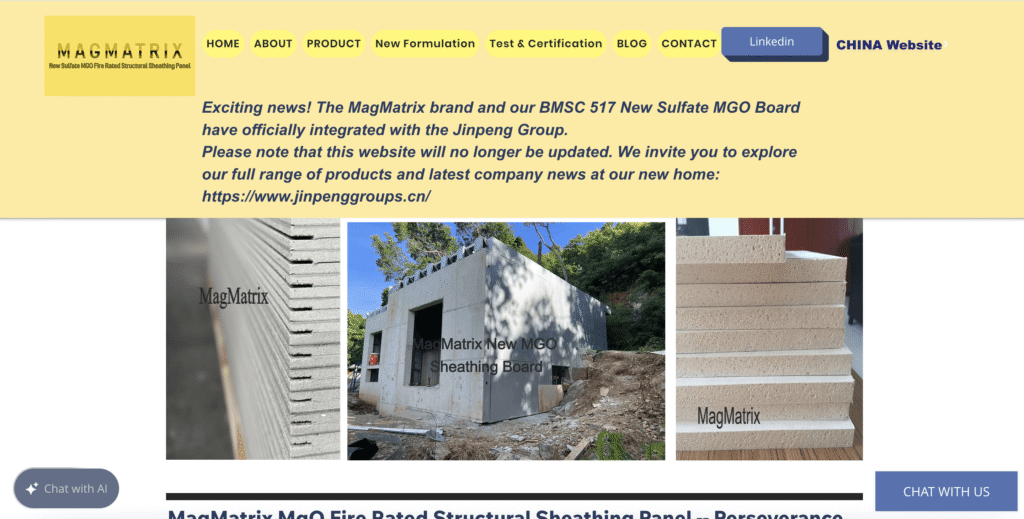
Magmatrix contrôle directement la fabrication des panneaux muraux en oxyde de magnésium (MgO), en utilisant un cycle de production à faible consommation d'énergie et du sulfate de magnésium naturel. En gérant le processus au sein de ses installations, la marque s'assure que chaque panneau reste totalement exempt de toxines telles que le formaldéhyde et les COV. Ce niveau de contrôle au niveau de l'usine permet de fournir une qualité de matériau constante pour les environnements sensibles aux allergies et les projets visant à obtenir la certification LEED ou d'autres certifications durables.
L'exécution locale du processus de durcissement permet aux panneaux de capturer naturellement le carbone, ce qui réduit considérablement l'impact environnemental du produit fini. Cette stratégie de production ciblée réduit les risques associés aux émanations chimiques que l'on trouve dans les matériaux de construction traditionnels. Bien que les panneaux offrent des avantages supérieurs en matière de santé, la densité inhérente au MgO signifie qu'ils doivent être manipulés avec soin pendant le transport et l'installation afin d'éviter d'endommager les bords.
En un coup d'œil :
- 📍 Lieu : Chine
- 🏭 Renforcement du tronc : Panneaux muraux décoratifs en MgO
- 🌍 Marchés clés : Espaces sensibles aux allergies, construction durable
Pourquoi nous les avons choisis :
| ✅ Les victoires | ⚠️ Compromis |
|---|---|
|
|
Normes de base en matière de développement durable pour la conformité LEED et BREEAM
LEED et BREEAM établissent des cadres rigoureux pour mesurer l'impact environnemental et social des projets de construction. Alors que LEED met l'accent sur la performance énergétique et la santé humaine grâce à un système de points cumulatifs, BREEAM se concentre sur la résilience du cycle de vie et les facteurs socio-économiques à l'aide d'un pourcentage pondéré. Les deux systèmes exigent une documentation détaillée et des sélections de matériaux certifiées pour atteindre les objectifs de zéro net en 2026.
Cadre LEED et attribution des crédits
L'US Green Building Council (USGBC) gère un système de points qui évalue les performances des bâtiments dans sept catégories principales, dont les sites durables et l'énergie et l'atmosphère. Les projets accumulent des points pour obtenir des niveaux de certification : Certifié (40-49), Argent (50-59), Or (60-79) et Platine (80+). Cette structure donne la priorité à l'efficacité énergétique et aux émissions de carbone, en attribuant un poids plus élevé à ces domaines pour encourager des réductions significatives de l'impact sur l'environnement.
Les architectes et les promoteurs se concentrent sur la catégorie Énergie et atmosphère, qui a le poids le plus élevé dans le cadre. En intégrant une isolation à haute performance et des systèmes d'énergie renouvelable, les projets peuvent obtenir les crédits nécessaires pour passer de la catégorie Argent à la catégorie Or ou Platine. Cette approche garantit que la phase opérationnelle du bâtiment reste efficace tout au long de sa durée de vie.
Évaluation BREEAM et notes de durabilité
BREEAM utilise un système de notation pondéré dans 10 catégories distinctes, telles que la gestion, la santé et le bien-être, ainsi que l'utilisation des sols et l'écologie. Contrairement aux systèmes autodéclarés, BREEAM exige que des évaluateurs agréés évaluent les projets pour vérifier les performances et attribuer des notes spécifiques, notamment Excellent (plus de 70%) ou Remarquable (plus de 85%). Ce cadre met l'accent sur les facteurs socio-économiques et la résilience du cycle de vie, ce qui le distingue des autres normes internationales.
Le processus d'évaluation implique un examen approfondi de l'impact du bâtiment sur son environnement local et sur le bien-être de ses occupants. Des crédits sont accordés pour les caractéristiques qui améliorent la qualité de l'air intérieur, permettent l'accès aux transports durables et protègent la biodiversité locale. Cette vision holistique garantit que le projet contribue positivement à son environnement tout en maintenant une faible empreinte carbone.
Stratégies de conformité pour les matériaux de construction modernes
La sélection stratégique des matériaux affecte directement les scores LEED dans la catégorie Matériaux et ressources en mettant l'accent sur la transparence et la circularité. La conformité à la norme BREEAM nécessite des données précises sur la biodiversité et la pollution, ce qui fait de l'empreinte écologique de chaque composant du bâtiment un facteur essentiel pour obtenir des notes élevées. La spécification de matériaux certifiés permet aux architectes d'aligner leurs projets sur les objectifs de durabilité 2026 en matière de carbone zéro et d'efficacité des ressources.
Les solutions techniques telles que le bois lamellé-croisé (CLT) ou les panneaux d'oxyde de magnésium (MgO) offrent des avantages mesurables au cours du processus de certification. Ces matériaux sont souvent accompagnés de déclarations environnementales de produits (EPD) qui fournissent les données nécessaires à l'analyse du cycle de vie. En choisissant des matériaux à faible teneur en carbone et à forte recyclabilité, les équipes peuvent répondre aux exigences strictes de LEED et de BREEAM tout en améliorant les performances environnementales globales du bâtiment.
Analyse comparative du cycle de vie des matériaux et de l'empreinte carbone
Le choix des matériaux de construction détermine directement le potentiel de réchauffement global d'un projet. Les substrats naturels tels que le pisé et le bois d'œuvre offrent les références les plus basses en matière de carbone incorporé, tandis que les matériaux industriels tels que l'aluminium et le béton armé ont l'impact environnemental le plus élevé tout au long de leur cycle de vie.
Repères de carbone incorporé pour les substrats naturels
La terre battue est la méthode de construction la plus durable avec seulement 48 kg de carbone incorporé par mètre cube. Cette technique ancienne utilise des matières premières naturelles comme la terre, la craie et le gravier pour créer une esthétique unique avec une dette environnementale minimale. Elle constitue le premier choix pour les projets de relance de l'architecture verte moderne qui se concentrent sur des empreintes carbone très faibles.
Le bois de résineux est un choix environnemental très performant pour les finitions résidentielles, avec 110 kg de carbone incorporé. Dérivé de gymnospermes tels que les pins et les épicéas, ce matériau offre d'excellentes performances environnementales tout au long de son cycle de vie. Il reste une option privilégiée pour les architectes qui cherchent à concilier les besoins structurels et les objectifs de séquestration du carbone.
La pierre naturelle offre une durabilité exceptionnelle pour les éléments structurels tout en maintenant une faible empreinte carbone de 237 kg par mètre cube. La pierre ne nécessitant aucune énergie de fabrication, elle constitue un choix environnemental solide pour des constructions durables. Les anciennes structures en pierre encore debout aujourd'hui prouvent la capacité du matériau à offrir une résilience tout au long du cycle de vie sans une forte intensité énergétique.
Efficacité du cycle de vie du bois d'ingénierie et de la maçonnerie
Le bois lamellé-croisé (CLT) permet de réduire les émissions de carbone de 221 à 501 tonnes par rapport aux constructions en acier ou en béton. Ces systèmes techniques sont créés en empilant des planches de bois séché dans des directions opposées et en les collant à l'aide d'adhésifs. Ce procédé permet de créer des composants légers et très résistants qui facilitent l'installation et réduisent considérablement les déchets de chantier.
Les systèmes CLT améliorent les performances acoustiques et thermiques tout en réduisant les déchets de construction grâce à une ingénierie de précision. Ces caractéristiques font du bois de masse un substitut idéal à la charpente traditionnelle dans les bâtiments à plusieurs étages. En outre, les versions comprimées non cuites des murs en briques d'argile réduisent jusqu'à 20 fois l'empreinte CO2 par rapport aux briques standard. Les briques d'argile offrent une résistance à long terme aux intempéries et restent adaptées aux murs porteurs dans les projets allant jusqu'à cinq étages.
Impact environnemental des matériaux de structure industriels
Le béton armé représente souvent 70% du potentiel de réchauffement global d'un bâtiment, atteignant 635 kg de carbone incorporé par mètre cube. Bien qu'il soit largement utilisé pour les fondations, les murs et les colonnes, son profil d'émissions élevé constitue une charge environnementale importante. Remplacer le béton par des alternatives en bois de masse peut réduire le potentiel de réchauffement global d'une structure de 25% à 42%.
L'aluminium présente l'intensité carbone la plus élevée, avec 18 009 kg par mètre cube, en raison des besoins énergétiques extrêmes de sa phase de production. Malgré son rapport résistance/poids élevé et ses faibles besoins d'entretien, il reste un matériau essentiel mais coûteux pour l'environnement. La transition vers des alternatives légères telles que les panneaux de pierre flexibles ou le bois de masse permet d'atténuer les émissions élevées associées à la charpente et au bardage traditionnels pour les projets 2026.
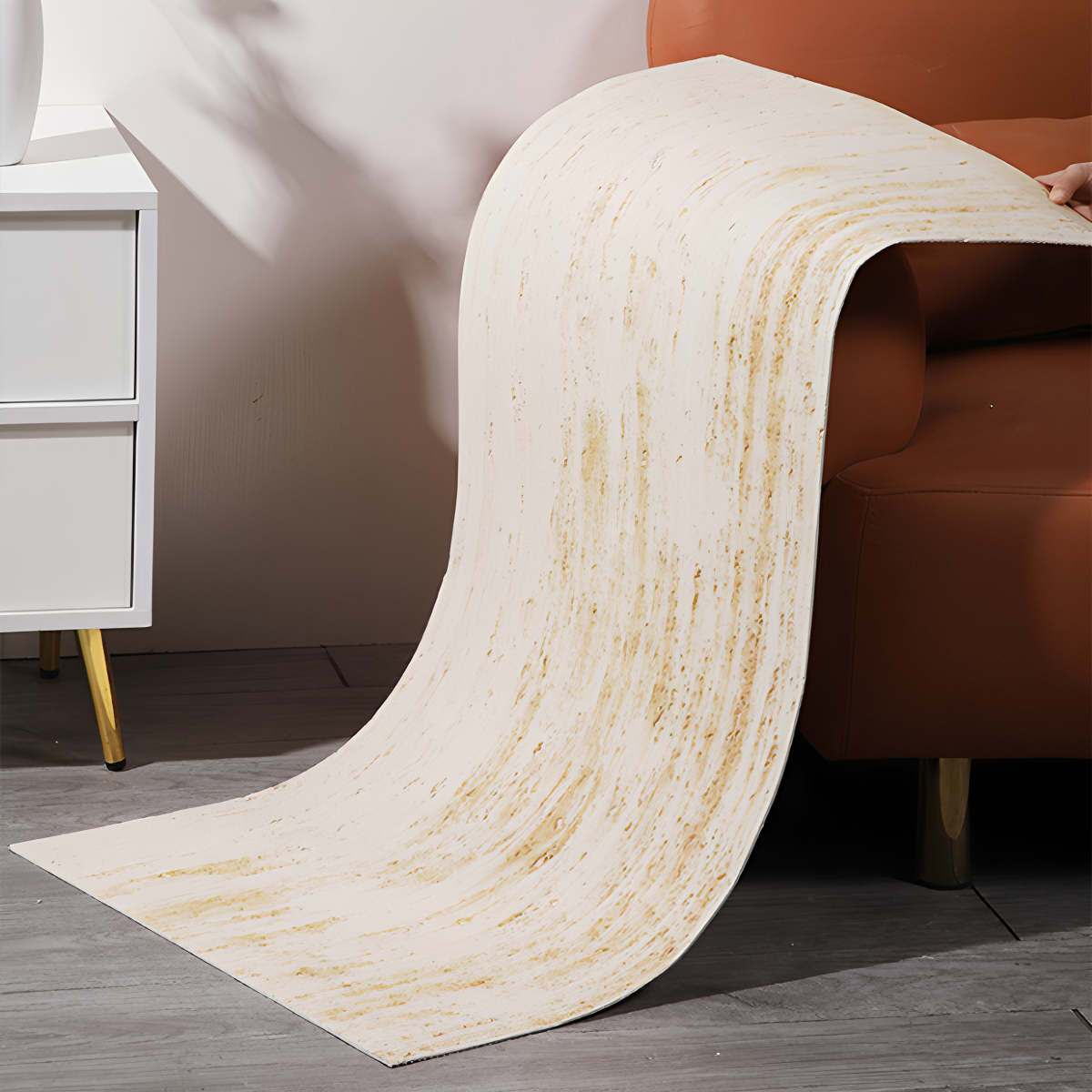
Transformez votre espace avec un placage en pierre flexible sur mesure
Guide des spécifications techniques pour les architectes verts
Les spécifications relatives à la construction écologique exigent des architectes qu'ils intègrent des mesures de développement durable directement dans les documents MasterFormat. Ce processus implique la définition de normes rigoureuses pour le cycle de vie des matériaux, la qualité de l'air intérieur et la performance énergétique, afin de garantir que les projets répondent aux certifications globales telles que LEED ou BREEAM tout en réduisant l'impact sur l'environnement.
Intégration stratégique des exigences environnementales
Les architectes intègrent les objectifs environnementaux directement dans le MasterFormat Division 1, en donnant la priorité à la section 01350 pour les exigences spéciales et à la section 01355 pour la documentation LEED. Ils définissent des attributs écologiques explicites pour les matériaux, y compris un contenu recyclé minimum et des niveaux maximums de COV pour toutes les finitions intérieures. Pour préserver l'intégrité du projet, les entreprises incluent des critères de substitution dans la section 01630 qui exigent la preuve des attributs écologiques tels que les déclarations environnementales de produits (EPD) ou les certifications de tiers au cours du processus d'appel d'offres.
Performances techniques et normes relatives aux matériaux
Les concepteurs définissent les critères de performance pour les enveloppes des bâtiments et les systèmes MEP sur la base de la norme ASHRAE 189.1-2017 et des références d'efficacité mises à jour pour 2026. Ils spécifient des matériaux de haute performance tels que les panneaux muraux en pierre flexible qui répondent aux classements de feu A2 et aux normes ASTM d'imperméabilité à l'eau. Les projets utilisent des systèmes de chauffage, de ventilation et de climatisation (CVC) et des systèmes d'isolation à haut rendement énergétique, conformément aux normes IECC, afin de réduire les émissions de carbone liées à l'exploitation. Les équipes adoptent également des méthodes de construction modulaire et des systèmes d'appâts antiparasitaires au lieu de traitements du sol pour minimiser l'impact sur le site et les déchets de construction.
Cadres de conformité et outils de vérification
Les architectes se réfèrent au BRE Global Green Guide to Specification pour obtenir des classements basés sur l'ACV allant de A+ à E au cours du processus de sélection des matériaux. Les sections techniques s'alignent sur les exigences de CALGreen et de BREEAM pour garantir la conformité avec les codes verts obligatoires et volontaires. Les entreprises mettent également en œuvre des protocoles d'assurance qualité, y compris des tests d'étanchéité à l'air et de mise en service sur site, afin de vérifier la qualité de l'air intérieur et la performance énergétique avant l'achèvement du projet.
Conclusion
Construire pour 2026 nécessite de passer de matériaux industriels standard à des substrats qui réduisent activement l'empreinte carbone d'un projet. Les architectes et les promoteurs qui donnent la priorité aux fabricants fournissant des EPD transparents et des certifications tierces ont plus de facilité à atteindre les objectifs stricts de LEED et BREEAM. Ces choix de matériaux déterminent si une structure devient un atout environnemental ou une responsabilité à long terme. Les options à haute performance telles que le bois massif et les panneaux de pierre naturelle offrent la durabilité et l'esthétique nécessaires aux projets commerciaux et résidentiels modernes, tout en limitant les émissions.
L'architecture moderne s'appuie sur une approche de la durabilité fondée sur les données. Les équipes qui intègrent des panneaux muraux écologiques dès la phase de conception réduisent les déchets du site et rationalisent le processus de certification. À l'heure où les réglementations mondiales se durcissent, l'utilisation de matériaux à faible teneur en carbone et à forte recyclabilité garantit la conformité et l'efficacité des bâtiments pendant des décennies. Cette transition favorise l'économie circulaire et rapproche le secteur de la construction des objectifs essentiels de consommation nette zéro.

 French
  English
  Spanish
  Arabic
  German