 Skip to content
Sourcing wall panels for European commercial developments requires more than just an eye for design; it requires strict adherence to the Construction Products Regulation (CPR) 305/2011. Choosing non-compliant materials risks costly project delays and legal penalties during regulatory inspections. Architects and project managers need materials that guarantee safety and allow for free movement across all EU Member States.
This guide reviews the top-performing options that meet mandatory BS EN 13501 fire classifications and integrate with upcoming 2026 safety protocols. We break down the technical requirements for high-rise structures exceeding 18 meters and explain how to verify a Declaration of Performance (DoP) to ensure your supply chain remains compliant with the latest European standards.
Top 10 CE Certified Wall Panels for European Commercial Projects
Comparaison rapide : Les meilleurs choix
| Fabricant | Localisation | Renforcement du tronc | Verdict |
|---|---|---|---|
| JMS Decor | Wuxi, Chine (Global Shipping) | Panneaux de pierre flexibles, panneaux WPC, solutions murales personnalisées imprimées en 3D | Best for high-end custom architectural projects requiring A2 fire ratings and factory-direct 3D stone textures. |
| Kronospan Rocko SPC Wall Panels | L'Europe | Rocko SPC wall panels | Top choice for large-format, seamless waterproof panels in humid commercial interiors like hotels. |
| Fibo Waterproof Wall Panel Systems | Scandinavia, Europe | Aqualock waterproof panels | The industry standard for rapid-install interlocking systems as a 100% waterproof tile alternative. |
| VOX Wall Panels | Eastern/Western Europe | Composite waterproof wall panels | Best for cost-effective residential renovations and high retail availability for DIY projects. |
| BerryAlloc Waterproof Panels | L'Europe | Waterproof wall panels | Premium choice for professional-grade durability with strong environmental and sustainability credentials. |
| Baufloor SPC Wall Panels | L'Europe | Panneaux muraux SPC | Ideal for European renovation projects requiring lightweight ‘over-tile’ installation and floor-matching designs. |
| Paneltech Composite Panels | Poland, Europe | Composite wall panels, waterproof decorative panels | Reliable manufacturer for large-scale industrial projects requiring structural durability and CE compliance. |
| Proluxe SPC Wall Panels | Asia (export to Europe) | SPC, mineral-based, waterproof wall panels | Best for wholesalers and contractors needing high-volume supply with comprehensive SGS/CE certification. |
| Maxboard MGO Panels | Global (Europe focus) | MGO wall panels | Superior choice for sustainable, non-combustible building requirements in LEED or BREEAM projects. |
| Suparna MgO Board | China (CE certified for Europe) | MgO fire-resistant boards | Essential for technical fire safety applications and mold-resistant structural substrates in commercial builds. |
JMS Decor
JMS Decor operates as a direct manufacturer in Shanghai, giving clients full oversight of the production cycle for flexible stone and WPC wall panels. This factory-direct model removes middleman markups, ensuring every batch meets rigorous CE and ASTM standards while maintaining competitive pricing. By managing the entire process from raw material selection to final 3D printing, the team minimizes the technical risks often associated with outsourced architectural supplies.
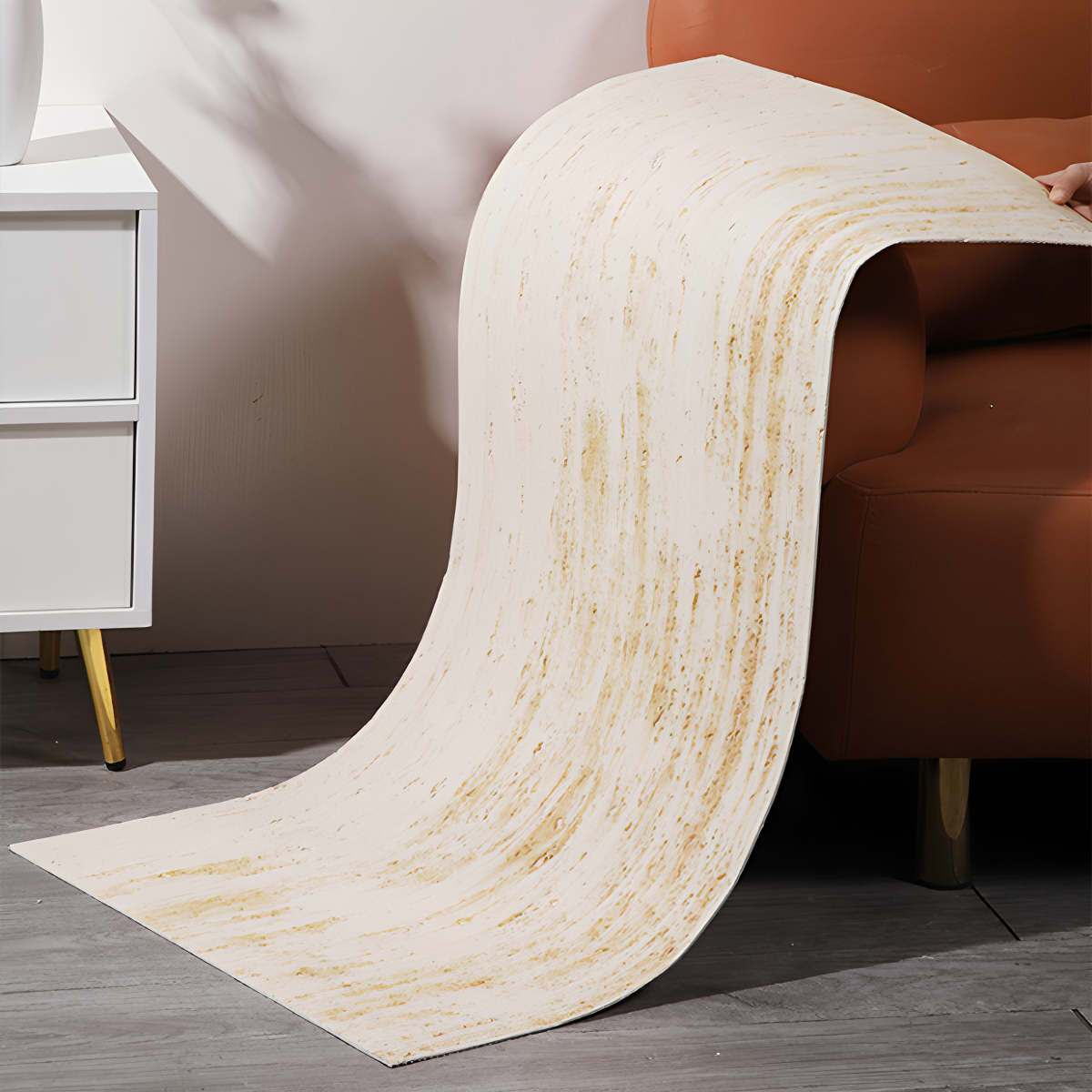
The integration of advanced 3D printing technology allows for bespoke textures and colors, catering to large-scale commercial designs that require aesthetic consistency. Their flexible stone achieves a Class A2 fire rating and withstands extreme temperatures down to -40℃, making it suitable for diverse global climates. Since they control the manufacturing line, they offer a manageable minimum order quantity of 200 square meters, supporting both boutique developments and major infrastructure projects.

En un coup d'œil :
- 📍 Lieu : Wuxi, Chine (Global Shipping)
- 🏭 Renforcement du tronc : Panneaux de pierre flexibles, panneaux WPC, solutions murales personnalisées imprimées en 3D
- 🌍 Marchés clés : Europe (CE), North America (ASTM), Middle East, Asia-Pacific
Pourquoi nous les avons choisis :
| ✅ Les victoires | ⚠️ Compromis |
|---|---|
|
|
Kronospan Rocko SPC Wall Panels
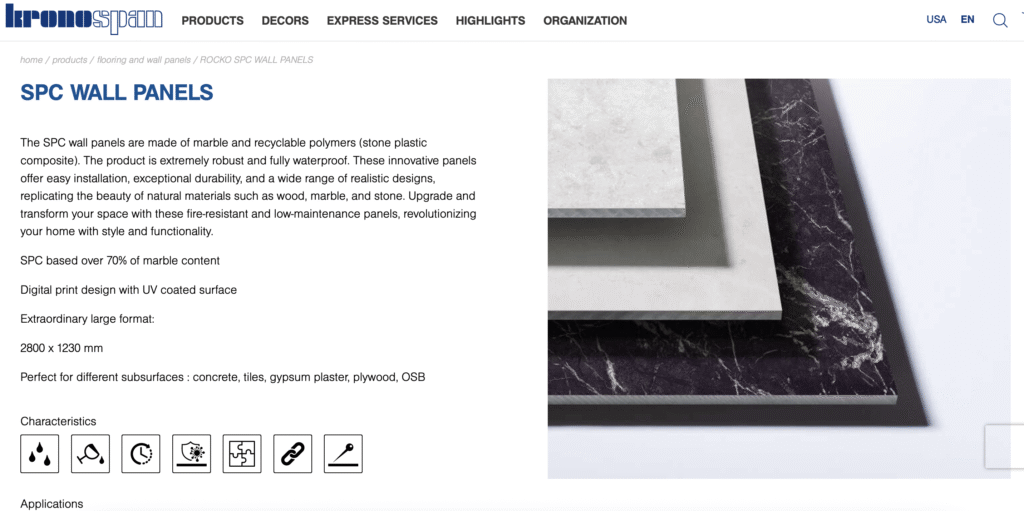
Kronospan manufactures Rocko SPC wall panels using a specialized blend of stone powder and high-performance polymers. This composite structure ensures complete waterproofing and high scratch resistance, making it suitable for demanding spaces like hotel bathrooms and commercial kitchens. Maintaining strict factory control over the material composition allows the brand to deliver a product that resists warping even when exposed to significant moisture levels.
These panels stand out due to their massive format, reaching dimensions up to 2800 x 1230 mm. Large sizes allow designers to create nearly seamless interiors, which reduces the need for grout lines and simplifies cleaning in high-traffic commercial settings. Choosing these panels simplifies local execution for large-scale projects because the material’s stability reduces the long-term risk of structural movement common in humid environments.
En un coup d'œil :
- 📍 Lieu : L'Europe
- 🏭 Renforcement du tronc : Rocko SPC wall panels
- 🌍 Marchés clés : High-end interiors, hotels, kitchens, bathrooms
Pourquoi nous les avons choisis :
| ✅ Les victoires | ⚠️ Compromis |
|---|---|
|
|
Fibo Waterproof Wall Panel Systems
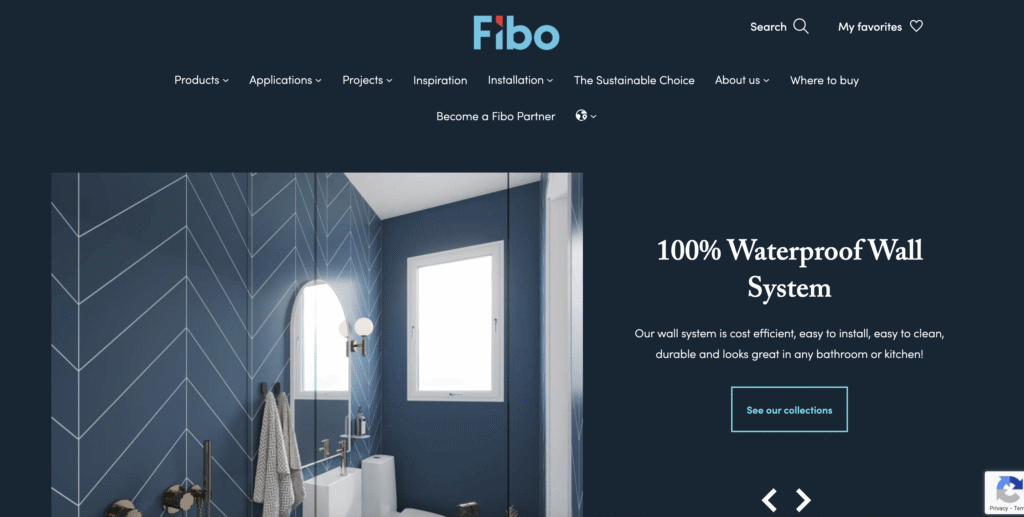
Fibo has established itself as a leading provider of surfacing solutions across Scandinavia and Europe by replacing traditional tiling methods with high-performance composite panels. The system relies on a plywood core backed by a high-pressure laminate surface, ensuring that moisture cannot penetrate the walls even in high-humidity zones like hotel showers or residential bathrooms. This design eliminates the need for membrane application and messy grout, which significantly reduces the time required for wall preparation and final assembly in large-scale projects.
The Aqualock interlocking mechanism serves as the foundation for the brand’s success, providing a seamless click-system that creates tight, invisible joints. By incorporating designs that mimic natural stone textures and authentic wood grains, the panels satisfy modern European aesthetic demands without the weight or maintenance of real stone. For commercial facility managers and renovation contractors, choosing these panels results in lower long-term maintenance costs and faster room turnover, as the surfaces resist mold growth and can be wiped clean without specialized chemicals.
En un coup d'œil :
- 📍 Lieu : Scandinavia, Europe
- 🏭 Renforcement du tronc : Aqualock waterproof panels
- 🌍 Marchés clés : Hotel bathrooms, commercial restrooms, residential renovations
Pourquoi nous les avons choisis :
| ✅ Les victoires | ⚠️ Compromis |
|---|---|
|
|
VOX Wall Panels
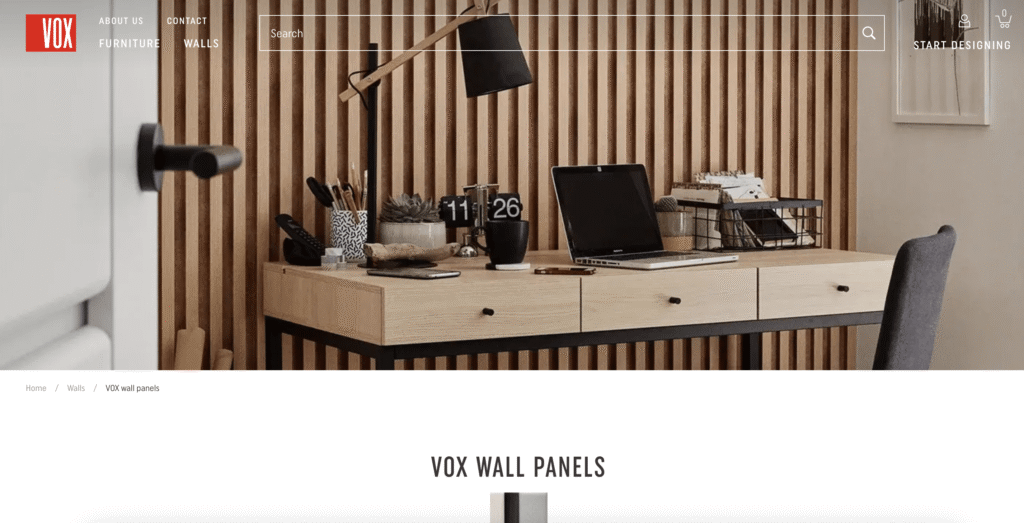
VOX establishes itself as a significant player in the European building materials sector by focusing on durable, waterproof composite solutions. Their wall panels serve a wide geographical range, covering both Eastern and Western European markets through an established retail presence. By specializing in finishes that mimic natural stone and minimalist textures, the brand addresses the growing demand for modern interior aesthetics that do not require the intensive labor of traditional masonry.
The operational strength of the brand lies in its accessibility within DIY centers and specialized building stores. Professional installers frequently select these products for residential projects where speed of execution and moisture resistance are high priorities. While the catalog emphasizes cost-effectiveness and user-friendly installation, the materials provide a reliable alternative for interior renovations that need to balance visual impact with strict budget constraints.
En un coup d'œil :
- 📍 Lieu : Eastern/Western Europe
- 🏭 Renforcement du tronc : Composite waterproof wall panels
- 🌍 Marchés clés : Building material stores, DIY markets, residential interiors
Pourquoi nous les avons choisis :
| ✅ Les victoires | ⚠️ Compromis |
|---|---|
|
|
BerryAlloc Waterproof Panels
BerryAlloc produces high-performance wall systems that meet the rigorous demands of European commercial spaces. These waterproof panels prioritize responsible sourcing and eco-friendly manufacturing, making them a preferred choice for architects focusing on sustainability. By maintaining tight control over the supply chain within Europe, the brand ensures consistent material quality while reducing the environmental footprint of logistics.
The technical engineering behind these panels focuses on long-term durability in moisture-heavy environments like hotel bathrooms and commercial spas. Professional installers benefit from a system designed to minimize risks associated with water damage, thanks to precision-engineered locking mechanisms and rigid surface layers. This level of factory control allows project managers to execute high-end interiors with confidence, knowing the materials can withstand heavy daily use.
En un coup d'œil :
- 📍 Lieu : L'Europe
- 🏭 Renforcement du tronc : Waterproof wall panels
- 🌍 Marchés clés : High-end hotel interiors, high-humidity commercial projects
Pourquoi nous les avons choisis :
| ✅ Les victoires | ⚠️ Compromis |
|---|---|
|
|
Baufloor SPC Wall Panels
Baufloor manufactures SPC wall panel systems specifically for modern European interiors. The factory maintains direct control over the production of these lightweight and waterproof components, which function as a durable alternative to heavy masonry. By focusing on Stone Plastic Composite materials, the brand ensures that each panel meets strict standards for moisture resistance and longevity in high-humidity environments.
These systems target renovation projects where traditional tile removal is impractical or too expensive. Because the panels allow for direct installation without removing old tiles, they reduce the risks of structural damage and project delays. The design works in harmony with the brand’s flooring solutions, allowing for a unified installation process that simplifies local execution for contractors and homeowners alike.
En un coup d'œil :
- 📍 Lieu : L'Europe
- 🏭 Renforcement du tronc : Panneaux muraux SPC
- 🌍 Marchés clés : Kitchens, bathrooms, renovation projects
Pourquoi nous les avons choisis :
| ✅ Les victoires | ⚠️ Compromis |
|---|---|
|
|
Paneltech Composite Panels
Paneltech operates out of Poland, serving as a primary source for structural building components across the European market. Their production facility focuses on high-volume manufacturing of composite wall systems and thermal insulation products designed to meet rigorous architectural requirements. By maintaining local operations, the company provides a reliable supply chain for construction firms that need direct access to factory-controlled inventory and European-standard certifications.
The company emphasizes structural integrity and energy efficiency, ensuring every panel adheres to CE standards for commercial safety and durability. Their manufacturing process handles the demands of heavy-duty industrial projects where moisture resistance and thermal performance are critical. This approach reduces logistical risks for Eastern European builders by offering materials engineered for high-impact environments and the specific weather conditions common in the region.
En un coup d'œil :
- 📍 Lieu : Poland, Europe
- 🏭 Renforcement du tronc : Composite wall panels, waterproof decorative panels
- 🌍 Marchés clés : Large-scale construction, Eastern Europe projects
Pourquoi nous les avons choisis :
| ✅ Les victoires | ⚠️ Compromis |
|---|---|
|
|
Proluxe SPC Wall Panels
Proluxe manufactures mineral-based SPC wall panels specifically for high-moisture areas like bathrooms and kitchens. The company supports wholesalers and project contractors by shipping large volumes directly from its Asian manufacturing bases to the European market. This direct factory approach allows for better oversight of production timelines and material consistency, which helps professionals manage large-scale renovations without supply interruptions.
Professional buyers benefit from a focus on risk reduction through verified safety standards. Proluxe provides SGS reports and CE equivalent testing to confirm that every batch meets the technical requirements for international trade. This documentation simplifies the import process for contractors and distributors who need to verify product performance before installation. The ability to customize orders also ensures that specific architectural requirements are met while keeping costs predictable for bulk purchases.
En un coup d'œil :
- 📍 Lieu : Asia (export to Europe)
- 🏭 Renforcement du tronc : SPC, mineral-based, waterproof wall panels
- 🌍 Marchés clés : Wholesalers, project contractors, bathroom/kitchen renovations
Pourquoi nous les avons choisis :
| ✅ Les victoires | ⚠️ Compromis |
|---|---|
|
|
Maxboard MGO Panels
Maxboard MGO panels serve as a high-performance alternative to traditional drywall and cement boards, particularly for developers prioritizing fire safety and environmental impact. We ensure rigorous factory control to meet European standards, including CE Marking and EN 13501 certification. These boards integrate into global supply chains while maintaining the specific requirements needed for local execution in the European market. By utilizing lightweight materials with low VOC emissions, these panels support carbon-neutral construction goals and help projects secure necessary green building credits.
Implementing these panels reduces operational risk by providing a reliable, non-combustible substrate that performs under demanding conditions. The material’s compatibility with LEED and BREEAM frameworks makes it a preferred choice for commercial hotels and public infrastructure where regulatory compliance is non-negotiable. While the panels require precise handling due to their composition, they offer a streamlined installation process for teams focused on sustainable commercial builds. This focus on industrial quality control ensures that every shipment meets the high durability standards expected in modern eco-hotels and public utility spaces.

En un coup d'œil :
- 📍 Lieu : Global (Europe focus)
- 🏭 Renforcement du tronc : MGO wall panels
- 🌍 Marchés clés : Sustainable commercial, hotels, public buildings
Pourquoi nous les avons choisis :
| ✅ Les victoires | ⚠️ Compromis |
|---|---|
|
|
Suparna MgO Board
Suparna MgO Board produces specialized building materials that meet the strict safety standards of the European construction market. The factory manages the chemical composition and curing process to prevent warping or structural failure, ensuring each board provides a reliable foundation. This direct control over manufacturing allows the team to deliver consistent quality for developers working on commercial facades and safety-critical projects where material integrity is vital.
These panels focus on performance by combining non-combustible materials with resistance to mold and toxic smoke. Contractors often choose these boards as durable substrates to reduce risks in environments where moisture and fire hazards exceed the limits of traditional materials. By maintaining CE and ISO certifications, the company helps project managers comply with building codes and ensures long-term protection for building occupants through verified safety ratings.
En un coup d'œil :
- 📍 Lieu : China (CE certified for Europe)
- 🏭 Renforcement du tronc : MgO fire-resistant boards
- 🌍 Marchés clés : Commercial buildings, fire safety projects
Pourquoi nous les avons choisis :
| ✅ Les victoires | ⚠️ Compromis |
|---|---|
|
|
Understanding CE Certification Requirements for European Commercial Projects
CE certification is a mandatory requirement for construction products sold within the European Union under the Construction Products Regulation (CPR) 305/2011. It confirms that materials like wall panels, stone veneers, and structural components comply with harmonized safety, health, and environmental performance standards, allowing for free movement across all EU Member States.
Regulatory Framework for Building Materials in the EU
The Construction Products Regulation (CPR) 305/2011 provides the legal foundation for building materials entering the European market. This framework applies to various interior and exterior products, including flexible stone and wood-plastic composite (WPC) panels. By adhering to these harmonized standards, manufacturers ensure their products meet essential health, safety, and performance requirements. Architects and contractors rely on this unified system to streamline procurement and ensure that selected materials satisfy environmental criteria without needing separate certifications for each individual EU Member State.
Documentation Protocols and Performance Declarations
Compliance relies heavily on the Declaration of Performance (DoP), a document that details a product’s verified characteristics and intended use. Manufacturers must maintain comprehensive technical documentation, including risk assessments and design specifications, for at least 10 years after the product enters the market. Recent updates under Regulation (EU) 2024/3110 are transitioning the DoP into the Declaration of Performance and Conformity (DoPC), which introduces a stronger emphasis on sustainability data. The physical CE marking must be clearly visible on the product or its packaging, following strict geometric proportions with a minimum height of 5 mm to remain valid under regulatory inspections.
Future Compliance Standards and Digital Integration
The landscape of European construction standards is shifting toward digital transparency and automated data access. Upcoming Digital Product Passports will use QR codes to provide immediate access to a material’s sustainability data, origin, and recycling instructions. Additionally, the new Machinery Regulation (EU) 2023/1230, set for full implementation in early 2027, introduces specific rules for artificial intelligence and digital components within the construction sector. Supply chain operators are currently increasing their risk assessment protocols and testing frequency to align with these updated safety regulations scheduled for 2026 and beyond.
Key Performance Standards: Fire Safety, Acoustics, and Durability
European construction projects must adhere to BS EN 13501 fire classifications and CE marking under Regulation (EU) 2024/3110 to ensure structural safety, noise reduction, and environmental resilience in high-density developments.
European Fire Safety and BS EN 13501 Compliance
European building codes prioritize BS EN 13501 for classifying how materials react to fire across residential and industrial sectors. This standard replaces older national metrics like BS 476, introducing more rigorous testing for smoke production and flaming droplets. For 2026, mandatory sprinkler systems apply to all new care home developments to meet updated safety protocols regardless of the building height.
High-rise structures exceeding 18 meters require BS 8629-certified evacuation systems and tailored emergency plans to protect residents. Architects specify Class A2 fire-rated materials, such as flexible stone panels or MgO boards, to meet these international and CE requirements. Manufacturers must provide a Declaration of Performance (DoP) that confirms the fire rating matches the technical documentation for the specific product category.
Acoustic Insulation and Noise Control Standards
Standardized EN ISO sound insulation series guide the performance requirements for internal wall partitions in multi-family housing. These standards focus on reducing noise transfer between commercial and residential units to improve occupant comfort and meet local privacy laws. Acoustic performance is particularly critical in mixed-use developments where high-traffic commercial zones share structural elements with living spaces.
Advanced composite materials, including WPC and SPC panels, integrate thermal insulation with acoustic benefits. These systems offer a dual-purpose solution for high-traffic environments, dampening sound while maintaining a consistent interior climate. Specifiers look for ISO9001 quality-controlled materials that demonstrate consistent density and sound-absorption coefficients during laboratory testing.
Structural Durability and Long-Term Maintenance
Modern standards emphasize the use of cavity barriers and fire-resisting construction to maintain structural integrity under thermal stress. Building owners must complete cladding remediation and ensure compliance with updated structural safety audits scheduled for 2026. These regulations ensure that the building envelope remains secure over its estimated service life, even when exposed to environmental stressors.
Materials must resist factors like UV radiation, moisture, and extreme temperature shifts to minimize long-term maintenance costs. High-performance panels tested for freeze-thaw resistance down to -40℃ provide the necessary durability for diverse European climates. By selecting products with low defect rates and verified durability through CE marking, contractors reduce the risk of structural failure and expensive remediation projects.
Transform Your Interiors with Premium Flexible Stone Veneer
Compliance Audit: How to Verify Declaration of Performance (DoP)
Verifying compliance requires confirming the Declaration of Performance and Conformity (DoPC) follows the Annex V model of Regulation (EU) 2024/3110, aligns with physical CE markings, and remains accessible through digital distribution methods like the Digital Product Passport (DPP).
Essential Components of the 2026 Declaration Framework
The transition from the previous Construction Products Regulation to Regulation (EU) 2024/3110 introduces the Declaration of Performance and Conformity (DoPC). Auditors must confirm the document follows the updated model in Annex V. This verification includes checking unique product identification codes and categories against harmonized technical specifications or European Assessment Documents. Accurate identification ensures the declared performance matches the physical asset delivered to the construction site.
Manufacturer details require strict validation. The document must list the business address, contact information, and relevant REACH registration data under Regulation (EC) No 1907/2006. Beyond administrative data, auditors evaluate the essential characteristics of the product. Declared values for safety, environmental impact, and climate performance must align with the applicable Assessment and Verification of Constancy of Performance (AVCP) system to ensure the data is legally substantiated.
Digital Distribution and CE Mark Synchronization
Regulations now mandate that the DoPC be available through digital channels at the time of delivery. We audit the provision method to ensure the document is accessible via electronic copies, manufacturer websites, or digital product passports. This digital link provides stakeholders with immediate access to compliance history. Auditors must cross-reference the physical CE marking on the packaging or the product itself with the declaration code and any applicable Notified Body numbers.
The final step in administrative verification involves the authorized signature. The document must be signed by the manufacturer’s representative, noting their specific function, the place of issuance, and the date. A missing signature or a mismatch between the physical CE mark and the digital record indicates a breach of compliance that could stall project progression or result in legal penalties.
Audit Protocols for Material Verification and Compliance
Technical audits compare declared performance values against harmonized European standards (hEN) or European Technical Assessments (ETA) specific to the product category. Under the updated 2026 regulatory environment, sustainability data and climate performance metrics are no longer optional. Reviewing these metrics ensures the materials contribute to the overall environmental targets of the project. Any discrepancy in fire safety ratings, such as those defined by EN 13501, signals a failure in the verification process.
Identifying non-conforming products involves looking for missing elements or mismatches between the CE mark and the digital passport link. Articles 15-16 of Regulation (EU) 2024/3110 define the parameters for non-compliance. If the data provided in the DoPC does not mirror the technical documentation or the physical product’s capabilities, the material cannot be used in European commercial projects. Architects use these audit protocols to maintain the integrity of their tenders and avoid the risks associated with non-compliant building materials.
Logistics and Supply Chain Management for EU-Wide Project Delivery
Efficient EU-wide project delivery for architectural wall panels relies on multimodal freight networks and integrated digital tracking to manage complex supply chains. By utilizing providers like DHL Global Forwarding and DB Schenker, project managers ensure that materials meet strict European Construction Products Regulations (CPR) and arrive at construction sites according to precise installation schedules.
Freight Forwarding and Regional Distribution Networks
Major providers like DHL Global Forwarding and DSV offer multimodal sea, air, and road solutions to manage the delivery of architectural panels for large-scale projects. DHL, a global leader with significant logistics revenue, provides integrated supply chain solutions that accommodate the weight and dimensions of materials such as Kronospan Rocko SPC or Fibo waterproof systems. DSV Global Transport and Logistics further strengthens these networks through project cargo services and Mediterranean-MENA corridors, ensuring seamless delivery across diverse European territories.
Logistics specialists such as DACHSER and DB Schenker maintain extensive groupage networks that provide reliable, time-sensitive transport to construction sites throughout Europe. These networks are essential for maintaining the flow of materials like VOX composite panels and BerryAlloc systems to high-end interior projects. By leveraging overland and rail freight, these providers minimize delays in the secondary distribution phase, which is critical for urban construction environments where storage space is often limited.
Digital Tracking and Warehouse Automation
Partners like GEODIS and CEVA Logistics implement AI-driven automation to speed up warehouse fulfillment and reduce processing errors for high-volume B2B orders. These technologies allow for the rapid handling of specialized inventory, including SPC and MgO wall boards, which require careful palletization and climate-controlled storage. GEODIS focuses on supply chain optimization for manufacturing clients, while CEVA Logistics utilizes its automotive expertise to manage complex end-to-end logistics for demanding commercial interiors.
Digital portals such as Connect 4.0 offer real-time transparency and predictive ETAs, helping project managers maintain strict schedules for wall panel installations. DB Schenker utilizes AI and automation to deliver 40% faster warehouse fulfillment, providing SMEs and large contractors with the data needed to coordinate labor and equipment on-site. This level of digital integration reduces the risk of project downtime by providing accurate arrival windows for critical fire-rated materials and facade elements.
Sustainable Logistics and Regulatory Compliance
Kuehne + Nagel and Rhenus prioritize CO2 tracking and green routing to help projects meet 2026 European ESG standards and environmental certifications. Kuehne + Nagel balances cost efficiency with sustainability by offering sea and air freight options that include carbon monitoring and green routing. These services assist architects and developers in achieving LEED or BREEAM certifications by documenting the environmental impact of the transportation phase for carbon-neutral products like Maxboard MGO panels.
Integrated customs brokerage from Maersk and Hellmann Worldwide Logistics simplifies the regulatory process for importing flexible stone products across different EU jurisdictions. These providers ensure that all imported materials, including fire-resistant MgO boards from international bases, comply with CE marking and CPR 305/2011 standards. Verifying the Declaration of Performance (DoP) at the border is a key step in this process, as non-compliant products can lead to significant legal delays and project interruptions under the new Regulation (EU) 2024/3110.
Conclusion
Selecting the right wall panels for European commercial spaces requires a balance between design and strict regulatory compliance. Materials that carry the CE mark and meet BS EN 13501 fire standards provide the necessary safety foundations for high-density environments.
Architects and contractors who prioritize verified performance data ensure their projects remain resilient against both environmental stressors and legal scrutiny. Using materials like flexible stone or SPC panels with documented acoustic and thermal properties streamlines the construction process while maintaining high interior standards.
The shift toward digital product passports and updated sustainability declarations means project managers must adopt more rigorous auditing habits. Integrating reliable logistics networks and automated tracking tools reduces the risk of site delays and keeps projects aligned with 2026 ESG goals. Maintaining accessible records through the Declaration of Performance and Conformity simplifies the handover process and protects building owners from future remediation costs. Investing in compliant, high-performance materials today creates a safer and more efficient built environment for the years ahead.

 French
  English
  Spanish
  Arabic
  German