命中章节 10/10。
问题示例:Introduction(Degradation Mode) | Understanding Coastal Microclimates(Degradation Mode) | Key Performance Requirements(Degradation Mode) | Salt Spray Resistance (ASTM B117 Equivalent)(Degradation Mode) | UV Stability (QUV Testing)(Degradation Mode)
请先修复模型链路或重跑生成,再继续发布。
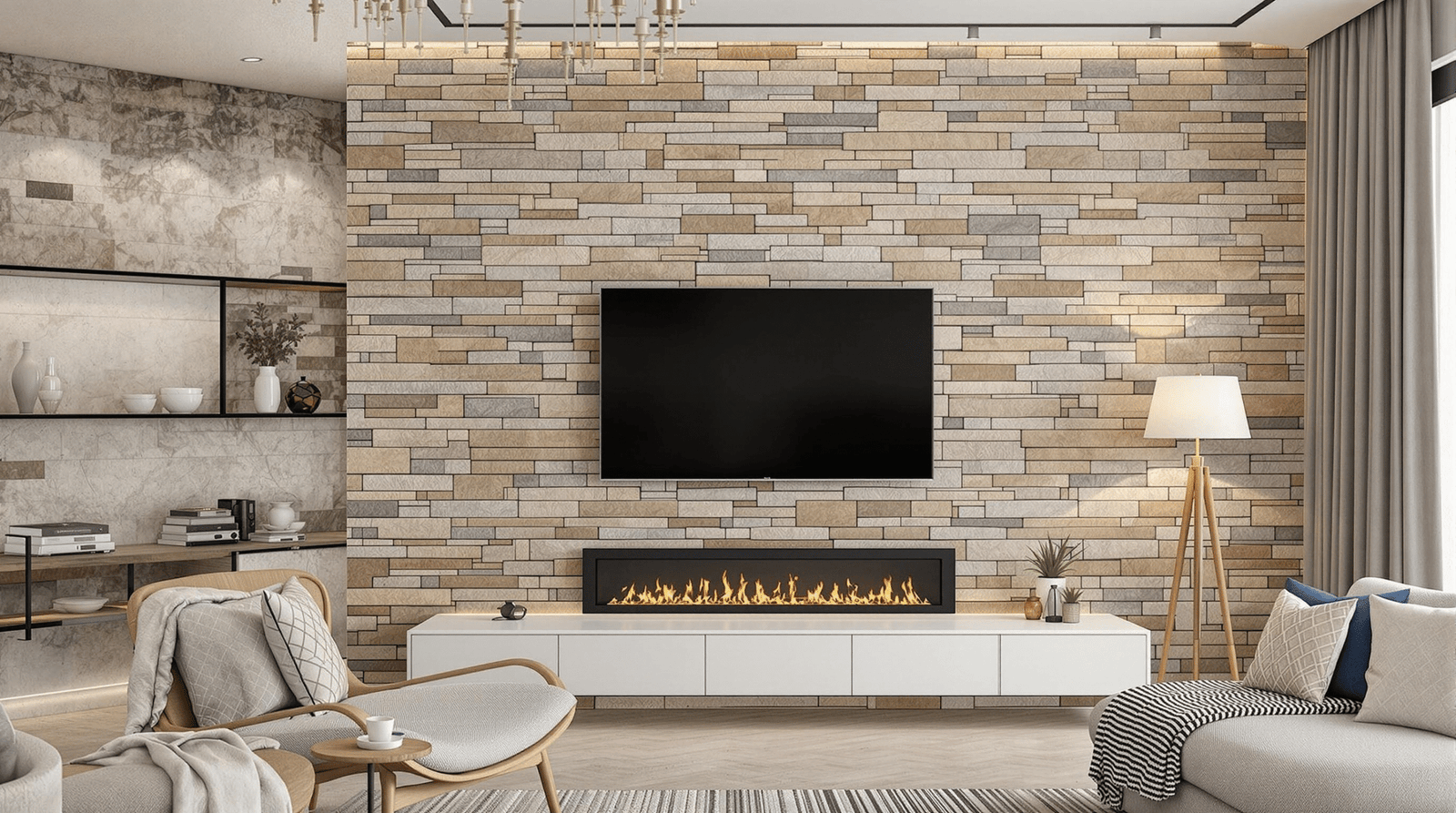
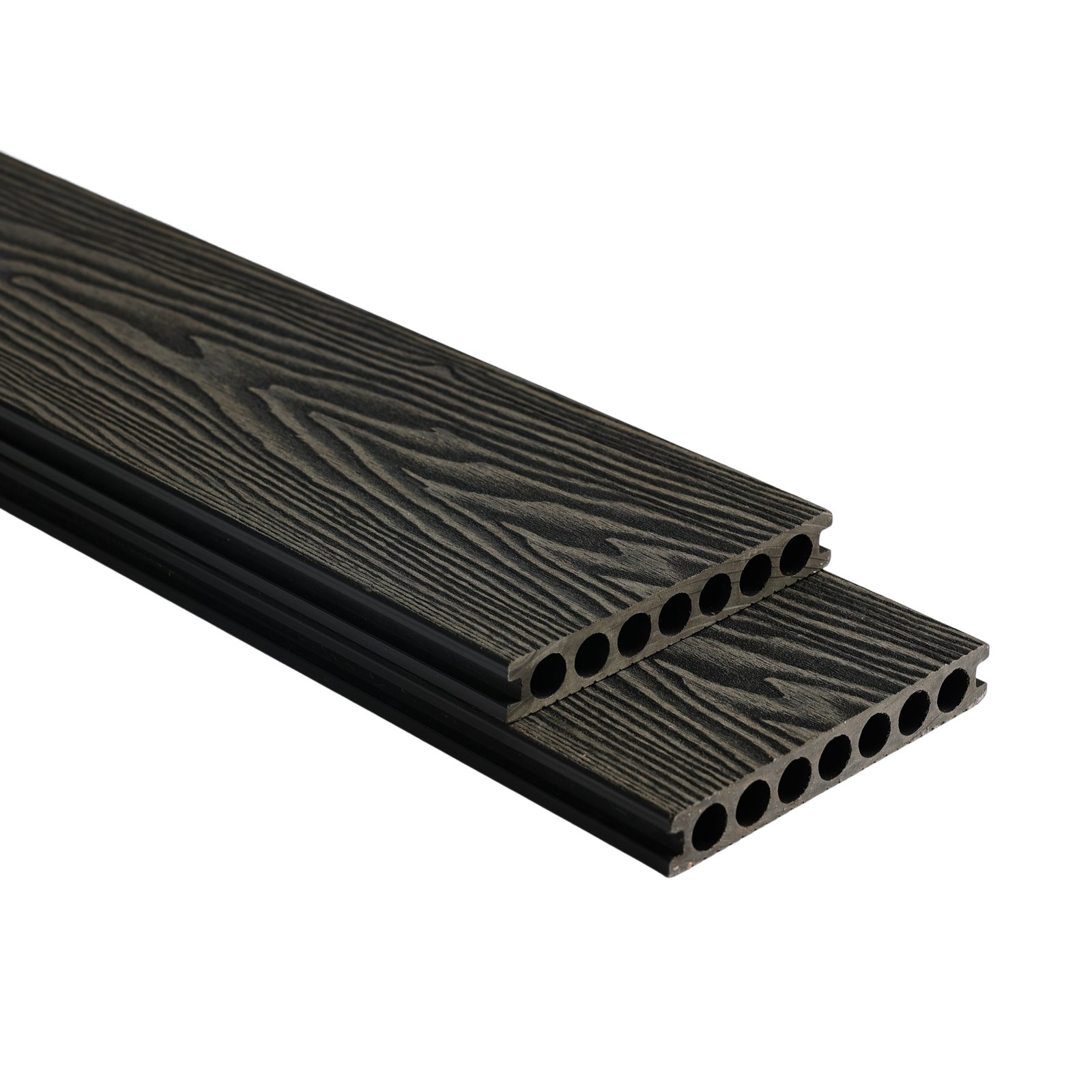
Most cladding specification guides start with design. They should start with the container. A buyer picking between a 3mm flexible travertine and a heavier rigid panel makes supply-chain decisions that show up in freight invoices long before they show up on a wall. At JMSDECOR, the product pages list dimensions and weight, but the real numbers that matter to a distributor are in the load plan: a single 20GP container can carry about 3,870 square meters of small-format flexible stone panels, or a mix of big boards and pallets that saves dead space. Flexible stone cladding fills a gap that traditional stone and ceramic leave wide open. The material starts as a thin composite. Natural stone powder and mineral pigments bond to a glass-fiber mesh under a synthetic resin emulsion, then get molded, cured, and cut into sheets. The result weighs 5 to 10 kilograms per square meter, depending on texture depth, which ranges from 3mm to 8mm. That weight alone changes the math for a hotel renovation crew working overnight shifts. No wet saws. No heavy lift. The panel can bend around a curved column, adhere directly to cement board, drywall, or wood substrate, and still pass ASTM E84 Class A fire testing when tested. The standard panel size is 1200×600mm, covering 0.72 square meters each. A contractor covering 8 square meters needs 11 sheets plus an extra for cuts, so 12 pieces. That calculation is simple, but the mistake rookies make is not factoring in texture thickness when planning container loads. A 3mm travertine panel packs 224 pieces per pallet, 14 cartons per pallet, totaling 161.28 square meters. Big boards at 1200×2900mm go into dedicated wooden cases, 50 sheets per case, and ship better when mixed with standard pallets, a loading pattern the logistics team has dialed in to maximize cube. The customs classification (HS code 6810191000) keeps clearance predictable. Beyond the load economics, the product’s surface is the reason it wins designer specifications. Travertine, marble, slate, rammed earth, wood grain, and rust patterns come standard. The factory runs inkjet and 3D printing lines that produce 70 square meters per hour, easily 700 square meters a day, so even custom patterns with UV-resistant outdoor inks move fast. Trend updates land in buyer inboxes weekly from the development department. Existing stock samples, 20×20cm, ship within 2-3 days freight collect. Custom colors take about 7 days of formulation time. Full production cycles for standard orders run 15-20 days. Twenty containers might stretch lead time to 30-40 days, something project managers need to lock into their Gantt charts early. Installation is the part where cost savings turn real. A room measuring 2.6 meters wide by 3 meters high goes up in roughly an hour with basic hand tools. The sequence: level the base, apply a sealing primer, snap layout lines, coat the panel back with adhesive (or comb it on), press and straighten, then caulk with a matched joint compound. The manufacturer also formulates its own adhesive and sealant to eliminate finger-pointing between material supplier and field crew. That may sound like a small detail. It’s not. When a wall fails, the adhesive and panel maker each blame the other. Single-source chemistry removes that argument. WPC solutions fill out the outdoor living category. Decking sheets at 2900×138×23mm, wall cladding at 2900×219×26mm, and ceiling panels with L-shaped end covers ship in quantities starting at 200 to 500 sheets. These composite products appeal to the same buyers who need a deck, fence, and cladding system that matches the flexible stone aesthetic on a project, so sourcing from one supplier simplifies logistics and color consistency. The factory holds ISO9000 and ISO14000 certifications. Three dedicated QC inspectors track each production step, from raw material batch to finished carton. Defect rate stays under 1%. For buyers in North America, the ASTM E84 Class A rating backs up the fire performance. European projects lean on CE marking. Middle East clients test heat resistance. Australia’s coastal jobs need the UV and moisture tolerance, and the water absorption rate of less than 0.5% supports that. Regional formulation tweaks in thickness and resin ratio happen before the order ships, not after the wall is installed.AccueilHome 1Placage en pierre flexible | SlimStone® USA
You can have superb panels and still lose money if the sourcing sequence is wrong. The first step is not comparing prices. It is confirming the sample batch matches the production batch. Ask for the 20×20cm swatch, but also request a full-size production-cut corner with the same curing lot. If the factory hesitates, note that. A texture that looks consistent on a hand-size sample can show die-lot variation across a full 1200mm width. This is where many first-time buyers discover that the “travertine” they approved is not the same travertine that arrives in the container. Lead time math has to account for peak production cycles. Fifteen days can stretch to thirty-five when the factory is clearing twenty-container orders. Smart buyers pre-book a production slot with a deposit tied to a confirmed ship date, not just a “we’ll fit you in” verbal. This avoids having a finished installation crew waiting on a vessel that hasn’t even left Ningbo. Logistics planning for mixed loads also cuts landed cost per square meter. The example of four big board wooden cases paired with twelve to fourteen pallets of small panels in one 20-footer reduces wasted container volume. Freight per square meter becomes a hard number you can compare against rigid stone. Flexible stone, at 3.5kg per small panel, moves for a fraction of the ocean freight cost of quarried slab. This isn’t theory. It’s math.
Quality checkpoints should follow a priority list, not a conference-room checklist. First, water absorption must stay under 0.5%, verified with an on-site dunk test if possible. Next, the flex test: bend a panel around a 30cm radius in cold conditions if the project is in a freeze-thaw zone. A panel that cracks at 0°C won’t survive a Moscow winter. Fire certification documents need to reference the specific test standard, ASTM E84 or EN 13501, not a generic “fireproof” claim. Check the glass-fiber mesh weight and aperture. A lighter, cheaper mesh behind the stone layer leads to edge delamination after a few years of thermal cycling. This is invisible in a showroom sample but reveals itself after the first hot summer. The mesh should feel dense, not like window screen. Production lot consistency matters most on large commercial facades. Ask for a running meter of the actual production batch and lay five sheets side by side under daylight. Color drift of even half a shade becomes obvious when a hundred panels cover a hotel lobby. The factory’s weekly pattern updates are good, but only if batch-to-batch repeatability is guaranteed by the QC logs, not the catalog photos.

Understanding Coastal Microclimates
Execution steps bridge the gap between a spec sheet and a finished wall. Surface prep is not optional. Concrete must cure fully, wood substrates need to be sealed against moisture wicking, and gypsum board requires a bonding primer. The panel itself can flex, but the substrate cannot move seasonally. If the wall is unstable, no adhesive will rescue it. Adhesive selection is critical. The factory-supplied formula is tuned to the panel’s resin chemistry. Using a generic tile thin-set risks alkali reaction that weakens the bond over time. The installation sequence the company recommends, base level, primer, layout, full-coat adhesive on the panel back, press, straighten, joint fill, then optional glaze, follows the same logic as large-format tile installation, but without the weight-related hazards. One installer can handle a 1200×600mm sheet alone. That changes labor cost per square meter immediately. Time estimates are realistic. A 2.6m×3m room takes an hour for a trained two-person crew. In overnight retail renovation scenarios, the absence of noise and dust allows work to proceed while the store operates. This is the zero-downtime advantage hotel asset managers and shopfitters need. No jackhammers, no relocation, no lost revenue.
Key Performance Requirements
Customization is where the product moves from commodity to brand differentiator. The factory stocks more than a hundred textures and colors, with standard MOQ of 300 square meters for in-stock designs and 500 square meters for custom patterns. The in-house mold and 3D printing capability means a client’s own limestone reference can be mapped, color-matched, and prototyped in a week. Architectural firms specifying a signature texture for a chain of retail stores see the value: exclusive pattern, protected chain of custody, and no showroom competitor offering the identical wall. The newer translucent stone option, only 2mm thick, backlights beautifully for feature walls and cabinetry. It’s a niche product now, but the design community is taking notice. The development team pushes fresh patterns weekly, not monthly. For a distributor, that cadence keeps the catalog alive and gives sales teams a reason to call their builders every month. Regional adaptation is not a marketing line. When an order is placed for a hot-humid climate, the resin ratio adjusts to prevent softening. In freeze-thaw regions, the panel thickness and flex modulus shift. This engineering layer happens before the panels leave the factory, which is why specifying the installation address geography, not just the project name, avoids field failures.
Salt Spray Resistance (ASTM B117 Equivalent)
Specifying cladding for a project with flexible stone requires locking six variables early: texture and color batch approval, fire certification path, substrate condition, compatible adhesive, container load plan, and regional formulation spec. The panels themselves are proven across applications from villa exteriors to hospital interior feature walls. The difference between a smooth install and a reorder is how early these variables are confirmed. For a distributor building a wall panel program, the supplier’s ability to ship small initial volumes (300 square meters) while supporting full OEM development after a year of stable cooperation provides a practical on-ramp. Free installation video guidance, dedicated adhesive and joint compound supply, and sourcing help for complementary products reduce the complexity for buyers entering the category. The product works. The logistics numbers work. The remaining variable is whether the spec is locked before the container is booked.
UV Stability (QUV Testing)
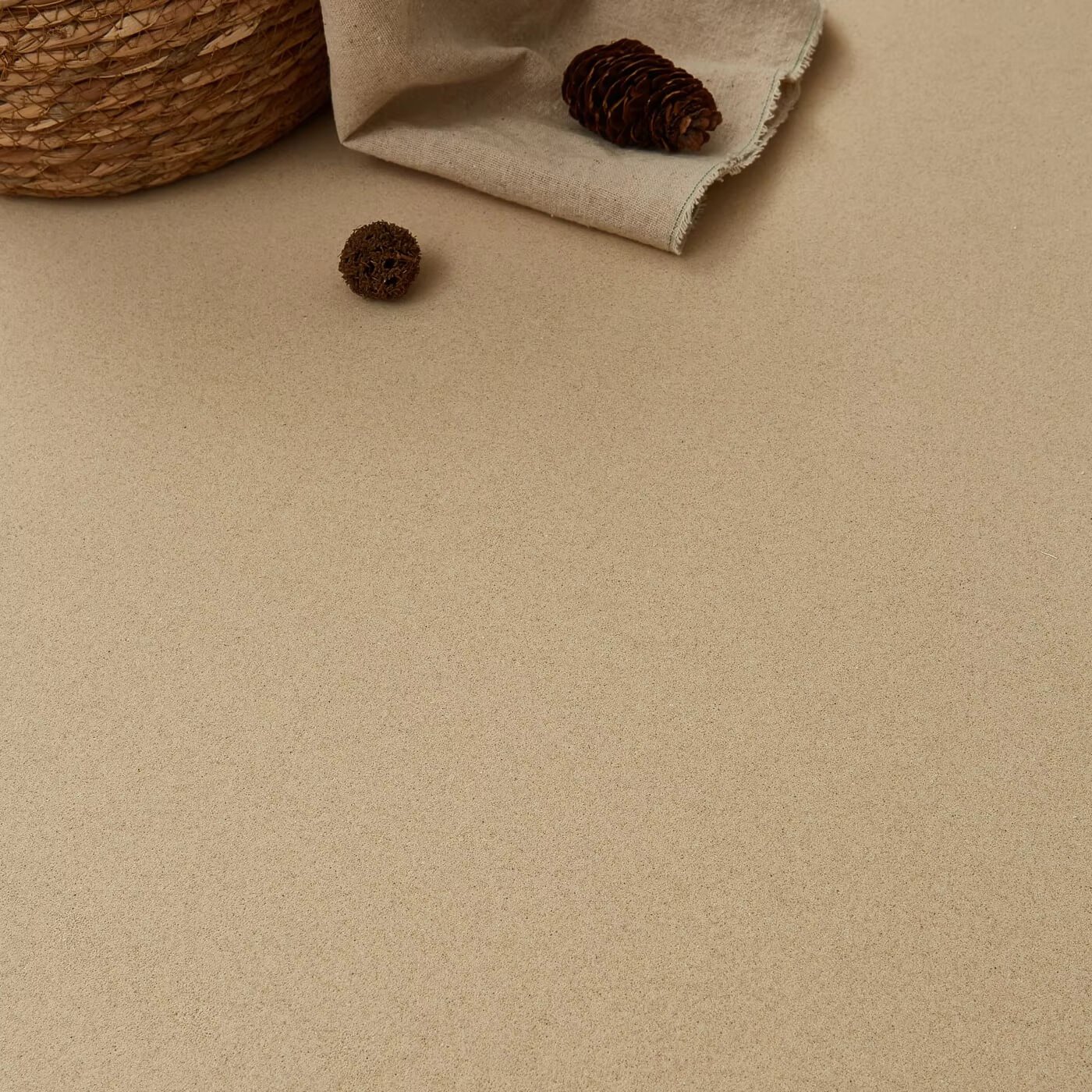
Flexible stone is not a cheap imitation. It is natural stone powder pressed onto a fiberglass mesh backing, creating a sheet that weighs about 3 to 6 kg per square meter. Traditional stone cladding of the same coverage would clock in at 30 to 50 kg per square meter. That weight difference alone changes the engineering requirements for any project. The surface is real stone, not a printed film, so the grain and color variation are genuine. No two sheets look exactly alike. For projects where authenticity matters but the structure cannot handle dead load, this material solves a problem that thin-cut stone never could.
Wind Load and Impact
Cost-wise, the price per square meter is only part of the calculation. The real saving appears during installation. A two-person crew can cover 8 square meters of wall in under an hour using standard tile adhesive, no special tools needed. The panels cut with a utility knife. Compare that to natural stone, which must be cut wet with a diamond blade and lifted into place by a third worker. Labor and time savings add up fast, especially on multi-unit residential jobs where identical layouts repeat floor after floor. Add freight advantage, one container of flexible stone covers roughly three times the square meterage of thick stone panels, and the total project cost tilts sharply in favor of this material.
Material Options: Flexible Stone, Metal, Fiber Cement
Outdoor durability comes down to water absorption and freeze-thaw cycling. The test data matters here. Flexible stone absorbs less than 0.5% water, so there is almost nothing inside the material to freeze and expand. In northern climates where hard stone spalls after a few harsh winters, this product stays intact. UV resistance is engineered into the acrylic binder; under ASTM E84 testing, the material hits Class A fire rating without sacrificing color stability. Five years under direct sun and rain does not fade the pigment or delaminate the mesh.
Specification Checklist for Flexible Stone
Customization is where this product line separates serious suppliers from traders. The factory runs in-house 3D inkjet lines that output 70 square meters per hour per machine. A new color match takes about seven days. A full pattern, something mimicking a specific quarry’s travertine vein, might need two weeks from drawing to approval sample. These are not catalog-only tiles. Clients can request specific surface textures, from rammed earth to wood grain, and the press mold adjusts accordingly. Even the sheet size can shift: 1200 by 600 mm is standard, but big boards at 1200 by 2900 mm reduce seams on feature walls.
How to Request Samples and Technical Data
Substrate preparation follows the same logic as any good tile job: level, prime, then spread adhesive. The material works over concrete, plywood, gypsum board, even old ceramic tile if it is clean and flat. Curved walls are the special case. Because the sheet bends, you can wrap a column or an arched hallway without scoring the back. The mesh stops cracks from migrating. On a straight wall, 12 sheets cover about 8.6 square meters after waste. For a hotel corridor renovation, that means a room gets finished overnight without jackhammer noise or dust that shuts down the floor below.
Conclusion
Supplier validation is not just about the sample card. Reliable manufacturers provide the full envelope of third-party test reports: water absorption rate, fire performance under ASTM E84, freeze-thaw resistance, and bond strength. The plant mentioned here runs eight quality checkpoints from raw powder batching to final packaging. Every pallet carries a batch number traceable to the production day. When a buyer commits to a 20-container order, they need to know that month 1 delivers the same color and thickness as month 6. The system that catches a 0.2 mm thickness drift before it hits the packing line is what separates a long-term partner from a one-off transaction.
<answer>
Questions fréquemment posées
How to get a quote for How to Specify Cladding for Coastal Projects: A Guide for Architects?
The exact answer depends on the product specification, quantity, and order setup. The safest approach is to confirm the commercial terms only after the final requirement sheet is. The final choice should be matched to the actual use case and performance target.
Can I request samples first?
The exact answer depends on the product specification, quantity, and order setup. The safest approach is to confirm the commercial terms only after the final requirement sheet is locked. Sample availability should be confirmed against the current stock and shipping plan.

 French
  English
  Spanish
  Arabic
  German