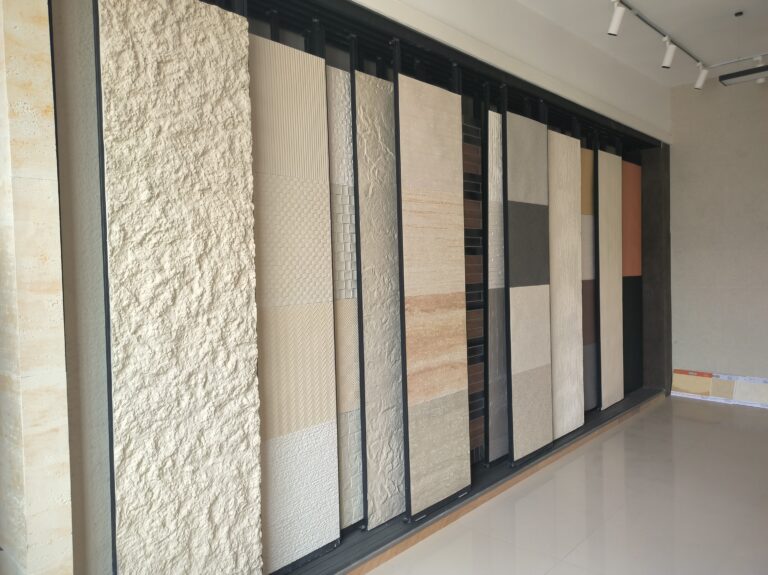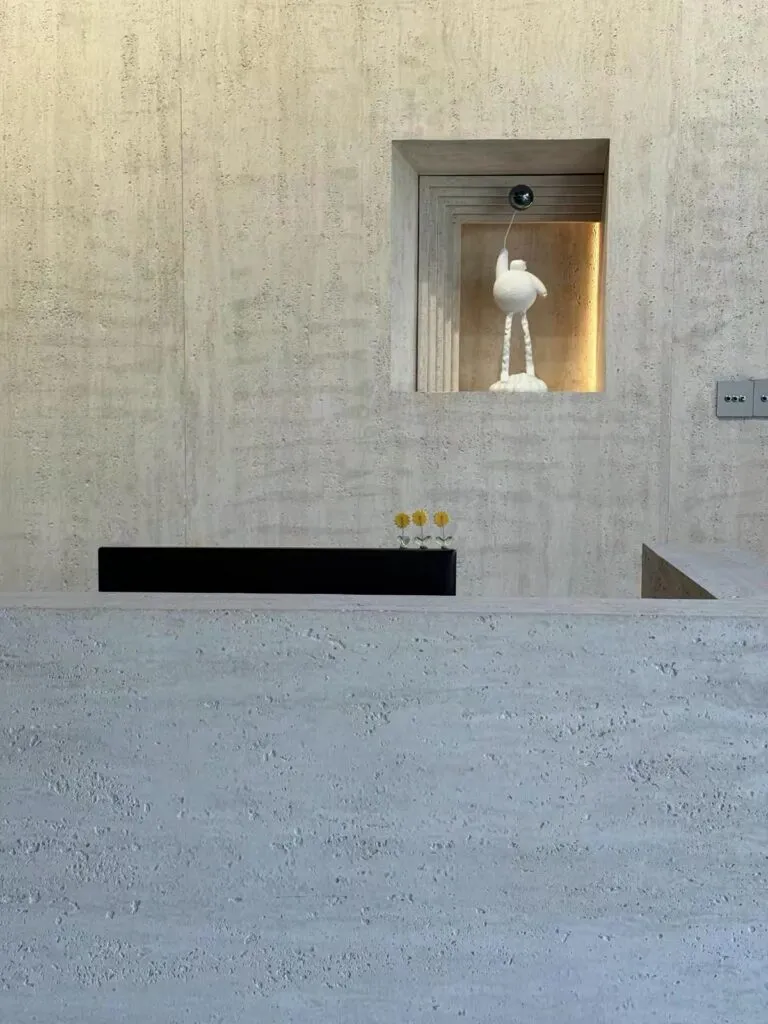
Le débat entre la pierre et le papier peint pour les espaces commerciaux luxueux est une décision qui impacte directement les budgets d'entretien à long terme et la satisfaction des clients. Les prescripteurs choisissent souvent le vinyle haut de gamme pour son attrait visuel initial, pour ensuite faire face à des coutures qui décollent, des dégâts d'humidité et des cycles de remplacement fréquents dans les zones à fort trafic comme les couloirs et les salles de bains.
Cet échec récurrent fait non seulement exploser les coûts opérationnels, mais sape également l'expérience premium qu'une marque promet, entraînant des immobilisations coûteuses des chambres et une atteinte à la réputation.
Cette comparaison propose une analyse technique destinée aux architectes, designers et gestionnaires de biens qui évaluent ces deux finitions. Nous dépasserons l'esthétique de surface pour analyser des indicateurs de performance critiques.
L'analyse se concentre sur la durabilité du matériau, la résistance à l'humidité dans les environnements humides, une comparaison réaliste des coûts sur le cycle de vie, et la différence tangible entre des motifs imprimés en 2D et la texture authentique de la pierre naturelle. Considérez cela comme une procédure standard pour spécifier une finition murale qui dure.

La perception du “Luxe” : Papier vs Pierre
Le marché des revêtements muraux premium définit désormais le luxe par l'authenticité du matériau et la performance à long terme, offrant à la pierre véritable un avantage décisif même face aux papiers peints imprimés les plus avancés.
Authenticité et Prestige
Les projets commerciaux et résidentiels haut de gamme utilisent de plus en plus la pierre pour signifier la pérennité et la qualité. Bien que les papiers peints premium se soient améliorés, ils restent fondamentalement des imitations imprimées. Les panneaux de pierre véritable, avec leurs motifs géologiques uniques, représentent un investissement significatif et une norme supérieure. Cet écart de perception s'élargit à mesure que les clients privilégient les matériaux offrant une authenticité réelle plutôt qu'une simple réplication.
- La pierre est le matériau de choix dans les projets premium pour communiquer le prestige et la valeur durable.
- La pierre flexible offre une surface naturelle et authentique, tandis que même les papiers peints les plus chers restent des répliques.
Valeur à Long Terme et Durabilité
La durée de vie supérieure de la pierre est un facteur clé de son statut luxueux. Dans les environnements exigeants sur le plan technique comme les hôtels, les halls commerciaux ou les maisons côtières, sa résistance à l'humidité et aux rayures en fait un investissement pratique à long terme. Les revêtements à base de papier ne peuvent simplement pas égaler la durabilité requise dans ces environnements à fort trafic ou humides, ce qui entraîne des cycles de remplacement plus fréquents et des coûts globaux plus élevés.
- Les panneaux en pierre ont une durée de vie typique de 15 à 20 ans, surpassant clairement le cycle de vie de 5 à 15 ans de la plupart des papiers peints.
- Sa résistance dans les environnements exigeants consolide sa position de matériau premium et fiable.
Expérience tactile et réalisme
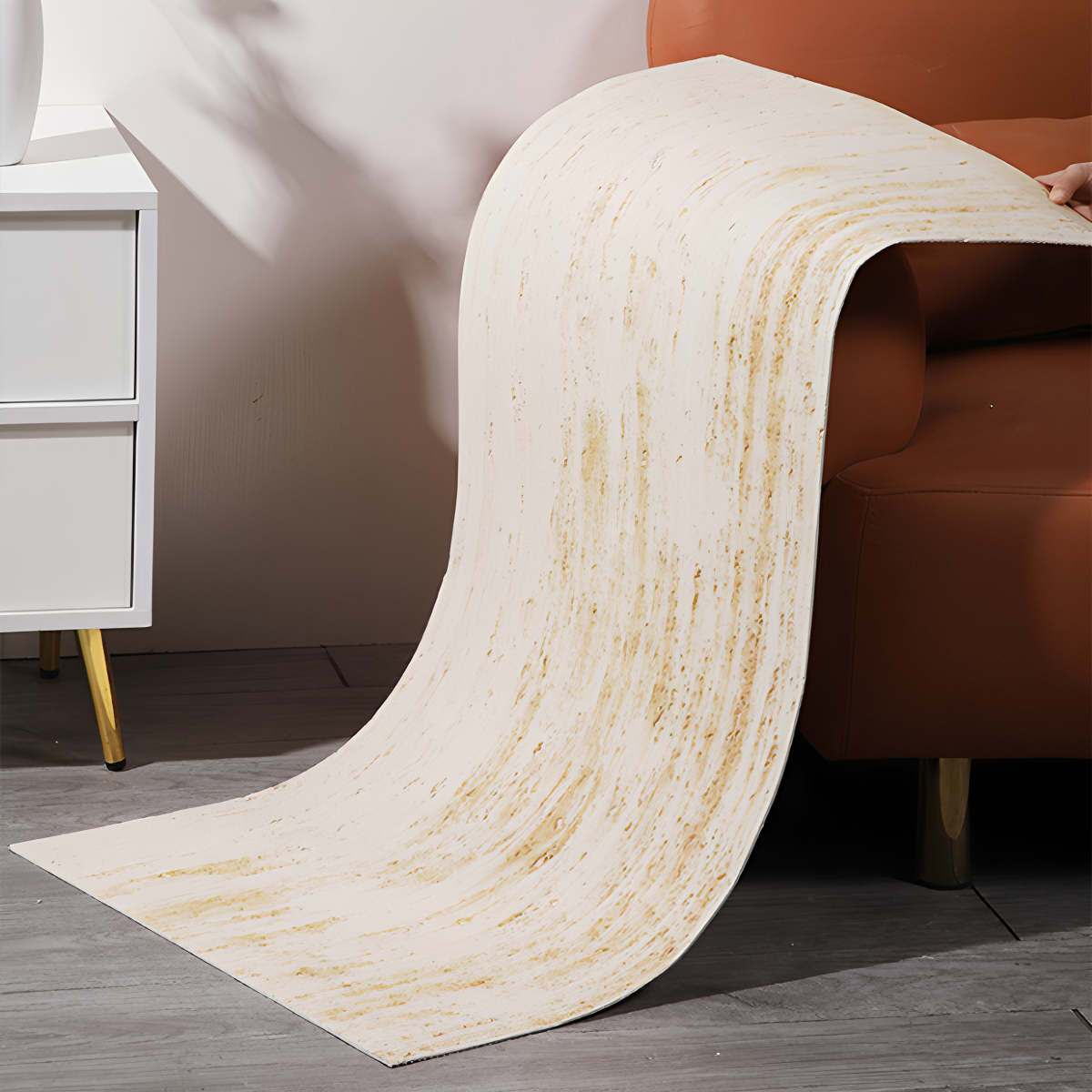
Le design de luxe évolue vers des matériaux offrant une véritable expérience tactile. La texture naturelle et la profondeur de la pierre créent une qualité sensorielle qu’une impression bidimensionnelle ne peut reproduire. Cette différence physique est un facteur majeur qui distingue les deux matériaux sur le marché haut de gamme. La technologie de la pierre flexible a rendu cette texture authentique accessible pour des projets qui auraient auparavant utilisé du papier peint pour sa flexibilité d’installation.
- Le marché montre une tendance claire vers l’authenticité tactile, qui favorise les matériaux naturels par rapport aux surfaces imprimées.
- La technologie de la pierre flexible offre cette texture authentique avec un profil d’installation qui concourt directement avec celui du papier peint.
Durabilité : joints décollés vs pierre sans couture
Le principal point faible du papier peint réside dans ses joints, sujets au décollement et aux dégâts d’humidité, alors que le parement en pierre flexible crée une surface continue et monolithique qui élimine complètement ces points de rupture structurelle.
Les faiblesses inhérentes du papier peint
Le papier peint traditionnel se définit par ses points de défaillance. Les joints où les feuilles se rejoignent sont la source de problèmes la plus courante, en particulier dans les environnements commerciaux ou à forte humidité. Avec le temps, l’adhésif se dégrade, entraînant un soulèvement, un décollement et une séparation qui dégradent l’apparence d’un espace. L’exposition à l’humidité accélère cette dégradation, provoquant des cloques et des dégâts permanents qui nécessitent un remplacement complet. Ce cycle d’usure et de réparation constitue un passif connu dans la gestion immobilière.
- Les joints finissent inévitablement par se séparer ou se soulever, en particulier dans les couloirs très fréquentés ou les environnements humides comme les salles de bains et les cuisines.
- L’exposition à l’humidité entraîne directement un décollement, des cloques et une délaminage du matériau.
- Les couleurs et motifs imprimés s’estompent sous l’exposition aux UV, ce qui exige un remplacement onéreux pour préserver l’intention de design originale.
L’avantage d’une surface en pierre sans couture
Les panneaux de pierre flexible, comme ceux de JMS Decor, sont conçus pour former une surface continue et solide. Cette conception élimine les points de défaillance inhérents au papier peint. Au lieu de multiples feuilles aux bords vulnérables, vous bénéficiez d’une revêtement mural monolithique qui se comporte comme une vraie pierre, car il est fabriqué à partir de poudre de pierre naturelle reconstituée. Cette approche offre une finition fondamentalement plus robuste et durable pour tout projet.
| Indicateur de durabilité | Papier peint classique | Placage en pierre flexible |
|---|---|---|
| Durée de vie estimée | 5 à 15 ans (nécessite des cycles de remplacement) | 15 à 20+ ans (installation unique) |
| Point de défaillance principal | Joints (décollement, dépelliculage, séparation) | Sans joint (surface monolithique) |
| Résistance à l'humidité | Faible (vulnérable aux cloques et aux dommages) | Élevée (imperméable, absorption <0,51 %) |
Valeur à long terme et entretien réduit
Le coût total de possession du papier peint est trompeusement élevé. Bien que le coût initial du matériau puisse sembler plus bas, sa durée de vie limitée impose des remplacements fréquents, ce qui multiplie les coûts de main-d'œuvre et de matériaux sur la durée de vie d'un bien. Le parement en pierre représente un investissement initial unique offrant un avenir prévisible et à faible entretien. Il est conçu pour résister à l'usure commerciale, protégeant les propriétaires immobiliers des coûts opérationnels récurrents liés au cycle de vie court du papier peint.
- Les panneaux en pierre s'installent une seule fois et nécessitent un entretien minime.
- Cette durabilité supprime les coûts récurrents de main-d'œuvre et de matériaux liés au remplacement du papier peint.
- La finition longue durée offre un meilleur retour sur investissement pour les projets commerciaux et résidentiels.
Obtenez un parement en pierre premium, entièrement personnalisable
Résistance à l'humidité dans les salles de bain
Dans les environnements très humides, le choix des matériaux détermine les performances à long terme. Le papier peint est une responsabilité d'entretien récurrente, tandis que la pierre flexible offre une solution permanente et étanche qui prévient la moisissure et la pourriture structurelle.
Faiblesse du papier peint face à la vapeur et à l'humidité
Le papier peint standard, notamment les options à base de papier, ne résiste pas aux environnements à forte humidité comme les salles de bain. Une exposition continue à la vapeur et aux projections d'eau entraîne l'absorption d'humidité par le matériau. Cela provoque des défaillances prévisibles qui dégradent son aspect et son intégrité. L'adhésif s'affaiblit avec le temps, provoquant le décollage des joints et le soulèvement des bords. L'humidité piégée derrière le papier cause également des cloques et une décoloration. Ces surfaces poreuses deviennent un terrain fertile pour les moisissures et le mildiou, quasi impossibles à éliminer entièrement.
Panneaux JMS Decor : Une Barrière Étanche Sans Joints
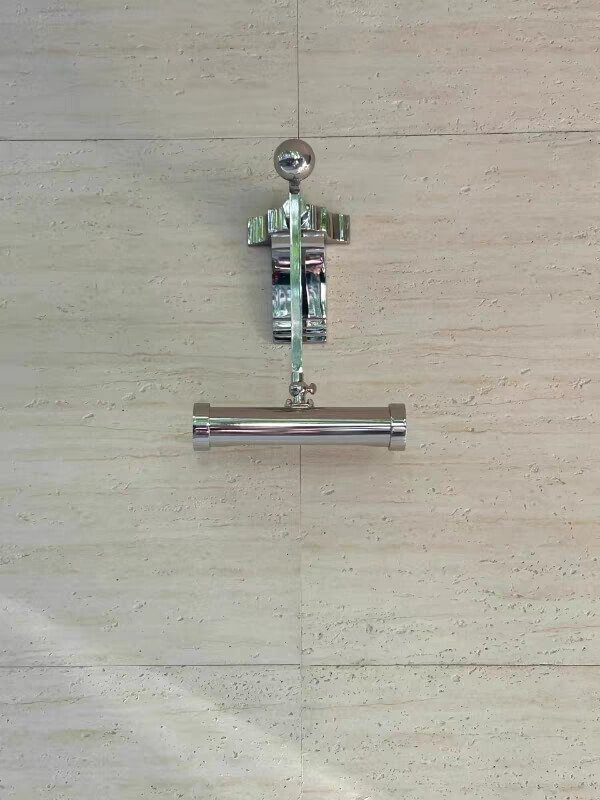
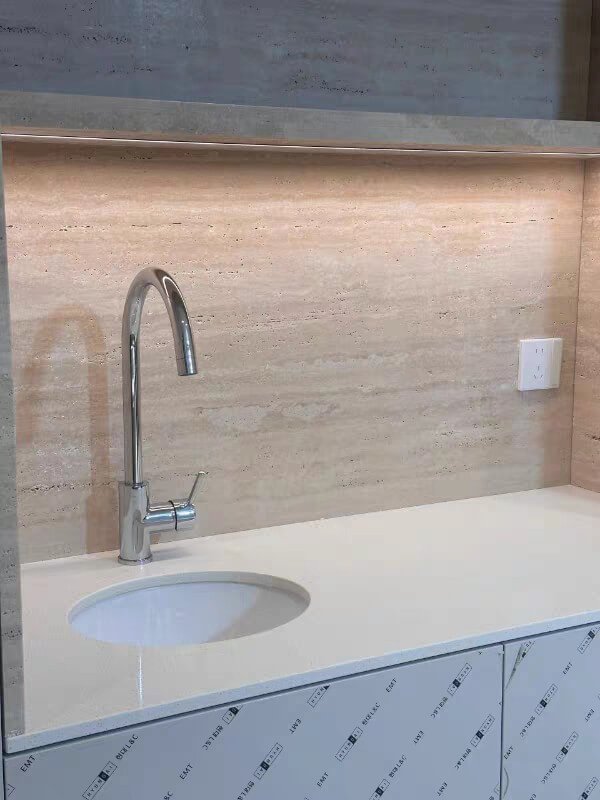
Les panneaux de pierre flexible JMS Decor sont conçus pour être étanches. Leur composition en Matériau Argileux Modifié (MCM) et leur installation sans joints créent une barrière protectrice qui empêche l'humidité d'atteindre la structure du mur. Le matériau pierreux est naturellement résistant à l'eau, avec un taux d'absorption inférieur à 0,51 TP3T. Les panneaux grand format présentant bien moins de joints que les rouleaux de papier peint, les points d'entrée de l'humidité sont minimisés, offrant un jointoiement plus fiable et durable.
| Mesure de la performance | Papier peint (standard et vinyle) | Panneaux en pierre flexible JMS |
|---|---|---|
| Résistance à l'eau | Faible à modérée (25-80 TP3T) ; absorbe l'humidité avec le temps. | Élevée (95 TP3T+) ; surface non poreuse repoussant l'eau. |
| Risque de moisissures et mildiou | Élevé ; l'humidité piégée sur le support poreux favorise leur développement. | Extrêmement faible ; la surface inorganique est hostile aux moisissures. |
| Point de défaillance principal | Défaillance de l'adhésif au niveau des joints, entraînant un délaminage et des cloques. | Aucun lié à l'humidité ; le matériau est stable et monolithique. |
| Durée de vie prévue (salle de bain) | 3 à 7 ans avant qu'un remplacement ne soit nécessaire. | 15 à 20+ ans, insensible à l'humidité. |
Risques à long terme : moisissures et dommages structurels
Utiliser le mauvais matériau dans une salle de bain crée plus d'un simple problème cosmétique. L'humidité piégée derrière les papiers peels qui s'écaille établit un terrain idéal pour la moisissure, ce qui compromet la qualité de l'air intérieur et peut entraîner des réparations structurelles coûteuses. Cette croissance fongique invisible peut dégrader le plâtre sous-jacent, nécessitant un remplacement complet. La surface inorganique des panneaux en pierre est inhospitalière à la moisissure et aux champignons. En choisissant une solution entièrement étanche dès le départ, vous prévenez l'ensemble du cycle d'écaillage, de piégeage de l'humidité et de croissance de moisissure avant même qu'il ne commence.
Comparaison des coûts (le papier peint haut de gamme est onéreux !)
Bien que le papier peint premium semble moins cher au départ, sa durée de vie limitée entraîne un coût total de possession plus élevé par rapport à l'investissement unique dans des panneaux en pierre durables.
L'attrait initial du papier peint haut de gamme repose souvent sur son coût d'installation apparemment inférieur. Cette perception, cependant, néglige la réalité financière à long terme. Le calcul du coût total de possession révèle une image différente, où la durabilité et la durée de vie dictent la véritable valeur d'un investissement dans les finitions murales.
Coût d'installation initial vs valeur à long terme
Le papier peint haut de gamme peut sembler un luxe abordable, avec des frais d'installation se situant généralement entre $3 et $5 par pied carré. Cela en fait une option attractive pour les projets aux budgets initiaux serrés. Mais cette économie à court terme disparaît lorsque l'on prend en compte la longévité. Les panneaux en pierre flexible de JMS Decor sont conçus pour une durée de service supérieure à 20 ans, transformant une dépense initiale plus élevée en une solution plus rentable sur la durée de vie d'un bâtiment en éliminant les cycles de remplacement fréquents.
Le facteur durée de vie : 5-15 ans vs 20+ ans
La durabilité est le principal moteur du coût à long terme. La plupart des papiers peints de luxe nécessitent un remplacement entre 5 et 15 ans en raison de la décoloration, de la décollage des joints ou simplement d'une sortie de tendance. Chaque cycle de remplacement entraîne de nouveaux coûts de matériel et de main-d'œuvre, qui s'accumulent considérablement sur deux décennies. En revanche, nos panneaux en pierre flexible constituent une installation unique conçue pour résister à l'usure et maintenir leur intégrité esthétique pendant des décennies, protégeant ainsi l'investissement initial et prévenant les dépenses récurrentes liées au papier peint.
| Métrique | Papier peint haut de gamme | Panneaux en pierre flexible JMS |
|---|---|---|
| Coût du matériau (par sq. ft.) | $10 – $25+ | $11 – $18 |
| Durée de vie typique | 5 – 15 ans | 20+ ans |
| Analyse des coûts sur 20 ans | Élevée (nécessite 1 à 3 cycles de remplacement) | Faible (coût d'installation et de matériaux ponctuel) |
Coût total de possession
Lorsqu'on analyse le cycle de vie complet, les panneaux de pierre flexible s'imposent comme le choix le plus économique. Le marché des finitions haut de gamme, commerciales et résidentielles, s'éloigne de la fixation sur le prix initial au profit de solutions durables offrant une stabilité financière prévisible. Avec des matériaux de papier peint premium atteignant $10 à plus de $25 par pied carré, opter pour une finition durable comme la pierre est un geste stratégique. Cela minimise les budgets de maintenance futurs et évite le processus perturbateur et coûteux du remplacement, ce qui se traduit par un investissement global nettement inférieur.
Profondeur de texture : impression 2D vs réalisme 3D
La différence fondamentale entre le papier peint et la pierre flexible ne réside pas uniquement dans l'aspect visuel ; elle tient à la profondeur texturale physique. L'un est une illusion imprimée, tandis que l'autre offre une surface tactile réelle de 3 à 5 mm qui interagit avec la lumière et le toucher, créant une expérience sensorielle authentique.
Sensation tactile authentique
Le papier peint propose une illusion imprimée de texture, mais il ne peut pas reproduire une surface véritablement tridimensionnelle. Les panneaux de pierre flexible de JMS Decor offrent une expérience tactile authentique que les impressions plates manquent simplement. La surface n'est pas seulement esthétique ; elle possède une profondeur texturale réelle comprise entre 2,5 mm et 5,0 mm. Cette profondeur physique crée des ombres et des reflets tangibles qui changent selon l'éclairage de la pièce, sollicitant les sens d'une manière qu'un motif 2D ne permet pas. Contrairement aux motifs répétitifs du papier peint, les variations naturelles de chaque panneau de pierre garantissent qu'aucune installation n'est identique à une autre, offrant une finition truly unique.
- Les panneaux de pierre flexible présentent une profondeur de texture naturelle de 3 à 5 mm, créant de vraies ombres et des reflets.
- Les papiers peints imprimés restent visuellement plats, dépourvus de la profondeur physique qui signe la qualité et l'authenticité.
- Les variations uniques de chaque panneau de pierre garantissent qu'aucune installation n'est identique, contrairement aux motifs répétitifs du papier peint.
Profondeur visuelle et attrait luxueux
La profondeur physique du parement en pierre produit un impact visuel haut de gamme qui met en valeur les caractéristiques architecturales. C'est pourquoi il est spécifié dans les projets commerciaux et résidentiels premium — il instaure un sentiment de permanence et de qualité qu'une fine feuille de papier ne peut offrir. Une surface en pierre texturée est idéale pour créer des murs d'accent et des installations phares qui deviennent des points focaux. Dans la vente au détail ou l'hôtellerie, cela se traduit directement par la création d'espaces “ instagrammables ” qui encouragent le partage sur les réseaux sociaux. La sensation robuste et authentique de la pierre est non négociable dans les designs de luxe où l'intégrité du matériau est primordiale.
- La texture véritable de la pierre est idéale pour créer des murs d'accent et des installations phares qui attirent l'attention.
- Les capacités d'impression 3D de JMS Decor permettent de créer des textures personnalisées imitant la pierre, le bois ou le métal, offrant un réalisme bien supérieur aux motifs 2D simples.
- L'aspect authentique et massif du parement en pierre est privilégié dans les designs de luxe où l'authenticité des matériaux est primordiale.


Durabilité à long terme et intégrité du matériau
La texture d'un panneau en pierre flexible n'est pas seulement un élément esthétique ; elle fait partie intégrante d'un matériau durable conçu pour durer. Alors que la texture du papier peint est souvent une fine couche gaufrée sujette à s'aplatir ou à s'abîmer, la texture d'un panneau en pierre est le matériau lui-même. Cette intégrité structurelle inhérente garantit qu'il conserve son apparence pendant des années, même dans les zones commerciales très fréquentées où le papier peint montrerait rapidement des signes d'usure. Contrairement aux revêtements imprimés qui peuvent se décoller au niveau des joints ou pâlir, la texture intégrée du parement en pierre est conçue pour la performance, avec une durée de vie estimée à plus de 15 ans.
- La texture intrinsèque du matériau contribue à sa durabilité à long terme, avec une durée de vie estimée à plus de 15 ans.
- Le papier peint est plus sujet au décollement des coutures et aux dommages de surface, nécessitant souvent des remplacements plus fréquents.
- La structure robuste de la pierre flexible la rend adaptée aux applications intérieures comme extérieures, prouvant sa résilience.
Conclusion
Lorsqu'on spécifie des finitions murales pour des espaces de luxe, le choix du matériau impacte à la fois l'esthétique et les performances à long terme. La pierre flexible offre une surface durable, sans joint et imperméable, qui évite le délitage et les dégâts d'humidité courants avec le papier peint vinyle dans les zones à fort trafic ou humides. Sa texture authentique offre une profondeur tangible que les motifs imprimés ne peuvent égaler, créant une impression de qualité plus convaincante et durable.
Si vous évaluez des matériaux pour un projet à venir, nous pouvons fournir des échantillons architecturaux et des données techniques pour soutenir votre processus de spécification. Notre équipe est disponible pour discuter des exigences spécifiques au projet pour des applications commerciales, d'hôtellerie ou résidentielles.
Questions fréquemment posées
Panneau de parement pierre vs papier peint ?
Le parement en pierre offre une durabilité supérieure, une durée de vie plus longue (15-20 ans) et une valeur perçue plus élevée par rapport au papier peint (durée de vie 5-15 ans). Dans les applications haut de gamme, la pierre naturelle est privilégiée pour son authenticité, ses motifs géologiques uniques et sa résistance accrue à l'humidité et aux rayures. Bien que les papiers peints de luxe puissent émuler des textures naturelles, ils restent considérés comme des imitations imprimées. Le parement en pierre, notamment les panneaux flexibles modernes, offre une finition permanente et de qualité investissement, tandis que le papier peint est souvent utilisé pour des designs plus temporaires ou budgétaires.
Alternative durable au papier peint ?
Une alternative hautement durable au papier peint est le parement en pierre flexible. Il surpasse nettement le papier peint traditionnel avec une durée de vie de 15-20 ans et une résistance supérieure à l'humidité et aux rayures. Cela en fait un revêtement mural idéal pour les environnements exigeants en termes de performance comme les hôtels, les espaces commerciaux et les propriétés côtières où la longévité et la résilience sont primordiales. Sa texture authentique et la permanence du matériau offrent une valeur à long terme que le papier peint ne peut égaler.
Revêtement mural texturé vs papier peint ?
La différence principale réside dans l'authenticité et les performances. Le papier peint texturé utilise des techniques d'impression ou de gaufrage pour émuler des matériaux naturels comme le cuir, le marbre ou la pierre. Bien qu'avancé, il reste une imitation. Un véritable revêtement mural texturé, tel que le parement en pierre flexible, offre une authenticité tactile réelle avec des motifs naturels uniques. De plus, les revêtements en pierre genuine offrent une durabilité, une résistance à l'humidité et une durée de vie substantiellement supérieures, les positionnant comme une finition premium et de qualité investissement par rapport au caractère plus décoratif et moins permanent des papiers peints texturés.
Finitions murales de luxe pour hôtels ?
Pour les hôtels de luxe, la finition murale privilégiée est la pierre véritable, notamment sous forme de panneaux de pierre flexible. Ce choix est motivé par la nécessité de matériaux qui dégagent un sentiment de prestige tout en offrant des performances exceptionnelles. La pierre répond à tous les critères : ses motifs naturels et uniques procurent une esthétique authentique haut de gamme ; sa durée de vie atteint 15 à 20 ans ; et elle offre une durabilité supérieure face aux rayures et à l'humidité, ce qui est crucial dans les environnements hôteliers très fréquentés. Ses avantages inhérents en matière de sécurité incendie en font également un choix supérieur aux revêtements à base de papier pour les applications commerciales.
Le placage en pierre est-il coûteux ?
Bien que le placage en pierre présente généralement un coût initial matière et installation plus élevé que celui du papier peint, il est considéré comme un investissement à long terme. Son prix reflète son statut de matériau premium et durable. La valeur se réalise sur toute sa durée de vie prolongée de 15 à 20+ ans, contre 5 à 15 ans pour la plupart des papiers peints. En prenant en compte sa durabilité supérieure, sa résistance aux dommages et ses besoins minimaux en maintenance, le coût total de possession du placage en pierre est souvent plus avantageable dans le temps, notamment dans les environnements commerciaux très fréquentés ou les résidences de luxe. Il s'agit d'un investissement dans la pérennité et la valeur patrimoniale plutôt que d'une dépense purement décorative et à court terme.