Effective office lobby design is the critical first step in securing a high-value client, often defining their perception of your firm’s credibility before a single handshake occurs. A generic reception area with standard paint and fixtures can create an immediate value gap, undermining the authority of a law firm or the innovation of a tech company. This subtle environmental failure forces your team to overcome a poor first impression, a risk that directly impacts sales cycles and talent acquisition.
This guide provides a technical framework for deploying a stone feature wall that aligns with your specific business vertical. We cover the material specifications for different corporate environments, from the polished marble suited for a law office to the textured slate for a tech startup. We’ll also detail the process for integrating company branding and digital displays, ensuring durability against courier traffic, and executing a weekend installation that eliminates operational downtime.
First Impressions: The ROI of a Lobby
In 2026, the office lobby is no longer a cost center but a strategic asset, directly impacting brand perception, client confidence, and talent retention with a measurable return on investment.
The Lobby as a Strategic Asset
Companies have stopped viewing their lobbies as simple waiting rooms. They are now treated as strategic investments with tangible returns. A well-designed entry space is a primary tool for strengthening brand identity and supporting core business goals. We now measure lobby ROI through concrete metrics like improved brand perception, client confidence surveys, and employee satisfaction scores. This approach merges aesthetics with function, converting a mandatory physical space into a productive corporate asset.
Enhancing Brand Perception and Client Trust
The lobby provides the first physical interaction a client has with your brand. Its materials, lighting, and layout create an immediate and lasting impression of professionalism and operational detail. Using high-quality finishes, like flexible stone panels, sends a clear signal of permanence and a commitment to quality. This thoughtfully designed entrance reinforces a client’s initial judgment, building a foundation of trust before any formal meeting even starts.
Supporting Talent Attraction and Retention
For current employees and potential hires, the lobby is a direct reflection of company culture. An inviting and modern entryway is a powerful tool for attracting top talent and contributes significantly to daily morale. A welcoming environment can reduce stress and improve the daily experience for the entire team. Job candidates see the lobby as a clear indicator of how a company invests in its workplace and its people.
Tech vs. Law: Choosing the Right Stone
A lobby’s wall material is a direct reflection of company culture, with tech firms requiring innovative, minimalist finishes and law firms needing traditional, authoritative stone aesthetics to project stability.
Tech’s Modern Aesthetic vs. Law’s Traditional Feel
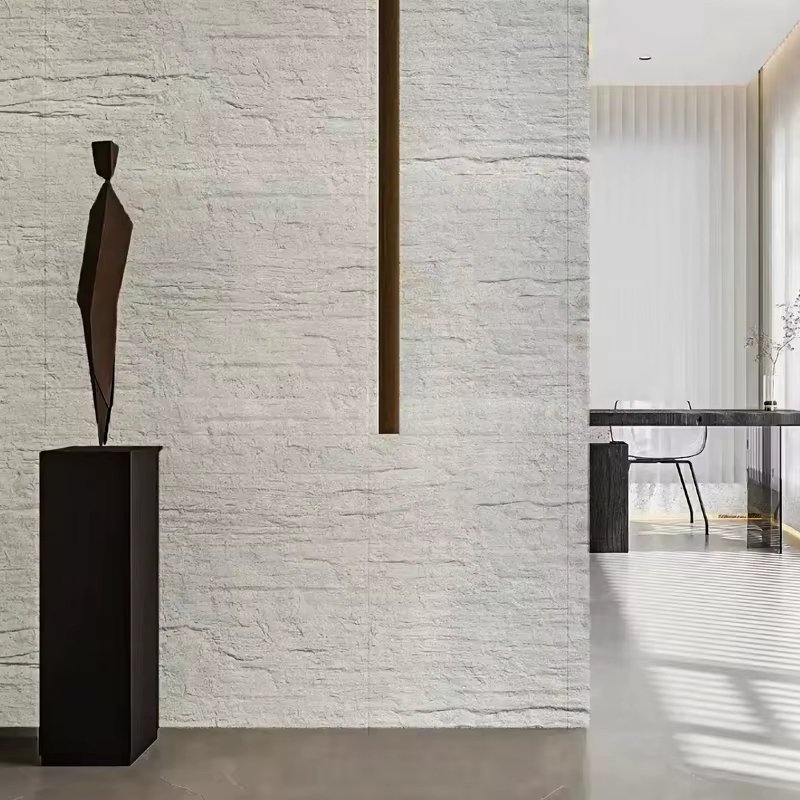
The choice of stone in a corporate lobby is a deliberate cultural signal. Tech offices often use their entryways to project innovation and agility, favoring sleek lines, custom patterns, and finishes that mimic industrial materials like concrete or light woods. For them, the lobby is a statement of forward-thinking design. In contrast, law firms use their lobbies to communicate stability, heritage, and unwavering authority. They have historically relied on heavy, classic materials like solid marble or slate to build client trust from the moment of entry.
Modern material science now allows for a single product to serve both identities. Flexible stone panels, made from modified clay and natural stone powder, can be manufactured to achieve the stark, minimalist look of a tech startup or the classic, veined appearance of a centuries-old law firm. This versatility gives architects and designers a tool to meet specific brand requirements without being limited by the physical constraints of traditional stone.
| Design Requirement | Tech Firm Preference | Law Firm Preference |
|---|---|---|
| Aesthetic Goal | Innovation, minimalism, forward-thinking | Stability, prestige, tradition |
| Material Texture | Sleek concrete, linear stone, custom 3D patterns | Classic marble, travertine, dark slate |
| Key Technical Advantage | Lightweight, flexible for curved walls, rapid install | Perceived permanence, durability, Class A2 fire rating |
Material Choices for Innovative Tech Spaces
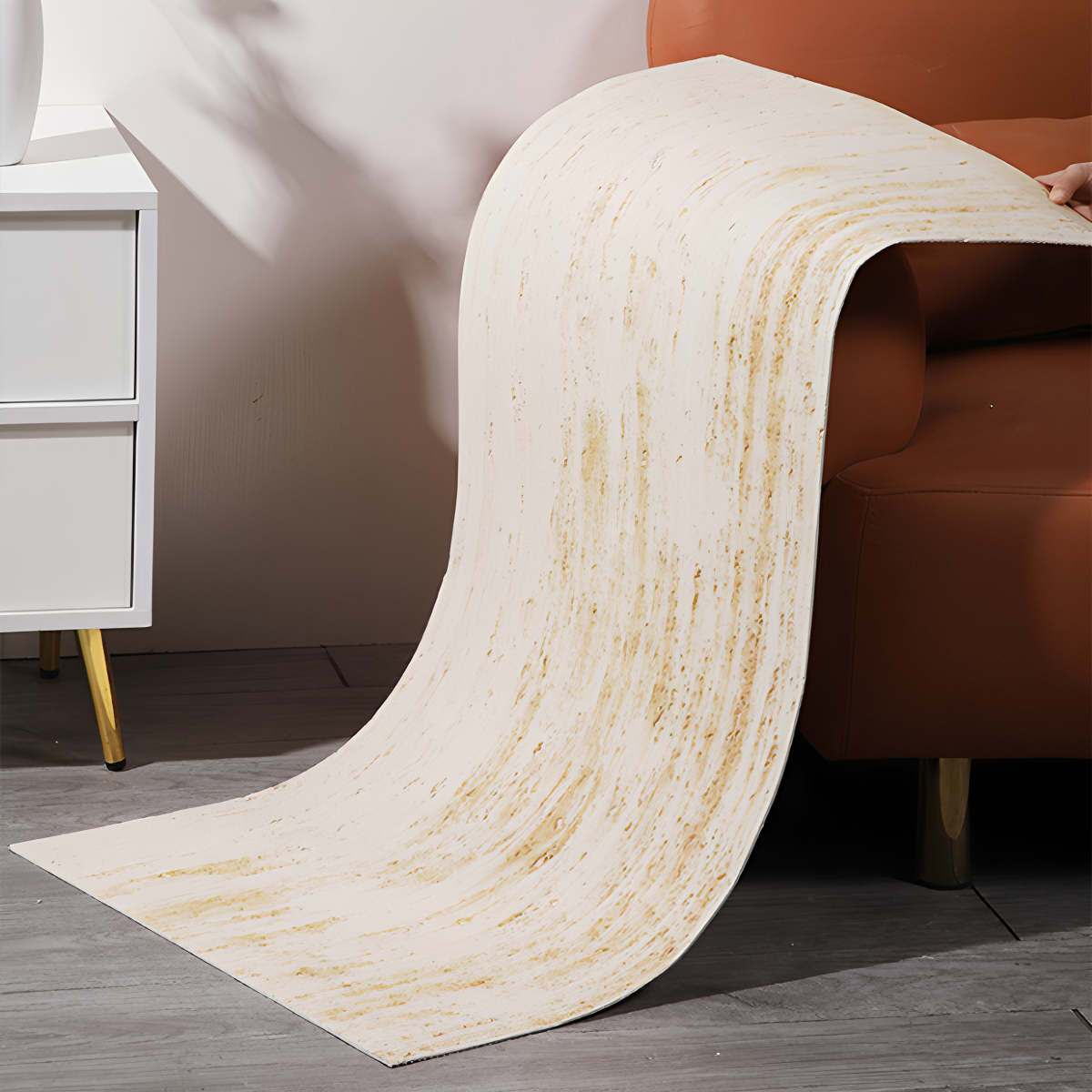
For a tech company, lobby materials must be as adaptive as their software. These offices often feature complex architectural elements like curved walls or large, unsupported feature walls that make traditional stone impractical. Flexible stone panels are engineered for these scenarios, capable of wrapping around columns and arches with a bending diameter of just 200mm. This allows for seamless, crack-free curves that are impossible to achieve with rigid slabs.
Customization is another critical factor. Using 3D printing surface technology, textures can be fully customized to match brand identity, from minimalist concrete finishes to intricate linear patterns. These lightweight panels (averaging 3.5 – 6.0 kg/m²) also reduce the structural load on modern, open-plan buildings, simplifying engineering requirements and installation logistics.
Stone Selections for Authoritative Law Offices
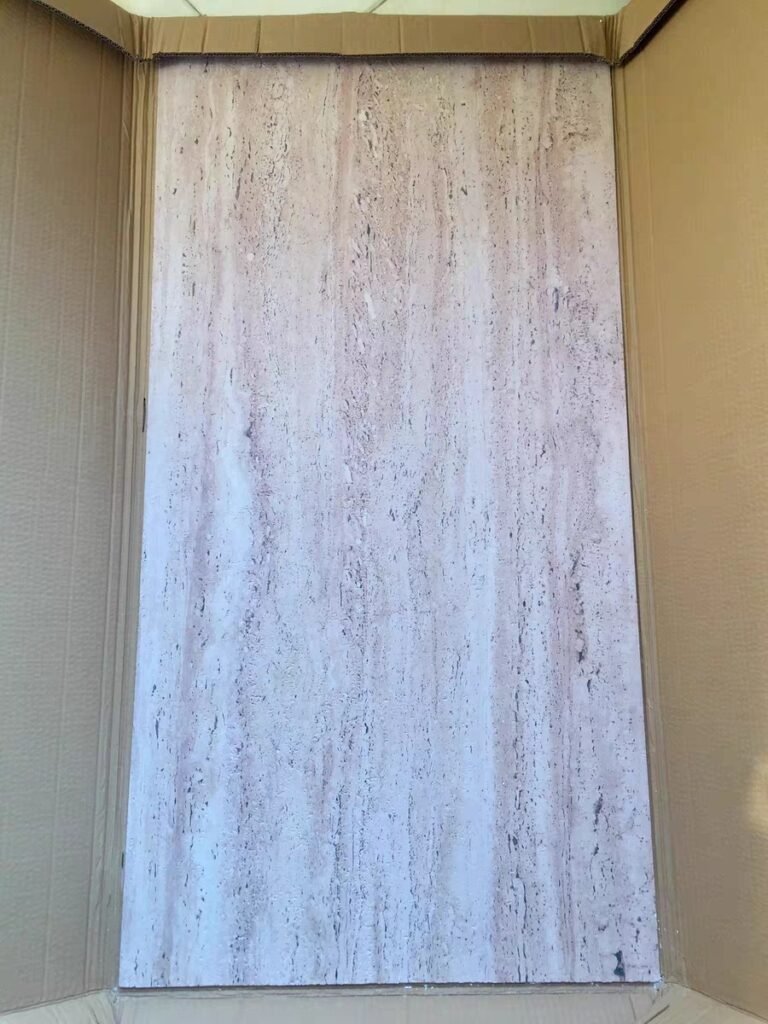
Law firms must project an image of permanence and trust. While solid marble achieves this, it comes with extreme weight, high cost, and complex installation. Flexible stone panels provide the same luxurious aesthetic—replicating popular options like Travertine or Slate—at just one-sixth the weight of traditional stone. This makes it possible to specify a high-end stone look in buildings where structural load-bearing capacity is a concern.
Beyond aesthetics, the material must perform. A law office lobby is a high-traffic zone that demands durable, low-maintenance surfaces. These panels are scratch-resistant, waterproof, and easy to clean. Most importantly, they meet the strict building codes required for commercial legal offices with a Class A2 non-combustible fire rating, a non-negotiable specification for any contractor or architect working on these projects.
Laissez libre cours à votre créativité grâce à la pierre flexible
Integrating Logos & Digital Screens
A successful modern lobby doesn’t just hang a screen on a wall; it fuses digital content with architectural materials to create a single, cohesive brand experience.
The era of the standalone digital sign is over. Today’s premier corporate lobbies integrate technology directly into the building’s structure. This approach moves beyond simple information display and transforms walls into dynamic, brand-reinforcing assets. When the physical materials and the digital content work together, the result is an environment that feels intentional, premium, and immersive.
Seamless Design Integration
Modern lobbies merge digital screens with architectural elements to create a unified, high-end environment. Instead of appearing as a separate, competing element, displays should look like a natural part of the wall. Using flexible materials like our MCM stone panels allows designers to build custom surrounds that frame digital displays perfectly. This technique eliminates awkward gaps and ensures the screen’s housing matches the texture and color of the surrounding wall, enhancing the overall aesthetic rather than disrupting it.
| Integration Feature | Traditional Materials (Drywall, Paint) | MCM Flexible Stone Panels |
|---|---|---|
| Screen Surrounds | Requires complex framing and finishing; often results in a visible, separate border around the screen. | Easily cut and shaped to create a seamless, integrated frame. The panel becomes the bezel. |
| Brand Cohesion | Limited to painted colors, which can clash with the premium feel of a high-resolution display. | Natural stone textures (Travertine, Concrete) complement on-screen visuals, reinforcing a high-end brand image. |
| Curved Applications | Impractical or impossible for wrapping curved walls or columns with integrated screens. | Bendable nature allows for clean integration on non-flat surfaces like pillars and archways. |
Strategic Content Alignment
The information shown on screens should directly support the building’s identity and the brand message. A wall finished in a high-end Travertine texture shouldn’t display low-resolution, generic content. The visual quality of the content must match the premium quality of the materials surrounding it. This approach turns passive signage into an active experience that reinforces brand identity, engages tenants, and justifies the investment in both the technology and the architectural finishes.
- Blend brand storytelling with practical information like news, weather, or tenant directories.
- Curate professional, high-definition content that reflects the quality of the surrounding wall materials.
- Use IoT capabilities to dynamically adjust content for specific events, visitors, or times of day.
Smart Placement in High-Traffic Zones
Placing technology and key branding elements in high-traffic areas ensures maximum visibility and engagement. The primary goal is to direct attention naturally toward the brand message and essential information. By integrating screens and logos into feature walls at reception areas or near elevator banks, you create focal points that guide the visitor experience. This proactive design drives brand recall and improves how people navigate and interact with the space.
Durability for Courier/Delivery Traffic
Lobby walls in high-traffic commercial buildings require the same level of durability as the floors. Frequent impacts from carts and packages demand a surface engineered for resilience, not just aesthetics.
High-Traffic Walls: Beyond Just Floors
Lobby walls and corridors often bear the brunt of courier carts, packages, and constant movement. While flooring gets most of the attention, these vertical surfaces are consistently scraped, scuffed, and impacted. Traditional paint or fragile finishes quickly show wear and degrade a building’s professional image. Flexible stone panels provide a resilient, scratch-resistant surface specifically engineered to protect these high-impact zones. They absorb and distribute force, protecting the underlying wall structure from damage while maintaining a clean look despite frequent activity.
Material Resilience Against Wear and Cleaning
Materials in delivery areas must withstand physical contact and frequent, aggressive cleaning. JMS Decor’s Modified Clay Material (MCM) panels are built for this demanding environment. Their non-porous surface is waterproof and easy to wipe down, resisting stains from grime or spills. This durability extends to chemical resistance, holding up against commercial-grade cleaning agents without degrading, fading, or losing texture.
- The waterproof surface is easy to wipe down, resisting stains and grime.
- Holds up against commercial-grade cleaning agents without degrading or fading.
- Offers a Class A2 fire resistance rating, enhancing safety in commercial lobbies and corridors.
Maintaining a Professional Look Long-Term
A worn-out, damaged delivery area negatively impacts a building’s first impression. Flexible stone delivers the high-end aesthetic of natural stone with the endurance required for constant use. Unlike traditional tile or heavy stone slabs that can chip or crack under impact, these panels flex to absorb blows. This resilience provides a cost-effective, long-term solution by minimizing the need for constant repairs, repainting, or replacements, ensuring the space remains presentable for years.
Fast Weekend Install (No disruption)
A lobby renovation that completes between Friday evening and Monday morning means zero operational downtime, protecting revenue and client experience.
Lightweight Panels for Faster Handling
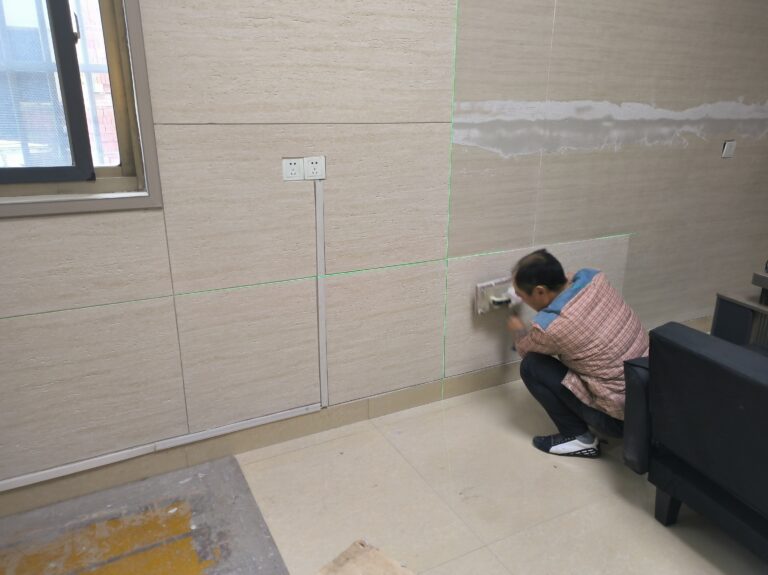
Our flexible stone panels are engineered for rapid installation, driven by their exceptionally low weight. This design eliminates the need for heavy lifting equipment or large crews, making it possible for a small team to complete a project within a tight weekend timeframe. The material’s properties directly contribute to a faster, more efficient workflow compared to traditional stone or tile.
- Flexible stone panels weigh only 3.5–6.0 kg per square meter, about one-sixth the weight of traditional stone, making them easy for installers to carry, position, and mount.
- The reduced weight minimizes the need for extensive structural wall preparation, saving significant time and labor costs.
- Easy handling allows a small crew to cover large wall surfaces much faster than they could with heavy, rigid slabs.
Simplified Installation Methods
The installation system is designed for speed and simplicity. It uses common tools and materials, which gets rid of the messy, time-consuming steps of traditional cladding. This straightforward approach is critical for minimizing on-site disruption in an active commercial environment.
- Panels are cut with a standard utility knife and attach directly to surfaces with structural adhesive or tile glue, avoiding slow and dusty mortar work.
- The process generates minimal dust and almost no noise, keeping the workspace clean and allowing other business activities to continue nearby if necessary.
- Many projects involve a “zero-demolition renovation” where panels are applied directly over existing tiles or walls, saving immense time and cleanup costs.


Project Planning for Zero Business Interruption
We work with contractors and facility managers to schedule installations during off-peak hours, typically over a weekend or overnight. The speed of the system ensures the entire project is finished before business resumes, guaranteeing no loss of operational time or revenue.
- A standard lobby renovation, from prep to final cleanup, can be completed within a 48-hour weekend window.
- The materials do not require long curing times, so the space is ready for full use immediately after the installation is finished on Sunday evening.
- Our logistics support ensures all materials are on-site and ready before the installation window opens, preventing delays and ensuring the project stays on its tight schedule.
Conclusion
Your office lobby is the first physical touchpoint for clients, setting the tone for your brand and business. A flexible stone feature wall provides the premium look of natural stone while meeting the practical demands of a corporate environment, from durability against high traffic to fast, disruption-free installation. This approach ensures your entrance makes a lasting impression that reflects professionalism and quality.
If you are planning to update your office entrance, our team can provide texture samples that align with your brand identity. Contact us to discuss your project needs and explore material options.
Questions fréquemment posées
Office lobby wall design?
Effective office lobby wall design integrates brand identity with a welcoming atmosphere. Key strategies include incorporating biophilic elements like living walls or natural materials such as wood and stone to reduce stress. Another approach is using large-scale graphics or murals that display company values or history. For a modern feel, integrated digital displays can show dynamic content, while well-placed architectural lighting can highlight textures and create a sophisticated ambiance.
Corporate reception feature wall?
A corporate reception feature wall should act as a strong focal point that communicates brand prestige. High-impact options include dimensional walls made of geometric wood slats or acoustic felt panels, which add texture and improve sound quality. For a luxury statement, backlit panels of marble, onyx, or resin are highly effective. Integrating a company logo in premium materials like brushed metal, laser-cut acrylic, or recessed LED lighting ensures the brand is presented professionally and memorably.
Modern office entrance ideas?
Modern office entrances prioritize a seamless, tech-integrated, and comfortable experience over a traditional formal reception. Key ideas include self-service check-in kiosks to improve efficiency, and open, lounge-style seating with integrated charging ports. Smart lighting that adjusts to natural daylight and biophilic elements like interior gardens enhance the atmosphere. The design should be minimalist and uncluttered, using a clean color palette and high-quality materials to create a sophisticated and forward-thinking first impression.
Professional backdrop for office?
A professional backdrop, often used for video conferencing or behind a reception desk, should be clean, well-lit, and non-distracting. Excellent options include a custom-built bookshelf with curated, brand-aligned decor or a simple wall with a subtly placed 3D logo. Acoustic paneling made of felt or fabric not only provides a textured, modern look but also improves sound quality in the space. The key is to avoid visual clutter while reinforcing a professional brand image through intentional design and good lighting.
Durable wall covering for office?
For high-traffic office areas, the most durable wall coverings are commercial-grade materials designed to resist wear and tear. Type II Vinyl Wallcovering is an industry standard, offering excellent resistance to scuffs, stains, and moisture, making it easy to clean. For a more modern aesthetic, architectural panels made from high-pressure laminate (HPL), wood veneer, or metal are extremely robust. Additionally, acoustic felt panels are highly durable and offer the dual benefit of sound absorption.