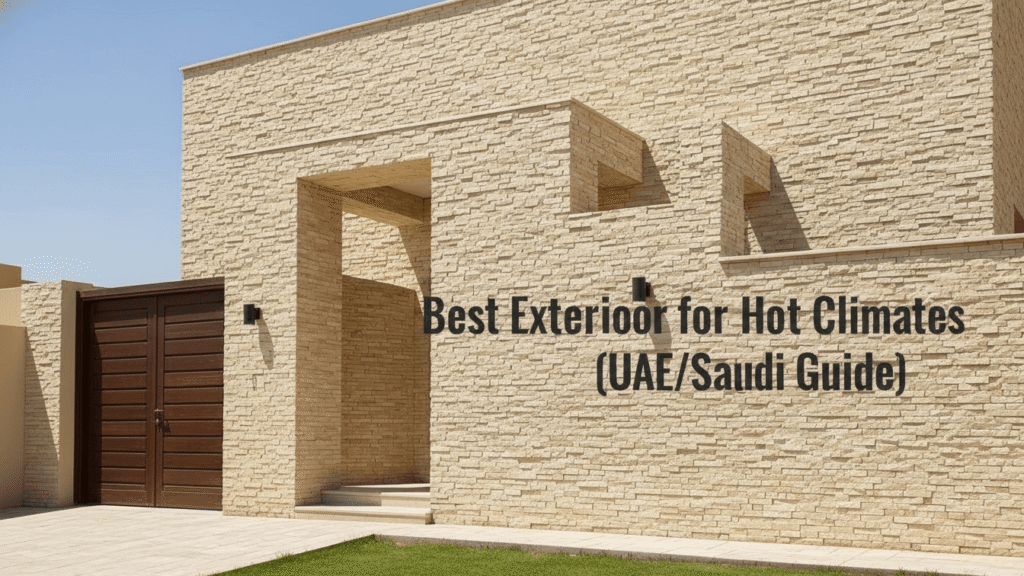
Specifying the correct Hot Climate Cladding is the primary defense against facade failure in the UAE and Saudi Arabia. Common materials, particularly vinyl and plastic composites, frequently warp or fade under intense UV exposure, triggering expensive warranty claims and degrading a project’s long-term asset value.
This analysis evaluates materials based on critical performance data for one finished projects. We compare options on thermal stability against warping, UV resistance against fading, and surface hardness for sandstorm abrasion, providing a clear framework for protecting your development’s structural integrity and reputation.
The Challenge of High UV & Heat (+50°C)
In environments with extreme heat and UV exposure, many cladding materials fail by fading, warping, or cracking under the stress. Our Flexible Stone is engineered for these exact conditions. Its climate-adaptive Modified Clay Material (MCM) composition resists UV degradation and maintains structural integrity in high-heat regions like the Middle East, ensuring long-term durability and aesthetic stability.
UV Degradation and Color Fading
Constant exposure to intense sunlight breaks down the pigments in many exterior finishes, causing them to fade and look worn. This degradation compromises the building’s aesthetic and can lead to costly replacement cycles. Our panels are made from natural stone powder fused with specialized polymers, a formulation that is inherently UV resistant. This ensures colors remain stable and textures do not degrade, even in markets with relentless sun exposure. For our B2B partners, this means a reliable finish that protects their project’s value and reduces long-term maintenance claims.
Material Warping and Structural Strain
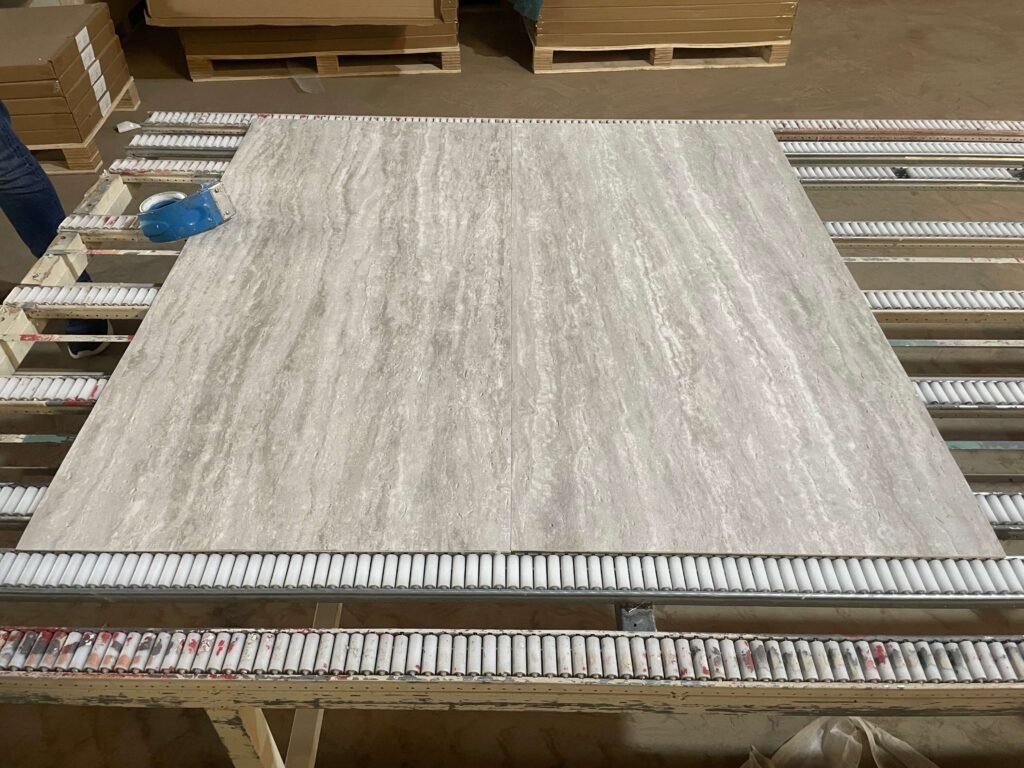
Extreme temperature swings force materials to expand and contract, which can lead to warping, buckling, and cracking. Plastic or vinyl-based products are especially vulnerable to this kind of deformation. Our product is different; it’s not plastic or vinyl. The core Modified Clay Material (MCM) provides superior dimensional stability, resisting the structural strain caused by daily heat cycles. This climate-adaptive performance prevents the panel from deforming or cracking, ensuring the integrity of the building facade and eliminating the risk of costly repairs for contractors and developers.
Heat Absorption and Building Overheating
Dark, dense facade materials can absorb and trap solar heat, increasing the thermal load on a building and driving up cooling costs for the owner. While our primary strength is durability, the material composition also offers functional benefits. Our panels are breathable, allowing the wall system to manage moisture and avoid trapping heat and humidity. This feature contributes to a healthier, more stable building envelope. For projects in high-heat zones, selecting lighter finishes from our “Naturals” series, like Travertine or Sandstone, can further help reduce surface heat absorption and contribute to lower operational energy costs.
PVC/Vinyl Distortion Risks
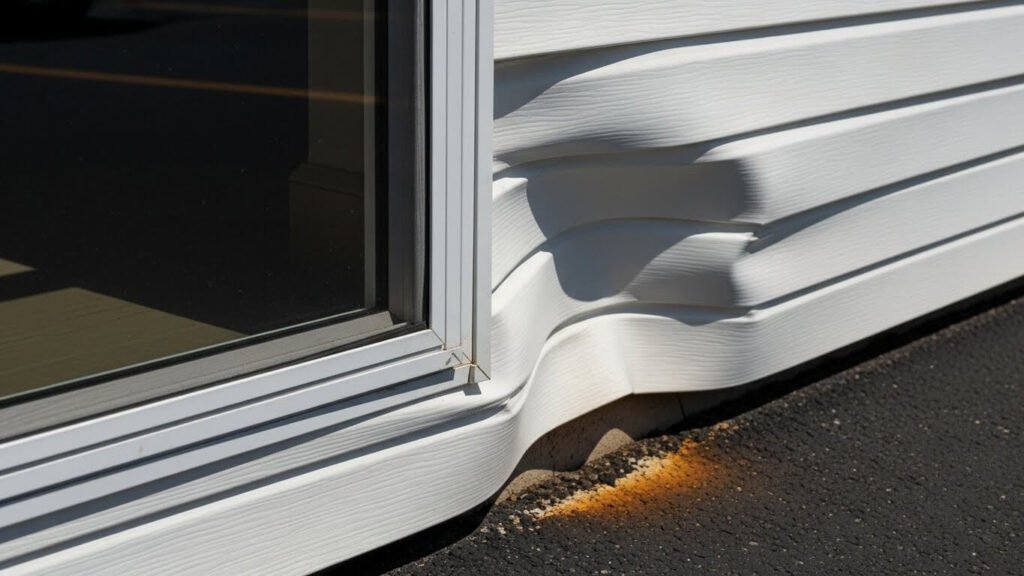
PVC and vinyl siding face significant durability challenges in hot climates. They can begin to warp at temperatures as low as 165°F (74°C), a problem intensified by reflected heat from windows and pavement. Improper installation, where panels are fastened too tightly, often prevents natural expansion and leads directly to buckling and permanent damage.
Low Temperature Thresholds
Vinyl siding’s performance is limited by a low heat tolerance. It can start to soften and distort at around 165°F (74°C), a temperature easily reached on a building’s surface in hot climates. This heat damage is cumulative, meaning repeated daily sun exposure gradually degrades the material’s integrity over time. In contrast, our flexible stone is engineered for extreme weather. It is built to withstand the high heat common in regions like the Middle East without warping, fading, or becoming brittle, ensuring long-term structural stability.
Heat Accumulation from Multiple Sources
The risk to vinyl siding extends beyond direct sunlight. Reflected heat from windows, asphalt, or even swimming pools can concentrate intense energy onto the panels, pushing temperatures well past their failure point. Architectural designs with inside corners are particularly vulnerable, as they can trap solar radiation and accelerate material damage. Our modified clay material is designed for this reality. Its composition ensures it remains stable and structurally sound even when exposed to these concentrated heat loads, making it a reliable choice for complex projects in sunny environments.
Installation and Material Quality Factors
Vinyl’s high rate of thermal expansion demands careful installation, which is often difficult to execute correctly. If panels are fastened too tightly, they cannot expand and contract naturally, causing stress that leads to buckling and warping. Poor ventilation behind the siding also traps hot air, increasing the risk of deformation. Our system is far more forgiving. Because our flexible stone has minimal thermal expansion and is installed with a simple direct adhesion method, it avoids these common installation pitfalls. This results in a more durable, “Climate-Adaptive” facade with a much lower risk of failure.
Rehaussez vos créations grâce à des placages en pierre personnalisables
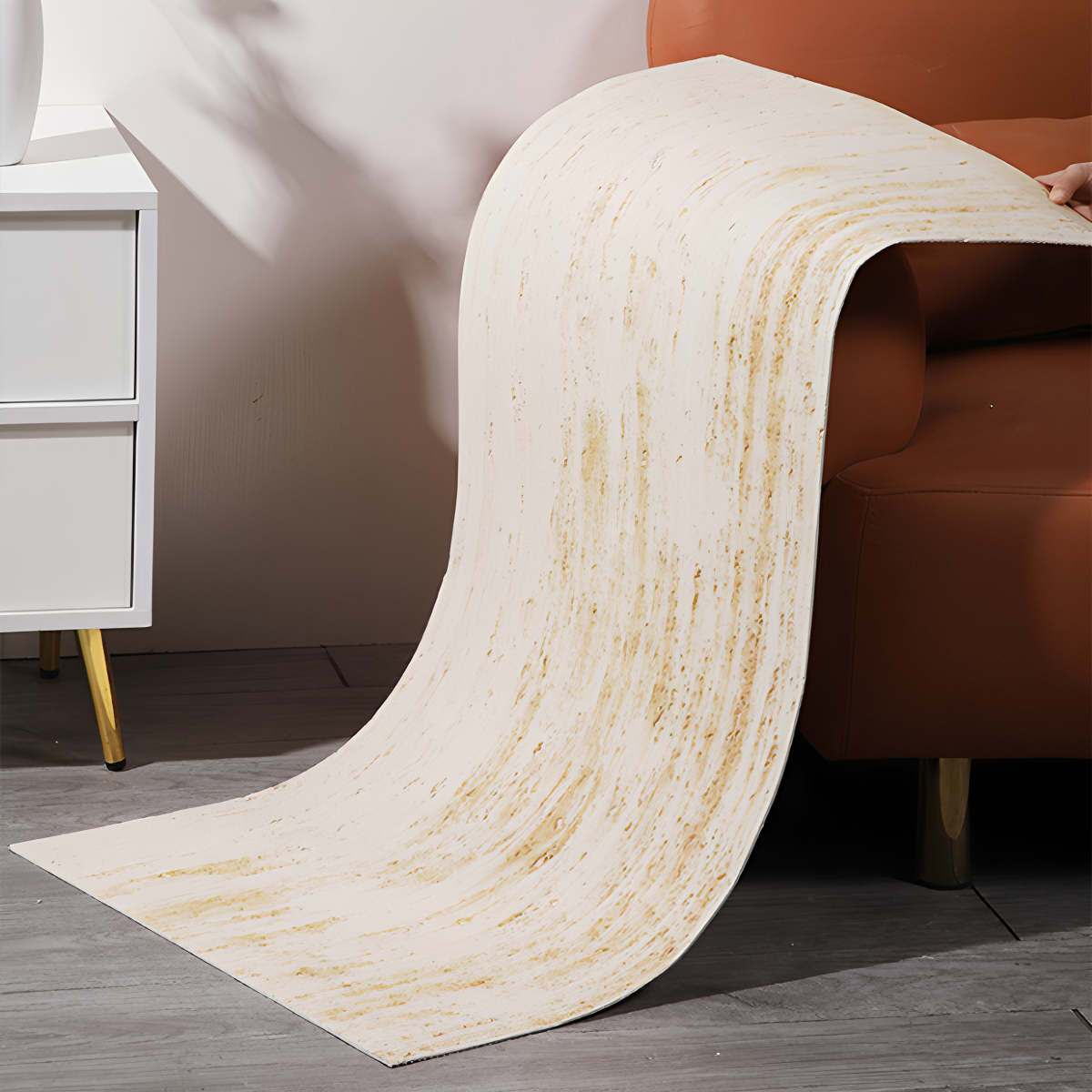
Thermal Expansion: Stone vs. Plastic
When selecting exterior cladding, thermal expansion is a critical factor for long-term durability. Plastic-based panels expand and contract significantly with temperature changes, often leading to warping and buckling. Our flexible stone, composed of natural stone powder, maintains its dimensional stability in extreme climates, preventing the distortion issues common with plastic alternatives.
High Expansion Rates in Plastic Cladding
Plastic cladding materials expand substantially when heated, reportedly 6 to 10 times more than metals. This high rate of thermal movement creates significant challenges for contractors and property owners. For instance, a single 3-meter strip of common plastic like HDPE can expand by 9mm with only a 15°C temperature increase. Over a large façade, this cumulative expansion leads to visible warping, buckling, and unsightly gaps in the cladding system, resulting in potential water ingress and costly repairs.
Dimensional Stability of Stone-Based Materials
Materials based on natural stone powder, like our MCM Flexible Stone, offer superior dimensional stability in fluctuating temperatures. Our product isn’t plastic; it is reconstructed natural stone powder fused with specialized polymers for flexibility. We engineered it to be climate-adaptive, proven to perform in extreme conditions from the high heat of the Middle East to the deep freeze cycles of Russia and Canada (-40°C). This inherent stability prevents the cracking, distortion, and buckling that plague plastic-based alternatives, ensuring a durable, long-lasting façade with minimal maintenance for your clients.
Sandstorm Resistance (Abrasion)
Our flexible stone panels are engineered to withstand abrasive wear from sandstorms. The core material is reconstructed natural stone powder, which gives the surface the inherent hardness and scratch-resistance of stone. This design protects building façades from the constant “sandblasting” effect common in harsh desert climates, ensuring long-term durability and finish retention.
The Nature of Abrasive Wear on Façades
In regions prone to sandstorms, building exteriors face a unique challenge. High-velocity winds carry fine particles that constantly impact the surface, creating an effect similar to industrial sandblasting. This continuous abrasive action can quickly erode softer materials, strip away protective coatings, and dull the aesthetic finish of a façade over time. To maintain a building’s value and appearance in these environments, cladding materials must have high surface hardness and strong internal binding agents to resist this relentless wear.

Our Material Composition for Durability
We designed our panels specifically to counter these conditions. The primary ingredient is natural stone powder fused with specialized polymers for flexibility. This composition gives the panel’s surface the authentic hardness and durability of stone. It creates a robust, scratch-resistant finish that effectively withstands the erosive forces of wind-blown sand. Our system is engineered and proven for extreme weather, making it a reliable solution for projects in demanding climates like the Middle East where sandstorms are a frequent concern.
Case Study: Villa in Riyadh
For a villa in Riyadh facing extreme heat over 44°C and intense UV exposure, we supplied our climate-adaptive Flexible Stone. The material’s proven UV resistance and thermal stability prevent fading and cracking, while its lightweight nature (only 3.5-6.0 kg/m²) added no significant structural load. The result is a durable, low-maintenance façade that withstands the harsh climate and reduces long-term repair costs.
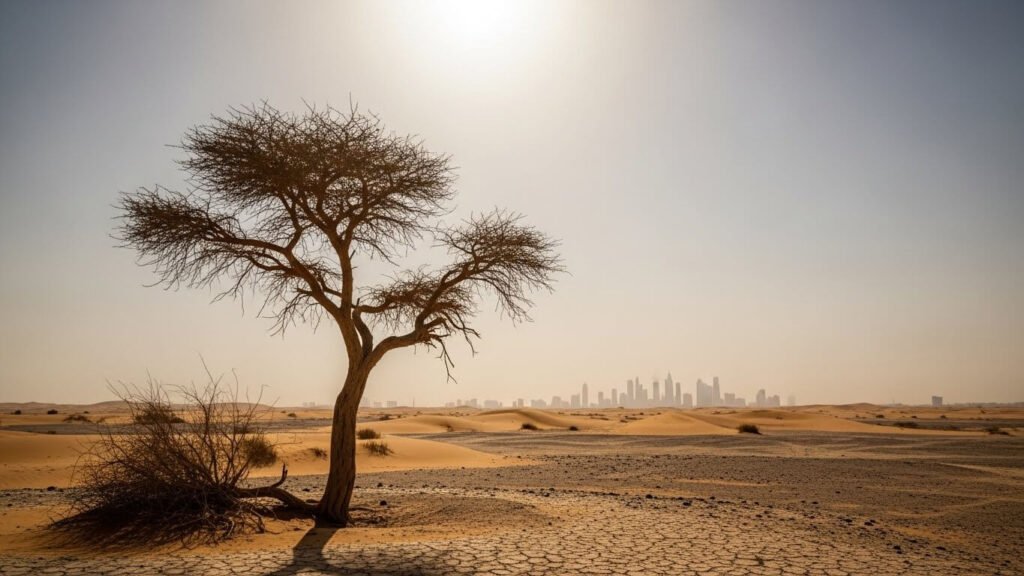
Project Context: Extreme Climate Demands
The primary challenge was selecting an exterior cladding that could endure Riyadh’s climate, where summer temperatures regularly exceed 44°C. Constant and intense UV radiation places significant stress on building materials, often causing color fading, brittleness, and distortion. Local building performance studies confirm the need for robust exterior materials to improve thermal efficiency and reduce the heavy reliance on continuous air conditioning.
Solution: Climate-Adaptive Flexible Stone Façade
Our Flexible Stone was selected for its proven performance in high-heat environments. The material is engineered to be UV-resistant and remain stable in extreme temperatures, which prevents the cracking or discoloration common with other materials. Its lightweight nature, at just 3.5 to 6.0 kg/m², was ideal for the villa’s structure. This “Load-Bearing Free” characteristic meant it could be applied without requiring any significant structural reinforcement, simplifying the installation process.
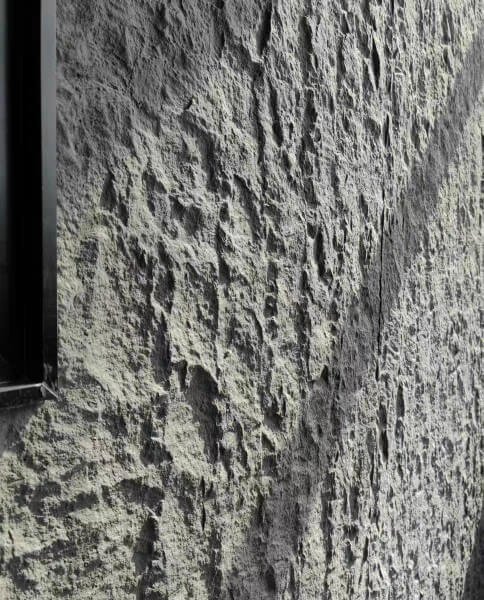
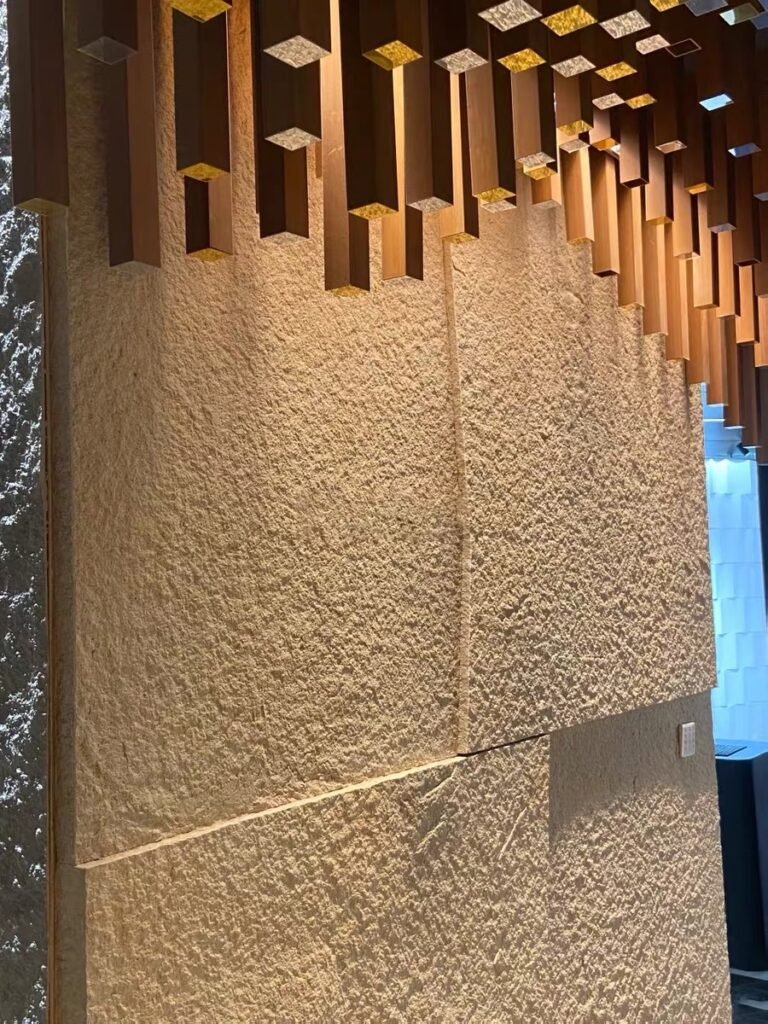
Performance Outcome: Durability and Low Maintenance
The finished façade maintains its aesthetic integrity without fading or structural warping, directly addressing the project’s climate challenges. The material’s inherent scratch and abrasion resistance also provides a durable advantage against the sandstorms common in the region. The project achieved a long-lasting exterior finish, significantly reducing future maintenance costs for the owner by eliminating the need for repainting or repairing sun-damaged materials.
Conclusion
While generic plastic panels offer lower upfront costs, they introduce significant project risk in climates exceeding 50°C. Their poor thermal stability leads directly to warping and fading, creating costly repair claims that damage a developer’s reputation. Opting for a climate-adaptive material like our MCM Flexible Stone is the only way to ensure façade integrity and protect your asset’s long-term value.
Don’t base your specification on data sheets alone—verify the performance firsthand. We recommend requesting our Middle East sample kit to test the material’s durability and premium finish. Our technical team is ready to provide project-specific quotes and logistics plans for your next development.
Questions fréquemment posées
What are the most critical factors for exterior cladding in extremely hot climates?
For high-heat areas like the Middle East, performance centers on UV resistance and moisture management. Our flexible stone is engineered to be highly UV resistant, which prevents the material from fading, warping, or becoming brittle under constant sun. It’s also breathable, allowing the wall structure to release trapped moisture vapor. This “breathing” capability is essential for preventing mold and structural decay in humid conditions.
Are plastic-based panels suitable for regions with intense sun and heat?
Standard plastic and vinyl panels carry a high risk of warping and fading in hot climates, as they can begin to distort at temperatures around 70°C (160°F). Our material is not plastic; it is a mineral-based composite of modified clay (MCM) and natural stone powder. This composition provides superior thermal stability, ensuring it maintains its structural integrity and color without cracking or becoming brittle, even in the most intense desert sun.
How does this cladding system deal with humidity and potential moisture issues?
Our system offers two layers of moisture protection. First, it is breathable, allowing water vapor from inside the wall to escape, which is critical for preventing mold growth. Second, the panels themselves are waterproof with a water absorption rate of less than 0.5%, protecting the structure from external rain and humidity. This dual-action approach makes it highly effective for coastal and tropical climates with high salt and moisture levels.
Is professional installation always necessary?
While we recommend certified installers for large-scale projects to ensure warranty compliance, our material is designed to be extremely contractor-friendly. It weighs only 1/6th as much as traditional stone, can be cut with a utility knife, and creates no dust or noise. For renovations, it can be applied directly over old tiles or existing walls, which eliminates demolition costs and allows businesses like hotels and retail stores to remain open during the upgrade (“Zero-Demolition Renovation”).
What are the best exterior cladding materials for hot climates?
For hot climates like the Middle East, materials must have excellent UV stability and heat resistance. While traditional stone and porcelain are good options, they are heavy and costly to ship and install. Our flexible stone panels are specifically engineered for these environments. Made from natural stone powder, they offer the same durability and UV resistance as traditional stone but are only 1/6th the weight. This reduces structural load and shipping costs. Plus, they carry a Class A2 fire rating, ensuring safety for large-scale commercial and residential projects.
Can vinyl siding melt in extremely hot weather?
Yes, standard vinyl siding can warp or distort at temperatures around 71-74°C (160-165°F), a real risk in sunny climates, especially from sunlight reflected off windows. Our product is completely different. It is not plastic and not vinyl. Our panels are made from modified clay and natural stone powder, fused with polymers for flexibility. This composition is designed for high-heat stability, so it will not warp, melt, or become brittle under intense sun exposure.
Why is stone a recommended material for desert climates?
Traditional stone is valued in deserts for its durability against UV radiation and abrasion from sand. It also has high thermal mass to help regulate building temperatures. We took these benefits and engineered them into a more practical solution. Our flexible stone veneer provides the same excellent UV and scratch resistance but is extremely lightweight—only 1/6th the weight of solid stone. This makes it a “logistics-friendly” alternative that dramatically cuts shipping costs and eliminates the need for heavy structural support, which is a major advantage for renovation projects.
Do UV-resistant stone claddings fade over time?
While many exterior materials can show some color changes, our panels are engineered for long-term color stability. The pigments and UV-resistant compounds are integrated directly into the material during production, not just applied as a surface coating. This ensures the panels are anti-aging, non-fading, and will not become brittle, even after years of exposure in high-sunshine regions. Your project’s appearance is protected for the long haul.
 French
  English
  Spanish
  Arabic
  German