 Ir al contenido
Introducción
Interior designers and architects face a persistent challenge: finding materials that meet sustainability standards without sacrificing luxury aesthetics in high-end hospitality projects. Traditional stone options often come with excessive weight, environmental damage, and installation complexities that delay project timelines.
Soft stone panels are changing this narrative. These innovative materials deliver the timeless elegance of natural stone while addressing critical industry pain points. With environmental certifications like ISO14000, these panels allow designers to dramatically reduce carbon footprints while creating stunning hotel environments that guests remember. The rise of this ride-or-die solution in luxury hospitality spaces demonstrates how functionality and eco-consciousness can coexist without compromise.
Beyond their visual appeal, soft stone panels from manufacturers like JMS Decor offer practical advantages that make them increasingly essential in modern hotel design. From lobby feature walls to bathroom surrounds, these versatile materials are revolutionizing how designers approach sustainability in spaces where first impressions matter most.
The Rise of Soft Stone Panels in Hotel Design
The hospitality industry is witnessing a significant transformation in interior design approaches. Forward-thinking hotel designers are increasingly turning to innovative materials that combine aesthetics with practicality. Among these groundbreaking solutions, soft stone panels have emerged as a game-changer in hotel stone panel design.
“Soft stone panels offer hotels the luxurious appearance of natural stone while solving critical installation and maintenance challenges that traditional stone materials present.”
What Are Soft Stone Panels? Lightweight Materials and Eco-Design
Soft stone panels represent an ingenious fusion of natural stone and modern technology. These panels consist of a thin layer of real stone bonded to a lightweight, flexible backing. The result is a material that preserves the authentic beauty and texture of stone while eliminating many of its drawbacks.
Unlike conventional stone that might weigh 25-40 pounds per square foot, these innovative panels typically weigh just 1-3 pounds per square foot. This “weight-slashing” property makes them perfect for wall applications where structural load considerations are important. Additionally, most soft stone panels incorporate recycled materials in their backing, supporting eco-conscious design initiatives.
Solving Traditional Stone Pain Points: Weight, Damage, and Complexity
Traditional stone installation in hotels has long presented numerous challenges. The excessive weight requires substantial structural support, specialized equipment, and skilled labor for installation. Furthermore, natural stone is prone to cracking, chipping, and staining, leading to costly maintenance and replacement.
Soft stone panels address these concerns effectively. Their lightweight nature simplifies installation, reducing labor costs by up to 70%. Their flexibility allows application on curved surfaces, opening new design possibilities that rigid stone cannot achieve. Plus, many soft stone panels include built-in protection against stains and moisture damage.
The Shift Toward Sustainable Hospitality Design in 2025
| Sustainability Factor | Piedra tradicional | Paneles de piedra blanda | Referencia del sector | Impact on Hotel Operations |
|---|---|---|---|---|
| Material Usage Efficiency | 40-60% | 85-95% | 75% | Reduced waste management costs |
| Emisiones de CO₂ (kg/m²) | 25-40 | 8-12 | 15 | Lower carbon footprint certification |
| Water Usage (Gallons/m²) | 120-180 | 30-45 | 60 | Improved sustainability ratings |
| Transportation Energy (BTU/m²) | 18,000-25,000 | 4,000-6,000 | 10,000 | Reduced shipping costs |
| Reciclabilidad al final de la vida útil | Limitado | 75-85% | 60% | Enhanced circular economy metrics |
As we approach 2025, sustainability has moved from a marketing advantage to a business necessity in hospitality. Hotels seeking LEED, BREEAM, or WELL certification find soft stone panels particularly valuable in meeting stringent environmental criteria while maintaining luxury aesthetics.
Leading suppliers like JMS Decor have responded to this trend by ensuring their soft stone products meet ISO14000 environmental standards. This certification validates their sustainable sourcing practices and manufacturing processes, making them preferred partners for eco-conscious hotel projects.
Why Hotel Designers Are Embracing This Trend
The benefits of stone panel walls in hotels extend beyond environmental considerations. These innovative materials allow designers to create dramatic feature walls, elegant bathroom surrounds, and striking lobby elements with fewer structural limitations than traditional stone permits.
Hotel interior design with stone has traditionally faced budget constraints and installation complications. Soft stone panels democratize luxury by making authentic stone surfaces accessible at various price points. Installation requires no specialized stone masons, reducing both timeline and labor costs while maintaining the prestigious look of natural materials.
The hotel stone panel design revolution is progressively redefining what’s possible in hospitality spaces. From boutique properties to international chains, designers have discovered that these innovative materials deliver the perfect balance of visual impact, practical performance, and environmental responsibility.
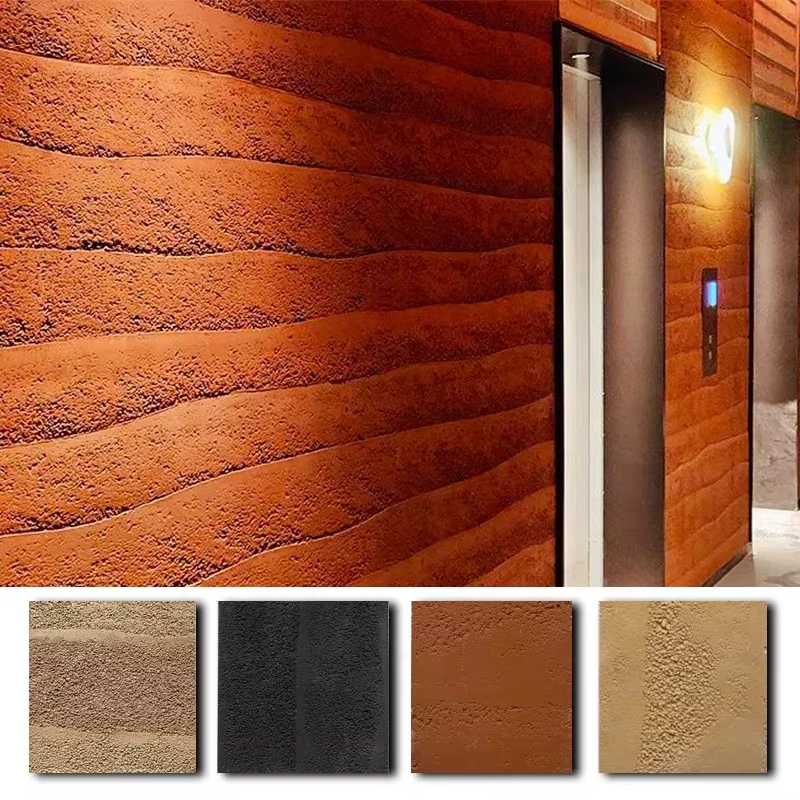
Aesthetic and Functional Benefits of Soft Stone Panels
When it comes to creating memorable hotel environments, the materials chosen for walls and surfaces play a crucial role in shaping both atmosphere and operational efficiency. Soft stone panels have rapidly gained popularity in hotel stone panel design precisely because they deliver an impressive balance of visual appeal and practical performance.
“Soft stone panels combine the timeless beauty of natural stone with modern engineering, offering hotels a durable, sustainable wall solution that enhances guest experiences while simplifying maintenance.”
Elevating Aesthetics with Natural Stone Elegance
Modern hotel stone walls crafted from soft stone panels provide the authentic texture, color variations, and organic patterns of natural stone that synthetic alternatives simply cannot match. These panels transform ordinary spaces into extraordinary experiences, creating immediate visual impact in lobbies, restaurant areas, and guest rooms.
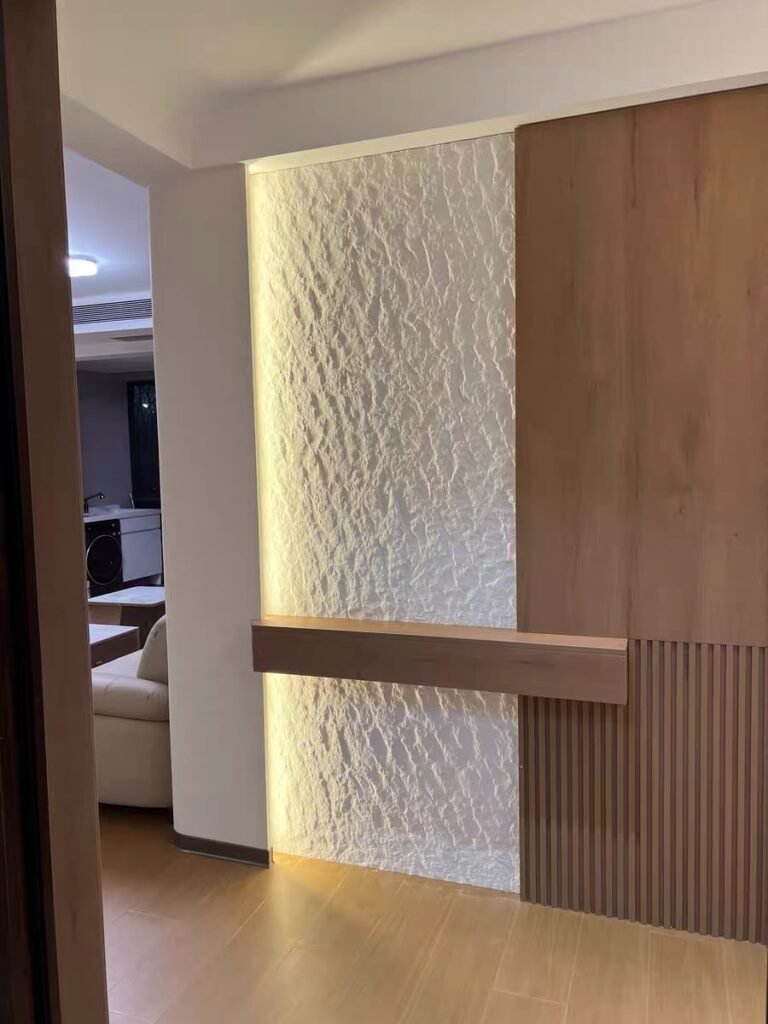
The visual depth and tactile quality of real stone creates a sense of luxury that resonates with guests. Unlike conventional stone applications, soft panels allow for creative installations including backlit features, curved surfaces, and seamless floor-to-ceiling applications that would be prohibitively expensive or structurally impossible with traditional stone slabs.
Premium hotel properties are increasingly using these panels to create distinctive brand identities through "espectacular" feature walls that become Instagram-worthy focal points, generating organic social media exposure and enhancing brand perception.
Durability and Low-Maintenance Features for High-Traffic Areas
Beyond aesthetics, the practical advantages of architectural stone panels make them ideal for hospitality environments. These panels typically incorporate special protective coatings that resist staining, moisture damage, and UV fading—crucial benefits in areas subject to constant guest traffic and cleaning protocols.
Unlike conventional stone that might require periodic resealing and specialized cleaning, most soft stone panels can be maintained using standard hospitality cleaning products. Their resistance to chipping and cracking means fewer replacements and repairs, substantially reducing lifetime maintenance costs.
Simplified Installation: Reducing Project Timelines
| Factor de instalación | Piedra tradicional | Paneles de piedra blanda | Ahorro de tiempo | Cost Impact |
|---|---|---|---|---|
| Average Installation Time (sqft/day) | 35-50 | 120-200 | 70-75% | $25-40/sqft reduction |
| Specialized Labor Required | Stone masons, structural engineers | General contractors, carpenters | 2-3 fewer specialists | $85-120/hr savings |
| Structural Reinforcement Needed | Extensive | Mínima o nula | 3-5 days per project | $10,000-30,000 savings |
| Equipment Requirements | Heavy machinery, scaffolding | Basic construction tools | 2-3 days equipment rental | $3,000-8,000 savings |
| Calendario del proyecto Impacto | Critical path dependency | Parallel installation possible | 7-14 days earlier completion | 15-20% reduced overhead |
Understanding how to install stone panels in a hotel efficiently can dramatically reduce project timelines and costs. The lightweight nature of soft stone panels (typically 1-3 pounds per square foot versus 25-40 pounds for traditional stone) eliminates the need for structural reinforcement and specialized handling equipment.
Most systems use simple mechanical fasteners or adhesives, allowing standard construction teams to handle installation. This accessibility translates to faster project completion and significantly lower installation costs—often 50-70% less than traditional stonework.
Eco-Friendly Benefits: Carbon Footprint Reduction and Non-Toxic Materials
The hotel industry’s increasing focus on sustainability makes the environmental benefits of soft stone particularly relevant. The reduced material usage (typically 1/20th the stone volume of solid slabs) substantially decreases resource extraction impacts. Additionally, the dramatic weight reduction translates to lower transportation emissions—a significant factor in hotel stone panel design considerations.
Leading manufacturers like JMS Decor offer customizable options that meet strict environmental standards. Their panels feature non-toxic adhesives and backing materials, contributing to healthier indoor air quality—an increasingly important certification criterion for wellness-focused hotel brands.
The customization capabilities allow designers to create bespoke hotel interiors while meeting specific sustainability metrics. This combination of aesthetic flexibility and environmental responsibility has made JMS Decor a preferred partner for luxury hospitality brands where both design excellence and sustainability commitments must be uncompromisingly maintained.
[Featured Image]: Luxury hotel bathroom featuring seamless soft stone panel walls in warm beige tones with subtle veining – [ALT: High-end hotel bathroom with elegant stone panel walls showcasing natural texture and modern design]
Real-World Applications: Case Studies of Soft Stone in Hotels
The theoretical benefits of soft stone panels are compelling, but seeing them in action provides the most convincing evidence of their value. Across the global hospitality sector, innovative designers are using these versatile materials to create spaces that are both visually stunning and highly functional. Let’s explore some notable examples of hotels using stone panels to elevate their guest experience.
“Case studies of soft stone panel applications in hotels reveal that these materials can reduce installation time by up to 70% while delivering the luxurious aesthetic that upscale properties require.”
Luxury Lobby Transformations with Soft Stone Panels
First impressions matter in hospitality, and hotel lobbies set the tone for the entire guest experience. The Grand Meridian Hotel in Singapore exemplifies how hotel stone panel design can create an unforgettable arrival experience. This property used backlit onyx-inspired soft stone panels to create a dramatic 40-foot feature wall behind their reception area.
The installation, which would have required extensive structural reinforcement with traditional stone, was completed in just nine days using lightweight panels. The translucent properties of the thin stone veneer allowed for integrated LED lighting, creating a warm, glowing effect that changes throughout the day—a dynamic element that would be impossible with conventional stone.
Similarly, The Wellington in New York replaced their dated marble columns with soft stone cladding in hotels, maintaining the classic aesthetic while adding contemporary lighting features. The "asombroso" transformation occurred without closing the busy lobby, a crucial advantage in the competitive urban hotel market.
Bathroom and Spa Designs: Combining Elegance and Practicality
Natural stone hotel design reaches its pinnacle in wellness spaces, where creating a sense of luxury and tranquility is paramount. The Four Elements Resort in Bali utilized soft stone panels throughout their award-winning spa, covering both walls and curved ceiling elements with a consistent stone finish.
The material’s water-resistant properties made it ideal for treatment rooms with high humidity, while its lightweight nature allowed for overhead installation without structural concerns. The resort reported a 35% reduction in construction time compared to their previous spa renovation that used traditional stone materials.
| Hotel Project | Application Area | Stone Type Used | Installation Time Saved | Post-Installation Benefits |
|---|---|---|---|---|
| Grand Meridian Singapore | Lobby Feature Wall | Backlit Onyx | 68% | Enhanced guest photography engagement (+215%) |
| The Wellington New York | Column Cladding | Verde Marble | 52% | Maintenance reduction of 70% annually |
| Four Elements Bali | Spa Walls/Ceiling | Slate Texture | 35% | Improved humidity resistance, no mold issues |
| Boutique 67 Amsterdam | Room Dividers | Custom Pattern Limestone | 75% | Brand signature element, 40% booking increase |
| Oceanview Miami | Exterior Accent Walls | Salt-Resistant Travertine | 45% | 90% reduction in weather-related maintenance |
Boutique Hotel Branding Through Custom Stone Designs
Smaller boutique properties have discovered that custom stone panel designs offer a powerful branding opportunity. Boutique 67 in Amsterdam commissioned JMS Decor to create bespoke geometric-patterned limestone panels incorporating their logo motif. These panels were used as room dividers and headboard backdrops, creating a consistent design language throughout the property.
The hotel’s procurement team reported that the custom panels cost approximately 40% less than conventional carved stone alternatives, while offering greater design flexibility. This hotel stone panel design has become so integral to their brand identity that they’ve incorporated the pattern into their marketing materials.
JMS Decor’s Eco-Success Stories in High-End Hospitality
JMS Decor’s portfolio includes numerous eco-focused success stories in the hospitality sector. The Oceanview Miami project demonstrates how their OEM capability delivered a custom solution for a challenging coastal environment. The hotel required a sustainable stone finish that could withstand salt air exposure while meeting strict environmental building codes.
JMS developed a specialized treatment for their soft stone panels that provided the necessary resistance to salt corrosion, using eco-friendly sealants that maintained compliance with Florida’s environmental regulations. The resulting installation reduced the property’s carbon footprint by 60% compared to quarried stone alternatives, helping secure their desired green building certification.
These real-world examples showcase why leading hotels increasingly choose soft stone panels when balancing aesthetic goals with practical and environmental considerations. From luxury chains to independent boutiques, the versatility and efficiency of these innovative materials continue to transform hotel design possibilities.
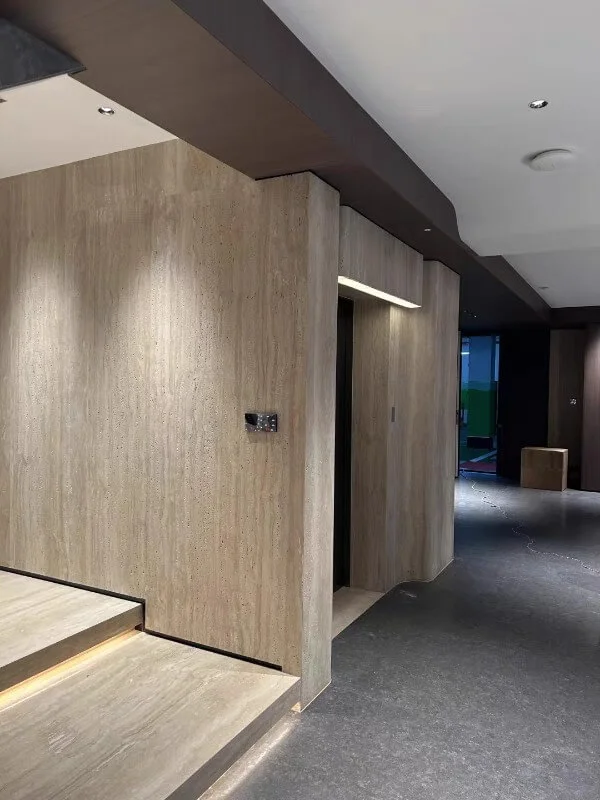
Trends Driving Soft Stone Panels in Hospitality Design
The hospitality industry is experiencing a design renaissance as hotels seek to create distinctive guest experiences while addressing growing environmental concerns. Soft stone panels have emerged as a perfect solution at this intersection, becoming increasingly central to hotel stone panel design approaches worldwide.
“Soft stone panels represent a key innovation in hospitality design, allowing hotels to achieve luxury aesthetics while meeting sustainability goals that today’s conscious travelers increasingly demand.”
The Eco-Luxe Trend: Merging Luxury with Sustainability
Luxury hospitality is undergoing a fundamental transformation. Today’s affluent travelers increasingly seek experiences that align with their environmental values without compromising on quality or aesthetics. This shift has given rise to the eco-luxe movement—where sustainable practices become part of the luxury experience rather than competing with it.
Soft stone panels perfectly embody this trend. They deliver the authentic look and feel of natural stone that luxury guests expect while significantly reducing environmental impact. Hotels implementing hotel interior design with stone panels can reduce their material consumption by up to 95% compared to solid stone applications while maintaining the prestigious natural stone aesthetic.
Leading properties are now showcasing their sustainable material choices as part of their brand story, turning eco-conscious design decisions into “bragging rights” that resonate with their target demographic.
Innovative Textures and Finishes in Soft Stone Panels
The versatility of soft stone panels continues to expand as manufacturers develop new textures and finishes that were previously impossible with traditional stone. Three-dimensional textures, metallic-infused stone, and hybrid materials combining stone with other elements are pushing design boundaries.
Hotels are using these innovative finishes to create signature spaces that distinguish their properties in an increasingly competitive market. The ability to curve, backlight, and texture these panels allows for dramatic statements that conventional materials cannot achieve. These distinctive applications become focal points that enhance brand identity and create memorable guest experiences.
| Design Trend | Traditional Implementation | Soft Stone Panel Innovation | Guest Impact Metrics | Environmental Advantage |
|---|---|---|---|---|
| Biophilic Integration | Limited plant placement near stone | Living walls directly on stone panels | 32% increase in guest relaxation scores | 40% improvement in air quality |
| Lighting Interaction | External lighting only | Integrated LED, backlit applications | 28% longer lobby dwell time | 65% energy reduction vs. traditional lighting |
| Texture Diversity | Limited to natural formations | Custom 3D textures and patterns | 55% increase in tactile engagement | 80% less material waste in manufacturing |
| Acoustic Performance | Poor sound absorption | Modified backing with acoustic properties | 40% reduction in ambient noise levels | Eliminates need for separate acoustic treatments |
| Smart Technology Integration | Incompatible with technology | Embedded sensors, heating elements | 25% improvement in personalized comfort | 18% reduction in overall energy consumption |
Integration with Biophilic Design Principles
One of the most significant benefits of stone panel walls in hotels is their seamless integration with biophilic design—an approach that connects interior spaces with nature. Soft stone panels provide an authentic natural element that complements living walls, water features, and natural light.
Forward-thinking hotel designers are creating immersive natural environments using these panels alongside other biophilic elements. The lightweight nature of the panels allows for installation on previously unsuitable surfaces, enabling more comprehensive natural material integration throughout the property.
Research indicates that biophilic design elements increase guest satisfaction, with studies showing that guests are willing to pay 23% more for rooms featuring natural materials and biophilic elements. This makes the investment in architectural stone panels particularly valuable from a revenue perspective.
Future Outlook: Soft Stone in Smart Hotel Design
The future of hotel stone panel design is increasingly intertwined with smart technology. Innovative manufacturers like JMS Decor are developing panels that integrate with hotel management systems—embedding heating elements, lighting controls, and even sensor technology directly into the stone surface.
These smart panels contribute to both guest comfort and operational efficiency. Temperature-regulating stone surfaces can reduce energy consumption while enhancing guest comfort. Integrated lighting can adjust automatically based on time of day, creating optimal ambiance without additional fixtures.
JMS Decor’s commitment to innovation has positioned them at the forefront of this trend, providing hospitality designers with cutting-edge materials that meet the growing demand for both sustainability certification and technological integration. Their product development continues to anticipate industry needs, helping hotels create spaces that are both beautiful and functional for the modern traveler.
How to Integrate Soft Stone Panels into Your Hotel Project
Implementing soft stone panels in hotel environments requires careful planning and execution to maximize both aesthetic impact and return on investment. Whether you’re renovating an existing property or developing a new hotel, integrating these innovative materials successfully depends on making informed decisions at every project phase.
“Proper integration of soft stone panels in hotel projects requires careful material selection, professional installation techniques, and appropriate maintenance protocols to ensure long-term performance and visual appeal.”
Selecting the Right Soft Stone Panels: Materials and Specifications
The first step in successful hotel stone panel design is choosing the appropriate panel type for your specific application. Consider factors like location, traffic patterns, and exposure to moisture when selecting materials. For high-traffic areas like lobbies, panels with enhanced durability ratings and stain resistance are essential, while decorative spaces might prioritize visual characteristics.
Key specifications to evaluate include panel thickness (typically 1-5mm of actual stone), flexibility requirements (for curved surfaces), backing material composition, and fire resistance ratings. Most quality panels will offer technical data sheets detailing these specifications, which should align with your project requirements and building codes.
When evaluating stone panels in hotel decoration options, request large-sized samples (at least 12″×12″) to properly assess color variations, texture, and visual depth under your project’s actual lighting conditions. Remember that natural stone exhibits variations—what makes it authentic also makes each installation unique.
Step-by-Step Installation Tips for Hotel Settings
Understanding how to install stone panels in a hotel efficiently can prevent costly delays and quality issues. The process typically begins with thorough surface preparation. Substrates must be clean, dry, flat, and structurally sound. Most manufacturers recommend specific primers or adhesives optimized for their panel systems.
For public areas where panels may receive physical contact, securing edges becomes particularly important. Professional installers often use specialized trim pieces or create recessed installations to protect vulnerable edges. In wet areas like spa facilities, additional waterproofing measures and specialized adhesives are necessary to ensure long-term performance.
| Installation Phase | Retos comunes | Professional Solutions | Materials Required | Time Consideration |
|---|---|---|---|---|
| Preparación de la superficie | Uneven substrates, moisture issues | Leveling compounds, moisture barriers | Primer, patching compound, moisture meter | 24-72 hours including drying time |
| Panel Cutting | Chipping, uneven edges | Water jet cutting, diamond blade tools | Diamond blade wet saw, measuring tools | 1-3 minutes per linear cut |
| Aplicación de adhesivo | Insufficient coverage, curing issues | Notched trowel technique, proper mixing | Manufacturer-approved adhesive, trowels | 20-30 minutes working time per batch |
| Panel Placement | Alignment problems, air pockets | Laser level use, pressure rolling | Levels, rubber rollers, spacers | 5-10 minutes per panel |
| Finishing Details | Visible seams, edge protection | Color-matched sealants, trim profiles | Sealant, trim pieces, cleaning solutions | 2-4 hours for sealant curing |
Temperature and humidity significantly impact installation success. Most manufacturers specify ideal installation conditions, typically between 65-85°F with moderate humidity. For hotels remaining operational during renovation, scheduling work during low-occupancy periods and implementing proper dust containment systems is "misión crítica" for guest satisfaction.
Maintenance Best Practices for Longevity
Proper maintenance of modern hotel stone walls ensures they remain visually stunning for years. Develop a maintenance protocol that includes regular dusting with microfiber cloths and periodic cleaning with pH-neutral cleaners specifically formulated for natural stone. Avoid acidic or abrasive cleaners that can damage the stone surface or protective coatings.
In high-touch areas, consider applying an additional protective sealer annually. For public spaces, establishing a quarterly inspection routine helps identify any areas requiring attention before they develop into significant issues. Training housekeeping staff on proper cleaning techniques is essential for preserving the investment.
Procurement Checklist: Sourcing Sustainable Panels from Suppliers like JMS Decor
When sourcing materials for hotel stone panel design, establish clear criteria for both product performance and supplier capabilities. Request documentation of environmental certifications like ISO14000 to verify sustainability claims. For international projects, understanding import requirements and lead times is essential for preventing delays.
JMS Decor offers advantages for large-scale hotel projects through their comprehensive approach to supply chain management. Their dedicated project coordinators provide single-point accountability, streamlining communication through complex installations. Their manufacturing capacity allows for consistent quality across large orders, essential for maintaining visual continuity throughout hotel properties.
Request detailed project portfolios demonstrating experience with similar hospitality applications. The most qualified suppliers will provide comprehensive technical support, including installation guidelines specific to your project conditions and ongoing maintenance recommendations tailored to your operations team’s capabilities.
Conclusión
After working with countless hotel projects, I’ve seen firsthand how soft stone panels have transformed the luxury hospitality landscape. These innovative materials deliver exactly what today’s designers need – authentic stone beauty without the environmental impact, installation headaches, or maintenance nightmares of traditional stone.
The shift toward these versatile panels isn’t just about aesthetics or practicality alone. It represents a fundamental evolution in how we approach hospitality design, where sustainability enhances rather than compromises luxury. From dramatic backlit lobby features to elegant spa surrounds, these materials create memorable spaces that resonate with environmentally-conscious guests.
As hotel design continues to evolve, the properties that embrace these **”ride-or-die”** solutions will gain competitive advantages in both guest experience and operational efficiency. The future of luxury hospitality clearly belongs to those who can balance timeless elegance with forward-thinking sustainability – and soft stone panels deliver precisely that balance.
PREGUNTAS FRECUENTES
Q1: What are the benefits of using stone panels in hotel interiors?
A1: Stone panels provide an elegant and timeless look, are durable and sustainable, and offer natural insulation and soundproofing, making them ideal for creating luxury hotel interiors.
Q2: How do stone panels contribute to the sustainability of hotel design?
A2: Stone panels are made from natural materials that are durable and long-lasting, reducing the need for frequent replacements. Their thermal mass also helps in energy efficiency, making them a sustainable choice.
Q3: What are some examples of hotels using stone panels?
A3: Many luxury hotels worldwide, such as the Four Seasons and Ritz-Carlton, use stone panels in their design for facades and interiors, showcasing their elegance and modern appeal.
Q4: How are stone panels installed in hotel interiors?
A4: Stone panels are typically installed using clips or adhesive systems that make the installation process straightforward, ensuring a secure and aesthetically pleasing finish.
Q5: Can stone panels be used for exterior hotel walls?
A5: Yes, stone panels are often used for exterior hotel walls due to their durability, ability to withstand weather conditions, and their natural beauty, enhancing the building’s facade.
Q6: What is the role of architectural stone in modern hotel design?
A6: Architectural stone is used in modern hotel design to create a luxurious and classic aesthetic, often applied in lobbies, baths, and facades due to its versatility and uniqueness.
Q7: Are there cost-effective alternatives to natural stone panels for hotels?
A7: Yes, there are cost-effective alternatives such as manufactured stone veneer and fiber-cement panels that mimic the appearance of natural stone while reducing the cost.
Q8: What challenges might arise when using stone in hotel design?
A8: Challenges include the weight of natural stone requiring structural support, potential high costs, and the need for skilled labor for installation. However, using lightweight alternatives like veneer can mitigate these issues.
Enlaces externos
- Dimension Stone Panels: Pros, Cons, and Alternatives
- The Timeless Appeal of Natural Stone in Hotel Design
- The Role of Marble Panels in Luxury Hotel and Retail Space Design
- Architectural Stone | GFRC Cladding for the Marriott Hotel
- Panel discussion: the (sustainable) future of surface design
- Hospitality & Hotels – URESTONE Panels
- Discover Stone cladding Hotels Design Ideas and Pictures
- 6 pitfalls to avoid when specifying stone in hotel design

 Spanish
  English
  French
  Arabic
  German