 Ir al contenido
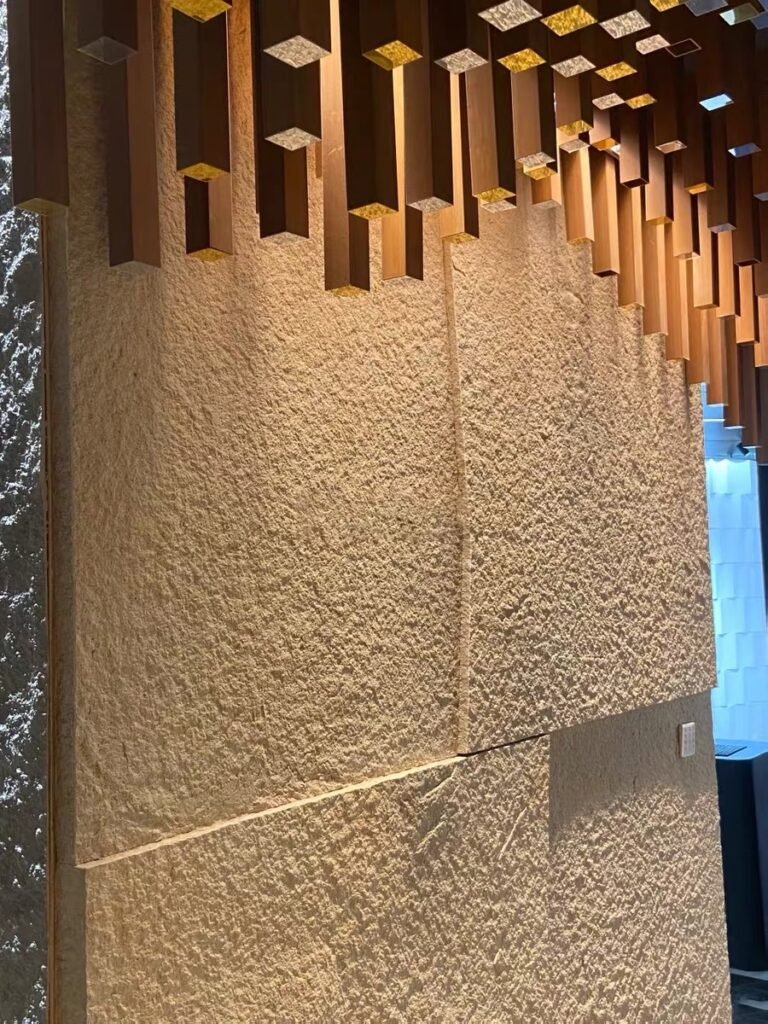
Hotel groups often struggle to refresh properties while keeping guest rooms operational. Traditional stone installation involves heavy structural loads and weeks of noisy demolition that impacts daily revenue. Lightweight flexible stone solves this by allowing crews to apply panels directly over existing finishes, eliminating the need for debris removal and structural reinforcement.
We analyzed the top hospitality suppliers specializing in materials that weigh only 2-4 kg/m² and meet Class A2 fire safety standards. This comparison covers global logistics, ESG compliance metrics like the mandatory 54 Energy Star score benchmark, and the strategic differences between factory-direct and regional distribution models for large-scale renovations.
Top 10 Flexible Stone Suppliers for Global Hotels
Comparación rápida: Las mejores opciones
| Fabricante | Ubicación | Fuerza del núcleo | Veredicto |
|---|---|---|---|
| Decoración JMS | China (envío global) | Flexible Stone Panels, WPC Panels, Custom 3D Solutions | Premier factory-direct choice for fire-rated, flexible architectural hotel solutions. |
| Chongqing Qisen New Materials Co., Ltd. | Chongqing, CN | Flexible Granite Cladding, MCM Tile | Specialized in 3D-supported industrial aesthetics for curved cladding applications. |
| DRV OVERSEAS EXPORT PRIVATE LIMITED | India | Flexible Thin Slate, Translucent Marble Skin | Premium supplier of ultra-thin translucent marble with exceptionally low MOQs. |
| Haining Halong Industry Co., Ltd. | Haining, CN | Flexible Travertine, Clay MCM Tiles | Budget-friendly expert in textured clay panels for Roman-style hotel exteriors. |
| Guangxi Zhouhang International Trade Co., Ltd. | Guangxi, CN | Flexible Soft Quartz Tile, Mountain Rock Panels | Ideal for eco-conscious projects requiring fireproof quartz and massive wall coverage. |
| Foshan Eternal Building Materials Co., Ltd. | Foshan, CN | Natural Soft Stone Cladding, Exterior Tiles | Superior waterproof and fireproof natural stone for high-end outdoor durability. |
| ASPINO INTERNATIONAL | India | Indian Slate Flexible Stone Panels | Trusted expert with extensive experience in authentic Indian slate textures. |
| Anhui Subang Energy Saving Technology Co., Ltd. | Anhui, CN | 3D Concrete Veneer, Big Slab Stone Tiles | Modern choice for minimalist hotel interiors using unique concrete aesthetics. |
| Foshan Angtai New Material Co., Ltd. | Foshan, CN | 3D Travertine Wall Panels, Artificial Soft Stone | High-safety specialist for A-Level fireproof interior and exterior travertine. |
| Foshan Jiufang Building Materials Co., Ltd. | Foshan, CN | Flexible Tiles, Rammed Earth Board | Reliable source for sustainable earthy textures and safety-certified exterior cladding. |
Decoración JMS
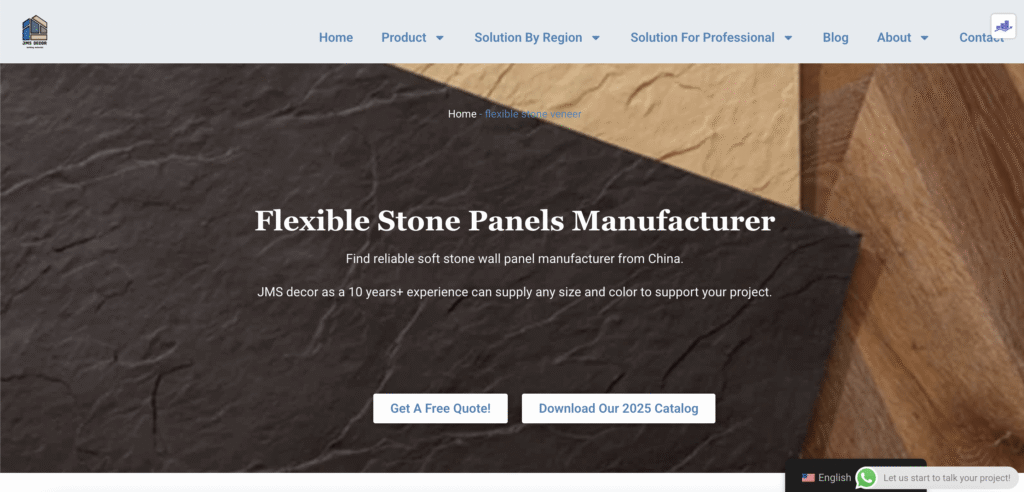
JMS Decor operates as a direct manufacturer specializing in thin, flexible stone veneers designed specifically for the hospitality and commercial sectors. By maintaining direct control over the production line in China, the company ensures that every panel meets strict international safety standards, including A2 fire ratings and ASTM certifications. This factory-to-project model eliminates middleman markups and allows designers to source high-end materials that would otherwise be cost-prohibitive for large-scale hotel renovations or luxury villa developments.
The technical engineering behind their products focuses on solving common installation challenges, particularly the need for lightweight materials that wrap around curved surfaces without cracking. Their team provides extensive OEM and ODM customization, allowing architects to request specific 3D printed patterns or custom textures that align with unique brand identities. By managing the supply chain from the initial raw material selection to final quality checks, they reduce the risks associated with material failure and provide a reliable solution for global shipping requirements.
De un vistazo:
- 📍 Ubicación: China (envío global)
- 🏭 Fuerza del núcleo: Paneles de piedra flexibles, paneles de WPC, soluciones de pared personalizadas impresas en 3D
- 🌍 Mercados clave: Global Hotels, Luxury Villas, Commercial Projects
Por qué los elegimos:
| ✅ Las ganancias | ⚠️ Compensaciones |
|---|---|
|
|
Chongqing Qisen New Materials Co., Ltd.
Chongqing Qisen New Materials Co., Ltd. focuses on high-end industrial aesthetics, primarily serving the hospitality and luxury residential sectors. Their catalog features flexible granite cladding and MCM tiles that replicate the look of natural stone while providing the lightweight benefits required for modern architectural projects. By maintaining direct factory control, they ensure every batch of material meets the specific texture and durability requirements of industrial-style hotels.
Architects often face challenges when applying rigid materials to curved surfaces or complex geometries. This supplier addresses these risks by providing advanced 3D model design capabilities during the planning phase. They allow project managers to visualize installation details and cladding behavior before any material arrives on-site. This proactive approach reduces the likelihood of errors and ensures the final execution aligns with the design vision.
De un vistazo:
- 📍 Ubicación: Chongqing, CN
- 🏭 Fuerza del núcleo: Flexible Granite Cladding, MCM Tile
- 🌍 Mercados clave: Industrial Hotels, Luxury Villas
Por qué los elegimos:
| ✅ Las ganancias | ⚠️ Compensaciones |
|---|---|
|
|
DRV OVERSEAS EXPORT PRIVATE LIMITED
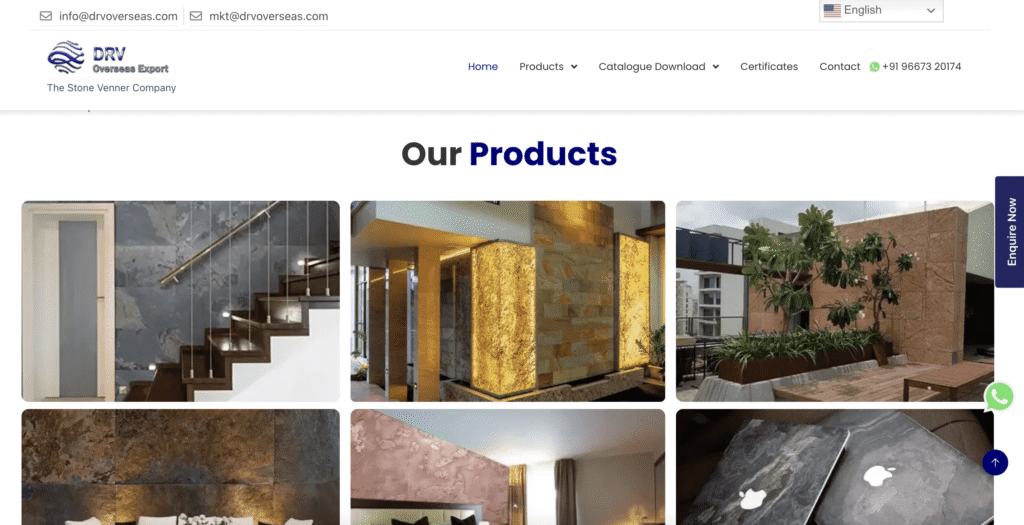
DRV Overseas Export Private Limited focuses on specialized stone solutions, specifically ultra-thin flexible slate and translucent marble veneers. These materials provide a lightweight alternative to traditional stone slabs, making them a top choice for boutique hotels and sophisticated interior projects. Designers apply these skins to achieve the look of solid stone on curved surfaces or structures that cannot support the weight of heavy masonry.
The company maintains direct factory control over the manufacturing process to ensure consistent thinness and flexibility across their product lines. Their translucent marble options permit backlighting, which creates striking visual impacts for feature walls and hospitality reception areas. By setting a minimum order quantity of only one square meter, they enable architects to execute small-scale custom designs and prototypes without committing to high inventory costs.
De un vistazo:
- 📍 Ubicación: India
- 🏭 Fuerza del núcleo: Flexible Thin Slate Stone Veneer, Translucent Marble Skin
- 🌍 Mercados clave: Boutique Hotels, Interior Decoration
Por qué los elegimos:
| ✅ Las ganancias | ⚠️ Compensaciones |
|---|---|
|
|
Haining Halong Industry Co., Ltd.
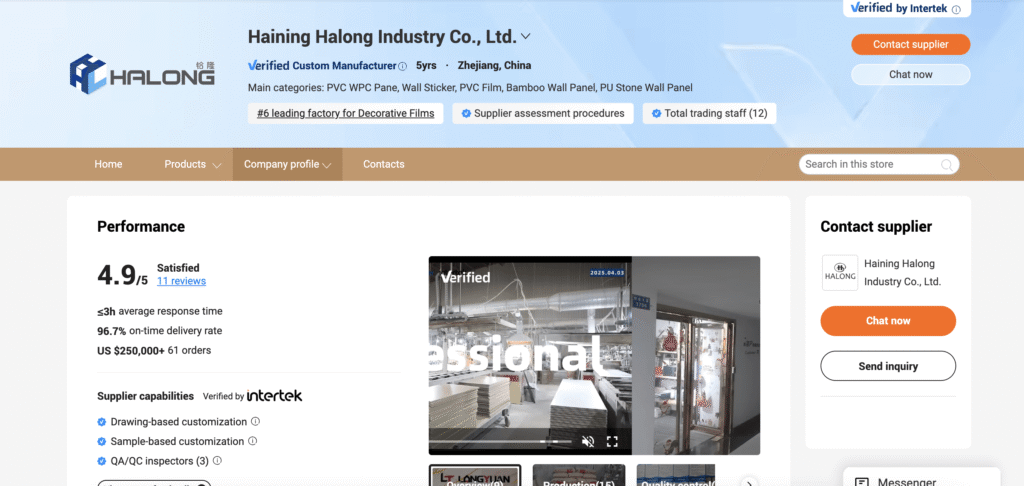
Haining Halong Industry Co., Ltd. operates as a specialized manufacturer focusing on the architectural finishing sector. They produce specific materials like hemp woven flexible stone and intricate Roman pillar decorations designed for high-end aesthetic requirements. Their catalog primarily serves developers and contractors looking for clay-based Modified Clay Material (MCM) tiles that mimic natural textures while maintaining a lightweight profile. These products cater to large-scale hospitality projects where visual impact and structural efficiency are equally important.
The company maintains direct control over the manufacturing process in Haining, which allows for consistent quality monitoring of their flexible travertine and stone alternatives. By managing production on-site, they offer builders a way to reduce risks associated with material defects and lead-time delays often found with middleman sourcing. Their current strategy emphasizes providing competitive entry-level pricing to establish a foothold in the global hotel facade market. While they are newer to the scene, their focus on niche textures like hemp weaving shows a commitment to distinct architectural styles.
De un vistazo:
- 📍 Ubicación: Haining, CN
- 🏭 Fuerza del núcleo: Flexible Travertine Soft Panels, PVC, PU
- 🌍 Mercados clave: Hotel Exteriors, Roman Architecture Styles
Por qué los elegimos:
| ✅ Las ganancias | ⚠️ Compensaciones |
|---|---|
|
|
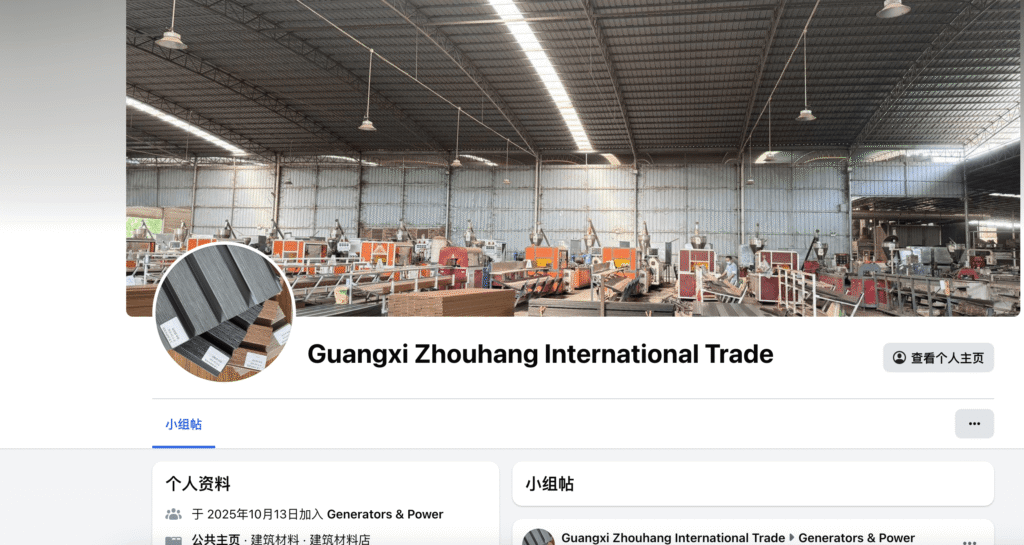
Guangxi Zhouhang International Trade Co., Ltd.
This supplier specializes in flexible architectural materials that replicate the organic texture of natural mountain rock. Their soft quartz tiles serve a specific niche within the hospitality and commercial decor sectors, targeting projects that require sustainable and fire-resistant finishes. These materials provide a practical solution for large-scale wall installations where traditional heavy stone might be structurally impractical or too expensive to transport and install.
The manufacturing process emphasizes ultra-thin profiles, making the panels easy to handle and apply across expansive surface areas without adding significant weight to the building structure. While the product line focuses on aesthetic flexibility, the technical specifications prioritize safety and durability for public spaces like hotels and resorts. Bulk buyers should coordinate their procurement schedules carefully, as the specialized nature of these quartz panels often involves manufacturing minimums to ensure consistency in color and texture.
De un vistazo:
- 📍 Ubicación: Guangxi, CN
- 🏭 Fuerza del núcleo: Flexible Soft Quartz Tile, Mountain Rock Panels
- 🌍 Mercados clave: Eco-Friendly Hotels, Large Wall Decorations
Por qué los elegimos:
| ✅ Las ganancias | ⚠️ Compensaciones |
|---|---|
|
|
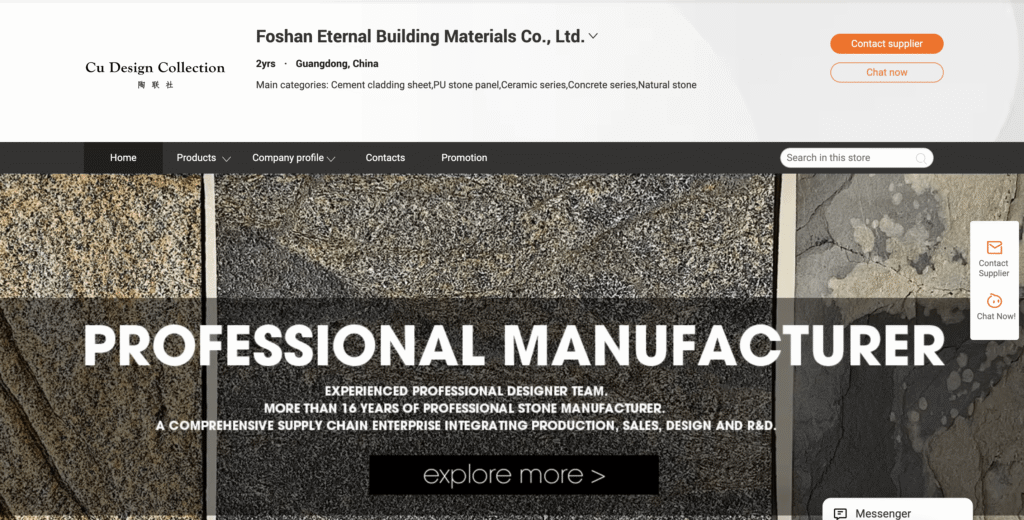
Foshan Eternal Building Materials Co., Ltd.
Foshan Eternal Building Materials operates with a focus on precision manufacturing within the Foshan industrial hub. By maintaining direct factory control over the production of rock-cut stone cladding, they ensure each batch meets strict architectural standards for hotel exteriors. This localized execution allows them to monitor quality at every stage, from raw material selection to the final fireproofing treatments, ensuring the finished product matches the technical requirements of large-scale commercial builds.
Choosing these materials reduces long-term maintenance risks for outdoor projects subject to harsh weather conditions. The specialized waterproofing and durability of their natural soft stones provide a reliable solution for builders who need aesthetic appeal without compromising structural integrity. Their focus on the specific niche of hotel cladding ensures that the material properties, such as weight and flexibility, align with modern installation techniques used in high-rise environments.
De un vistazo:
- 📍 Ubicación: Foshan, CN
- 🏭 Fuerza del núcleo: Natural Soft Stone Cladding, Exterior Tiles
- 🌍 Mercados clave: Modern Hotel Exteriors
Por qué los elegimos:
| ✅ Las ganancias | ⚠️ Compensaciones |
|---|---|
|
|
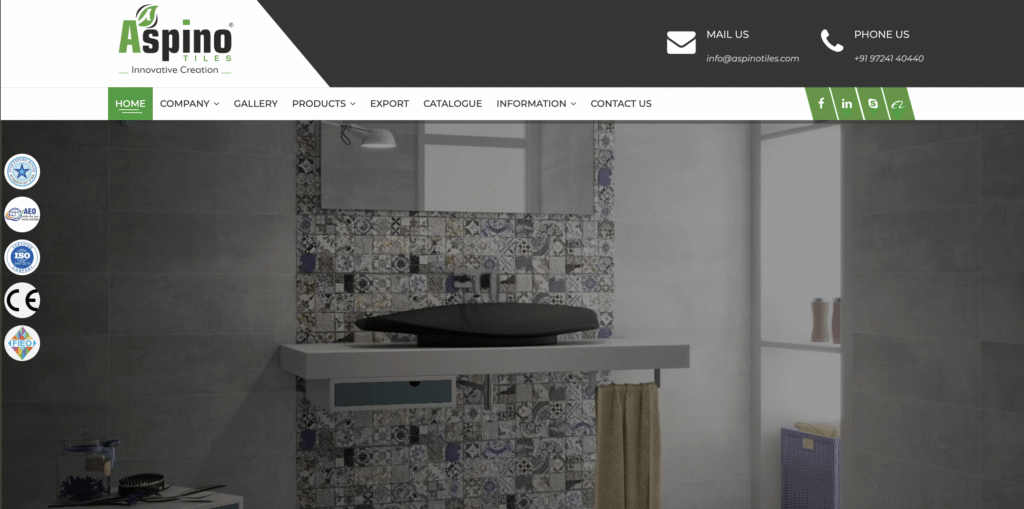
ASPINO INTERNATIONAL
Aspino International specializes in manufacturing flexible stone panels using ultra-thin Indian slate. With over a decade of industry experience, the company serves architects and designers working on luxury hotels and private villas. By sourcing natural stone directly from Indian quarries, they ensure that every panel retains the raw aesthetic of traditional slate while remaining lightweight and versatile for modern construction.
Their production process emphasizes durability and authentic textures, making them a reliable partner for large-scale international projects. Because they maintain direct control over the manufacturing of these ultra-thin panels, they manage quality standards strictly to meet global hospitality requirements. Clients benefit from their deep expertise in stone processing, which helps reduce the risks typically associated with sourcing natural materials for complex architectural applications.
De un vistazo:
- 📍 Ubicación: India
- 🏭 Fuerza del núcleo: Indian Slate Flexible Stone Panels
- 🌍 Mercados clave: International Villas, Luxury Hotels
Por qué los elegimos:
| ✅ Las ganancias | ⚠️ Compensaciones |
|---|---|
|
|
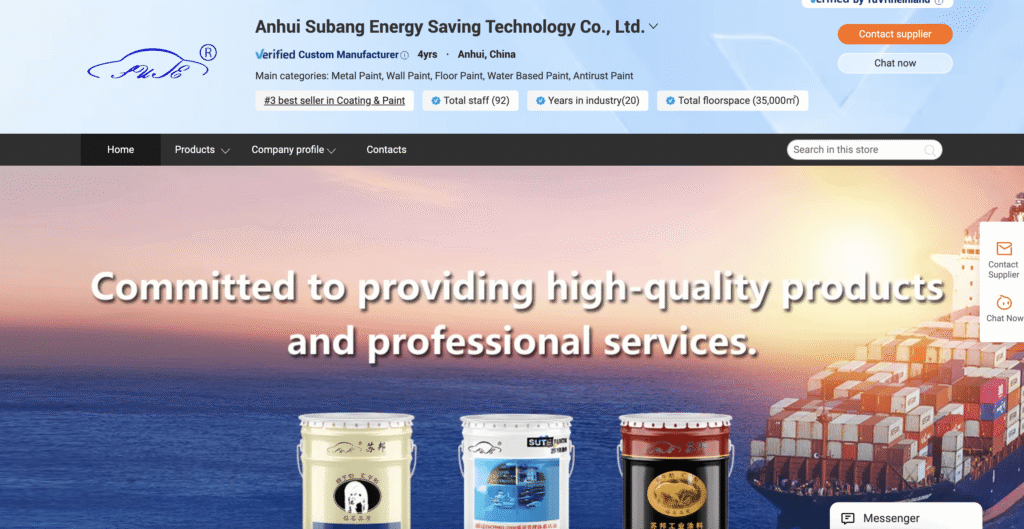
Anhui Subang Energy Saving Technology Co., Ltd.
Anhui Subang Energy Saving Technology operates as a specialized manufacturer focusing on advanced material production for the construction industry. They create 3D concrete veneer wall panels in expansive slab formats to serve the specific needs of modern architectural projects. By maintaining direct factory control in Anhui, the team ensures that every panel adheres to strict density and texture standards. This hands-on approach minimizes quality deviations and allows for better risk management during the logistics and installation phases.
These flexible stone solutions offer a sophisticated, raw aesthetic that fits the minimalist requirements of contemporary hotel interiors. The large-format slabs reduce visible grout lines, creating a unified and continuous surface that mimics natural stone cliffs. Architects use these products to simplify the construction process while achieving a high-end look that usually requires heavy, expensive masonry. We appreciate how the company streamlines local execution, providing reliable technical data and product consistency that professional contractors depend on for large-scale commercial builds.
De un vistazo:
- 📍 Ubicación: Anhui, CN
- 🏭 Fuerza del núcleo: 3D Concrete Veneer, Big Slab Stone Tiles
- 🌍 Mercados clave: Modern Minimalist Hotels
Por qué los elegimos:
| ✅ Las ganancias | ⚠️ Compensaciones |
|---|---|
|
|
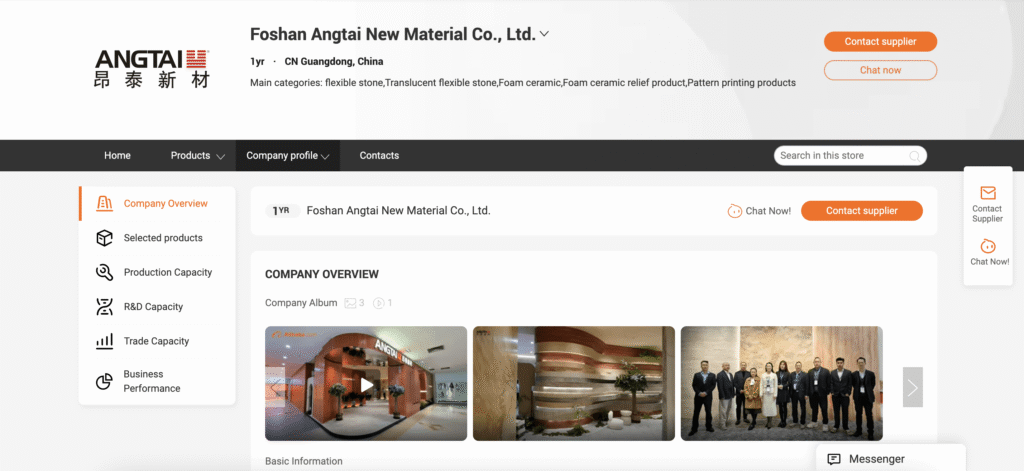
Foshan Angtai New Material Co., Ltd.
Foshan Angtai New Material Co., Ltd. focuses on high-performance architectural surfaces, specifically A-Level fireproof artificial stone. Their 3D Travertine wall panels cater to developers and architects who need aesthetic depth without compromising safety standards. By utilizing advanced manufacturing techniques in Foshan, the company produces materials that mimic natural stone while maintaining a lightweight profile suitable for both intimate bedroom settings and expansive hotel facades.
The manufacturing process ensures strict factory control over fire-rated specifications, which reduces risks for large-scale commercial projects. These soft stone solutions offer a flexible alternative to traditional masonry, allowing for easier installation on curved surfaces or high-rise exteriors. This local execution enables the brand to serve global hospitality markets that demand rigorous safety certifications alongside versatile design options.
De un vistazo:
- 📍 Ubicación: Foshan, CN
- 🏭 Fuerza del núcleo: 3D Travertine Wall Panels, Artificial Soft Stone
- 🌍 Mercados clave: Hotel Bedrooms, Fire-Rated Exteriors
Por qué los elegimos:
| ✅ Las ganancias | ⚠️ Compensaciones |
|---|---|
|
|
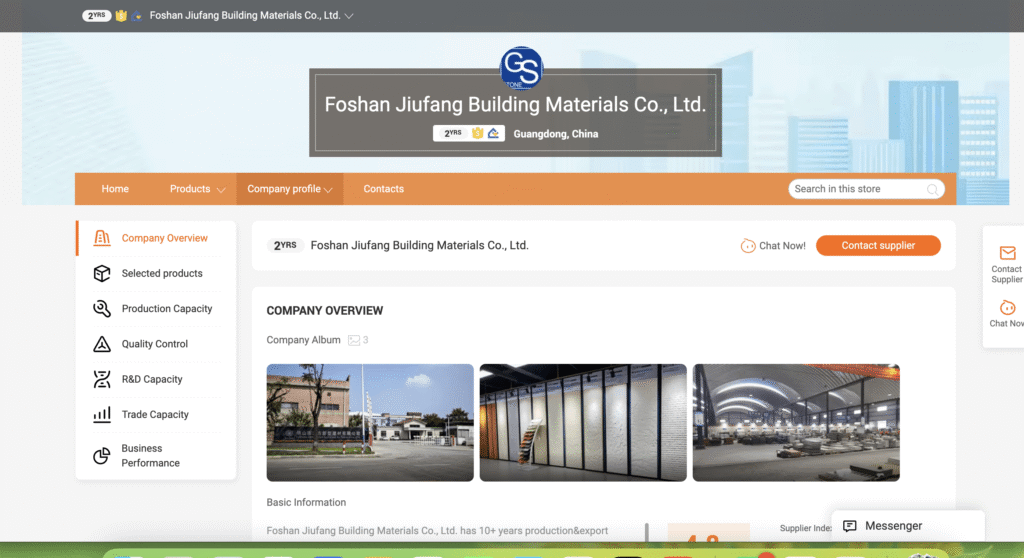
Foshan Jiufang Building Materials Co., Ltd.
Jiufang manufactures specialized building materials that prioritize safety and architectural aesthetics for modern developments. Based in Foshan, the company supplies flexible tiles and rammed earth boards to hospitality developers seeking a natural, earthy look for their projects. These materials serve as a sustainable alternative to traditional stone or heavy concrete, providing the visual depth of raw earth without the structural weight or complexity of traditional masonry.
The factory maintains strict control over the production of these flexible materials, ensuring they meet rigorous safety certifications for commercial use. By providing exterior cladding options that combine durability with easy installation, the company helps builders reduce construction timelines and labor costs. Developers benefit from direct factory oversight, which ensures consistent texture and color across large-scale batches and lowers the risk of material inconsistencies in high-visibility areas.
De un vistazo:
- 📍 Ubicación: Foshan, CN
- 🏭 Fuerza del núcleo: Flexible Tiles, Rammed Earth Board
- 🌍 Mercados clave: Sustainable Hotels, Exterior Cladding
Por qué los elegimos:
| ✅ Las ganancias | ⚠️ Compensaciones |
|---|---|
|
|
The Strategic Advantage of Flexible Stone in Hotel Renovations
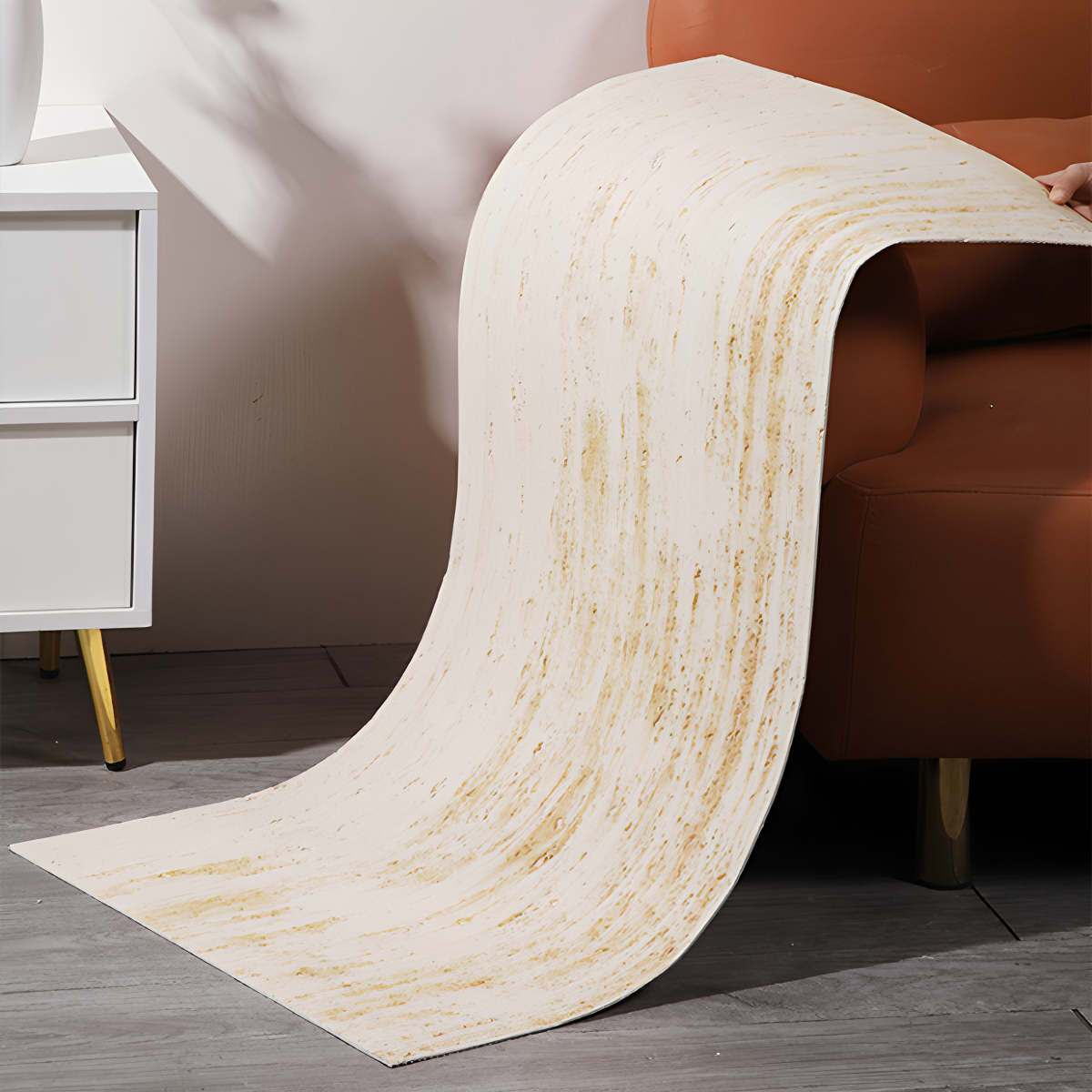
Flexible stone provides a high-efficiency alternative for hotel upgrades, utilizing ultra-thin panels (2-4 kg/m²) that install directly over existing wall finishes. This material eliminates the need for demolition, reduces labor hours by up to 70%, and meets rigorous Class A2 fire safety and moisture resistance standards necessary for high-traffic hospitality environments.
Operational Efficiency and Installation Speed
Lightweight panels weighing 2-4 kg/m² significantly simplify transport logistics and reduce the structural load requirements for multi-story hotel buildings. Because these profiles are only a few millimeters thick, crews can apply them directly over current surfaces like old tile or concrete. This approach removes the need for noisy demolition and heavy debris removal, allowing hotels to remain operational and maintain guest comfort during renovations.
Project timelines shorten considerably with this technology. Most installations require 60% to 70% fewer labor hours than traditional stone slabs, which typically weigh between 20-40 kg/m². By eliminating the need for heavy machinery or structural reinforcement, property managers can complete room refreshes and lobby upgrades much faster, directly improving the property’s return on investment.
Material Durability and Regulatory Compliance
Safety and compliance drive procurement decisions in the hospitality sector. Flexible stone carries a Class A2 fire resistance rating, satisfying strict building codes and insurance requirements for public spaces. The material also exhibits excellent water-resistant properties, withstanding pressure up to 0.3MPa without leakage, making it suitable for high-moisture areas like luxury bathrooms and lobby fountains.
Long-term maintenance costs are lower compared to rigid masonry. The inherent flexibility of the panels allows them to move with a building’s natural settlement without cracking. Unlike natural stone, which often requires resealing every few years to prevent staining and moisture ingress, these engineered surfaces provide a durable, low-maintenance finish that withstands the wear and tear of high-traffic corridors and guest rooms.
Design Versatility and Sustainable Branding
The ability to bend and shape the material expands architectural possibilities. Designers use these panels to wrap structural columns, arched entryways, and curved feature walls that would be technically difficult or cost-prohibitive to achieve with heavy stone. Advanced 3D printing and manufacturing also allow for customized textures, ranging from traditional travertine to wood, leather, or metallic finishes, ensuring the material matches the specific aesthetic of the hotel brand.
Sustainability remains a core focus for 2026 hospitality projects. Flexible stone generates only 3-5% material waste during installation, a sharp contrast to the 15-20% waste common with traditional stone cutting. This efficiency supports LEED and BREEAM certification targets by reducing resource consumption and lowering the carbon emissions associated with transporting heavy construction materials.
Compliance and Quality Standards for Global Hospitality Procurement
Modern hospitality procurement mandates strict ESG integration, AI-driven automation for compliance, and specific energy benchmarks like Energy Star scores of 54. Industry standards have shifted toward flexible, rolling sourcing cycles to manage global volatility while weighting traveler satisfaction and safety certifications alongside traditional cost metrics.
Sustainability Metrics and Regulatory Energy Standards
Hospitality procurement cycles now require mandatory ESG scoring and detailed emissions data for all supplier contract renewals. Organizations prioritize sourcing events for suppliers that provide verified eco-certifications and LEED-compatible materials to align with corporate carbon-neutral targets. Under updated US regulatory frameworks, hotels must maintain an Energy Star score of at least 54 or a Source Energy Use Intensity (EUI) of 183.9. Failure to meet these benchmarks often triggers five-year compliance cycles requiring a 20% reduction in EUI to avoid legal and financial penalties.
Digital Governance and AI Compliance Automation
Enterprise procurement teams utilize AI-driven systems to automate real-time benchmarking and compliance tracking, which reduces manual negotiation timelines by 60%. These systems integrate with Procure-to-Pay (P2P) platforms to ensure total spend transparency through automated audit trails and centralized data dashboards. This digital infrastructure allows global managers to monitor supplier performance across different regions simultaneously, ensuring adherence to local labor laws and safety regulations without the delays associated with manual reporting.
Guest Safety and Quality Performance Benchmarks
Procurement contracts currently weight traveler satisfaction feedback and duty of care requirements as heavily as pricing structures. Material standards for renovations mandate high-durability products, such as flexible stone veneer, which provides Class A2 fire ratings and ASTM certification while weighing only 2-4 kg/m². Rigid annual RFP cycles have largely been replaced by quarterly sourcing events. This shift allows procurement managers to adjust supplier lists based on real-time performance metrics and the ability of vendors to meet modern safety benchmarks in high-traffic hotel environments.
Elevate Your Designs with Premium Flexible Stone Veneer
Evaluating Logistics and Global Lead Times for Enterprise Orders
Global hospitality logistics currently exhibit strong regional variance, with Asia-Pacific and the Middle East accelerating fulfillment cycles through increased visitor connectivity. While U.S. markets face extended lead times due to shifting rental supplies, the integration of AI-driven procurement and lightweight materials like flexible stone helps enterprises minimize transit expenses and maintain strict renovation timelines.
Regional Lead Time Variations Across Global Markets
Asia-Pacific markets including Japan and Korea demonstrate shortening lead times as international arrivals grow by 9%. This recovery in traveler volume facilitates more frequent shipping schedules and improved port efficiency, allowing for faster turnover of essential supplies. European procurement remains stable for 2026, supported by improved air connectivity and 5% higher passenger volumes that ensure consistent flow for furniture and fixture orders.
In contrast, U.S. enterprise orders experience extended fulfillment periods as shifts in short-term rental supply and modest inbound growth create unpredictability in demand normalization. Middle East hubs like Dubai leverage high visitor traffic and consistent exhibition demand to accelerate logistics for hospitality projects, often prioritizing material shipments to meet aggressive construction deadlines for international events.
Mitigating Supply Chain Disruptions and Labor Gaps
Persistent global labor shortages require hotel managers to utilize AI automation for procurement and inventory efficiency. These automated systems handle routine benchmarking and compliance tracking, reducing the burden on limited administrative staff. Rising business travel costs, which are reaching $1.64 trillion globally, favor regionalized supply chains to minimize transit expenses and fuel surcharges.
By sourcing materials closer to the project site, properties can avoid the volatility of transcontinental freight and better manage the rising costs associated with corporate travel and logistics. Strategic prioritization of suppliers in recovering markets helps offset delays caused by luxury segment supply outpacing demand, ensuring that high-priority enterprise orders do not stall due to regional saturation.
Logistics Optimization for Specialized Architectural Materials
Flexible stone panels reduce freight complexity because they weigh only 5-10kg per square meter, significantly lowering fuel surcharges compared to traditional heavy stone slabs. This lightweight profile allows procurement teams to maximize container space and reduce the carbon footprint of the project. Accelerated sampling protocols now provide 7-day delivery for material approval to keep enterprise timelines on track, removing the long waiting periods typically associated with architectural stone selection.
Secure export packaging combined with FOB Shanghai logistics models streamline the delivery of cladding solutions to North America and Australia. These standardized shipping methods ensure that delicate surfaces arrive without damage and pass through customs with minimal intervention, maintaining the momentum of large-scale hospitality renovations.
Procurement Strategy: Factory-Direct vs. Regional Distribution Models
Effective hospitality procurement integrates factory-direct sourcing for specialized, high-volume materials with regional distribution for rapid fulfillment and regulatory adherence. This hybrid approach allows hotel groups to maximize project margins on custom FF&E while maintaining the operational agility required to meet fast-track renovation schedules and fluctuating market demands.
Factory-Direct Procurement for High-Volume Customization
Purchasing managers negotiate directly with producers to secure favorable terms for custom FF&E and flexible stone panels, a strategy that significantly increases project margins. By bypassing intermediaries, developers access innovative products like 3D-printed stone and wood textures tailored to specific architectural visions without added markups. This model facilitates direct manufacturer oversight, ensuring brand-standard consistency and keeping defect rates below 1% through rigorous quality control protocols at the source.
Direct sourcing also enables the implementation of just-in-time inventory cycles, which minimizes holding costs and reduces construction waste in large-scale hospitality developments. For example, using flexible stone veneer via factory-direct channels offers technical advantages such as a lightweight design of 2-4 kg/m², which is only 10% of traditional stone weight. This reduction in mass lowers transport costs and carbon emissions. Furthermore, factory-controlled production limits material waste to 3-5%, providing a more sustainable and cost-effective alternative to traditional stone masonry which typically sees waste levels between 15% and 20%.
Regional Distribution for Operational Agility and Compliance
Sourcing through localized networks provides the speed necessary to meet 2026 fast-track construction schedules. Regional distributors maintain stock for standardized supplies and high-turnover consumables, creating a buffer against global supply chain disruptions and labor shortages. This proximity allows for rapid delivery and helps maintain lead times in recovering markets. Current logistics data indicates that while U.S. lead times remain extended, regions like Asia-Pacific and the Middle East are experiencing shortening timelines due to improved arrivals and exhibition-driven demand.
Regional distribution partners offer essential expertise in navigating complex international building codes and environmental certifications such as CE, ASTM, and Energy Star standards. They ensure that all procured materials comply with localized legal requirements, which is critical for projects subject to strict energy use intensity (EUI) regulations. Many hospitality chains now consolidate orders across multiple properties using integrated procure-to-pay (P2P) platforms. These systems leverage regional volume pricing and AI-driven automation to streamline negotiations and maintain real-time spend transparency across diverse property portfolios.
Reflexiones finales
Flexible stone addresses the primary challenges of modern hotel renovations by combining speed with high-performance standards. These lightweight panels allow crews to update interiors without the noise and waste of traditional demolition, keeping properties operational during upgrades. With Class A2 fire ratings and moisture resistance, the material meets the safety requirements of global hospitality brands while cutting labor costs by up to 70%. Shifting to these engineered surfaces gives developers a way to refresh luxury aesthetics without the structural burden or maintenance demands of heavy masonry.
Successful procurement in the current market relies on a balance between factory-direct cost savings and regional logistics agility. Integrating AI-driven compliance and ESG metrics into the supply chain helps hotel groups manage global volatility and meet strict energy efficiency benchmarks. As sustainability goals and labor gaps continue to influence construction, choosing materials like flexible stone reduces carbon footprints and streamlines installation timelines. Adapting to these sourcing strategies ensures that hospitality projects remain competitive and compliant in an increasingly complex regulatory environment.

 Spanish
  English
  French
  Arabic
  German