Rentabilidad de la inversión en la renovación de hoteles: cómo aumentar la tarifa media diaria con fachadas de revestimiento de piedra

Calcular el retorno de la inversión (ROI) de la renovación de un hotel es el primer paso fundamental para frenar la pérdida de ingresos provocada por una fachada anticuada que empuja a los huéspedes potenciales directamente hacia la competencia. Un exterior envejecido no solo tiene mal aspecto, sino que reduce directamente tu tarifa media diaria (ADR) y hace más difícil justificar unos precios más elevados, por muy bueno que sea tu […]
Revitalización de los centros comerciales: fachadas de gran formato para atraer clientes
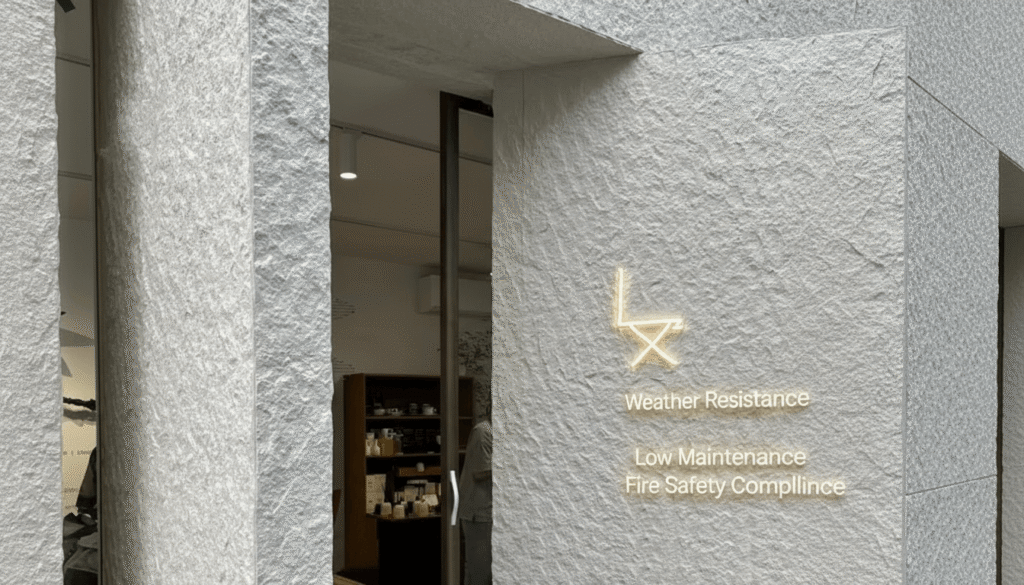
La modernización de las fachadas de los centros comerciales es fundamental para revertir la disminución de la afluencia de público, pero las reformas tradicionales perturban a los inquilinos y agravan la pérdida de ingresos. El coste de la demolición y el tiempo de inactividad de los negocios hacen que muchos proyectos de revitalización sean inviables desde el punto de vista financiero, lo que crea un ciclo de deterioro visual que ahuyenta tanto a los compradores como a los posibles arrendatarios. Este análisis se centra en materiales de renovación sin demolición que resuelven […]
Arquitectura de relleno urbano: revestimientos ligeros para solares reducidos
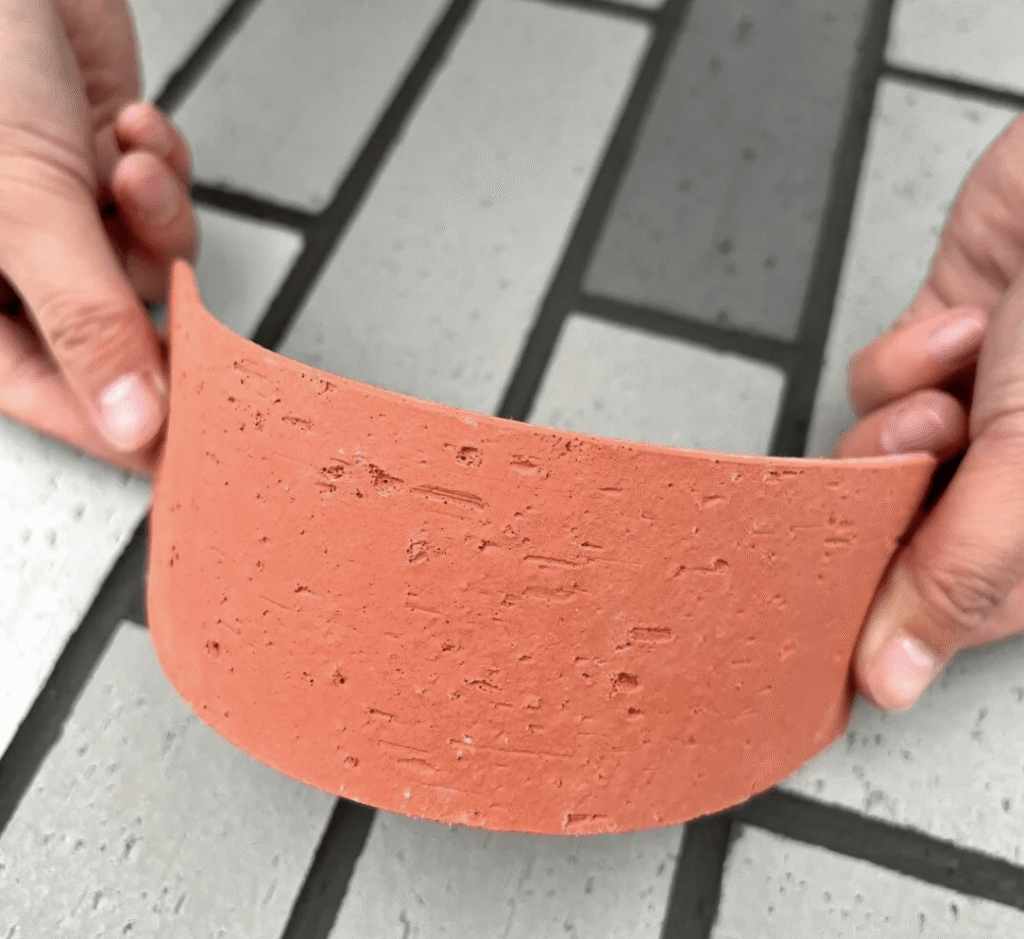
La rentabilidad de los proyectos de reurbanización urbana suele verse mermada por cuestiones logísticas. El uso de materiales de revestimiento pesados, como la piedra o el hormigón prefabricado, encarece los costes de transporte, requiere costosos permisos para el uso de grúas y complica el acceso a la obra, lo que reduce directamente los beneficios del proyecto y alarga los plazos de ejecución. Este análisis evalúa alternativas de revestimiento ligeras diseñadas para resolver precisamente estos problemas. Comparamos sistemas basados en […]
Renovación de hoteles en funcionamiento: la solución para fachadas “sin interrupción del servicio”
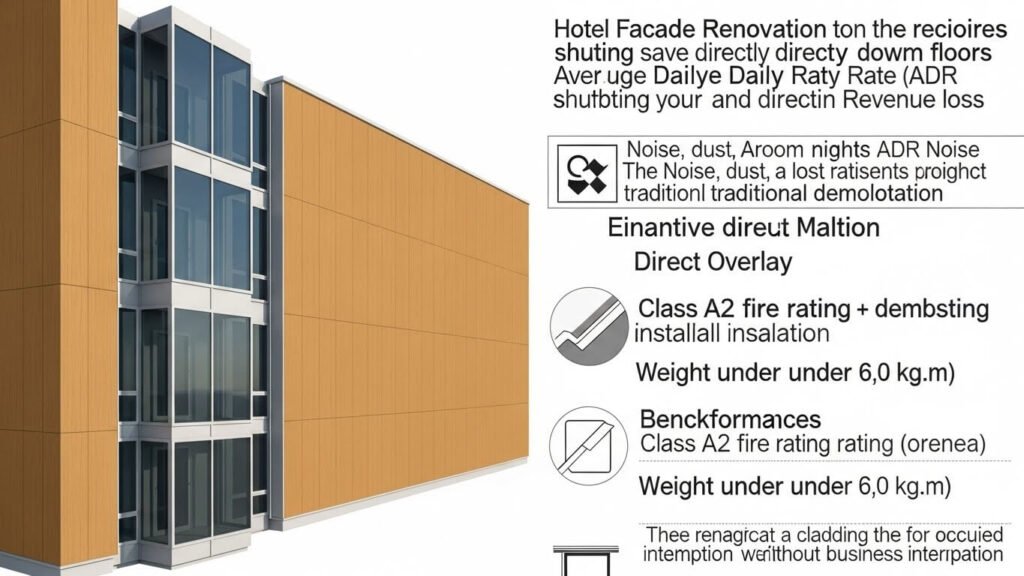
La renovación de la fachada de un hotel que requiere el cierre de plantas repercute directamente en la tarifa media diaria (ADR) y en la satisfacción de los huéspedes. El ruido, el polvo y la pérdida de pernoctaciones que conlleva la demolición tradicional convierten un proyecto de mejora de las instalaciones en una pérdida directa de ingresos. Este análisis compara soluciones de revestimiento que permiten una instalación mediante ‘superposición directa’, eliminando por completo la necesidad de demolición. Comparamos materiales […]
Reacondicionamiento comercial: Superposición de piedra sobre baldosas y vidrio antiguos
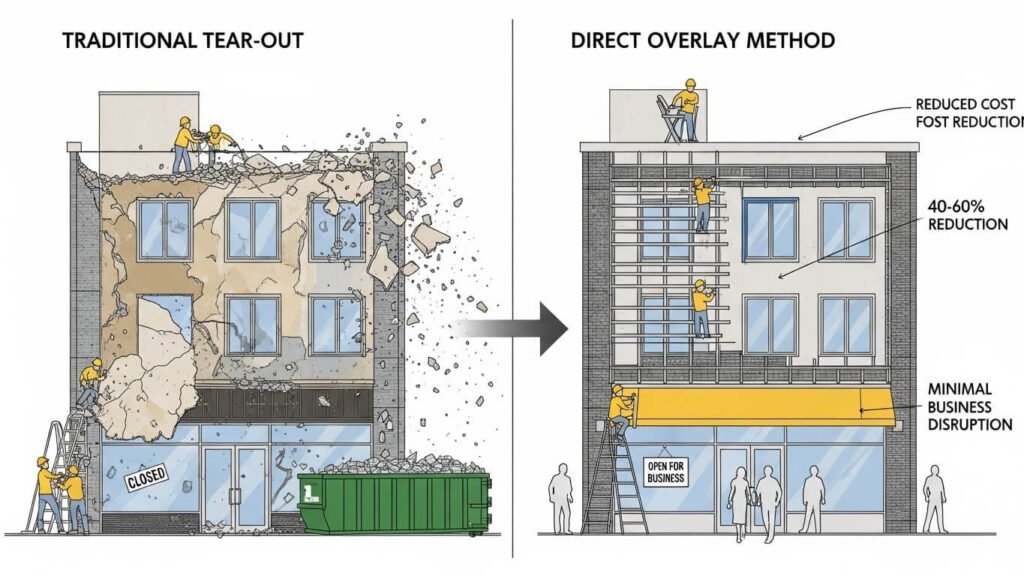
Las fachadas reacondicionadas mediante un método de recubrimiento directo atacan las partidas más importantes del presupuesto de una renovación: la demolición y el tiempo de inactividad del negocio. Los métodos tradicionales de derribo inflan los costes del proyecto en 40-60% mano de obra y tasas de eliminación de residuos, lo que obliga a cerrar a negocios que generan ingresos, como hoteles y tiendas, y agrava el impacto financiero. Este análisis examina los requisitos técnicos [...]
Renovación hotelera: Modernización de hoteles sin tiempo de inactividad
El cierre de habitaciones de hotel por reformas reduce directamente el inventario disponible para la venta de un establecimiento y distorsiona indicadores de rendimiento como el RevPAR. Dado que los valores de referencia del coste por habitación ocupada (CPOR) se sitúan actualmente entre el 1 % y el 4 % del 20 %, cada noche que una habitación permanece fuera de servicio aumenta los gastos generales de las habitaciones restantes. Los gestores de activos necesitan métodos de renovación que protejan las fuentes de ingresos al tiempo que modernizan los espacios para los huéspedes. […]
 Spanish
  English
  French
  Arabic
  German