 Ir al contenido
Choosing a building facade requires balancing architectural vision with the practical realities of structural load and budget constraints. High-mass materials often demand expensive foundation reinforcements, while low-cost alternatives may lack the fire resistance or longevity needed for large-scale commercial developments. Selecting the best exterior cladding involves identifying materials that simplify installation while meeting strict safety and performance protocols.
This analysis ranks seven materials based on their weight efficiency, durability, and life-cycle costs. We compare options ranging from economical PVC at $0.85 per square foot to dense natural stone reaching 2500 kg/m³. We also highlight how modern solutions like flexible stone panels, weighing only 5-10 kg per square meter, allow projects to achieve the appearance of traditional masonry without the heavy structural investment or labor-intensive site work.
Industry Manufacturers List
Comparación rápida: Las mejores opciones
| Fabricante | Ubicación | Fuerza del núcleo | Veredicto |
|---|---|---|---|
| Fibrocemento | Global Standard | Panels, planks, shingles; factory-applied finishes; brands like James Hardie | Highly durable and fire-resistant material that perfectly mimics natural textures with low maintenance. |
| Aluminum Cladding Panels | Global Standard | Aluminum panels, composite aluminum panels (ACP), curtain wall systems | Lightweight, recyclable, and sleek; the premier choice for modern aesthetics and ventilated facades. |
| Revestimiento vinílico | United States (Primary Market) | Vinyl panels, shakes, shingles, Dutch lap profiles | The most cost-effective and versatile siding option for residential projects. |
| Stone Cladding | Global Standard | Granite, slate, limestone veneer, honeycomb stone panels | Offers unmatched prestige and weather resistance for high-end luxury developments. |
| Wood Cladding | Global Standard (Species vary by region) | Cedar, Western Red Cedar, Siberian Larch, Ipe, wood polymer composite | A sustainable, carbon-storing option that provides natural warmth and traditional character. |
| Stucco | Global Standard (Warm/Dry Climates) | Cement-based stucco, colored stucco, textured finishes | A customizable, noise-blocking finish ideal for Mediterranean and tropical architectural styles. |
| uPVC (Unplasticized Polyvinyl Chloride) | Global Standard | uPVC panels, composite cladding systems, interlocking profiles | Lightweight and moisture-resistant solution offering significant cost savings for budget-conscious builds. |
Fibrocemento
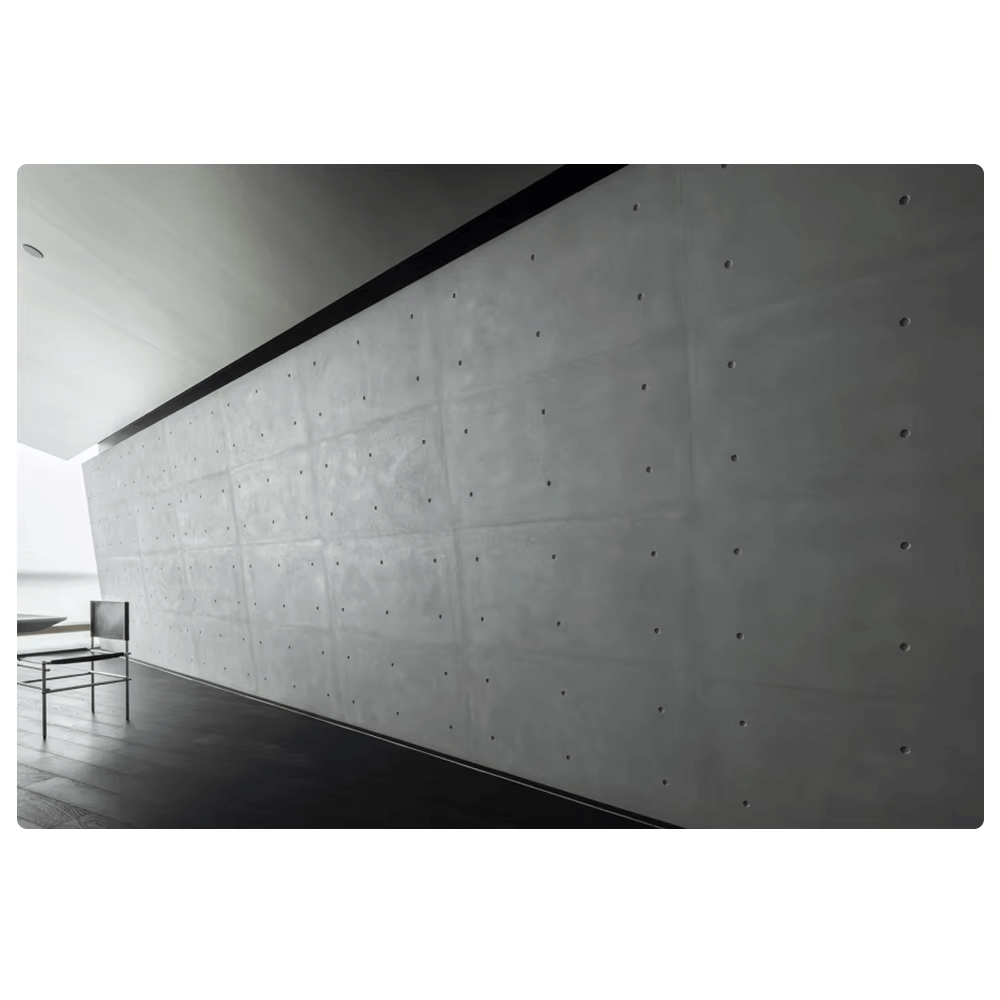
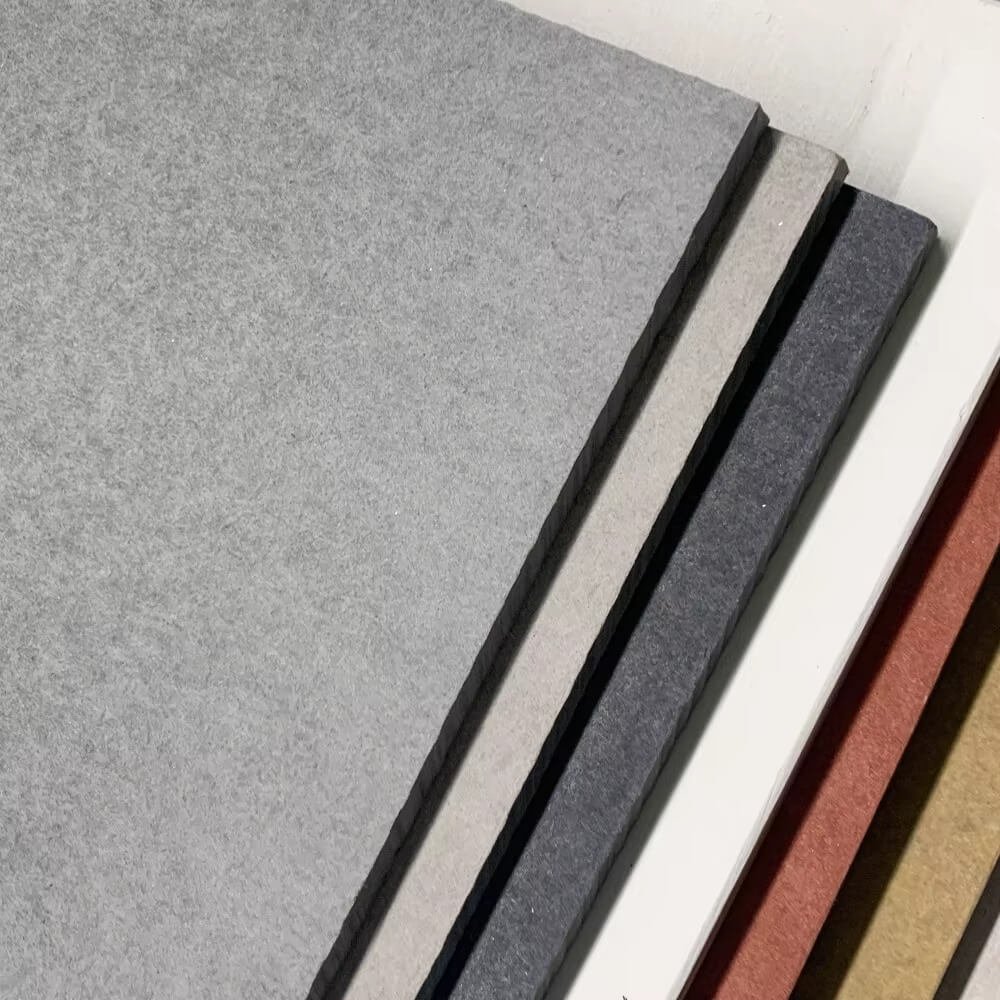
Fiber cement serves as a resilient cladding solution by blending cement with cellulose fibers. This structural composition creates a sturdy exterior that naturally resists rot and insect damage. It mimics the texture and appearance of natural materials like wood or stone, giving builders a versatile design tool that withstands harsh environmental conditions.
Industry leaders like James Hardie manufacture these products in various forms, including panels, planks, and shingles. Many of these products feature factory-applied finishes that ensure consistent color and long-term protection. The material’s fire-resistant properties make it a safe choice for high-density areas and residential neighborhoods alike.
De un vistazo:
- 📍 Ubicación: Global Standard
- 🏭 Fuerza del núcleo: Panels, planks, shingles; factory-applied finishes; brands like James Hardie
- 🌍 Mercados clave: Residential homes, schools, mixed-use developments
Por qué los elegimos:
| ✅ Las ganancias | ⚠️ Compensaciones |
|---|---|
|
|
Aluminum Cladding Panels
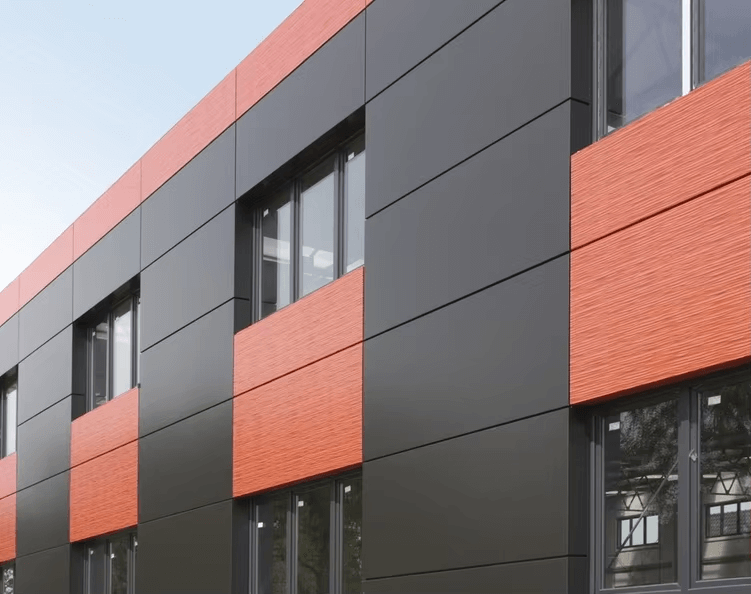
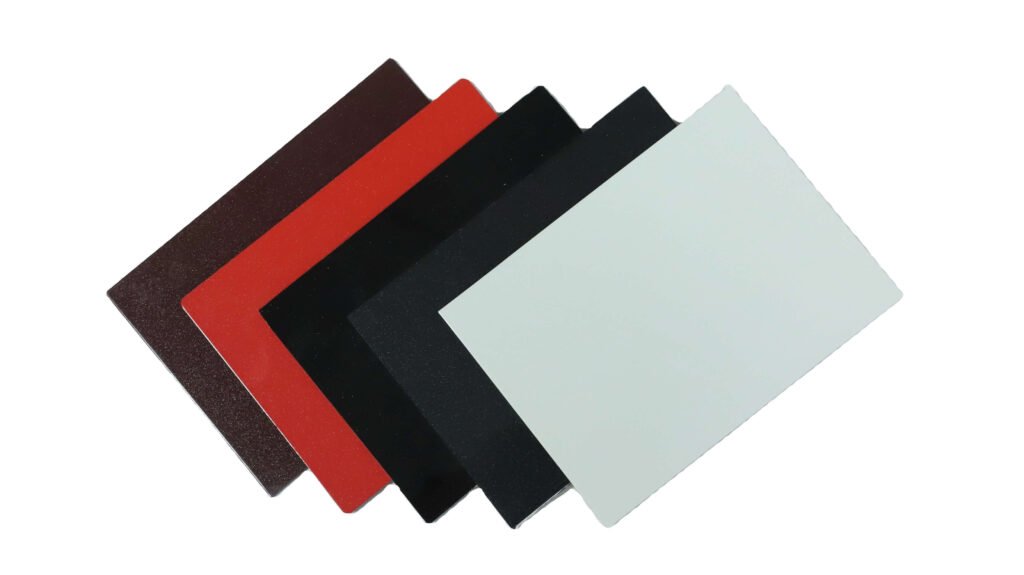
Aluminum cladding panels provide a lightweight and corrosion-resistant material that creates a modern aesthetic. These panels fit well within ventilated facade systems, offering architects a wide variety of textures and finishes to achieve specific design goals.
The production range includes solid aluminum panels, composite aluminum panels (ACP), and comprehensive curtain wall systems. These products meet global standards for use in commercial developments, modern residential properties, and high-end custom houses.
De un vistazo:
- 📍 Ubicación: Global Standard
- 🏭 Fuerza del núcleo: Aluminum panels, composite aluminum panels (ACP), curtain wall systems
- 🌍 Mercados clave: Commercial projects, modern residential properties, custom houses
Por qué los elegimos:
| ✅ Las ganancias | ⚠️ Compensaciones |
|---|---|
|
|
Revestimiento vinílico
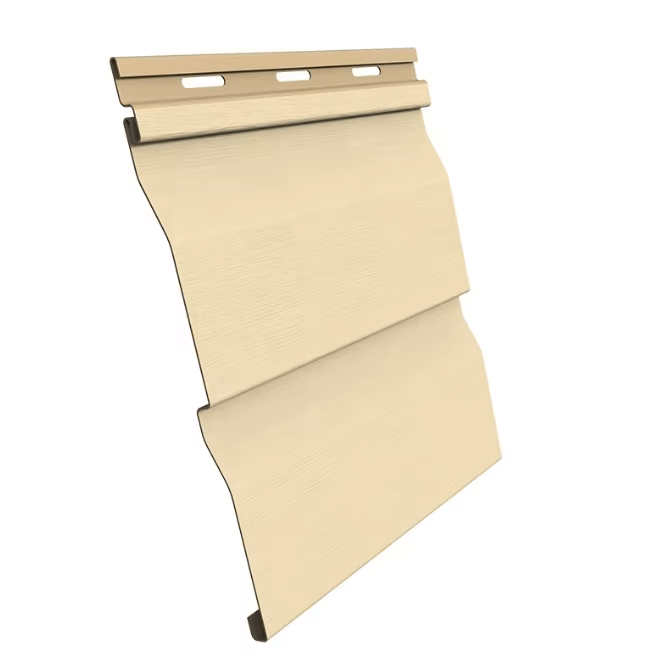
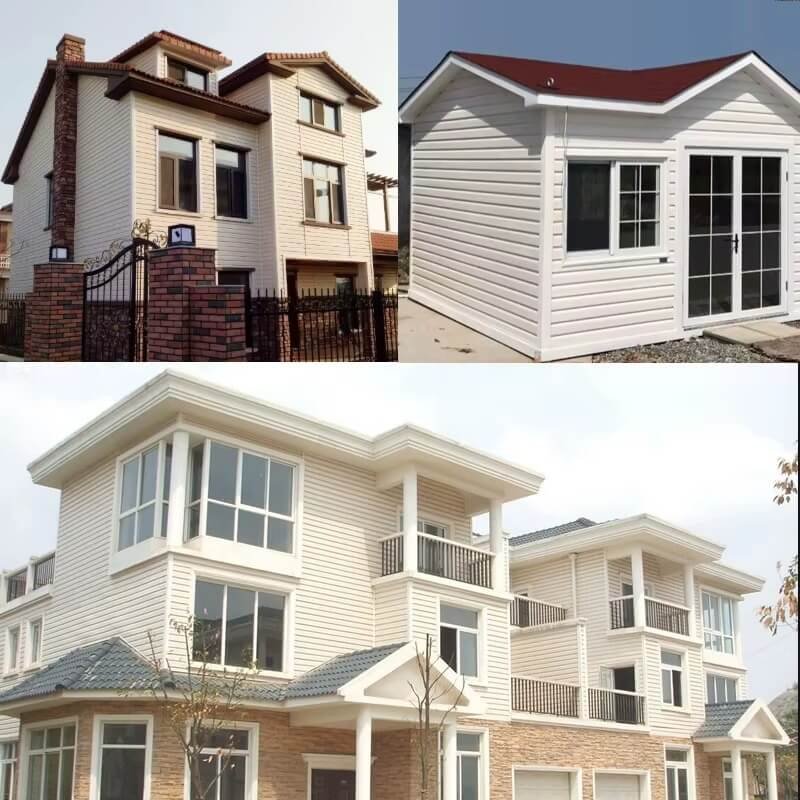
Vinyl siding stands as the most popular choice for home exteriors across the United States. Its reputation rests on a combination of long-term durability and cost-effectiveness. This material protects structures from the elements while requiring minimal upkeep compared to traditional wood or masonry.
Manufacturers offer an extensive array of profiles and textures to suit different architectural styles. Options include standard horizontal panels, rustic shakes, shingles, and Dutch lap profiles. This variety allows residential owners to achieve specific aesthetic goals, such as the look of cedar or classic clapboard, without the high price tag or maintenance demands.
De un vistazo:
- 📍 Ubicación: United States (Primary Market)
- 🏭 Fuerza del núcleo: Vinyl panels, shakes, shingles, Dutch lap profiles
- 🌍 Mercados clave: Residential homes; cost-conscious homeowners
Por qué los elegimos:
| ✅ Las ganancias | ⚠️ Compensaciones |
|---|---|
|
|
Stone Cladding
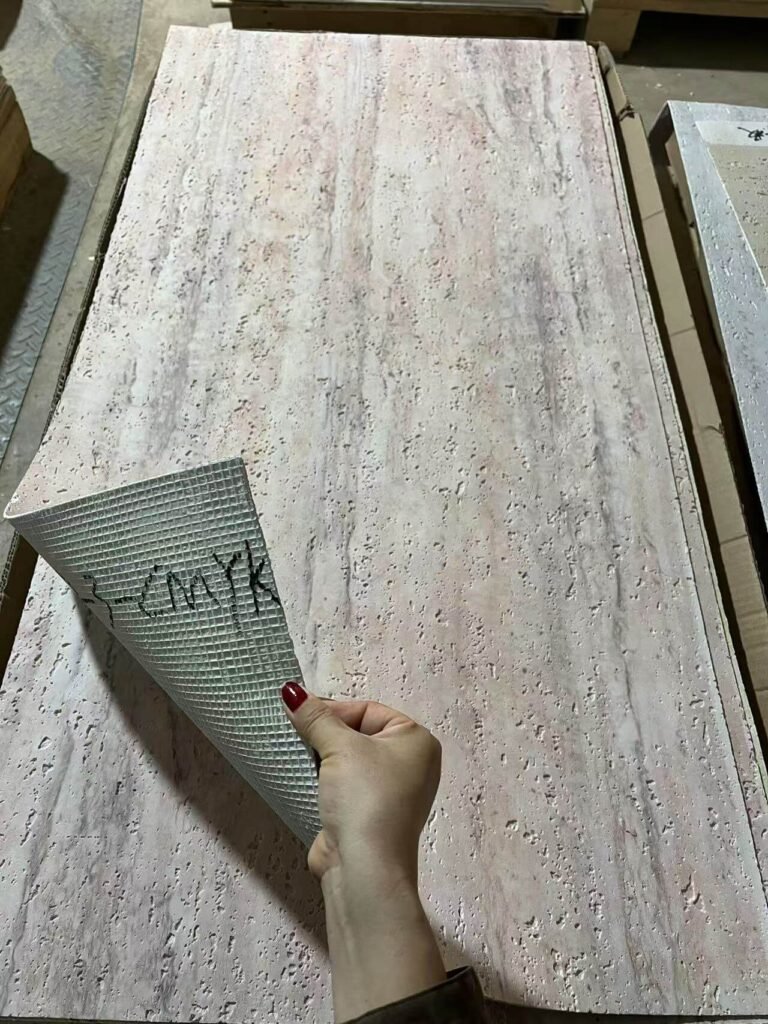
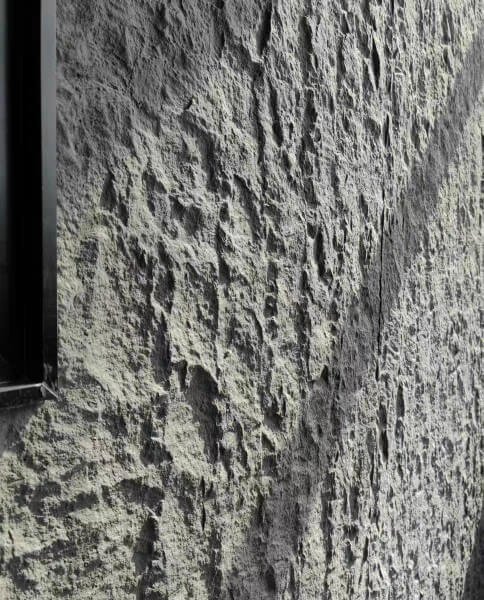
Stone cladding provides a timeless finish for buildings by using natural materials like granite and limestone. These surfaces offer a level of prestige and weather resistance that few synthetic alternatives can match. Architects often choose these materials to create a lasting impression on high-end residential projects and landmark buildings.
Modern processing techniques create various formats, including solid veneers and lightweight honeycomb panels. This variety lets builders apply stone aesthetics to different structures while retaining the natural insulation and unique textures found in slate and limestone.
De un vistazo:
- 📍 Ubicación: Global Standard
- 🏭 Fuerza del núcleo: Granite, slate, limestone veneer, honeycomb stone panels
- 🌍 Mercados clave: High-end residential properties, luxury homes, prestige projects
Por qué los elegimos:
| ✅ Las ganancias | ⚠️ Compensaciones |
|---|---|
|
|
Wood Cladding
Example :https://www.montanatimberproducts.com/product-applications/thermally-modified-wood/
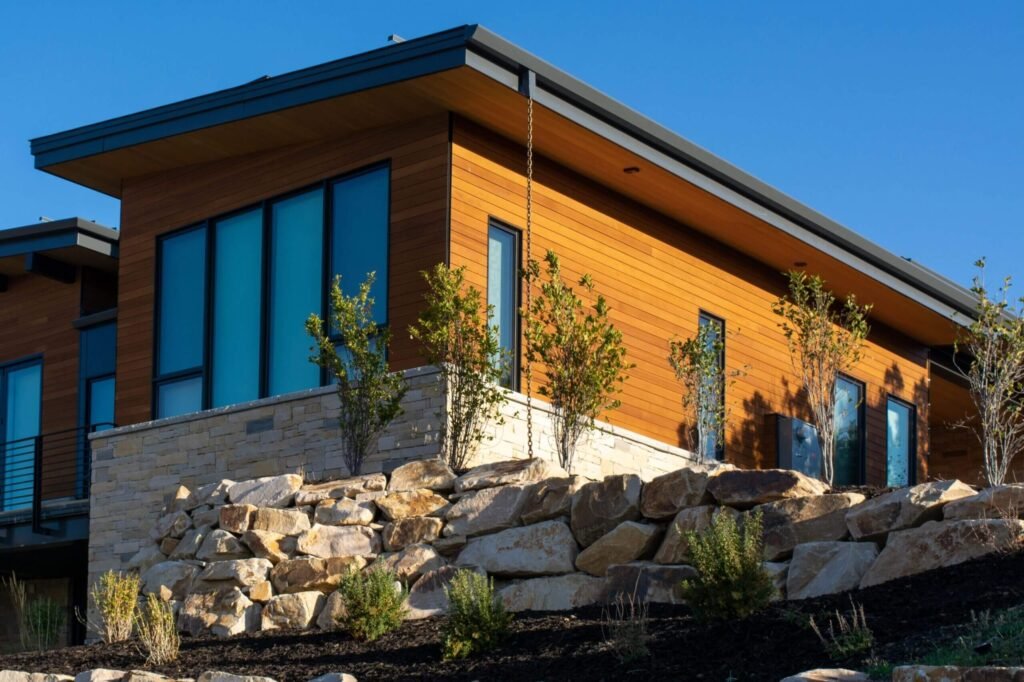
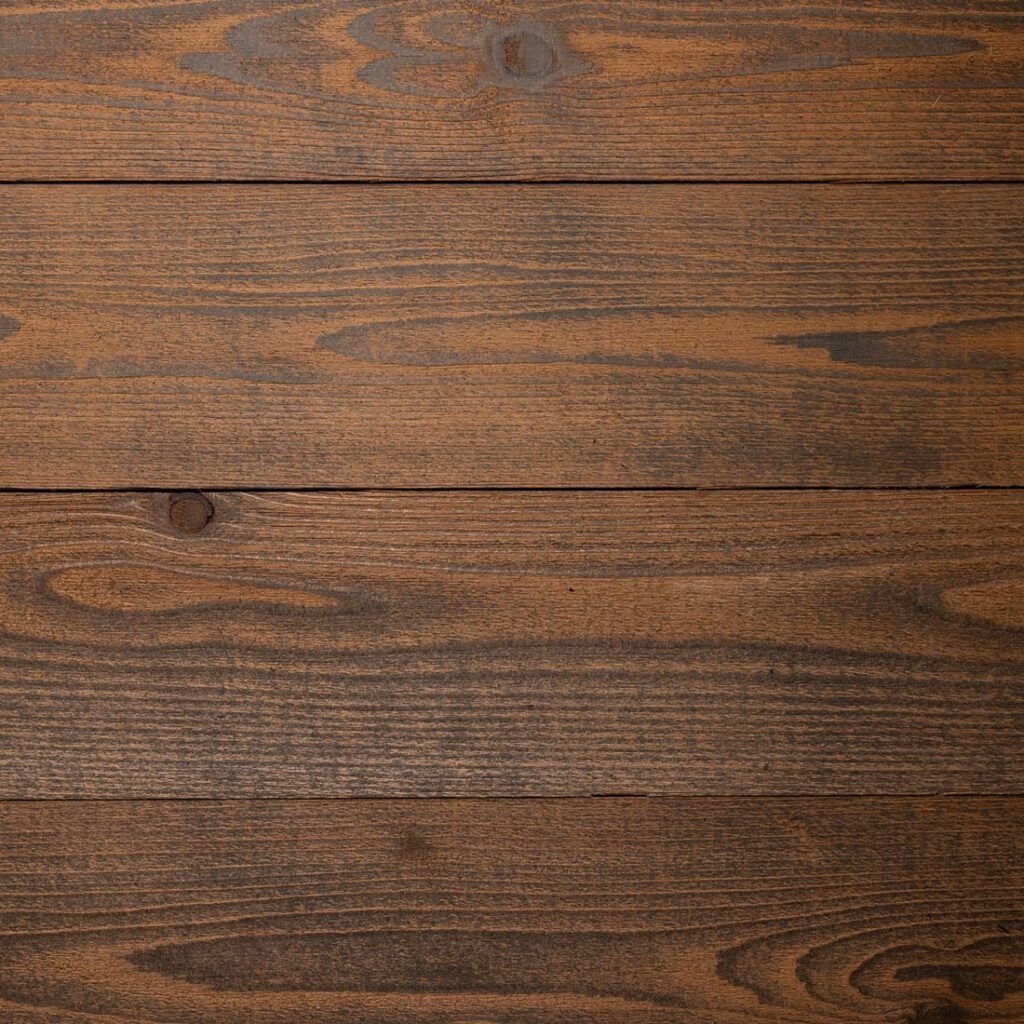
Choosing wood cladding brings a unique texture and natural warmth to building exteriors. Homeowners often select species like cedar, redwood, or larch because these materials store carbon and offer a renewable alternative to synthetic options. Each plank displays distinct grain patterns that age gracefully, though they require specific care to maintain their original appearance and structural integrity over decades.
Different regions specialize in specific wood types based on local climate and availability. While western red cedar remains a popular choice for its natural durability, larch provides a dense, hardy option for colder environments. These materials work well for traditional homes and modern eco-friendly designs, bridging the gap between historical building methods and contemporary environmental standards.
De un vistazo:
- 📍 Ubicación: Global Standard (Species vary by region)
- 🏭 Fuerza del núcleo: Cedar, Western Red Cedar, Siberian Larch, Ipe, wood polymer composite
- 🌍 Mercados clave: Residential homes seeking traditional aesthetics; eco-conscious homeowners
Por qué los elegimos:
| ✅ Las ganancias | ⚠️ Compensaciones |
|---|---|
|
|
Stucco
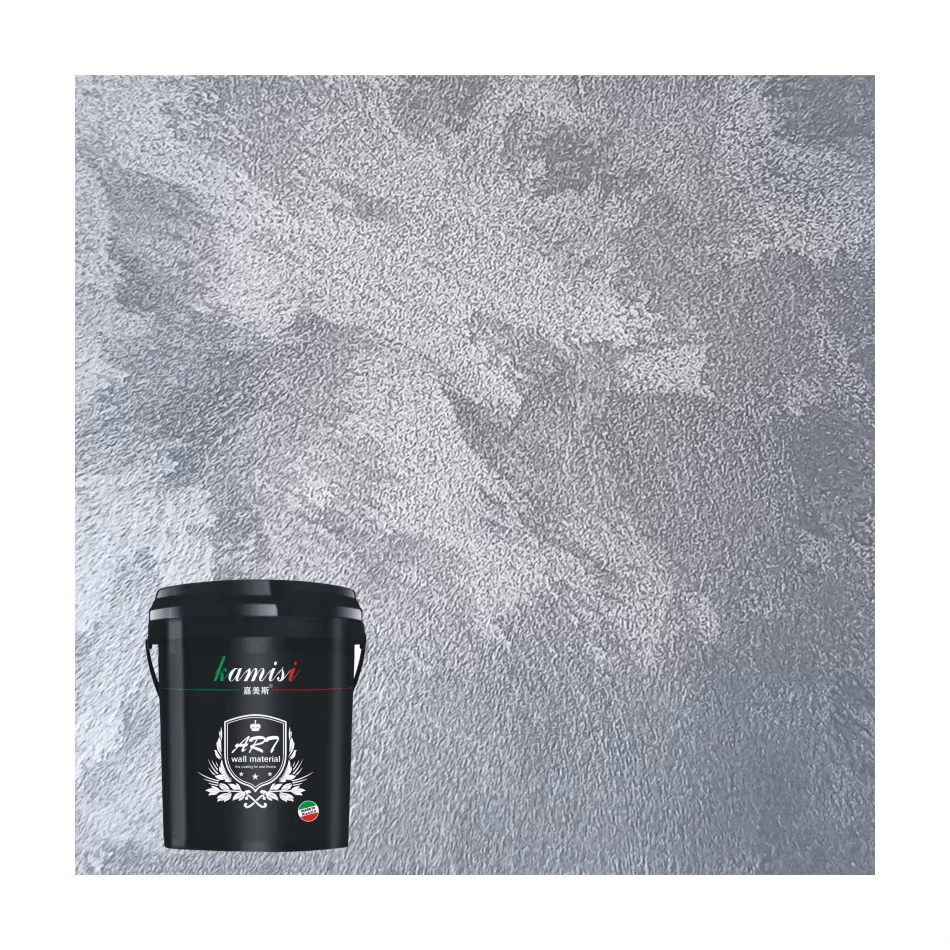
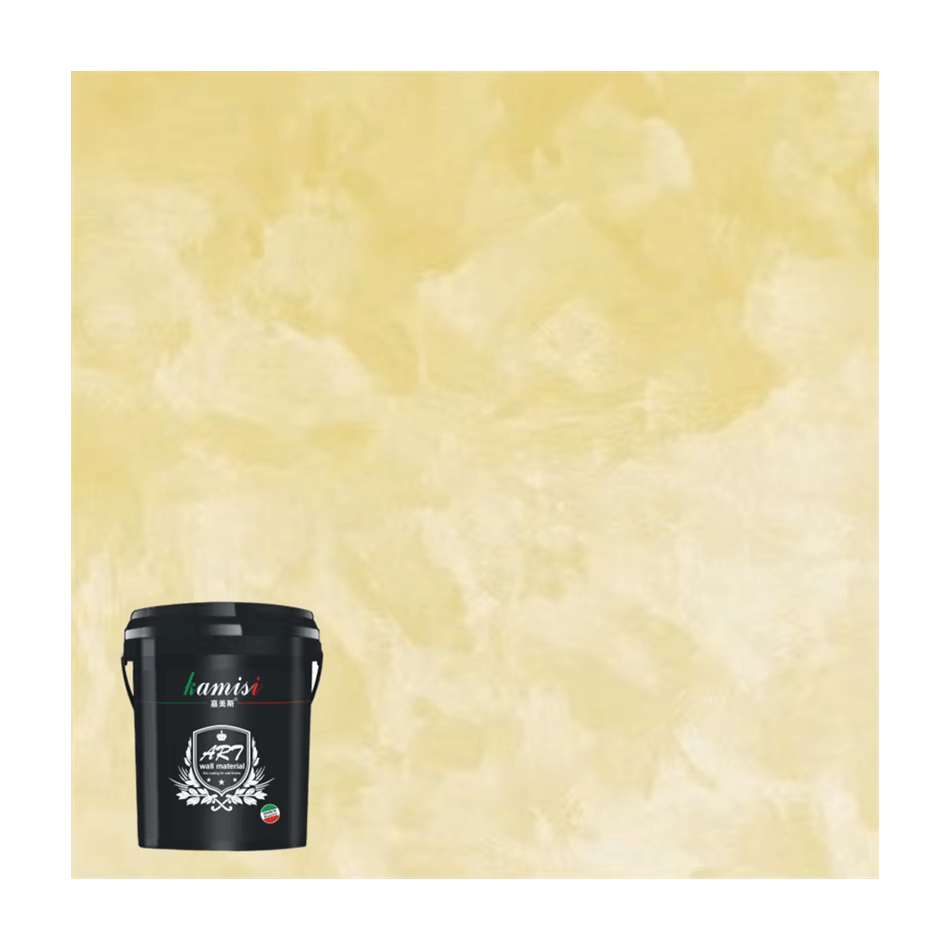
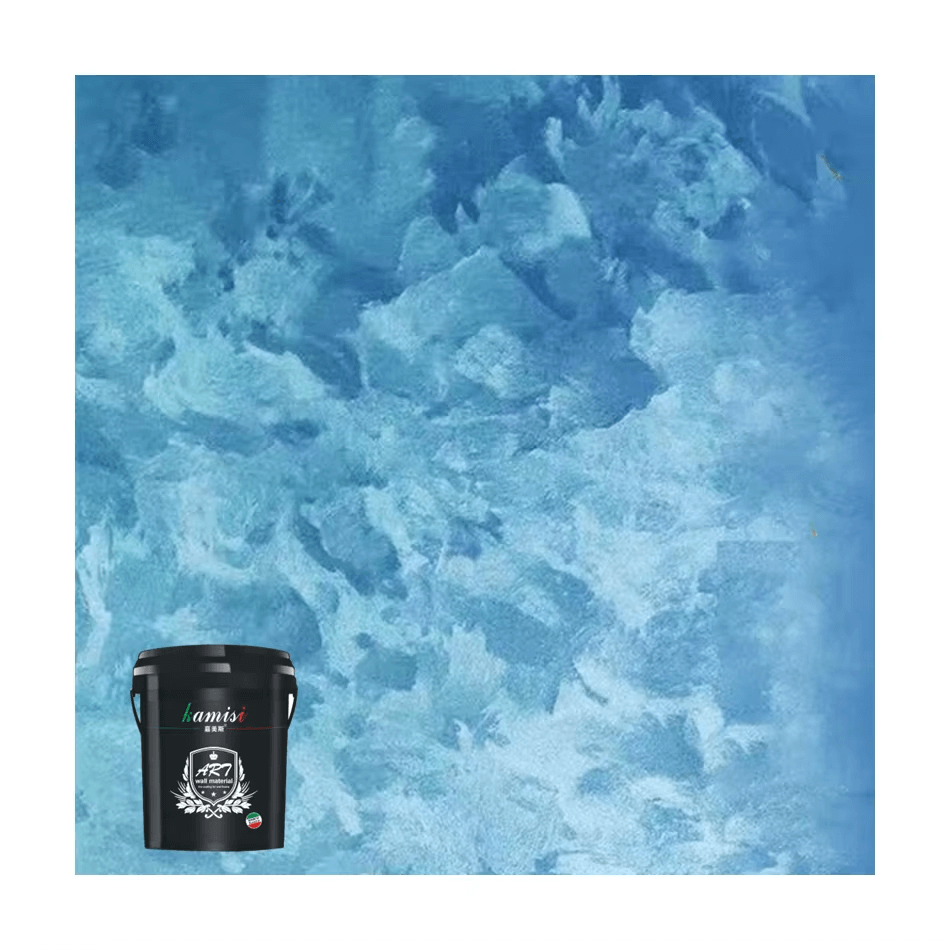
Stucco consists of a traditional blend of Portland cement and sand. This combination creates a resilient exterior shell that offers excellent noise-blocking properties and a seamless, smooth look for buildings. Homeowners and architects choose this material for its versatility and ability to accommodate various textures and colors.
This material performs exceptionally well in regions that experience consistent warmth. Its composition allows it to shield structures from intense sun while maintaining structural integrity over decades. While modern applications include colored and textured options, the core benefits remain rooted in its dense, protective nature.
De un vistazo:
- 📍 Ubicación: Global Standard (Warm/Dry Climates)
- 🏭 Fuerza del núcleo: Cement-based stucco, colored stucco, textured finishes
- 🌍 Mercados clave: Mediterranean, southwestern, and tropical architectural styles
Por qué los elegimos:
| ✅ Las ganancias | ⚠️ Compensaciones |
|---|---|
|
|
uPVC (Unplasticized Polyvinyl Chloride)
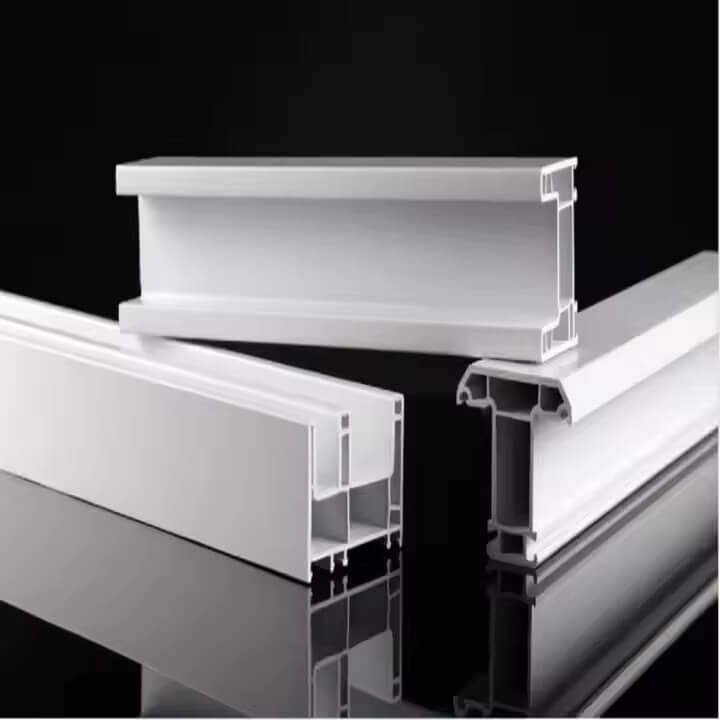
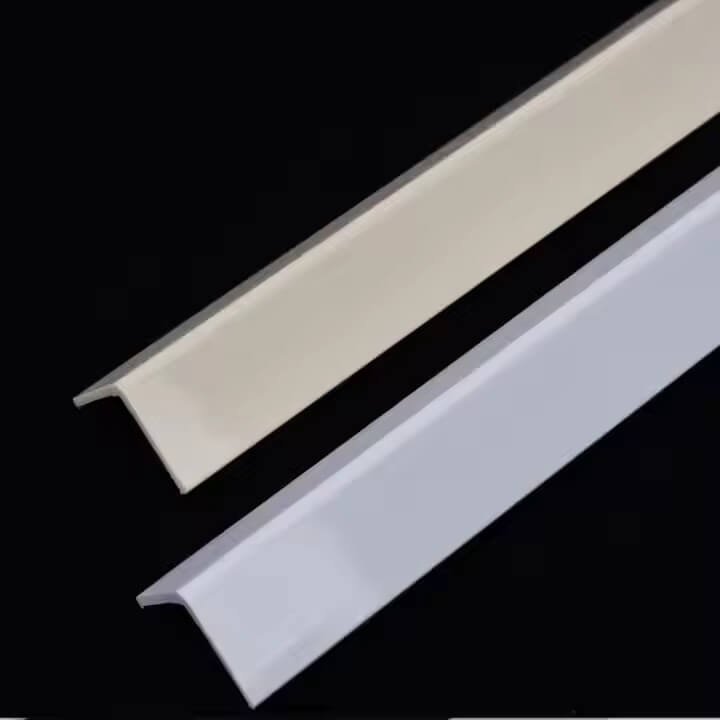
uPVC serves as a lightweight cladding material that requires minimal maintenance while resisting water damage and pests. Its interlocking profiles create a tight seal that prevents leaks and improves structural longevity without the weight of traditional materials.
This material offers significant cost savings for large-scale projects and individual home renovations. Manufacturers focus on composite systems that integrate easily with existing building structures to provide a weather-resistant finish.
De un vistazo:
- 📍 Ubicación: Global Standard
- 🏭 Fuerza del núcleo: uPVC panels, composite cladding systems, interlocking profiles
- 🌍 Mercados clave: Budget-conscious homeowners, sustainable building projects
Por qué los elegimos:
| ✅ Las ganancias | ⚠️ Compensaciones |
|---|---|
|
|
Comparison Table: Price vs. Weight
An inverse relationship exists between cost and weight efficiency in exterior cladding. Low-density materials like PVC and aluminum provide the best value-to-weight ratio for budget projects, while high-mass materials like natural stone require significant structural investment but offer superior long-term durability.
| Material Name | Cost Range | Weight / Density |
|---|---|---|
| PVC / uPVC | $0.85–$2.50 per sq ft | Low (Lightweight) |
| Aluminium Cladding | $3.00–$7.00 per sq ft | 1250 kg/m³ |
| Fiber Cement Board | Mid-Range | 1800 kg/m³ |
| Piedra natural | £80–£150 per sq m | 2500 kg/m³ |
| Composite (WPC) | $12.00–$20.00+ per sq ft | High Mass |
Cost Efficiency of Low-Density Materials
PVC and Aluminium Composite Panels (ACP) remain the most economical options for 2026 projects. Prices start as low as $0.85 per square foot, making them accessible for large-scale developments. These materials reduce labor costs because their lightweight nature allows for faster installation. A density of 1250 kg/m³ for aluminum ensures that crews can handle panels manually or with light tools, bypassing the need for heavy site machinery.
Structural Challenges of High-Mass Cladding
Natural stone and fiber cement boards require significant structural support due to high density. Stone can reach 2500 kg/m³, which often necessitates reinforced foundations or specialized wall ties to manage the dead load. Installation for these materials is labor-intensive and expensive. Natural stone frequently costs up to £150 per square meter, reflecting the specialized skills and safety protocols required to manage heavy masonry components.
Flexible Stone as a 2026 Performance Alternative
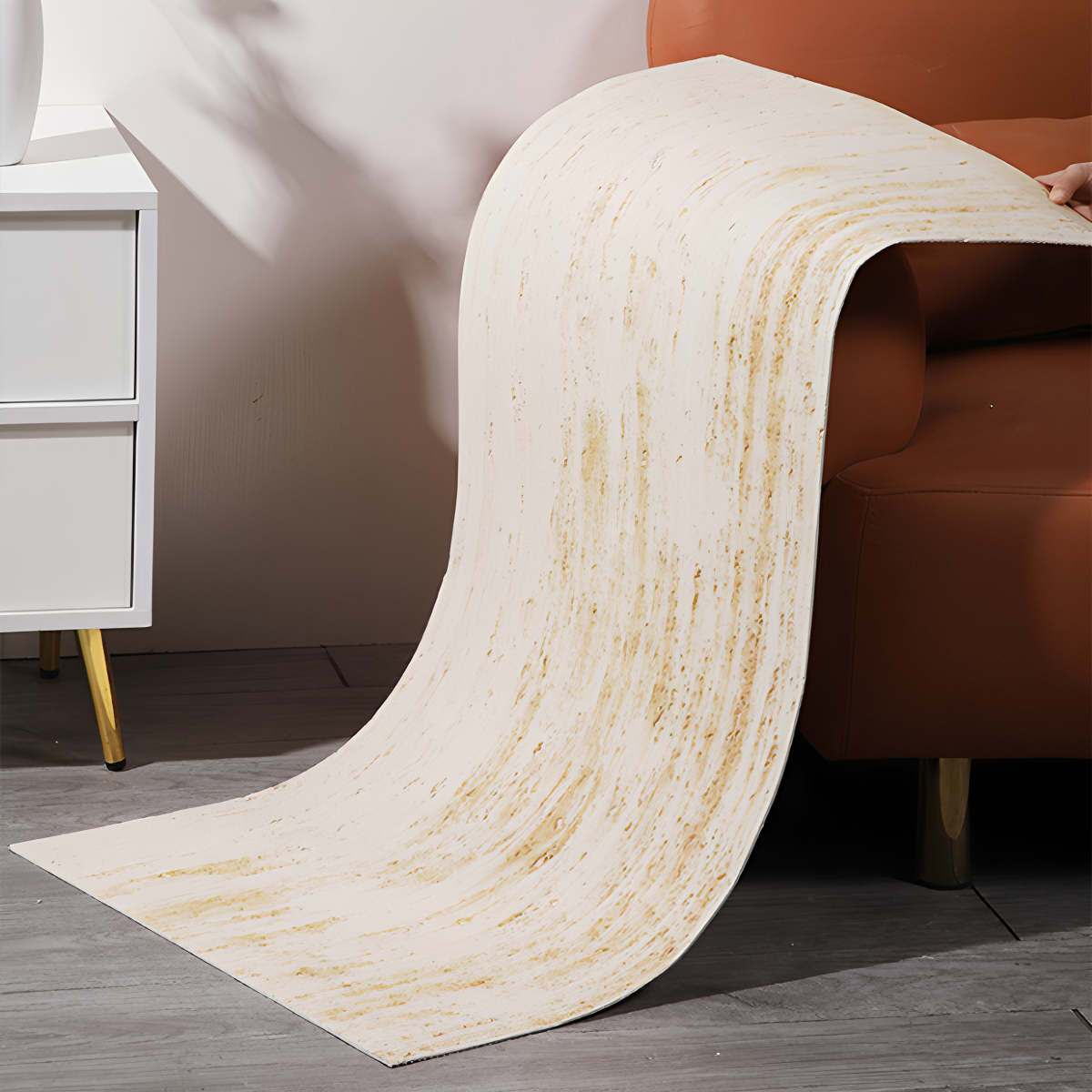
Flexible stone panels bridge the gap by offering the aesthetic of natural stone at a fraction of the weight. These panels typically weigh between 5-10 kg per square meter. JMS Decor solutions provide Class A2 fire ratings and 3D textures that replicate traditional masonry. This material choice avoids the heavy structural reinforcement needed for traditional stone, allowing architects to achieve a luxury appearance on standard framing systems.
Conclusion: The Winner for Commercial
Flexible stone emerges as the definitive commercial cladding choice for 2026 by balancing a lightweight 5-10kg per square meter profile with Class A2 fire safety compliance. It provides the architectural flexibility to cover curved surfaces while maintaining the high-end aesthetic of natural masonry at a significantly lower structural and logistical cost.
The Balance of Cost and Longevity
Commercial budgets for 2026 increasingly prioritize materials that minimize both initial capital expenditure and life-cycle maintenance. Flexible stone serves as a strategic alternative to traditional stucco, which often demands frequent repairs, and heavy natural stone slabs that require expensive structural reinforcement. By reducing material weight to 5-10kg per square meter, developers see a substantial decrease in shipping expenses and onsite labor requirements. This material sustains its performance over 15 years of direct exterior exposure, resisting the weathering and degradation that typically plague traditional masonry in high-traffic urban environments.
Safety and Sustainability Standards for 2026
Modern high-rise developments must meet rigorous safety protocols, including Class A2 fire ratings and specific ASTM certifications. Flexible stone satisfies these requirements while offering resilience against extreme thermal fluctuations, performing reliably in environments ranging from -40°C to intense high-heat conditions without cracking or warping. Beyond safety, the material supports sustainability goals through advanced 3D printing technology. This process replicates the intricate textures of rare wood or specialized metals without the environmental impact of raw material harvesting, providing a responsible path for green building certification.
Verdict: Why Flexible Stone is the 2026 All-Rounder
Architects value flexible stone for its unique capacity to adapt to complex geometries, such as curved pillars and architectural arches, which remain difficult to execute with rigid products like High-Pressure Laminate (HPL) or standard Aluminum Composite Panels (ACP). While ACP remains a common choice, flexible stone provides a superior depth of texture and higher impact resistance, making it more suitable for ground-level commercial facades. Furthermore, the availability of custom OEM manufacturing and low minimum order quantities allows developers to implement specialized branding and unique design motifs across large-scale commercial portfolios.
Eleve su espacio con un revestimiento de piedra flexible de primera calidad
Preguntas frecuentes
What is the best exterior cladding material for 2026?
Aluminum Composite Panels (ACP) lead the market for 2026 due to their fire-rated properties and design flexibility. Other top-performing materials include low-maintenance aluminum systems and fiber cement, which provide high weather resistance and various textures like wood or stone.
Which house siding offers the longest durability?
Fiber cement siding is engineered to last over 50 years, resisting warping, fire, and pests. Steel siding and brick veneer also provide exceptional resilience against extreme weather, though steel requires proper coatings to prevent corrosion in coastal areas.
What is the most cost-effective way to clad a house?
Vinyl cladding remains the most affordable option, with installation costs starting as low as $3 per square foot. Aluminum corrugated panels and softwoods like pine also offer low upfront costs, though wood requires regular staining to prevent rot.
Are there truly maintenance-free cladding options?
Materials like cellular PVC, metal panels, and composite boards require minimal upkeep. These options resist rotting, fading, and insect damage, generally only needing an occasional rinse with water to maintain their appearance.
Why use flexible stone panels for commercial facades?
Flexible stone panels offer a lightweight alternative to traditional stone, weighing only 5-10 kg per square meter. They provide an A2 fire rating and can withstand temperatures down to -40°C, making them an efficient choice for modern architectural designs in 2026.
Reflexiones finales
Selecting an exterior material involves weighing upfront expenses against long-term upkeep. Budget-focused builds typically favor PVC or vinyl due to their low cost. In contrast, commercial projects are shifting toward aluminum and flexible stone for their durability and streamlined installation. These newer solutions deliver the look of heavy masonry while keeping the building’s overall weight low.
Safety standards and environmental resilience will drive cladding choices throughout 2025 and 2026. Flexible stone panels meet these demands by pairing fire-rated safety with easy handling on the job site. Choosing these high-performance materials helps developers avoid the expensive structural reinforcements required by traditional stone, resulting in buildings that are both durable and cost-effective.

 Spanish
  English
  French
  Arabic
  German