Choosing the right tiny home cladding can make the difference between a road-legal build and one that risks expensive DOT fines or catastrophic transport failure. Every pound added to the exterior is a pound subtracted from interior finishes and structural integrity, directly impacting your total gross vehicle weight rating (GVWR) and the project’s viability.
This guide provides the technical data needed for material selection. We will run the numbers on a tiny home’s weight budget, directly comparing lightweight stone veneer against traditional wood siding. You’ll get the calculations for balancing design aesthetics with tow-ready compliance, while also factoring in R-value for insulation and builder-friendly installation methods.
The Weight Budget of a Tiny Home
For tiny homes on wheels, the legal towing weight limit dictates every material choice, making lightweight, high-performance cladding a structural necessity, not just a design preference.
Why Tiny Home Weight Limits Are Critical
For any tiny home built on a trailer, legal road weight limits are the primary design constraint. Every material, from the framing to the exterior cladding, must be selected to keep the final structure safe and legally towable. Exceeding a trailer’s maximum weight capacity risks structural failure and creates dangerous towing conditions.

The home’s total weight also directly impacts fuel efficiency, the type of vehicle required for transport, and compliance with local transportation laws. A strict weight budget forces builders to prioritize efficient, high-performance materials over bulky, traditional options.
Comparing Cladding Options by Weight
The choice of exterior cladding significantly affects the total weight of a tiny home. While traditional materials like solid wood or fiber cement offer a classic look, their sheer mass often makes them unsuitable for mobile structures. These heavy options can consume a large portion of the available weight budget before interior finishes are even considered.
Lighter alternatives like metal siding, which weighs around 1-2 lbs per square foot, provide a better balance. Innovative materials like flexible stone panels offer the aesthetic of real stone but are engineered for minimal weight, making them an excellent fit for these demanding projects.
| Cladding Material | Typical Weight (per sq ft) | Key Consideration |
|---|---|---|
| Traditional Stone / Fiber Cement | 6 – 12 lbs | Extremely heavy; quickly consumes the weight budget and is often impractical for mobile homes. |
| Metal Siding (Aluminum/Steel) | 1 – 2 lbs | A popular lightweight option offering a good balance of durability and low weight. |
| JMS Decor Flexible Stone | 0.7 – 1.3 lbs | Achieves a stone aesthetic at a fraction of the weight, maximizing design freedom without a structural load penalty. |
The Shift Toward Material Efficiency
The tiny home industry is moving toward material efficiency as a core design principle. This trend favors innovative materials that provide insulation, durability, and style without adding unnecessary bulk. Builders are using advanced framing techniques and lightweight composite materials to reduce the home’s base structural weight. This focus on efficiency maximizes usable interior square footage while keeping the structure within strict trailer limits. The objective is to build a durable, well-insulated, and visually appealing home where every component is selected for its performance-to-weight ratio.
For tiny homes on wheels, exterior cladding weight isn’t a design choice—it’s a fundamental engineering constraint that dictates mobility, structural integrity, and legal compliance.
Stone vs. Wood Siding Weight Calculation
Flexible Stone Panels: The Lightweight Solution


In 2026, weight management is the primary driver of material selection in tiny home construction. JMS Decor’s flexible stone panels deliver the authentic appearance of stone but at a fraction of the weight, typically around 1 to 2 lbs per square foot. This significant reduction in structural load makes it a practical solution for mobile structures where every pound impacts towing capacity and foundation design.
- Drastically lowers the structural demand on the tiny home’s frame and trailer.
- Enables complex, high-end stone finishes without exceeding road-legal weight limits.
- Provides a durable, authentic stone veneer that is simple to handle and install.
| Material | Weight (per sq ft) | Impact on Tiny Home Design |
|---|---|---|
| JMS Decor Flexible Stone | ~1.2 lbs | Minimal structural load. Maximizes design freedom within weight limits. Logistics-friendly. |
| Manufactured Stone Veneer | 6-12 lbs | Adds significant weight. Often requires a heavier, more expensive trailer and reinforced framing. |
| Traditional Wood Siding (Cedar) | ~2.5 lbs | Moderate weight impact. Requires consistent maintenance (sealing, staining) to prevent rot and decay. |
Comparing Traditional Siding Weights
Conventional siding materials introduce serious weight challenges. Manufactured stone veneer, a common alternative to solid stone, still weighs between 6 and 12 lbs per square foot. Wood siding weights vary by species, moisture content, and thickness, but even lighter woods add more mass than modern flexible stone solutions. These heavier options can quickly consume a tiny home’s limited weight budget, forcing compromises in other areas like interior finishes or appliance selection.
- Manufactured stone introduces a heavy dead load, complicating structural engineering and mobility.
- Wood siding forces a trade-off between the desired aesthetic and its overall weight contribution.
- Heavier materials directly translate to the need for a more robust and costly trailer or foundation.
How to Calculate Total Cladding Weight
To manage your tiny home’s weight budget effectively, you must calculate the total siding weight before purchasing materials. This calculation ensures your design choices are viable from both a structural and legal standpoint, preventing costly errors during the build process.
- Calculate the total square footage of your exterior walls. Remember to subtract the area of all window and door openings.
- Multiply the total wall area by the material’s weight per square foot.
- Factor in the added weight of fasteners and adhesives. For a typical tiny home, this can add another 50 to 100 pounds to your final calculation.
Elevate Your Designs with Customizable Stone Veneer
R-Value: Adding Insulation without Bulk
In tiny home construction, selecting high R-value insulation is a strategic decision to preserve finite interior living space, not just a thermal one.
Maximizing insulation efficiency is a primary challenge in tiny house design, where every inch of interior space directly impacts livability. The goal is to achieve high R-values—the standard measure of thermal resistance—within the limited wall and roof cavities available in compact framing. This requires moving beyond bulky, traditional materials to more advanced, space-saving solutions.
Maximizing Space with High R-Value Foam
In a tiny home, wall and ceiling thickness is a luxury. High-performance insulation materials deliver superior heat resistance in thin profiles, directly preserving valuable interior living space compared to bulkier options like fiberglass. Two primary solutions dominate this market.
- Closed-cell spray foam provides an R-value of R-6 per inch, nearly double the efficiency of traditional fiberglass. To meet a common building code mandate of R-30 for roofs, you only need about 5.5 inches of depth, saving critical headroom.
- Polyisocyanurate (Polyiso) rigid foam boards offer the highest rating at R-6.7 per inch. These are increasingly used for continuous exterior insulation systems where they add thermal performance without encroaching on the interior footprint.
Integrated Moisture and Air Sealing
Closed-cell spray foam delivers a significant operational advantage by functioning as an all-in-one insulator, vapor barrier, and air sealer. In a compact structure prone to moisture issues, this integrated approach simplifies the build process. It eliminates the need to install separate membrane layers for air and moisture control, reducing labor time and potential points of failure. This single-application system is a key reason for its adoption over traditional multi-layer wall assemblies.
The Cost vs. Space Trade-Off
While traditional fiberglass batts are the most economical option, tiny house builders increasingly prioritize usable space over initial material savings. The higher upfront cost of closed-cell spray foam or rigid foam panels is often justified by the premium placed on every inch of interior square footage. This trade-off reflects a strategic shift in the market: the value of a larger, more comfortable living area inside the home’s small footprint outweighs the lower price of a thicker, less efficient wall assembly.
DIY Friendly Install for Tiny House Builders
Owner-builders prioritize cladding that is simple to install, light enough to handle alone, and cost-effective, making material selection a critical factor in project success.
Simple Installation and Upkeep
For most tiny house builders, the ideal cladding is easy to install and requires little to no long-term maintenance. Materials with simple fastening systems or direct adhesion methods appeal directly to owner-builders who often have limited construction experience.
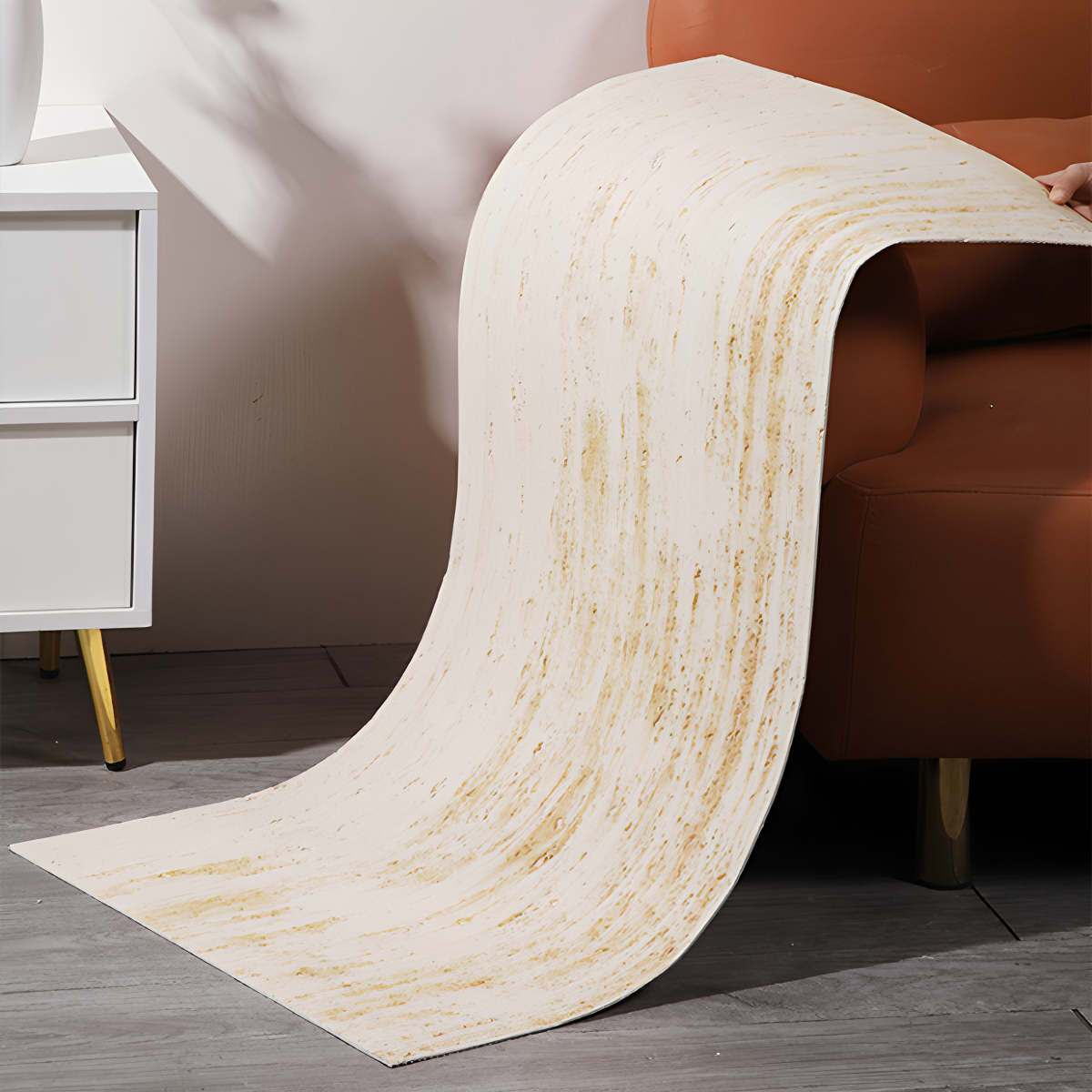
This approach simplifies the project and reduces future upkeep. Some modern flexible panels can even be cut with a standard utility knife and installed directly over existing surfaces, eliminating demolition noise and dust.
- Materials are selected for quick assembly that does not require specialized tools.
- Low-maintenance properties ensure the tiny home’s exterior stays in good condition with minimal effort.
- Straightforward installation protocols help keep project timelines predictable and on schedule.
Lightweight Materials for Easy Handling
Lightweight composite-based panels are gaining traction over traditional timber because they are significantly easier to handle on-site. This is a major benefit for DIY builders working alone or with a small team. Lighter panels simplify the entire installation process, from transport to final positioning on the wall, reducing both physical strain and the risk of damage during construction.
- Lighter materials directly reduce the physical workload of the build.
- JMS Decor’s flexible stone panels, for example, weigh only 3.5–6.0 kg per square meter, making them easy for one person to position and secure.
- Reduced material weight can also lower transportation costs to the build site.
Cost-Effective Cladding Choices
Cost is a primary constraint for nearly every tiny house project. Engineered wood and fiber-cement options are popular because they offer durability comparable to more expensive materials but at a lower price point. This makes them a practical choice for budget-conscious builders who still need reliable performance and a clean aesthetic.
- Engineered solutions provide a solid balance of performance and affordability.
- Choosing cost-effective materials helps keep the overall project budget from expanding unexpectedly.
- Many modern options deliver a high-end look without the associated premium price tag.
Design Ideas: Modern vs. Rustic
By 2026, the defining trend is not a choice between modern or rustic, but a strategic blending of materials to create hybrid designs that maximize visual interest on a small structure.
Modern Aesthetics with Flexible Stone Panels
For a clean, minimalist look, flexible stone panels provide a sleek finish ideal for contemporary tiny homes. This approach works well in urban settings by emphasizing durability and a low-maintenance exterior.
The material, a composite of natural stone powder and polymers, allows for sharp, geometric lines that mimic solid stone or even concrete. Its inherent durability aligns with the modern focus on functional, long-lasting design. To create visual depth, builders often pair smooth stone panels with metal trim, large glass windows, or small wood accents.

Rustic Charm with WPC Wood-Look Siding
To achieve the warmth and natural appeal of wood, Wood-Plastic Composite (WPC) siding is the practical choice. This style is a strong fit for tiny homes in rural or natural settings, offering a cozy, cabin-like aesthetic that integrates with the environment.
WPC siding delivers the classic, inviting look of timber but with superior resistance to moisture, pests, and rot—common failure points for traditional wood cladding. This gives builders the desired aesthetic without the long-term maintenance burden.
Hybrid Designs: Blending Stone and Wood Textures
The most popular design approach today involves blending modern and rustic elements. By mixing materials like flexible stone and WPC siding, you can create a unique tiny home exterior that feels both contemporary and warm. This mixed-material strategy is highly effective for making a small structure appear more dynamic and visually substantial.
- Use flexible stone panels as a durable, modern base or foundation wrap, then add WPC siding on upper sections as a warm, textured accent.
- The texture contrast breaks up flat surfaces, preventing the tiny home from looking like a simple box.
- This combination allows you to balance form and function, getting the sleek durability of stone and the inviting feel of wood in a single, cohesive design.
Conclusión
Choosing an exterior for a tiny home is a balancing act between aesthetics and towing weight. Lightweight stone veneer provides the classic look of natural stone without compromising your weight budget. Its simple, DIY-friendly installation also helps builders save time and labor costs on the project.
To see how flexible stone can fit your modern or rustic design, explore our different texture options. Requesting a sample is the best way to understand the material’s light weight and flexibility firsthand.
Preguntas frecuentes
Tiny house exterior ideas?
Popular tiny house exterior ideas focus on combining style with performance. Modern designs often feature vertical standing-seam metal siding in dark colors like charcoal or matte black, paired with natural cedar or pine accents.
For a rustic or farmhouse aesthetic, board-and-batten siding combined with corrugated metal wainscoting is a common choice. Scandinavian-inspired designs use light-colored vertical wood cladding with minimalist black trim. A major trend is using mixed materials, such as smooth aluminum composite panels for a sleek look on one section and textured, charred wood (Shou Sugi Ban) on another to create visual interest.
Lightweight siding for tiny homes?
The most effective lightweight siding options are metal and advanced composites.
Metal siding, particularly aluminum or 26-29 gauge steel, is a dominant choice as it typically weighs only 1–2 lbs per square foot while offering excellent durability.
Aluminum composite materials (ACMs) are another emerging lightweight solution that provides a sleek, modern finish.
Other viable options include vinyl siding, which is exceptionally light but may offer less impact resistance, and thin tongue-and-groove wood planks like cedar, which require more maintenance. Heavier materials like fiber cement and traditional thick wood siding are less common due to their significant impact on the overall weight budget.
Towing weight limit tiny house?
The standard towing weight limit for most tiny houses on wheels (THOWs) is 10,000 lbs. This limit is set to ensure the home can be safely towed by common heavy-duty pickup trucks (e.g., Ford F-250, Ram 2500). This is typically achieved using a trailer with tandem 5,200 lb-rated axles. While some larger custom builds may go up to 14,000-16,000 lbs, they require a significantly more powerful tow vehicle, such as a dually.
It is critical for builders to account for both the dry weight (the home itself) and the wet weight (with possessions, water, and propane) to stay safely under the trailer’s Gross Vehicle Weight Rating (GVWR).
Modern tiny house cladding?
Modern tiny house cladding emphasizes clean lines, smooth surfaces, and minimalist details. Standing-seam metal siding, installed vertically, is a leading choice for its sharp, linear appearance, especially in monochrome palettes like matte black or dark bronze. Aluminum composite materials (ACMs or ACPs) are also highly sought after for creating a perfectly flat, seamless facade.
Another popular option is charred wood, also known as Shou Sugi Ban, which offers a rich, textured, and durable black finish. Often, these materials are used in combination—for example, a primary metal exterior with a warm cedar or pine accent wall to add depth and natural texture.
Stone veneer for mobile home?
Yes, stone veneer is a practical option for a mobile home, provided you use the correct type. Traditional stone is far too heavy, but modern faux stone veneer made from high-density polyurethane or polymer is an ideal solution. These engineered panels are extremely lightweight, often weighing only 1-2 lbs per square foot, which is comparable to vinyl or metal siding. They are designed to be durable, weather-resistant, and offer a highly realistic appearance.
For mobile homes, this type of veneer is most effective when used as an accent, such as for skirting around the base of the home, on foundation pillars, or for a feature wall near the entrance.

 Spanish
  English
  French
  Arabic
  German