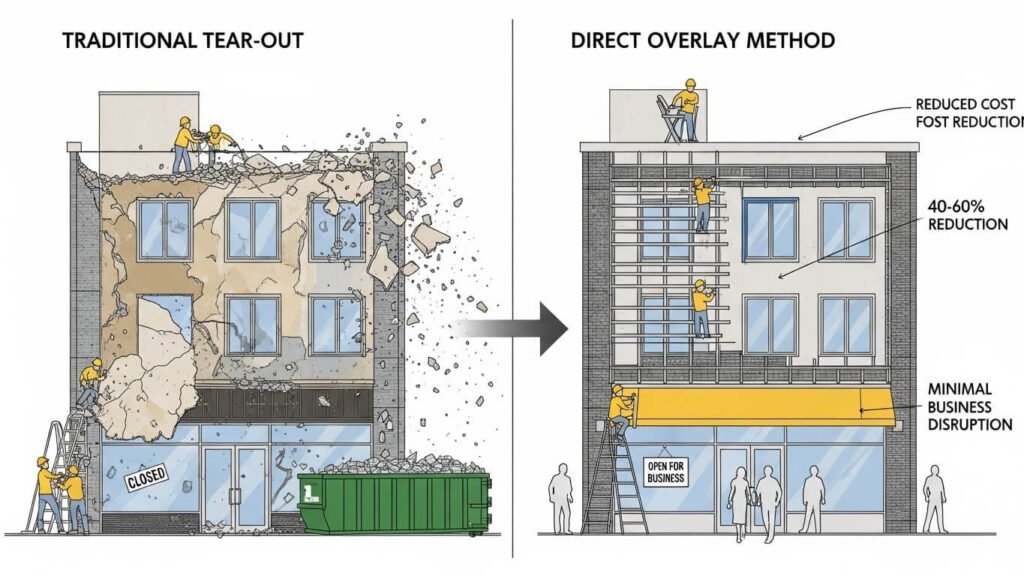
Las fachadas reacondicionadas mediante un método de recubrimiento directo atacan las partidas más importantes del presupuesto de una renovación: la demolición y el tiempo de inactividad del negocio. Los métodos tradicionales de demolición inflan los costes del proyecto en un 40-60% con la mano de obra y las tasas de eliminación de residuos, lo que obliga a cerrar a negocios que generan ingresos, como hoteles y tiendas, y agrava el impacto financiero.
Este análisis examina los requisitos técnicos para una superposición satisfactoria. Cubrimos las métricas críticas de rendimiento, desde los paneles ligeros de 3,5-6,0 kg/m² que eliminan la necesidad de refuerzos estructurales hasta los agentes de interfaz que garantizan la adherencia sobre baldosas y vidrios antiguos, permitiendo una renovación silenciosa y sin demoliciones.
La economía de la rehabilitación de fachadas
La economía de la rehabilitación de fachadas no tiene que ver con el precio inicial. Se trata del coste del ciclo de vida. La clave está en los materiales ligeros, que permiten la superposición directa para reducir drásticamente los costes de demolición y mejora estructural.
Coste del ciclo de vida frente a amortización simple
La mayoría de las ofertas de proyectos se quedan estancadas en simples cálculos de amortización. Este enfoque se centra únicamente en la rapidez con que el ahorro de energía recupera la inversión inicial. Pero en el caso de las mejoras de las fachadas, este modelo es fundamentalmente erróneo. No tiene en cuenta los principales factores de valor que aparecen a largo plazo.
Un análisis del coste del ciclo de vida (CCV) le ofrece la imagen real. Lo tiene todo en cuenta: el ahorro de energía a largo plazo, la drástica reducción de los gastos de mantenimiento y el aumento del valor de la propiedad que aporta un exterior moderno. Así es como se mide con precisión la ganancia financiera neta a lo largo de toda la vida útil del edificio, no sólo durante los primeros años.
Reducir costes con materiales ligeros
Esto no es sólo teoría. El uso de paneles modernos y ligeros como nuestra piedra flexible ataca directamente las partidas más importantes del presupuesto de una reforma. Los ahorros proceden de unas pocas áreas clave:
- Reducción de la carga estructural: Con sólo 3,5-6,0 kg/m², nuestros paneles pesan sólo 1/6 de lo que pesa la piedra tradicional. Esto significa que a menudo se puede prescindir del costoso refuerzo estructural que requerirían los materiales más antiguos y pesados.
- Renovación sin demolición: La posibilidad de instalar paneles directamente sobre las paredes existentes supone un enorme ahorro de costes. Se eliminan los gastos de demolición, mano de obra y eliminación de residuos. El proyecto es más rápido, más limpio y menos perturbador.
- Logística fácil: Menos peso significa menos costes de principio a fin. El envío es significativamente más barato, y la manipulación in situ es más rápida y requiere menos equipos pesados. Simplifica toda la cadena de suministro.
Demolición frente a recubrimiento: Análisis de costes
Una superposición suele costar 40-60% menos que una demolición completa. Se ahorra la mano de obra de demolición, se evitan las tasas de eliminación de escombros y se preserva la estructura central del edificio, con lo que el trabajo se termina antes.
Asignación de los gastos totales del proyecto
La principal diferencia de coste es sencilla. Los métodos de recubrimiento conservan los cimientos y la estructura existentes, lo que reduce drásticamente el capital inicial necesario. Una demolición completa obliga a gastar dinero sólo para volver a empezar de cero.
Los proyectos de demolición suelen conllevar gastos ocultos que no figuran en la oferta inicial. Las tasas de vertido, la ampliación de las aprobaciones urbanísticas y la posible reparación estructural tras el derribo pueden inflar rápidamente el presupuesto. Las ampliaciones también permiten renovaciones por fases, lo que proporciona una mejor gestión del flujo de caja en comparación con el elevado coste de una demolición completa.
Ahorrar con paneles ligeros
La viabilidad financiera del método de superposición se amplía con el uso de materiales como los paneles flexibles de piedra. Sus propiedades específicas contribuyen directamente a reducir el coste total del proyecto en varias áreas clave.
- No necesita refuerzo estructural: Con un peso de entre 3,5 y 6,0 kg/m², los paneles son lo bastante ligeros como para eliminar la necesidad de costosas mejoras estructurales en la mayoría de los edificios existentes.
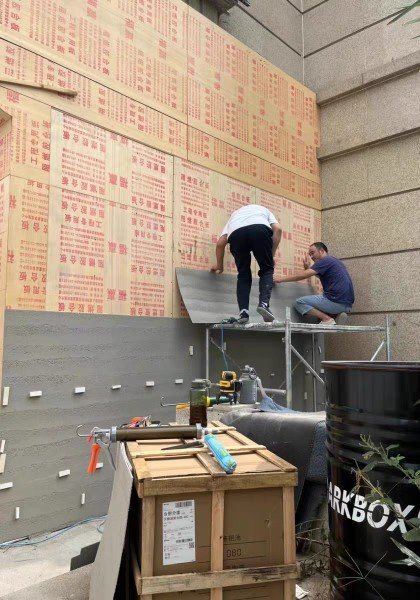
- Instalación superpuesta directa: La posibilidad de instalar los paneles directamente sobre las baldosas o paredes antiguas ahorra considerablemente mano de obra de demolición y tasas de retirada de residuos. Esta “renovación sin demolición” supone una gran ventaja económica.
- Reducción de los gastos logísticos: Un material más ligero cuesta menos de transportar y manipular. En comparación con la piedra tradicional o el hormigón prefabricado, el ahorro en transporte puede ser sustancial.
Eleve sus diseños con piedra personalizable
Evaluación de la integridad del sustrato (baldosas/vidrio)
Antes de cualquier recubrimiento, compruebe la superficie existente. Busque baldosas sueltas y juntas de cristal defectuosas. Una base sólida es obligatoria para una reforma que se salte la demolición.
Identificación de los principales puntos de fallo en azulejos y vidrio
No se puede tapar un problema sin más. Antes de aplicar un nuevo revestimiento, hay que verificar la integridad del que ya existe. La resistencia de una fachada es tan buena como su capa más débil. Cualquier signo de desprendimiento, degradación o intrusión de humedad es una señal de alarma que debe abordarse.
- Fuerza de adherencia de las baldosas: La adherencia entre las baldosas existentes y la pared es fundamental. Para empezar, se pueden realizar pruebas de golpeteo para detectar ruidos de huecos, pero en proyectos de gran envergadura, las pruebas de arranque son la norma para cuantificar la adherencia y evitar futuros fallos de desprendimiento.
- Juntas para unidades de vidrio aislante (IGU): Busque juntas defectuosas en los cristales dobles o triples. El signo más evidente es la condensación o el empañamiento entre los cristales, lo que indica que el relleno de gas se ha escapado y el rendimiento térmico está en peligro.
- Laminación y decoloración: En los paneles de vidrio laminado más antiguos, inspeccione en busca de signos de delaminación, donde las capas comienzan a separarse. La decoloración o el amarilleamiento también indican la degradación del material por la exposición a los rayos UV a lo largo del tiempo.
La superposición directa como solución para sustratos sonoros
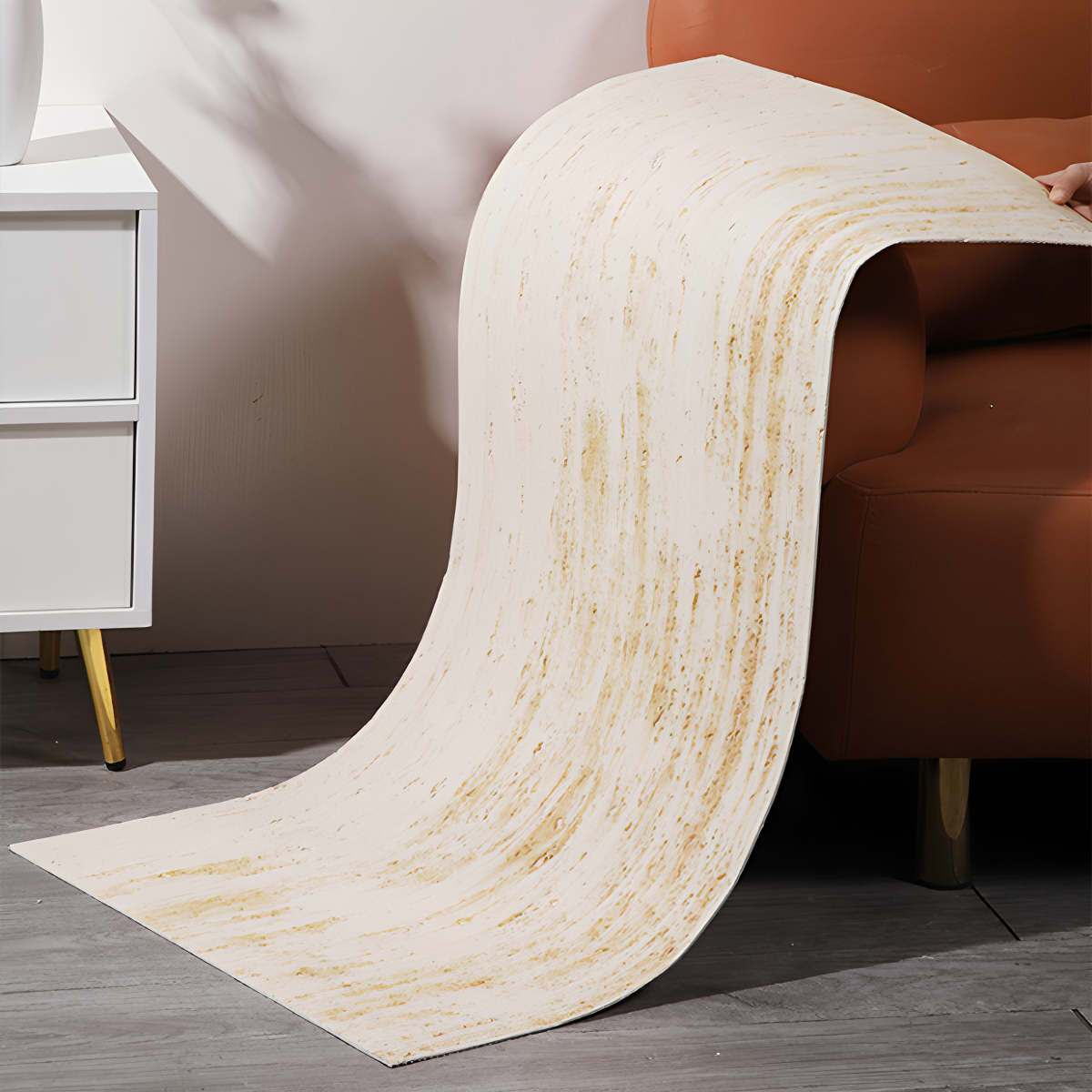
Una vez que haya confirmado que el sustrato es estable, una superposición directa se convierte en el camino más eficiente a seguir. Nuestros paneles flexibles de piedra están diseñados específicamente para esta aplicación. Puede aplicarlos directamente sobre varias superficies, como baldosas cerámicas viejas, hormigón y metal, sin el desorden y los gastos de un desmontaje completo.
Este método permite lo que llamamos ‘renovación sin demolición’. En lugar de pagar altos costes de mano de obra, contenedores y retirada de residuos, usted invierte directamente en la nueva fachada. Dado que los paneles son extremadamente ligeros, de sólo 3,5 a 6,0 kg/m², no añaden ninguna carga estructural significativa al edificio existente, lo que los hace ideales para la rehabilitación de estructuras antiguas.
Preparación de superficies: Imprimaciones y agentes de interfase
Las imprimaciones y los agentes de interfaz no son negociables en la rehabilitación de fachadas. Consolidan las superficies porosas y aumentan la adherencia, creando una base estable que garantiza que los paneles de piedra flexibles se adhieran con seguridad a largo plazo.
En cualquier proyecto de rehabilitación, el acabado final es tan bueno como la superficie a la que se adhiere. Saltarse el paso de la preparación es un error común pero costoso. Utilizar las imprimaciones o los agentes de interfaz correctos no es sólo cuestión de seguir las instrucciones; se trata de garantizar que el sistema funcione según lo diseñado y evitar fallos en el futuro. Este paso es lo que hace posible y duradero un revestimiento directo sobre una pared antigua.
La función de las imprimaciones para maximizar la adherencia
Un agente de interfaz actúa como enlace crítico entre el sustrato antiguo y el nuevo adhesivo. Su función principal es crear una superficie predecible y uniforme a la que pueda agarrarse el adhesivo estructural. Sin él, dependerá de la calidad irregular de una pared existente, lo que es una receta para la delaminación.
- Consolidan y refuerzan las superficies porosas o inestables, como el yeso viejo, la pintura calcárea y el hormigón desgastado.
- Mejoran significativamente la unión química y mecánica entre el sustrato y el adhesivo estructural.
- Una preparación adecuada de la superficie es la primera línea de defensa contra la delaminación de los paneles, lo que garantiza la durabilidad a largo plazo de todo el sistema de fachada.
Preparación de diversos sustratos para la piedra flexible
Nuestro sistema de instalación está diseñado para la versatilidad, lo que permite la “renovación sin demolición”. Esto significa que puede aplicar paneles de piedra flexibles directamente sobre muchas superficies de construcción comunes, ahorrando enormes cantidades de tiempo y dinero en demolición y retirada de residuos. El uso de nuestra imprimación de sellado recomendada es la clave para que este enfoque de ‘superposición directa’ tenga éxito, especialmente en superficies absorbentes o no tradicionales.
El sistema está diseñado para funcionar de forma fiable en una amplia gama de sustratos debidamente preparados, incluidos:
- Hormigón
- Paredes de ladrillo
- Baldosas de cerámica antiguas
- Madera
- Metal
- Placas de yeso / paneles de yeso

La “renovación silenciosa” (poco ruidosa)
Una ‘renovación silenciosa’ utiliza paneles de piedra ligeros y flexibles para recubrir las paredes existentes, evitando el ruido y el polvo de la demolición. De este modo, negocios como los hoteles pueden seguir abiertos durante las obras.
Mantener el funcionamiento de la empresa durante las actualizaciones
El mayor coste de muchas reformas comerciales no son los materiales, sino el tiempo de inactividad. Arrancar viejas baldosas de cerámica o mampostería genera mucho ruido y polvo en el aire, lo que obliga a cerrar los negocios. Una reforma silenciosa evita por completo este problema al recubrir directamente las superficies existentes. Este enfoque de ‘demolición cero’ es exactamente lo que necesitan los renovadores de hoteles y los instaladores de tiendas para mejorar los espacios sin interrumpir el negocio.
Para hoteles, restaurantes y tiendas, esto significa que las reformas pueden realizarse durante el horario comercial sin molestar a los clientes. El proyecto preserva los flujos de ingresos que, de otro modo, se perderían durante una demolición tradicional ruidosa y desordenada.
Instalación con herramientas manuales
El bajo nivel de ruido procede del propio método de instalación. Los paneles de piedra flexible no requieren sierras mecánicas. Los instaladores los cortan in situ con una cuchilla estándar. Este método de ‘corte sin polvo’ prácticamente no genera ruido, lo que contrasta con el constante amolado y corte que requieren la piedra y los azulejos tradicionales.
El peso del material también contribuye a que el lugar de trabajo sea más silencioso. Con un peso de entre 3,5 y 6,0 kg por metro cuadrado, los paneles son fáciles de manipular y colocar por una sola persona. No se necesitan ruidosos golpes ni maquinaria pesada para mover los materiales, lo que reduce aún más las molestias durante el proceso de instalación.
Mejoras energéticas: Aislamiento térmico
Añadir aislamiento al exterior de un edificio crea una barrera térmica que reduce los costes energéticos. A continuación, se necesita un acabado ligero y adaptado al clima para proteger esta nueva capa de aislamiento.
Cómo mejora el aislamiento exterior el rendimiento de los edificios
Al renovar una fachada, añadir una capa de aislamiento exterior es una de las formas más eficaces de aumentar la eficiencia energética. Este método, que suele formar parte de un Sistema de Aislamiento y Acabado Exterior (EIFS), envuelve el edificio en una manta térmica continua.
- Establece una barrera térmica consistente, reduciendo la ganancia de calor no deseada en verano y evitando la pérdida de calor durante el invierno.
- Esto reduce directamente el consumo de energía para calefacción y refrigeración, lo que se traduce en facturas más reducidas y una menor huella de carbono.
- Los ocupantes experimentan un mayor confort durante todo el año porque las temperaturas interiores permanecen más estables y predecibles.
La piedra flexible como acabado adaptado al clima
Una vez instalado el aislamiento, requiere un acabado protector que sea a la vez duradero y ligero. Un revestimiento de piedra flexible es la piel protectora ideal para estos sistemas. Se adhiere directamente sobre el conjunto aislante, protegiéndolo de la intemperie y aportando al mismo tiempo una estética natural.
- Protección ligera: Con un peso de sólo 3,5 a 6,0 kg/m², los paneles añaden una carga estructural mínima al tiempo que ofrecen un acabado duradero, impermeable y resistente a los arañazos.
- Rendimiento todo tiempo: El material está diseñado para climas extremos y ha demostrado su eficacia en condiciones de congelación (-40 °C) y en entornos con altas temperaturas e intensidad de rayos UV.
- Montaje transpirable: A diferencia de algunos acabados sintéticos, este material es transpirable. Permite que el vapor de agua escape de la cavidad de la pared, lo que evita la acumulación de humedad y detiene el crecimiento de moho.
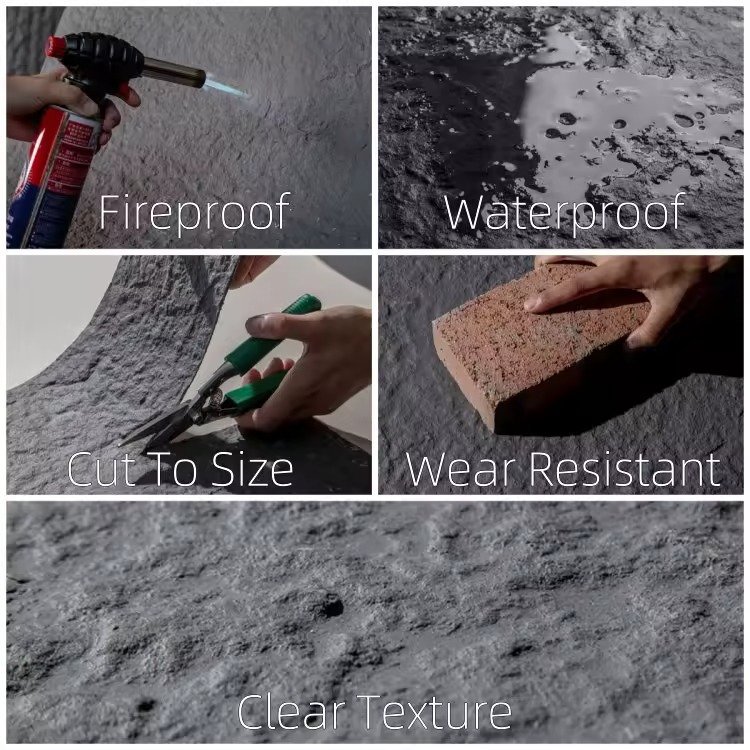
Proceso de superposición paso a paso
El proceso de recubrimiento consta de dos fases. En primer lugar, se prepara la superficie existente para que esté limpia y plana, y a continuación se planifica la disposición de los paneles. En segundo lugar, se aplica el adhesivo, se presionan los paneles en su sitio con un cúter para cortes y se termina con una lechada o sellador opcional.
| Fase | Acciones clave |
|---|---|
| Fase 1: Preparación | Asegúrese de que el sustrato esté plano, seco y limpio. Aplique imprimación en las superficies porosas y trace líneas de tiza para guiar el trazado. |
| Fase 2: Aplicación | Aplique adhesivo a la parte posterior del panel, colóquelo en la pared y presione firmemente. Recorte los paneles con un cúter y aplique la lechada o el sellador opcionales. |
Fase 1: Preparación y disposición del sustrato
Conseguir la base adecuada es la parte más crítica del trabajo. Una superficie limpia y estable garantiza que los paneles se adhieran correctamente y que el aspecto final sea profesional. Este trabajo previo es sencillo y evita problemas posteriores.
- Integridad de la superficie: La superficie existente -ya sea hormigón, baldosas cerámicas viejas o paneles de yeso- debe ser plana, estar seca y completamente limpia de polvo o grasa. Es necesario retirar cualquier material suelto.
- Aplicación de imprimación: Para superficies porosas, aplique un agente de interfaz o una imprimación selladora. Este paso no siempre es necesario, pero mejora la fuerza de adhesión y evita que el sustrato extraiga la humedad del adhesivo con demasiada rapidez.
- Planificación del trazado: Antes de aplicar cualquier adhesivo, planifique la disposición de los paneles. Trace líneas de tiza directamente en la pared para crear una cuadrícula clara. Así te asegurarás de que las líneas sean rectas y de que la colocación sea precisa desde el principio.
Fase 2: Aplicación y acabado sencillos
Una vez realizado el trabajo de preparación, la instalación en sí es rápida. Los paneles JMS Decor están diseñados para superposición directa, lo que significa que puede cubrir superficies antiguas sin necesidad de demolición. El proceso requiere herramientas básicas y apenas ensucia.
- Aplicación adhesiva: Con una llana, aplique adhesivo estructural o un pegamento para baldosas de calidad de manera uniforme en la parte posterior de cada panel. Asegúrese de obtener una buena cobertura para garantizar una unión sólida.
- Colocación del panel: Alinee el panel con las líneas de tiza y presiónelo firmemente contra la pared. Utilice un flotador o un rodillo de presión para eliminar las bolsas de aire y fíjelo firmemente en su sitio.
- Corte sin polvo: Recorte los paneles o corte alrededor de los enchufes con una cuchilla estándar. Esta es una gran ventaja: no genera polvo, no requiere sierras mecánicas y mantiene el lugar de trabajo limpio y silencioso.
- Toques finales: Dependiendo del diseño, puede aplicar lechada entre los paneles. Para cualquier proyecto exterior o zonas húmedas como cuartos de baño, termine la instalación con un sellador protector para garantizar la durabilidad a largo plazo.
Casos prácticos antes y después
Los estudios de casos muestran edificios modernizados con paneles de piedra flexibles. La rápida instalación sobre superficies antiguas, como baldosas, evita costosas demoliciones y proporciona un nuevo aspecto con una mínima interrupción de la actividad.
Revitalización de espacios comerciales y hosteleros
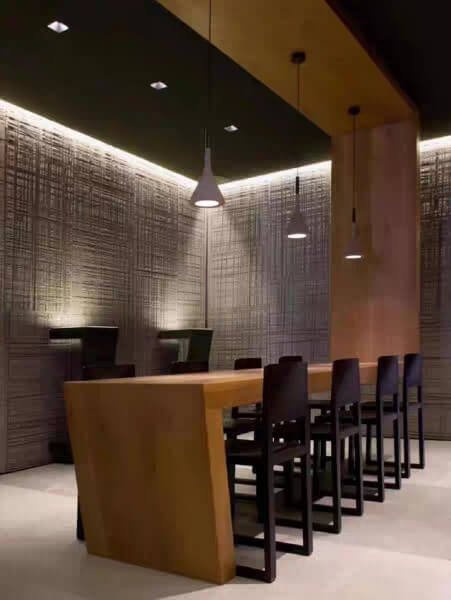
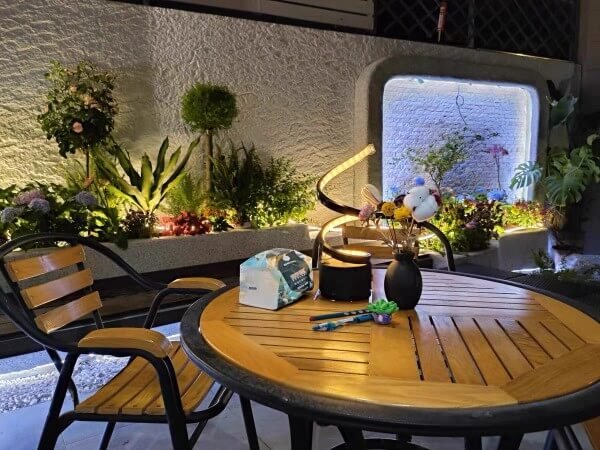
Para los negocios que dependen del tráfico peatonal y de la percepción de los clientes, un aspecto anticuado es un lastre. La renovación de escaparates y vestíbulos de hoteles con paneles flexibles de piedra es una forma directa de atraer a más clientes. El objetivo no es sólo parecer nuevo, sino crear una experiencia que la gente quiera compartir.
Muchos salones de belleza, cafeterías y restaurantes utilizan estos paneles para crear paredes con textura. Estos lugares “instagrammables” animan a los clientes a hacer fotos y publicarlas en las redes sociales, generando marketing gratuito para el negocio. Este tipo de mejora estética puede llevarse a cabo sin el coste y la complejidad de grandes cambios estructurales, lo que proporciona una identidad renovada rápidamente.

La renovación con demolición cero en acción
La mayor ventaja de los proyectos de renovación es evitar la bola de demolición. Todo el proceso se basa en la eficiencia y en minimizar las interrupciones. No se trata de un concepto teórico, sino de una aplicación práctica que ahorra tiempo y dinero in situ.
- Superposición directa: Los paneles se aplican directamente sobre superficies viejas pero intactas. Esto incluye sustratos comunes como baldosas de cerámica, paredes de ladrillo, hormigón e incluso placas de yeso. Se elimina la necesidad de demoliciones costosas y engorrosas.
- Carga estructural mínima: Los paneles son extremadamente ligeros, con un peso de sólo 3,5 a 6,0 kg/m². Esto no añade prácticamente ninguna carga significativa a la estructura original del edificio, un factor crítico para los edificios más antiguos.
- Continuidad de negocio: La instalación es silenciosa y prácticamente sin polvo, ya que los paneles pueden cortarse con una simple navaja multiusos. Esto permite que empresas como hoteles, comercios u oficinas sigan funcionando a pleno rendimiento durante la actualización, lo que evita la pérdida de ingresos.
Preguntas frecuentes
¿Qué implica la renovación de una fachada comercial?
La renovación de una fachada comercial comienza con la evaluación del exterior del edificio para identificar las mejoras necesarias. El proceso implica definir los objetivos de diseño, seleccionar materiales que se ajusten al presupuesto y la visión, obtener los permisos locales y, por último, gestionar la construcción. El objetivo principal es mejorar el aspecto del edificio, su salud estructural y su eficiencia energética.
¿Qué es el revestimiento exterior?
El revestimiento exterior es una técnica en la que se aplica una nueva capa de material directamente sobre una pared exterior existente. Es una forma eficaz de renovar el aspecto de un edificio, añadir aislamiento y proteger la estructura subyacente de las inclemencias del tiempo, todo ello sin necesidad de una demolición completa.
¿Se puede instalar un revestimiento nuevo directamente sobre las baldosas antiguas?
Sí, a menudo se pueden instalar nuevos sistemas de revestimiento directamente sobre viejas baldosas exteriores. La condición clave es que la superficie de las baldosas existentes sea estructuralmente sólida, estable y esté limpia. El uso de una preparación adecuada y de adhesivos modernos garantiza que la nueva capa se adhiera con seguridad, lo que ahorra mucho tiempo y costes asociados a la demolición.
¿Es posible renovar una fachada sin demolerla?
Absolutamente. Renovar una fachada sin demolerla es un planteamiento habitual y beneficioso. Los métodos incluyen la aplicación de paneles superpuestos ligeros, la limpieza y reparación de las superficies existentes o el uso de técnicas arquitectónicas especializadas. Este enfoque reduce los residuos de los vertederos, disminuye las emisiones de carbono y minimiza las molestias para los ocupantes del edificio.
¿Cuál es un buen revestimiento ligero para edificios antiguos?
Los revestimientos ligeros son ideales para edificios antiguos, ya que no añaden tensiones significativas a la estructura original. La piedra flexible de JMS Decor, con un peso de sólo 3,5-6,0 kg/m², es una elección popular junto con opciones como los paneles aislantes y los compuestos reforzados con fibra. Estos materiales ofrecen una excelente durabilidad y un aspecto moderno sin comprometer la integridad estructural.
¿Cuánto cuesta la rehabilitación de una fachada?
Los costes de rehabilitación de fachadas pueden variar considerablemente y suelen fijarse por pie cuadrado. El precio final depende de los materiales elegidos, la complejidad del proyecto y la mano de obra local. Una simple renovación costará menos que una reforma completa que implique materiales de gama alta o cambios estructurales.
Reflexiones finales
El éxito de un revestimiento de ‘demolición cero’ depende totalmente de la adherencia y durabilidad del material. Los paneles más baratos y no transpirables pueden atrapar la humedad y provocar fallos sistémicos y costosas devoluciones. Nuestro sistema MCM está diseñado para la superposición directa, protegiendo la integridad de su proyecto y su reputación.
La textura y la flexibilidad se comprenden mejor en persona. Solicite nuestro muestrario arquitectónico para evaluar acabados como Travertino y Tierra apisonada para su próximo proyecto. Nuestro equipo está preparado para ofrecerle presupuestos y fichas técnicas específicas para cada proyecto.

 Spanish
  English
  French
  Arabic
  German