 Zum Inhalt springen
Die Modernisierung der Fassaden von Einkaufszentren ist von entscheidender Bedeutung, um dem Rückgang der Besucherzahlen entgegenzuwirken, aber herkömmliche Renovierungen stören die Mieter und verstärken die Umsatzverluste. Die Kosten für Abriss und Geschäftsausfall machen viele Revitalisierungsprojekte finanziell unrentabel und schaffen einen Kreislauf des visuellen Verfalls, der sowohl Kunden als auch potenzielle Mieter vertreibt.
Diese Analyse konzentriert sich auf abbruchfreie Renovierungsmaterialien, die dieses Problem lösen. Wir bewerten Lösungen, die auf einer direkten Verlegung, einer strukturellen Belastung von weniger als 6,0 kg/m² und einer Brandschutzklasse A2 basieren, um die Kontinuität des Geschäftsbetriebs und die Einhaltung der Vorschriften bei groß angelegten Renovierungen zu gewährleisten.
Die “Einzelhandels-Apokalypse” und die Attraktivität des Straßenbildes
Die weit verbreitete Schließung von Geschäften beeinträchtigt die Ästhetik von Einkaufszentren und verringert die Besucherzahlen. Die Wiederbelebung erfordert schnelle Fassadenerneuerungen, die über den alten Oberflächen angebracht werden können, ohne die verbleibenden Geschäfte zu stören.
Der Dominoeffekt leerstehender Schaufenster
Wenn ein Hauptgeschäft wie Macy's schließt, steht nicht nur ein Raum leer. Es löst einen kaskadenartigen Ausfall aus. Untersuchungen zeigen, dass der Verlust eines wichtigen Ankers zu einem Rückgang der Besucherzahlen im gesamten Einkaufszentrum um 40-60% führen kann. Dieser visuelle Verfall leer stehender Immobilien schafft eine negative Rückkopplungsschleife. Die Kunden kommen nicht mehr, was potenzielle neue Mieter abschreckt und die verbleibenden Geschäfte unter Druck setzt. Das gesamte Ökosystem des Einkaufszentrums leidet unter einigen wenigen auffälligen Leerständen.
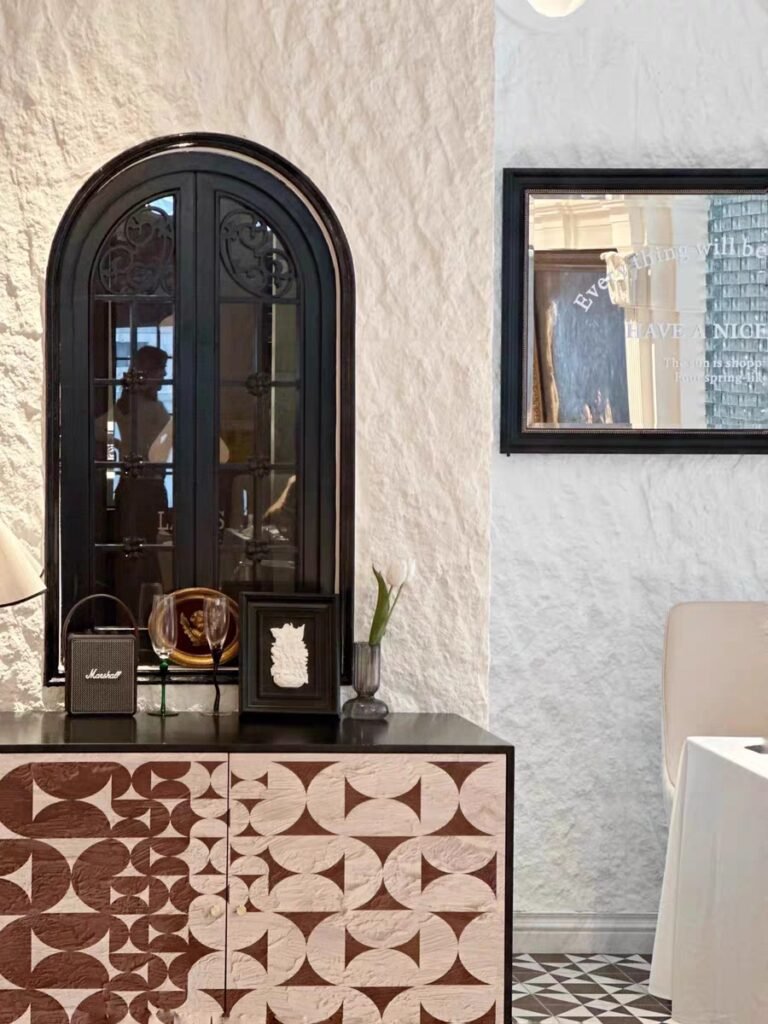
Fassadenrevitalisierung mit abbruchfreier Renovierung
Das Abreißen alter, veralteter Fassaden ist teuer, laut und stört die Mieter, die noch im Betrieb sind. Die praktische Lösung ist eine direkte Überlagerung mit modernen Materialien. Flexible Steinplatten zum Beispiel ermöglichen eine komplette optische Überarbeitung ohne die Kosten und das Kopfzerbrechen eines Abrisses. Dieser Ansatz konzentriert sich auf die Geschäftskontinuität für den Immobilieneigentümer und die verbleibenden Mieter.
- Minimale strukturelle Belastung: Diese Platten wiegen nur 3,5 bis 6,0 kg/m², etwa 1/6 des Gewichts von herkömmlichem Stein. Dies führt zu einer vernachlässigbaren Belastung für alternde Strukturen.
- Direkte Overlay-Installation: Das System ist so konzipiert, dass es direkt auf bestehende Oberflächen, einschließlich alter Keramikfliesen oder Beton, aufgebracht werden kann. Dadurch entfallen die Kosten, der Lärm und der Abfall von Abrissarbeiten.
- Ungestörter Geschäftsbetrieb: Die Installation ist ein geräuscharmer, staubfreier Prozess. Der Zuschnitt erfolgt mit einem Universalmesser und nicht mit einer Motorsäge, so dass die anderen Geschäfte im Einkaufszentrum während der Renovierung normal arbeiten können.
Großformatige Paneele für riesige Wände
Großformatige Platten minimieren die Fugen an massiven Wänden und sorgen für ein sauberes, monolithisches Aussehen. Unsere flexiblen Steinplatten sind in Größen von bis zu 1200 x 2900 mm erhältlich und wiegen nur 3,5-6,0 kg/m², was die Belastung des Gebäudes drastisch reduziert.

Die optische Wirkung von minimalen Nähten
Durch die Verwendung großer Platten entsteht eine durchgehende Oberfläche, die Geschäftsfassaden und Hochhäusern ein sauberes, modernes Aussehen verleiht. Weniger Nähte bedeuten weniger Unterbrechungen in den Mustern, die den Naturstein imitieren. Dieser Ansatz ermöglicht es Architekten, ein hochwertiges, monolithisches Aussehen zu erzielen, ohne die strukturelle Komplexität und das Gewicht traditioneller Steinplatten.
Spezifikationen für den Deckungsgrad vom Boden bis zur Decke
Die Kombination aus großen Abmessungen und geringem Gewicht macht diese Paneele praktisch für Großprojekte. Die technischen Daten vereinfachen die Installation und senken die Kosten.
| Spezifikation | JMS Dekor Flexibler Stein Details |
|---|---|
| Großformatige Formate | 2400 x 600 mm und ein raumhohes Format von 1200 x 2900 mm. |
| Gewicht pro Quadratmeter | 3,5 bis 6,0 kg/m² |
| Struktureller Belastungsvergleich | Etwa 1/6 des Gewichts von herkömmlichem Stein, wodurch die Anforderungen an die Tragfähigkeit der Gebäudestruktur erheblich reduziert werden. |
Source Premium, anpassbare flexible Steinpaneele
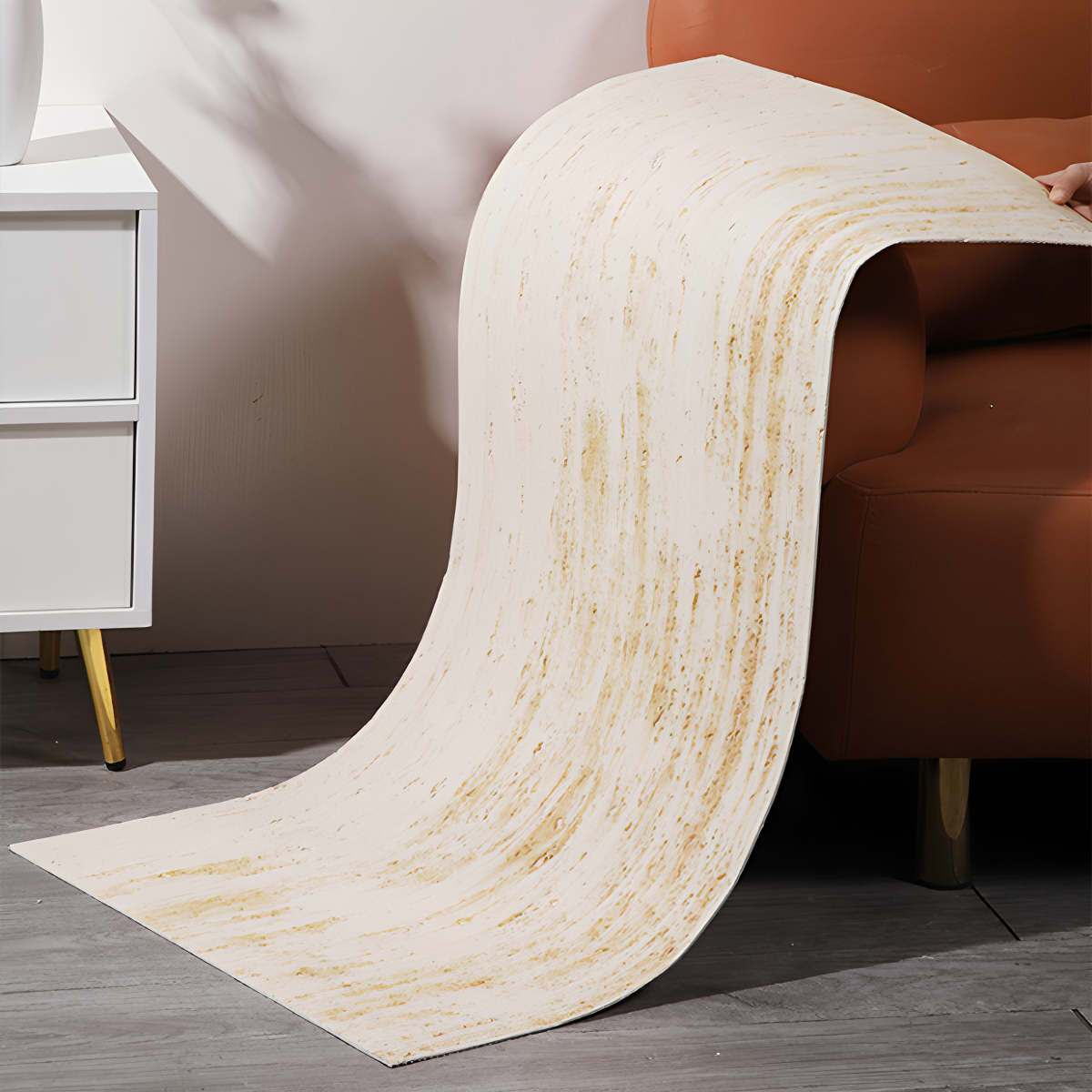
Architektur der Nacht: Beleuchtung von texturiertem Stein
Strategische Beleuchtung verwandelt strukturierte Steinfassaden nach Einbruch der Dunkelheit. Techniken wie Streiflicht und schräge Beleuchtung werfen Schatten, die die Tiefe des Materials offenbaren und eine Wand in ein dynamisches architektonisches Statement verwandeln.
Tiefe mit Licht und Schatten erzeugen
Ziel ist es, mit dem Licht ein Schattenspiel zu erzeugen, das die Textur einer Fassade offenbart. Anstatt eine Wand mit gleichmäßigem Licht zu überfluten, was ihr Erscheinungsbild verflacht, werden spezifische Techniken eingesetzt, um ihren dreidimensionalen Charakter hervorzuheben. Der Winkel und die Nähe der Lichtquelle sind dabei entscheidend.
- Streiflicht: Die Leuchten sind sehr nah an der Wand angebracht und werfen das Licht in einem steilen Winkel. Diese Technik fängt die feinen Kanten und Oberflächenvariationen ein und hebt komplizierte Details hervor.
- Schräge Beleuchtung: Die Lichtquelle ist weiter entfernt und in einem größeren Winkel angeordnet. Dadurch werden längere, weichere Schatten geworfen, die die Gesamtform und die Dimensionen der Platten betonen.
Paneeltexturen für dramatische Effekte
Nicht alle Texturen reagieren auf das Licht in gleicher Weise. Materialien mit ausgeprägter Tiefe und definierten Mustern sind ideal, um dramatische Nachteffekte zu erzielen. Wir haben spezielle Texturen entwickelt, die bei gerichteter Beleuchtung besonders gut zur Geltung kommen.
- Die tiefen, unregelmäßigen Rillen unserer 3D-Travertin und Gestapelter Stein Serie sind so gebaut, dass sie Licht einfangen und starke, definierte Schatten werfen.
- Unser Linearer Stein Die Muster reagieren am besten auf eine seitliche Beleuchtung, die ihre klaren, parallelen Linien für eine kraftvolle und moderne Ästhetik hervorhebt.
Geschwindigkeit der Renovierung: Während der Bauarbeiten geöffnet
Renovierungen können ohne Schließung durchgeführt werden, da die Arbeiten schrittweise durchgeführt werden und die Materialien schonend sind. Flexible Steinplatten lassen sich direkt über alten Mauern mit minimaler Unterbrechung installieren, so dass die Geschäfte offen bleiben.
Die Aufrechterhaltung eines Geschäftsraums während der Renovierung ist nicht nur ein Ziel, sondern eine finanzielle Notwendigkeit. Einnahmeverluste aufgrund von Ausfallzeiten können den ROI eines Projekts zunichte machen, bevor es überhaupt begonnen hat. Die gesamte Strategie hängt von der Minimierung der Unterbrechung des täglichen Betriebs, des Kundenflusses und der Mitarbeiterproduktivität ab. Sie erfordert ein intelligentes Projektmanagement und Materialien, die eine schnelle und saubere Installation unterstützen.
Strategien für schrittweises Bauen
Bei Renovierungsarbeiten im laufenden Betrieb ist es üblich, das Projekt in überschaubare Abschnitte zu unterteilen. Anstatt einen ganzen Raum auf einmal in Angriff zu nehmen, isolieren die Auftragnehmer Arbeitsbereiche, damit der Rest des Geschäfts weiter funktioniert. Auf diese Weise wird das Chaos und der Lärm eingedämmt, und die Kunden können sich sicher im Raum bewegen.
- Aufteilung der Projekte: Große Renovierungsarbeiten werden in kleinere, in sich geschlossene Abschnitte unterteilt. Die Arbeiten werden in einem Bereich abgeschlossen, bevor sie in den nächsten übergehen, so dass die betriebliche Kontinuität gewahrt bleibt.
- Isolierte Arbeitszonen: Vorübergehende Absperrungen und Staubschutzwände werden eingesetzt, um Baubereiche vom Kundenverkehr zu trennen. Dies ist entscheidend für die Sicherheit und die Aufrechterhaltung einer sauberen Einkaufsumgebung.
- Terminierung außerhalb der Öffnungszeiten: Alle Arbeiten, die mit erheblichem Lärm oder Staub verbunden sind, werden für die Nacht oder außerhalb der Hauptverkehrszeiten geplant, um den Geschäftsbetrieb nicht zu beeinträchtigen.
Ermöglichung einer abrissfreien Renovierung
Die größte Störungsquelle ist der Abriss - er ist laut, staubig und teuer. Materialien, die diesen Schritt überflüssig machen, sind der Schlüssel für Unternehmen, die sich eine Schließung nicht leisten können. Unsere flexiblen Steinplatten wurden für genau dieses Szenario entwickelt, das wir als “abrissfreie Renovierung” bezeichnen.”
- Direkte Overlay-Installation: Die Platten können direkt auf vorhandenen, strukturell einwandfreien Oberflächen wie alten Keramikfliesen, Beton oder Trockenbauwänden installiert werden. Dies erspart den Zeit- und Kostenaufwand sowie die Unordnung eines Abrisses.
- Staubfreies und geräuscharmes Schneiden: Die Paneele werden vor Ort mit einem handelsüblichen Messer zugeschnitten. Es werden keine lauten Motorsägen benötigt, wodurch Staub in der Luft vermieden und der Lärm auf ein Minimum reduziert wird - ein großer Vorteil für bewohnte Räume wie Hotels und Einzelhandelsgeschäfte.
- Leichte Handhabung: Mit nur 3,5 bis 6,0 kg/m² wiegen die Platten nur etwa 1/6 des Gewichts von herkömmlichem Stein. Die Verleger können sie ohne schwere Maschinen schnell verarbeiten, was das Projekt beschleunigt und die strukturelle Belastung des Gebäudes verringert.

Dauerhaftigkeit im öffentlichen Raum
Materialien für den öffentlichen Raum müssen bei minimaler Wartung Verschleiß, Wetter und Brandrisiken standhalten. Unsere Paneele erfüllen die Anforderungen der Brandschutzklasse A2 und sind nachweislich widerstandsfähig - von Wüstenhitze bis hin zu -40°C Frost.
Wesentliche Merkmale für kommerzielle Fassaden
Für jedes Material in einem stark frequentierten Gebäude wie einem Einkaufszentrum gibt es einige unverzichtbare Eigenschaften, die darüber entscheiden, ob es lange hält oder zu einem kostspieligen Problem wird. Dies sind die wichtigsten Leistungsmerkmale, auf die wir achten.
- Wetterbeständigkeit: Die Oberfläche muss ständiger UV-Strahlung, Regen und großen Temperaturschwankungen standhalten, ohne zu verblassen, zu reißen oder sich zu zersetzen.
- Geringer Wartungsaufwand: Fassaden sollten fleckenresistent und leicht zu reinigen sein. Ein hoher Pflegeaufwand bedeutet für den Immobilieneigentümer unmittelbar höhere Betriebskosten.
- Einhaltung des Brandschutzes: Für öffentliche Gebäude gelten strenge Brandschutzvorschriften. Jedes Fassadenmaterial muss diese Vorschriften erfüllen oder übertreffen, um die öffentliche Sicherheit zu gewährleisten und eine Projektgenehmigung zu erhalten.
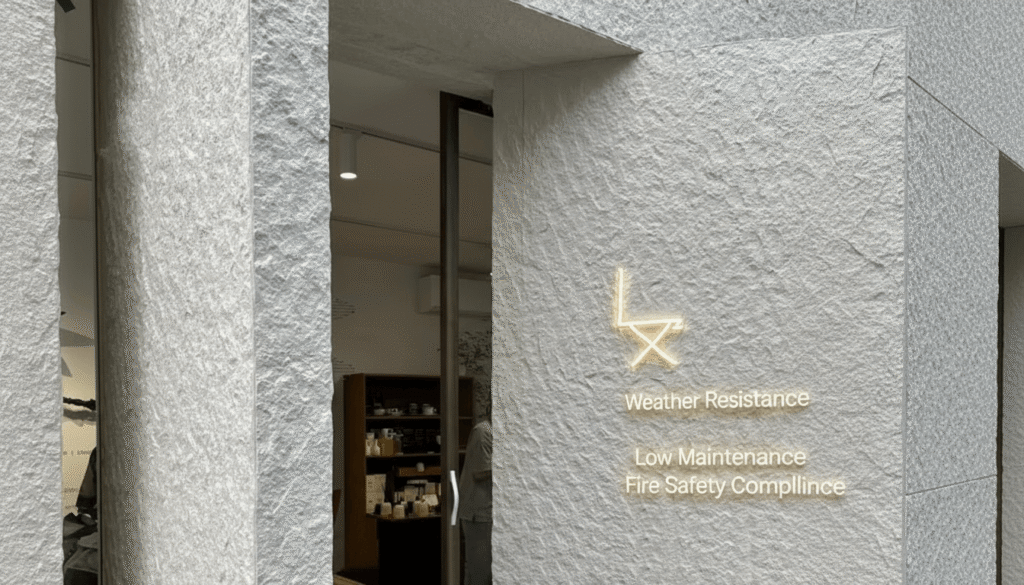
Entwickelt für Allwettertauglichkeit
JMS Flexible Stone ist nicht nur dekorativ, sondern auch ein technisches System, das für den Einsatz unter realen Bedingungen entwickelt wurde. Wir haben es entwickelt, um die wichtigsten Anforderungen an die Haltbarkeit von öffentlichen und kommerziellen Projekten zu erfüllen.
- Klasse A2 Brandklasse: Unsere Paneele sind als nicht brennbar eingestuft, eine wichtige Spezifikation, die die strengen Brandschutzanforderungen der meisten öffentlichen Bauprojekte erfüllt.
- Leistung bei extremem Klima: Das Material wurde getestet, um in rauen Umgebungen zuverlässig zu funktionieren, von intensiver, heißer UV-Bestrahlung bis hin zu Frost-Tau-Zyklen bei -40°C, ohne dass es zu Delaminationen oder Schäden kommt.
- Dauerhaftigkeit bei hoher Beanspruchung: Die Oberfläche ist wasserdicht und kratzfest, so dass sie auch in stark beanspruchten Bereichen, in denen es zu Berührungen und Abnutzungen kommen kann, ihr Aussehen bewahrt.
Häufig gestellte Fragen
Was sind die wichtigsten Aspekte bei der Gestaltung der Fassaden moderner Einkaufszentren im Jahr 2026?
Eine moderne Fassade muss sowohl funktional als auch visuell ansprechend sein, um Kunden anzuziehen und eine Markenidentität zu schaffen. Zu den Schlüsselelementen gehören große Glasflächen für natürliches Licht, einzigartige architektonische Merkmale wie geschwungene Vordächer und nachhaltige Materialien. Der Trend geht dahin, individuelle, einladende Außenbereiche mit strategischer LED-Beleuchtung und innovativen Verkleidungen wie leichten Steinplatten zu schaffen.
Was sind die besten Praktiken für die Renovierung des Äußeren eines Einkaufszentrums?
Eine erfolgreiche Renovierung beginnt mit der Beurteilung der aktuellen Struktur. Von dort aus sollten Sie Designziele definieren, die zu Ihrer Marke passen, langlebige, wartungsarme Materialien auswählen und die umgebenden Elemente wie Beleuchtung und Gehwege verbessern. Da das Äußere eines Ladens einen großen Einfluss auf die Entscheidung der Kunden hat, das Geschäft zu betreten, trägt die Verwendung von Materialien, die sich schnell installieren lassen, dazu bei, die Ausfallzeiten des Geschäfts zu minimieren.
Was sind großformatige Außenverkleidungen und warum werden sie für Einkaufszentren verwendet?
Bei großformatigen Verkleidungen werden übergroße Fassadenplatten verwendet, um ein sauberes, modernes Aussehen mit weniger sichtbaren Nähten zu erzielen. Zu den gängigen Materialien gehören Porzellan, Aluminiumverbundwerkstoffe und innovative leichte Steinfurniere. Einkaufszentren verwenden sie wegen ihrer hohen Ästhetik, ihrer Langlebigkeit und der oft kürzeren Installationszeiten, die ein individuelles Aussehen ermöglichen, das die Marke des Einkaufszentrums unterstreicht.
Wie kann die Fassadengestaltung eines Einkaufszentrums tatsächlich mehr Kunden anziehen?
Die Fassade ist der erste Eindruck eines Einkaufszentrums und eine ständige Werbung. Ein einzigartiges, gut beleuchtetes Äußeres erregt schon von weitem Aufmerksamkeit und weckt die Neugier von Fußgängern und Autofahrern. Das Design vermittelt die Identität des Einkaufszentrums - ob es nun luxuriös, modern oder familienorientiert ist. Eine gute Beleuchtung ist von entscheidender Bedeutung, damit sich das Gebäude nachts sicher und einladend anfühlt, was die Besucher zum Besuch und längeren Verweilen anregt.
Abschließende Gedanken
Bei der Wahl einer Fassade geht es nicht nur um die Optik, sondern um eine strategische Entscheidung, die sich auf die Einnahmen der Mieter und den Wert des Gebäudes auswirkt. Die Brandschutzklasse A2 und die abrissfreie Installation unseres Systems sind nicht nur Merkmale, sondern auch Instrumente des Risikomanagements, die Ihren Zeitplan und Ihren betrieblichen Cashflow schützen. Auf diese Weise können Sie eine Kapitalverbesserung finanzieren, ohne die Unternehmen, die dafür bezahlen, zu beeinträchtigen.
Der nächste Schritt besteht darin, diese Spezifikationen anhand der besonderen Herausforderungen Ihrer Immobilie zu überprüfen. Fordern Sie unsere architektonische Mustermappe und technische Datenblätter für Ihr Technikteam an. Lassen Sie uns den ROI des Projekts auf der Grundlage der Aufrechterhaltung des Betriebs Ihres Einkaufszentrums 100% während der Renovierung modellieren.

 German
  English
  Spanish
  French
  Arabic