 Zum Inhalt springen
Bei städtischen Auffüllungsprojekten wird die Rentabilität oft durch die Logistik beeinträchtigt. Die Verwendung schwerer Verkleidungsmaterialien wie Stein oder Betonfertigteile treibt die Transportkosten in die Höhe, macht teure Krangenehmigungen erforderlich und erschwert den Zugang zur Baustelle - was sich direkt auf das Endergebnis des Projekts auswirkt und den Zeitplan verlängert.
In dieser Analyse werden leichte Verkleidungsalternativen bewertet, die genau diese Probleme lösen sollen. Wir bewerten die Systeme anhand ihrer Fähigkeit, wichtige städtebauliche Kriterien zu erfüllen: ein Materialgewicht unter 6,0 kg/m², um die Abhängigkeit von Kränen zu eliminieren, eine Profildicke unter 5,0 mm, um die verkaufbare Bodenfläche zu maximieren, und eine zertifizierte Brandschutzklasse A2 für die Einhaltung von Vorschriften.
Der logistische Albtraum des Städtebaus
Das Bauen in Städten ist ein logistisches Chaos aus hohen Kosten, Verkehr und engen Räumen. Leichtbauplatten lösen dieses Problem, da sie billiger zu transportieren und einfacher zu handhaben sind.
Die hohen Kosten für den Transport schwerer Materialien
Der Transport von Materialien ist der teuerste Teil eines jeden städtischen Bauprojekts. Der Transport verschlingt zwischen 45% und 70% der gesamten Logistikausgaben. In dichten Städten machen ständige Staus auf den Straßen und zersplitterte, kleine Baustellen jede Lieferung zu einem kostspieligen Unterfangen. Traditionelle schwere Materialien wie Steinplatten oder Betonfertigteile erfordern Spezialkräne und große Lagerflächen - zwei Dinge, die auf einer engen städtischen Baustelle fast unmöglich zu finden sind.
Leichtbauplatten als ‘logistikfreundliche’ Lösung
Hier verändern moderne Materialien das Spiel. Unsere flexiblen MCM-Steinplatten sind eine Lösung, bei der die Logistik im Vordergrund steht. Sie wiegen nur 3,5 bis 6,0 kg pro Quadratmeter, das ist nur ein Sechstel des Gewichts von herkömmlichem Stein. Diese massive Gewichtsreduzierung senkt direkt die Kosten für den Versand und den Binnentransport. Außerdem wird die Handhabung auf der Baustelle viel einfacher und sicherer, da oft ganz auf schweres Hebezeug verzichtet werden kann.
Die Vorteile erstrecken sich auch auf das Gebäude selbst, da die Anforderungen an die strukturelle Belastung drastisch gesenkt werden - ein entscheidender Faktor sowohl für Neubauten als auch für Renovierungen. Die Effizienz wird deutlich, noch bevor das Produkt unser Werk verlässt.
- Optimiertes Laden: Ein einziger 20GP-Container kann etwa 4.862 Standardplatten von 1200x600 mm aufnehmen.
- Geringere strukturelle Nachfrage: Das geringe Gewicht ist ideal für die Nachrüstung älterer Gebäude ohne teure strukturelle Verstärkung.
- Vereinfachte Handhabung: Die Paneele können von einem kleinen Team getragen und installiert werden, was die Projektlaufzeiten beschleunigt und die Arbeitskosten senkt.
Kein Kran erforderlich: Handgetragene Paneele
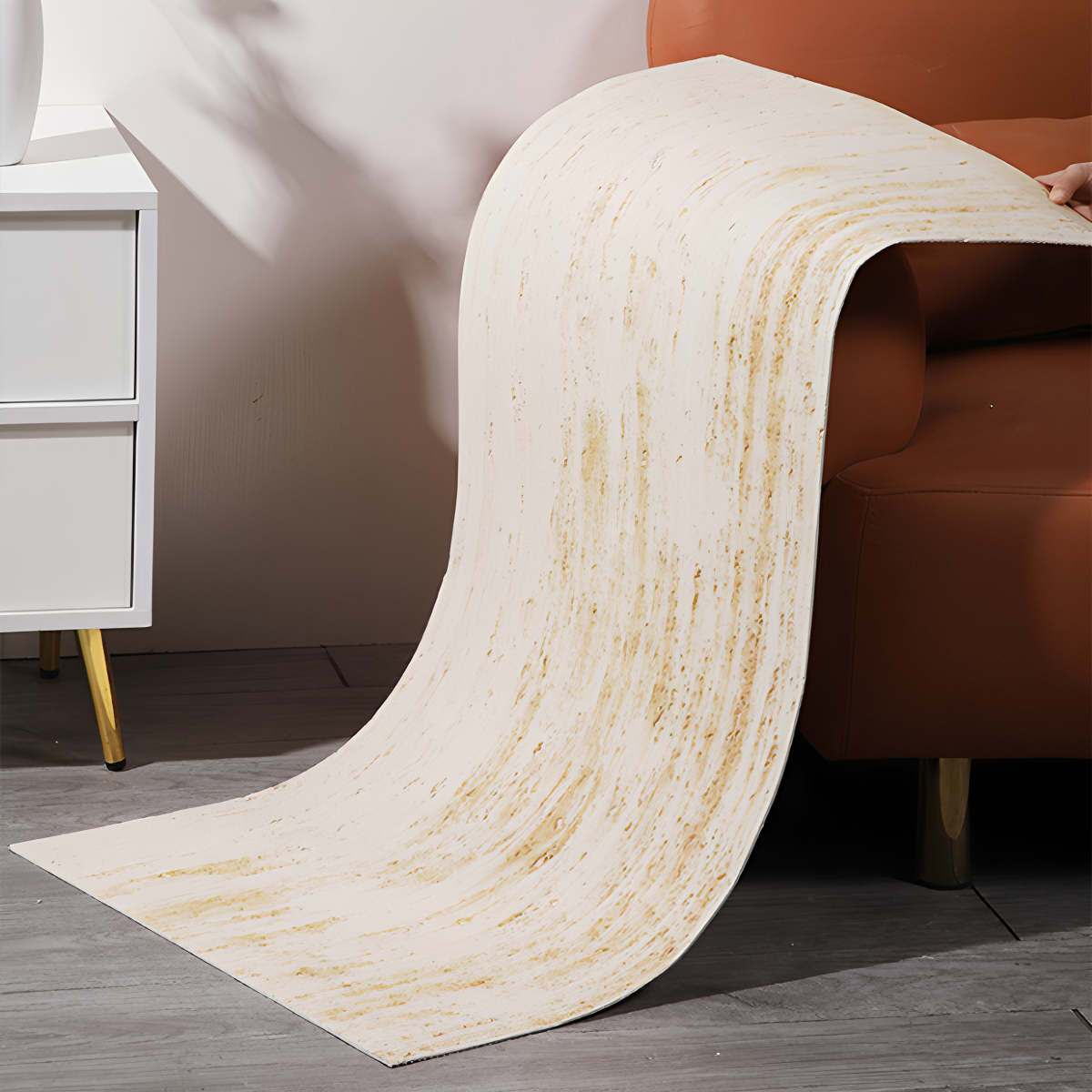
Unsere flexiblen Steinplatten wiegen nur 3,5-6,0 kg/m² und sind damit leicht genug für die manuelle Verlegung. Dadurch entfallen die Krankosten und die Logistik auf begrenzten Baustellen in Städten wird vereinfacht.
Vereinfachung der Vor-Ort-Logistik
Der Transport von schwerem Gerät in dichte städtische Zentren ist ein logistisches Problem. Kräne benötigen Straßengenehmigungen, spezialisierte Bediener und ein beträchtliches Budget. Handgetragene Paneele beseitigen diese gesamte Komplexität und Kosten. Bei mehrstöckigen Renovierungen oder Neubauten können die Materialien mit Hilfe von Lastenaufzügen verteilt oder sogar über Treppen getragen werden, was bei herkömmlichen Stein- oder Betonplatten unmöglich ist. Dieser Ansatz eignet sich besonders gut für städtische Infill-Projekte, bei denen der Zugang zum Gelände eng ist und die Nachbarn nicht gestört oder der Verkehr behindert werden darf.
Ein Bruchteil des Gewichts bei 3,5-6,0 kg/m²
Der Kern dieses Vorteils ist das Gewicht des Materials. Unsere flexiblen Steinplatten wiegen zwischen 3,5 und 6,0 kg pro Quadratmeter. Das ist nur ein Sechstel des Gewichts von herkömmlichem Stein, was zwei direkte finanzielle Vorteile mit sich bringt.
- Geringere strukturelle Belastung: Durch das geringe Gewicht wird die Belastung des Gebäuderahmens erheblich reduziert. Dies ist entscheidend für die Nachrüstung älterer Gebäude, die möglicherweise nicht über die strukturelle Kapazität für schwere moderne Fassaden verfügen, und spart kostspielige Konstruktions- und Verstärkungsarbeiten.
- Niedrigere Versandkosten: Das Material ist logistikfreundlich. Das geringere Gewicht schlägt sich direkt in niedrigeren Transportkosten vom Werk zur Baustelle nieder und verbessert das Endergebnis des Projekts noch vor Beginn der Installation.
Erhöhen Sie Ihre Projekte mit flexiblem Steinfurnier
Schlankes Profil: Maximierung der Nettobodenfläche
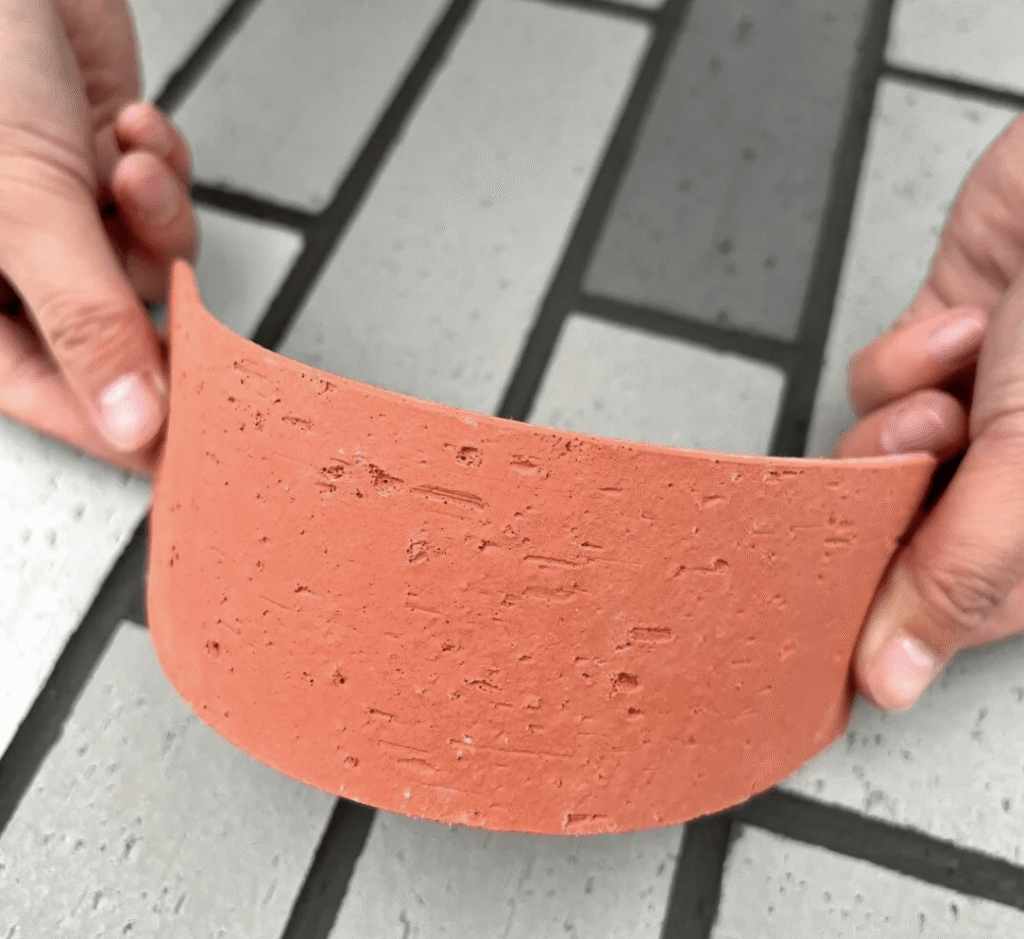
Durch die Verwendung ultradünner 2,5-5,0 mm dicker Wandpaneele wird der strukturelle Totraum reduziert. Dadurch wird die Nettogeschossfläche maximiert und die vermietbare oder verkaufbare Fläche innerhalb der ursprünglichen Grundfläche des Gebäudes direkt erhöht.
| Merkmal | Traditionelle dicke Verkleidungen | Flexible Steinpaneele |
|---|---|---|
| Dicke des Wandprofils | 30mm - 50mm+ | 2,5 mm - 5,0 mm |
| Gewicht pro m² | ~30 - 60 kg/m² | 3,5 - 6,0 kg/m² |
| Auswirkungen auf die Bodenfläche | Verringert den gesamten nutzbaren Innenraum. | Maximiert die verkaufbare/vermietbare Nettofläche. |
| Strukturelle Anforderung | Erfordert sperrige strukturelle Stützen. | Reduziert die strukturelle Belastung; spart Platz. |
Der Einfluss der Wanddicke auf die Nettonutzfläche
Im dichten Städtebau hat jeder Quadratmeter Nutzfläche einen direkten finanziellen Wert. Bauherren und Architekten sind ständig auf der Suche nach Möglichkeiten, die Nettonutzfläche innerhalb einer festen Gebäudegrundfläche zu vergrößern. Die Wahl des Wandverkleidungsmaterials spielt in dieser Gleichung eine erstaunlich große Rolle.
Herkömmliche Verkleidungssysteme wie dicker Stein oder schweres Ziegelmauerwerk verbrauchen wertvolle Innenfläche. Jeder Zentimeter Wandstärke, multipliziert mit jeder Wand in jedem Stockwerk, bedeutet einen erheblichen Verlust an verkaufs- oder vermietbarer Fläche. Ein dünneres Wandprofil ermöglicht es den Architekten, diesen Raum zurückzugewinnen und die Innenaufteilung zu optimieren, ohne die Außenmaße des Gebäudes zu vergrößern.
Flexible Steinpaneele: A 2,5-5,0mm Profil
Unsere flexiblen Steinplatten sind eine direkte Antwort auf diese Herausforderung. Sie bieten die Ästhetik von Naturstein, ohne dass der Raum darunter leidet. Das System maximiert die Nettobodenfläche durch mehrere wichtige technische Vorteile.
- Ultradünnes Profil: Mit einer Dicke von nur 2,5 mm bis 5,0 mm sind unsere Paneele nur einen Bruchteil so groß wie herkömmliche Steinplatten und verwandeln die Wandstärke in wertvolle Bodenfläche.
- Leichte Konstruktion: Mit einem Gewicht von nur 3,5 bis 6,0 kg/m² verringern die Platten den Bedarf an sperrigen Stützen und dicken Untergründen und minimieren so den Totraum innerhalb der Wandkonstruktion.
- Abrissfreie Renovierung: Die Paneele können direkt über bestehenden Wänden angebracht werden, z. B. über alten Fliesen oder Gipskartonplatten. Durch diese Überlagerungsmöglichkeit wird nur eine minimale Dicke hinzugefügt, was sie zu einer idealen Lösung für Nachrüstungen macht, bei denen die Erhaltung jedes Zentimeters Innenraum entscheidend ist.
Ruhige Installation: Rücksicht auf die Nachbarn
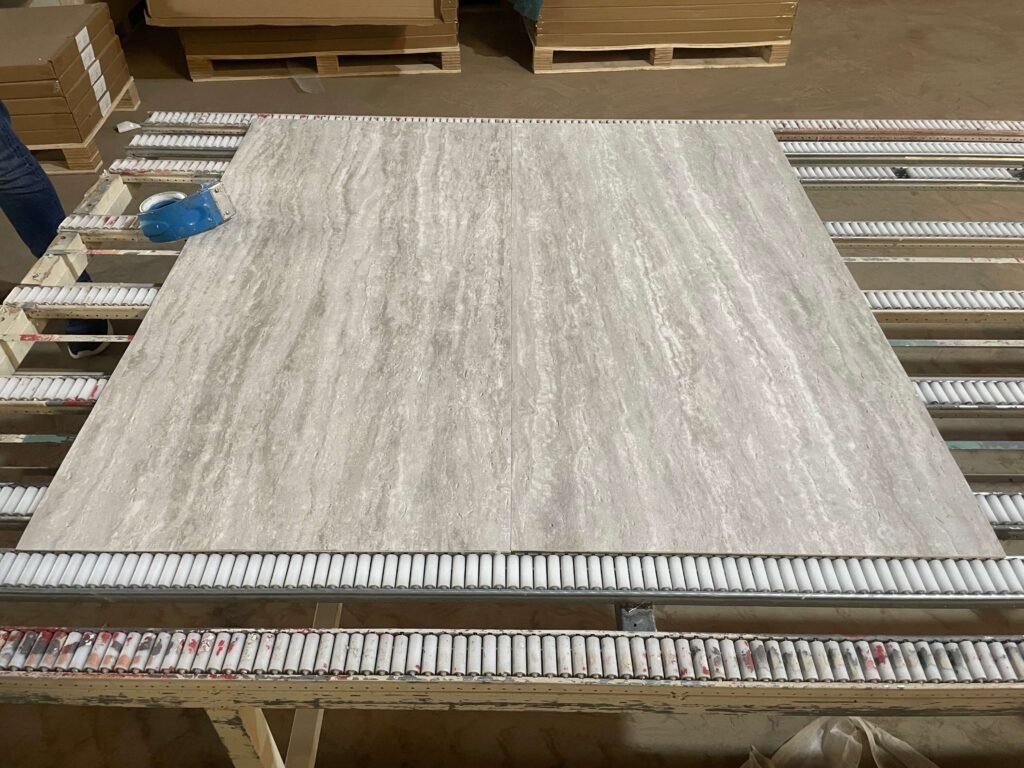
Traditionelle Renovierungen sind laut. Unsere flexiblen Steinplatten werden direkt über alten Mauern angebracht und mit einem Teppichmesser geschnitten, wodurch Lärm und Staub von Abrissarbeiten und Motorsägen vermieden werden.
Die hohen Kosten des Baulärms
Bei jedem dichten städtischen Projekt ist Lärm der schnellste Weg, um Probleme zu verursachen. Elektrowerkzeuge und Abbruchkolonnen verursachen Störungen, die häufig gegen die örtlichen Arbeitszeitvorschriften verstoßen, die oft auf Zeiten wie 7 bis 18 Uhr beschränkt sind. Dies ist nicht nur ein geringfügiges Ärgernis, sondern führt direkt zu formellen Beschwerden von benachbarten Mietern und zu echten Umsatzeinbußen für Geschäfte in der Nähe, die auf Fußgänger angewiesen sind.
Neben dem hörbaren Lärm gibt es auch noch das Problem des Staubes in der Luft. Beim Schneiden herkömmlicher Materialien wie Keramikfliesen oder Steinplatten mit Motorsägen entsteht eine schmutzige, gefährliche Umgebung, die weit über den unmittelbaren Arbeitsbereich hinausgeht, die Luftqualität beeinträchtigt und umfangreiche Reinigungsarbeiten erfordert.
Installation ohne Unterbrechung
Der Installationsprozess für unsere flexiblen Steinplatten wurde entwickelt, um genau diese Probleme zu lösen. Es basiert auf einigen Grundprinzipien, die eine “abrissfreie Renovierung” ermöglichen.”
- Direkte Overlay-Anwendung. Die Platten werden im Direktklebeverfahren verlegt, häufig mit einem Standardfliesenkleber. Auf diese Weise können die Bauunternehmer direkt auf vorhandenen Oberflächen wie alten Keramikfliesen, Trockenbauwänden oder Beton verlegt werden, wodurch die Abrissphase komplett entfällt. Keine Presslufthämmer, keine Vorschlaghämmer, kein Lärm.
- Staubfreies Schneiden. Alle Schnitte auf der Baustelle werden mit einem einfachen Universalmesser ausgeführt. Dies ersetzt das laute Kreischen einer Nasssäge und beseitigt sowohl eine der Hauptquellen für Lärmbeschwerden als auch den damit verbundenen Siliziumstaub.
- Geschäftskontinuität. Das leise und saubere Verfahren ist ein großer Vorteil für gewerbliche Projekte. Hotels, Restaurants und Einzelhandelsgeschäfte können renoviert werden, ohne dass sie schließen müssen, was Umsatzeinbußen und Störungen der Kunden verhindert.

Brandschutz in dicht besiedelten Gebieten
In dichten städtischen Gebieten kann das Feuer schnell zwischen Gebäuden überspringen. Die Verwendung von Materialien mit einer hohen Feuerwiderstandsfähigkeit, wie z. B. nicht brennbare flexible Steinplatten der Klasse A2, ist entscheidend für die Verlangsamung der Ausbreitung und den Schutz der Strukturen.
Das Risiko der Brandausbreitung verstehen
Eine hohe Gebäudedichte ist ein Risikomultiplikator. Wenn Gebäude dicht beieinander stehen, kann ein Brand in einem Gebäude durch Strahlungswärme und Glut in der Luft leicht die Nachbargebäude entzünden. Dies führt zu einem Dominoeffekt, der die Löscharbeiten schnell überfordern kann.
Das Problem verschärft sich noch, wenn man den Zugang betrachtet. Enge Durchgänge und begrenzter Raum in dichten städtischen Gebieten schränken Feuerwehrfahrzeuge und andere Notfallausrüstung oft ein oder blockieren sie ganz. Durch diese Verzögerung hat das Feuer mehr Zeit, zu wachsen und sich unkontrolliert auszubreiten.
Die Rolle der nicht brennbaren Materialien der Klasse A2
Man kann die Dichte eines Stadtviertels nicht immer ändern, aber man kann die Materialien, die für den Bau verwendet werden, kontrollieren. Die Verwendung von Materialien mit einer hohen Brandschutzklasse wirkt der Gefahr einer schnellen Brandausbreitung direkt entgegen.
Unsere flexiblen Steinplatten haben die Brandschutzklasse A2, was sie als nicht brennbares Baumaterial ausweist. Diese Einstufung ist eine kritische Sicherheitsspezifikation für jedes öffentliche, kommerzielle oder Hochhausbauprojekt und bietet eine direkt in die Gebäudefassade integrierte Schutzschicht.
Häufig gestellte Fragen
Sind Leichtbaufassaden eine gute Wahl für den Städtebau?
Ja, sie sind ideal. Leichtgewichtige Fassaden, die nur 3,5-6,0 kg/m² wiegen, reduzieren die strukturelle Belastung eines Gebäudes drastisch. Dies ist sowohl für Neubauten als auch für Renovierungen in dichten Stadtzentren von entscheidender Bedeutung. Sie ermöglichen auch eine schnellere Montage auf engem Raum, oft ohne schwere Maschinen wie Kräne, was die Störung auf der Baustelle minimiert und die Arbeitskosten senkt.
Wie helfen neue Materialien bei der Logistik in engen städtischen Räumen?
Die städtische Logistik wird durch begrenzte Lagerkapazitäten und den Verkehr erschwert. Materialien, die leicht und einfach zu handhaben sind, wie flexible Steinplatten, schaffen hier Abhilfe. Sie wiegen nur 1/6 des Gewichts herkömmlicher Steine und können daher in kleineren Chargen auf Paletten angeliefert und vor Ort von Hand bewegt werden. Sie lassen sich sogar mit einem Teppichmesser zuschneiden, was den Einsatz von Kränen überflüssig macht und den engen Zeitplänen für den Bau entgegenkommt.
Wie wird der Brandschutz in dichten städtischen Gebäuden gewährleistet?
Brandschutz ist eine nicht verhandelbare Priorität, die durch strenge Vorschriften geregelt wird. Diese Vorschriften schreiben insbesondere für Mehrfamilienhäuser schwer entflammbare oder nicht brennbare Materialien vor. Die Verwendung zertifizierter Materialien für Fassaden ist die einzige Möglichkeit, diese Vorschriften zu erfüllen. Für jedes seriöse Projekt ist eine Brandschutzklasse A2 der erforderliche Standard, um die Sicherheit von Gebäuden und Bewohnern zu gewährleisten.
Kann man ein bestehendes Gebäude ohne lärmende und staubige Abrissarbeiten renovieren?
Ja, genau darum geht es bei der abbruchfreien Renovierung. Dünne, flexible Verkleidungsmaterialien können direkt über bestehende Oberflächen wie alte Fliesen, Ziegel oder sogar Trockenbauwände angebracht werden. Durch diese “direkte Überlagerung” werden Lärm, Staub und Abfälle vermieden, die beim Einreißen alter Wände entstehen. Für Unternehmen wie Hotels oder Einzelhandelsgeschäfte bedeutet dies, dass sie ohne Betriebsunterbrechung renovieren können.
Abschließende Gedanken
Die Festlegung von Verkleidungen allein nach dem Preis birgt ein inakzeptables Risiko für den Zeitplan und das Budget Ihres Projekts. Ein Material ohne geprüfte Brandschutzklasse A2 kann ein Bauvorhaben während der Inspektion vollständig zum Stillstand bringen. Unser System wurde entwickelt, um diese Variablen zu eliminieren und die Einhaltung der Vorschriften und eine vorhersehbare Logistik vom ersten Tag an zu gewährleisten.
Die Daten zur Gewichtsreduzierung und Brandsicherheit sind eindeutig, aber das Material selbst ist der endgültige Beweis. Fordern Sie ein Musterkit für Ihr Projekt an, um die Textur, die Flexibilität und die einfache Installation aus erster Hand zu beurteilen. Unser Team ist bereit, Logistikangebote für Ihr nächstes Stadtentwicklungsprojekt zu erstellen.

 German
  English
  Spanish
  French
  Arabic