The decision of using HPL panels vs flexible stone in commercial spaces directly impacts your facility’s fire safety compliance and long-term operational budget. In high-traffic environments like hospitals, schools, and transit hubs, wall coverings are subjected to constant abuse from carts, equipment, and pedestrian flow. Choosing the wrong material creates a perpetual cycle of costly repairs, disrupts daily operations, and can lead to a worn-down appearance that undermines the building’s professional image.
This guide provides a direct technical comparison to help you specify the right material for demanding conditions. We will analyze the critical differences in fire ratings between combustible and inorganic cores, the practical repairability of scratches and gouges, and a transparent cost-per-square-meter breakdown. We also examine the aesthetic trade-offs between a printed laminate surface and a naturally textured stone veneer, providing the objective data needed for a durable, code-compliant specification.
HPL in Commercial Design: Pros & Cons
High-pressure laminate is a workhorse for commercial interiors, offering an unmatched cost-to-performance ratio for high-traffic zones, but its limits in repairability and extreme environments are critical specification factors.
Advantages: Durability and Low Maintenance
HPL is a primary choice for demanding commercial spaces because it is engineered to resist wear, impact, and common stains. This inherent toughness simplifies long-term maintenance protocols and ensures predictable performance over the asset’s lifespan.
- It is built to withstand constant use in environments like retail stores, healthcare facilities, and busy offices.
- The non-porous surface makes cleaning simple, requiring no specialized chemicals or treatments for daily upkeep.
- Its resilience is ideal for functional surfaces such as countertops, cabinetry, and wall panels where longevity is non-negotiable.
Advantages: Cost-Effectiveness and Aesthetic Versatility
The material delivers the visual appeal of premium materials like natural wood or stone without the associated cost or installation complexity. This gives designers and architects immense creative flexibility while adhering to strict project budgets.
- HPL acts as a budget-conscious alternative to natural stone, wood veneers, and other high-cost surfaces.
- It is available in an extensive range of colors, patterns, and realistic textures to match virtually any design brief.
- By 2026, most major manufacturers offer HPL with sustainable attributes, including recycled content and low-VOC formulations.
Disadvantages: Repairability and Environmental Limits
While tough, HPL surfaces are difficult to repair once the decorative layer is compromised by a deep scratch or chip. The material also has clear performance boundaries in environments with sustained high heat or exposure to aggressive chemicals.
- Deep gouges or significant scratches are typically permanent and cannot be effectively buffed or filled without leaving a visible mark.
- Prolonged exposure to high temperatures can lead to surface discoloration or delamination of the layers.
- Standard HPL grades are not specified for specialized labs or commercial kitchens; these applications require purpose-built chemical-resistant variants.

Fire Rating: Combustible Core vs. Inorganic
The fundamental difference in fire safety hinges on a material’s core: combustible cores can act as fuel, while inorganic cores provide a non-combustible barrier essential for containment and structural integrity.
Combustible Core Materials and Fire Risk
Materials with a combustible core, such as standard wood-based or phenolic resin panels, can ignite and contribute directly to the spread of flames and smoke. Building codes heavily restrict their application in commercial, multi-story, and high-occupancy projects where fire containment is a primary safety requirement. Performance is evaluated using standardized tests that measure flame spread and heat release rates. While these materials are suitable for certain low-risk applications, their use demands careful review of local safety regulations to avoid creating a fire hazard.
Inorganic Materials and Superior Fire Resistance
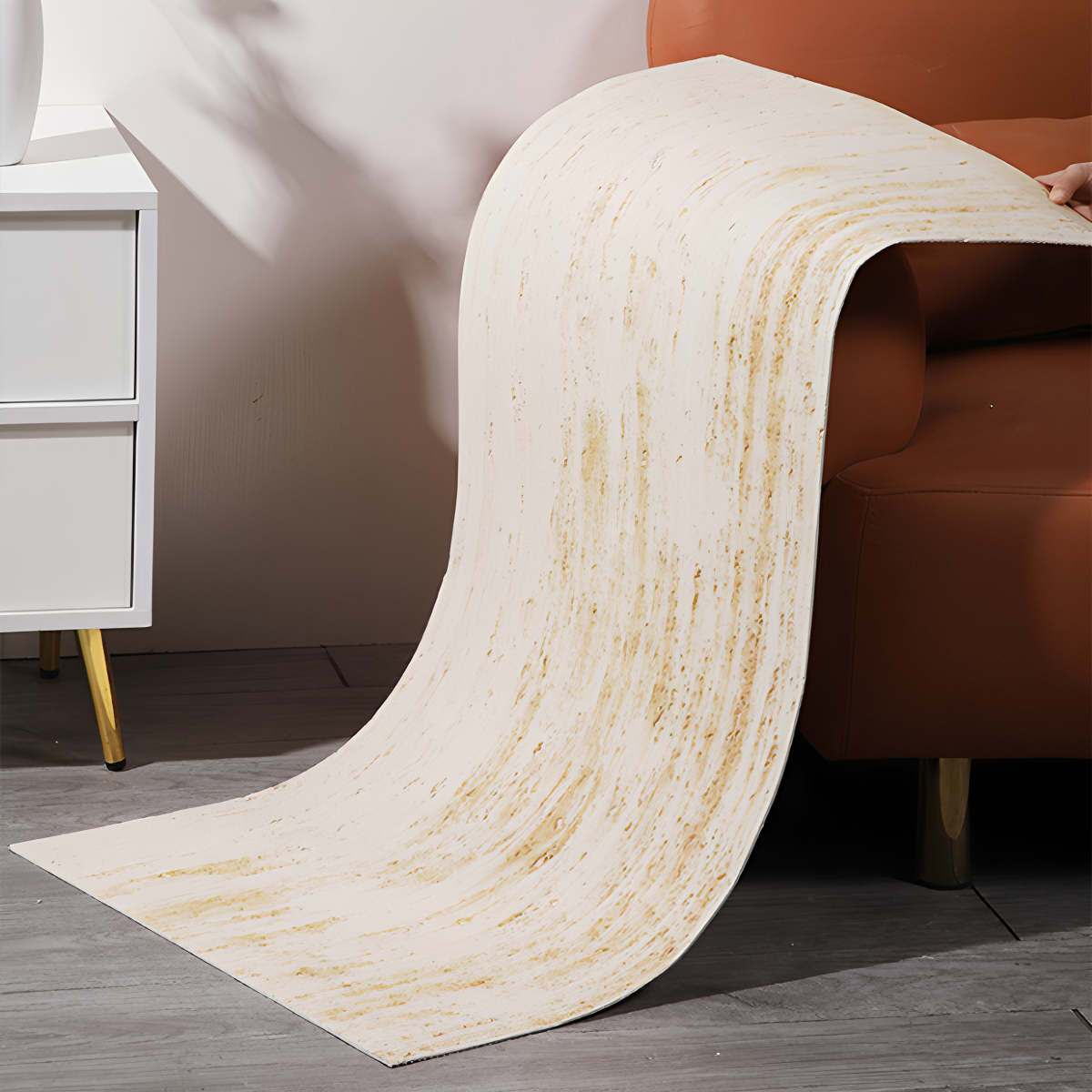
Inorganic materials like concrete, masonry, and advanced composite panels built from modified clay do not burn. They are specified to maintain structural integrity during a fire, protecting safe egress routes and preventing building collapse. These materials are frequently mandated by building codes for critical-use structures like schools, hospitals, and high-rise buildings. For example, JMS Decor’s flexible stone panels, made from a modified clay base, achieve a Class A2 fire rating, placing them in the non-combustible category required for the most stringent safety projects.
| Attribut | Combustible Core Panels (Standard HPL) | Inorganic Core Panels (JMS Decor Flexible Stone) |
|---|---|---|
| Core Material | Phenolic resin, wood fiber, or other organic compounds | Modified Clay Material (MCM) and natural stone powder |
| Brandverhalten | Can ignite and contribute to flame spread and smoke | Class A2 (Non-combustible); does not burn or release toxic fumes |
| Typical Use Cases | Decorative interiors, furniture, and low-risk environments | High-rise facades, corridors, stairwells, and critical infrastructure |
Fire Performance Classification and Codes
Building materials are categorized based on standardized fire performance tests to ensure they meet legal safety requirements. Class A ratings signify the best performance, with minimal to zero flame spread. Architects and builders rely on these classifications to select compliant materials for different parts of a building. The market shows a clear shift toward hybrid solutions, where non-combustible structural systems are combined with high-performance, fire-resistive finishes. This approach balances stringent safety codes with design flexibility and cost-effectiveness.
Source Premium, anpassbare Soft Stone Panels
Scratch & Gouge Repairability
The market conversation is shifting from reactive fixes to proactive prevention, prioritizing high-spec, scratch-resistant panels to reduce long-term maintenance costs in commercial spaces.
How a wall panel handles surface damage directly impacts its lifecycle cost and aesthetic longevity. The repair landscape for HPL is fragmented, with solutions ranging from simple cosmetic touch-ups to more involved structural fixes. Understanding these tiers helps facility managers and contractors make informed decisions about both material selection and maintenance protocols.
Cosmetic Repairs for Minor Scratches
For superficial scuffs and minor scratches, the most accessible solutions are often found in DIY kits. These typically involve budget-friendly markers or simple household remedies intended for quick, cosmetic concealment. This approach aligns with a growing consumer trend toward simple, self-serve maintenance, especially in residential or light commercial settings. These repairs are effective for low-traffic areas where the damage is purely aesthetic and doesn’t compromise the panel’s core integrity.
Specialized Fillers for Deeper Gouges
When damage goes beyond a surface mark and creates a physical void, more robust solutions are necessary. Deeper gouges require color-matched fillers, wax-based repair kits, or professional-grade putty compounds to restore a level surface. These products are engineered to fill the gap, providing a degree of structural and visual repair. While consumer-grade wax kits are available, high-traffic commercial environments often require specialized compounds and sealants applied by a professional to ensure a durable, long-lasting fix.
| Repair Tier | Common Methods | Bester Anwendungsfall |
|---|---|---|
| Tier 1: Cosmetic (DIY) | Budget markers, household remedies | Minor surface scuffs in low-traffic areas. |
| Tier 2: Mid-Range | Color-matched fillers, wax repair kits | Deeper scratches or small chips requiring a physical fill. |
| Tier 3: Professional-Grade | Specialized putty compounds, sealants | Significant gouges in high-traffic commercial environments. |
Industry Trend: From Repair to Resistance
By 2026, the focus for commercial applications has clearly pivoted from repairability to inherent resistance. Rather than selling after-the-fact fixes, leading manufacturers engineer panels to prevent damage in the first place. Advanced HPL formulations and alternative materials like our MCM flexibles Feinsteinzeug are designed with built-in scratch resistance, targeting the root cause of maintenance issues. This preventative approach changes the value proposition entirely—it’s no longer about how to fix damage, but how to select materials that make repairs unnecessary. This strategy directly lowers the long-term cost of ownership, a critical metric for any high-traffic commercial project.
Cost Comparison per Sqm
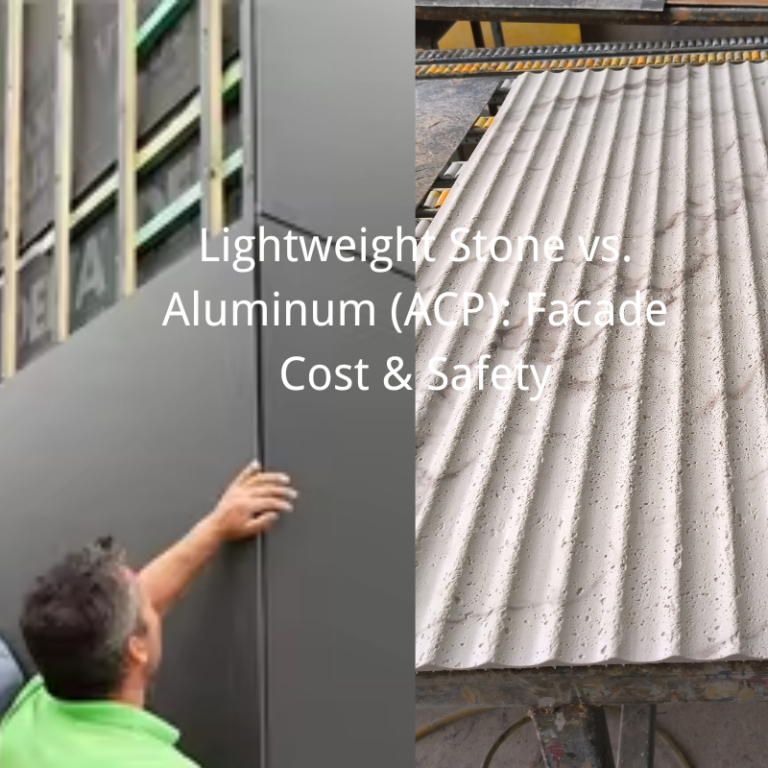
Total project cost isn’t just the price per square meter of the material. The true expense is the final landed cost, which includes shipping, structural requirements, and installation labor. Lighter, easier-to-install materials consistently reduce the overall budget.
Flexible Steinpaneele
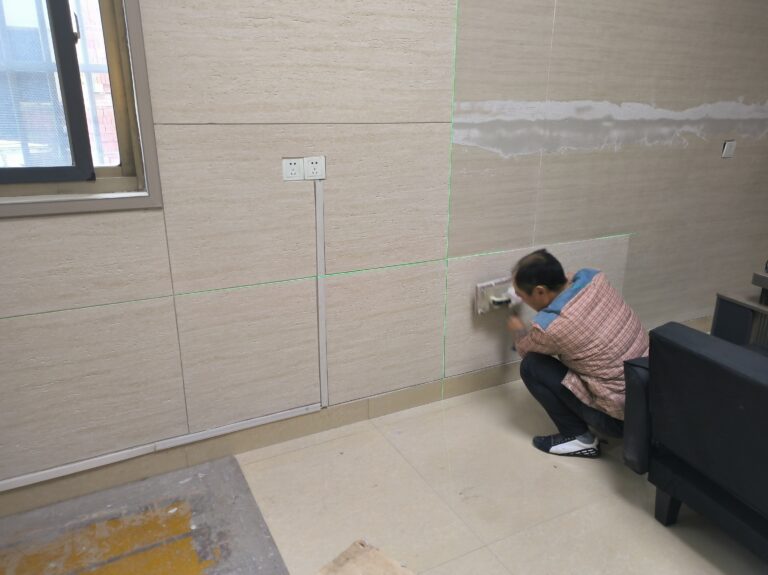
Flexible stone panels provide a significant cost advantage over traditional stone, driven by downstream logistical savings. Weighing only 3.5 to 6.0 kg per square meter, these panels drastically cut shipping fees and eliminate the need for heavy structural support. The installation is straightforward enough for general contractors using basic tools, which reduces reliance on specialized, high-cost masons and lifting equipment, especially for projects involving curved walls or columns.
WPC-Paneele
Wood-plastic composite (WPC) panels represent a budget-conscious choice, with savings realized through quick installation and minimal long-term upkeep. Their upfront material cost is competitive, and the fast installation using standard adhesives or fasteners directly lowers on-site labor expenses. The durable and low-maintenance characteristics of WPC provide additional cost benefits over the product’s lifespan.
Traditionelle Steinplatten
Solid stone slabs like marble or granite occupy the premium end of the cost spectrum. The material price per square meter is inherently high, but the major cost multipliers are logistical. The immense weight of solid stone results in substantial freight charges and requires specialized lifting equipment on-site. Installation must be handled by skilled masons, adding another layer of significant expense to the final project budget.
| Material | Key Cost Drivers | Typical Weight (per m²) |
|---|---|---|
| Flexible Steinpaneele | Low material weight reduces shipping & labor. Simple installation. | 3,5 - 6,0 kg |
| WPC-Paneele | Competitive material cost, fast installation, low long-term maintenance. | Varies, generally lighter than stone. |
| Traditionelle Steinplatten | High raw material price, heavy-freight shipping, specialized masonry labor. | 25 – 50 kg+ |
Factors Influencing Total Project Cost
Beyond the base material, several project-specific variables shape the final cost. Customization options, such as unique 3D printed patterns, can influence the unit price. Order size is another key factor; tiered discounts are available for bulk orders, with a low minimum order quantity of 200 sqm for flexible stone. Shipping terms also affect the final landed cost, so choosing between options like FOB Shanghai and full door-to-door delivery will impact the total expense.
Aesthetic: “Printed” vs. “Textured”
While printed HPL offers endless design flexibility and textured finishes provide tactile realism, the commercial market now demands a hybrid approach that merges both for cost-effective authenticity.
The aesthetic value of high-pressure laminate is determined by the interplay between its visual pattern and physical surface. These two elements can be specified independently or, as is increasingly common, combined to create a more convincing and sophisticated material. Understanding the trade-offs between printed and textured surfaces is key to selecting the right panel for a commercial project’s budget and design intent.
Printed Surfaces for Design Versatility
Printed decorative layers are the foundation of HPL’s versatility. This technology allows for nearly unlimited visual options, from precise replications of natural materials like wood grain and stone to completely custom abstract or branded designs. The primary driver here is cost efficiency and speed. A printed surface can deliver the look of a high-end material without the associated cost, and it enables rapid customization to meet specific project timelines and branding requirements.
- Offers affordable mimicry of premium materials like marble, slate, and exotic woods.
- Allows for fast customization to meet project-specific design goals and deadlines.
Textured Finishes for Tactile Depth
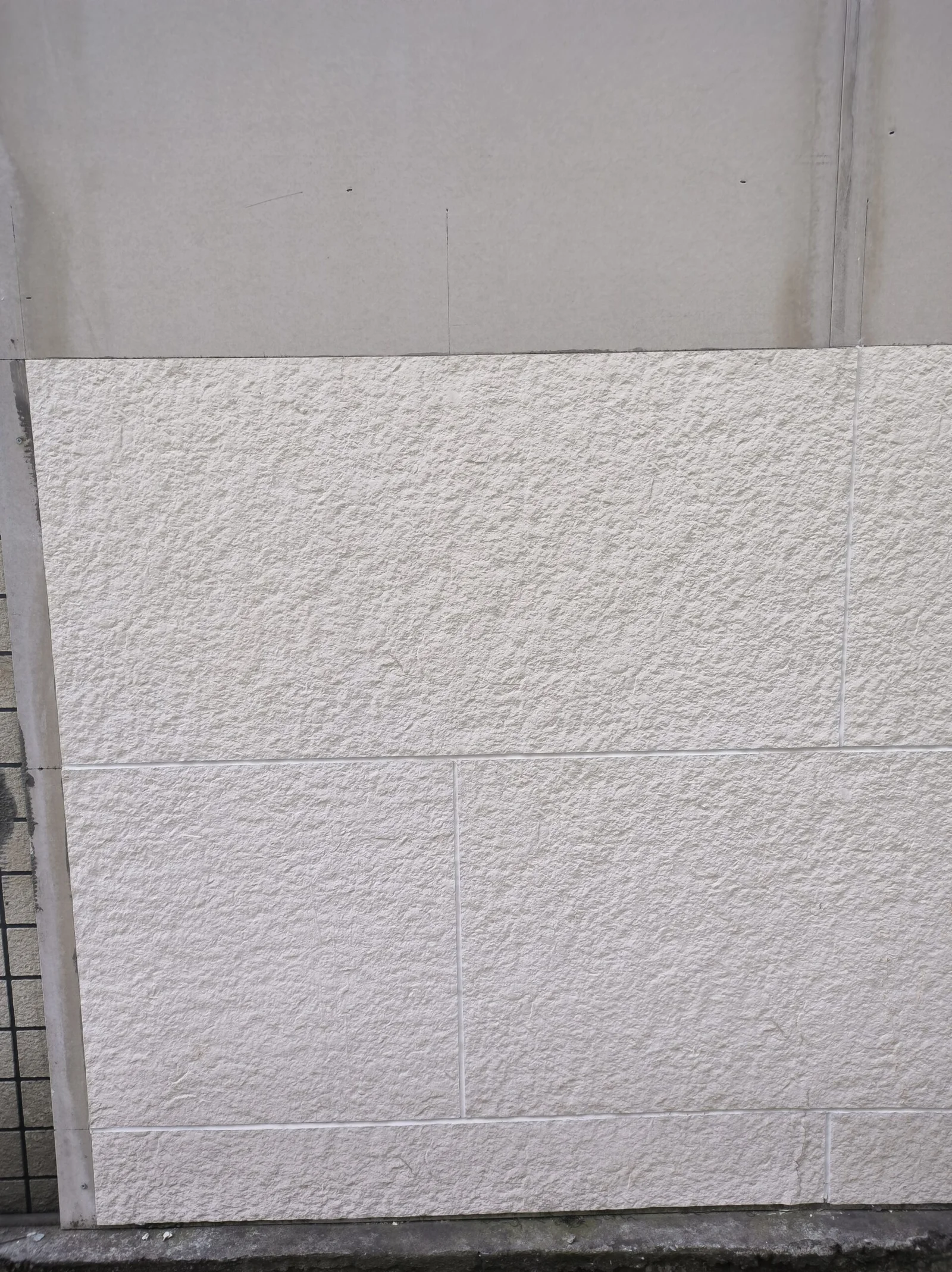
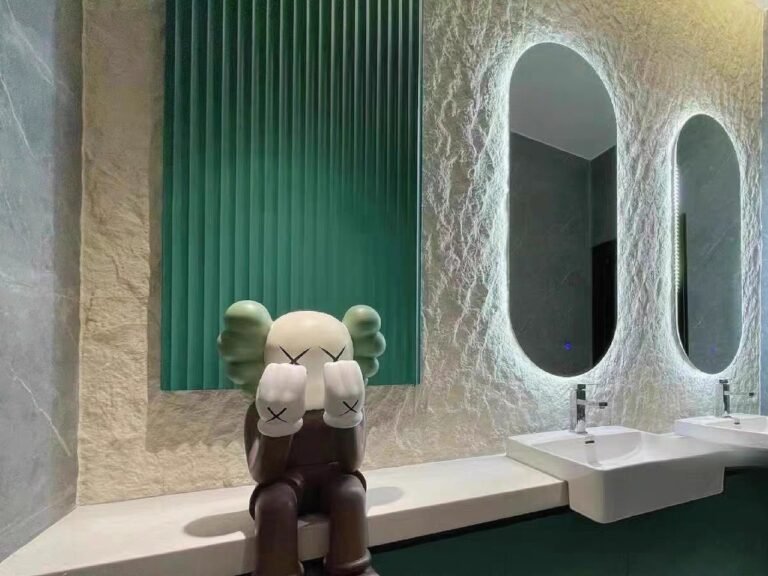
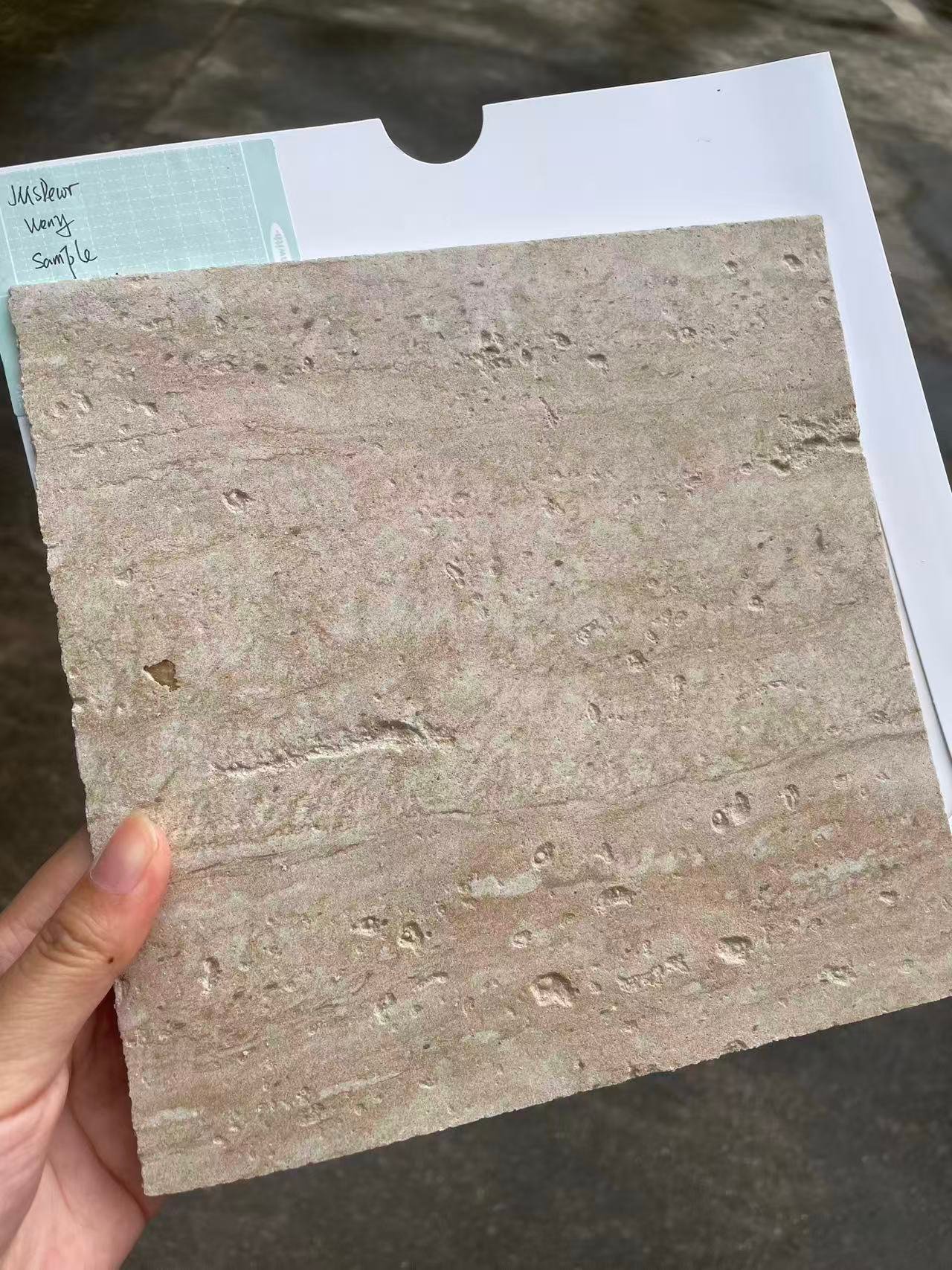
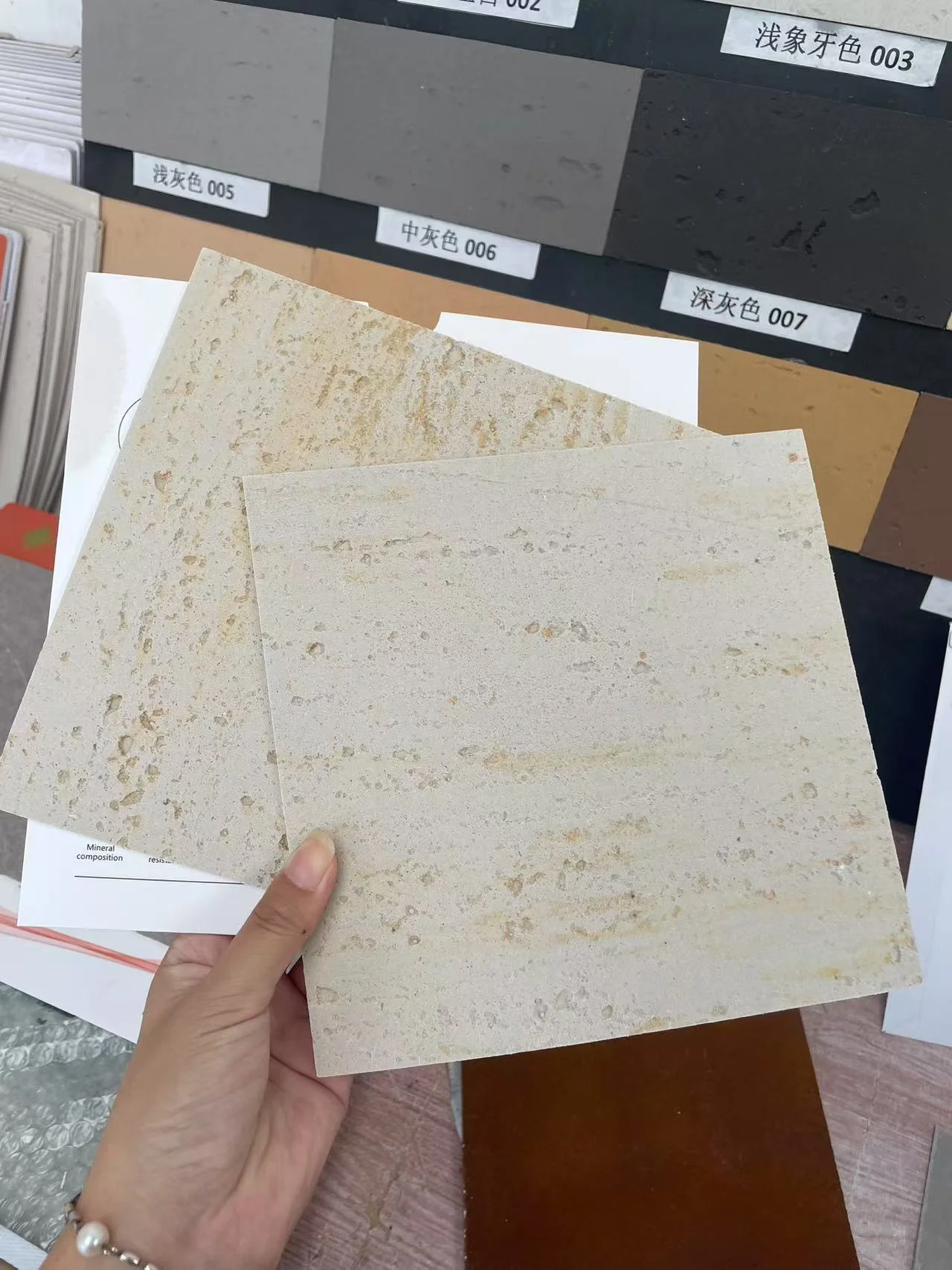
Textured finishes introduce a physical, tactile dimension that elevates a panel beyond a simple flat image. By embossing the surface, manufacturers can create finishes that feel more authentic and sophisticated. For example, a fluted or linear pattern adds a sense of movement and depth, creating a more dynamic visual effect. This approach enhances realism and gives the material a more substantial, premium feel that a simple printed surface cannot achieve on its own.
- Provides a natural-looking dimensionality that you can see and feel.
- Adds significant visual interest and a premium touch to interior designs.
Hybrid Solutions: The Market Trend
The current market trend strongly favors hybrid solutions that combine detailed printed patterns with corresponding, realistic textures. This blend satisfies the dual needs of affordability and authentic material mimicry. A wood-grain print paired with a matching embossed wood texture, for example, is far more convincing than either element alone. This evolution makes HPL an increasingly viable and versatile alternative to natural materials, meeting the growing demand for affordable yet sophisticated finishes in commercial spaces.
- Combines the visual flexibility of print with the authenticity of a tactile texture.
- Meets the growing demand for affordable yet sophisticated alternatives to natural stone or wood.
Schlussfolgerung
Choosing the right wall covering for high-traffic commercial spaces balances fire safety, long-term repairability, and aesthetic goals. Flexible stone offers a non-combustible core and authentic, repairable texture that differs from the printed surfaces of HPL. This decision directly influences not only project compliance and maintenance but also the lasting visual impact of the design.
To evaluate these textures and performance features for your next project, our team can provide samples and a project-specific consultation. This helps clarify how each material aligns with your design and functional requirements.
Häufig gestellte Fragen
HPL panels vs stone veneer?
High-Pressure Laminate (HPL) panels are a versatile and budget-conscious alternative to natural stone veneer. HPL offers superior design flexibility with a vast range of consistent colors and patterns, lighter weight for easier installation, and a non-porous surface that resists stains and requires no sealing. Stone veneer provides authentic texture and depth but is heavier, more expensive, and requires more specialized labor to install and maintain. For most commercial interiors, HPL provides a more practical balance of durability, cost-effectiveness, and low maintenance.
High pressure laminate wall panel cost?
The cost of high-pressure laminate wall panels varies based on factors like thickness, finish, core type, and fire rating. As of 2026, material costs typically range from $7 to $25 per square foot. The total installed cost, which includes the mounting system, labor, and trim, generally falls between $35 and $75 per square foot. Premium finishes, complex installations, or specialized fire-rated or chemical-resistant cores will be at the higher end of this range.
Durable corridor wall materials?
For high-traffic corridors, HPL panels are a preferred choice due to their exceptional durability, impact resistance, and ease of cleaning. Other highly durable options include Fiberglass Reinforced Panels (FRP), known for moisture and scratch resistance; Rigid Vinyl Sheet (PVC), which offers seamless, high-impact surfaces ideal for healthcare and cleanroom environments; and Polished Concrete Masonry Units (CMU), which provide extreme durability for the most demanding applications.
Fire rated wall panels for schools?
Yes, fire-rated HPL panels are a standard specification for schools and other public buildings. To comply with building codes for life safety, especially in corridors and exit ways, these panels must typically achieve a Class A (or Class 1) fire rating per the ASTM E-84 test standard. This rating is achieved by manufacturing the HPL with a fire-retardant treated core. This ensures the panels limit flame spread and smoke development, combining critical safety performance with the durability needed for educational environments.
Repairing wall cladding?
Repair methods depend on the material and severity of the damage. For minor surface scratches on HPL panels, specialized laminate repair pastes or color-matched fill sticks can often conceal the blemish. However, for significant damage such as deep gouges, cracks, or impact fractures, the industry best practice is full panel replacement. Attempting a patch repair on HPL rarely yields an acceptable aesthetic finish. It is highly recommended to order and store extra material (attic stock) during the initial project for future replacement needs.