 Zum Inhalt springen
Commercial developers and architects face a constant challenge: finding materials that deliver high-end aesthetics without compromising project budgets or safety standards. Selecting the best exterior cladding requires a deep dive into total ownership costs, fire compliance, and how material mass impacts the building’s core structure.
We rank the leading options based on 2026 market benchmarks, comparing entry-level materials to premium alternatives like natural stone. This analysis shows how flexible stone panels, weighing only 5–10kg per square meter, reduce structural requirements and why Class A2 fire ratings are essential for systems that must withstand temperatures as low as -40°C.
Liste der Industriehersteller
Schneller Vergleich: Top-Picks
| Hersteller | Standort | Kernkraft | Urteil |
|---|---|---|---|
| Porcelain Slabs | Globaler Standard | Large-format porcelain panels with various texture finishes | Highly resistant to moisture and UV rays with a seamless, modern look and minimal maintenance. |
| Fiber Cement Panels | Globaler Standard | Fiber cement cladding panels with wood, brick, and stone finishes | Durable, fire-resistant mix that excels in high-humidity and rainy climates without upkeep. |
| Metal Cladding (Aluminum/Steel) | Globaler Standard | Aluminum composite panels (ACP), galvanized steel, weathering steel | Lightweight and recyclable metal panels providing high design versatility and a high-end architectural feel. |
| Natural Stone Cladding | Globaler Standard | Natural stone veneer and cladding panels | Offers timeless elegance and exceptional durability, though installation and maintenance are more complex. |
| Wooden Cladding Panels | Globaler Standard | Wood cladding panels with various wood finishes (oak, walnut, teak, maple) | Provides natural warmth and aesthetic appeal, combining traditional charm with modern flexibility. |
| Backsteinfurnier | Globaler Standard | Brick veneer cladding systems | A classic option providing thermal insulation and acoustic benefits with a timeless, traditional aesthetic. |
| ACP Sheets (Aluminum Composite Panels) | Globaler Standard | ACP panels with wood texture, stone texture, and marble texture finishes | Combines metal and plastic for impact strength and flame resistance with extensive design options. |
Porcelain Slabs
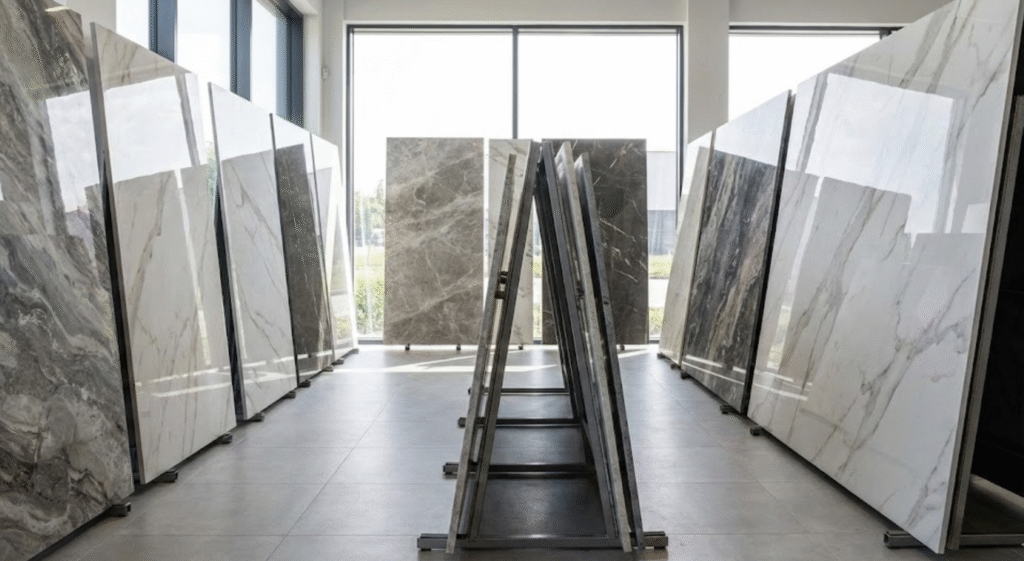
Porcelain slabs provide a sleek, seamless look for modern architectural projects. These large-format panels resist moisture and stains, making them a practical choice for high-traffic or exposed areas. Since they come in various textures like stone, wood, and concrete, they offer versatile design options for any exterior space.
We produce these panels to meet global standards, ensuring consistency across large-scale applications. The manufacturing process creates dense material that withstands UV rays without fading. This durability reduces long-term maintenance needs while maintaining the visual appeal of luxury villas and urban homes.
Auf einen Blick:
- 📍 Standort: Globaler Standard
- 🏭 Kernkraft: Large-format porcelain panels with various texture finishes
- 🌍 Wichtige Märkte: Urban homes, luxury villas, contemporary exteriors
Warum wir sie ausgewählt haben:
| ✅ Die Siege | ⚠️ Abwägungen |
|---|---|
|
|
Fiber Cement Panels
Fiber cement panels use a blend of cement, sand, and cellulose fibers to create a strong exterior layer for various building types. This material resists fading, cracking, and pests, providing a durable alternative to traditional siding. It allows homeowners to achieve the appearance of wood, brick, or stone without the heavy maintenance typically associated with those natural materials.
These panels perform well in environments with high humidity and frequent rainfall. Their composition ensures they do not warp or rot when exposed to moisture over long periods. Because they are fire-resistant, they provide an added level of protection for homes in diverse climates and regions.
Auf einen Blick:
- 📍 Standort: Globaler Standard
- 🏭 Kernkraft: Fiber cement cladding panels with wood, brick, and stone finishes
- 🌍 Wichtige Märkte: Modern, traditional, and contemporary homes; high-humidity regions
Warum wir sie ausgewählt haben:
| ✅ Die Siege | ⚠️ Abwägungen |
|---|---|
|
|
Metal Cladding (Aluminum/Steel)
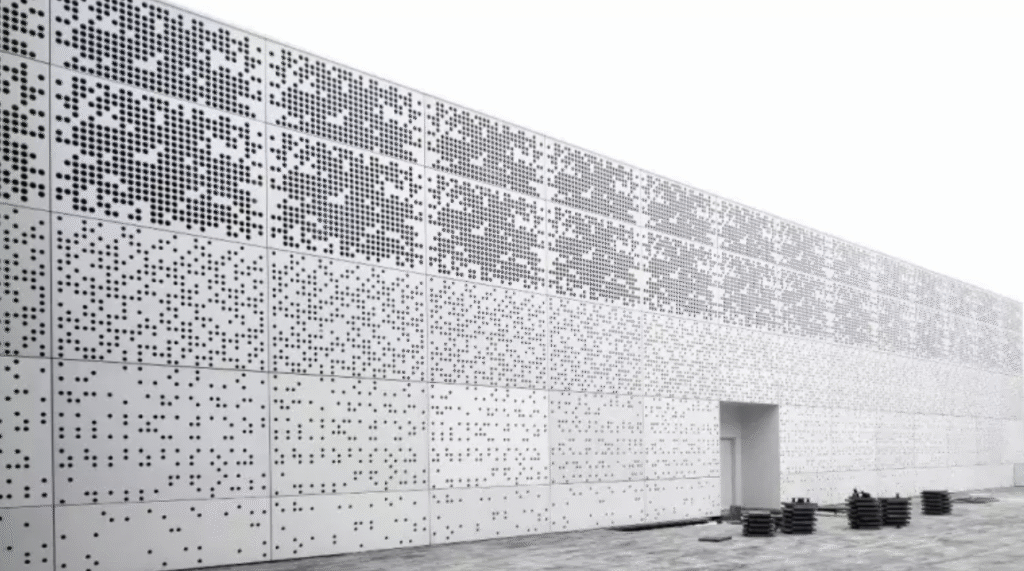
Metal cladding serves as a durable shield for modern structures, combining a lightweight profile with high structural integrity. These systems utilize materials like aluminum and steel to create a sleek finish that resists the typical wear seen in traditional siding, such as warping or cracking. Because the panels are fully recyclable, they offer a practical choice for projects focused on reducing environmental footprints without sacrificing design flexibility.
Fabricators produce these panels with advanced coatings that prevent rust and maintain color vibrancy over many decades. The versatility of the manufacturing process allows for intricate perforations and unique textures, catering to specific architectural visions. Engineers often specify these metal systems for urban environments where resistance to the elements and low maintenance requirements are essential for long-term performance.
Auf einen Blick:
- 📍 Standort: Globaler Standard
- 🏭 Kernkraft: Aluminum composite panels (ACP), galvanized steel, weathering steel
- 🌍 Wichtige Märkte: Urban high-rises, commercial properties, modern homes, contemporary residences
Warum wir sie ausgewählt haben:
| ✅ Die Siege | ⚠️ Abwägungen |
|---|---|
|
|
Natural Stone Cladding
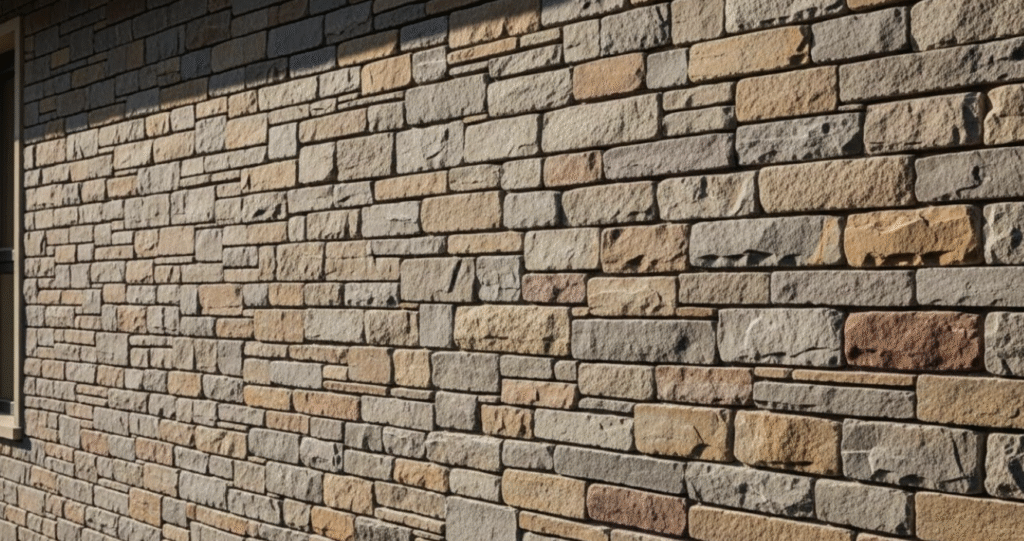
Natural stone cladding provides an unmatched level of elegance for luxury homes and traditional properties. We recognize it for its exceptional durability and natural insulation properties that enhance a building’s thermal performance. Builders often choose these materials because they create a strong, authentic appearance that engineered alternatives cannot replicate.
The industry focuses on high-quality natural stone veneer and precision-cut cladding panels that serve as a global standard for high-end exterior finishes. These solutions cater specifically to premium markets where long-term value and architectural integrity take priority over lower upfront costs. The extraction and preparation process ensures each piece maintains the unique characteristics of natural rock.
Auf einen Blick:
- 📍 Standort: Globaler Standard
- 🏭 Kernkraft: Natural stone veneer and cladding panels
- 🌍 Wichtige Märkte: Luxury homes, high-end exteriors, traditional properties
Warum wir sie ausgewählt haben:
| ✅ Die Siege | ⚠️ Abwägungen |
|---|---|
|
|
Wooden Cladding Panels
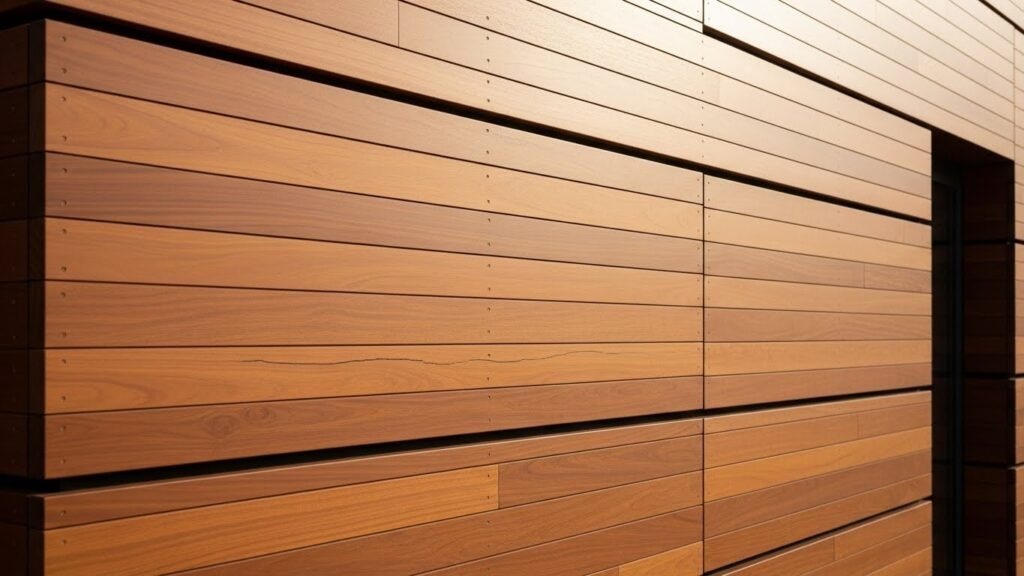
Wooden cladding panels provide a distinct aesthetic appeal that brings natural warmth to any architectural project. These materials successfully bridge the gap between traditional charm and contemporary design needs, making them a popular choice for both interior and exterior applications. Homeowners frequently select these panels to create a welcoming atmosphere that complements various home styles.
Interest in these products remains high, particularly during peak renovation seasons when homeowners focus on upgrades. The available range includes several popular finishes such as oak, walnut, teak, and maple to satisfy different visual preferences. While these panels enhance the character of a building, the specific care and maintenance needs vary depending on the wood type chosen for the installation.
Auf einen Blick:
- 📍 Standort: Globaler Standard
- 🏭 Kernkraft: Wood cladding panels with various wood finishes (oak, walnut, teak, maple)
- 🌍 Wichtige Märkte: Traditional, transitional, and classic homes; renovation projects
Warum wir sie ausgewählt haben:
| ✅ Die Siege | ⚠️ Abwägungen |
|---|---|
|
|
Backsteinfurnier
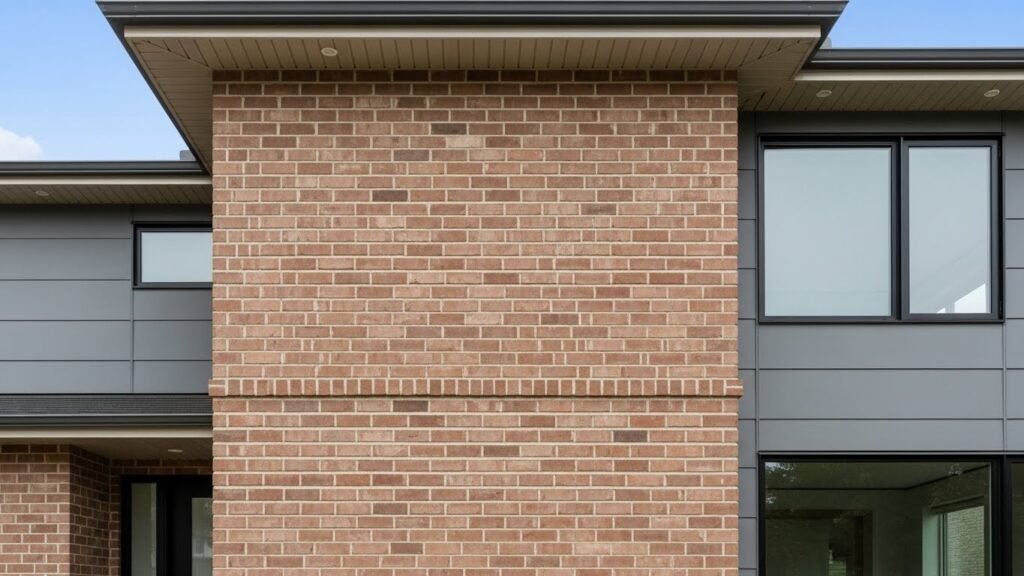
Brick veneer provides a classic exterior finish that suits both heritage restorations and modern residential designs. It functions as a durable protective layer, offering the visual appeal of traditional masonry while enhancing energy efficiency through its natural thermal mass.
Builders choose these systems for their ability to shield structures against harsh weather while providing significant sound dampening. This cladding option remains a staple in global architecture because it delivers long-term durability without the structural complexity of solid brick walls.
Auf einen Blick:
- 📍 Standort: Globaler Standard
- 🏭 Kernkraft: Brick veneer cladding systems
- 🌍 Wichtige Märkte: Traditional, transitional, and classic homes
Warum wir sie ausgewählt haben:
| ✅ Die Siege | ⚠️ Abwägungen |
|---|---|
|
|
ACP Sheets (Aluminum Composite Panels)
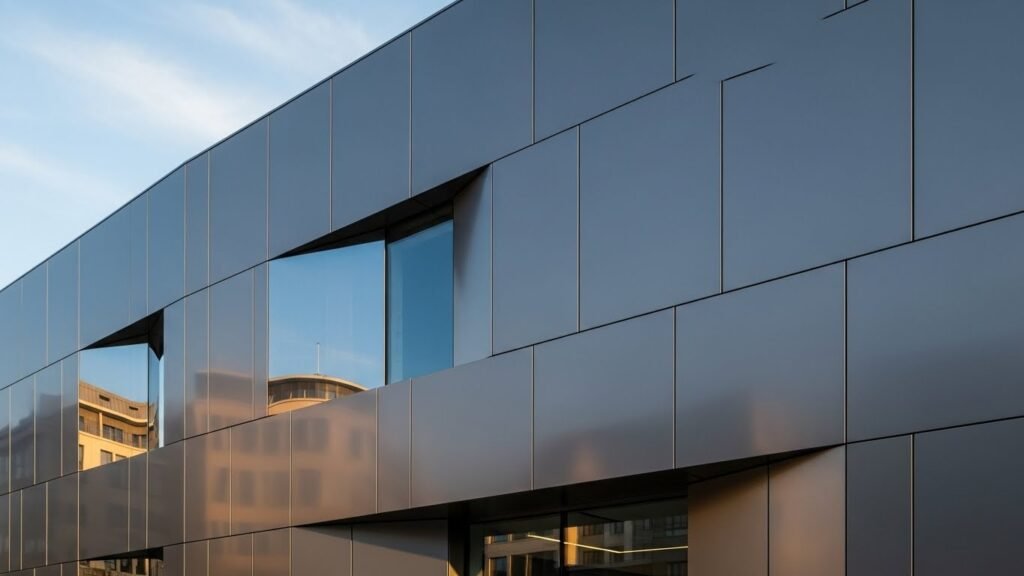
These panels combine the structural integrity of metal with the flexibility of plastic to create a weather-resistant building material. They provide high impact strength and flame-retardant qualities, making them reliable for various construction environments. The lightweight design simplifies the installation process for builders and architects alike.
Designers often choose these sheets for their diverse finish options, including realistic wood, stone, and marble textures. The material supports sustainable building practices through its recyclability. These panels serve as a practical choice for both modern residential projects and large-scale commercial developments.
Auf einen Blick:
- 📍 Standort: Globaler Standard
- 🏭 Kernkraft: ACP panels with wood texture, stone texture, and marble texture finishes
- 🌍 Wichtige Märkte: Modern residential and commercial properties, eco-conscious designs
Warum wir sie ausgewählt haben:
| ✅ Die Siege | ⚠️ Abwägungen |
|---|---|
|
|
Criteria for Ranking (Cost, Life, Safety)
Ranking exterior cladding involves evaluating the total cost of ownership against a material’s projected service life and safety performance. High-performance systems are characterized by Class A2 fire ratings, lifespans exceeding 50 years, and a balance between initial material expenses and specialized installation labor.
Financial Evaluation: Material and Labor Costs
Material prices fluctuate based on composition and manufacturing complexity. Entry-level vinyl starts as low as $0.85 per square foot, while high-end natural stone veneer often reaches $30 or more. Beyond the purchase price, installation expenses frequently dictate the final budget. Heavy materials such as natural stone necessitate specialized masonry and structural reinforcement, adding to the labor burden. For 2026 commercial developments, flexible stone panels and fiber cement have emerged as a middle-ground solution, providing premium aesthetics with reduced labor requirements.
Operational Life and Structural Integrity
Durability metrics measure a material’s capacity to withstand environmental stress over a 20-to-50-year horizon. Natural stone and brick veneer lead the industry in longevity, frequently surpassing 50 years of service with minimal maintenance needs. Modern engineered composites and flexible stone undergo rigorous freeze-thaw testing to ensure performance in extreme climates. These materials must maintain structural stability even at temperatures as low as -40°C to prevent cracking or delamination in high-latitude regions.
Fire Safety and Environmental Certification
Safety rankings focus on fire resistance and moisture management. Compliance with ASTM standards and Class A2 fire ratings identifies materials suitable for high-density urban builds. Engineers test waterproofing capabilities at pressures of 0.3MPa to ensure systems prevent moisture penetration and subsequent structural rot. Additionally, environmental certifications like LEED and ISO14000 play a growing role in material selection. These standards highlight products with sustainable manufacturing processes and lower defect rates, ensuring long-term reliability for developers.
Vergleichstabelle: Preis vs. Gewicht
Architectural planning for 2026 emphasizes materials that balance budgetary constraints with structural efficiency. Flexible stone panels provide a mid-range cost solution while weighing up to 90% less than traditional stone, which drastically reduces the need for reinforced foundations and heavy-duty mounting hardware.
| Cladding Material | Estimated Price (USD/m²) | Mass per Square Meter |
|---|---|---|
| Flexible Steinpaneele | $20 – $50 | 5kg – 10kg |
| Natursteinplatten | $100+ | 150kg – 300kg |
| Fiber Cement Panels | $30 – $85 | 15kg – 25kg |
| Aluminum Composite (ACP) | $50 – $300 | 3kg – 8kg |
2026 Market Pricing Benchmarks
Flexible stone panels keep costs between $20 and $50 per square meter for 2026 developments. Natural stone stays at the top of the price scale, frequently surpassing $100 per square meter before accounting for expert masonry. Stucco and fiber cement pricing varies depending on local labor markets and the specific needs of the building site.
Budgeting for modern facades requires looking beyond the initial purchase price. While vinyl and basic fiber cement offer lower upfront costs, flexible stone panels provide the aesthetic value of premium masonry at a fraction of the expense. The stability of manufacturing for engineered stone helps developers lock in rates for large-scale projects, avoiding the price volatility seen in raw timber or specialized metal markets.
Weight Impact on Structural Requirements and Shipping
Flexible stone panels weigh 5-10kg per square meter, which eases the load on structural frames for high-rise construction. Thick natural stone requires massive anchors and stronger foundations to support the bulk. Choosing lighter materials allows engineers to specify thinner steel beams and less concrete, creating direct savings in the core building structure.
Switching to lighter materials cuts shipping costs and reduces fuel surcharges, helping project managers stay within budget. Because flexible stone panels are thin and light, a single shipping container can hold significantly more coverage area than it could with traditional stone slabs. This efficiency speeds up delivery timelines and lowers the overall carbon footprint of the procurement process.
Transform Your Space with Premium Flexible Stone Veneer
Schlussfolgerung: Der Gewinner für Commercial
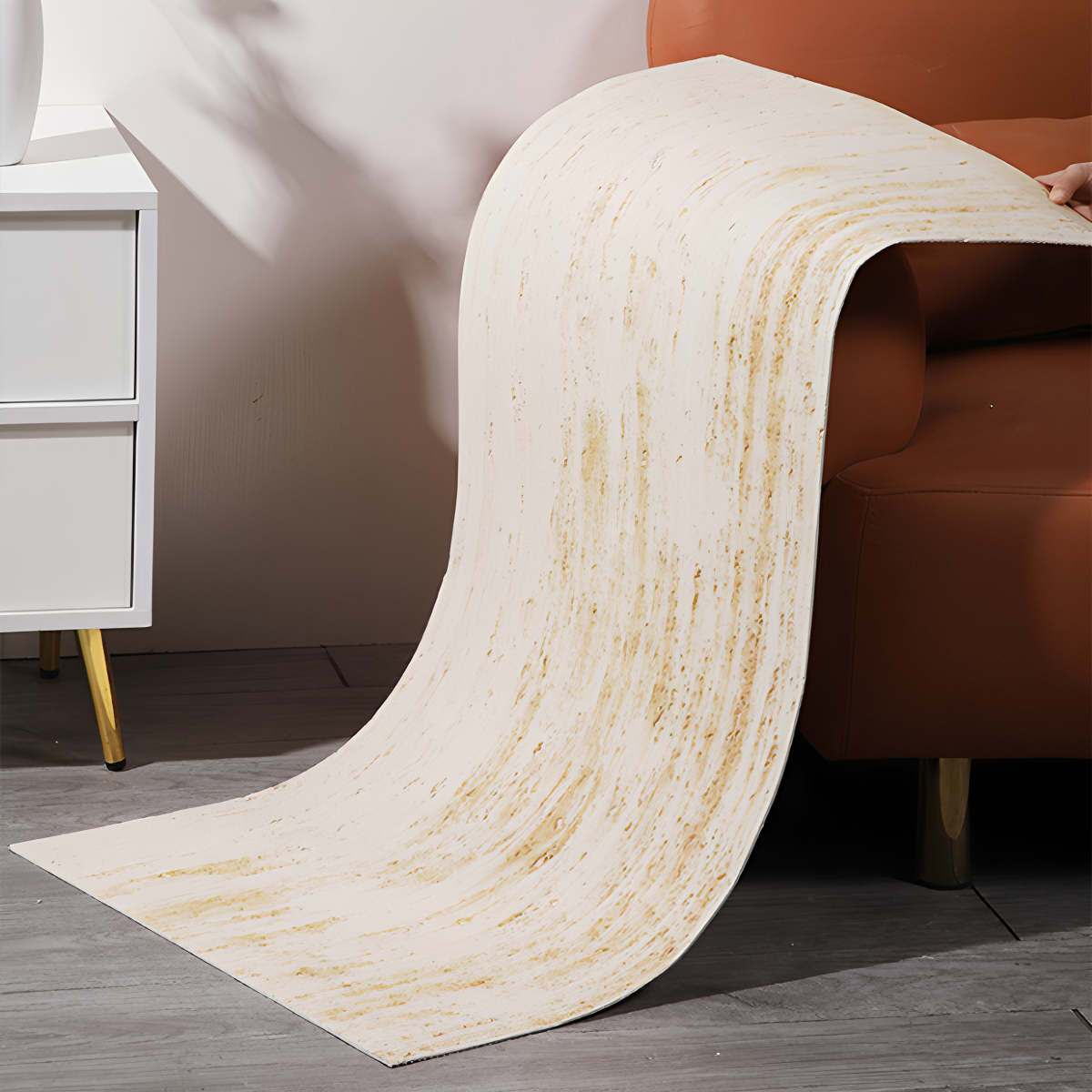
Flexible stone panels emerge as the top commercial cladding choice for 2026, offering a lightweight Class A2 fire-rated solution that replicates premium textures through 3D printing while reducing structural costs and installation time.
Flexible Stone as the Primary Choice for 2026 Commercial Facades
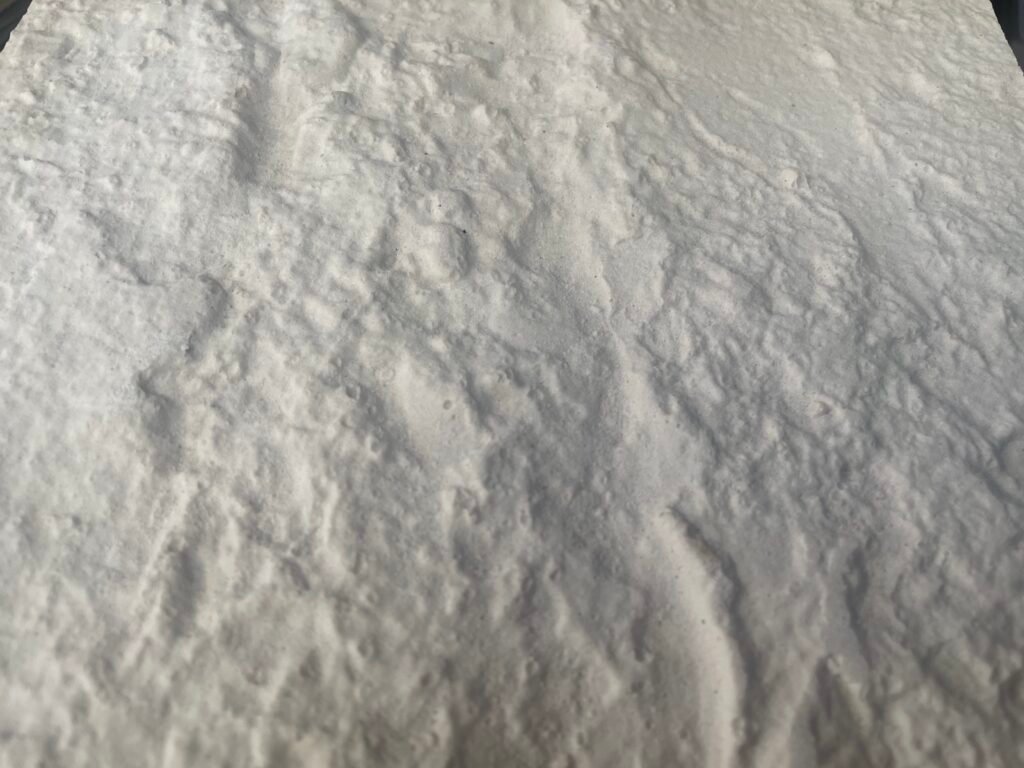
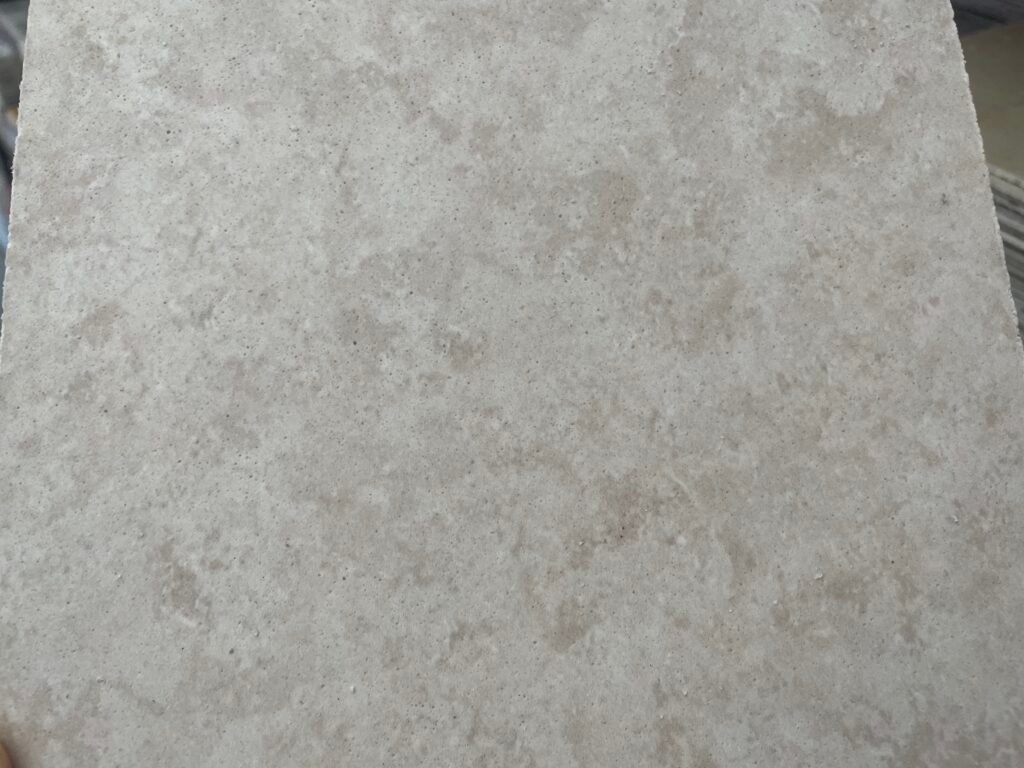
Flexible stone panels lead the market in 2026 by combining a Class A2 fire rating with a lightweight profile of 5-10 kg per square meter. This technical specification ensures compliance with strict urban building codes without the weight penalties associated with traditional stone or heavy masonry. The material handles extreme thermal cycles, maintaining structural integrity in temperatures as low as -40°C without cracking or peeling, making it suitable for diverse geographic regions.
Advanced 3D printing technology allows developers to achieve high-end marble, wood, or metal aesthetics while staying within commercial budget constraints. These panels provide the visual depth of natural materials without the resource-intensive extraction or high shipping costs. Architects select these solutions for projects requiring a premium appearance alongside modern performance standards.

Maximizing Project ROI with Modern Cladding Solutions
Architects reduce structural reinforcement costs because the thin 3-5mm stone layers add minimal dead load to the building frame. By eliminating the need for heavy-duty support systems, developers reallocate budget to other critical phases of the build. Installation on curved surfaces, columns, and arches proceeds faster than traditional masonry, which significantly cuts labor hours and simplifies on-site logistics.
Procurement efficiency remains a key factor in project profitability. Low 200 square meter MOQs and rapid 7-day sample delivery help procurement teams meet aggressive 2026 construction timelines. These streamlined supply chains reduce waiting periods and allow for faster project turnover, ultimately maximizing the return on investment for large-scale commercial developments.
Häufig gestellte Fragen
Which material offers the best balance for exterior cladding in 2026?
Aluminum Composite Panels (ACP) lead the market for their durability and design flexibility. They provide strong impact resistance and flame-retardant properties, making them suitable for modern urban buildings. For projects requiring a natural aesthetic, flexible stone panels offer a lightweight and versatile alternative.
What is the most durable siding for extreme weather conditions?
Fiber cement siding consistently ranks as the most durable choice, often lasting 50 years or more. It resists fire, pests, and moisture damage. Steel siding also provides protection in high-wind or fire-prone areas due to its industrial-strength impact resistance.
What is the most cost-effective way to clad a building?
Vinyl or uPVC cladding remains the most budget-friendly option, with material costs between $0.85 and $3 per square foot. For those seeking long-term value, composite cladding and flexible stone panels reduce future expenses because they do not require frequent painting or sealing.
Which facade materials are trending for 2026 architectural projects?
Architects are increasingly specifying porcelain slabs and aluminum systems for 2026. These materials offer high resistance to UV rays and moisture while providing a seamless, modern look. Lightweight flexible stone is also trending for its ability to cover curved surfaces and its low shipping costs.
Are there any maintenance-free cladding options available?
No material is entirely maintenance-free, but cellular PVC, composite cladding, and aluminum come very close. These options resist rot and insects, typically requiring only an occasional rinse with water to maintain their appearance.
Abschließende Gedanken
Choosing a cladding material requires a balance between structural load, fire safety, and budget. Flexible stone panels offer a practical solution for 2026 commercial projects. These materials deliver the texture of natural stone but weigh significantly less, which simplifies installation. Using them helps teams meet Class A2 fire standards while keeping labor and material costs manageable.
Efficient building design relies on smart material selection. Lighter facade systems reduce the need for heavy steel reinforcement and massive foundations. This choice directly lowers construction expenses and shortens project schedules. Project managers who focus on these modern alternatives create buildings that are durable, safe, and cost-effective.

 German
  English
  Spanish
  French
  Arabic