 Zum Inhalt springen

Sourcing Flexible Stone (Wholesale) without a rigid verification process is the primary cause of container-level quality failures that destroy profit margins. As global demand for lightweight veneers booms, many importers skip due diligence and end up with shipments plagued by inconsistent thickness, poor adhesion, and color mismatches. For contractors and distributors, a single bad batch can lead to costly project delays and irreversible damage to their professional reputation.
This guide serves as a technical standard operating procedure for building a reliable supply chain. We will walk through the exact steps for auditing manufacturers using ISO and BSCI certifications, calculating container load density to reduce per-unit shipping costs, and implementing a strict quality control system based on the “JMS Standard.” Consider this your operational playbook for securing consistent, commercial-grade flexible stone from verified suppliers.

How to Choose the Right Cladding
Selecting the right cladding is no longer just about aesthetics; it’s a technical decision balancing long-term performance, climate resilience, and total cost of ownership against the initial material expense.
Material Options and Trends
The market is shifting away from traditional, high-maintenance options. Architects and developers now favor materials like composite and thermally-modified wood, which offer better sustainability profiles and require less upkeep over their lifespan. Modern facade design often incorporates multiple material types on a single building, using each for its specific performance or visual strengths. This creates a more dynamic and functional exterior envelope.
- Composite and wood products are gaining market share due to their balance of reduced maintenance and improved sustainability.
- Designers frequently mix different cladding materials to achieve a specific look while optimizing for performance in different areas of a facade.
- JMS Decor meets this demand with flexible stone and WPC panels. These products provide lightweight, durable, and highly customizable alternatives to heavy, traditional materials.
Climate and Environmental Considerations
A material’s performance is directly tied to its environment. Matching cladding to local climate conditions is critical for ensuring long-term durability and avoiding premature failure.
Key factors include the material’s UV stability in high-sunshine regions, its moisture resistance in rainy or coastal areas, and its ability to withstand extreme temperature fluctuations without cracking or warping. For example, projects in industrial zones or near the coast demand materials with proven resistance to chemical exposure and salt spray.
Our flexible stone panels are engineered for this, tested to endure constant UV exposure, heavy rain, and temperatures as low as -40°C, making them a reliable choice for virtually any climate.

Performance and Durability Factors
The focus has moved from initial appearance to a material’s entire lifecycle performance. Evaluating the total cost of ownership—including installation, maintenance, and eventual replacement—provides a much clearer picture of a product’s true value. A cheap material that needs frequent repairs or replacement often costs more in the long run than a premium product with a 30-year lifespan and minimal upkeep.
- A full lifecycle assessment is the best way to determine if a cladding material is a sound long-term investment.
- Any specified material must meet or exceed current building codes for safety, fire resistance, and structural integrity.
- Manufacturers continually improve their products, and modern cladding systems offer better moisture management and UV protection to extend service life.
Comparison Chart: Price vs. Performance
The true cost of a building facade isn’t just the price per square meter; it’s the total cost of materials, shipping, and installation labor combined.
Premium Segment: Natural Stone Authenticity
For design-driven architectural projects, the premium tier of flexible stone delivers the authentic appearance and texture of natural materials. This segment targets high-end residential, hospitality, and commercial applications where visual impact and uniqueness justify a higher material cost. Prices typically range from $15 to $25 per square meter, varying with the specific stone veneer used, such as slate, marble, or travertine. Performance here is measured by aesthetic fidelity and durability, with top-tier suppliers providing data from accelerated aging tests to validate long-term color stability and structural integrity.
Budget Segment: Composite Alternatives
Large-scale projects with tight cost controls rely on mineral composite material (MCM) alternatives. These engineered panels provide a practical balance of affordability and durability, priced competitively between $10 and $18 per square meter. The manufacturing process ensures a uniform appearance, which is ideal for large office buildings, retail chain outlets, and hotels where consistency is critical. Performance focuses on weather resistance, durability, and ease of maintenance. Many of these products also feature sustainable, recyclable formulations to meet modern building standards.
Key Value Driver: Installation and Logistics Efficiency
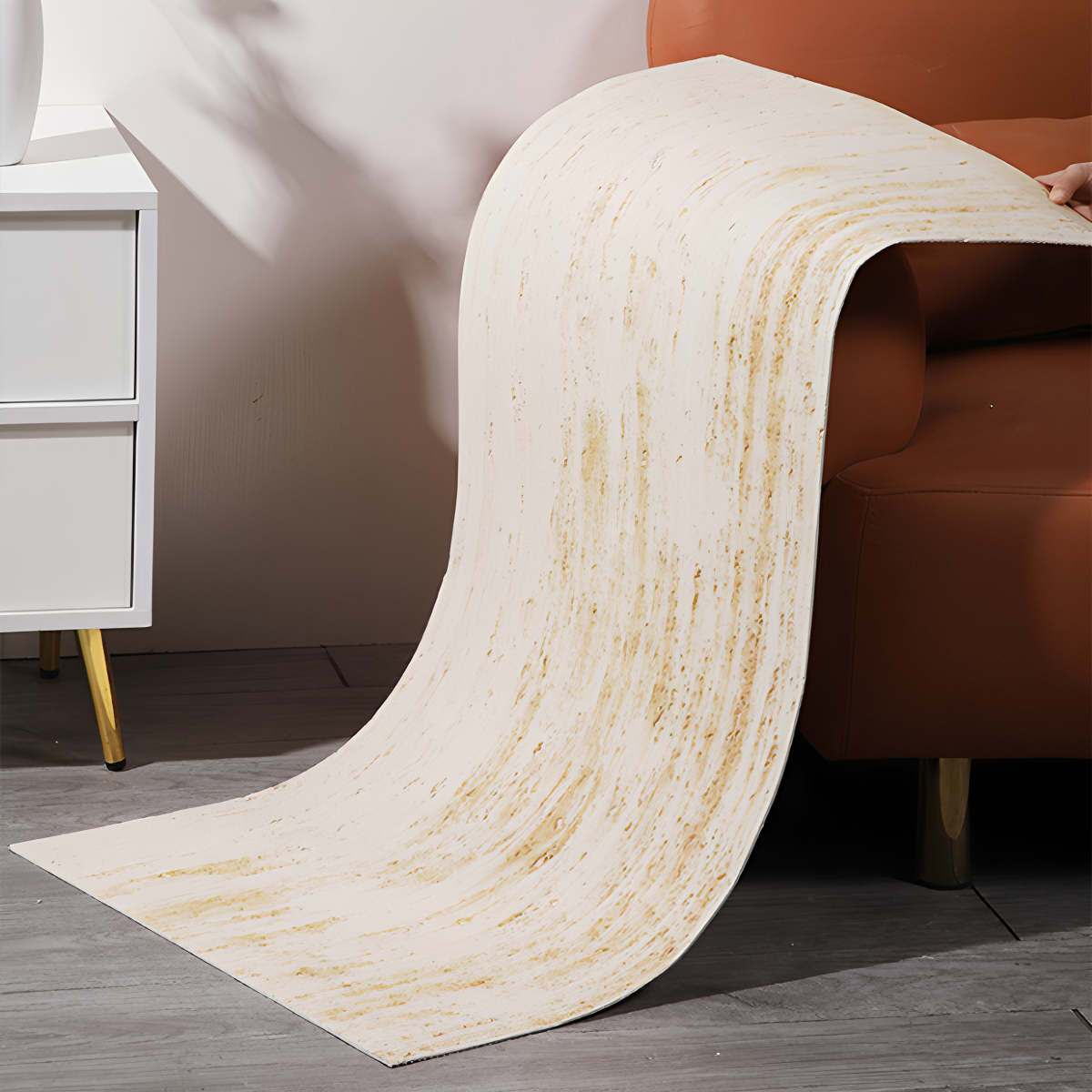
Across all price points, the most significant performance benefit comes from reduced labor and shipping costs. The ultra-thin profile of 2–4mm drastically cuts material weight, lowering transportation expenses and minimizing the structural load on the building.
This lightweight nature allows for an installation process that can be up to 50% faster than traditional masonry, creating substantial savings on labor. The material’s flexibility also allows it to be applied to curved surfaces without specialized equipment, which avoids extra fabrication costs and expands design possibilities.

The Chinese Manufacturing Advantage
Chinese manufacturers dominate the global flexible stone market by leveraging massive economies of scale and highly optimized supply chains. This industrial efficiency allows them to offer competitive pricing on both premium and budget-friendly panels. Their mass production capabilities lower per-unit material costs, and well-established global logistics networks ensure reliable, cost-effective shipping. Companies like JMS Decor provide direct B2B access to these advantages, enabling even buyers with smaller order quantities to benefit from factory-direct pricing and production capacity.
Erhöhen Sie Ihre Designs mit flexiblem Stein
Ranking Criteria: Cost, Weight, Safety
Flexible stone veneer is engineered to optimize the trade-off between project cost, structural load, and regulatory compliance, making it a pragmatic alternative to traditional heavy cladding.
Cost and Volume Pricing
In 2026, the wholesale cost of flexible stone veneer is directly tied to order volume and material grade. Suppliers structure deals with tiered pricing, meaning larger, consistent orders receive significant discounts. This model makes long-term partnerships more cost-effective than sporadic, single-project purchases. Transparent quotes that factor in these tiers are essential for accurately forecasting total project costs without encountering hidden fees later.
- JMS Decor enables market entry with a low minimum order quantity of just 200 square meters for its flexible stone panels.
- We find that partners often double their order volumes within the first year, which unlocks progressively better pricing tiers.
- Clear quoting mechanisms allow businesses to manage budgets effectively and scale their operations predictably.
Weight and Logistics
Material weight is a critical factor influencing both shipping costs and installation feasibility. Flexible stone’s low density, around 5-10 kg per square meter, is a fraction of traditional solid stone, which can exceed 150 kg/m². This dramatic weight reduction lowers international transportation expenses and simplifies on-site handling, especially for retrofitting older buildings or applying finishes to curved surfaces.
- The lower material weight directly translates to reduced freight charges and simplifies container loading logistics.
- Lightweight panels are easily installed on structures with strict weight limitations or complex geometries like columns and arches.
- Secure export packaging using reinforced wooden crates and pallets ensures materials arrive at the job site without damage.
Safety and Quality Certifications
Verifying a supplier’s quality and safety standards is essential for structural integrity and market compliance. Any serious partner must provide documented certifications that meet international regulations for building materials. These documents are not optional; they are proof of a product’s viability for commercial and residential projects where safety is the primary concern.
- JMS Decor maintains BSCI, ISO9001, and ISO14000 certifications, which confirms our operational commitment to quality and environmental management.
- Our products meet key safety benchmarks, including a Class A2 fire rating verified through ASTM testing, a non-negotiable for many commercial builds.
- The panels are tested to perform in extreme conditions, successfully passing freeze-thaw cycles at -40°C and demonstrating high resistance to water absorption.
Top 3 Cladding Materials List
Your choice in cladding boils down to a direct trade-off: flexible stone offers modern versatility and cost savings, natural stone provides timeless durability at a premium, and aluminum composite panels demand strict fire-safety verification.
Review: Flexible Stone (The Modern Winner)

Flexible stone is a composite cladding made from a thin, natural stone veneer bonded to a flexible fiberglass backing. Its extremely low weight, around 1.5 to 2.5 kg/m², makes it a dominant choice for both new construction and renovation projects in 2026. This material delivers the authentic look of stone without the structural reinforcement, transport costs, and complex installation associated with traditional masonry.
- Am besten geeignet für: Projects that need lightweight, versatile solutions for curved surfaces like columns, accent walls, and archways. It’s also ideal for renovations, as it can be installed directly over existing tiles.
- Key advantages: Delivers major cost savings of 30-40% compared to traditional stone. The savings come from reduced labor, cheaper transportation, and the elimination of extra structural supports.
- Performance: Top-tier options provide a Class A fire rating, are fully waterproof, and easily resist freeze-thaw cycles. This makes them reliable for nearly any climate, from the Middle East to Canada.
- Erwägungen: Substrate preparation is the most critical step for ensuring long-term adhesion and durability. Applying a quality sealer is also recommended, especially for exterior applications, to prevent any potential moisture ingress.
Review: Natural Stone (The Expensive Classic)
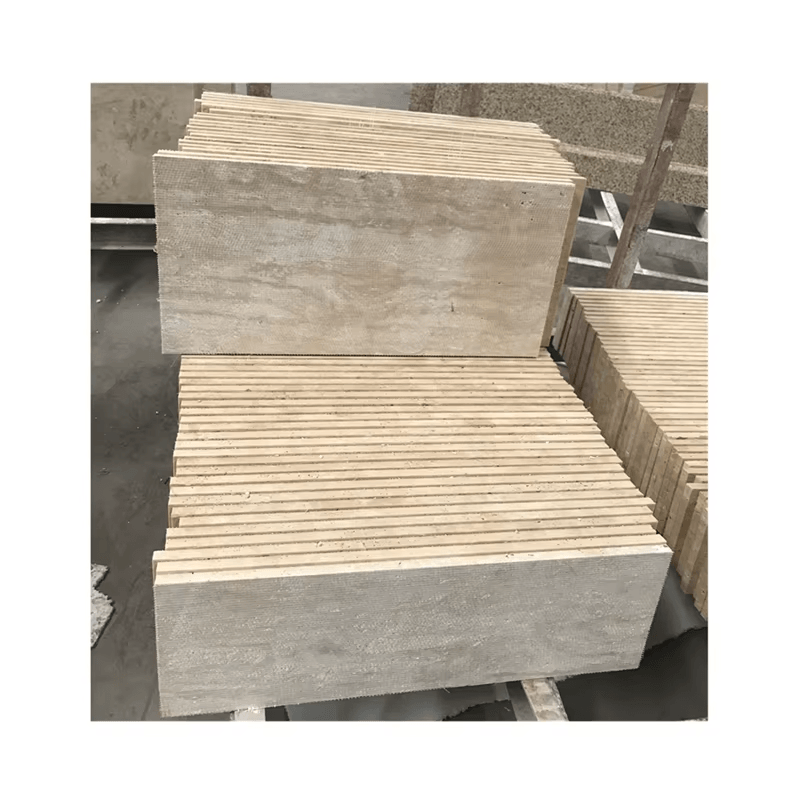
Natural stone includes materials like granite, limestone, and marble directly quarried from the earth. These slabs are valued for their unparalleled durability and classic aesthetic, representing the premium end of the market. The high initial cost is a direct reflection of its weight, quarrying expense, and specialized installation requirements.
- Am besten geeignet für: High-end commercial headquarters, luxury residential buildings, and any project where longevity and a premium appearance are non-negotiable.
- Key advantages: It offers unmatched durability and a timeless look that manufactured products can only imitate. Its extremely long lifecycle can make it a sound investment over many decades.
- Performance: Naturally resistant to fire, freezing, and thawing, it performs exceptionally well in harsh weather with almost no maintenance beyond occasional cleaning.
- Erwägungen: The initial installation cost is high. Its weight, often exceeding 150 kg/m², requires significant structural planning, reinforced foundations, and extended project timelines.
Review: Aluminum Composite (The Fire Risk)

Aluminum Composite Panels (ACPs) are a popular lightweight cladding option, but their safety profile depends entirely on the core material. Panels using a polyethylene (PE) core are a known fire risk and are restricted in many regions. Modern, code-compliant panels use a mineral-filled, fire-rated (FR) core to meet current building safety standards.
- Am besten geeignet für: Modern commercial facades demanding a sleek, metallic finish, but only when a fire-rated (FR) core is specified and verified through documentation.
- Key advantages: The material is lightweight and easy to form into complex shapes. It offers a huge range of colors and finishes, giving architects significant design flexibility.
- Performance: Fire rating is the single most critical performance metric. Combustible PE-core panels are unsuitable for most modern construction, especially on high-rise buildings.
- Erwägungen: You must verify the core material and its fire-rating certification (e.g., Class A2, NFPA 285) to ensure the building complies with safety codes. Failing to do this introduces significant liability.
Schlussfolgerung
Successfully importing flexible stone from China goes beyond simply finding a low price. Building a profitable supply chain depends on a structured approach that includes verifying manufacturer credentials, enforcing strict quality control, and optimizing container logistics. Following these steps helps minimize risk and ensures you receive a consistent, high-quality product that meets market demands.
To evaluate how these textures and benefits align with your projects, contact our team to request a sample kit or discuss your specific sourcing requirements.
Häufig gestellte Fragen
How to find building material manufacturers?
To find building material manufacturers, leverage a multi-channel approach. Start with digital B2B marketplaces like Arcat, Architizer, or Thomasnet for comprehensive supplier directories. Attend major industry trade shows such as the International Builders’ Show (IBS) or Greenbuild to connect with manufacturers directly. Additionally, utilize professional associations like the AIA or NAHB for member directories and recommendations. For global sourcing, platforms like Alibaba,Made In China are effective, but require rigorous vetting of supplier credentials and production capabilities.
Importing stone from China guide?
Importing stone from China requires a structured process. First, identify and vet suppliers through platforms like Alibaba or by attending the Xiamen Stone Fair. Always request samples. Second, engage a freight forwarder specializing in building materials to manage logistics, customs clearance, and documentation. Third, mandate a third-party, pre-shipment inspection (PSI) at the factory to verify quality. Finally, use secure payment terms, such as a Letter of Credit (L/C) or a 30% deposit with 70% balance paid against the Bill of Lading, and ensure compliance with all import tariffs and duties.
Reliable flexible stone suppliers?
Finding reliable flexible stone suppliers involves targeting specialists in innovative architectural materials. Look for manufacturers with a robust portfolio and detailed technical data sheets (TDS) covering ASTM testing for bond strength, UV resistance, and fire rating. Vet suppliers by checking their project histories and requesting client references. Always order and test multiple samples to evaluate the consistency of the stone layer, the flexibility of the polymer backing, and the overall manufacturing quality before committing to a large order. Key European and Asian manufacturers are often found at trade fairs like Coverings or BAU.
QC checklist for stone veneer?
A robust QC checklist for stone veneer must include these five points: 1) Dimensional Accuracy: Verify length, width, and thickness against specifications with calipers, ensuring minimal tolerance deviation. 2) Visual Inspection: Check for surface defects like cracks, chips, and stains, and ensure color and texture are consistent with the approved control sample. 3) Flatness/Warpage: Place panels on a certified flat surface to detect any bowing. 4) Back Surface Integrity: Ensure the back is rough and clean for proper mortar adhesion, free of any release agents. 5) Packaging: Confirm crates are robust and panels are well-protected to prevent breakage during shipping.
Private label building materials?
Private labeling allows you to sell building materials sourced from an Original Equipment Manufacturer (OEM) under your own brand. The process involves identifying a manufacturer that offers private label services for your desired product (e.g., cladding, adhesives, windows). You then provide your brand specifications, including logo, packaging design, and quality standards. Key negotiations focus on Minimum Order Quantities (MOQs), pricing, and a formal agreement that protects your intellectual property. This strategy provides brand control and potentially higher profit margins compared to reselling established brands.

 German
  English
  Spanish
  French
  Arabic